Ghost Ants Identification Guide
Tapinoma melanocephalum
Ghost ants are tiny, pale-colored ants with dark heads that seem to appear and disappear like phantoms. These tropical ants have become significant indoor pests throughout warmer regions of North America, infesting kitchens and bathrooms where they seek moisture and sweet foods.
Taxonomy
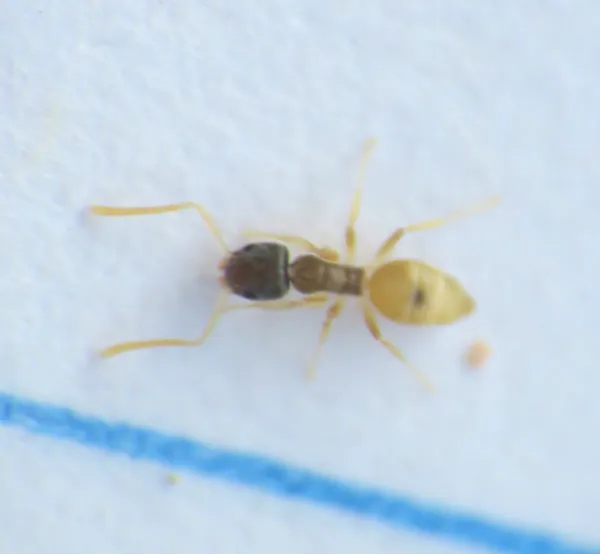
Ghost Ants Coloration
Common color patterns to help identify ghost ants
Ghost Ants
Seasonal Activity
When ghost ants are most active throughout the year
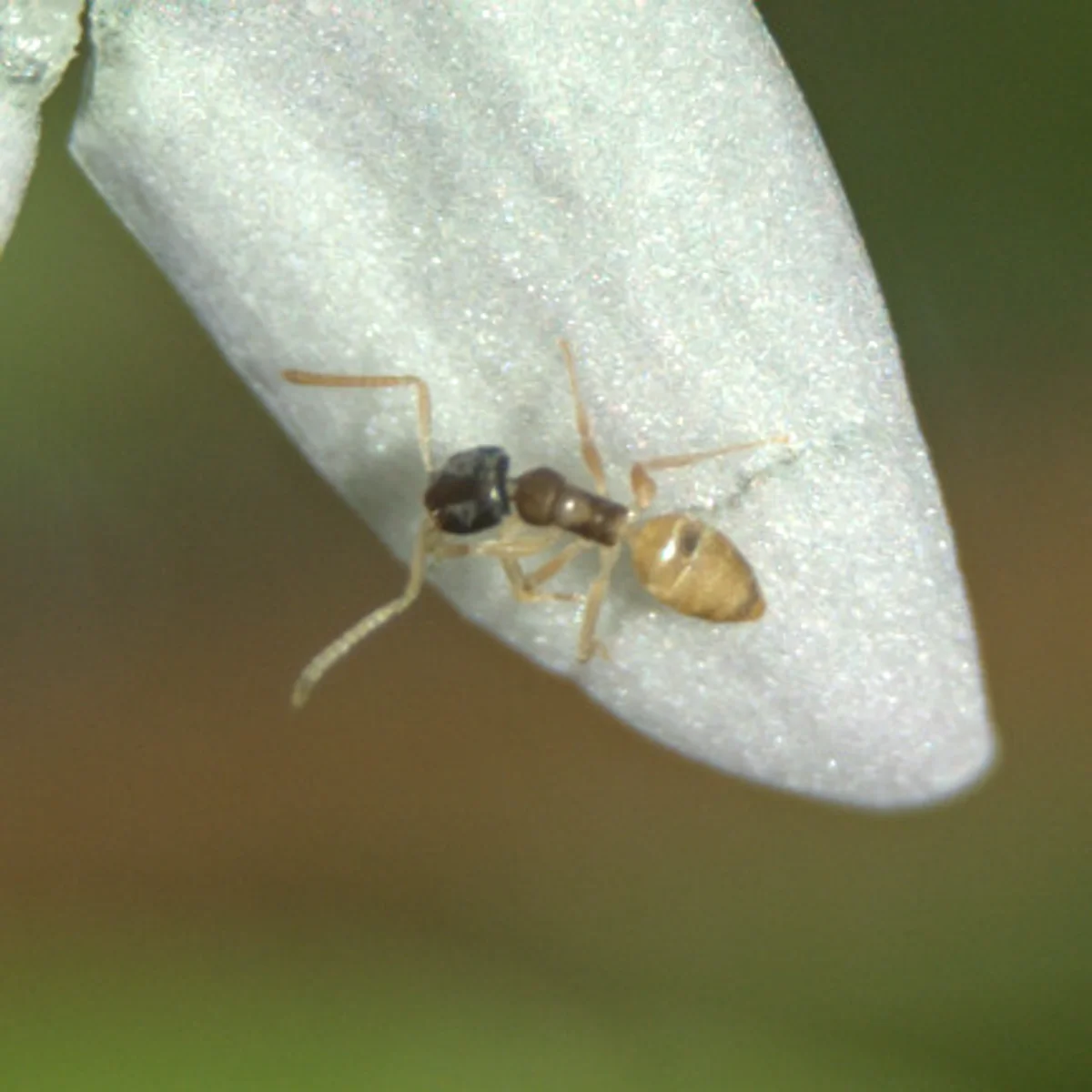
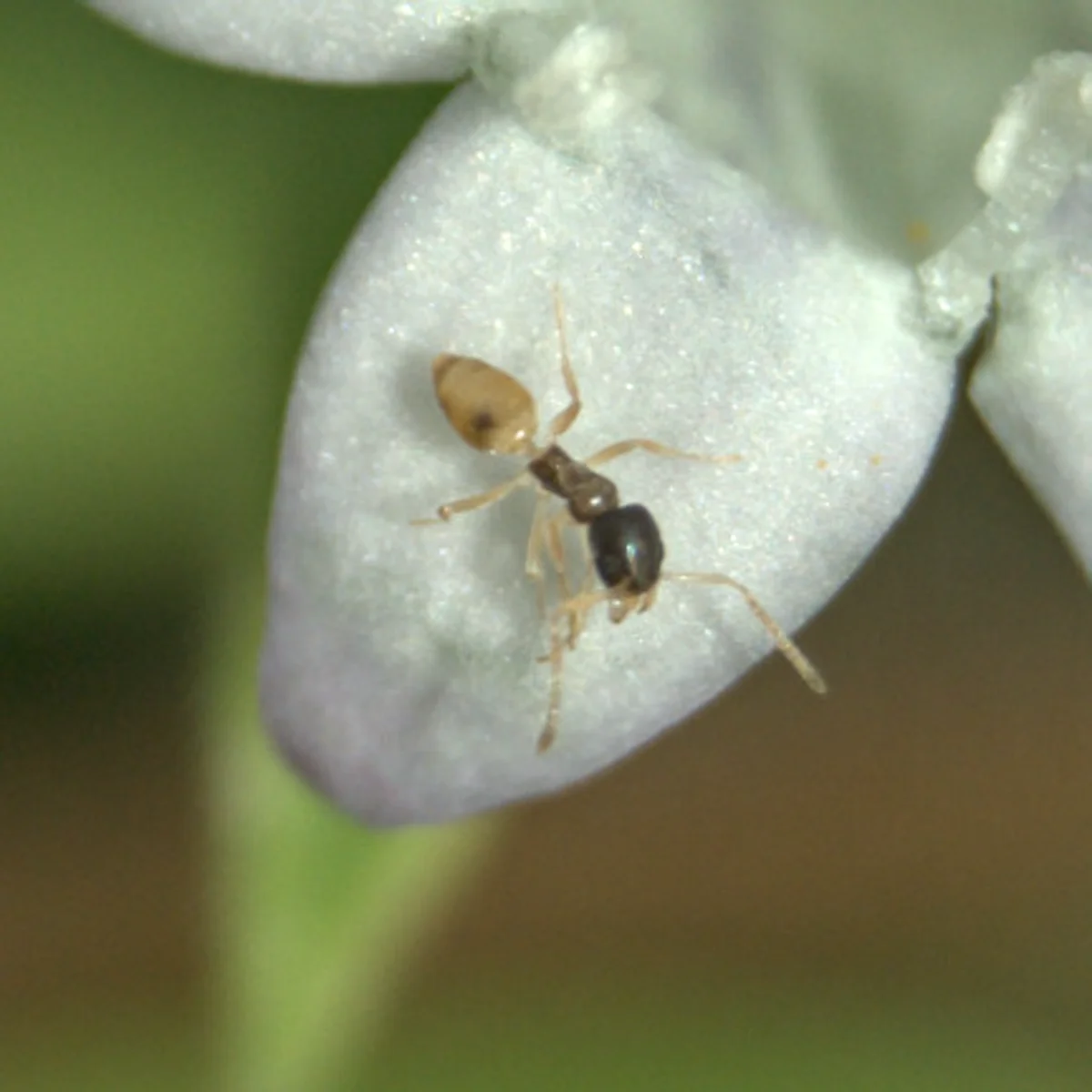
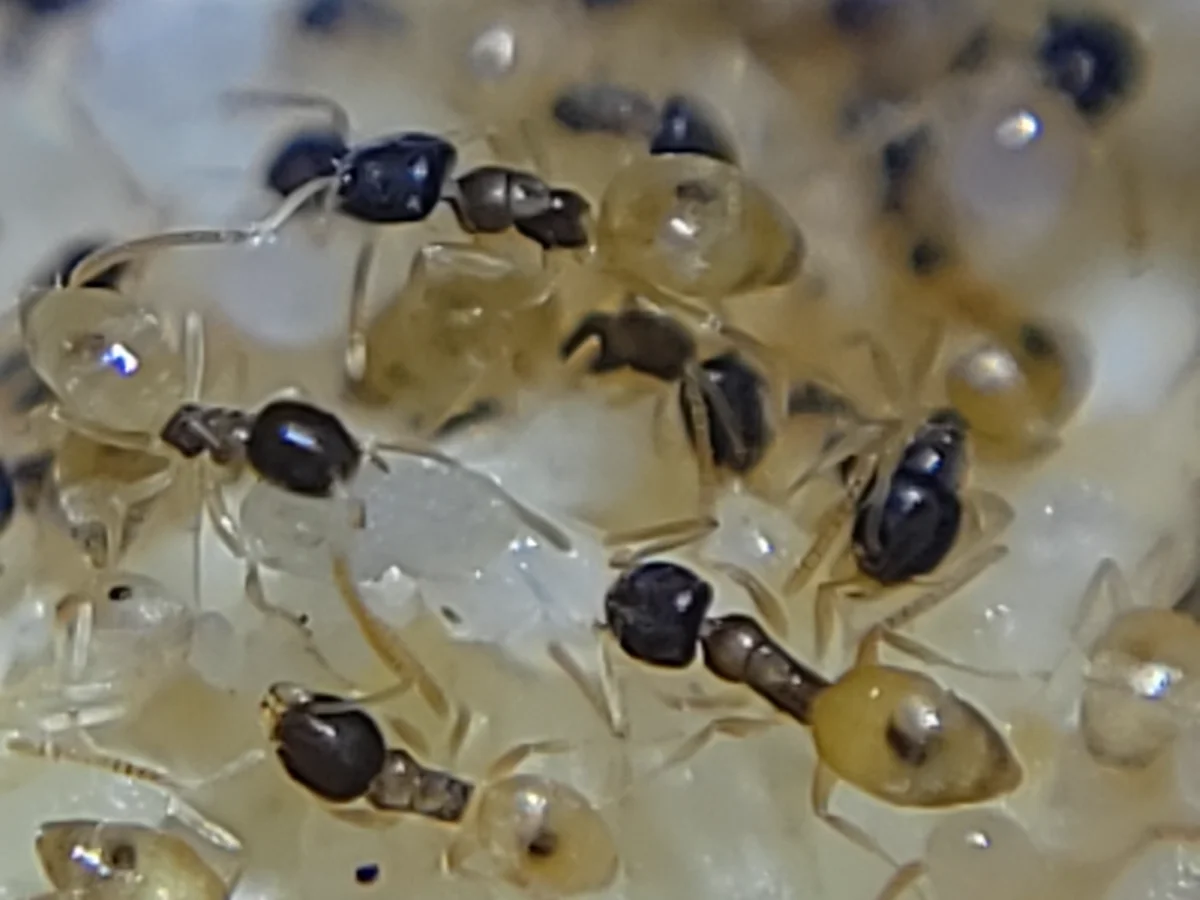

Where Ghost Ants Are Found
Hover over states to see their names. Green regions indicate where ghost ants have been reported.
Ghost Ants Identification Guide
Ghost ants (Tapinoma melanocephalum) are among the smallest household ant pests in North America. These tiny tropical ants get their name from their see-through appearance. They have become common indoor pests throughout the southern United States and in heated buildings in cooler regions. Ghost ants can nest in very small spaces. They also “bud” when disturbed, splitting into new colonies. This makes them hard to control.
In the DC Metro area, ghost ants are mainly indoor pests. They do well in the warm, damp spots found in kitchens, bathrooms, and near pipes. They cannot survive outdoors during winter in our region. But once they get inside, they stay active all year.
Physical Characteristics
Ghost ants are very small. Workers measure only 1.3-1.5 mm (about 1/16 inch) long. Their most notable feature is their two-toned color pattern:
- Head and thorax: Dark brown to black. This is the only part you can easily see.
- Gaster (abdomen): Pale, milky white to yellowish, almost see-through
- Legs: Pale and see-through, matching the abdomen
- Antennae: 12 segments without a distinct club, pale at the tips
The sharp color contrast between the dark front half and pale back half is the key way to identify them. When ghost ants move across light surfaces, only their dark heads show up. This creates the “ghostly” look that gives them their name.
Other ways to identify ghost ants:
- Single-node petiole: One small segment connects the thorax to abdomen (hard to see from above)
- No propodeal spines: Smooth thorax shape
- Tiny size: Among the smallest pest ants, smaller than pharaoh ants
- Faint odor: When crushed, they give off a mild coconut-like smell
Queens are larger than workers (about 2.5 mm) and darker. Males are about the same size as workers but have wings and darker color.
Similar Species Often Confused with Ghost Ants
Because of their small size and indoor habits, ghost ants can be mistaken for other tiny ant species:
-
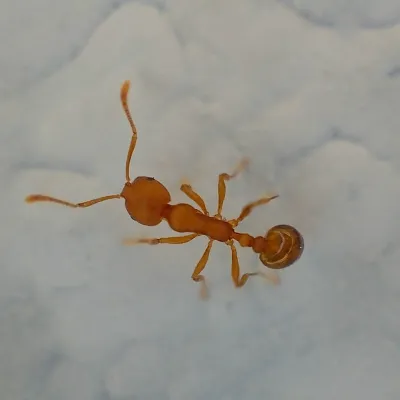
Pharaoh Ants (Monomorium pharaonis): Similar tiny size but all yellowish to light brown. They lack the two-toned pattern. Pharaoh ants have a 12-segmented antenna with a 3-segmented club and a two-node petiole.
-
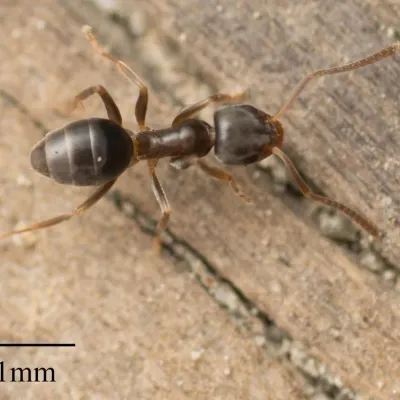
Odorous House Ants (Tapinoma sessile): Same genus as ghost ants but larger (2.4-3.3 mm) and all dark brown to black. When crushed, they give off a strong rotten coconut smell, much stronger than ghost ants.
-
Thief Ants (Solenopsis molesta): Similar tiny size and pale color, but all yellowish without the dark head. Thief ants have a 10-segmented antenna with a 2-segmented club.
-
Sugar Ants: This common name covers various sweet-feeding ants. True ghost ant ID requires noting the dark head with see-through body.
-
White-Footed Ants (Technomyrmex difficilis): Similar tiny size and found in tropical regions, but uniformly dark brown to black with pale yellowish-white feet. White-footed ants also form large colonies but lack the two-toned head and body contrast of ghost ants.
Correct identification matters because treatment methods differ between species. Our ant identification chart can help you compare these look-alikes. If you are not sure which ant species you have, our technicians can identify them during an inspection.
Ghost Ants Behavior and Biology
Learning about ghost ant biology helps explain why they are so hard to get rid of. Like pharaoh ants, ghost ants have behaviors that make regular insecticide sprays work against you.
Colony Structure and Budding Behavior
Ghost ant colonies have multiple egg-laying queens. Sometimes there are dozens of queens in one colony. This multi-queen setup lets them do their most troublesome behavior: budding.
When a ghost ant colony feels stress (from pesticides, being disturbed, crowding, or lack of food), groups of workers take brood and queens and leave to start new colonies elsewhere. This splitting can happen many times. A single small infestation can turn into a building-wide problem.
This budding behavior is why contact killers and repellent sprays backfire against ghost ants:
- Spray kills foraging workers at the spot you treated
- Surviving workers sense the threat through chemical signals
- The colony splits as groups scatter with queens
- Multiple new colonies form throughout the building
- The infestation grows instead of shrinking
To control ghost ants, you need non-repellent, slow-acting materials. Workers cannot detect these products. They will share them with queens before any defense response kicks in.
Diet and Foraging Patterns
Ghost ants mainly eat sweets, making them one of the most common ants in the kitchen. They love sweet liquids and honeydew (the sugary waste from aphids and scale insects). Common food sources include:
- Sweets: Sugar, honey, syrup, jelly, fruit, sweet drinks
- Honeydew: From aphids and other plant-sucking insects on houseplants or outdoor plants
- Proteins: Dead insects, meat scraps, grease (less preferred)
- Moisture: Often found near water sources even without food nearby
Foragers make trails along edges, baseboards, and building features. Their tiny size lets them get into food containers and packages through very small openings. Their trails tend to look random rather than the neat lines you see with some other ants.
Ghost ants share food mouth-to-mouth (called trophallaxis). This is how bait spreads through the colony. Foragers go back to the nest and share liquid food with other workers, queens, and young larvae.
Nesting Habits
Ghost ants nest in warm, damp, protected spots. Their tiny size lets them fit in spaces too small for other ants.
Common indoor nesting sites:
- Wall voids and hollow doors
- Behind baseboards and door frames
- Inside potted plant soil and drainage dishes
- Under loose carpet edges
- Inside cabinet voids and drawer tracks
- Inside electrical boxes and switch plates
- Around pipe openings
- In folded linens and stored items
Outdoor nesting sites (in warm climates):
- Under bark and in tree holes
- Inside dead plant stems and branches
- In leaf litter and mulch
- Under rocks and debris
- In the root balls of potted plants
Colonies usually have multiple connected nesting sites. This helps them reach different food and water sources. It also protects them if one nest gets destroyed.
Life Cycle and Reproduction
Ghost ants go through four life stages:
- Eggs: Tiny, white, and oval-shaped. They hatch in about 2-4 weeks.
- Larvae: White, legless grubs that workers care for. They grow for 2-3 weeks.
- Pupae: The change stage, lasting about 2-3 weeks.
- Adults: Workers live several months. Queens can live for years.
From egg to adult takes about 5-10 weeks based on temperature and moisture. Queens can lay several hundred eggs in their lifetime. Since colonies have multiple queens, they can reproduce quickly.
Unlike some ants, ghost ants do not have mating flights. They mate inside or very close to the nest. This means new colonies spread by walking, not flying. That is why infestations tend to spread through connected buildings rather than popping up in random spots.
Seasonal Activity in the Mid-Atlantic
In our region, ghost ants are indoor pests that stay active all year in heated buildings:
| Season | Activity Level | Notes |
|---|---|---|
| December - March | Moderate | Active indoors. They seek warm, moist areas near pipes and heaters. |
| April - May | High | More activity as indoor temps rise. Colony growth speeds up. |
| June - September | High | Peak activity. Maximum foraging and breeding. |
| October - November | Moderate | Activity continues indoors. You may see more trailing as ants seek warmth. |
In subtropical Florida and the Gulf Coast, ghost ants live outdoors year-round. They are one of the most common pest ant species there.
How We Treat for Ghost Ants
Ghost ant control works like pharaoh ant control. We use baits that are non-repellent and slow-acting. Workers share these materials with the colony before any budding response kicks in. The key rule: avoid repellent sprays that cause the colony to split.
Initial Inspection and Species Verification
First, we must confirm that you have ghost ants. The technician will check for:
- The two-toned color pattern (dark head, pale abdomen and legs)
- Body size (smaller than pharaoh ants)
- Single-node petiole structure
- Trailing behavior and nest locations
During the inspection, we:
- Map active foraging trails in the building
- Find moisture sources that draw ant activity
- Locate likely nesting areas based on trail patterns
- Check houseplants, which often hide colonies
- Judge the size of the infestation (one area vs. multiple spots)
- Look for conditions that help ants thrive, like moisture issues or food storage problems
Strategic Baiting Protocol
Baiting is the core of ghost ant control. We use multiple bait types to match the colony’s love of sweets:
- Liquid sugar baits: The main formulation that matches ghost ant food preferences
- Gel baits: Applied in cracks and gaps near nesting areas
- Granular baits: For outdoor perimeter treatment in warm weather
We place baits:
- Right on observed foraging trails
- Near sinks, dishwashers, and other moisture sources
- Around potted plants (common nesting sites)
- In kitchen cabinets and pantry areas
- Along baseboards in bathrooms
- Near any found nesting locations
The slow-acting bait lets foragers recruit other ants and share the material with workers, queens, and larvae. This food sharing makes sure the active ingredient reaches all queens. That is the only way to wipe out the colony.
Interior Treatment Approach
Inside your home, we apply targeted, non-repellent treatments where ghost ants travel and nest:
- Crack and gap treatments along baseboards in high-activity zones
- Treatment of wall voids through existing openings when needed
- Treatment around pipe openings
- Treatment of potted plant soil if colonies are present
Non-repellent products are key because ants cannot sense them. Workers touch the product during normal activity and pass it to nestmates through grooming. This spreads the treatment through the whole colony.
What we avoid: Spraying repellent products inside the home. This prevents colony budding and stops the problem from spreading.
Exterior Perimeter Treatment
The technician will also inspect and treat the outside of your home:
- Create a protective barrier with non-repellent insecticide
- Find entry points and suggest ways to seal them
- Check for outdoor nesting sites near the foundation (in warm weather)
- Address issues like too much mulch or plants touching the foundation
What to Expect After Treatment
Ghost ant baiting takes patience as the material spreads through the colony:
Timeline:
- Days 1-7: Ant activity may continue or even increase as foragers find bait and recruit others. This is actually a good sign.
- Days 7-14: Less foraging as the bait affects the colony.
- Days 14-28: Big drop in visible activity. Larger infestations may take more time.
- Days 28-42: Full elimination for most multi-nest infestations.
What you should do:
- Do not use store-bought sprays, foggers, or ant products during treatment
- Do not disturb known nesting areas
- Leave bait stations where we place them
- Clean up food spills quickly to help bait work better
- Call us if you see ants in new areas, as this may mean budding is happening
Ongoing Maintenance and Prevention
Ghost ants can come back from neighboring units, outdoor sources (in warm weather), or through infested plants brought into the home. Our tri-annual service program (three visits per year) provides ongoing protection:
- Checking for new activity or signs of return
- Fresh bait placement as needed
- Perimeter maintenance treatment
- Watching for conditions that help ants thrive
Between scheduled visits, contact us for a callback at no extra charge if you notice ghost ant activity.
Prevention Tips
These habits help treatment work better and prevent future ghost ant problems:
- Control moisture: Fix leaky pipes and faucets. Use exhaust fans in kitchens and bathrooms. Empty drip pans often.
- Keep food clean: Store sweet foods in sealed containers. Clean spills right away. Keep counters free of sticky spots. Rinse recyclables before storing.
- Check plants: Look for ant activity in houseplants before bringing them inside. Check the root ball and drainage dish.
- Seal entry points: Close gaps around pipes, cables, and wires. Caulk cracks in the foundation and around windows.
- Maintain the yard: Keep mulch and ground cover away from the foundation. Trim plants that touch the building.
These steps make your home less appealing to ghost ants and help keep them away for good. For additional advice, see our complete guide on how to keep ants away.
References and Further Reading
- Klotz, J.H., et al. (2008). Urban Ants of North America and Europe: Identification, Biology, and Management. Cornell University Press.
- Smith, M.R. (1965). House-infesting ants of the eastern United States. USDA Technical Bulletin 1326.
- Hedges, S.A. (2010). Field Guide for the Management of Structure-Infesting Ants. G.I.E. Media.
- University of Florida IFAS Extension. Ghost Ant Fact Sheet. https://entnemdept.ufl.edu/creatures/urban/ants/ghost_ant.htm
- Nickerson, J.C., et al. (2023). Ghost Ant. EENY-232. University of Florida IFAS Extension.
- National Pest Management Association. Ghost Ants. https://www.pestworld.org/pest-guide/ants/ghost-ants/
Other Ants
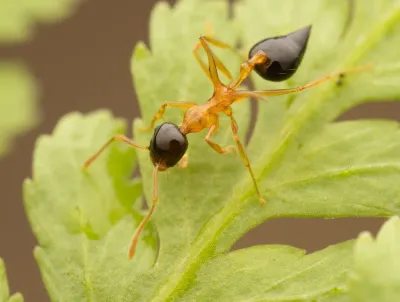
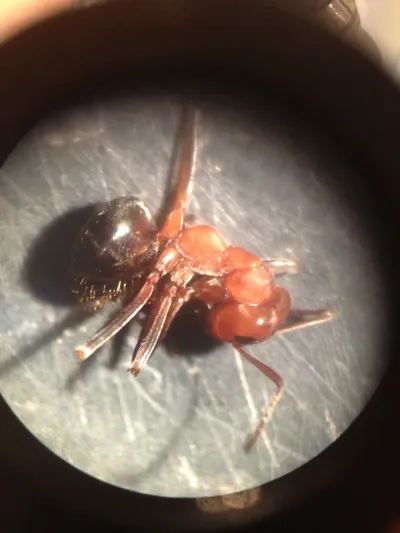
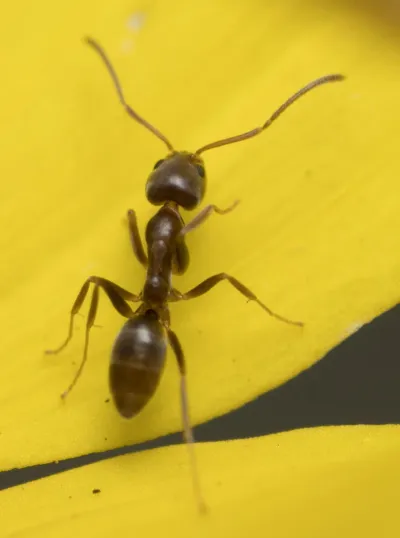
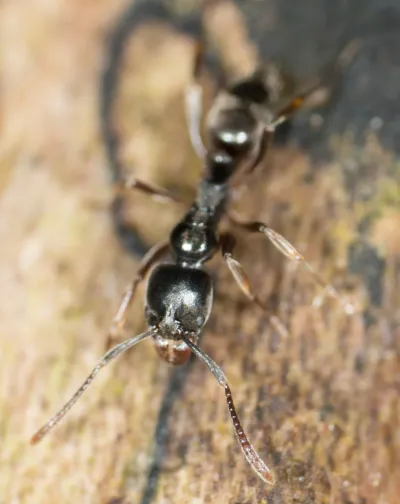
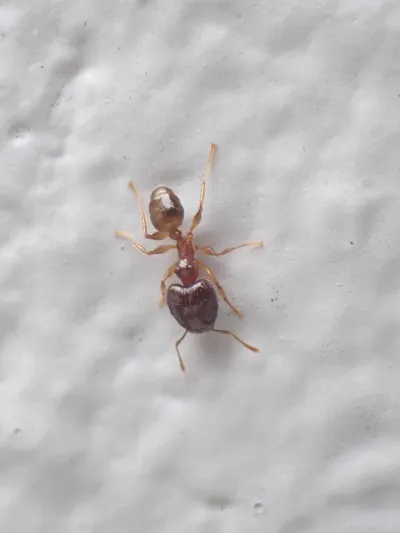
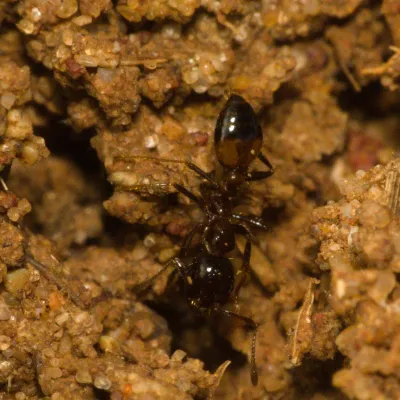
Explore other species in the ants family
Commonly Confused With
Ghost Ants are often mistaken for these similar pests
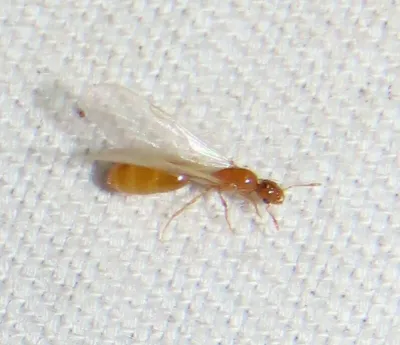
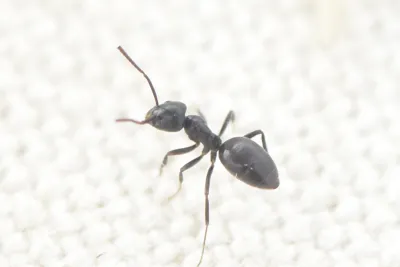
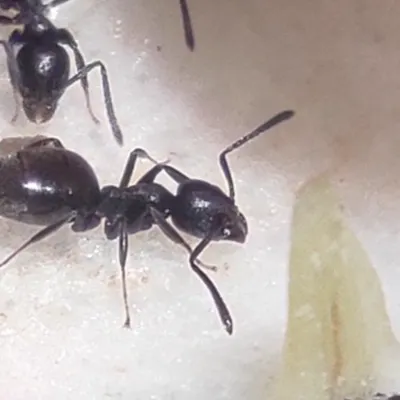
Where Ghost Ants Are Found
Hover over states to see their names. Green regions indicate where ghost ants have been reported.
Common Questions about Ghost Ants
Why are they called ghost ants?
+
Ghost ants earned their common name from their pale, almost translucent legs and gaster (abdomen) that make them appear to vanish against light-colored surfaces. Only their dark head and thorax are easily visible, creating the impression of a ghostly or phantom-like appearance as they move across countertops and walls.
How can I tell if I have ghost ants?
+
Look for extremely tiny ants (about 1/16 inch) with a distinctive two-toned appearance - dark brown to black head and thorax contrasting sharply with pale, almost see-through legs and abdomen. They're most commonly found trailing near moisture sources in kitchens and bathrooms. When crushed, ghost ants emit a faint coconut-like odor, though not as strong as odorous house ants.
Are ghost ants harmful to humans?
+
Ghost ants do not sting or bite humans. However, they can contaminate food by crawling over it after traveling through unsanitary areas. While they're primarily a nuisance pest, their presence in kitchens and food storage areas is a sanitation concern that should be addressed promptly.
Where do ghost ants nest in homes?
+
Ghost ants prefer warm, moist locations and commonly nest in wall voids, behind baseboards, inside potted plants, under carpet edges, within cabinetry, and near plumbing fixtures. Outdoors in warm climates, they nest in leaf litter, under bark, in plant stems, and beneath debris. They often maintain multiple nesting sites connected by foraging trails.
Why do ghost ants keep coming back?
+
Ghost ants are persistent because they form large colonies with multiple queens and practice 'budding' - when disturbed, portions of the colony split off to form new satellite colonies. Using repellent sprays can actually make infestations worse by causing the colony to fragment and spread. Effective control requires non-repellent baits that workers carry back to all nesting sites.
Can ghost ants survive winter in my area?
+
Ghost ants are tropical insects that cannot survive freezing temperatures outdoors. In the Mid-Atlantic and northern regions, they're strictly indoor pests that require heated buildings year-round. In southern Florida and other subtropical areas, they can maintain outdoor populations throughout the year.
What attracts ghost ants to my kitchen?
+
Ghost ants are strongly attracted to sweet substances including sugar, honey, syrup, fruit, and sweet beverages. They also need moisture, which is why they're commonly found near sinks, dishwashers, and refrigerator drip pans. Even small spills or sticky residues can attract foraging workers.
How long does it take to get rid of ghost ants?
+
Professional baiting programs typically show results within 1-2 weeks. Complete elimination takes 3-6 weeks for most infestations. Larger colonies may need more time. Ghost ants have multiple queens and nesting sites, so patience is key. The slow-acting baits must reach all queens to wipe out the colony for good.

With five years of hands-on experience in the pest control industry, George Schulz is a registered technician with the Virginia Pest Management Association and a proud third-generation professional in a family business that's been protecting homes for over 57 years. He manages and trains a team of service pros while also leading internal research efforts—recently spearheading a deep-dive review of thousands of documents on pest control materials to hand-pick the most kid and pet friendly, most effective solutions tailored specifically for homes in the DC metro area.