Cornfield Ants Identification Guide
Lasius neoniger
Cornfield ants are small, light-brown to dark-brown ants commonly found nesting in open lawns, fields, and sandy soils across eastern and midwestern North America. Also called 'Labor Day ants' due to their late-summer mating flights, they create shallow soil craters in lawns and are known for their relationship with aphids.
Taxonomy
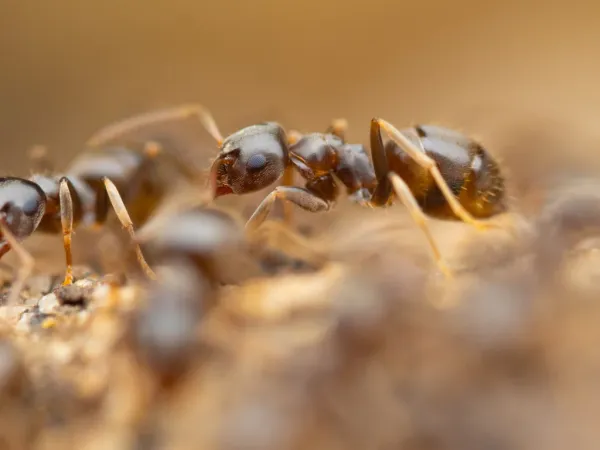
Cornfield Ants Coloration
Common color patterns to help identify cornfield ants
Cornfield Ants
Seasonal Activity
When cornfield ants are most active throughout the year

Where Cornfield Ants Are Found
Hover over states to see their names. Green regions indicate where cornfield ants have been reported.
Cornfield Ants Identification Guide
Cornfield ants (Lasius neoniger) are one of the most abundant ant species in open habitats across eastern and midwestern North America. Despite their name, these ants are far more likely to be found in suburban lawns than in agricultural cornfields. Homeowners typically notice them when small dirt mounds appear across sunny lawn areas or when swarms of flying ants emerge in late summer.
Also known as “Labor Day ants” or “turfgrass ants,” cornfield ants belong to the genus Lasius, a group of soil-nesting ants that includes several closely related species. While generally considered a low-priority pest, their lawn-damaging habits and occasional indoor foraging can make them a nuisance for homeowners.
Physical Characteristics
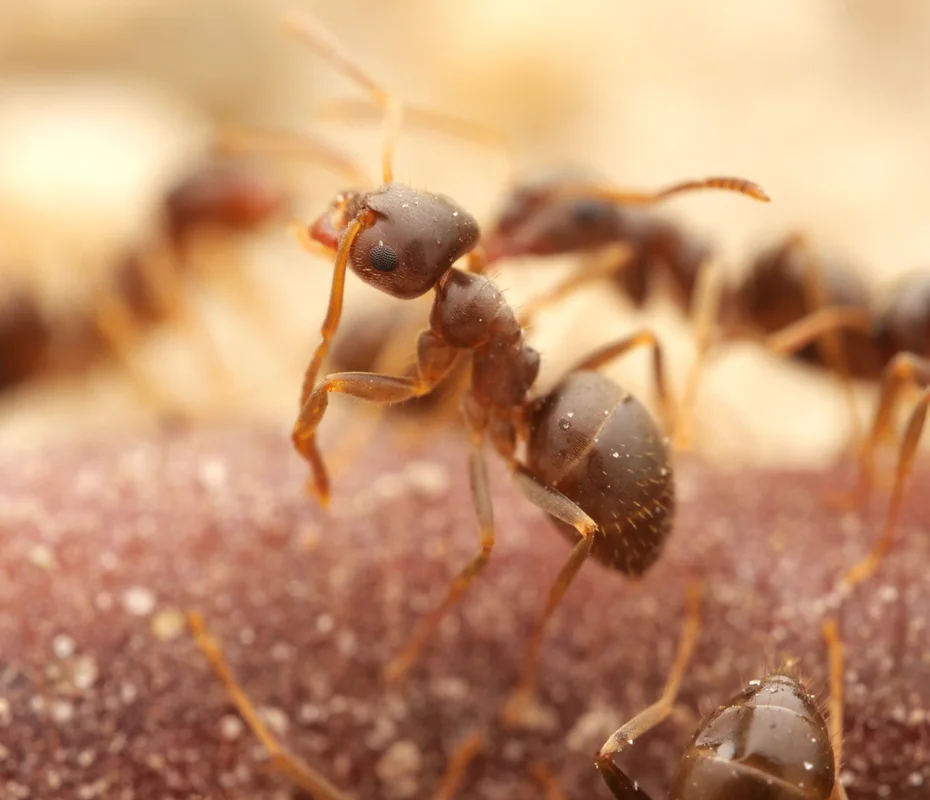
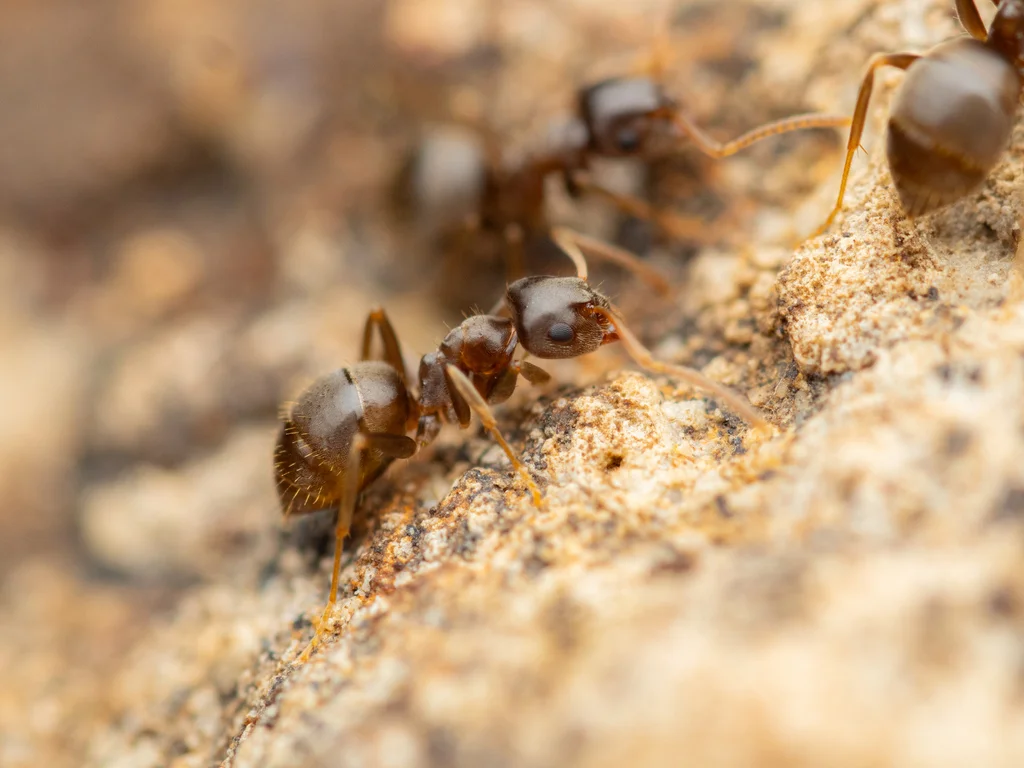
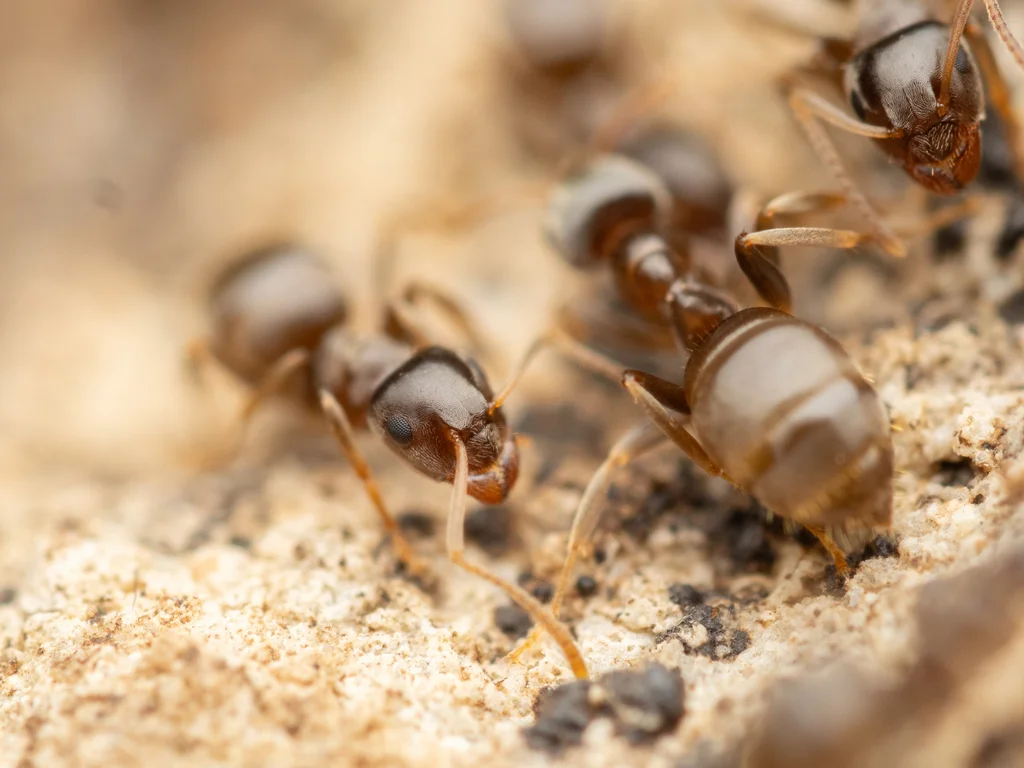
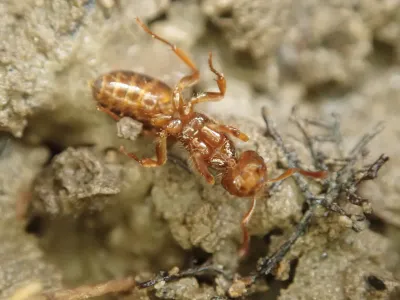
Cornfield ant workers are small, measuring 2 to 4 mm (approximately 1/16 to 1/8 inch) in length. Their color ranges from light brown to dark brown, with some specimens appearing reddish-brown. Queens are considerably larger, reaching 7 to 9 mm (about 1/4 to 3/8 inch).
Key identification features include:
- Single-node petiole - A single small segment between the thorax and abdomen (gaster)
- Relatively large eyes - Proportionally larger eyes compared to many other small ants
- Smooth, soft-bodied appearance - Typical of Lasius species
- 12-segmented antennae - Standard for ants in this genus
- Erect hairs on the antennal scape and hind legs (visible under magnification)
The light-to-medium brown coloration and smooth body distinguish cornfield ants from darker, more sculptured species like pavement ants.
Common Look-Alikes
Several ant species are commonly confused with cornfield ants:
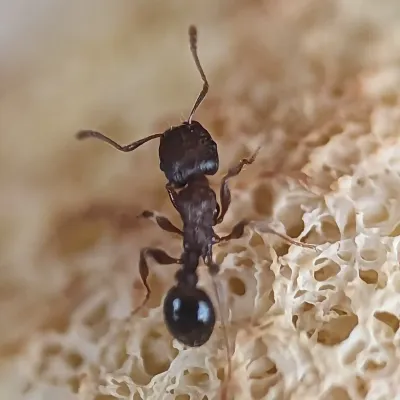
- Pavement Ants (Tetramorium immigrans) - Similar size but darker (brown to black) with distinctive parallel grooves on the head and thorax and two small spines on the thorax. Pavement ants prefer nesting under hard surfaces rather than in open lawns.
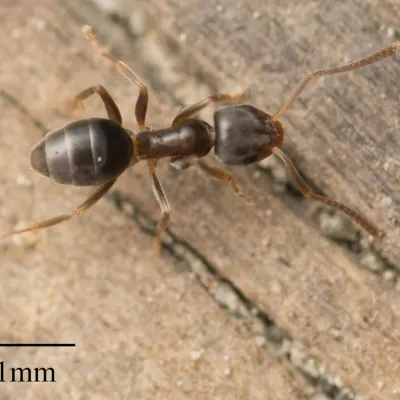
- Odorous House Ants (Tapinoma sessile) - Similar small brown ants that often forage indoors. Distinguished by the rotten coconut odor they emit when crushed and a differently shaped petiole.
- Citronella Ants (Lasius species) - Closely related, often yellow to pale brown, and emit a strong lemony or citronella scent when crushed. They typically nest in rotting wood and forest habitats rather than open lawns.
- Little Black Ants (Monomorium minimum) - Smaller and jet black, lacking the brown coloration of cornfield ants.
- Other Lasius species - Several Lasius species look nearly identical and require microscopic examination of characters like scape hairs and clypeal margin shape for definitive identification.
For management purposes, distinguishing between Lasius species is usually unnecessary since treatment approaches are similar. However, confirming you have Lasius rather than carpenter ants or another structurally damaging species is important before deciding on a treatment strategy. Our ant identification chart can help you narrow down the species.
Cornfield Ants Behavior and Biology
Colony Structure and Nesting
Cornfield ants are social insects that form colonies typically headed by a single queen (monogynous colonies). To learn more about how long ants live and colony dynamics, see our guide. Mature colonies can contain several thousand workers, though colony sizes vary based on habitat quality and nest age.
These ants prefer open, sunny habitats with well-drained soil. Common nesting locations include:
- Lawns and turfgrass areas
- Fields and meadows
- Sandy soils and disturbed areas
- Edges of sidewalks and driveways (in adjacent soil)
- Under rocks and stones in sunny areas
- Coastal dunes and open sandy habitats
Nests consist of shallow underground galleries with characteristic crater-like openings at the soil surface. Unlike pavement ants, which nest under hard surfaces, cornfield ants prefer open soil where they can excavate freely. A single lawn may host numerous colonies, each producing its own small dirt mound.
Diet and the Aphid Connection
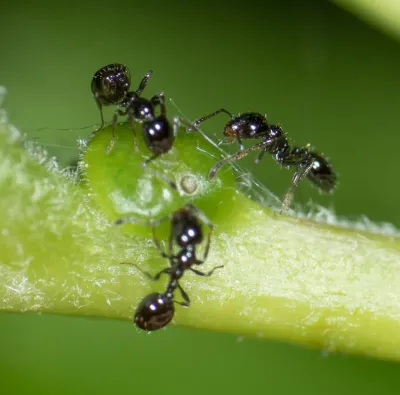
The “cornfield” name comes from this ant’s historical association with the corn root aphid (Aphis maidiradicis). Cornfield ants have a remarkable mutualistic relationship with these aphids:
- Ants collect aphid eggs in fall and store them in their nests over winter
- In spring, ants carry aphid nymphs to plant roots where they can feed
- Aphids produce honeydew (a sugar-rich waste product) that ants harvest
- Ants protect aphids from predators, essentially “farming” them for food
This relationship can damage agricultural crops when aphid populations become heavy on corn and other plant roots. For homeowners, the practical implication is that reducing aphid populations on landscape plants may help control cornfield ant numbers.
Beyond honeydew, cornfield ants also consume:
- Nectar from flowers and extrafloral nectaries
- Small dead insects and arthropods
- Sweet foods when foraging indoors (sugar, honey, syrups)
Seasonal Activity and Mating Flights
Cornfield ants follow a predictable seasonal pattern in the Mid-Atlantic and across their range:
- Winter (December-March) - Colonies are dormant. Queens and workers overwinter deep in the soil, and there is little to no surface activity. Learn about whether ants hibernate during cold months.
- Spring (April-May) - Activity resumes as soil warms. Workers begin foraging and tending aphid colonies. Queens resume egg-laying.
- Summer (June-August) - Peak activity period. Workers forage actively, especially in late afternoon and through the night when temperatures are cooler (these ants prefer foraging at 50-60 degrees F). Colonies produce winged reproductives (alates).
- Late Summer (August-September) - Mating flights occur, typically late August through September in temperate regions. Large swarms of winged queens and males emerge from nests, often on warm, humid days following rain.
- Fall (October-November) - Activity decreases. Newly mated queens establish underground chambers to overwinter.
The late-summer mating swarms are often the most noticeable sign of cornfield ant presence. Thousands of winged ants emerging from lawns can alarm homeowners, though these swarms are temporary and the flying ants pose no threat.
How We Treat for Cornfield Ants
While cornfield ants are generally a low-priority pest, heavy infestations can damage lawn aesthetics and persistent indoor foraging warrants treatment. Our approach targets colonies at their source while addressing conditions that attract ants to your property.
Initial Assessment
A licensed technician begins by inspecting your lawn and property to assess the extent of cornfield ant activity. We identify nesting areas (marked by crater-like soil mounds), foraging trails, and potential entry points if ants are entering your home.
For lawns with numerous visible mounds, we evaluate whether treatment is necessary or if the aesthetic damage is acceptable given these ants’ limited structural threat. We also check for aphid infestations on landscape plants, as reducing honeydew sources can significantly impact ant populations.
Interior Treatment
If cornfield ants are foraging inside your home, we apply a non-repellent insecticide to cracks, crevices, and areas where ant trails have been observed. Since ants are social creatures, non-repellents are effective because ants spread the material among their population naturally through contact and grooming, rather than simply avoiding treated areas.
We focus on kitchen areas, bathrooms, and other locations where sweet foods may attract foragers. The technician will also identify entry points—gaps around pipes, cracks in foundations, spaces under doors—and recommend exclusion measures.
Exterior Treatment
For outdoor colonies, we apply a perimeter treatment using non-repellent insecticides around the foundation. This creates a transfer zone where foraging ants pick up the product and carry it back to their nests.
For heavy lawn infestations with numerous visible mounds, targeted treatment of individual nests may be appropriate. We use specialized formulations that penetrate into soil galleries, eliminating colonies at their source.
We also assess conducive conditions that attract cornfield ants:
- Aphid-infested shrubs and plants near the home
- Excess moisture or irrigation that softens soil for nesting
- Mulch or debris piled against foundations
- Dense groundcover that provides habitat
Addressing these factors as part of an integrated approach provides longer-lasting control than chemical treatment alone.
Ongoing Protection
Most ant control products remain effective for approximately 90 days. We return three times per year (tri-annual service) to retreat the perimeter and inspect for new activity. This ongoing service maintains protection around your home and addresses any new colonies before they become established problems.
If you notice cornfield ant activity between scheduled visits, contact us for a return visit at no additional charge as part of our service agreement.
When Treatment May Not Be Necessary
For homeowners who simply notice small dirt mounds in their lawn without indoor ant activity, treatment may not be necessary. Cornfield ants provide ecological benefits by aerating soil and controlling some pest insects. Their lawn damage is primarily cosmetic.
We can discuss your tolerance for lawn mounds and help you decide whether active treatment or monitoring makes sense for your situation. Not every pest sighting requires intervention, and we believe in recommending treatment only when it provides genuine value.
References and Further Reading
- Fisher, B. L., & Cover, S. P. (2007). Ants of North America: A Guide to the Genera. University of California Press.
- Hedges, S. A., & Lacey, M. S. (2008). Field Guide for the Management of Structure-Infesting Ants. G.I.E. Publications.
- Trager, J. C. (2019). A Revision of the Nearctic Lasius (Formicidae) I: Subgenera Chthonolasius and Cautolasius. Psyche.
- University of Kentucky Entomology. Cornfield Ants. Retrieved from https://entomology.ca.uky.edu/ef416
- Iowa State University Extension. Corn Root Aphid and Its Associated Ant. Retrieved from https://crops.extension.iastate.edu/encyclopedia/corn-root-aphid-and-its-associated-ant
Other Ants
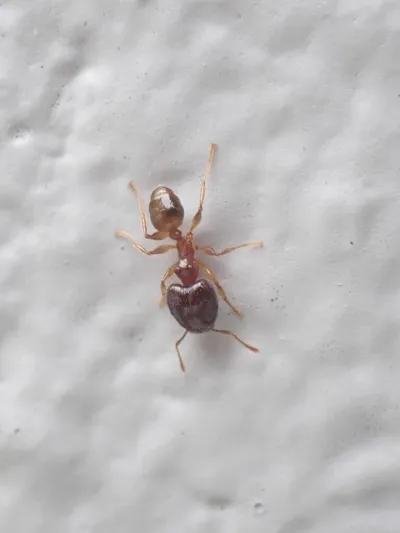
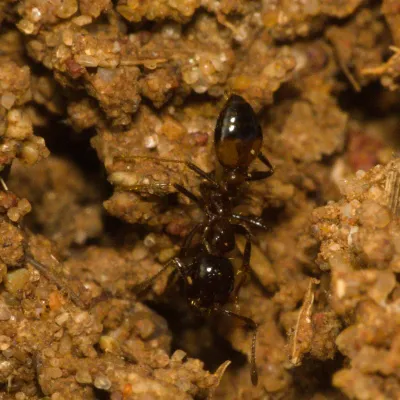
Explore other species in the ants family
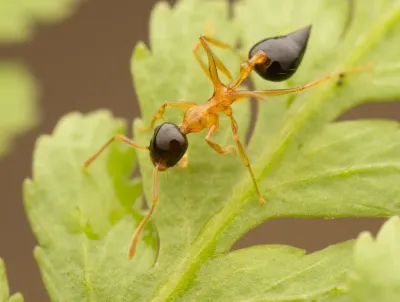
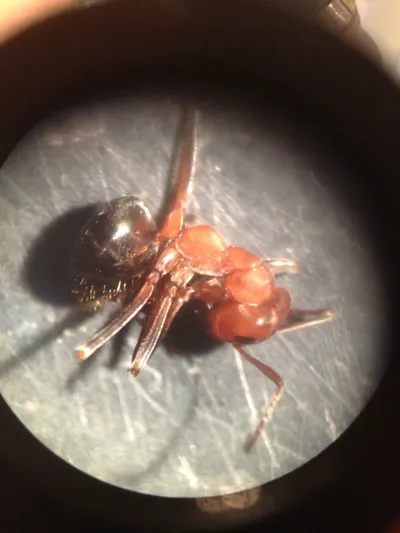
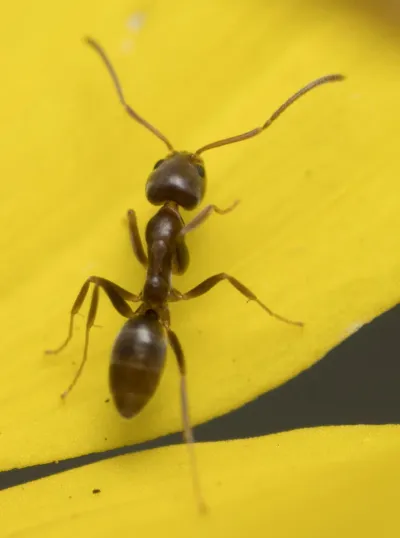
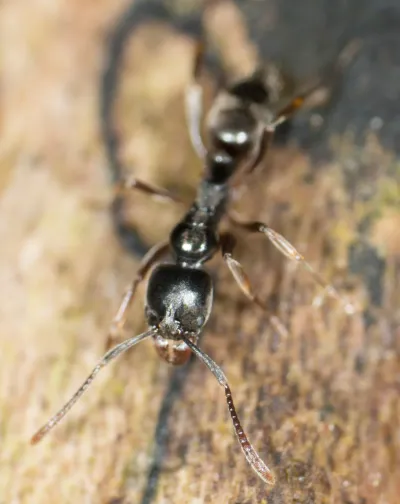
Commonly Confused With
Cornfield Ants are often mistaken for these similar pests
Where Cornfield Ants Are Found
Hover over states to see their names. Green regions indicate where cornfield ants have been reported.
Common Questions about Cornfield Ants
How do I know if I have cornfield ants?
+
Look for small, shallow craters or low mounds in your lawn, especially in sunny, open areas. The ants themselves are small (about 1/8 inch), light brown to dark brown, and often seen foraging in late afternoon and evening. In late August through September, you may notice swarms of flying ants around your property during their mating flights.
Why are they called 'Labor Day ants'?
+
Cornfield ants produce large mating swarms of winged ants (called alates) in late summer, typically from late August through September in the Mid-Atlantic and northern regions. Since this coincides with the Labor Day holiday weekend, they've earned the nickname 'Labor Day ants.' These swarms consist of winged queens and males leaving nests to mate and establish new colonies.
Are cornfield ants dangerous?
+
Cornfield ants pose no significant danger to humans. They can bite if directly handled, but they rarely do so and their bites are not medically significant. They're primarily a nuisance pest that can damage lawn aesthetics with their soil mounds and occasionally forage indoors for sweet foods.
Why are there so many small dirt mounds in my lawn?
+
Cornfield ants create shallow, crater-like nests in open soil. When colonies are abundant, you may see dozens of small dirt mounds scattered across sunny lawn areas. These ants prefer well-drained, sandy soils and open habitats, making lawns an ideal nesting site.
What do cornfield ants eat?
+
Cornfield ants primarily feed on honeydew—a sweet substance produced by aphids and other sap-sucking insects. They actively tend and protect aphid colonies, including the corn root aphid, which is how they got their common name. They also eat nectar, other insects, and sweet human foods when foraging indoors.
Will cornfield ants damage my house or foundation?
+
Cornfield ants typically nest in open soil and rarely cause structural damage. Unlike carpenter ants, they don't excavate wood. However, if they nest near foundations or in moist structural wood (which indicates an existing moisture problem), they can become a nuisance. Their presence in structural voids may signal moisture issues that should be addressed.
Why do cornfield ants come inside my house?
+
Cornfield ants occasionally enter homes while foraging for sweet foods, particularly during hot summer weather when they're most active. They're attracted to sugar, honey, syrups, and other sweet substances. Indoor activity is typically limited to occasional foragers rather than established indoor nests.
How can I prevent cornfield ants in my lawn?
+
Reducing aphid populations on your property helps control cornfield ants since honeydew is their primary food source. Maintaining a healthy, dense lawn through proper watering and fertilization can also discourage nesting. For heavy infestations that damage lawn aesthetics, professional treatment may be necessary.

With five years of hands-on experience in the pest control industry, George Schulz is a registered technician with the Virginia Pest Management Association and a proud third-generation professional in a family business that's been protecting homes for over 57 years. He manages and trains a team of service pros while also leading internal research efforts—recently spearheading a deep-dive review of thousands of documents on pest control materials to hand-pick the most kid and pet friendly, most effective solutions tailored specifically for homes in the DC metro area.