Acrobat Ants Identification Guide
Crematogaster spp.
Acrobat ants are small ants that raise their heart-shaped abdomens when disturbed. They nest in moist or decayed wood and often point to moisture problems in homes.
Taxonomy
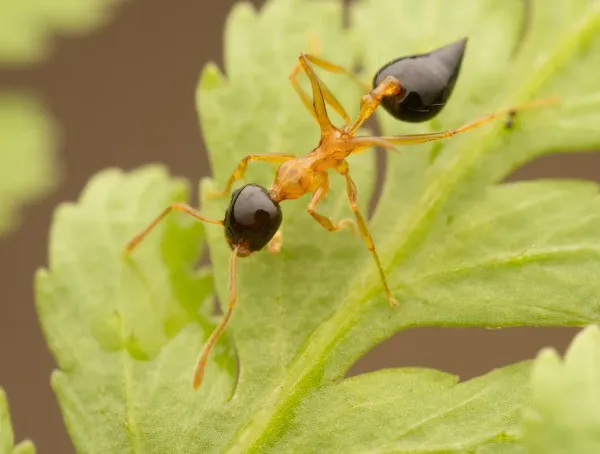
Acrobat Ants Coloration
Common color patterns to help identify acrobat ants
Acrobat Ants
Seasonal Activity
When acrobat ants are most active throughout the year

Where Acrobat Ants Are Found
Hover over states to see their names. Green regions indicate where acrobat ants have been reported.
Acrobat Ant Identification Guide
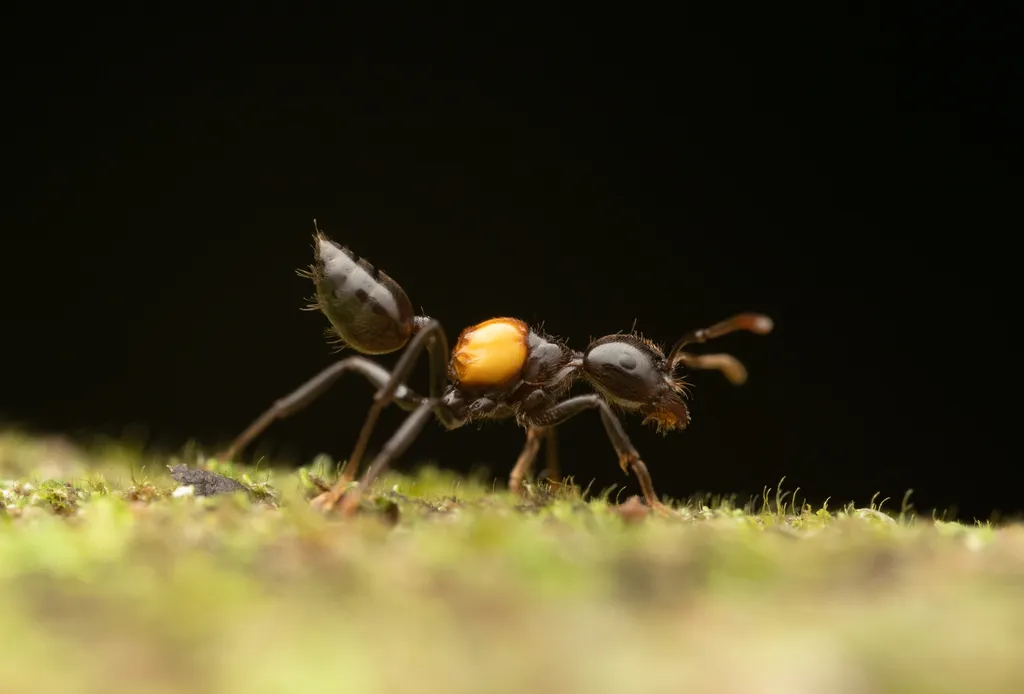
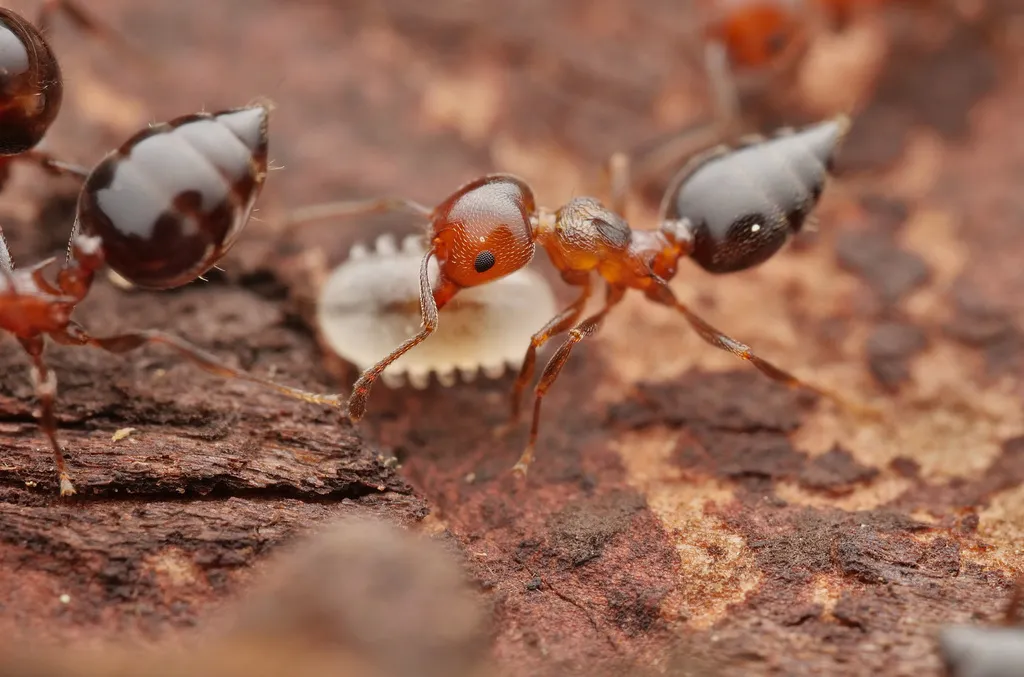
Acrobat ants belong to the genus Crematogaster. Several species live throughout North America. They get their name from their defensive behavior: when threatened, they raise their heart-shaped abdomen up and over their body, like an acrobat’s backbend. This habit, along with their nesting in moist wood, makes them easy to recognize among common ant species in our region.
Physical Characteristics
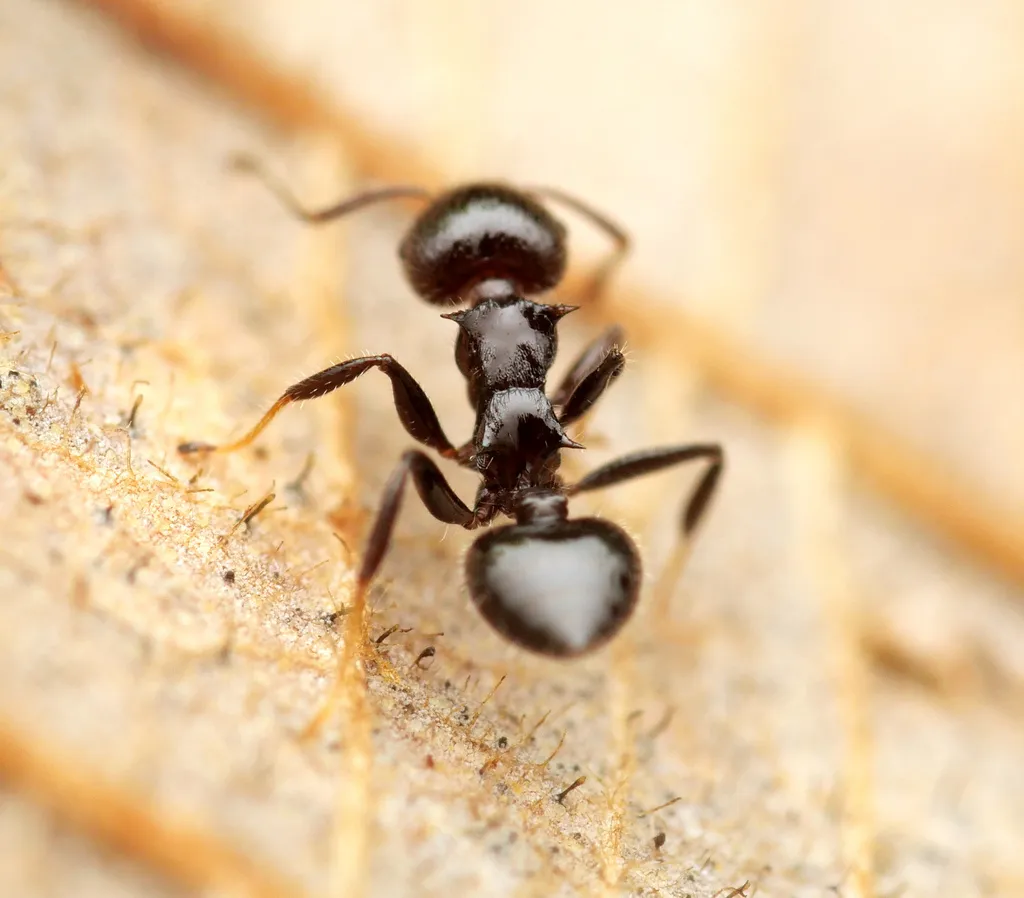
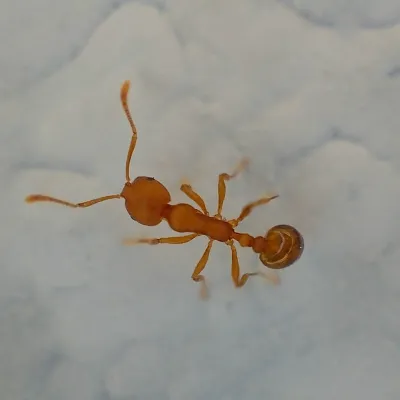
Acrobat ants are small. Workers measure about 2.5 to 4 mm (roughly 1/8 inch) long. Their most distinctive feature is the heart-shaped abdomen, which is usually darker than the rest of the body. Colors range from yellowish-brown and tan to dark brown or black.
Key identification features include:
- Heart-shaped abdomen: Flattened and pointed, attached high on the body
- Two-segmented waist: Unlike carpenter ants which have one node
- Size: Smaller than carpenter ants, similar to odorous house ants
- Defensive posture: Raises abdomen over body when disturbed
- Slight odor: May give off a bad smell when crushed or threatened
Common North American Species
Several Crematogaster species are commonly encountered in homes across North America:
- Crematogaster ashmeadi: Abundant in southeastern pine forests and coastal areas
- Crematogaster cerasi: Found throughout eastern North America, often called the “cherry acrobat ant”
- Crematogaster laeviuscula: The “shiny acrobat ant,” common in the Mid-Atlantic region
- Crematogaster pilosa: The “hairy-headed acrobat ant,” widespread in eastern states
In Northern Virginia and the DC Metro area, we most commonly encounter C. cerasi and C. laeviuscula during our service calls.
Acrobat Ant Behavior and Biology
Understanding acrobat ant behavior helps explain why they show up in homes and how to get rid of them. These ants have specific nesting habits that set them apart from other household ants.
Nesting Habits
Acrobat ants are primarily arboreal. They naturally nest in trees, often in dead branches, hollow twigs, or under bark. They don’t excavate sound wood like carpenter ants. Instead, they occupy pre-existing cavities: old beetle galleries, woodpecker holes, or wood softened by decay and moisture.
When they move into structures, they follow the same pattern. Common indoor nesting sites include:
- Wall voids with moisture damage
- Behind damaged window frames and door jambs
- In foam insulation, especially if damp
- Around leaky pipes and fixtures
- In decayed wood near rooflines and soffits
Finding acrobat ants indoors is often a warning sign. Their presence frequently indicates underlying moisture problems or wood decay that needs attention. These issues could lead to more serious structural problems if ignored.
Diet and Foraging
Acrobat ants are omnivorous opportunists. Their diet includes:
- Honeydew: Their main food source, collected from aphids and scale insects
- Sweet substances: Nectar, fruit juices, and sugary foods in homes
- Proteins: Dead insects, meat scraps, and other protein sources
- Live prey: Small insects and other bugs
Outdoors, you’ll often find them trailing up and down trees where aphid colonies are established. Indoors, they forage for sweets and proteins in kitchens and along baseboards, countertops, and windowsills. They also trail along electrical wires and utility lines, a behavior that occasionally brings them into conflict with electrical systems.
Seasonal Activity Patterns
In the Mid-Atlantic region, acrobat ant activity follows predictable seasonal patterns:
- December through February: Very low activity; colonies rest in protected nesting sites
- March through April: Activity begins as temperatures warm; early foraging starts
- May through June: Colony growth speeds up; foraging increases
- July through September: Peak activity; winged ants emerge for mating flights
- October through November: Activity decreases; colonies prepare for winter
Mating flights typically occur from mid-summer through early fall. Seeing winged acrobat ants inside your home during this period suggests an established colony is nesting nearby, possibly within your walls. Learn more about when ants are most active throughout the year.
Colony Structure
Acrobat ant colonies can have anywhere from a few hundred to several thousand workers. Some colonies have multiple queens. This makes them harder to control if treatment doesn’t reach the entire colony.
Like other types of ants, acrobat ants use scent trails to communicate. When scouts find food, they leave a chemical trail back to the nest. Other workers follow these invisible paths. That’s why you see ants moving in organized lines instead of wandering randomly.
How We Treat for Acrobat Ants
Our approach to acrobat ant control addresses both the immediate infestation and the conditions that attracted them. Since these ants are social creatures, effective treatment must reach the entire colony, not just the workers you see foraging.
Initial Inspection and Treatment
A licensed technician starts by inspecting your home. We focus on areas where you’ve seen ant activity and spots where moisture problems tend to occur. This includes kitchens, bathrooms, basements, and areas near the roofline. We trace ant trails back toward nesting sites and look for entry points.
For indoor treatment, we apply non-repellent insecticides to cracks, crevices, and wall voids where ants travel and nest. Ants can’t detect these products. Workers walk through treated areas and carry the product back to the colony. It spreads through contact and grooming. This kills the colony at its source, including queens and young ants that never leave the nest.
On the exterior, we create a barrier treatment around your foundation following our how to keep ants away principles. We focus on entry points and areas where utility lines or branches could give ants a path into your home. We also check for problem conditions like wood rot, moisture buildup, or plants touching the structure.
Addressing the Root Cause
Acrobat ants prefer moist, decayed wood. Just killing the colony may not prevent them from coming back if moisture problems remain. Our technicians find and document conditions that attracted the ants:
- Leaky pipes or fixtures: These create the damp conditions acrobat ants prefer
- Wood rot at windows, doors, or rooflines: Provides ideal nesting spots
- Tree branches touching the structure: Act as pathways for ants to enter
- Firewood stored against the house: Common nesting sites for ants and other pests
We’ll tell you what repairs can lower your risk of future infestations. Fixing moisture issues prevents acrobat ant problems. It also protects your home from bigger threats like termites and wood rot.
Ongoing Protection
Our triannual service (three visits per year) provides ongoing protection. During each visit, we reapply the protective barrier around your home and check for new activity.
If you see acrobat ants between scheduled visits, just call us. We provide free unlimited callbacks to retreat the issue at no additional cost. That’s part of our Better Promise. We keep coming back until the problem is solved.
Why Our Approach Works
Traditional contact sprays might kill the ants you see, but they don’t reach the colony. Worse, if surviving ants sense danger, they may move their nest deeper into wall voids. This makes them even harder to get rid of.
Our non-repellent products work differently. Ants spread the material naturally through contact and grooming. This carries the product to queens, workers, and young ants throughout the colony. Even ants that never touch treated surfaces are affected.
We’ve also removed 9 of the industry’s harshest chemicals from our programs. The products we use, like Alpine and Essentria, are effective against acrobat ants and are EPA-registered products we’re comfortable using in our own homes.
References and Further Reading
- Fisher, B.L. & Cover, S.P. (2007). Ants of North America: A Guide to the Genera. University of California Press.
- Hedges, S.A. (2010). Field Guide for the Management of Structure-Infesting Ants. PCT Media Group.
- Smith, M.R. (1965). House-Infesting Ants of the Eastern United States. USDA Technical Bulletin No. 1326.
- University of Florida IFAS Extension. “Acrobat Ants.” https://entnemdept.ufl.edu/creatures/urban/ants/acrobat_ant.htm
- Virginia Cooperative Extension. “Ants in the Home.” https://www.pubs.ext.vt.edu/444/444-284/444-284.html
Other Ants
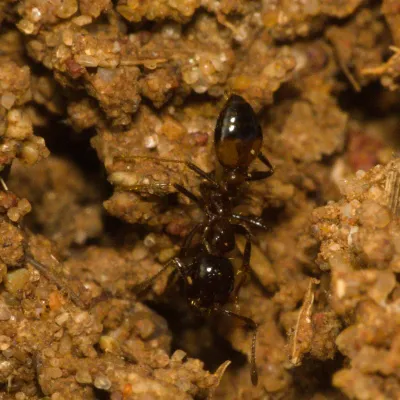
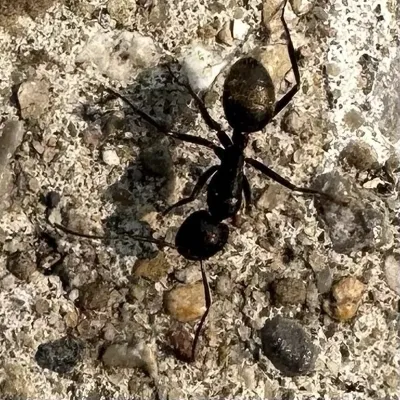
Explore other species in the ants family
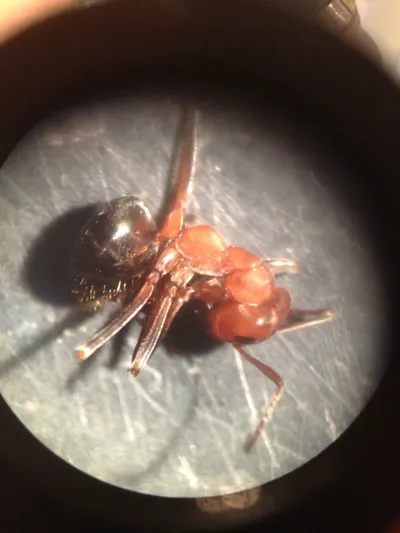
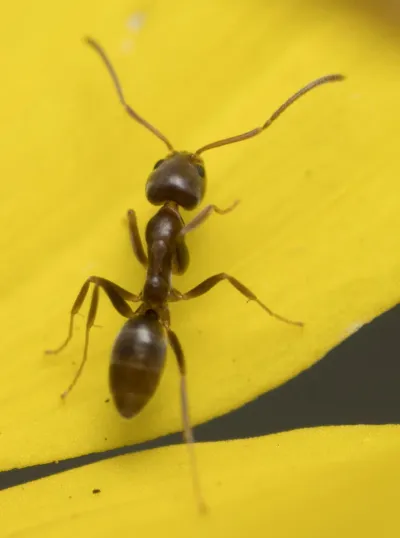
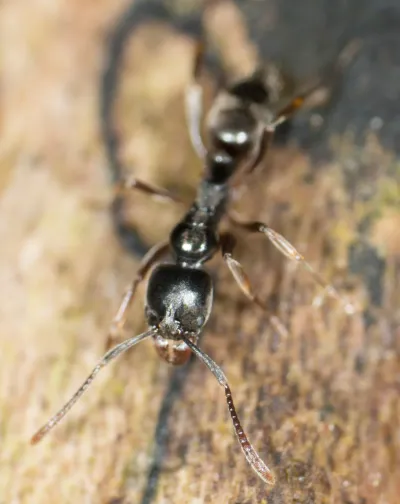
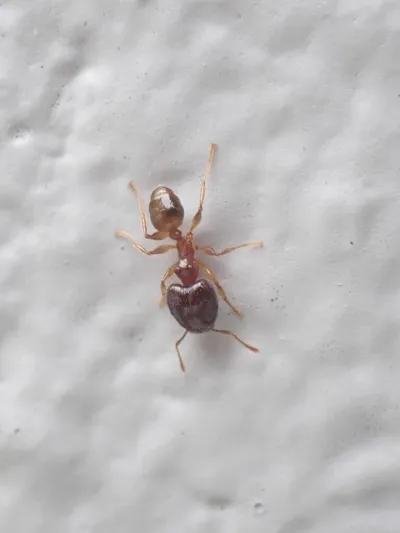
Commonly Confused With
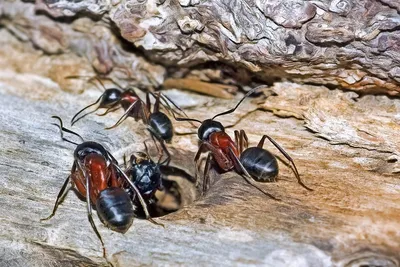
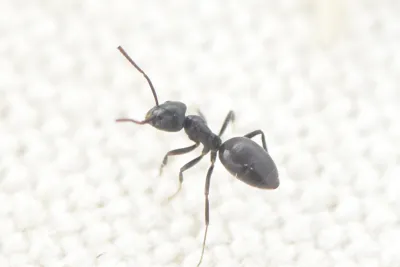
Acrobat Ants are often mistaken for these similar pests
Where Acrobat Ants Are Found
Hover over states to see their names. Green regions indicate where acrobat ants have been reported.
Common Questions about Acrobat Ants
Why are they called acrobat ants?
+
Acrobat ants get their name from how they act when threatened. They raise their heart-shaped abdomen up and over their body, like an acrobat doing a backbend. This pose makes them easy to spot among other household ants.
Do acrobat ants damage wood like termites?
+
No. Unlike termites, acrobat ants don't eat wood. But they do nest in moist, decayed, or damaged wood. They use cavities already made by other insects or rot. Finding acrobat ants often points to moisture problems or wood decay that needs fixing.
Are acrobat ants dangerous?
+
Acrobat ants can bite when threatened, but bites are rare and minor. They also give off a bad smell when disturbed. The main worry is what they signal: often moisture damage or rotting wood that could cause bigger problems if ignored.
How do acrobat ants get into my house?
+
Acrobat ants enter homes through tree branches touching the house, utility lines, cracks in foundations, and gaps around windows and doors. They climb well and often travel along wires and pipes. Firewood stacked against the house is another common way they get in.
What's the difference between acrobat ants and carpenter ants?
+
Carpenter ants are much bigger (up to half an inch) and have one bump on their waist. Acrobat ants are smaller (about 1/8 inch) with a heart-shaped abdomen they raise when bothered. Both nest in wood, but carpenter ants dig into good wood while acrobat ants use wood that's already damaged.
Why do I keep seeing winged ants in my house?
+
Winged acrobat ants are the breeding members of the colony. They come out during mating season, usually mid-summer through early fall. Seeing them inside means a mature colony is nearby, maybe in your walls. A professional can find and remove the nest.
Can I treat acrobat ants myself?
+
DIY sprays often fail because they only kill the ants you see, not the colony. Worse, if ants sense danger, they may move deeper into wall voids. Pro treatment finds the nest and uses products ants carry back to the colony, wiping out the whole group.
How long does acrobat ant treatment take?
+
You may still see ants for 1-2 weeks after treatment. This is normal as workers spread the product through the colony. Most problems are solved within 2-3 weeks. We also fix the moisture issues that attracted them.

With five years of hands-on experience in the pest control industry, George Schulz is a registered technician with the Virginia Pest Management Association and a proud third-generation professional in a family business that's been protecting homes for over 57 years. He manages and trains a team of service pros while also leading internal research efforts—recently spearheading a deep-dive review of thousands of documents on pest control materials to hand-pick the most kid and pet friendly, most effective solutions tailored specifically for homes in the DC metro area.