American Roaches Identification Guide
Periplaneta americana
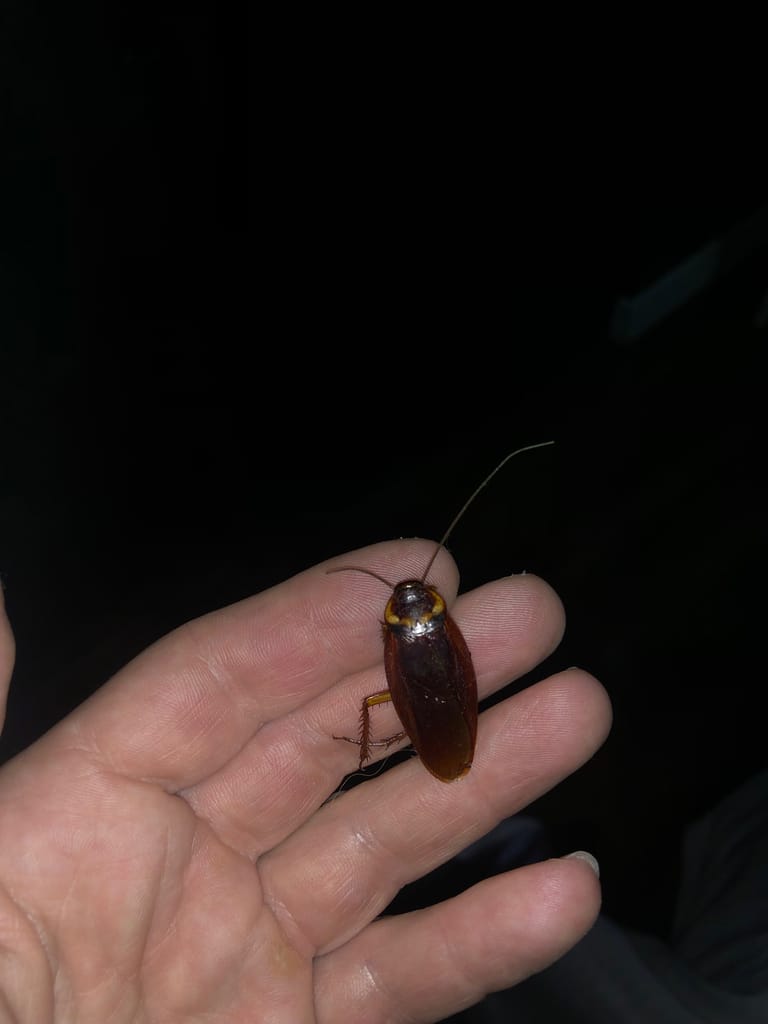
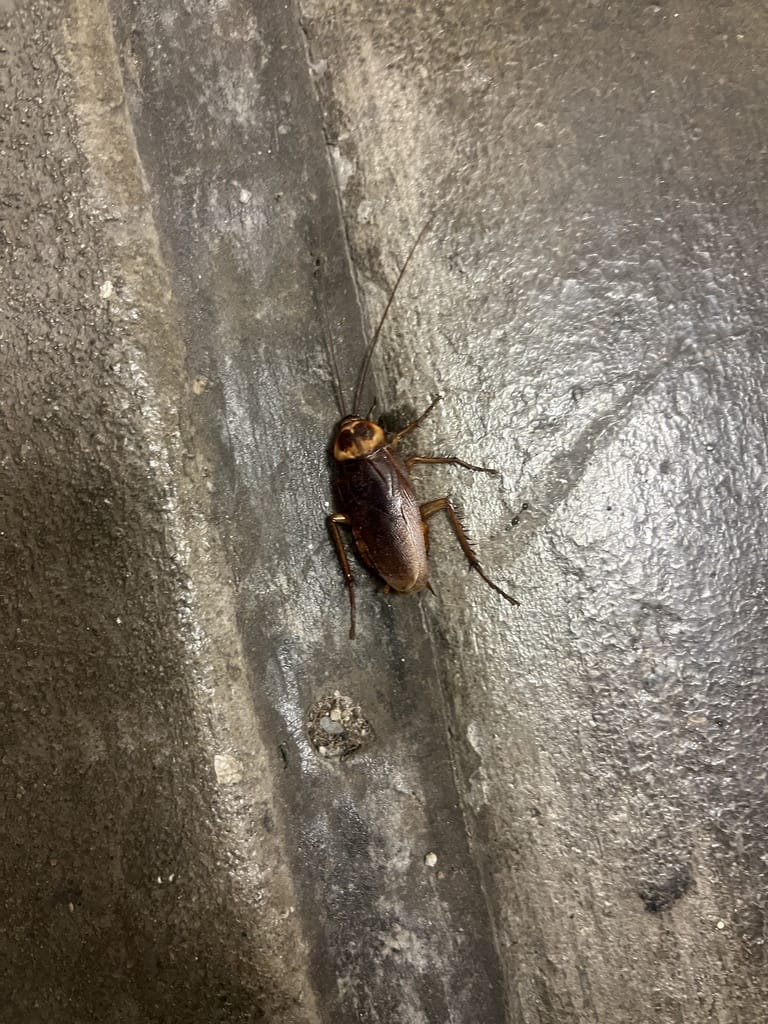
American roaches are the largest roaches found in homes, growing up to 2 inches long. They are reddish-brown with a yellowish pattern behind the head. They like warm, damp places like basements and crawl spaces.
Taxonomy
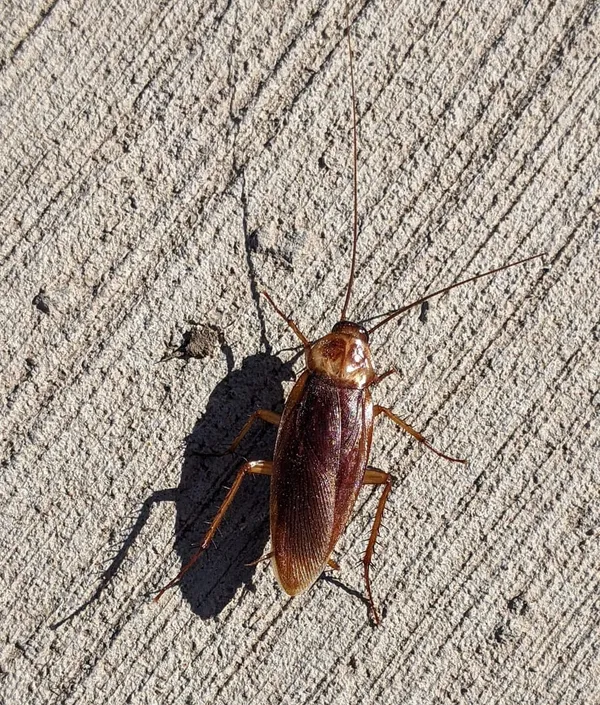
American Roaches Coloration
Common color patterns to help identify american roaches
American Roaches
Seasonal Activity
When american roaches are most active throughout the year

Where American Roaches Are Found
Hover over states to see their names. Green regions indicate where american roaches have been reported.
American Roaches Identification Guide
Physical Characteristics
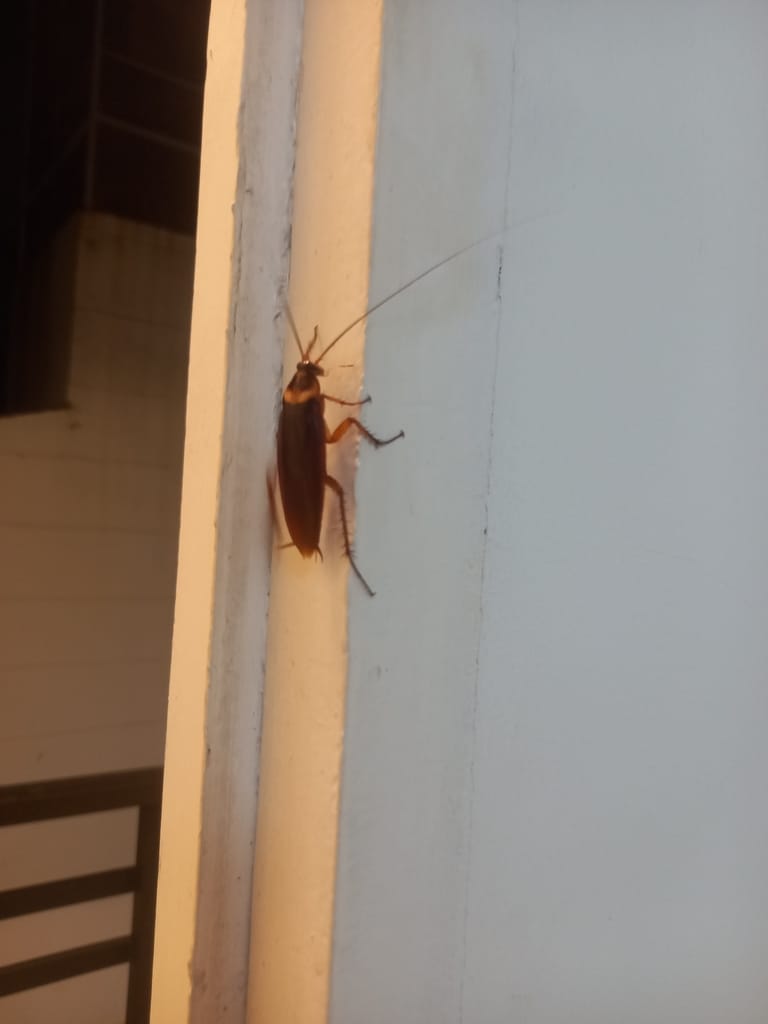
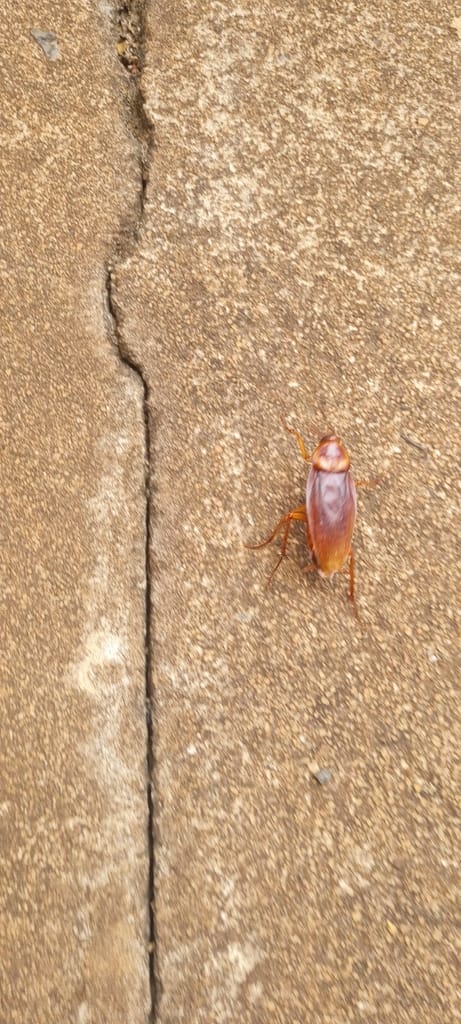
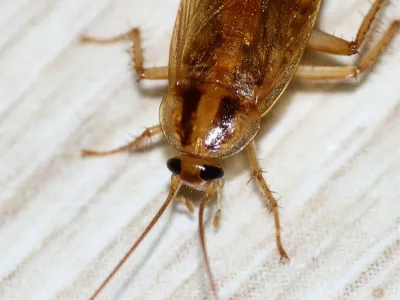
American roaches are reddish-brown with a yellowish figure-eight pattern behind their heads. They are the largest common roach species in homes. Adults can grow up to 2 inches long.
These roaches have long antennae and fully developed wings. They can glide short distances but prefer to run. You will most often find them in basements, crawl spaces, and kitchens where it is warm and humid. Our Laurel pest control team most often traces them back to floor drains and sump pits.
Common Species
Periplaneta americana (American Cockroach)
American Roaches Behavior and Biology
A related species, Brown-Banded Roaches, shares similar characteristics. American roaches prefer warm, damp areas. You will find them in sewers, drains, and basements. They eat almost anything, including decaying matter, food scraps, paper, and fabric. A related species, Palmetto Bugs, shares similar characteristics.
These pests breed quickly. A single female can produce over 150 offspring in her lifetime. They are active at night when they search for food and water. A related species, Lobster Cockroaches, shares similar characteristics.
Health Risks
A related species, Oriental Roaches, shares similar characteristics. American roaches can carry harmful bacteria like salmonella and E. coli. They spread germs by crawling on food and kitchen surfaces. Their droppings and shed skin can trigger allergies and asthma symptoms. A related species, Asian Cockroaches, shares similar characteristics.
Note: This information is for educational purposes only. If you have health concerns related to pest exposure, please consult a medical professional. A related species, Australian Cockroaches, shares similar characteristics.
How We Treat for American Roaches
A related species, Spotted Mediterranean Cockroach, shares similar characteristics. Our technicians inspect basements, crawl spaces, and damp areas for signs of activity. We look for droppings and live roaches to find where they hide. A related species, Florida Woods Cockroach, shares similar characteristics.
Our treatment process includes: A related species, Cuban Cockroaches, shares similar characteristics.
-
Inspection: We find entry points, moisture problems, and hiding spots.
-
Treatment: We apply insecticides inside and outside your home. This targets cracks, crevices, baseboards, and entry points.
-
Moisture Control: We suggest ways to reduce humidity and fix leaks. Sealing cracks around pipes and drains also helps.
-
Ongoing Prevention: Regular treatments keep roach numbers down over time.
References
- University of Florida IFAS Extension. “American Cockroach.” https://entnemdept.ufl.edu/creatures/urban/roaches/american_cockroach.htm
- Penn State Extension. “American Cockroaches.” https://extension.psu.edu/american-cockroaches
- CDC. “Cockroaches.” https://www.cdc.gov/niosh/topics/pests/
Other Cockroaches
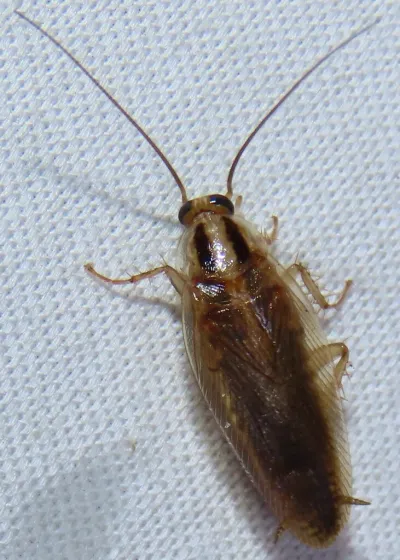
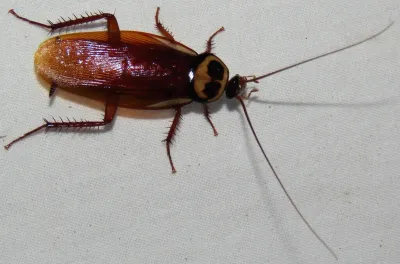
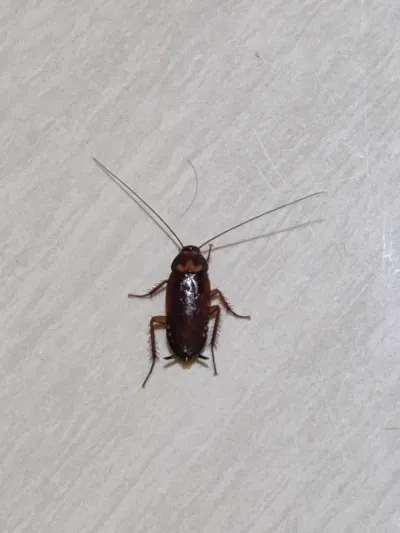
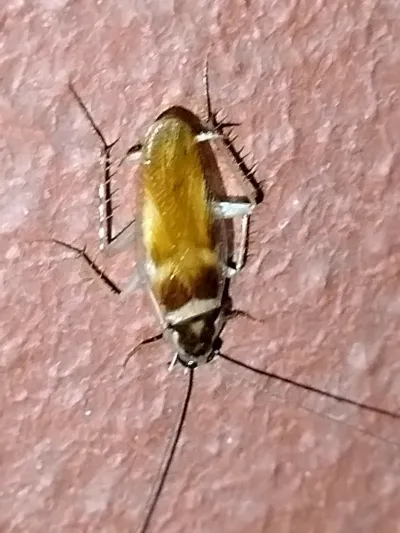
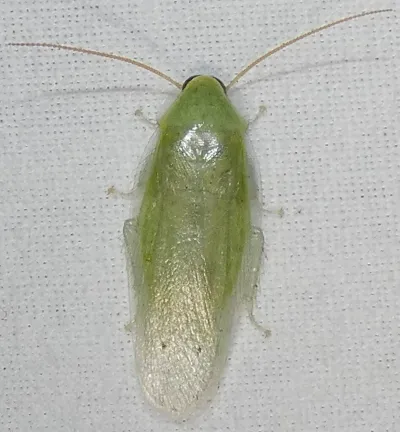
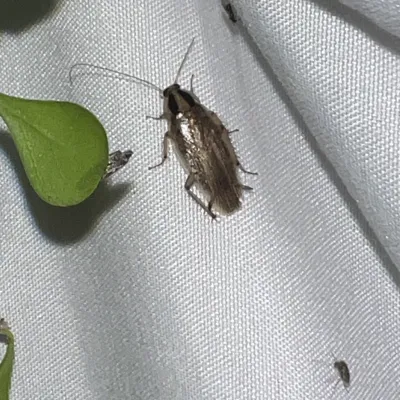
Explore other species in the cockroaches family
Commonly Confused With
American Roaches are often mistaken for these similar pests
Where American Roaches Are Found
Hover over states to see their names. Green regions indicate where american roaches have been reported.
Common Questions about American Roaches
How do American roaches get inside my home?
+
They enter through cracks in walls, gaps around doors and windows, or through drains. They can also come in with boxes and bags.
Are American roaches dangerous?
+
Yes. They carry bacteria that can make you sick. Their droppings can trigger allergies and asthma.
Can American roaches fly?
+
They have wings but mostly just glide. They prefer to run.
How long does it take to get rid of American roaches?
+
It takes a few treatments over several weeks. Our service plans keep them away long-term.
What should I do to prevent American roaches?
+
Fix leaks, seal cracks, store food in sealed containers, and get regular pest control service.
More Resources About American Roaches
Explore our guides and articles for more information about american roaches.
- ›What Do Cockroaches Smell Like? How to Identify an Infestation by Odor
- ›Roaches in Maryland: The 5 Species in Local Homes
- ›How Long Do Cockroaches Live? Lifespan by Species
- ›What Attracts Cockroaches to Your Home (And How to Stop Them)
- ›German Cockroach Eggs: What They Look Like & How to Get Rid of Them
- ›Can German Cockroaches Fly? Why They Have Wings but Don't Use Them
- ›Dead Cockroach in Your House: What It Really Means
- ›Wood Cockroach: Identification, Behavior, and What to Do If You Find One
- ›How to Get Rid of Brown Banded Cockroaches: Complete Guide
- ›How to Get Rid of Oriental Cockroaches
- ›Baby Roaches Look Like This: Spot Cockroach Nymphs Early
- ›Water Bug vs Cockroach: How to Tell These Insects Apart
- ›Wood Roaches vs German Roaches: What Homeowners Should Know
- ›Getting Rid of Water Bugs: Treatment and Prevention That Works
- ›Big Roaches in Virginia: Identifying Cockroach Species & Control
- ›Baby Roaches in Your Home: Identification and Solutions
- ›How to Get Rid of Roaches Fast: A Licensed Technician's Guide
- ›Roach Poop: How to Identify Cockroach Droppings & What They Mean
- ›Asian Cockroach vs German Cockroach: How to Tell the Difference
- ›German Roaches vs American Roaches: Complete Comparison Guide
- ›German Cockroach Bait: A Complete Guide to Eliminating Infestations
- ›How Fast Do Roaches Multiply: From 1 to 1,000+ in Weeks
- ›Kitchen Insects Similar to Cockroaches: Spot & Eliminate Them
- ›How To Get Rid Of Palmetto Bugs: Identification & Treatment
- ›How Long Can Roaches Live Without Food?
- ›Wood Roach vs Cockroach: What You Need to Know
- ›Baby German Cockroach: What They Look Like & How to Remove
- ›Flying Cockroach: Effective Treatments to Eliminate Them
- ›Why Do I Have Roaches? 7 Reasons Cockroaches Invade Homes
- ›How to Get Rid of German Roaches: A Complete Guide
- ›Palmetto Bug vs Cockroach: Same Pest, Different Name
- ›Why You Might See an Albino Roach: Causes and Solutions
- ›Bugs That Look Like Roaches: How To Identify Look-Alikes
- ›What Do Cockroaches Smell Like: Identifying Infestations
- ›Cockroach vs Beetle: Identifying Which Pest Is in Your Home
- ›Ground Beetle vs Cockroach: Spot the Differences Easily
- ›What Bug Looks Like a Cockroach? Expert ID Guide for Look-alikes
- ›Click Beetle vs Cockroach: Key Differences Explained
- ›Small Roaches Explained: Dubia & Other Nymph Identification

With five years of hands-on experience in the pest control industry, George Schulz is a registered technician with the Virginia Pest Management Association and a proud third-generation professional in a family business that's been protecting homes for over 58 years. He manages and trains a team of service pros while also leading internal research efforts—recently spearheading a deep-dive review of thousands of documents on pest control materials to hand-pick the most kid and pet friendly, most effective solutions tailored specifically for homes in the DC metro area.
Local Cockroaches Help
Dealing with cockroaches at home? Our licensed technicians provide pest control across Northern Virginia and Maryland.
