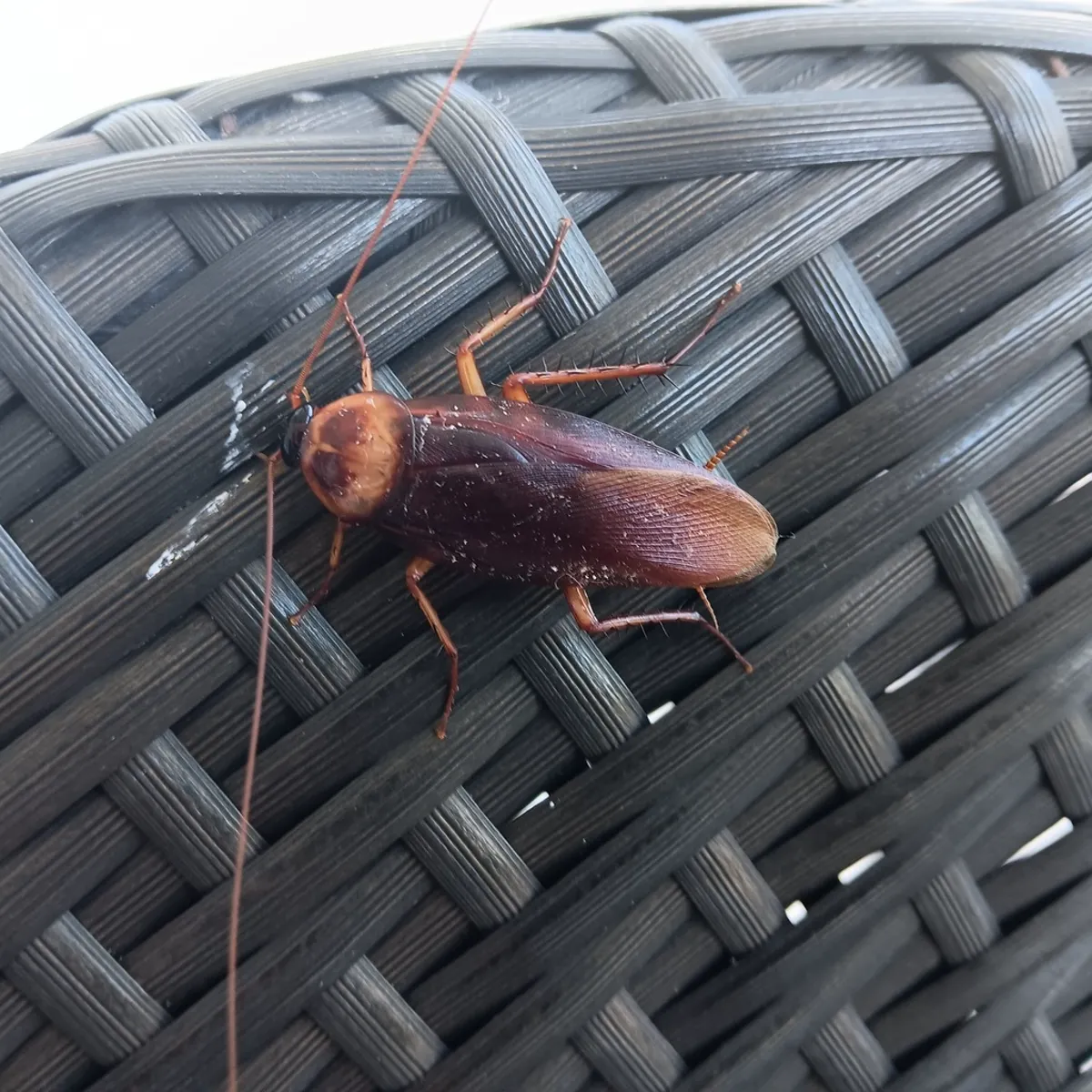

Finding a dead cockroach in your home is alarming. You might feel relief that it’s dead, not alive. But that dead roach tells a story. It hints at what’s going on inside your walls, under your appliances, and in your cabinets.
I’ve worked in pest control since 2015. A dead cockroach is rarely random. It usually points to a bigger issue. Knowing what it means helps you decide whether to act now or watch for more signs.
What Does Finding a Dead Cockroach Mean?
A dead cockroach in your house usually means one of a few things. Most often, you have roaches living nearby. Roaches die as part of their life cycle. When the group gets big enough, you start seeing the dead ones.
Cockroaches hide during the day and come out at night. They spend about 75% of their time in cracks, gaps, and dark spaces. When you finally see one (dead or alive), it often means the group has outgrown its hiding spots.
German, Oriental, and American roaches are very common in the DC metro area. I’ve gotten many calls from homeowners who found just one or two dead roaches. They thought it was no big deal. But after a full check, we often find groups behind fridges, inside walls, or under kitchen cabinets. The dead roaches were just the tip of the iceberg.
Common Reasons You’re Finding Dead Cockroaches
Natural death: Roaches live a few months to over a year. In a large group, some die every day from old age.
Lack of water: Roaches need water to live. Without it, they die within about a week. You might find dead ones near sinks or tubs where they were looking for water.
Pest control products: If you’ve used sprays, baits, or had a recent treatment, dead roaches are a good sign. The products are working.
Eaten by others: Some species, including German and Oriental roaches, eat dead members of their group. A dead roach may have been killed and partly eaten by others.
Is One Dead Cockroach a Sign of Infestation?
One dead cockroach doesn’t mean you have a problem. It could be a stray that came in from outside. This is more likely if you found a larger species like an American cockroach near a door or window.
Still, I always tell customers to look further. Here’s what to check for:
Signs of a bigger problem:
- Small dark droppings that look like pepper or coffee grounds
- Brown, oval-shaped egg cases (oothecae)
- A musty, oily odor in closed spaces
- Smear marks along baseboards or walls
- More dead roaches in the coming days
If you find several dead cockroaches or any of these signs, you likely have a group that needs attention.
Research shows that for every cockroach you see, many more may be hiding nearby. Roaches come out at night and stay hidden in tight spaces during the day. Even one roach (dead or alive) is reason to check common hiding areas.
Dead Cockroach Identification: What Species Did You Find?
The type of cockroach you found tells you a lot about how serious the problem may be. Each species behaves differently and calls for a different response.
German cockroaches are small (about half an inch), tan or light brown, with two dark stripes on their backs. Finding one dead indoors is a concern. This species only lives inside buildings. They can’t survive outdoors in our climate.
If you found a dead German cockroach, there’s almost always a group living in your home. These roaches breed fast. Each female can produce up to 400 babies in her lifetime. Acting quickly is key.
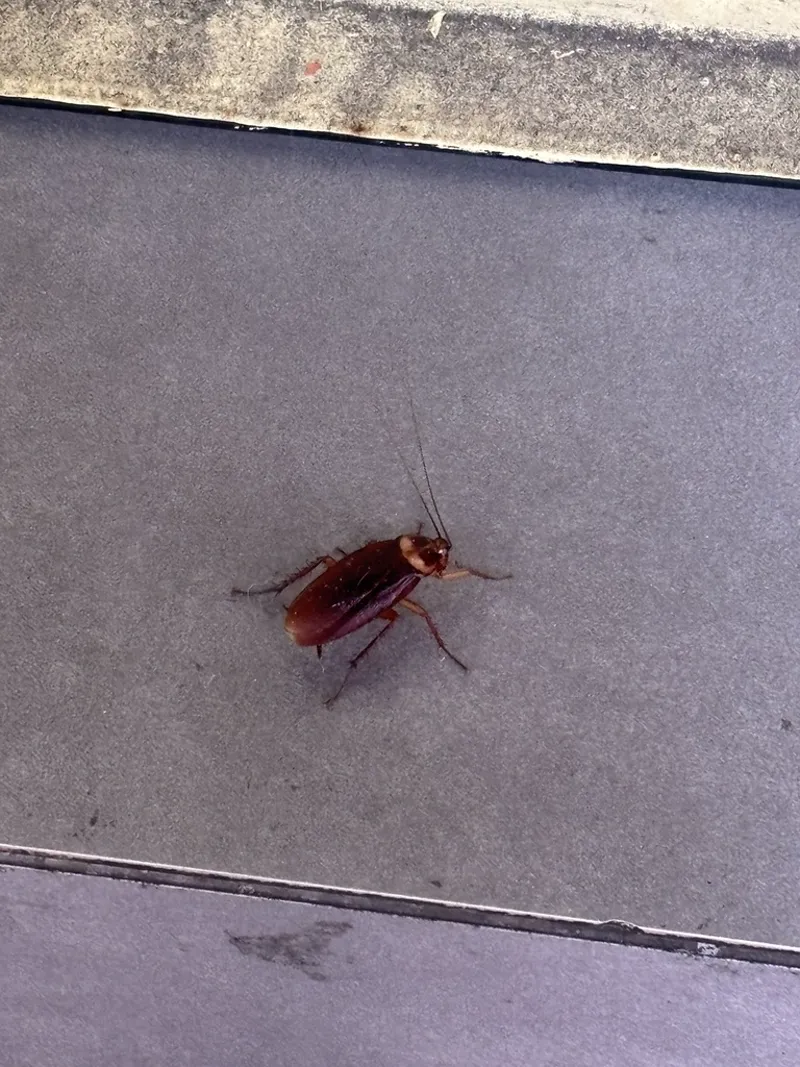
American cockroaches are much bigger (1.5 to 2 inches) and reddish-brown. They have a yellow figure-eight mark behind the head. Finding a dead one is less alarming than a German roach. They often wander in from outside.
They prefer outdoor spots like sewers, storm drains, and mulch beds. A dead one near an outside door might just be a stray. But if you keep finding them deeper inside your home, they may be nesting nearby.
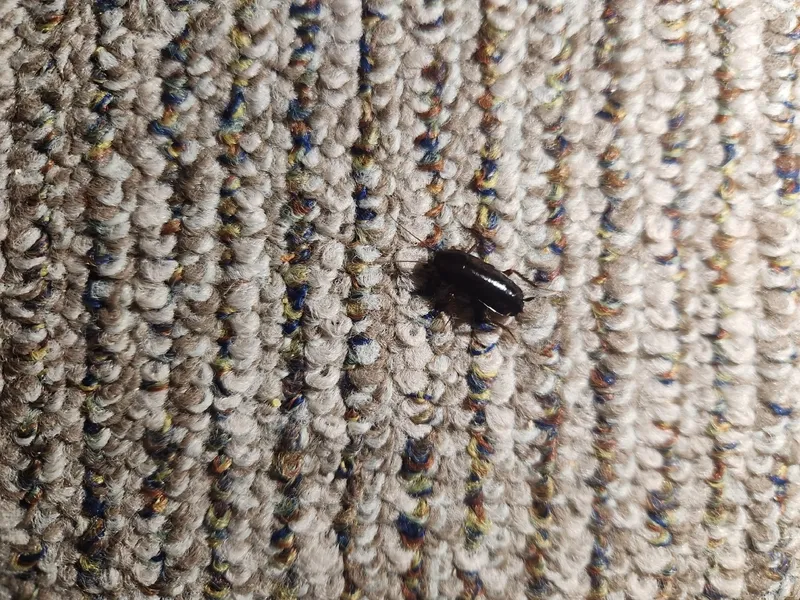
Oriental cockroaches are shiny, dark black or very dark brown, and about an inch long. People sometimes call them “water bugs.” They prefer very damp spots like basements, crawl spaces, and areas near drains.
Finding dead Oriental cockroaches usually points to moisture issues in your home. They often enter through gaps around pipes, floor drains, or cracks in the foundation. Fixing moisture problems is key to controlling this species.
Knowing which species you’re dealing with helps you pick the right response. Here’s what the most common types look like up close.

If you’re not sure which type of cockroach you found, or you’re seeing signs of a growing problem, we can help you figure it out.
Do Dead Cockroaches Attract More Roaches?
I get this question a lot. The short answer: it depends. When roaches die, they give off a chemical called oleic acid. Research on this has shown mixed results.
Some studies say oleic acid draws in other roaches. Roaches eat their dead, and Oriental and German cockroaches are known for this.
Other research found that some insects avoid the scent of their dead. The smell may act as a warning.
The best thing to do is remove dead cockroaches right away. Clean the area with a vinegar solution or disinfectant. This gets rid of any chemical signals and lowers health risks.
Health Risks from Dead Cockroaches
Many people don’t know that dead cockroaches can still harm your health. The allergens come from roach bodies, droppings, shed skins, and saliva.
CDC research shows that cockroach allergens are a major trigger for asthma and allergic reactions. These allergens float in the air and can be breathed in. They cause symptoms even when you don’t see any live roaches.
Health concerns from dead cockroaches include:
- Asthma triggers: Cockroach allergens are one of the top risk factors for asthma in children
- Allergic reactions: Symptoms can include sneezing, watery eyes, skin rashes, and breathing issues
- Bacteria: Cockroaches carry germs that cause illnesses like salmonella and food poisoning
The EPA says cockroach allergens are found in 63% of U.S. homes. In urban areas, that number rises to 78-98%. Children are most at risk.
The CDC says the best way to lower roach allergens is to use several methods at once. Seal entry points. Remove food and water sources. Keep a clean home. Use targeted treatments. Don’t rely only on pesticides. To fully reduce allergens, you need to get rid of both live roaches and the debris they leave behind.
How to Properly Dispose of Dead Cockroaches
When you find a dead cockroach, proper cleanup protects your health and helps prevent more pests.
Use a paper towel, plastic bag, or dustpan to pick up the dead roach. You can also vacuum it up.
Place the dead cockroach in a plastic bag, seal it, and put it in an outdoor trash bin. Don’t toss it in an indoor trash can where it might attract other roaches.
Wipe down the spot where you found the roach. Use a disinfectant or a mix of white vinegar and water. This removes bacteria, allergens, and any residue that might draw in other cockroaches.
Take a few minutes to look at nearby areas for signs of more roaches. Check behind appliances, under sinks, and inside cabinets.
What to Do After Finding Dead Cockroaches
What you do next depends on what you find when you look around.
If You Found One Dead Cockroach
Watch the area for the next few weeks. Check each day and look for droppings or more dead roaches. A single roach near an outside door (especially a larger species) may not call for action right away.
Some basic steps to take:
- Seal gaps around doors, windows, and pipes
- Fix any leaks or moisture issues
- Keep food in sealed containers
- Clean up crumbs and spills right away
If You’re Finding Multiple Dead Cockroaches
Finding several dead cockroaches over a few days strongly points to an active group in your home. At this point, think about whether professional pest control is worth it for your situation.
Contact a pest control company if you:
- Find dead cockroaches over several days in a row
- See live cockroaches, especially during the day
- Notice droppings, egg cases, or a musty smell
- Have family members with asthma or allergies
- Haven’t been able to fix the problem with DIY methods
Our team at Better Termite & Pest Control has helped homeowners in the Bethesda area and across Northern Virginia and Maryland for over 57 years. We offer free checks to look at your situation and suggest the best next step.
Prevention Tips to Avoid Future Cockroach Problems
Knowing what attracts cockroaches helps you make your home less inviting:
Cut off food sources:
- Clean dishes right after meals
- Store food in airtight containers
- Wipe down counters and stovetops daily
- Take out trash often
- Don’t leave pet food out overnight
Remove water sources:
- Fix leaky faucets and pipes
- Dry sinks and tubs before bed
- Empty standing water from plant saucers
- Address basement or crawl space moisture
Seal entry points:
- Caulk cracks around baseboards and cabinets
- Install door sweeps on outside doors
- Seal gaps around pipes and wires
- Repair torn window screens
When Professional Treatment Makes Sense
DIY methods can work for small cockroach problems. But some cases call for professional treatment.
German roach problems almost always need professional help. These roaches breed so fast that store-bought products can’t keep up. Pro-grade baits and growth blockers work better at stopping the breeding cycle.
If you keep finding dead roaches after trying DIY methods, there’s likely a hidden group. A licensed tech knows where to look and has the tools to treat spots you can’t reach.
At Better Termite & Pest Control, we’ve served the DC metro area for over 57 years. Our licensed techs know how to handle cockroach problems the right way.
Take Action on Dead Cockroaches
A dead cockroach might seem minor, but it’s worth paying attention to. Use it as a chance to check your home. Fix anything that might attract roaches. Then decide if you need professional help.
If you’re finding dead cockroaches and want an expert look, call us at 703-683-2000 or email info@bettertermite.com. We’ll help you figure out what’s going on and suggest the best next step.