Quick Navigation
Finding a brown bug scurrying across your kitchen floor can be alarming. Is it a harmless click beetle or a disease-carrying cockroach? After working in pest control for four years in the DMV area, I’ve seen countless homeowners panic over what turned out to be beneficial click beetles. Learning the key differences between these two insects can save you stress and help you make the right decision about pest control.
While both bugs might appear similar at first glance, click beetles and cockroaches are completely different creatures with distinct behaviors, habitats, and health implications. One requires immediate professional attention, while the other is actually beneficial to have around your property.
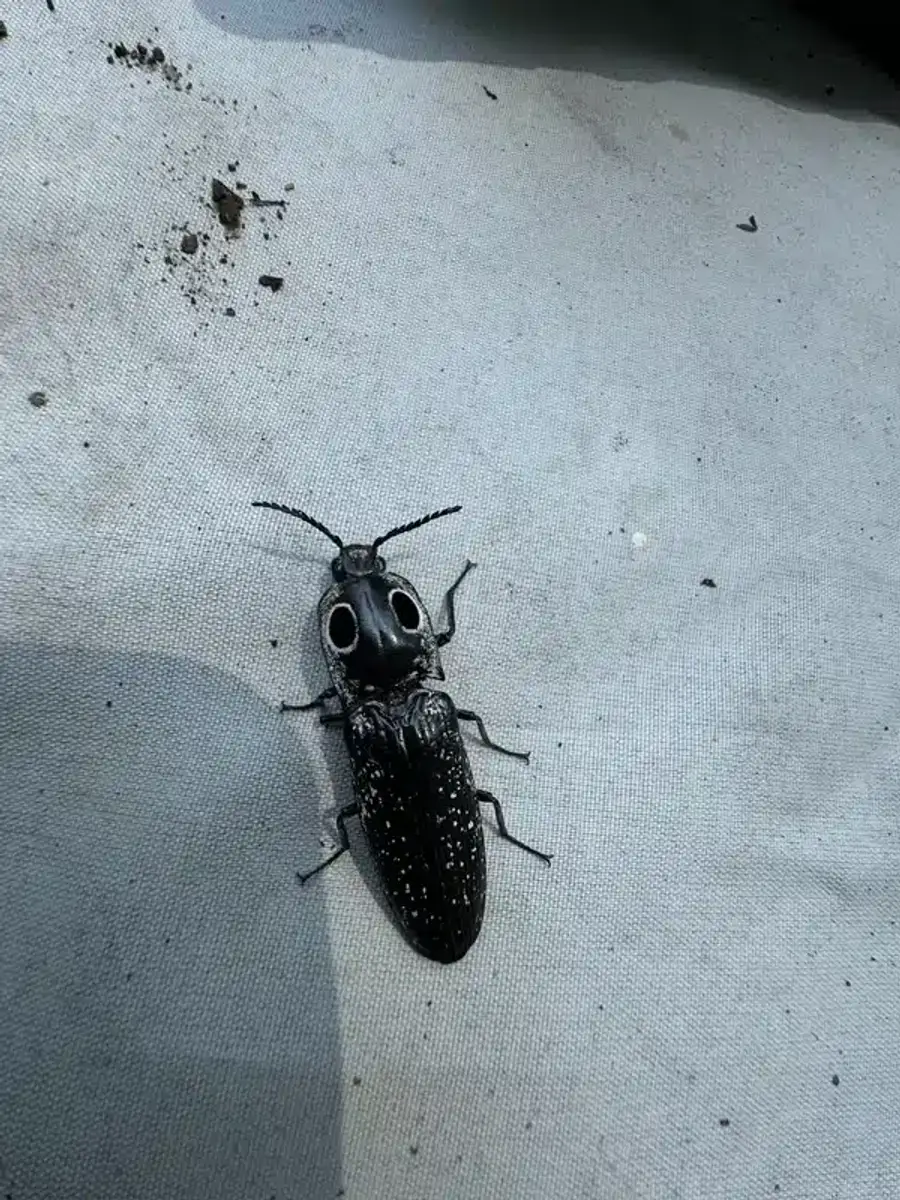
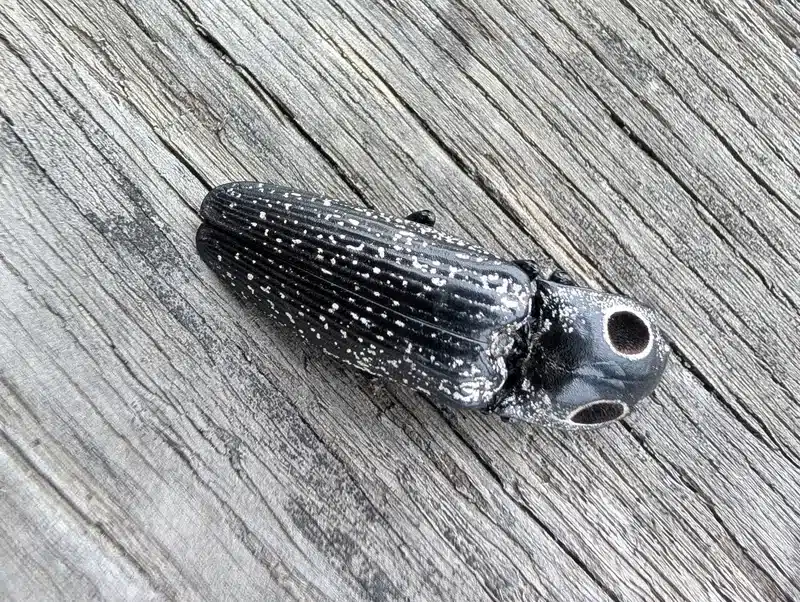
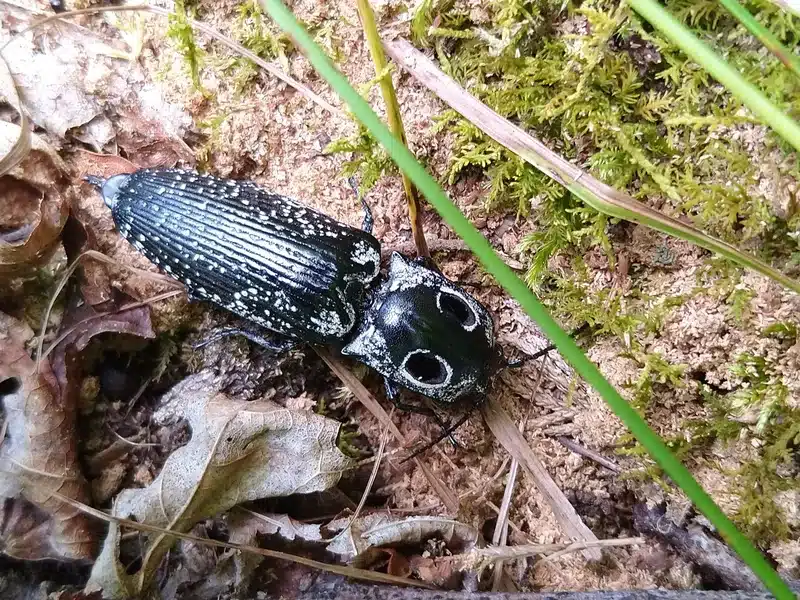
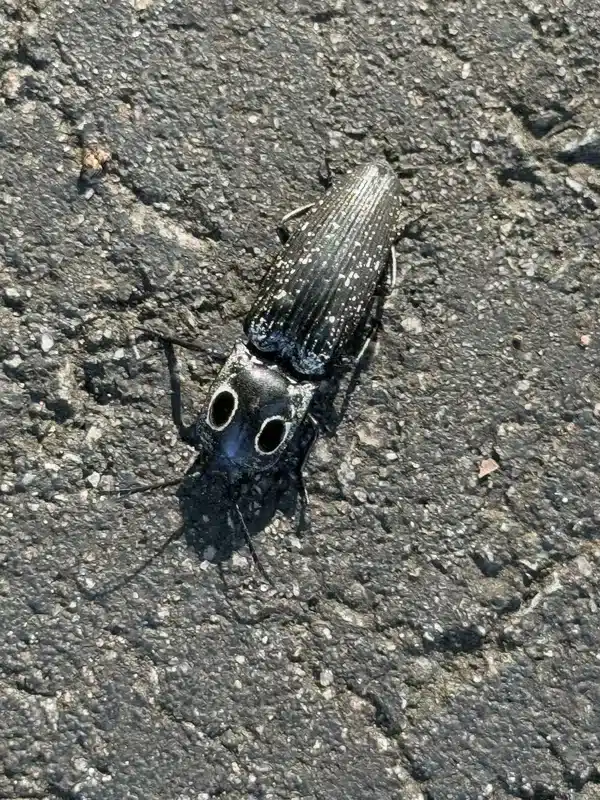
The most obvious difference between click beetles and cockroaches lies in their body structure. Click beetles have elongated, parallel-sided bodies that taper at both ends, measuring between 6-25 mm for most species. Some larger species like the Eastern Eyed Click Beetle can reach up to 50 mm in length.
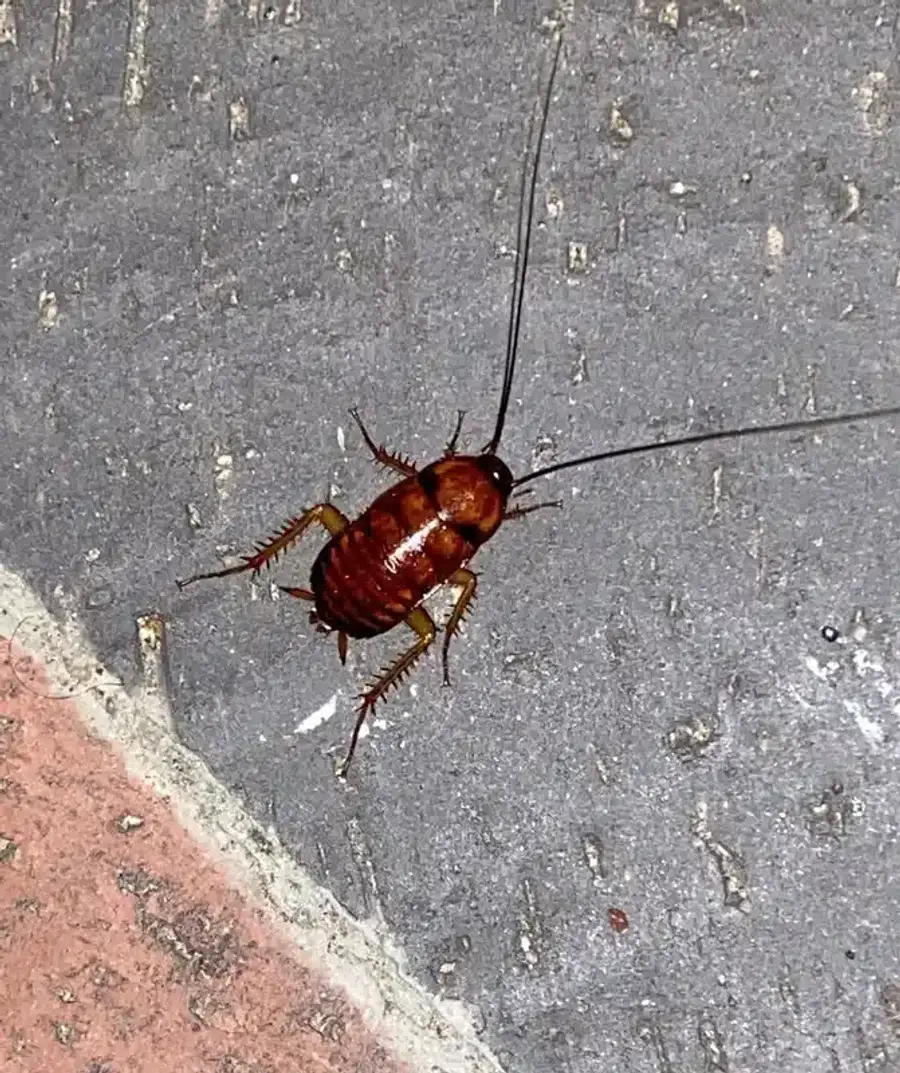
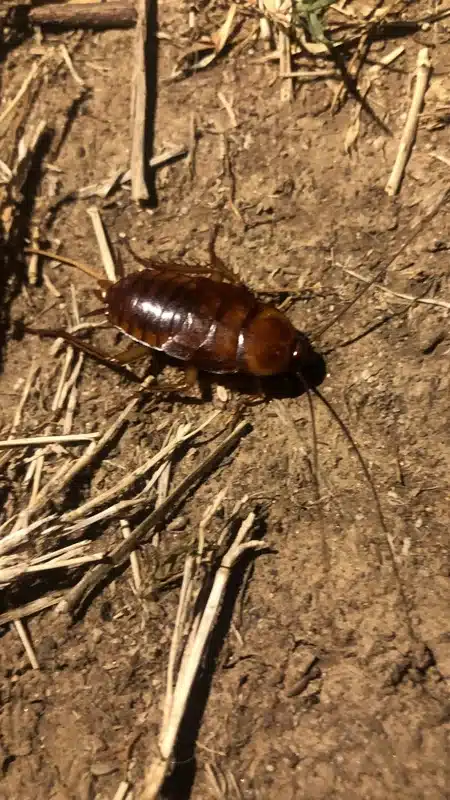
Cockroaches, on the other hand, have oval, strongly flattened bodies that allow them to squeeze into tight crevices. This flattened profile is one of the key identifying features that separates them from beetles. Adult cockroaches range from 12 mm for brownbanded roaches to 38 mm for American roaches.
🔍 Quick ID Tip: Hold a flashlight over the insect. Click beetles maintain a dull, matte appearance while cockroaches will reflect light with their characteristic oily shine. This simple test works every time!
The hardness of their shells also differs significantly. Click beetles possess rigid, armor-like wing covers called elytra that protect their entire abdomen. Cockroaches have more flexible wing covers that feel leathery rather than hard.
Click beetles typically appear in drab brown or black colors, sometimes featuring mottled patterns or distinctive false eye-spots. Their cuticle has a hard, matte finish that rarely appears shiny. This dull appearance helps them blend into their natural outdoor environments.
Cockroaches display more variation in color but share one common trait: their glossy, oily-looking surface. German roaches appear light brown with two dark stripes on their thorax, while American roaches show reddish-brown coloring with pale edges on their pronotum. This shiny appearance comes from oils they secrete and is a dead giveaway for cockroach identification.
The difference in shine becomes especially noticeable under kitchen lighting. While a click beetle maintains its matte appearance, a cockroach will reflect light noticeably as it moves across surfaces.
Antenna length provides another reliable way to distinguish between click beetles and cockroaches. Click beetles have shorter, serrate antennae that extend forward but remain shorter than their body length. These antennae often appear saw-toothed or thread-like.
Cockroaches possess extremely long, slender antennae that frequently exceed their body length. These thread-like antennae constantly move as they navigate and sense their environment. According to NC State Entomology, these antennae serve as crucial navigation tools during their high-speed escapes.
Leg structure also differs between these insects. Cockroaches have specialized legs with spines designed for rapid running, while click beetles have more standard beetle legs suited for slower movement and gripping surfaces.
Click beetles earned their name from a unique defensive mechanism that cockroaches completely lack. When threatened or flipped onto their backs, click beetles can snap a prosternal peg into a groove, launching themselves several centimeters into the air with an audible clicking sound.
This remarkable ability serves both as a righting mechanism and a predator-startle device. The Virginia Tech Extension explains that this clicking motion can repeat multiple times until the beetle lands right-side up.
Cockroaches respond to threats very differently. Instead of clicking and flipping, they rely on rapid scurrying movements to escape danger. Their long antennae guide them toward the nearest crack or crevice during these high-speed escapes.
The behavioral differences between click beetles and cockroaches become immediately obvious when you encounter them. If you find a bug lying motionless on its back that suddenly clicks and flips over, you’re definitely looking at a click beetle.
Cockroaches exhibit completely different behavior when disturbed. They immediately dash toward the nearest hiding spot, moving with surprising speed across floors and walls. This rapid escape behavior helps distinguish them from other similar-looking insects.
Understanding where these insects prefer to live helps explain why you might encounter them indoors. Click beetles are primarily outdoor insects that thrive in gardens, lawns, crop fields, and forest litter. Their larvae, called wireworms, develop in soil over 1-4 years.
Cockroaches show more varied habitat preferences depending on the species. While some like wood roaches prefer outdoor environments with leaf litter and rotting logs, pest species actively seek out human structures. They need warm, humid environments near food and water sources like kitchens, basements, and sewers.
Click beetles typically enter homes accidentally, especially during summer evenings when they’re attracted to outdoor lighting. They may slip through screens or follow light through open doors. However, they cannot reproduce indoors and quickly die if trapped inside.
Cockroaches actively invade homes through plumbing penetrations, utility openings, grocery bags, or seasonal migration from outdoor breeding sites. Once inside, they establish breeding colonies and multiply rapidly. Different cockroach species use various entry methods, but all can successfully reproduce indoors.
The dietary habits of click beetles versus cockroaches reveal their very different ecological roles. Adult click beetles feed sparingly on nectar, pollen, or soft plant tissues, with some species being predatory. Their larvae play varied roles – some are beneficial predators that control wood-boring insects, while others can damage crop roots.
Cockroaches are omnivorous scavengers that will eat virtually anything organic. They consume human food, pet food, grease, decaying matter, book bindings, and even clothing starch. This indiscriminate feeding behavior contributes to their role as disease vectors.
According to the EPA’s school IPM guidelines, cockroaches can vector dozens of bacteria including Salmonella and Staphylococcus through their feeding and movement patterns. Research published in the Journal of Medical Entomology shows cockroaches carry an average of 33 different bacteria species on their bodies, with some strains resistant to multiple antibiotics. In contrast, click beetles show no evidence of pathogen carriage in scientific literature, making them completely safe for human contact.
The health implications of encountering click beetles versus cockroaches couldn’t be more different. Click beetles are completely harmless to humans – they don’t bite, sting, carry pathogens, or trigger allergies. They’re simply accidental visitors that pose zero health risks.
Cockroaches present serious health concerns, especially in homes with children. They carry multiple disease-causing bacteria and produce potent allergens that can trigger asthma attacks. The presence of cockroaches often indicates unsanitary conditions that require immediate professional attention.
As a registered technician, I’ve seen how cockroach infestations can impact families, particularly children who may be more sensitive to the allergens these pests produce. The proteins in cockroach waste and shed skins are well-documented asthma triggers.
In the Virginia, Maryland, and DC region, click beetles and cockroaches follow different seasonal patterns. Click beetles are most noticeable from May through August, with peak nuisance flights occurring during humid summer evenings when outdoor lighting attracts them.
Cockroaches remain active year-round indoors, but outdoor species like American and wood roaches tend to move inside as temperatures drop below 59°F. This seasonal migration often brings them into contact with homeowners during fall and winter months.
Understanding these seasonal patterns helps explain why you might suddenly encounter either insect in your home. Click beetles appearing in summer are likely following outdoor lights, while cockroaches showing up in fall may be seeking winter shelter.
Unlike cockroaches, click beetles should never be treated with pesticides. They’re beneficial insects that serve as pollinators and predators in outdoor ecosystems. When they occasionally enter homes, simple removal with a cup or vacuum is completely sufficient.
In contrast, cockroach infestations often require professional pest management services. Their ability to reproduce rapidly and spread disease makes them a legitimate pest concern that warrants immediate attention.
If you spot a fast-moving, flat, shiny insect with long antennae darting under appliances, you’re likely dealing with a cockroach that requires professional treatment. Different cockroach species may require different treatment approaches, making professional identification important.
However, if you find an elongated, hard-shelled beetle that clicks and flips when disturbed, simply remove it gently and check your outdoor lighting. These beneficial insects don’t require any pest control intervention.
Our family business has treated thousands of cockroach infestations across the DMV area, and early intervention always produces better results. Cockroaches are remarkably resilient, so professional treatment becomes more important the longer an infestation persists.
Based on my experience as a third-generation pest control technician, knowing the difference between click beetles and cockroaches can save homeowners both money and unnecessary worry. While cockroaches pose real health risks that require immediate professional attention, click beetles are beneficial visitors that simply need gentle removal. If you’re uncertain about what you’ve found in your home, don’t hesitate to call us at 703-683-2000 or email info@bettertermite.com for expert identification and guidance.
The easiest way to distinguish between click beetles and cockroaches is by their body shape and behavior. Click beetles have elongated, hard-shelled bodies that are tapered at both ends, while cockroaches have flat, oval bodies with a glossy appearance. When disturbed, click beetles flip and make clicking sounds, while cockroaches scurry rapidly toward hiding spots.
Click beetles are completely harmless to humans. They don’t bite, sting, carry diseases, or cause allergic reactions. These beneficial insects are simply accidental visitors that pose no health risks whatsoever. If you find one indoors, you can safely remove it with your hands or a cup.
Click beetles are attracted to outdoor lighting and may accidentally enter your home during summer evenings. They cannot reproduce indoors and typically die quickly if trapped inside. To reduce their presence, switch to yellow or amber LED outdoor lights and minimize unnecessary porch lighting during peak season from May through August.
Only click beetles make the distinctive clicking sound – cockroaches do not click. Click beetles produce this sound through a unique mechanism where a prosternal peg snaps into a groove, launching them into the air. This clicking and flipping behavior is exclusive to click beetles and helps distinguish them from all other insects.
No, you should never use pesticides on click beetles. These beneficial insects serve as pollinators and predators in outdoor ecosystems. Simple removal with a cup or vacuum is sufficient for the occasional beetle that enters your home. Focus on reducing outdoor lighting instead of using chemicals.
In the DMV area, click beetles are most noticeable from May through August, with peak activity during humid summer evenings. They’re nocturnal insects strongly attracted to outdoor lighting during this period. Unlike cockroaches, which remain active year-round indoors, click beetles follow a distinct seasonal pattern.
No, click beetles cannot establish infestations in homes. They cannot reproduce indoors and quickly die if trapped inside. Unlike cockroaches, which actively invade homes and establish breeding colonies, click beetles are merely accidental visitors that enter while following outdoor lights.
Cockroach problems involve multiple sightings of fast-moving, flat, shiny insects that scurry away when disturbed. You might also notice a musty odor, small dark droppings, or shed skins. Click beetles appear individually, have hard elongated bodies, and make clicking sounds when flipped over. If you’re seeing multiple fast-moving insects regularly, you likely have cockroaches that need professional treatment.
Not sure if you’re dealing with beneficial beetles or problematic cockroaches? Get expert identification and customized pest control solutions from our experienced team.
With five years of hands-on experience in the pest control industry, George Schulz is a registered technician with the Virginia Pest Management Association and a proud third-generation professional in a family business that’s been protecting homes for over 57 years. He manages and trains a team of service pros while also leading internal research efforts—recently spearheading a deep-dive review of thousands of documents on pest control materials to hand-pick the most kid and pet friendly, most effective solutions tailored specifically for homes in the DC metro area. Read his bio.