TLDR: German cockroaches have wings but do not fly. They prefer running at speeds up to 3 mph. They hide in tight spaces near food and water. If you see a flying roach, it’s likely a different species. German cockroaches spread fast through hitchhiking and rapid breeding. Contact a professional as soon as you spot one.
If you’ve ever spotted a cockroach in your kitchen, you may have wondered if it could fly at you. You’re not alone. It’s one of the most common questions homeowners ask. So can German cockroaches fly? The short answer is no, German cockroaches do not fly. They have fully developed wings, but they almost never use them.
I’ve worked in pest control since 2015 and have dealt with many German cockroach problems across the DC metro area. German, oriental, and American roaches are some of the most common species in this region. Knowing how these pests move and behave is the first step toward getting rid of them.
Do German Cockroaches Have Wings?
Yes, adult German cockroaches do have wings. Both males and females grow a full set of wings. These wings cover their entire abdomen. You can see them lying flat against the roach’s back.
But having wings doesn’t mean they use them. German cockroaches are built for running, not flying. Their wings are small compared to their body. They just don’t create enough lift for real flight.
According to PestWorld.org, German cockroaches “rarely fly. Instead, they prefer to run.” They have fully working wings. But research shows they may only glide short distances of 1-2 meters when they must, such as when escaping danger.
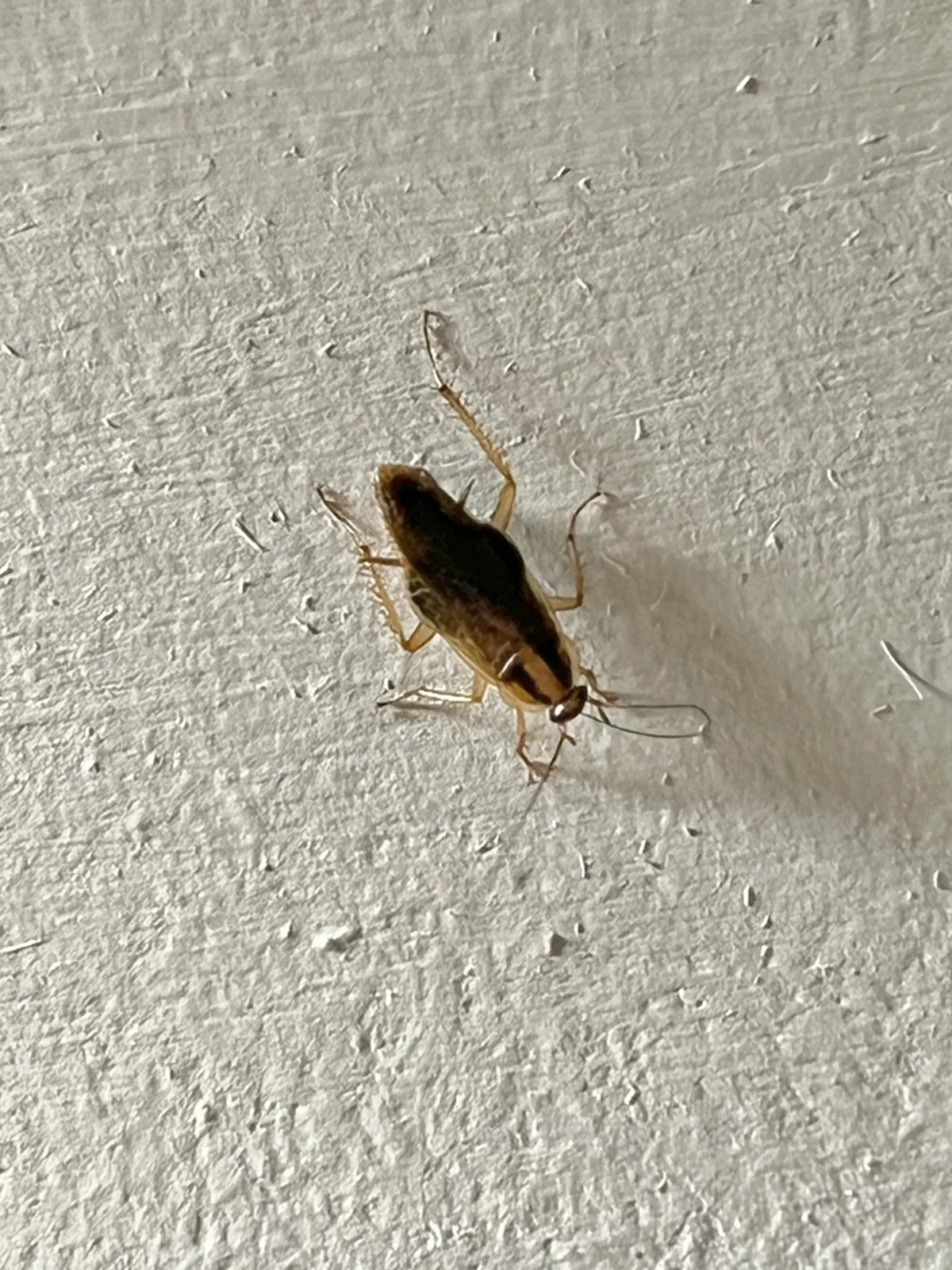
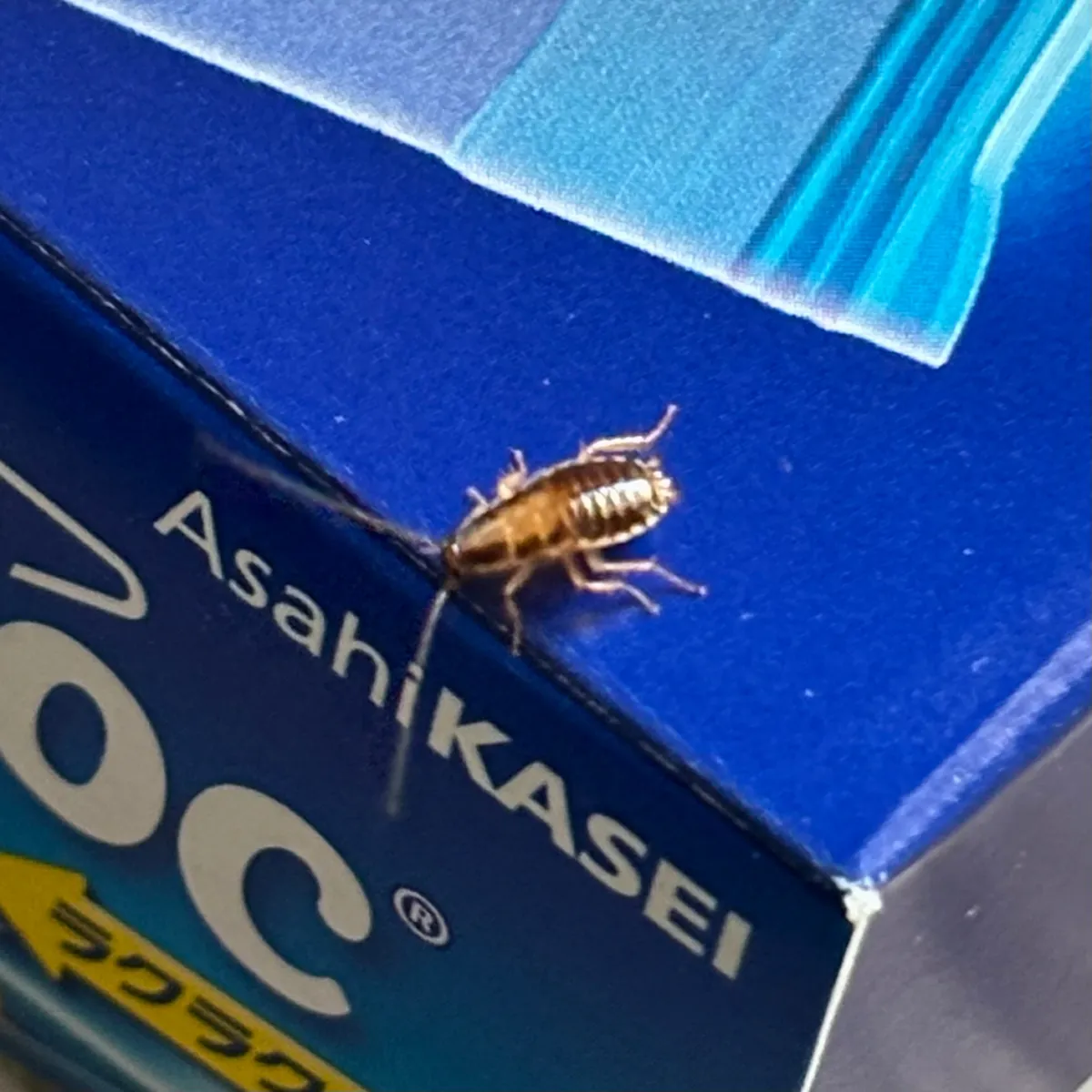
Here’s what German cockroaches look like up close. Notice the wing structure and the dark stripes that set them apart from other roach species.

Why Don’t German Cockroaches Fly?
There are several reasons why German cockroaches prefer running over flying.
First, they don’t need to fly. German cockroaches live indoors where food and shelter are always close by. Unlike outdoor insects that fly to find food, these roaches live right next to their food sources.
Second, running is faster. German cockroaches can run up to 3 miles per hour. For their size, that’s very quick. When startled, they dart into a crack or gap much faster than they could take flight.
Third, their body isn’t built for flight. Their wings are too small for their body weight. This makes getting off the ground very hard.
German Cockroaches vs American Cockroaches: Flying Ability
One of the easiest ways to tell these two species apart is by their flying behavior. Here’s how they compare:
| Feature | German Cockroach | American Cockroach |
|---|---|---|
| Size | 1/2 to 5/8 inch | Up to 2 inches |
| Color | Light brown/tan | Reddish-brown |
| Flying ability | Rarely if ever | Can fly short distances |
| Wings | Has wings, doesn’t use them | Has wings, uses them |
| Identifying mark | Two dark stripes on back | Light yellow band behind head |
American cockroaches are sometimes called “palmetto bugs” or “water bugs.” They can and do fly short distances. They’re more likely to fly when it’s warm. Males fly more often than females.
If you’re trying to figure out which type of cockroach you’re dealing with, check out our guide on bugs that look like roaches for more identification help.
How to Identify German Cockroaches
Since German cockroaches don’t fly, knowing their other identifying features is important. Here’s what to look for:
Size and Color
German cockroaches measure about 1/2 to 5/8 inch long as adults. That’s roughly the size of a penny. They have a light brown to tan color, though females tend to be slightly darker than males.
The Two Dark Stripes
The most telling feature is the two dark, parallel stripes on their back. These stripes run from behind the head to the base of the wings. You can see them in both adults and nymphs. No other common household roach has this marking.
Physical Features
German cockroaches have six spiny legs, long thin antennae, and an oval-shaped body. Their wings lay flat against their back when at rest. Young roaches (nymphs) are wingless but still have those telltale dark stripes.
Where German Cockroaches Prefer to Hide
Where these pests hide helps explain why they don’t need to fly. German cockroaches like tight, warm, damp spaces near food and water. According to pest control experts, they can squeeze through gaps as small as 3/8 inch.
Common hiding spots include:
- Behind and under kitchen appliances like refrigerators, stoves, and dishwashers
- Inside cabinets and drawers, especially near food
- Under sinks where moisture collects
- In cracks and crevices around countertops and backsplashes
- Behind wall outlets and switch plates
- Near water heaters where it’s warm
Their preference for these tight spaces means flying isn’t practical. Running and squeezing into cracks works far better for these pests.
In my years treating cockroach problems in the DC metro area, German cockroaches are almost always in kitchens and bathrooms. I’ve never once seen a German cockroach fly during a job. They scatter like lightning when you turn on the lights. But they always run, never fly. If you see a roach take flight, it’s likely a different species. American cockroaches and Asian cockroaches can both fly and may have come indoors.
Since German cockroaches stay so close to food and water, kitchens are almost always where problems start. If you’re finding droppings near your appliances or seeing roaches at night, it’s time to act.
Can Baby German Cockroaches Fly?
No, baby German cockroaches cannot fly. Young roaches (called nymphs) don’t have wings at all. As they grow and shed their skin through several stages, they develop small wing pads. These turn into full wings in adulthood.
But as we’ve covered, even adults don’t really fly. So at no point in their life do German cockroaches truly fly.
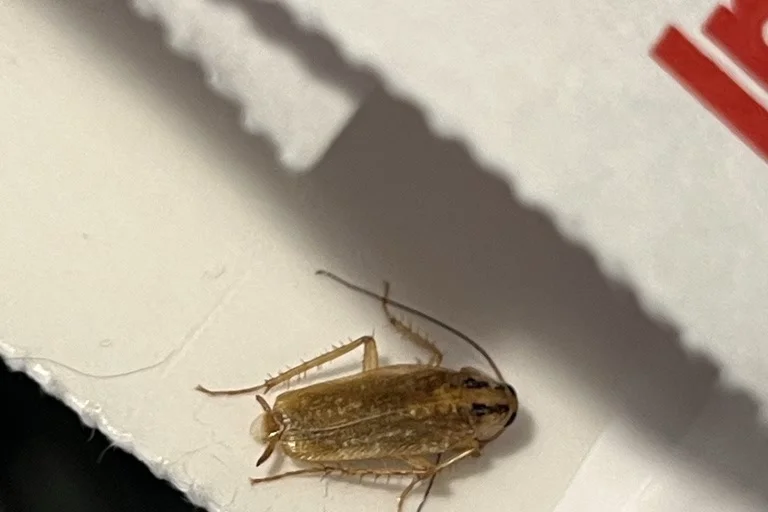
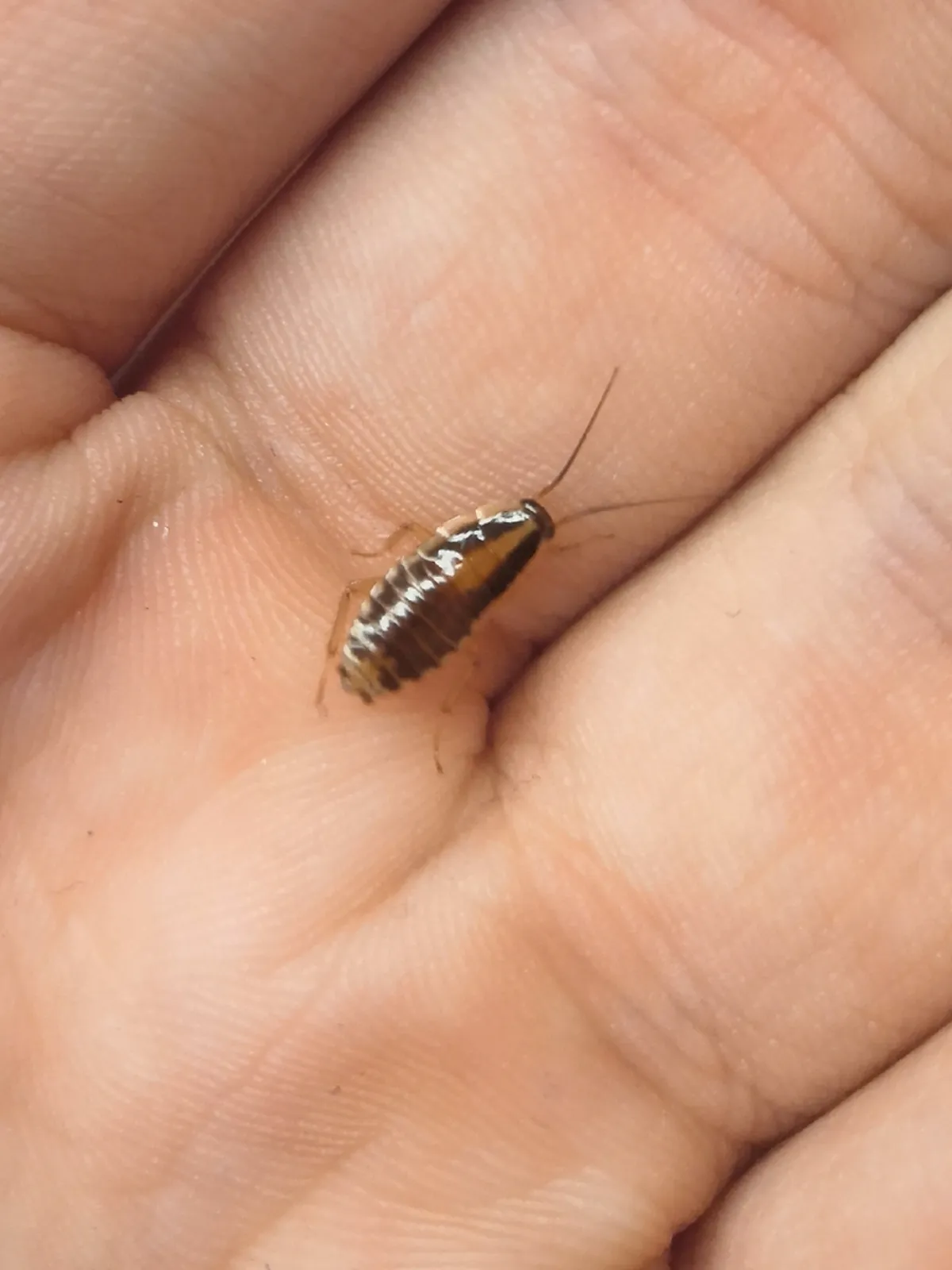
Want to learn more about identifying young cockroaches? Our baby German cockroach guide breaks down size, color, and behavior at each life stage.
Why German Cockroach Infestations Spread So Quickly
Even though German cockroaches can’t fly, they spread through homes fast. Here’s how they do it:
- They hitchhike. They come into homes through grocery bags, boxes, used appliances, and even clothing.
- They run fast. Their speed and small size lets them move between rooms and apartments with ease.
- They breed quickly. A single female can produce up to 400 babies in her lifetime. A few roaches can become thousands within months.
- They hide well. German cockroaches spend 75-80% of their time tucked away. This makes them hard to spot until the problem is severe.
What to Do If You Find German Cockroaches
Finding German cockroaches in your home calls for immediate action. These pests don’t just fly away, and they won’t leave on their own.
Seeing one German cockroach usually means there are many more hiding nearby. The sooner you address the problem, the easier it will be to control.
Check common hiding spots in your kitchen and bathroom. Look for droppings (small, dark “pepper-like” specks), shed skins, and egg cases. Note where you’re seeing the most activity.
While sanitation alone won’t end an infestation, it helps. Clean up food debris, fix any water leaks, and store food in sealed containers. This removes some of their resources.
German cockroach problems usually need professional treatment. Store-bought sprays often scatter roaches without killing them. This can spread the problem to new areas.
At Better Termite & Pest Control, our team uses gel baits, growth regulators, and crack-and-crevice treatments that work against German roaches. We’ve helped many homeowners in Northern Virginia, Fairfax, Bethesda, and the DMV area get rid of these stubborn pests.
When You Might See a Cockroach “Fly”
While German cockroaches don’t fly, they might appear to in certain situations:
Gliding when startled. If knocked off a high spot, a German cockroach might spread its wings to slow its fall. This isn’t true flight. It’s just controlled falling.
Running down walls. When roaches run fast down a wall, it can look like flying at first glance.
Wrong ID. You might be seeing a different species. Asian cockroaches look almost the same as German cockroaches but can fly well. American cockroaches and smoky brown cockroaches also fly.
If you’re not sure what species you have, our techs can help identify the pest and suggest the right treatment.
Get Help With German Cockroach Control
German cockroaches may not fly, but they’re still one of the hardest pests to remove. They breed fast, hide well, and resist many DIY treatments. That’s why professional help is the best option.
If you have German cockroaches in your home, don’t wait. Call Better Termite & Pest Control at 703-683-2000 or email us at info@bettertermite.com. We’ll inspect your home and create a treatment plan. Our licensed techs have the tools and know-how to get your home roach-free.