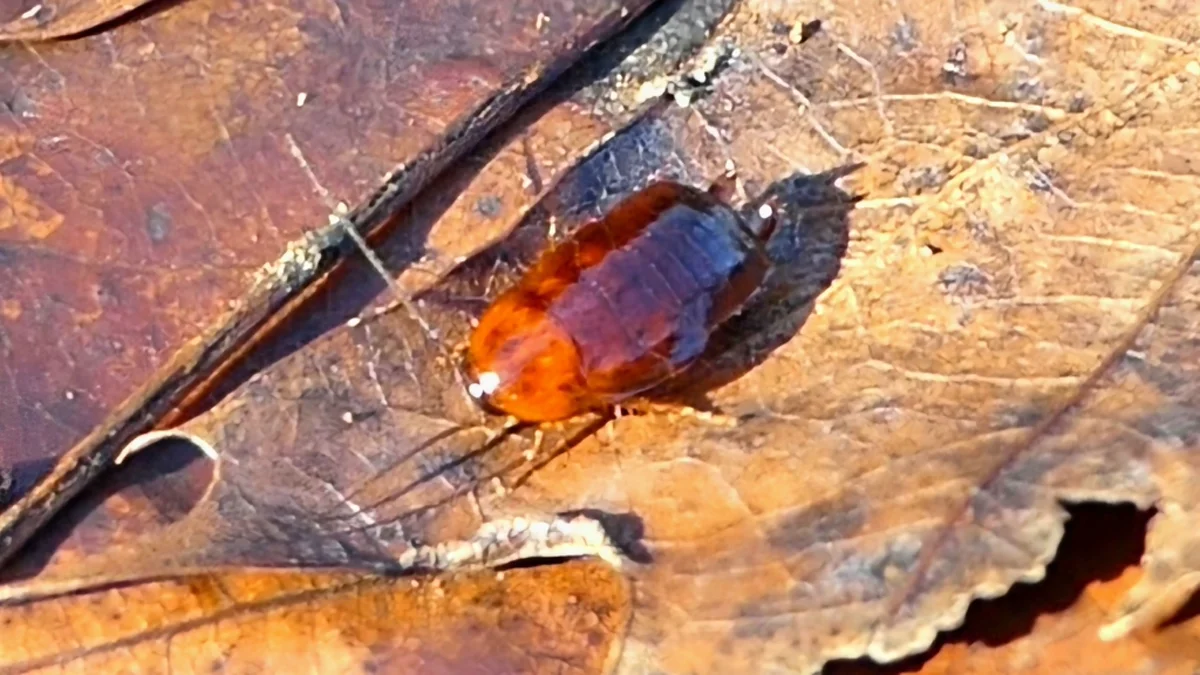

If you’ve spotted a brownish roach wandering through your home in late spring, there’s a good chance you’ve encountered a wood cockroach. Before you panic, here’s the good news: wood cockroaches are harmless outdoor insects that accidentally wander inside and can’t survive in your home.
I’ve been working as a registered technician with our family pest control business for over five years now. Every May and June, our phones light up with worried homeowners who’ve found these wandering visitors. In my experience, German, oriental, and American roaches can be very common in the DC metro area. But wood cockroaches are different. They’re not trying to move in, and they definitely don’t want to stay.
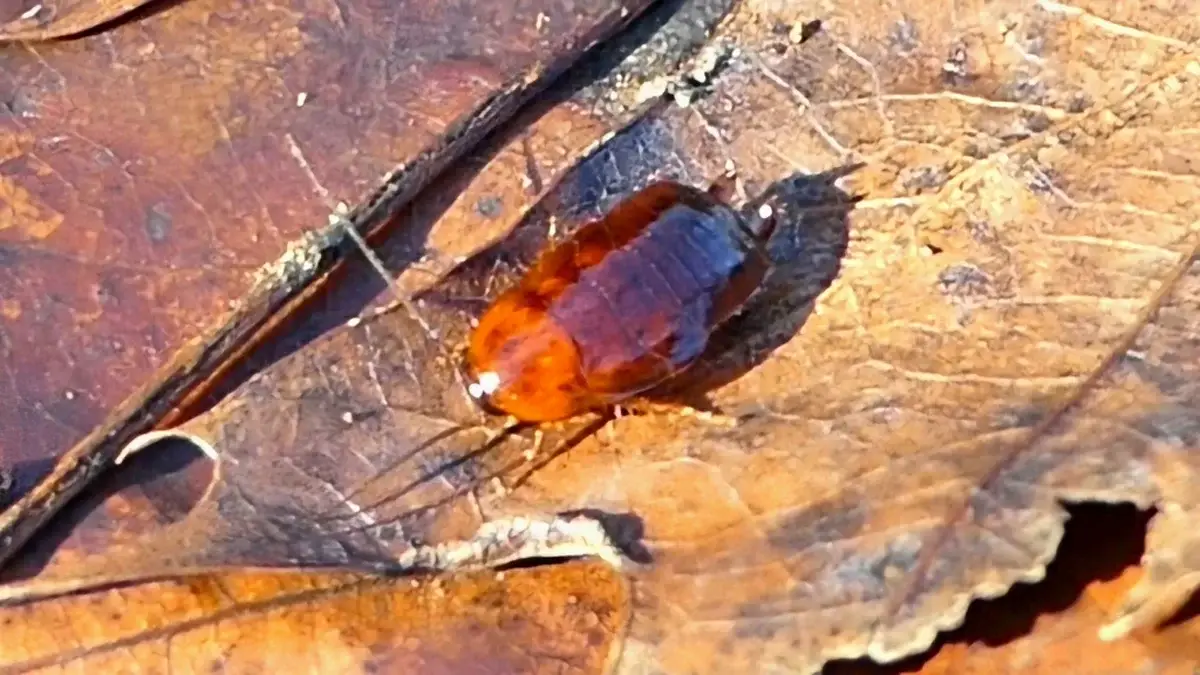
What Is a Wood Cockroach?
A wood cockroach is a native North American insect that belongs to the genus Parcoblatta. There are twelve different species found across North America. The Pennsylvania wood cockroach and Virginia wood cockroach are the most common in our service area.
Unlike German roaches or American roaches that have adapted to live indoors, wood cockroaches are strictly outdoor insects. They spend their lives in forests, woodpiles, and leaf litter where they help break down decaying organic matter. Basically, they’re part of nature’s cleanup crew.
The reason wood cockroaches show up inside homes is simple: they get lost. Males fly toward lights during mating season, or they hitchhike on firewood that gets carried indoors. But once they’re inside, they’re in trouble because homes are too dry for them to survive.
How to Identify a Wood Cockroach
Telling a wood cockroach apart from other roaches comes down to a few key features. Here’s what to look for:
Physical Characteristics
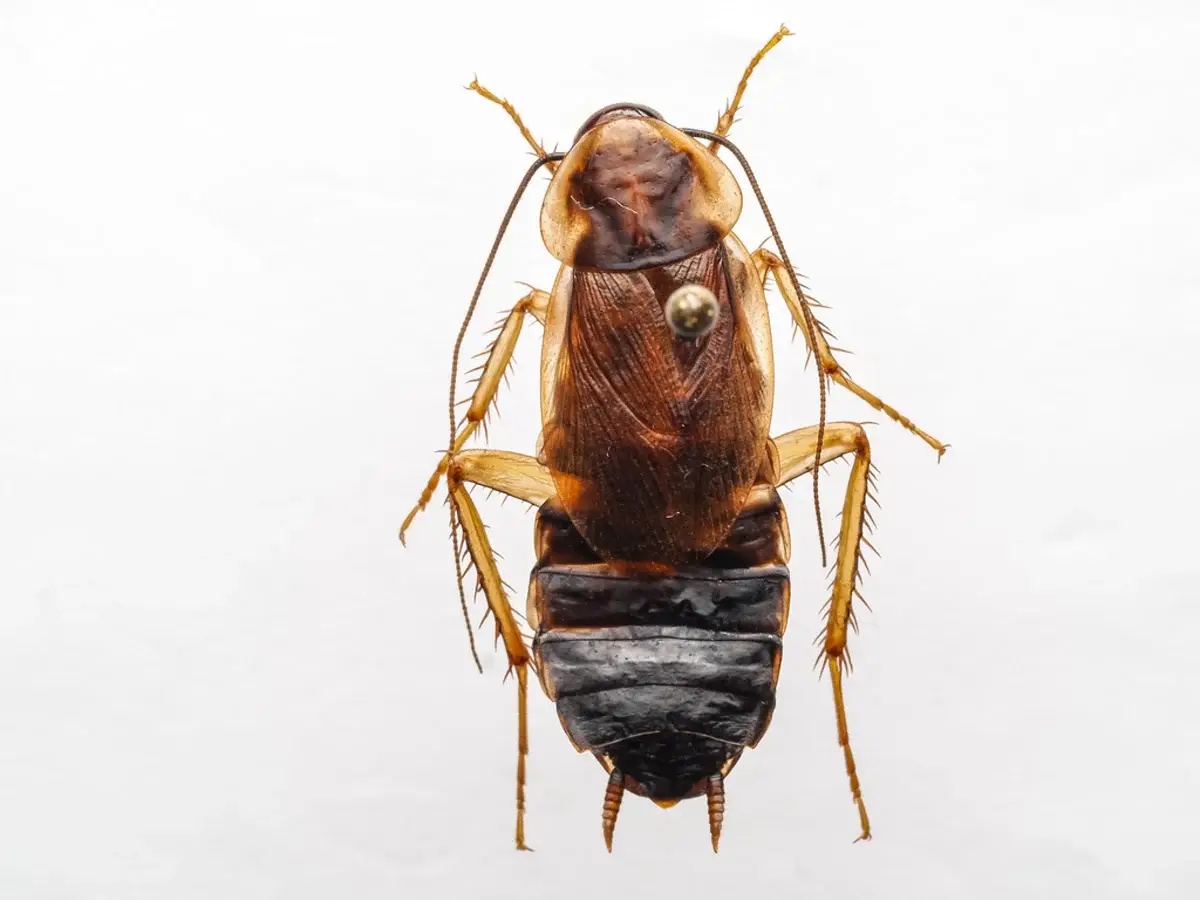
Size: Adult wood cockroaches measure about 3/4 to 1 inch long. Males are slightly larger and more slender than females.
Color: Chestnut-brown to tan coloring across the body.
Wings: This is the big giveaway. Male wood cockroaches have fully developed wings with distinctive pale or cream-colored edges along the margins. These light-colored wing borders are the easiest way to identify a wood cockroach. Females have short, stubby wings that don’t cover their entire abdomen.
No stripes: Unlike German cockroaches that have two dark parallel stripes on their backs, wood cockroaches have solid coloring without any stripe patterns.
Behavior Differences
Wood cockroaches act completely different from indoor pest species. Here’s what sets them apart:
Slow and calm: Wood cockroaches don’t dart away when you approach them. They move slowly and seem almost oblivious to your presence. This is because indoor conditions have already started affecting them by the time you spot them.
Active in daylight: While indoor cockroaches are nocturnal and hide during the day, wood cockroaches will wander around openly at any hour.
Attracted to light: Male wood cockroaches fly toward lights at night, which is the opposite of German roaches that actively avoid light.
No hiding behavior: You won’t find wood cockroaches scurrying into cracks and crevices. They don’t have that instinct because they’re designed to live in open outdoor environments.
Wood Cockroach Life Cycle and Seasonal Activity
Understanding when and why wood cockroaches are active helps explain those seasonal sightings in your home.
The Mating Season Surge
Wood cockroaches are most active during their mating season from late May through June. During this period, male wood cockroaches take evening mating flights, and they’re strongly attracted to artificial lights. This is when the vast majority of home invasions happen.
According to Penn State Extension, the males can fly considerable distances toward light sources. If you have bright porch lights or security lighting, you’re essentially rolling out the welcome mat during mating season.
Wood cockroaches require high outdoor moisture levels to survive and cannot complete their life cycle indoors. Most individuals die within 48-72 hours of entering heated buildings due to dehydration, making pesticide treatments unnecessary and ineffective for this species.
Life Cycle Timeline
The wood cockroach life cycle spans 12-24 months, which is much longer than indoor pest species. Here’s how it breaks down:
- Summer: Females deposit egg capsules (oothecae) outdoors under bark or in leaf litter
- Late summer/fall: Eggs hatch and nymphs begin developing
- Winter: Nymphs overwinter beneath tree bark and in debris, remaining active even in cold weather
- Spring/early summer: Nymphs mature into adults and begin mating flights
- May-June: Peak mating activity and the highest likelihood of indoor sightings
This seasonal pattern is helpful for identification. If you’re only seeing roaches during late spring and early summer, you’re almost certainly dealing with wood cockroaches rather than an indoor infestation that would be visible year-round.
Where Wood Cockroaches Live
Wood cockroaches are native forest dwellers. You’ll find them in:
- Rotting logs and stumps
- Under loose tree bark
- Leaf litter and forest floor debris
- Woodpiles and stacked firewood
- Clogged gutters full of decomposing leaves
- Tree holes and hollow trees
- Mulch beds around foundations
Properties near wooded areas in Alexandria, Bethesda, and throughout Northern Virginia see the most wood cockroach activity. The closer your home is to natural woodland habitat, the more likely you are to have these visitors during mating season.
Why Wood Cockroaches Enter Homes
Wood cockroaches don’t actually want to be inside your home. They end up there through several accidental pathways:
Light Attraction
This is the biggest factor. During evening mating flights, male wood cockroaches fly directly toward light sources. Porch lights, security lights, and even lit windows draw them in. Once near the house, they may squeeze through gaps around doors, windows, or utility openings.
Firewood Transportation
Wood cockroaches commonly hide under bark and in crevices of stacked firewood. When you bring that firewood inside, you might be carrying passengers. This is especially common in fall and winter when people start using fireplaces.
I’ve responded to countless calls from homeowners who suddenly found multiple wood cockroaches inside after bringing in a load of firewood. The solution is simple: store firewood at least 20 feet from your home’s foundation and inspect logs before bringing them inside. Many people don’t realize that loose bark and debris on firewood provides perfect hiding spots for these insects.
Gaps and Entry Points
Wood cockroaches can crawl through the same entry points that let other pests inside:
- Gaps under doors
- Torn or missing window screens
- Cracks around utility pipe penetrations
- Openings around AC units and dryer vents
- Foundation cracks
Are Wood Cockroaches Dangerous?
No. Wood cockroaches pose absolutely no health risks to you or your family. Here’s why they’re different from indoor pest species:
No disease transmission: Wood cockroaches aren’t associated with spreading pathogens like salmonella or E. coli. They don’t feed on garbage or sewage like oriental roaches do.
No food contamination: Since wood cockroaches can’t survive indoors, they don’t have time to contaminate your food supplies. They’re not interested in your kitchen anyway, as they eat decaying organic matter, not human food.
No allergen concerns: Indoor cockroaches produce allergens that can trigger asthma and allergic reactions. Wood cockroaches don’t live indoors long enough to create these issues.
No reproduction indoors: A single German roach finding your kitchen can lead to thousands of descendants. A wood cockroach finding your living room leads to one dead roach within a couple days.
How to Get Rid of Wood Cockroaches
The good news about wood cockroaches is that removal is incredibly simple. Since they can’t survive indoors anyway, you don’t need pesticides or professional treatment.
Simple Removal Methods
- Physical removal: Sweep, vacuum, or capture wood cockroaches and release them outside (or dispose of them if you prefer)
- Wait it out: They’ll die on their own within 48-72 hours from dehydration
That’s really it. No sprays, no baits, no professional treatment needed.
Prevention Strategies
The better approach is stopping wood cockroaches from getting inside in the first place:
Adjust your lighting:
- Switch porch and security lights to yellow LED “bug lights” during May and June
- Turn off unnecessary outdoor lighting during peak mating season
- Keep blinds closed on lit rooms during evening hours
Manage firewood properly:
- Store firewood at least 20 feet from your home’s foundation
- Keep firewood off the ground on a rack
- Inspect logs before bringing them inside
- Brush off loose bark before carrying wood indoors
Seal entry points:
- Install tight-fitting door sweeps
- Repair torn window screens
- Seal gaps around utility penetrations with caulk
- Fix cracks in your foundation
Reduce outdoor habitat:
- Clear leaf litter away from your foundation
- Remove rotting wood and debris from near the house
- Clean gutters regularly to prevent decomposing leaf buildup
- Trim vegetation away from exterior walls
Wood Cockroach vs Other Roach Species
Knowing the differences between wood cockroaches and indoor pest species helps you determine whether you need professional help.
| Feature | Wood Cockroach | German Roach | American Roach |
|---|---|---|---|
| Size | 3/4 - 1 inch | 1/2 - 5/8 inch | 1.5 - 2 inches |
| Color | Chestnut brown with pale wing edges | Light brown with 2 dark stripes | Reddish-brown |
| Behavior | Slow, calm, active in daylight | Fast, scurries, nocturnal | Fast, avoids light |
| Indoor Survival | Dies in 48-72 hours | Thrives and multiplies | Can survive months |
| Flight | Males fly toward lights | Rarely flies | Can fly short distances |
| Treatment Needed | None | Professional required | Professional recommended |
For more detailed comparisons, check out our guides on wood roach vs cockroach and wood roaches vs German roaches.
When to Call a Professional
Wood cockroaches themselves don’t require professional pest control. However, you should contact an expert if:
- You’re finding roaches year-round, not just in May and June
- The roaches are small (under 3/4 inch) with dark stripes
- They scurry quickly when lights come on
- You’re finding them in kitchens and bathrooms
- You notice droppings that look like coffee grounds or pepper
- You find egg cases (oothecae) inside your home
These signs indicate you may have German roaches or another indoor pest species that requires professional treatment. Our team at Better Termite & Pest Control has over 57 years of experience and more than 1,000 five-star reviews helping families throughout Fairfax, Burke, and the entire DMV area identify and eliminate cockroach problems.
The Bottom Line on Wood Cockroaches
Finding a wood cockroach in your home can be startling, but it’s really not a cause for concern. These outdoor insects are just lost visitors that can’t survive in your indoor environment. Unlike the bugs that look like roaches but pose different problems, wood cockroaches are exactly what they appear to be, just harmless wanderers in the wrong place.
The best approach is simple prevention: yellow bug lights during mating season, careful firewood handling, and sealed entry points. If one does make it inside, just remove it and move on with your day.
However, if you’re unsure what type of roach you’re dealing with, or if you’re seeing signs of a year-round infestation, don’t hesitate to reach out. Call us at 703-683-2000 or email info@bettertermite.com. Our licensed technicians can quickly identify what you’re dealing with and recommend the appropriate next steps, even if that’s just confirming you have nothing to worry about.