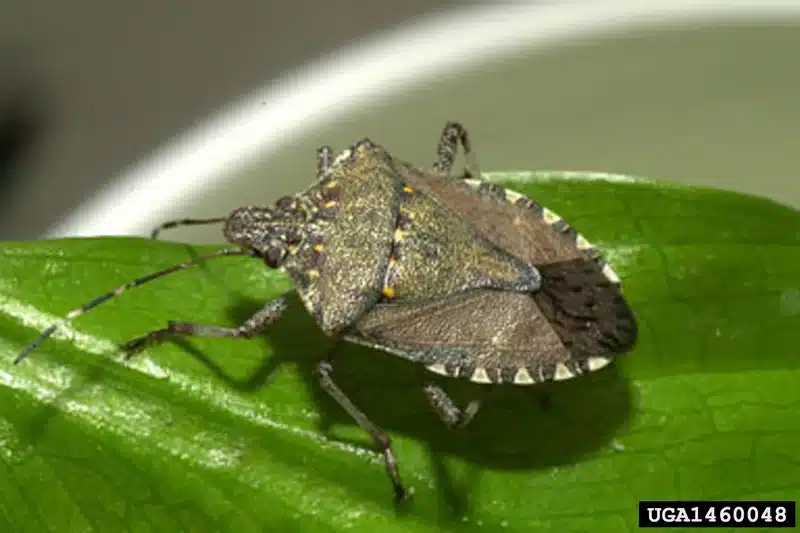

If you’ve ever crushed a stink bug, you already know why they got their name. These shield-shaped insects release a powerful smell when disturbed. As a technician with our family business (50+ years in the DMV area), I get calls about this smell all the time.
The short answer: stink bugs spray foul chemicals as a defense. But there’s real science behind it, and knowing how it works helps you manage them better.
Understanding Stink Bug Species
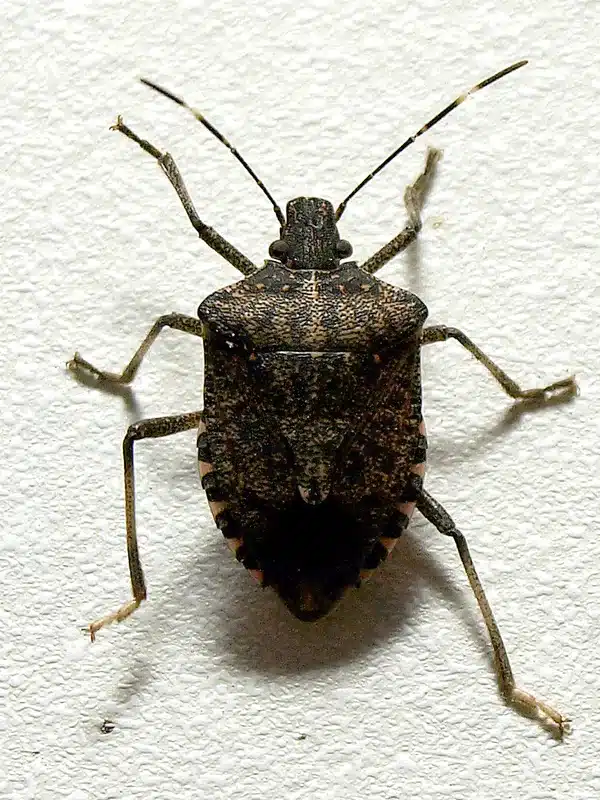
The term “stink bug” refers to insects in the family Pentatomidae, which includes over 4,700 species worldwide. These bugs have distinctive shield-shaped backs and five-segmented antennae. You can learn more about their characteristics on our comprehensive Stink Bugs resource page.
Brown Marmorated Stink Bug Dominance
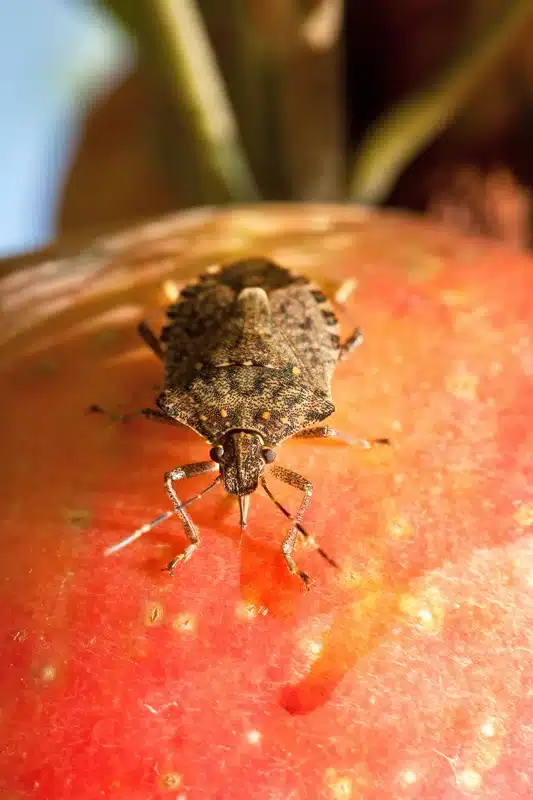
In our region, the Brown Marmorated Stink Bug (BMSB) causes most homeowner complaints. This invasive species arrived from East Asia in the mid-1990s and has established dense populations throughout Virginia, Maryland, and DC. According to the EPA, BMSB now occurs in 38 states, but the Mid-Atlantic region experiences the heaviest infestations.
During my four years in the field, I’ve noticed that homeowners are often surprised by how many stink bugs can invade a single home. Especially during spring and fall migrations, we receive numerous calls about mysterious bad smells that turn out to be stink bug infestations.
Why Are Stink Bugs Called Stink Bugs
The name “stink bug” comes directly from these insects’ most notable defense mechanism. All members of the Pentatomidae family possess specialized scent glands that release pungent chemicals when the bug feels threatened. Even gentle handling can trigger this response, which is exactly why are stink bugs called stink bugs.
All stink bugs have scent glands that spray chemicals when threatened. This defense is so distinctive that it became their common name.
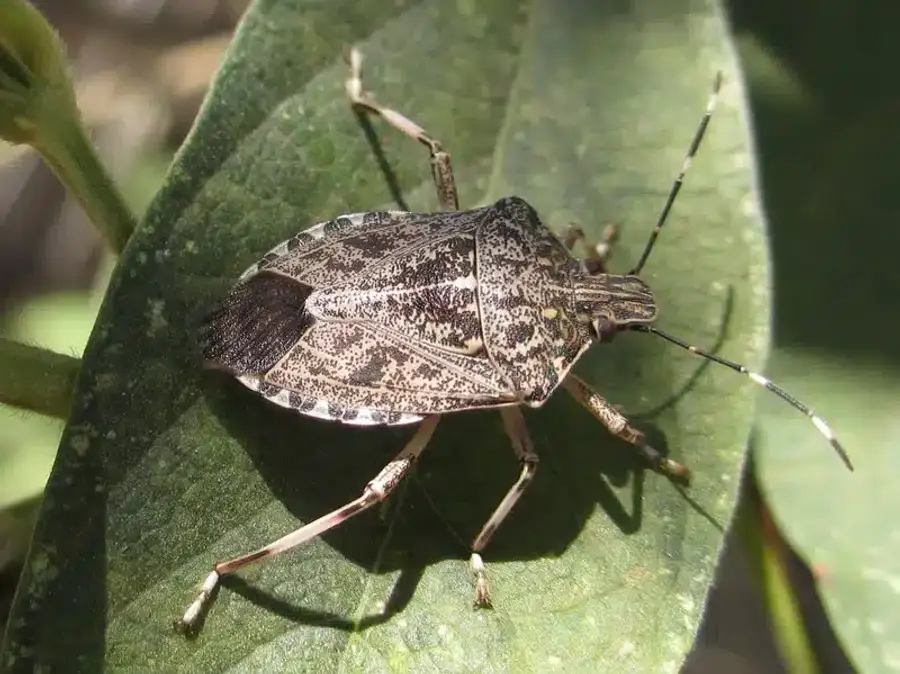
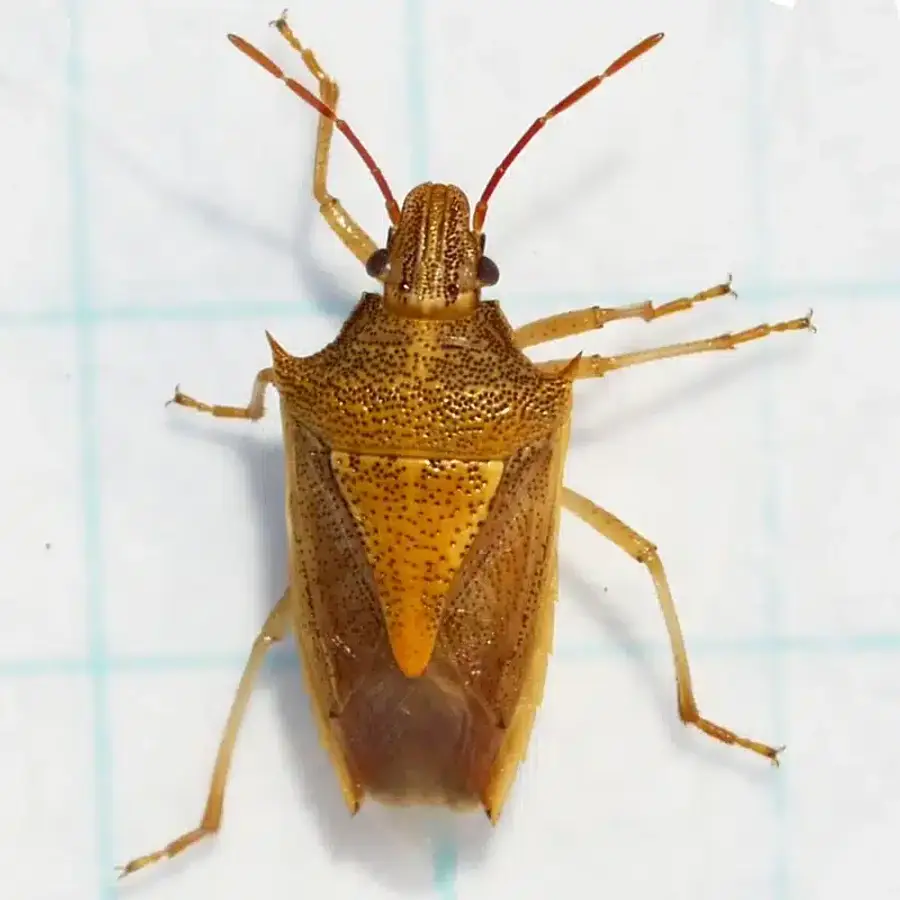
Unlike many insects that rely on speed or camouflage for protection, stink bugs use chemical warfare. This evolutionary strategy has been so successful that the common name emphasizes smell over any other characteristic.
How Stink Bugs Produce Their Odor
Adult Scent Glands
Adult stink bugs have paired metathoracic scent glands located on their thorax. When threatened, these glands release stored chemical compounds through small openings. The system works like a tiny perfume atomizer, spreading volatile chemicals over an evaporation surface.
Nymph Defense Systems
Young stink bugs, called nymphs, use three dorsal abdominal scent glands instead. This means that stink bugs can produce odors throughout their entire life cycle, not just as adults.
Chemical Release Process
The glands force fluid onto specialized evaporative surfaces called ostioles and peritremes. This process aerosolizes the chemicals, spreading the smell quickly through the air. Basically, it’s like nature’s version of a spray bottle designed to create maximum impact.
The Science Behind Stink Bug Smell
Key Chemical Compounds
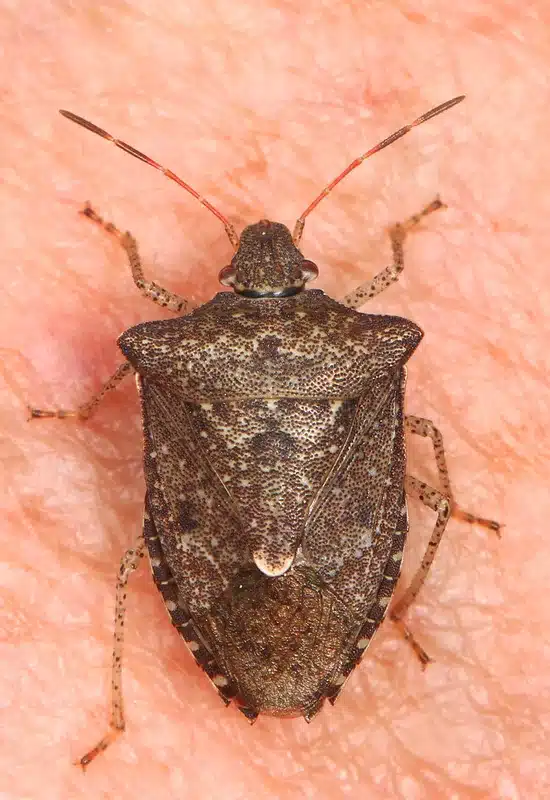

Research has identified the main culprits behind stink bug odor. Two compounds dominate the smell profile: trans-2-decenal and trans-2-octenal. These long-chain unsaturated aldehydes create the distinctive scent that makes homeowners call for help.
Antimicrobial Properties
Interestingly, these same chemicals serve multiple purposes. The aldehydes act as broad-spectrum antimicrobials, inhibiting dangerous bacteria like MRSA, E. coli, and P. aeruginosa in laboratory tests. This dual function shows why stink bugs evolved such a complex chemical defense system.
Human Scent Descriptions
People describe stink bug odor in various ways. Common comparisons include “cilantro-shampoo,” “rancid almond,” or “coriander-like” smells. The compounds are chemically related to formaldehyde, which explains their strong, lingering nature.
Functions of Stink Bug Odor
Predator Deterrence
The primary purpose of stink bug smell is keeping predators away. Birds, lizards, and small mammals quickly learn to avoid these foul-tasting, bad-smelling insects. Even predatory insects like wheel bugs and other assassin bugs can be deterred by this chemical defense, though wheel bugs do still prey on stink bugs when they can catch them.
Communication and Aggregation
Stink bug odor also functions as a communication system. When one bug releases its scent, it can signal alarm to other stink bugs in the area. Unfortunately, this means that disturbing one bug indoors can sometimes attract others, leading to larger infestations.
Protecting Offspring
The antimicrobial properties help protect eggs and young nymphs from bacterial infections. Basically, parent stink bugs use their chemical arsenal to create a sterile environment around their developing offspring.
Why Stink Bug Odor Persists
Lingering Effects
Professional experience has taught me that stink bug odor can persist for hours or even days after an incident. The aldehydes bind to fabrics, carpets, and other porous materials. Additionally, vacuum cleaners can smell terrible for days after sucking up stink bugs.
Difficulty of Removal
The chemical compounds resist simple cleaning methods. Regular soap and water often can’t eliminate the smell completely. This persistence explains why many customers don’t realize they have stink bugs until the odor becomes overwhelming.
Potential Problems Stink Bugs Cause
Indoor Nuisance Issues
While stink bugs don’t damage structures like termites do, they create significant indoor air quality problems. Hundreds of bugs can enter homes through small gaps, then release odor when vacuumed, squashed, or even gently disturbed. Unlike American roaches or German roaches, stink bugs don’t breed indoors but still cause major nuisance issues.
Health Effects on Humans and Pets
Stink bugs don’t bite or spread diseases, but their secretions can bother sensitive people. The chemicals can trigger nasal irritation or skin reactions. In rare cases, direct eye contact with the fluid causes chemical burns. The fluid also stains skin orange-brown. Avoid touching it, especially near your face.
Agricultural and Economic Impact
In the DMV region, stink bugs cause significant crop damage. They inject enzymes while feeding that abort seed pods or shrivel developing seeds. This “stay-green” syndrome delays harvest and reduces yields in soybeans. Tree fruits suffer “cat-facing” damage that makes produce unmarketable.
Penn State Extension reports that Mid-Atlantic growers have suffered tens of millions of dollars in losses since the major 2010 outbreak year.
Stink Bugs vs Other Common Overwintering Pests
Distinguishing Boxelder Bugs
Boxelder bugs lack the strong defensive odor of stink bugs. They’re elongated and black with red markings, quite different from the shield-shaped brown stink bugs. Our Spot the Red and Black Beetle: Boxelder Bug Identification Guide helps homeowners tell them apart.
Lady Bugs and Other Overwinterers
Lady bugs are small, round, and red with black spots. They sometimes overwinter indoors like stink bugs but don’t produce any odor. Other common overwinterers include beetles that may look like stink bugs but don’t have the smell.
It’s worth noting that these insects are quite different from spiders, which are arachnids rather than insects. Our guide on Are Arachnids Insects? The Key Differences Explained clarifies these distinctions.
When Stink Bug Problems Peak
Spring Emergence
Stink bugs begin emerging from overwintering sites in April and May as temperatures warm. This is when many homeowners first notice the distinctive smell as bugs become active inside wall voids and eventually emerge into living spaces.
Fall Home Invasion
September through October brings peak complaint calls to our office. Adult stink bugs launch mass “home-invasion” flights seeking overwintering sites. Virginia Tech research confirms this seasonal pattern throughout the Mid-Atlantic region.
Regional Stink Bug Distribution
High-Density Areas
In our service territory, the heaviest stink bug populations occur in counties along the Blue Ridge Mountains and I-81 corridor. Urban areas like DC provide ideal overwintering sites, especially in rowhouses with brick construction that offers numerous small gaps.
Temperature Effects
Coastal plain areas experience somewhat lower populations because extreme summer soil temperatures above 35°C kill early-stage nymphs. However, urban heat islands can still support significant populations throughout the region.
Preventing and Managing Stink Bug Odor
Exclusion Techniques
Effective exclusion involves:
- Caulking gaps around windows and doors
- Installing door sweeps on exterior doors
- Repairing damaged screens
- Sealing weep holes and other small openings
Gentle Removal Methods
Don’t crush stink bugs indoors. Capture them in a container or vacuum into soapy water. Crushing triggers maximum odor release.
For homeowners in our King George service area, our Team can provide detailed exclusion assessments.
Professional Treatment Options
Our family business has developed effective approaches for stink bug management over five decades. We focus on exterior perimeter treatments and exclusion work rather than interior spraying, which can cause bugs to release more odor as they die inside walls.
Our Approach to Stink Bug Control
Third-Generation DMV Expertise
Having served this region for over 50 years, our registered technicians understand local stink bug behavior patterns. We’ve treated over 100,000 homes and learned that prevention works better than reaction when dealing with these odorous pests.
Research-Based Product Selection
Our internal research team has removed 9 harsh chemicals commonly used in pest control. Instead, we use products like Essentria, Sentricon, and Borate-based solutions. All products we apply are EPA-approved and chosen because we’d feel comfortable using them in our own homes.
Comprehensive Service Approach
Unlike companies that focus only on ants or mosquitoes, we provide complete pest management including stink bug prevention. Our unlimited callback policy means we keep working until your odor problems are resolved.
Understanding why are stink bugs called stink bugs helps homeowners recognize these pests early and take appropriate action. The distinctive smell that gives them their name serves important biological functions but creates real problems when hundreds invade your living space. Professional exclusion work and targeted treatments can prevent most odor incidents before they start.