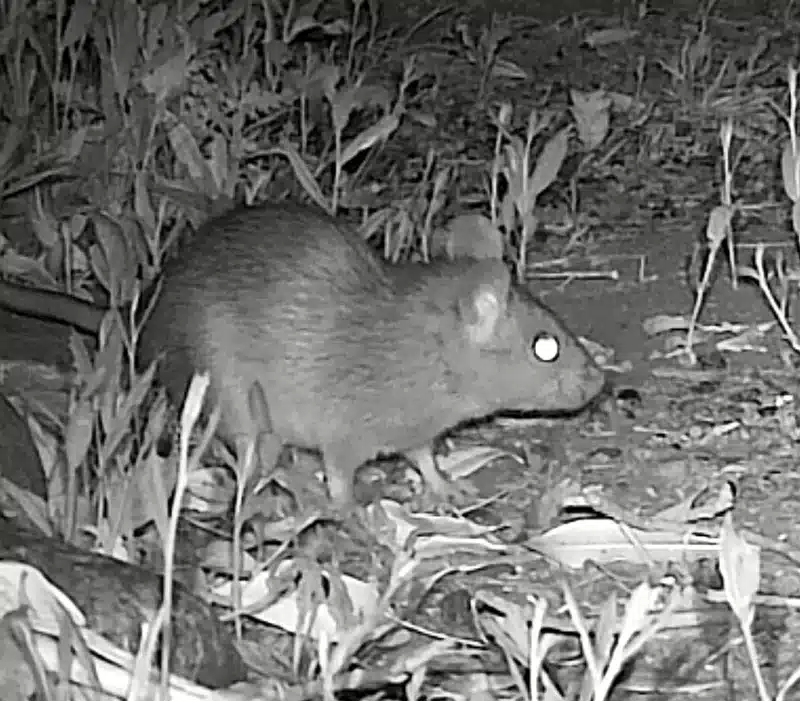

TLDR: Roof rats and Norway rats look different, live in different places, and need different control methods. Roof rats are smaller, have long tails, and nest up high in attics. Norway rats are bigger, have short tails, and stay at ground level in basements and burrows. Check where you find droppings to tell them apart. Traps must be placed at the right height for each species, or they won’t work.
When you spot a rat in your Virginia or Maryland home, knowing the species makes all the difference. Roof rats and Norway rats act differently, nest in different places, and need different control plans.
After working in pest control since 2015, I’ve seen many homeowners struggle with rats because they used the wrong approach. The key is to identify the species first, then use the right method.
In this guide, we’ll cover how to tell these two species apart by sight, by where they nest, and by the signs they leave behind.
Physical Differences Between Roof Rats and Norway Rats
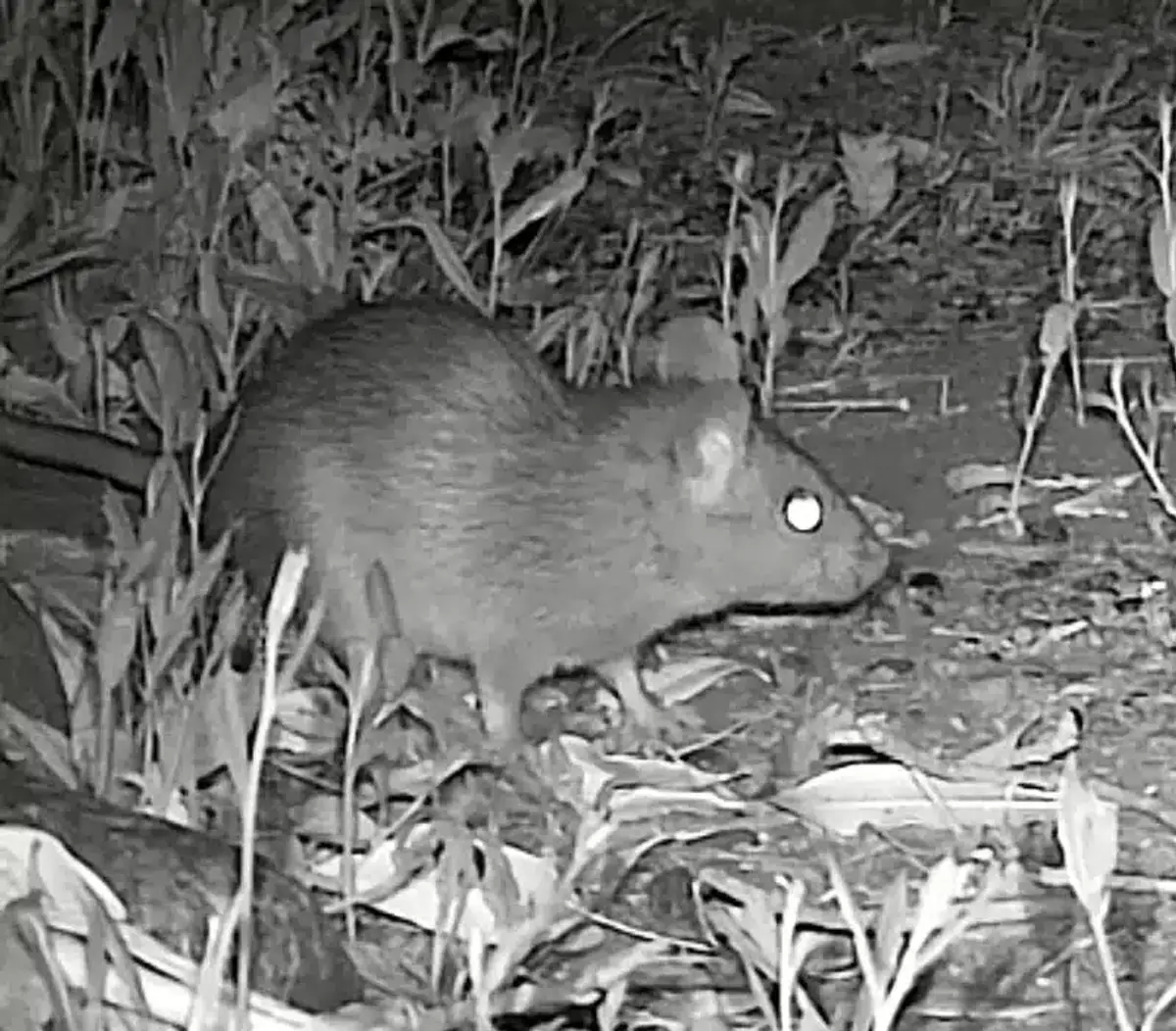
The best way to tell these species apart is by looking at their bodies. Body shape tells the whole story when you compare roof rats to Norway rats.
Size and Weight
Norway rats are much larger. Adult Norway rats are 7-10 inches long and weigh 7-18 ounces. Roof rats are smaller at 5-7 inches and weigh just 5-10 ounces.
You can also tell by their droppings. Norway rat droppings are about ¾ inch long with blunt ends. Roof rat droppings are smaller at ½ inch with pointed ends.
The Tail Test: Your Best ID Tool
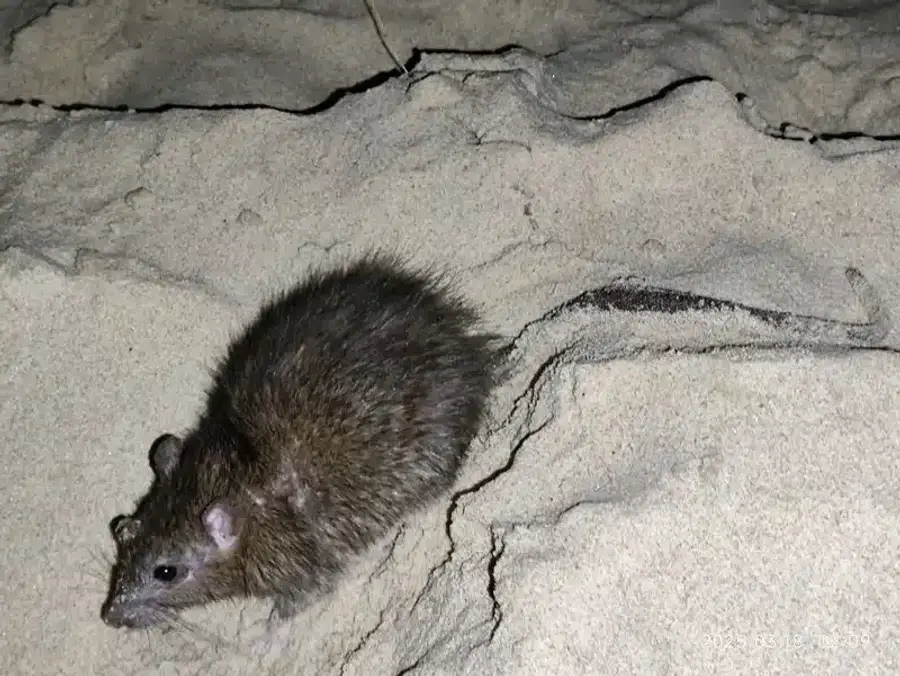
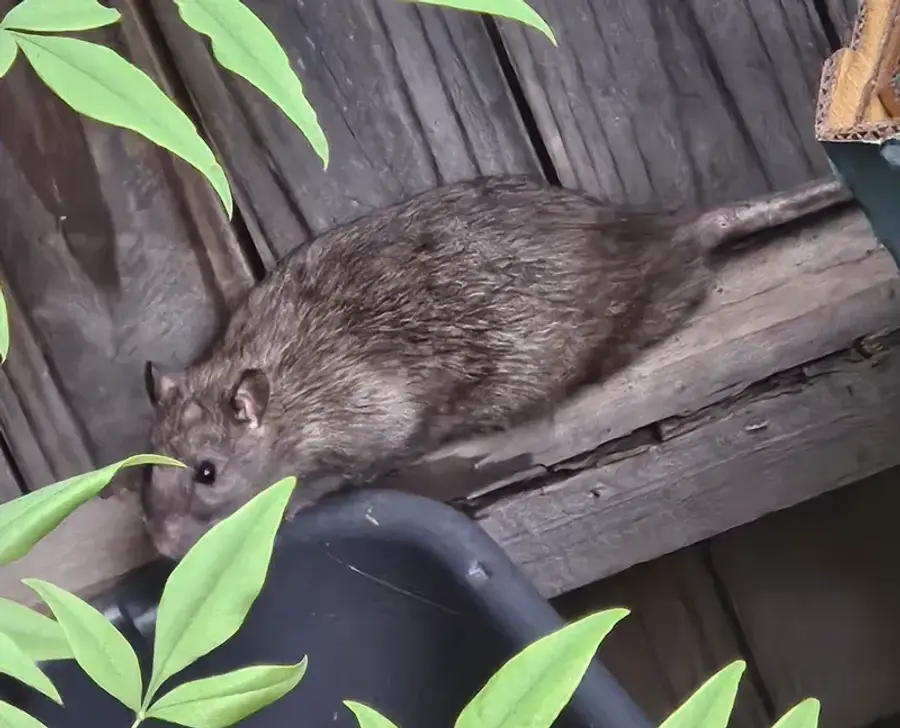
Here’s the easiest method: look at the rat’s tail compared to its body. A roof rat’s tail is longer than its head and body put together. A Norway rat’s tail is shorter than its body.
This single trait can tell you which species is in your home. It’s the feature that pest control pros rely on most.
Facial Features and Ears
Roof rats have large ears that reach their eyes when pulled forward and a pointed snout. Norway rats have smaller ears that don’t reach their eyes and a blunt, rounded nose.
| Roof Rat | Norway Rat | |
|---|---|---|
| Body Size | 5-7 inches, 5-10 oz | 7-10 inches, 7-18 oz |
| Tail Length | Longer than body | Shorter than body |
| Ears | Large, reach eyes | Small, don’t reach eyes |
| Habitat | Attics, high areas | Basements, ground level |
| Climbing | Great climbers | Poor climbers, good diggers |
Where Each Species Lives
Knowing where each species nests is key to control. These rats have very different habits that decide where you’ll find them in your home.
Roof Rat Nesting Spots
Roof rats are great climbers who prefer high spots. In Virginia and Maryland homes, you’ll find them in:
- Attics and upper wall spaces
- Soffits and false ceilings
- Tree branches that touch rooflines
- Dense plants like English ivy or bamboo
- Wood piles raised off the ground
The University Extension wildlife damage program notes that roof rats rarely dig burrows. They prefer to stay off the ground.
Norway Rat Ground-Level Habitats
Norway rats live on the ground and dig long burrow systems. In our area, they nest in:
- Basements and crawl spaces
- Dense plants near foundations
- Compost piles and yard debris
- Gaps in retaining walls
- Sewer and storm drain systems
These rats dig burrows 2-3 inches wide that can stretch up to 6 feet underground. Fresh dirt fans around burrow openings are a clear sign of Norway rats.
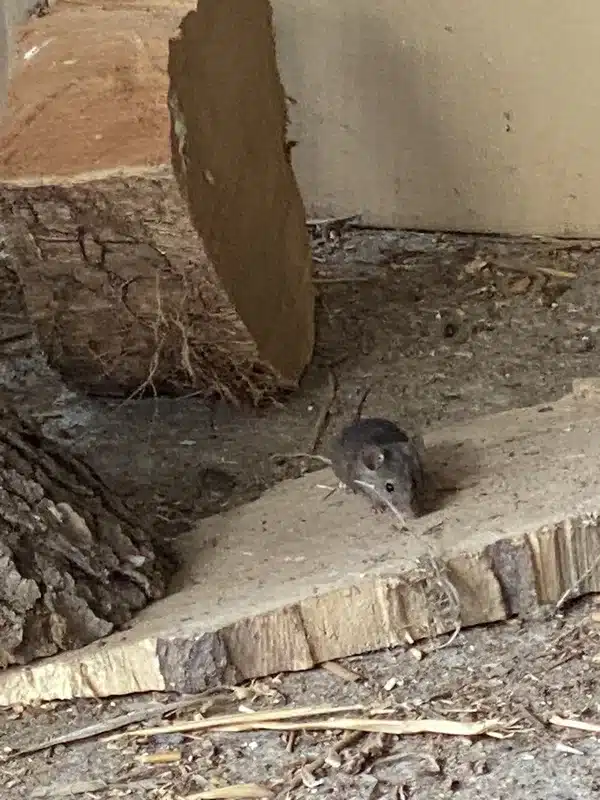
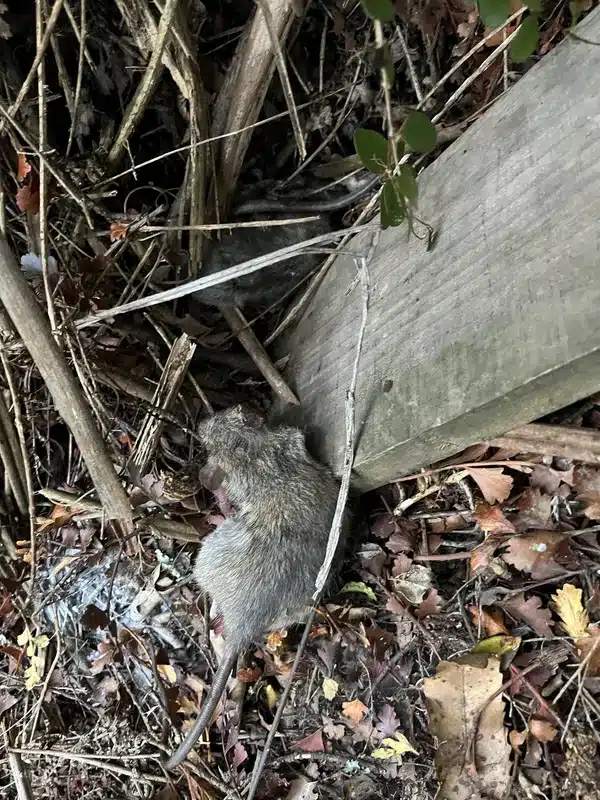

Where you find signs of rats in your home tells you which species you’re dealing with. Once you know that, the next step is to understand how each one behaves.
How Roof Rats and Norway Rats Behave
Beyond where they live, these species act very differently. Learn more in our pest library.
Activity and Movement
Both species come out mostly at night, but they move in different ways. Roof rats travel along high paths like power lines, fence tops, and tree branches. They can squeeze through gaps just ½ inch wide.
Norway rats stay at ground level, following walls and worn paths. They are strong diggers but poor climbers.
For more on rat behavior, read our guide on Rat Lifespan: How Long They Live and Why It Matters.
What They Eat
Diet is another way to tell these rats apart. Roof rats like fruits, nuts, seeds, and sometimes snails. People in coastal areas often call them “fruit rats” for this reason.
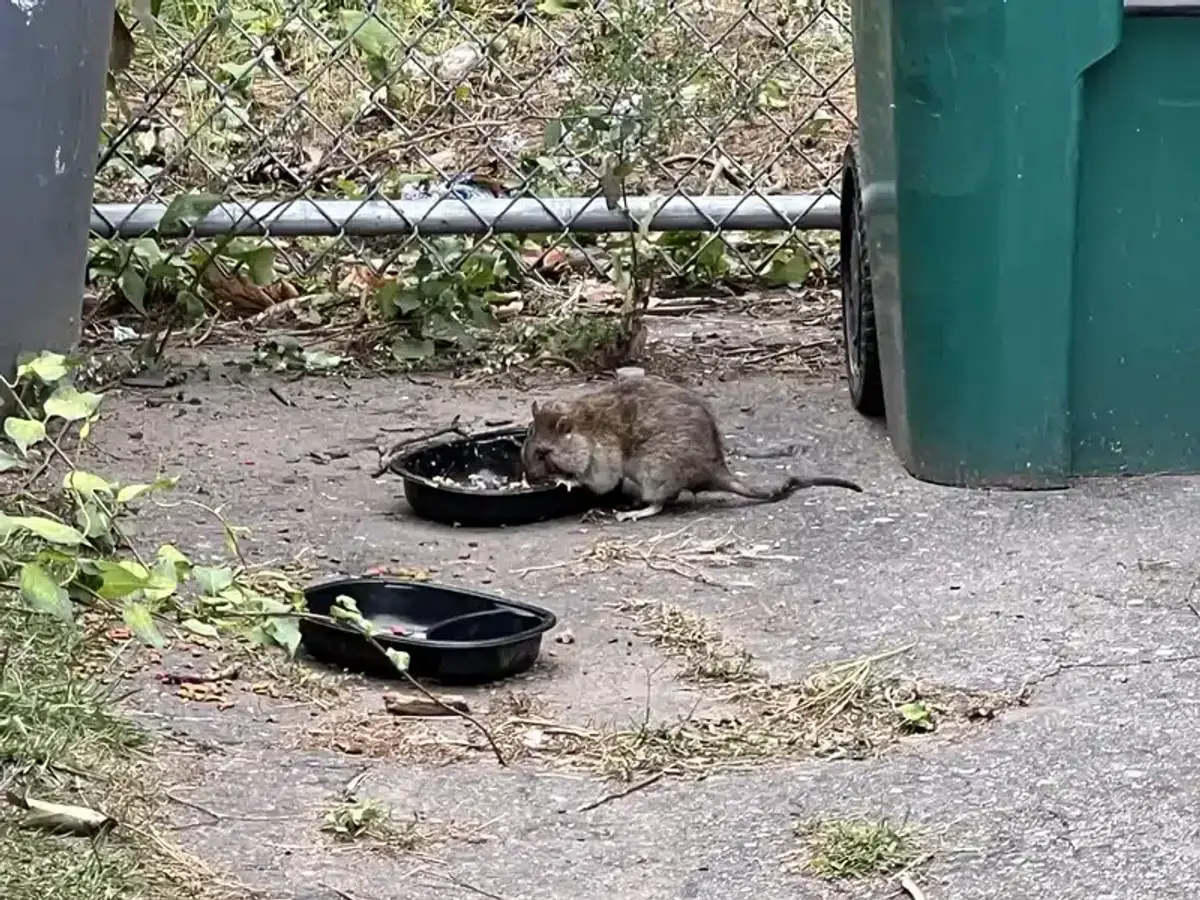
Norway rats eat almost anything but prefer grains, meat scraps, and garbage. They are more likely to get into pet food and pantry items.
Social Groups
Norway rats form large colonies with pecking orders. Roof rats live in smaller groups with one main male. These differences affect how fast a problem grows and how many traps you need.
Research from the Smithsonian National Zoo shows that Norway rat colonies can grow to over 200 members. The top males control food and mating, which is why Norway rat problems often need more bait stations. Roof rat groups rarely top 10-15 members and are simpler to manage once you seal their entry points.
Where They Live in Virginia and Maryland
In our service area across Virginia, Maryland, and DC, Norway rats are far more common. They have pushed out most roof rat groups through aggression.
Still, roof rats hold on in certain spots. I find them in older neighborhoods with big trees, waterfront areas near Norfolk and Baltimore, and historic districts like Old Town Alexandria.
The Virginia Department of Wildlife Resources confirms that Norway rats are more common statewide, but both species show up in homes.

Control Methods for Each Species
This is where knowing the species really pays off. Your control plan must match each rat’s habits. After years of work in areas like Old Town, I’ve learned that placing traps at the right height makes all the difference.
Roof Rat Control
For roof rats, everything goes up high. We place snap traps on rafters, along power lines, and on raised platforms where these climbers travel. Bait stations go on overhead beams, not the floor.
Sealing entry points focuses on spots 6 feet or more above ground:
- Screen attic vents with ¼-inch hardware mesh
- Trim tree branches 6 feet from rooflines
- Seal gaps where wires and pipes enter at roof level
- Add metal flashing where the roof meets walls
Roof rats like peanut butter mixed with dried fruits or nuts as bait. These rats don’t trust new objects, so give traps time to work.
Norway Rat Control
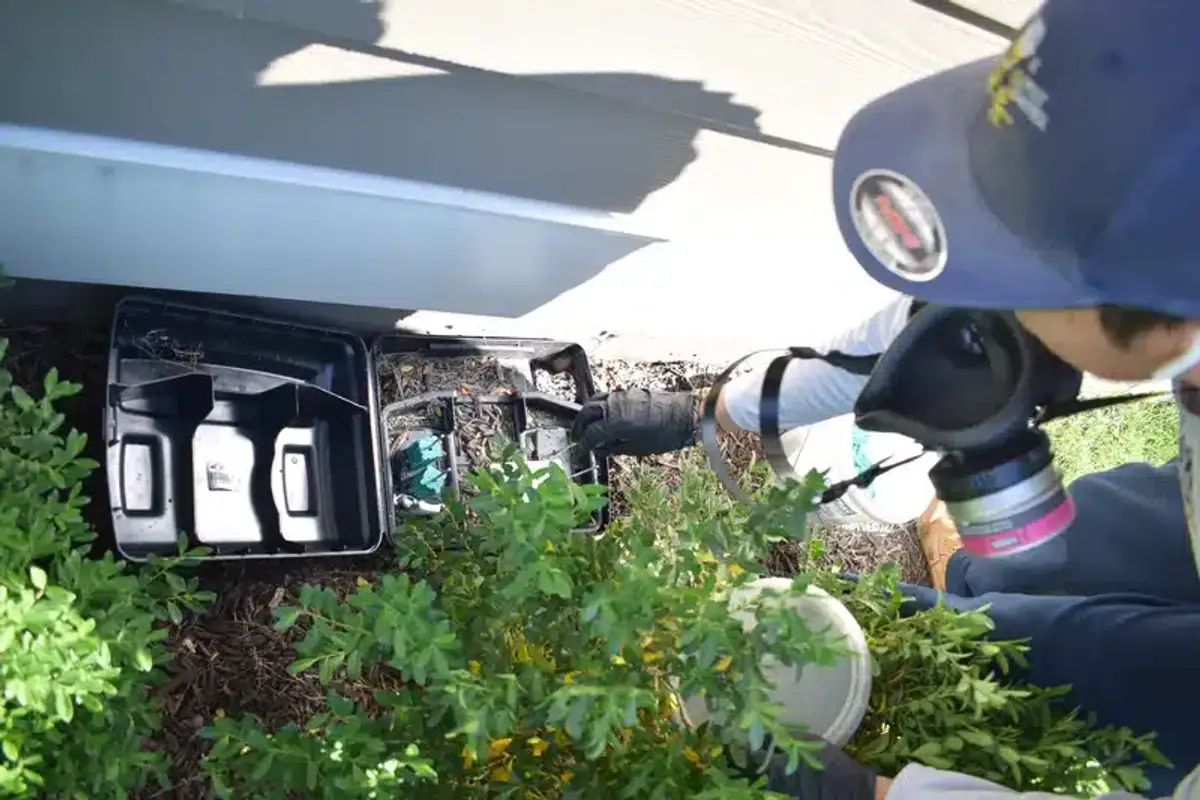
Norway rat work happens at ground level. We place snap traps along walls near burrow openings and put bait stations around foundation areas.
The big difference is dealing with their burrow networks. Just setting bait without finding burrows often fails. The colony has backup routes and stored food underground.
Keeping Norway rats out requires:
- Hardware cloth buried 12 inches deep and 12 inches out from foundations
- Sealed basement and crawl space openings
- Cleared dense ground cover near the foundation
- Fixed water leaks that draw them to basements
Why Generic Methods Fail
Many homeowners struggle because they use one-size-fits-all methods. Putting ground-level traps out for roof rats, or treating high spots for Norway rats, wastes time and money.
Some companies also push costly attic insulation removal that is rarely needed. In my experience, targeted baiting at the right height usually solves the problem without major work.
- Identify the Species First: Know if you have roof rats or Norway rats before placing traps or bait
- Place Traps at the Right Height: Roof rat gear goes up high; Norway rat gear stays at ground level
- Seal Entry Points: Block the routes each species uses to get in
- Follow Up: Check the right areas based on each species’ habits
Signs to Look For
Knowing what clues to look for helps confirm which species you have, even if you haven’t seen the rats.
Droppings
Finding droppings in your attic or upper areas points to roof rats. Droppings near foundations, in basements, or around trash areas point to Norway rats.
UC Davis pest researchers note that where you find droppings matters more than their size for telling the species apart.
Grease Marks
Both species leave dark, oily smudge marks where their fur rubs on surfaces. Look for these marks on rafters and overhead beams for roof rats, or along baseboards and foundation walls for Norway rats.
Chew Damage
Roof rats chew on overhead items like wires, wooden beams, and insulation. Norway rats chew on ground-level things like foundation wood, stored goods, and trash cans.
Both species leave chew marks bigger than ½ inch across. This sets them apart from mice, which leave marks only ⅛ to ¼ inch wide.
Health Risks
Both roof rats and Norway rats carry diseases. These include Leptospira bacteria, Seoul hantavirus, Salmonella, and rat-bite fever.
The CDC warns against breathing in dust from droppings when cleaning up after either species. Always wear gloves and a mask around droppings.
Both species also carry parasites, so quick control helps prevent secondary pest problems like fleas in your home.
Our Approach to Rat Control
Our four-step rodent plan adjusts based on the species. We start with a full inspection to find out which rat you have and where they’re most active.
For roof rats vs Norway rats, trap and bait placement changes completely. We’ve found that targeting the right species clears problems faster than generic plans.
Follow-up visits focus on the right areas: overhead for roof rats, ground level for Norway rats. This focused approach usually works within 2-3 visits instead of months of trial and error.
How to Prevent Rats by Species
Stopping rats long-term takes different steps for each species. For roof rats, focus on removing high-up access and nesting spots.
Pick up fallen fruit from trees, trim plants away from rooflines, and seal upper entry points. Keep firewood at least 18 inches off the ground and away from your home.
Norway rat prevention focuses on ground-level changes. Clear thick ground cover near foundations, fix drainage problems, and use tight-fitting lids on trash cans.
Both species do better when food and shelter are easy to find, but the areas you need to clean up differ based on their habits.
If you’re dealing with roof rats or Norway rats in Virginia or Maryland, the right ID and targeted control make all the difference. Our licensed techs can quickly tell which species you have and put the right plan in place.
Call us at 703-683-2000 or email info@bettertermite.com to schedule your inspection.