Asian Longhorned Beetles Identification Guide
Anoplophora glabripennis
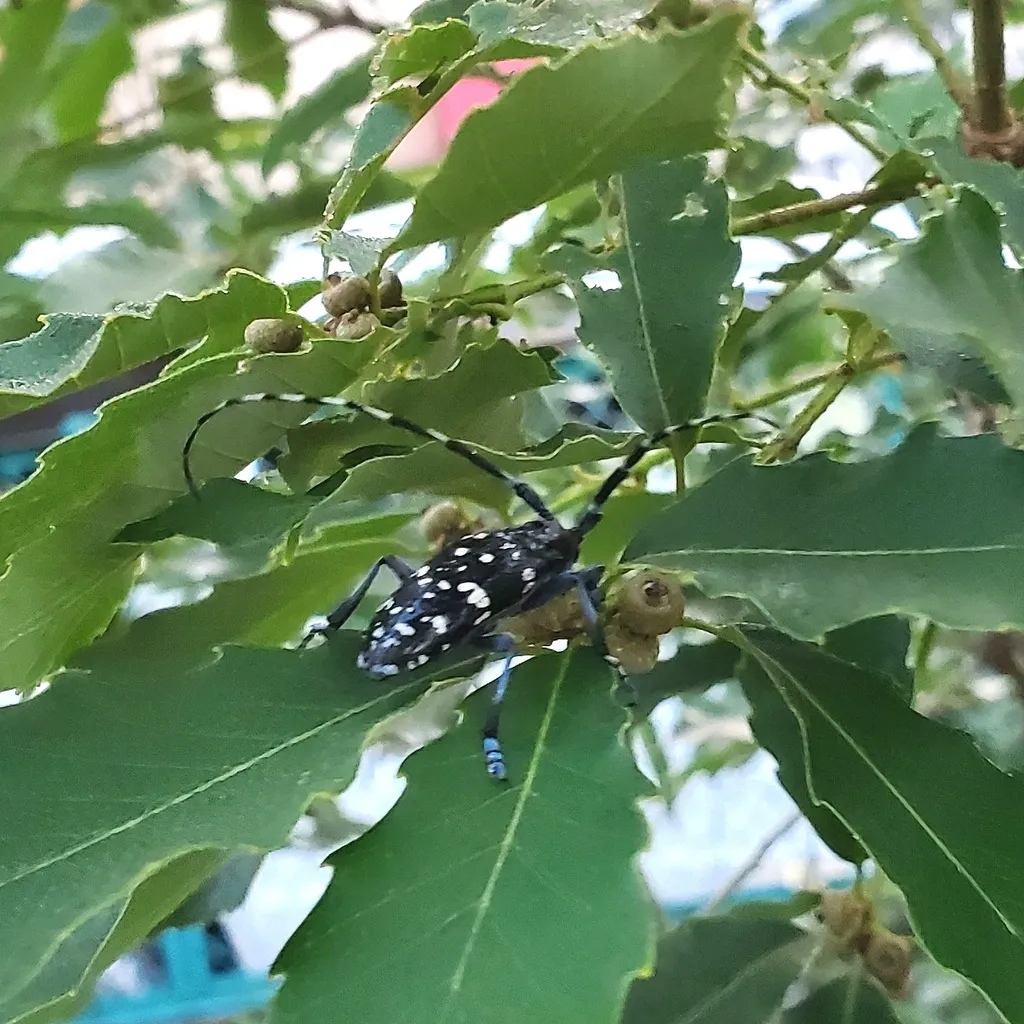
The Asian longhorned beetle is an invasive wood-boring insect that attacks and kills a wide range of hardwood trees. Recognized by its glossy black body with white spots and long banded antennae, this beetle is a serious threat to North American forests and urban tree canopies.
Taxonomy
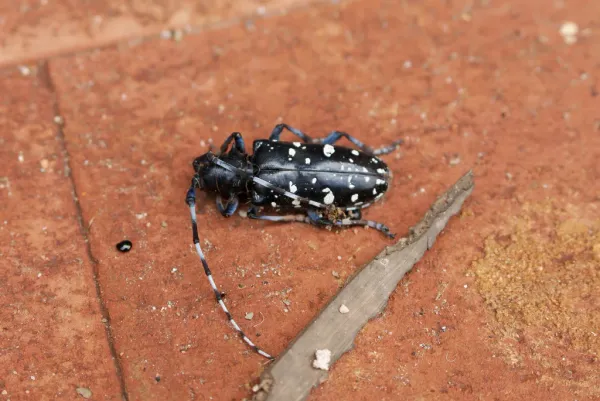
Asian Longhorned Beetles Coloration
Common color patterns to help identify asian longhorned beetles
Asian Longhorned Beetles
Seasonal Activity
When asian longhorned beetles are most active throughout the year
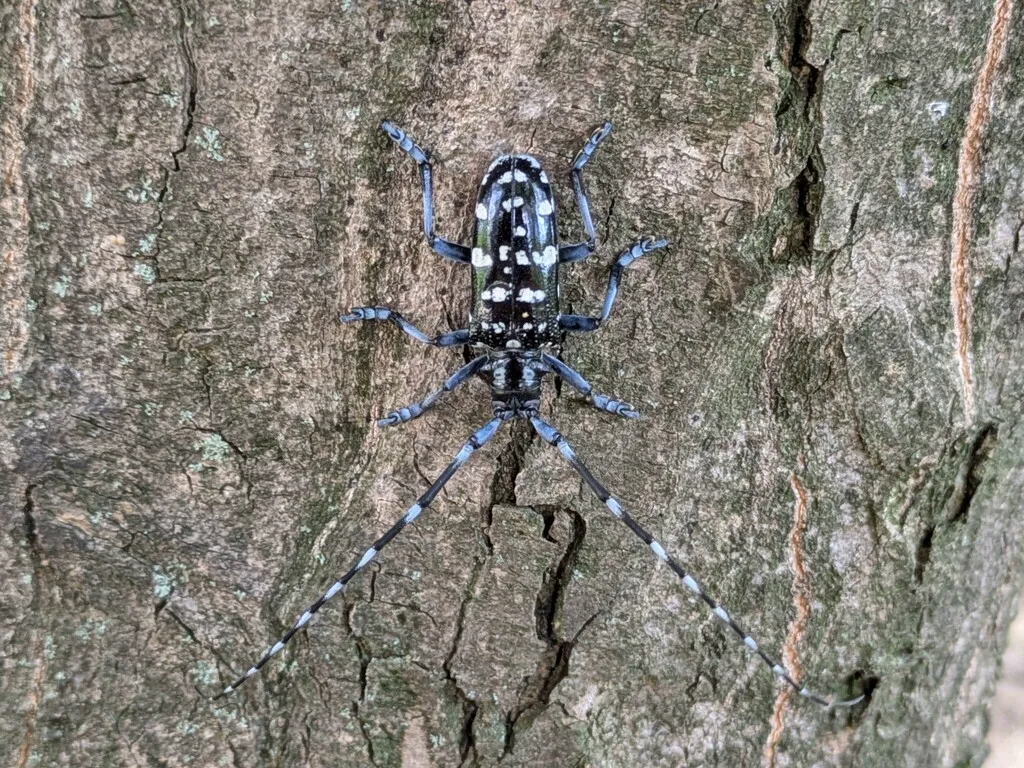
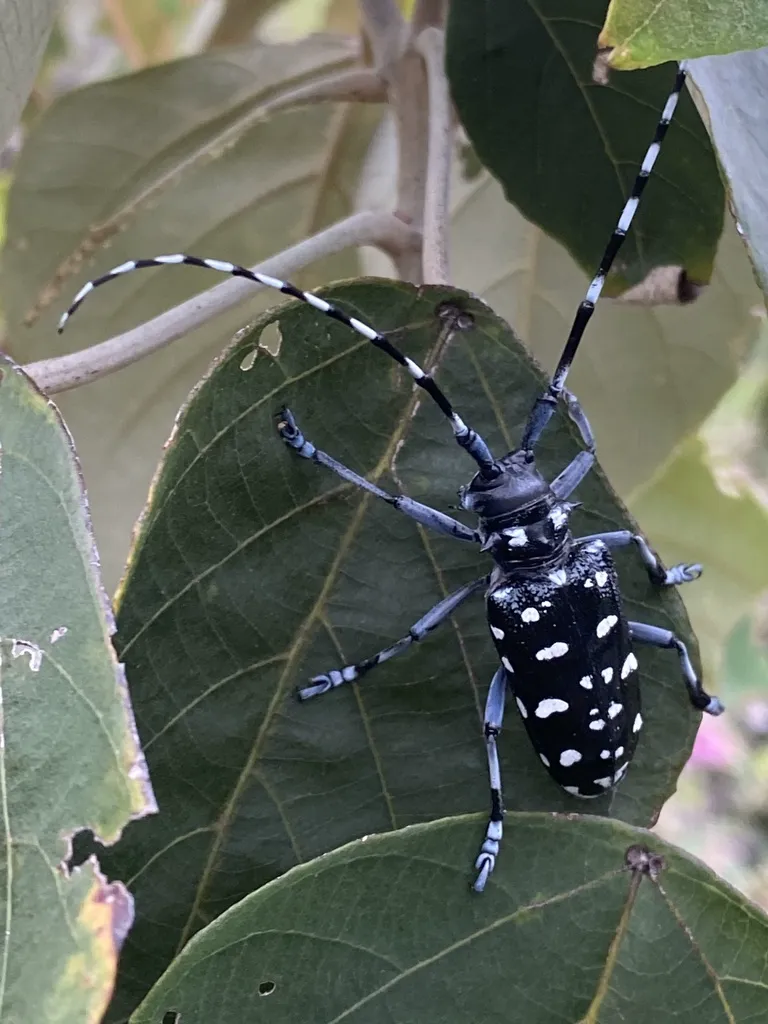
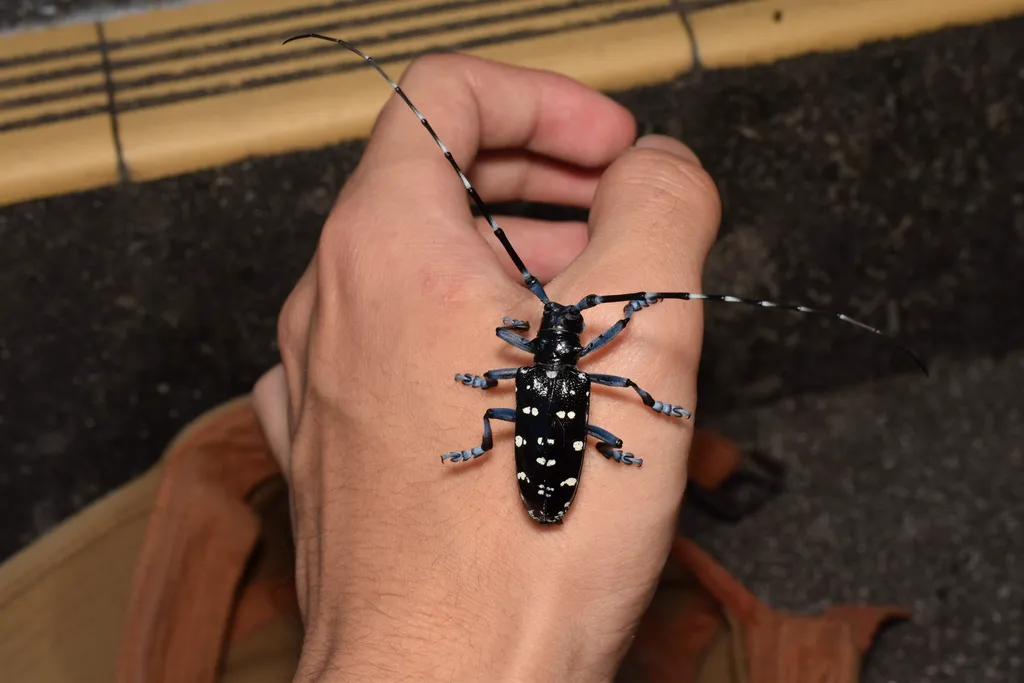

Where Asian Longhorned Beetles Are Found
Hover over states to see their names. Green regions indicate where asian longhorned beetles have been reported.
Asian Longhorned Beetle Identification Guide
The Asian longhorned beetle (ALB) is one of the most harmful invasive insects in North America. It bores into living hardwood trees and kills them from the inside out. This beetle first showed up in Brooklyn, New York in 1996. It likely came over from China in wooden shipping crates. Since then, the USDA has spent hundreds of millions of dollars trying to wipe it out. ALB is part of the longhorn beetle family, known for their wood-boring larvae and very long antennae.
Physical Traits
Asian longhorned beetles are large and easy to spot once you know what to look for. Adults are about 0.75 to 1.5 inches long. That makes them much bigger than most beetles you would find around the house.
How to identify them:
- Shiny black body covered in scattered white spots on the wing covers
- Very long antennae with black and white bands, often longer than the body
- Legs that may have a blue-white tint
- A smooth shield behind the head (no rough bumps)
- Round exit holes in tree bark, about 3/8 inch wide
The shiny black color sets ALB apart from many native longhorn beetles, which tend to look duller. The striped antennae are the fastest way to tell them apart.
How to Tell ALB from Similar Beetles
A few native beetles look like the Asian longhorned beetle. The whitespotted sawyer (Monochamus scutellatus) is the one people mix up most often. Sawyers look duller and have just one white spot at the base of their wing covers. ALB has many spots spread across the body. Sawyer antennae also lack the clear black and white bands. Cottonwood borers can be a similar size but have brown, yellow, or orange markings instead. If you are not sure what you found, take a photo and send it to your state agriculture office.
Asian Longhorned Beetle Behavior and Biology
Life Cycle
The ALB life cycle takes one to two years. In colder areas it can take even longer. Adults come out of trees through round exit holes in late spring and summer. Peak activity runs from June through August.
Eggs: Females chew small round pits into the bark and lay one egg in each pit. A single female can lay 30 to 90 eggs in her lifetime. These pits in the bark are one of the first signs of a problem.
Larvae: After hatching, the larvae tunnel into the inner bark and then deeper into the wood. They feed on the tissue that moves water and food through the tree. As they grow, they carve wide tunnels called galleries. Larvae are white, legless grubs with dark heads. This stage causes the most damage.
Pupae: Larvae change into pupae in small rooms they carve inside the wood. This resting stage lasts a few weeks.
Adults: New adults chew their way out, leaving round holes in the bark. They eat leaves and twigs before mating and laying eggs. Adults move slowly and prefer warm, sunny days. They can fly, but most only travel a few hundred yards on their own.
What Trees They Attack
Asian longhorned beetles go after many types of hardwood trees. In North America, maples are their top target. That is a big concern because maples are so common and valuable. Other trees at risk include birch, willow, poplar, elm, horse chestnut, ash, and more than 30 other types.
The larvae do the real harm. Their tunnels cut off water and food inside the tree. This leads to dying branches, a thinning canopy, and in time, the death of the whole tree. Unlike bark beetles that stay near the surface, ALB larvae dig deep into the core wood. That makes them harder to find and more damaging.
Signs of an Infestation
Watch for these warning signs on hardwood trees:
- Round exit holes about 3/8 inch wide on the trunk and large branches
- Sawdust-like debris piling up where branches meet, in bark cracks, or on the ground
- Small round pits in the bark where females laid eggs
- Dying branches starting at the top of the tree and moving down
- Sap leaking from spots where eggs were laid or larvae entered
- Early leaf drop or leaves turning yellow out of season
Treatment Methods for Asian Longhorned Beetles
The federal government treats the Asian longhorned beetle as a major invasive pest. USDA APHIS leads the effort to wipe it out, working with state agencies. If you think you have spotted one, report it right away. Below are the main methods used to fight ALB.
Finding and Reporting ALB
Finding an infestation early is the most important step. The government sends trained inspectors to check trees near known problem areas. They look for exit holes, sawdust, egg pits, and live beetles. Some programs also use trained dogs and scent traps.
If you spot a beetle that looks like an ALB, take clear photos showing the white spots and banded antennae. Write down where you found it and call USDA APHIS or your state agriculture office.
Quarantine Zones
Federal rules block the movement of trees, firewood, logs, branches, and wood debris out of quarantine areas. These rules stop people from spreading the beetle to new places by accident. Breaking quarantine rules can lead to fines.
Removing Infested Trees
Trees with ALB are cut down and destroyed by chipping or heat treatment. This kills the larvae inside before they can turn into adults and spread. In some cases, nearby host trees are also removed as a precaution. The USDA often covers the cost of tree removal for homeowners in quarantine zones.
Insecticide Treatments
In some cases, products are injected into the soil or trunk to protect healthy trees near a known problem. A licensed professional must apply these products. They work best when used before beetles arrive. They are not a cure for trees that already have beetles inside.
What You Can Do
Homeowners play a key role in stopping ALB from spreading:
- Learn to spot ALB and know the signs of damage
- Check your hardwood trees often, especially maples, birches, and willows
- Do not move firewood long distances, since this is one of the main ways invasive beetles spread
- Buy firewood locally and burn it where you buy it
- Report any suspect beetles or strange tree damage right away
- Follow quarantine rules if your property is in a regulated area
References and Further Reading
Other Wood Boring Beetles
Explore other species in the wood boring beetles family
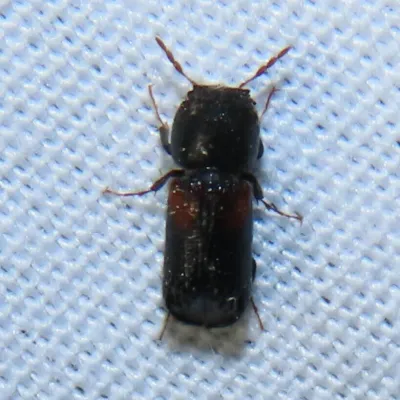
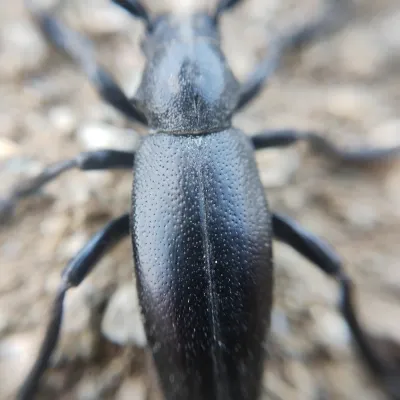
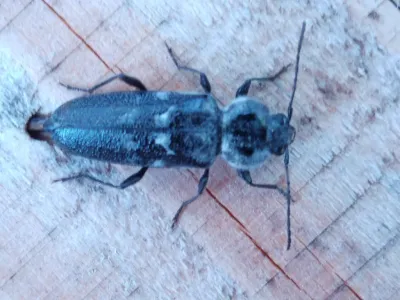
Commonly Confused With
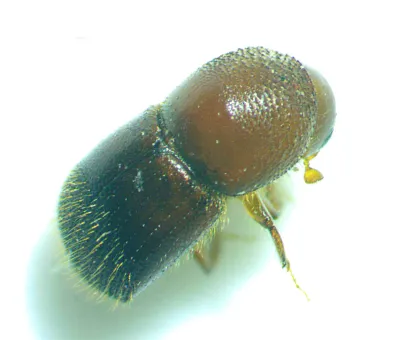
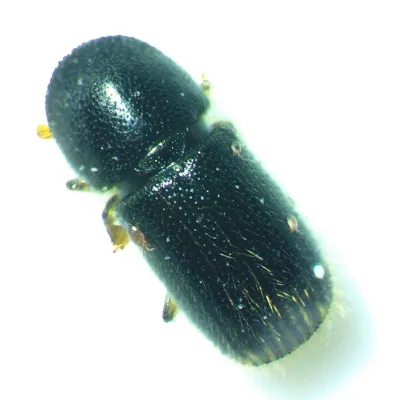
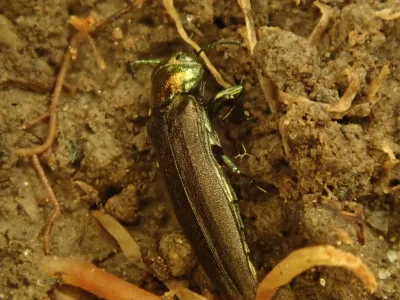
Asian Longhorned Beetles are often mistaken for these similar pests
Where Asian Longhorned Beetles Are Found
Hover over states to see their names. Green regions indicate where asian longhorned beetles have been reported.
Common Questions about Asian Longhorned Beetles
What does an Asian longhorned beetle look like?
+
They are large beetles, about 0.75 to 1.5 inches long, with a shiny black body and white spots. The easiest way to spot one is by its very long antennae, which have black and white bands. The antennae can be longer than the body. Their legs may also have a blue or white tint.
Are Asian longhorned beetles harmful?
+
They do not bite or sting people, but they are very harmful to trees. The larvae bore deep into the wood and cut off the flow of water and food. This kills branches and can kill the whole tree over time. They attack maples, birches, willows, elms, and many other hardwoods.
Where are Asian longhorned beetles found in North America?
+
As of 2025, the USDA runs active programs in Massachusetts, New York, Ohio, and South Carolina. Past outbreaks in Illinois, New Jersey, and New York City have been wiped out. In Canada, the beetle was found near Toronto but has since been removed.
How do Asian longhorned beetles get to new areas?
+
They mainly spread when people move infested wood. Shipping crates, pallets, and firewood are the biggest risks. The beetle first came to North America inside wooden packing material from Asia. On their own, the beetles usually fly only a few hundred yards.
What trees do Asian longhorned beetles attack?
+
They go after many types of hardwood trees. Maples are their top choice in North America. They also attack birch, willow, poplar, elm, horse chestnut, ash, and more than 30 other tree types.
What should I do if I find an Asian longhorned beetle?
+
Do not move any wood from the area. Take clear photos of the beetle and any tree damage. Write down the location and report it to your state agriculture office or USDA APHIS right away. Finding them early is key to stopping them from spreading.
Can Asian longhorned beetles damage my house?
+
No, they do not attack buildings, furniture, or dried wood. They only feed on living trees. But they can hurt your property value by killing shade trees and other hardwoods in your yard.

With five years of hands-on experience in the pest control industry, George Schulz is a registered technician with the Virginia Pest Management Association and a proud third-generation professional in a family business that's been protecting homes for over 57 years. He manages and trains a team of service pros while also leading internal research efforts—recently spearheading a deep-dive review of thousands of documents on pest control materials to hand-pick the most kid and pet friendly, most effective solutions tailored specifically for homes in the DC metro area.