Yellow-Legged Hornets Identification Guide
Vespa velutina
The yellow-legged hornet is an invasive species from Southeast Asia that poses a serious threat to honey bees and native pollinators. First detected in the United States in 2023, this predatory hornet is under active eradication efforts by federal and state agencies.
Taxonomy
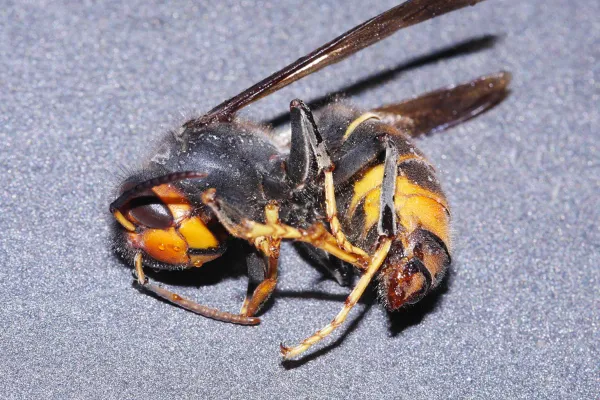
Yellow-Legged Hornets Coloration
Common color patterns to help identify yellow-legged hornets
Yellow-Legged Hornets
Seasonal Activity
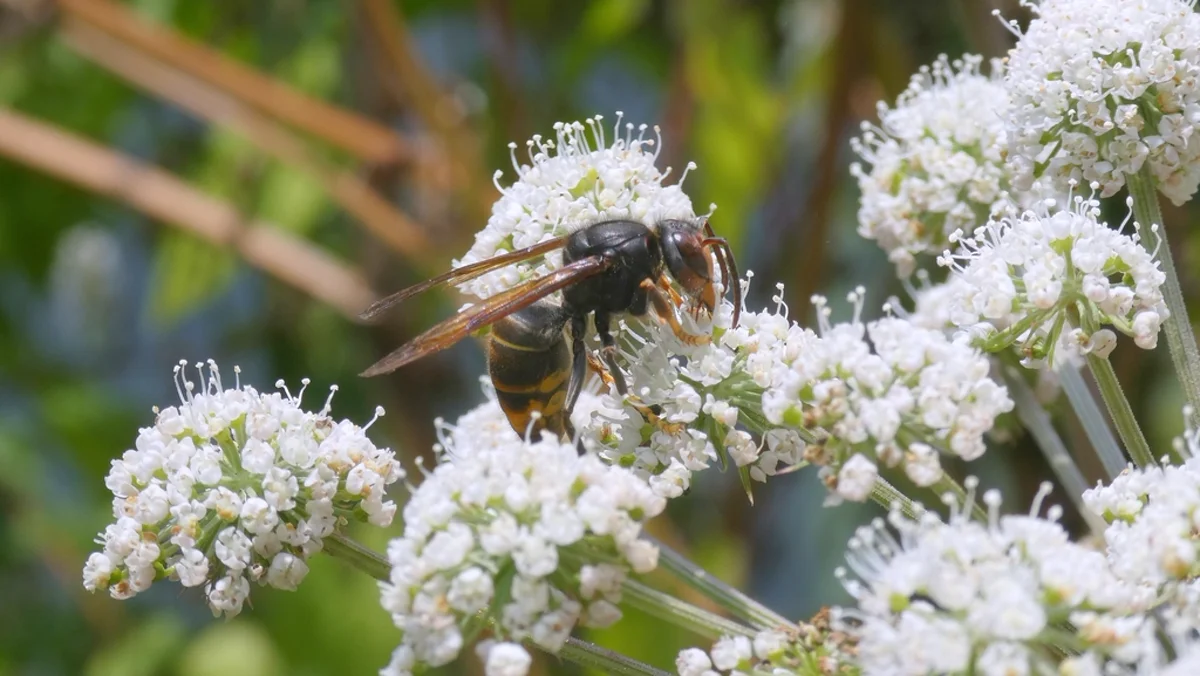
When yellow-legged hornets are most active throughout the year
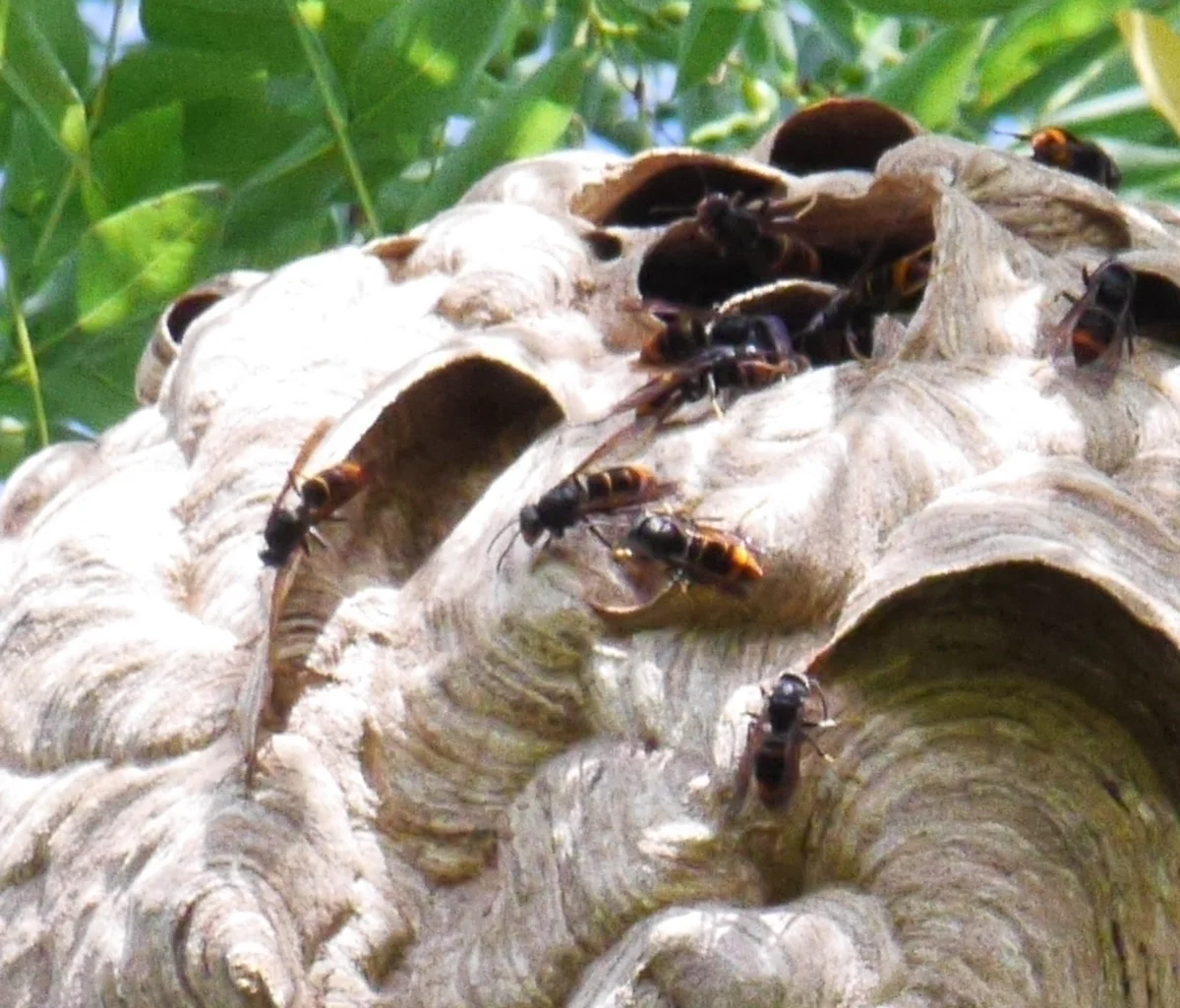

Where Yellow-Legged Hornets Are Found
Hover over states to see their names. Green regions indicate where yellow-legged hornets have been reported.
Yellow-Legged Hornet Identification Guide
Physical Characteristics
The yellow-legged hornet (Vespa velutina) is a medium-sized hornet. Its coloring is different from native North American species. Workers are about 20mm (0.8 inches) long. Queens can reach up to 30mm (1.2 inches). The body is mostly dark brown to black. The thorax has a soft, velvety look.
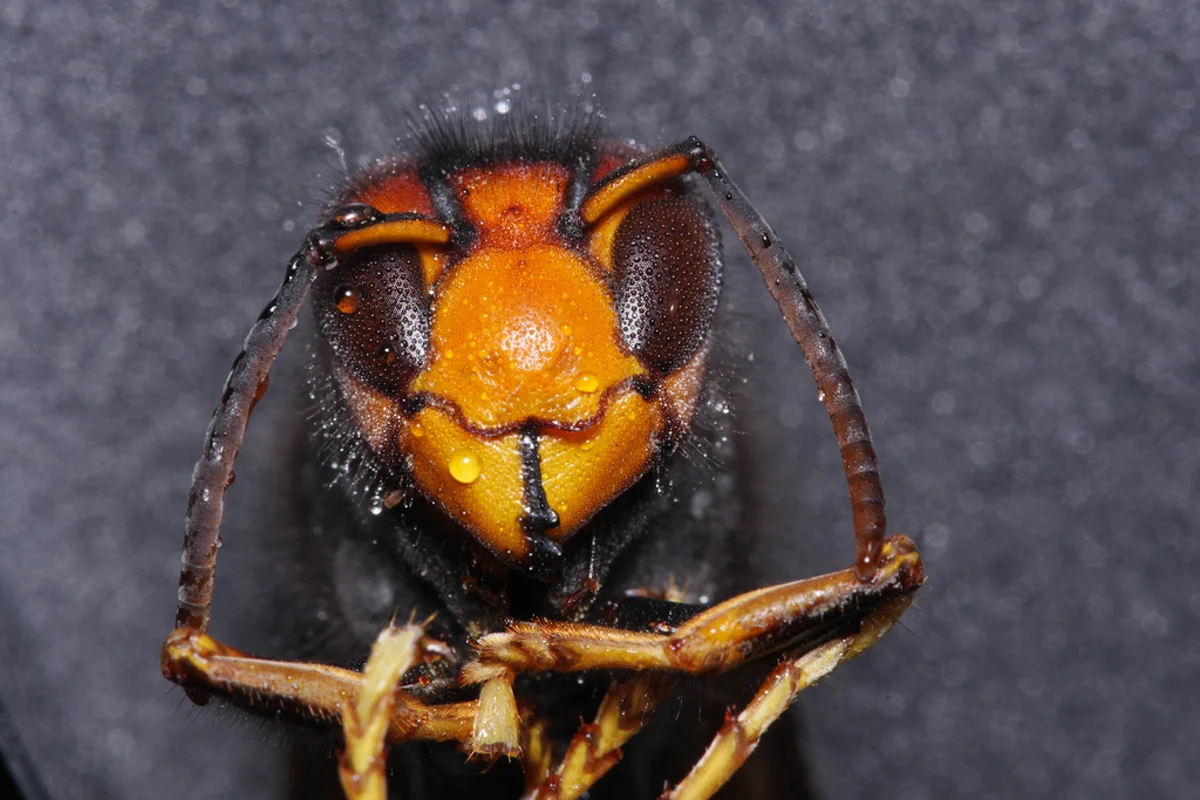
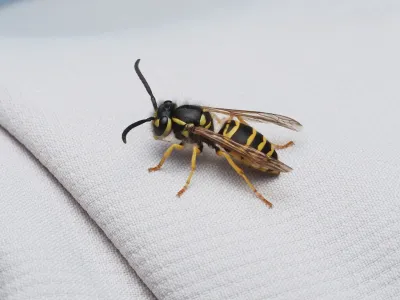
The yellow feet are the easiest way to spot this hornet. This feature gives the species its common name. The abdomen has thin yellow bands on the first three sections. The fourth section is orange. The face is orange-yellow with dark reddish-brown eyes. The antennae are brown on top. The wings have a brown tint.
Comparison with Similar Species
People often confuse these hornets with native species:
- European Hornets: Bigger (up to 1.5 inches) with more yellow on the abdomen and brown legs
- Yellowjackets: Smaller with bright yellow and black stripes
- Cicada Killers: Similar size but more yellow and different habits
- Northern Giant Hornet: Much bigger (1.5-2 inches) with an orange head
Common Species
Vespa velutina nigrithorax is the color form found in the United States and Europe. It has a dark thorax with a velvety look.
Yellow-Legged Hornet Behavior and Biology
Annual Life Cycle
Yellow-legged hornets have an annual colony cycle like other social wasps. In early spring (around March), queens come out of their winter hiding spots. They begin looking for nesting sites. The queen first builds a small starter nest. She often picks sheltered spots close to the ground, such as shrubs, under eaves, or in empty buildings.
At first, the queen does everything herself. She builds the nest, finds food, lays eggs, and cares for the young. Once the first workers hatch in late spring or early summer, they take over these tasks. The queen then focuses only on laying eggs. Homeowners dealing with Yellow-Legged Hornets may also encounter Hornet, which can appear in similar environments.
Nest Relocation and Growth A related species, Bald-Faced Hornets, shares similar characteristics.
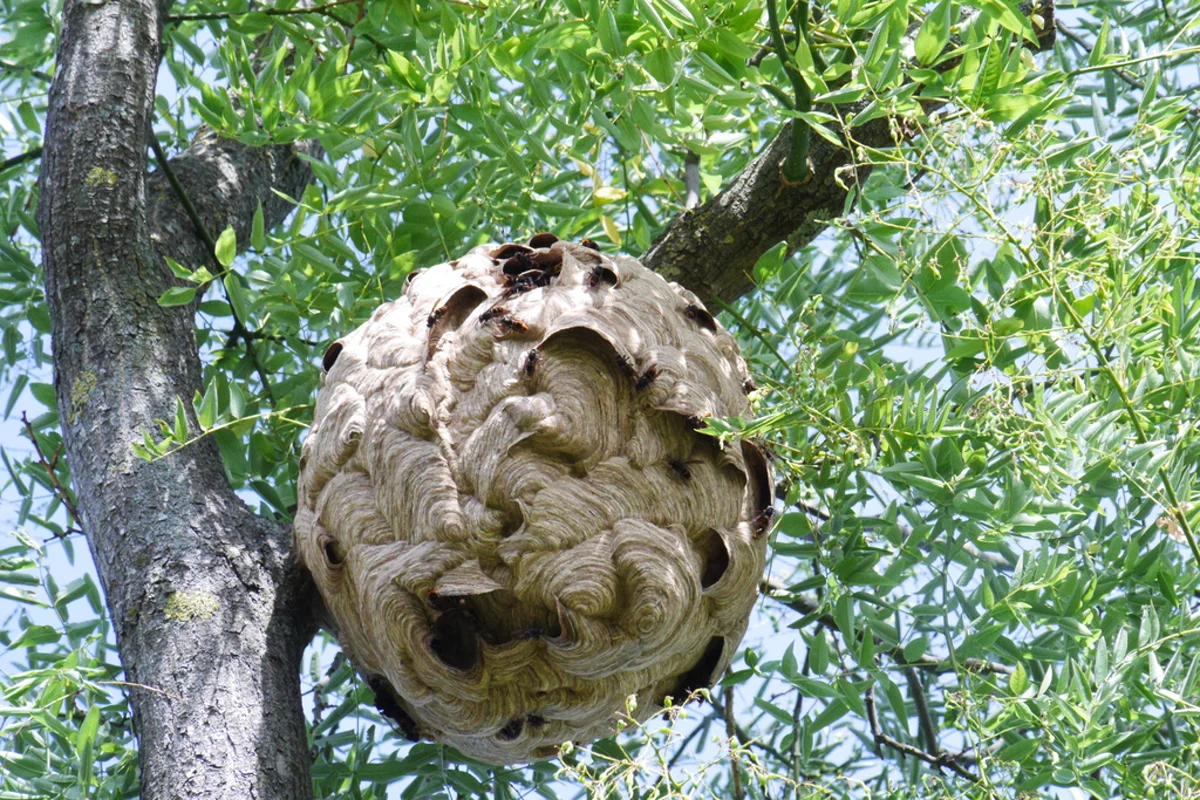
By late July, colonies usually leave their first nest. They build a much bigger second nest, often high up in trees. About 74% of these larger nests are found in trees. Oaks and pines are the most common choices. The rest are in other natural spots or man-made places like barns or sheds.
These secondary nests can grow very large. They can reach up to one meter (3 feet) across and hold over 17,000 cells. At peak size in September and October, a colony may have 400-600 workers. Some reach nearly 2,000 workers, plus 200-500 future queens.
Predatory Behavior
Yellow-legged hornets hunt many types of insects. They eat flies, caterpillars, and other wasps. However, they prefer honey bees. This makes them a big concern for farming and beekeeping. They hunt by hovering near beehive entrances. When bees fly out or return, the hornets grab them in mid-air. This hunting style is called hawking.
As colonies grow in late summer, they need more protein for developing young. Attacks on beehives get worse during this time. Even when hornets do not kill many bees directly, their presence causes problems. Bees may be too scared to leave the hive to find food. This stress causes bee colonies to weaken. Studies from Europe show that up to 30% of honey bee hives are hurt by these attacks. About 5% are destroyed completely.
Reproductive Phase and Winter Survival
In late summer to early fall, colonies start making the next generation of queens and males. Males leave the nest to find and mate with queens from other colonies. After mating, new queens find sheltered spots to spend the winter. The rest of the colony dies when temperatures drop in November. This includes the old queen, all workers, and males.
Only mated queens survive the winter. They come out the next spring to start new colonies. This means even one queen can start a whole new population. This makes it very hard to fully get rid of these hornets once they settle in an area.
Invasion History and Current Status
Origin and Global Spread
The yellow-legged hornet comes from Southeast Asia. Honey bees there have learned ways to defend against it over time. The species first showed up in Europe in 2004. Experts believe it arrived in France in a cargo of pottery from China. Genetic tests show that all the hornets in Europe came from just one mated queen.
Since settling in France, the yellow-legged hornet has spread across western Europe. It now lives in Spain, Portugal, Belgium, the Netherlands, Germany, Italy, and the United Kingdom. The species has also invaded South Korea and Japan.
United States Detection
On August 9, 2023, USDA APHIS confirmed the first yellow-legged hornet in the United States. A beekeeper in Savannah, Georgia found a strange hornet on his property and reported it. The Georgia Department of Agriculture found and destroyed the nest two weeks later. However, later checks showed that some colonies had not been found.
In 2024, teams found and destroyed over 50 more hornet colonies in Georgia and South Carolina. The hornets have been confirmed in four Georgia counties: Effingham, Chatham, Bryan, and Liberty. This covers about 350 square miles. More hornets were found on and near Hilton Head Island in South Carolina, covering another 100+ square miles.
Eradication Efforts
Federal and state agencies see 2025 as the key year to stop these hornets. USDA has provided emergency funding to support surveys, eradication work, public outreach, and genetic testing. DNA tests have ruled out a connection to European hornets. This suggests the U.S. hornets came directly from Asia in a separate event.
Treatment Methods for Yellow-Legged Hornets
Because these hornets are invasive, you should report any sightings to the authorities. Do not try to treat them yourself. State departments of agriculture and USDA APHIS handle removal using special methods.
Professional treatment usually includes:
- Nest Location: Tracking hornets back to their nest using radio tags or visual tracking
- Direct Treatment: Applying insecticide to the nest, often at night when all workers are inside
- Nest Removal: Taking down the entire nest after treatment
- Monitoring: Watching the area for any surviving hornets or new colonies
If you think you have seen a yellow-legged hornet, the most important step is to report it quickly. Take photos if you can, note where you saw it, and contact your state department of agriculture or USDA APHIS.
Reporting Yellow-Legged Hornet Sightings
If you think you have spotted a yellow-legged hornet, follow these steps. This is especially important outside of Georgia or South Carolina.
- Do not try to catch or kill the hornet. Live hornets can be tracked back to their nest.
- Take clear photos from several angles when possible.
- Note the exact spot where you saw it. Include GPS coordinates if you have them.
- Report right away to your state department of agriculture or USDA APHIS.
- Watch the area for more sightings but keep your distance from any hornets.
Finding these hornets early is key to stopping their spread. Your report could help prevent this invasive species from settling in new areas.
References and Further Reading
- Yellow-Legged Hornet - USDA APHIS - Official federal resource for identification and reporting
- Yellow-Legged Hornet - Georgia Department of Agriculture - Current status updates for Georgia
- Yellow-Legged Hornet - Penn State Extension - Identification guide and biology information
- Yellow-Legged Hornet - University of Florida EDIS - Scientific overview and ecology
- Yellow-legged Hornet - National Bee Unit UK - European experience and management strategies
Other Wasps
Explore other species in the wasps family
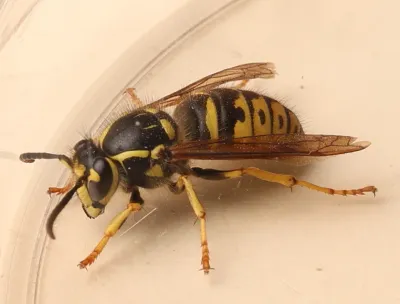
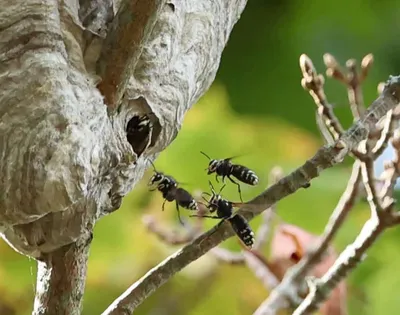
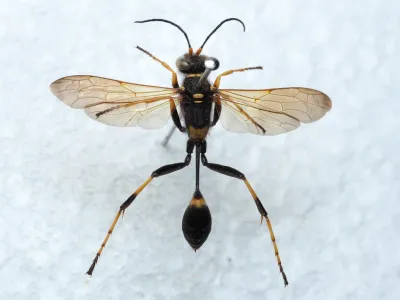
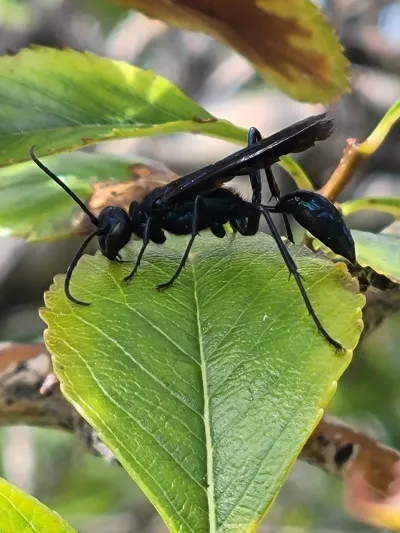
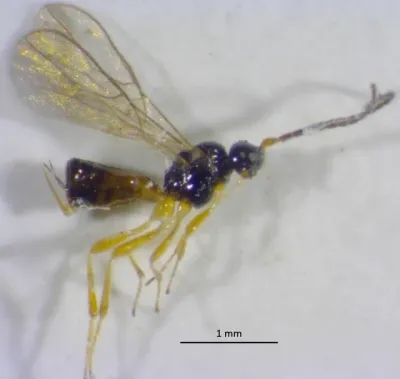
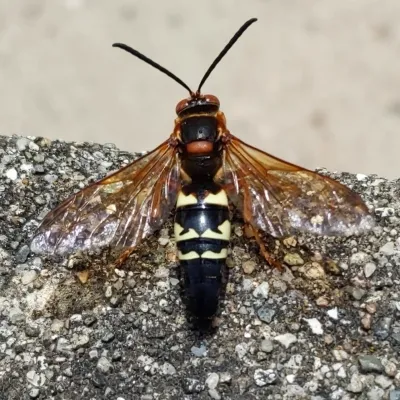
Commonly Confused With
Yellow-Legged Hornets are often mistaken for these similar pests
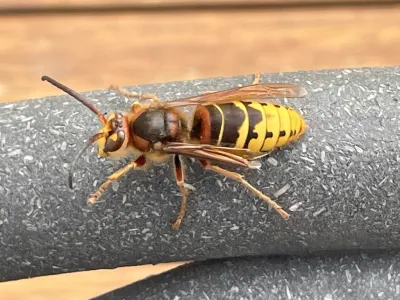
Where Yellow-Legged Hornets Are Found
Hover over states to see their names. Green regions indicate where yellow-legged hornets have been reported.
Common Questions about Yellow-Legged Hornets
Are yellow-legged hornets in the United States?
+
Yes, yellow-legged hornets were first detected in Savannah, Georgia in August 2023. As of 2024, they have been found in several counties in Georgia and on Hilton Head Island in South Carolina. Federal and state agencies are actively working to eradicate this invasive species before it becomes established.
How dangerous are yellow-legged hornets to humans?
+
Yellow-legged hornet stings are painful but not more dangerous than stings from native hornets or wasps. However, like all stinging insects, they can cause severe allergic reactions in sensitive individuals. They are not typically aggressive unless their nest is disturbed.
Why are yellow-legged hornets a problem?
+
Yellow-legged hornets are voracious predators of honey bees. They wait outside beehives and catch returning bees in flight, a behavior called hawking. A single nest can consume up to 25 pounds of insect biomass in one season, devastating local pollinator populations.
How can I tell a yellow-legged hornet from a European hornet?
+
Yellow-legged hornets are smaller (about 0.8 to 1.2 inches) with a mostly dark brown to black body and distinctive yellow tarsi (feet). European hornets are larger with more extensive yellow coloring on their abdomen and brown legs. The yellow-legged hornet also has a characteristic orange-yellow face.
What should I do if I see a yellow-legged hornet?
+
If you believe you have spotted a yellow-legged hornet, especially outside of Georgia or South Carolina, report it immediately to your state department of agriculture or USDA APHIS. Take photos if possible, but do not attempt to capture or kill the insect. Early detection is critical for eradication efforts.
Where do yellow-legged hornets build their nests?
+
In spring, queens build small primary nests close to the ground. Later in summer, colonies relocate to build larger secondary nests high in trees, typically 60-70 feet up. These secondary nests can grow to the size of a basketball and contain thousands of hornets.
Will yellow-legged hornets spread across the United States?
+
Regulatory officials consider 2025 a critical year for containing this invasive species. Without successful eradication, climate modeling suggests yellow-legged hornets could eventually establish populations across much of the eastern and southern United States.

With five years of hands-on experience in the pest control industry, George Schulz is a registered technician with the Virginia Pest Management Association and a proud third-generation professional in a family business that's been protecting homes for over 57 years. He manages and trains a team of service pros while also leading internal research efforts—recently spearheading a deep-dive review of thousands of documents on pest control materials to hand-pick the most kid and pet friendly, most effective solutions tailored specifically for homes in the DC metro area.