Mud Daubers Identification Guide
Sceliphron, Chalybion, and Trypoxylon spp.
Mud daubers are solitary wasps that build distinctive tube-shaped nests from mud. These non-aggressive wasps prey on spiders and other insects around homes.
Taxonomy
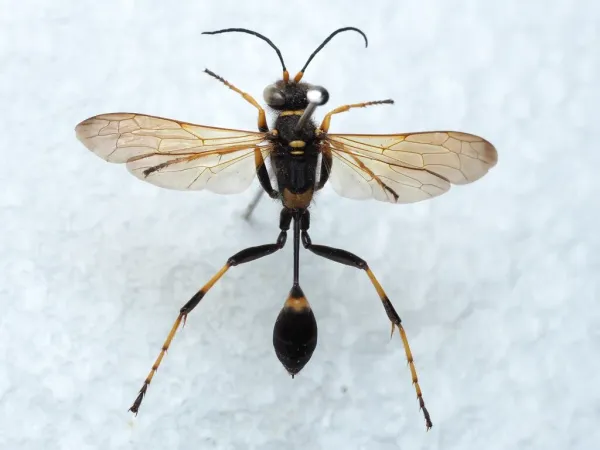
Mud Daubers Coloration
Common color patterns to help identify mud daubers
Mud Daubers
Seasonal Activity
When mud daubers are most active throughout the year

Where Mud Daubers Are Found
Hover over states to see their names. Green regions indicate where mud daubers have been reported.
Mud Dauber Identification Guide
Physical Characteristics
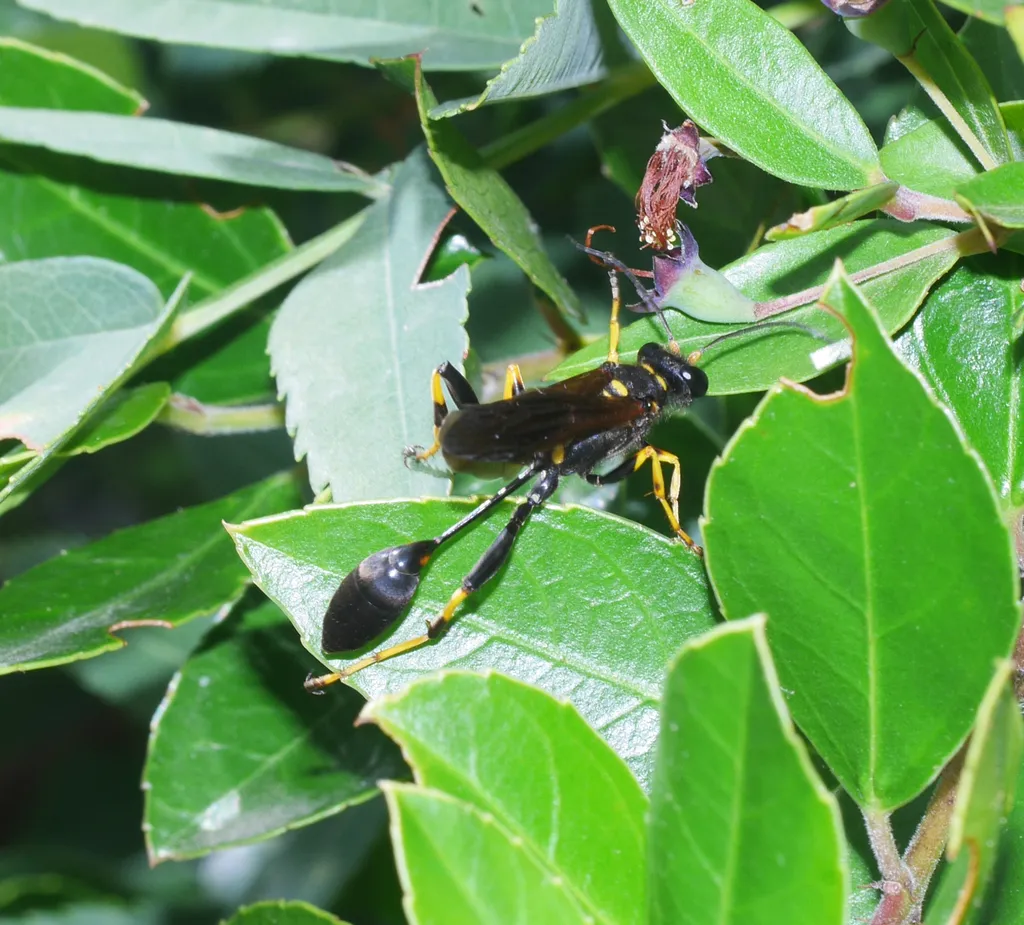
Mud daubers are solitary wasps known for their distinctive slender bodies. They measure between half an inch to one inch in length. The most recognizable feature is their extremely thin, thread-like waist that connects the thorax to the abdomen. This narrow petiole helps distinguish them from other wasps at a glance.
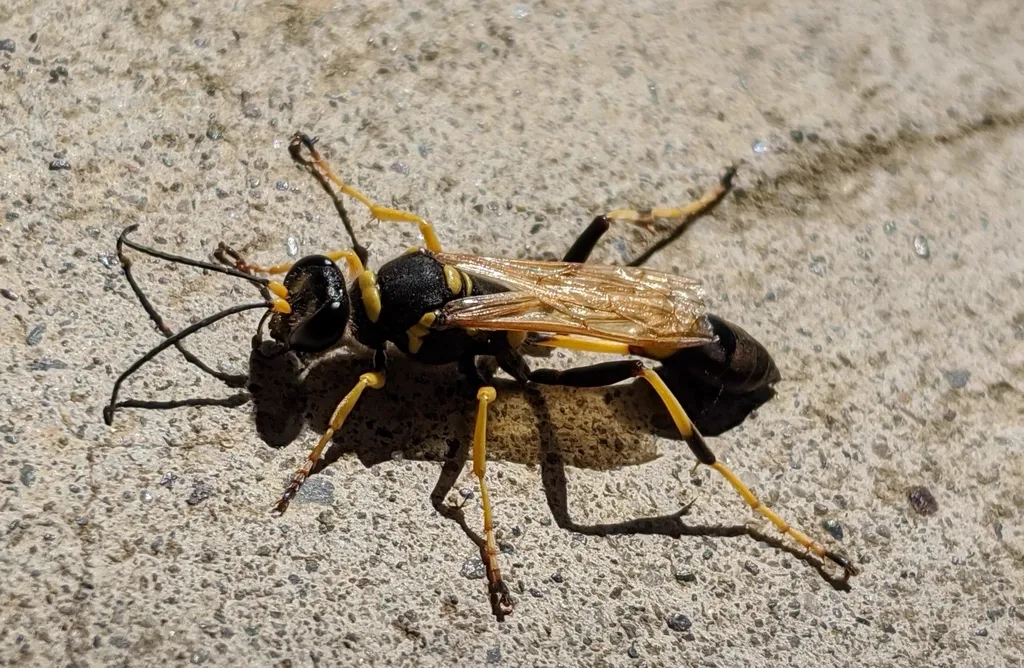
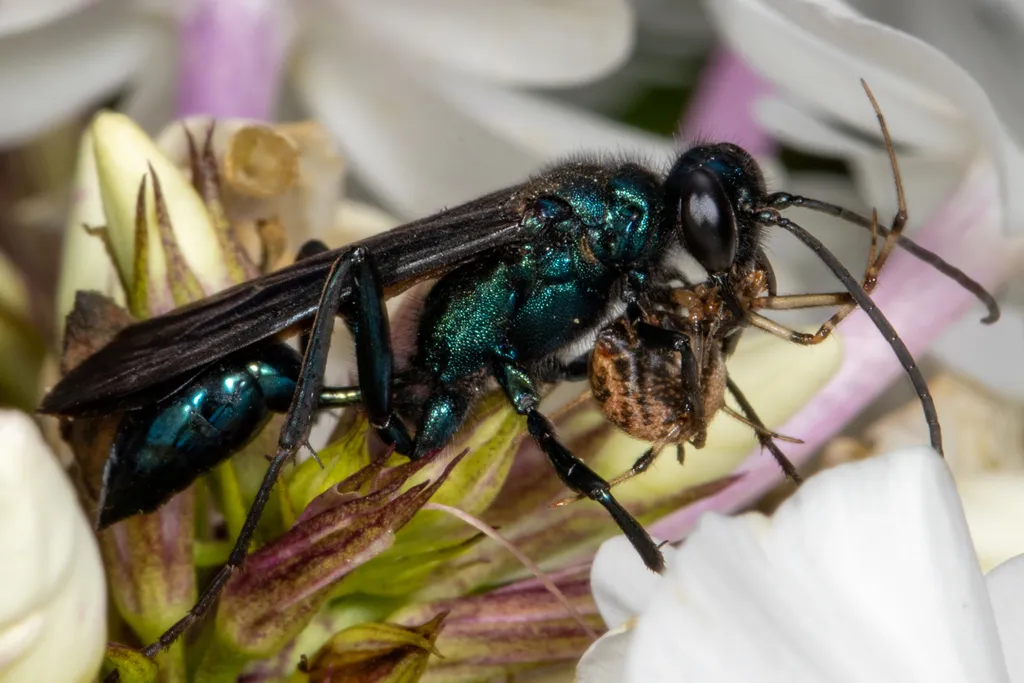
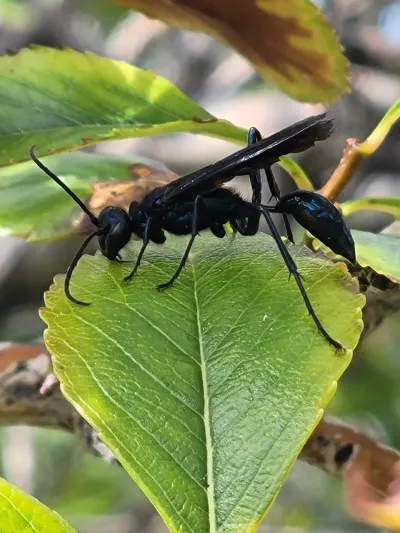
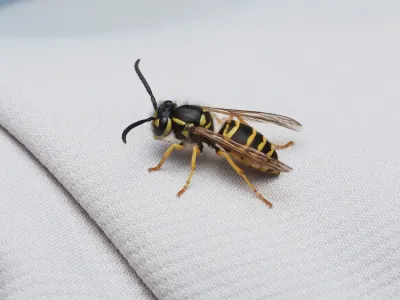
Coloration varies by species. The black and yellow mud dauber has a black body with yellow markings and yellow legs. Blue mud daubers display a striking metallic blue or blue-black sheen across their entire body. Organ pipe mud daubers are glossy black with a slight blue tint to their wings. All species have two pairs of wings and six legs.
Common Species
Three mud dauber species are commonly found throughout North America:
-
Black and Yellow Mud Dauber (Sceliphron caementarium): The most common species, recognizable by its black body with yellow markings on the legs and thorax. Builds tube-shaped nests of mud.
-
Blue Mud Dauber (Chalybion californicum): A metallic blue-black wasp that does not build its own nests. Instead, it takes over and reuses old black and yellow mud dauber nests. Known as a predator of black widow spiders.
-
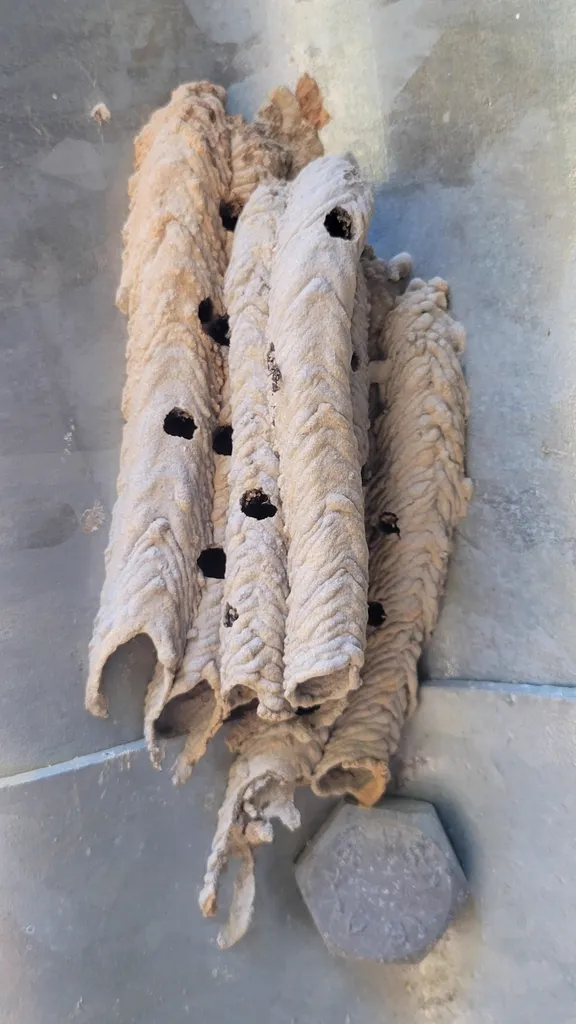
Organ Pipe Mud Dauber (Trypoxylon politum): A solid black wasp that builds distinctive cylindrical mud tubes arranged side by side, resembling organ pipes.
Mud Dauber Behavior and Biology
Mud daubers are solitary wasps, meaning each female works alone to build her nest and provision it with prey. Unlike social wasps such as yellowjackets or paper wasps, mud daubers do not live in colonies and do not aggressively defend their nests. This solitary nature makes them far less threatening to homeowners.
Nesting Habits
Female mud daubers construct nests from mud they gather at puddle edges or moist soil. They roll the mud into balls and carry it back to their chosen nesting site. The black and yellow mud dauber builds tube-shaped cells, often attached side by side under eaves, in garages, or on porch ceilings. Organ pipe mud daubers create long, cylindrical tubes arranged parallel to each other.
Blue mud daubers take a different approach. Rather than building new nests, they seek out abandoned mud dauber nests. They wet the old mud with water to soften it, then renovate and reuse the existing chambers for their own offspring.
Hunting and Reproduction
Mud daubers hunt spiders to feed their young. The female wasp finds a spider, stings it to paralyze it, and carries it back to her nest. She places several paralyzed spiders in a mud cell. Then she lays an egg on one spider and seals the chamber with more mud. When the larva hatches, it feeds on the preserved spiders until ready to pupate.
Blue mud daubers prey heavily on black widow spiders. A single blue mud dauber can remove many black widows from an area during a nesting season.
Seasonal Activity
Mud daubers emerge in late spring as temperatures warm. They remain active through summer, building nests and provisioning cells with paralyzed spiders. Adults feed on flower nectar for energy. By fall, the new generation of wasps has developed inside the sealed mud cells. They overwinter as pupae and emerge the following spring. The adult wasps from the current season do not survive the winter.
Mud Dauber Sting Risk
Mud daubers are among the most docile wasps you might encounter around your home. They rarely sting humans. Stings only happen if a wasp is directly handled or trapped against skin. Unlike yellowjackets, which sting repeatedly and become aggressive near food, mud daubers show little interest in people. They are a type of solitary wasp that hunts alone rather than living in colonies.
Mud daubers hunt spiders, which can reduce spider numbers around your home. Blue mud daubers help manage black widow populations in areas where these venomous spiders occur.
When Mud Dauber Nests Become a Problem
While mud daubers pose minimal sting risk, their nests can become a concern. Nests built on visible exterior walls, under eaves near entryways, or inside garages are often unwanted. Old nests can also attract other insects seeking shelter.
Common reasons homeowners want mud dauber nests removed:
- Unsightly mud structures on home exteriors
- Nests blocking access to storage areas
- Concerns about wasp activity near entryways
- Old nests attracting secondary pests
Mud Dauber Nest Removal and Treatment
For inactive nests, removal is straightforward. Wait until late fall or winter when the adult wasps are gone. The mud chambers can be scraped off with a putty knife. Clean the area and consider painting or sealing the surface to discourage future nesting.
For active nests that need removal, treatment follows a similar approach to other solitary wasps. A residual insecticide can be applied directly to the nest. Mud daubers are solitary and non-aggressive, so treatment carries less risk than treating social wasp colonies. The nest can be removed once activity stops.
Prevention Tips
To reduce mud dauber activity in specific areas:
- Seal gaps and cracks where nests commonly appear
- Paint or finish bare wood surfaces under eaves
- Reduce moisture sources that provide mud for nest building
- Remove old nests promptly to discourage new construction in the same spot
Learn more about the differences between mud daubers vs. wasps and how to identify different types of wasp nests.
References
Other Wasps
Explore other species in the wasps family
Commonly Confused With
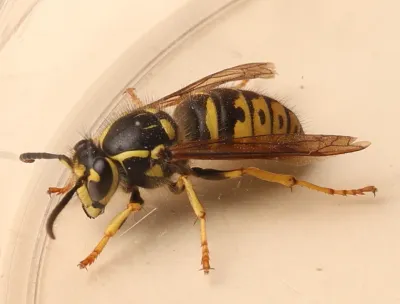
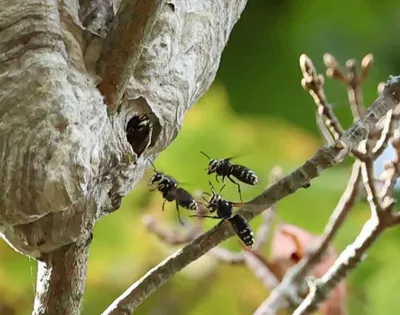
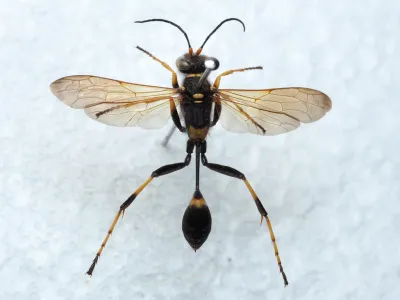
Mud Daubers are often mistaken for these similar pests
Where Mud Daubers Are Found
Hover over states to see their names. Green regions indicate where mud daubers have been reported.
Common Questions about Mud Daubers
Are mud daubers dangerous?
+
Mud daubers are not dangerous to humans. They are solitary wasps and rarely sting unless directly handled or trapped against skin. Unlike yellowjackets or hornets, they do not aggressively defend their nests.
Should I remove mud dauber nests?
+
Mud dauber nests can be left alone or removed based on your preference. If nests are in an inconvenient location, they can be scraped off after the wasps have left in fall. Active nests can be treated if needed.
What do mud daubers eat?
+
Adult mud daubers feed on flower nectar. They hunt and paralyze spiders to provision their nests as food for their larvae. Blue mud daubers are known predators of black widow spiders.
Why do mud daubers build nests on my house?
+
Mud daubers prefer sheltered locations protected from rain and weather. Eaves, porch ceilings, garages, and sheds provide ideal nesting sites. They need access to mud and a supply of spiders nearby.
How can I tell mud daubers from other wasps?
+
Mud daubers have an extremely thin, thread-like waist connecting their thorax and abdomen. They are longer and more slender than paper wasps or yellowjackets. Their solitary behavior and mud nests also distinguish them.
Do mud daubers return to the same nest?
+
Mud daubers do not reuse old nests, but they may build new nests in the same favorable location year after year. Old nests are sometimes taken over by other insects or spiders.
When are mud daubers most active?
+
Mud daubers are most active during warm months from late spring through early fall. They are daytime fliers and spend their time gathering mud, hunting spiders, or visiting flowers for nectar.

With five years of hands-on experience in the pest control industry, George Schulz is a registered technician with the Virginia Pest Management Association and a proud third-generation professional in a family business that's been protecting homes for over 57 years. He manages and trains a team of service pros while also leading internal research efforts—recently spearheading a deep-dive review of thousands of documents on pest control materials to hand-pick the most kid and pet friendly, most effective solutions tailored specifically for homes in the DC metro area.