Ichneumon Wasps Identification Guide
Ichneumonidae (Family)
Ichneumon wasps are parasitic insects with long, needle-like ovipositors often mistaken for stingers. Learn to identify these wasps and manage their presence around your home.
Taxonomy
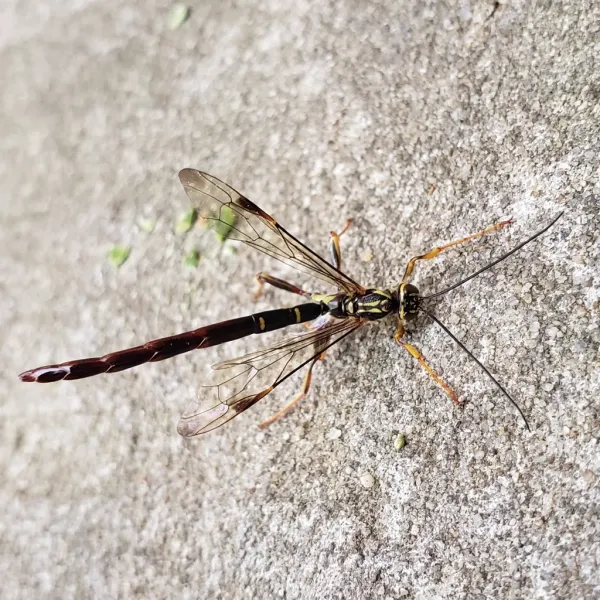
Ichneumon Wasps Coloration
Common color patterns to help identify ichneumon wasps
Ichneumon Wasps
Seasonal Activity
When ichneumon wasps are most active throughout the year
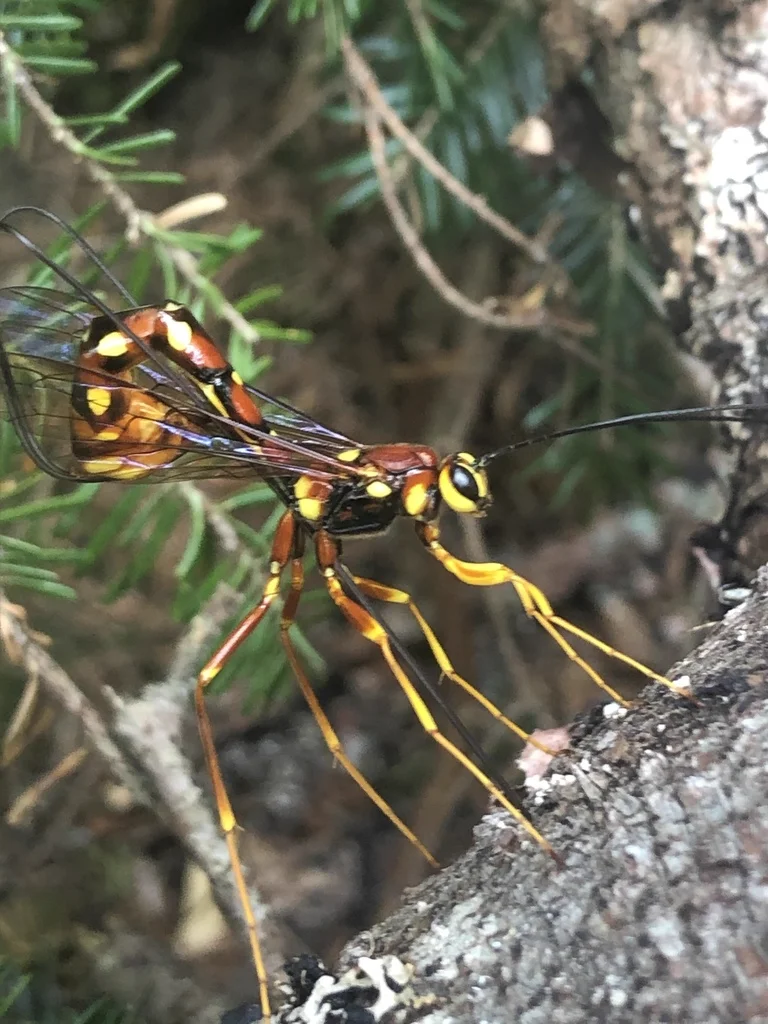
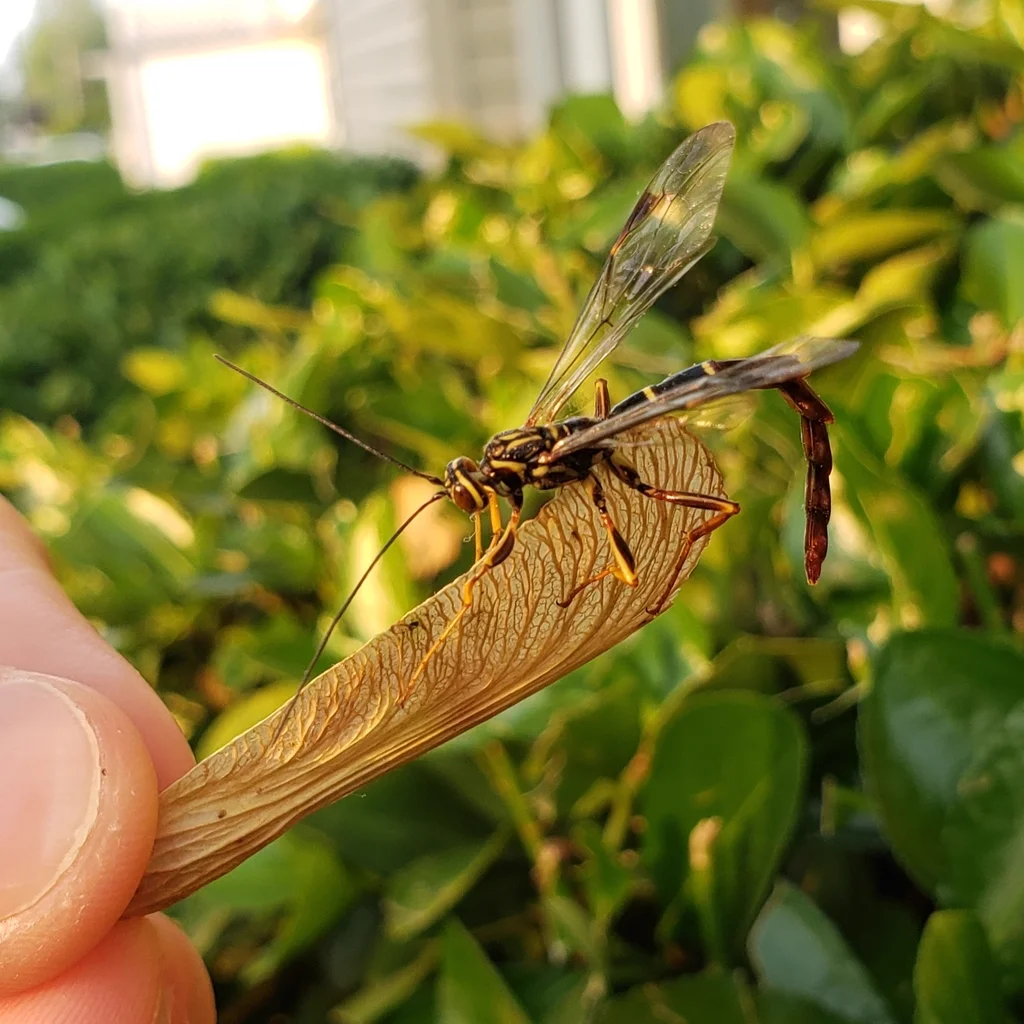
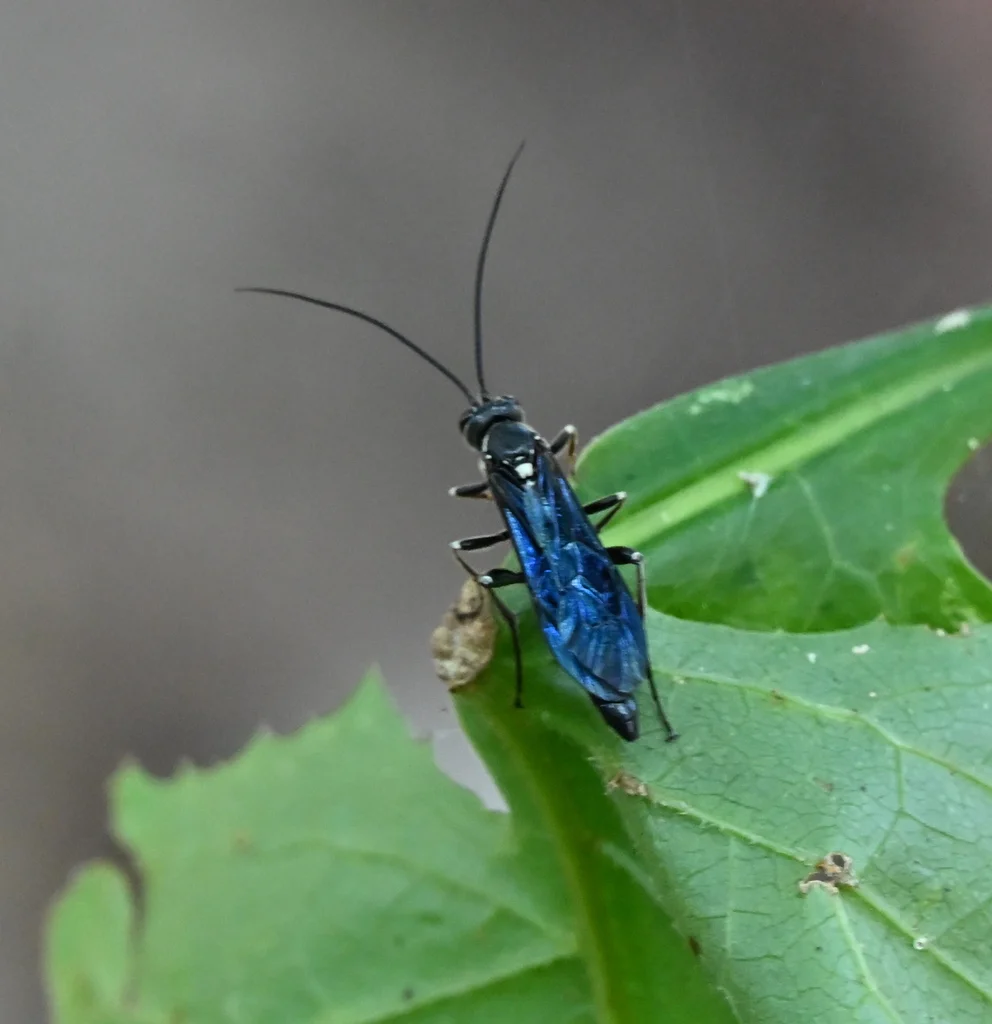

Where Ichneumon Wasps Are Found
Hover over states to see their names. Green regions indicate where ichneumon wasps have been reported.
Ichneumon Wasp Identification Guide
Physical Characteristics
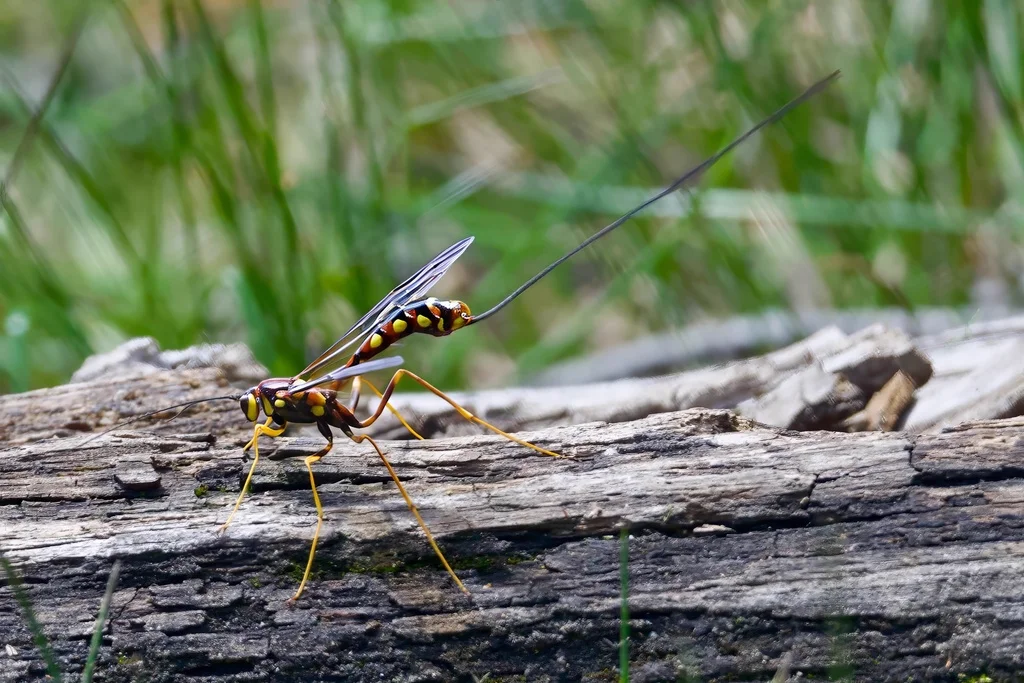
Ichneumon wasps are slender insects that look similar to stinging wasps. However, they have key differences. Their bodies are long and thin with a narrow waist. Their antennae are very long, often at least half the length of the body. Most species have 16 or more segments in their antennae. They have large eyes on the sides of the head and three small eyes on top.
The most notable feature is the female’s ovipositor. This is a needle-like tube used for laying eggs. In many species, this organ is longer than the entire body. Giant ichneumon females may have ovipositors reaching 4 to 5 inches long. Males lack this structure, so their bodies appear much shorter.
These wasps come in many colors. Some are solid black or metallic blue. Others have orange, yellow, or reddish-brown markings. Many have banded patterns on the abdomen like stinging wasps. A white or yellow band on the antennae is common.
Size varies widely within this family. The smallest species measure only a few millimeters. The largest North American species, the giant ichneumons, exceed 2 inches in body length. This does not include their long ovipositors.
Common Species in North America
-
Giant Ichneumon Wasps (Megarhyssa species): These are the most recognized ichneumons due to their large size and very long ovipositors. The Eastern giant ichneumon (M. macrurus) has a yellow and brown body. The black giant ichneumon (M. atrata) is darker with a steely blue-black color.
-
Short-tailed Ichneumon Wasps (Ophion species): These are medium-sized, orange-brown wasps often attracted to lights at night. They are among the most common ichneumons found around homes.
-
Sabre Wasps (Rhyssa species): These are large black and white banded ichneumons with long ovipositors. They are often seen searching tree trunks for hosts.
Ichneumon Wasp Behavior and Biology
Life Cycle
Ichneumon wasps are parasitoids. Their larvae develop by feeding on other insects, eventually killing the host. Unlike true parasites that keep hosts alive, ichneumon larvae consume their hosts completely. Along with braconid wasps, they form the largest group of parasitic wasps.
The cycle begins when a female finds a suitable host insect. She uses her antennae to detect signals from hosts hidden under bark or inside wood. She then inserts her ovipositor and lays eggs inside or on the host.
Eggs hatch within 3 to 7 days. The larva feeds on the host’s body fluids and fat. It avoids vital organs to keep the host alive as long as possible. This feeding lasts 2 to 4 weeks. When mature, the larva consumes the rest of the host and forms a cocoon. Adult wasps emerge 1 to 2 weeks later.
Host Preferences
Different species target different hosts. Many attack caterpillars of moths and butterflies. Others target beetle larvae, especially wood-boring species. Some attack sawflies, other wasps, or even spiders.
Giant ichneumons have a special hunting method. Females search tree trunks for the larvae of horntails and wood wasps. They can detect these hidden larvae through several inches of solid wood. Once found, the female drills her ovipositor through the wood to lay eggs. This process can take 30 minutes or more.
Behavior Around Homes
Ichneumon wasps are solitary. They do not form colonies or build nests like yellowjackets or paper wasps. Adults are most active during warm months from late spring through early fall. They visit flowers for nectar and search for hosts on plants and wood.
Some species are strongly attracted to lights. Homeowners may find orange-brown short-tailed ichneumons near porch lights. They may also enter homes through open windows at night.
These wasps move slowly compared to stinging wasps. They do not defend territories and will not chase or attack people. When disturbed, they simply fly away. Females may probe with their ovipositors if handled. However, they cannot pierce human skin.
Ecological Role of Ichneumon Wasps
Ichneumon wasps make up one of the largest insect families in the world. There are an estimated 60,000 to 100,000 species. They target a wide range of other insects as hosts.
In gardens, ichneumons target caterpillars that damage vegetables and plants. In forests, they target wood-boring beetles and wood wasps that can harm trees. Some species have been used as biological control agents against invasive pests in agriculture.
Managing Ichneumon Wasps
Ichneumon wasps do not sting humans. They lack the ability to do so because their ovipositor is only used for laying eggs. For homeowners who want to reduce their presence indoors or around the home, several approaches can help.
Exclusion Methods
The most effective approach is preventing entry into the home.
- Screen repairs: Fix any holes or tears in window and door screens to prevent entry.
- Seal gaps: Close gaps around doors, windows, and utility entry points.
- Light management: Reduce outdoor lighting at night or switch to yellow bulbs. These attract fewer insects. Keep windows and doors closed after dark.
When to Call a Professional
If large numbers of ichneumon wasps are appearing inside a home, this may point to another pest problem. These wasps hunt other insects like beetle larvae and caterpillars. A pest control professional can inspect for wood-boring beetle infestations or other pest activity that may be attracting them.
Outdoor Management
For outdoor areas, treatment is rarely needed since these wasps do not form colonies or nests. If wasps are congregating around a specific area, removing dead wood or decaying vegetation may reduce activity. Clearing brush piles and removing fallen logs can make an area less attractive to hunting females.
References
Other Wasps
Explore other species in the wasps family
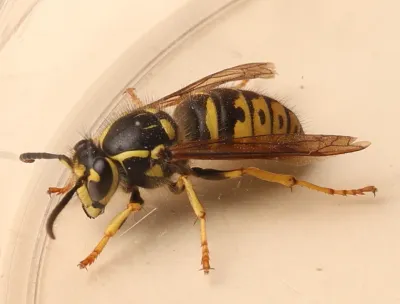
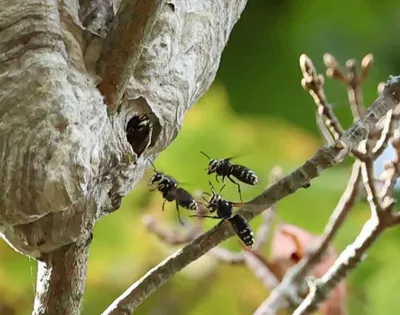
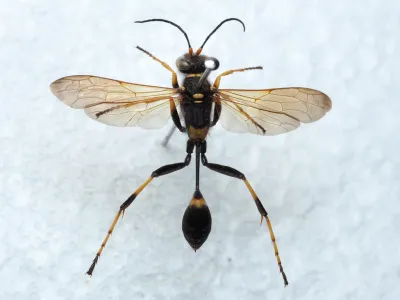
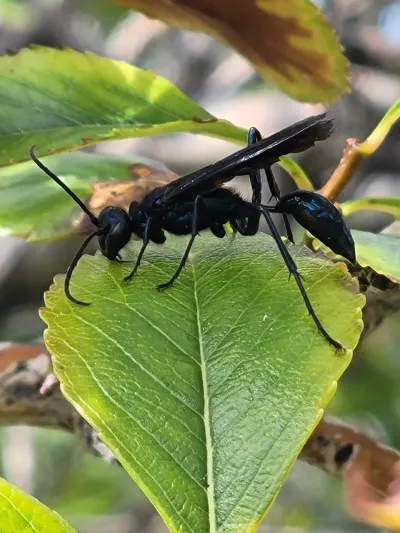
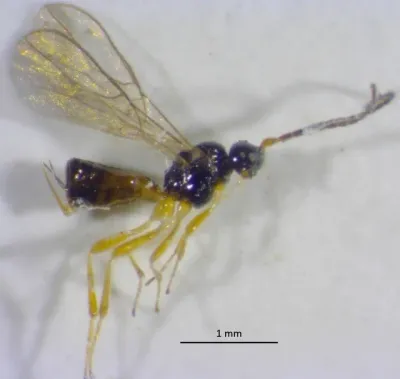
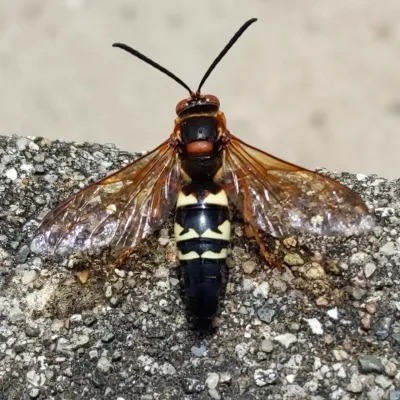
Commonly Confused With
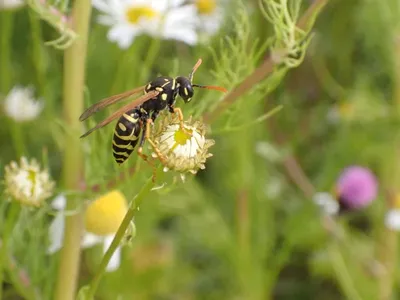
Ichneumon Wasps are often mistaken for these similar pests
Where Ichneumon Wasps Are Found
Hover over states to see their names. Green regions indicate where ichneumon wasps have been reported.
Common Questions about Ichneumon Wasps
Are ichneumon wasps dangerous to humans?
+
No, ichneumon wasps are completely harmless to humans. Despite their intimidating appearance, they cannot sting people. The long needle-like appendage on females is an ovipositor used for laying eggs, not a stinger. They do not have venom glands and pose no threat to people or pets.
What is the long needle on an ichneumon wasp?
+
The long needle-like structure is called an ovipositor. Female ichneumon wasps use it to lay eggs inside or on host insects. In some species, the ovipositor can be longer than the entire body. It can drill through wood to reach hidden larvae. Despite its appearance, it is not a stinger and cannot hurt humans.
Why are ichneumon wasps in my yard?
+
Ichneumon wasps visit yards searching for host insects to parasitize. They are attracted to areas with caterpillars, beetle larvae, wood-boring insects, and other hosts. Their presence indicates a healthy ecosystem. They also visit flowers for nectar, especially in gardens.
How can I reduce ichneumon wasps around my home?
+
To reduce ichneumon wasps indoors, repair window screens and seal gaps around doors. Reduce outdoor lighting at night or use yellow bulbs. If they appear in large numbers, this may signal another pest problem like wood-boring beetles. A pest control professional can inspect for underlying issues.
How do ichneumon wasps find their prey?
+
Female ichneumon wasps locate host insects using their sensitive antennae. They can detect vibrations and chemical signals from larvae hidden under bark or inside wood. Some species can sense their hosts through several inches of solid wood, then drill down with their ovipositors to lay eggs.
What do ichneumon wasps eat?
+
Adult ichneumon wasps feed on nectar from flowers and sometimes honeydew from aphids. The larvae are the parasitoids that feed on host insects. They consume the host from the inside, eventually killing it before emerging as adult wasps.
How can I tell ichneumon wasps apart from stinging wasps?
+
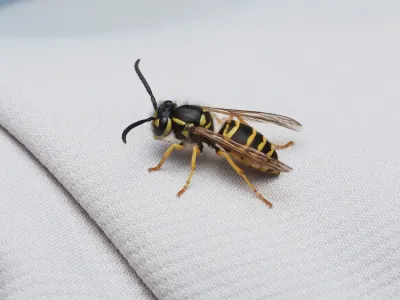
Ichneumon wasps are more slender than stinging wasps and have much longer antennae, usually at least half the length of their body. They lack the narrow waist pinch typical of yellowjackets. Many have extremely long ovipositors trailing behind them. They also move slowly and deliberately rather than the quick, aggressive movements of stinging wasps.

With five years of hands-on experience in the pest control industry, George Schulz is a registered technician with the Virginia Pest Management Association and a proud third-generation professional in a family business that's been protecting homes for over 57 years. He manages and trains a team of service pros while also leading internal research efforts—recently spearheading a deep-dive review of thousands of documents on pest control materials to hand-pick the most kid and pet friendly, most effective solutions tailored specifically for homes in the DC metro area.