European Paper Wasps Identification Guide
Polistes dominula
The European paper wasp is an invasive social wasp species now widespread across North America. Distinguished by its bright orange antennae, it builds umbrella-shaped nests on buildings and structures.
Taxonomy
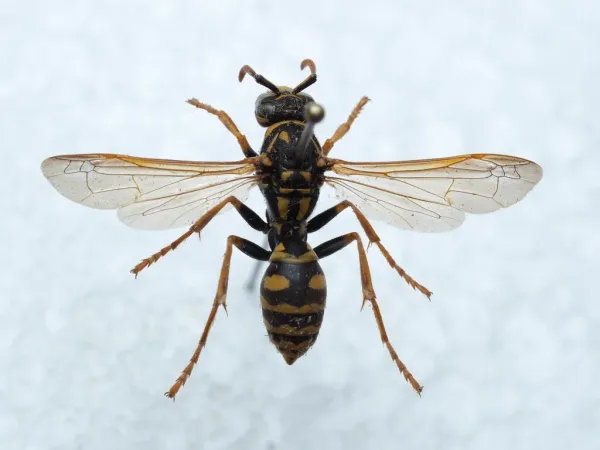
European Paper Wasps Coloration
Common color patterns to help identify european paper wasps
European Paper Wasps
Seasonal Activity
When european paper wasps are most active throughout the year
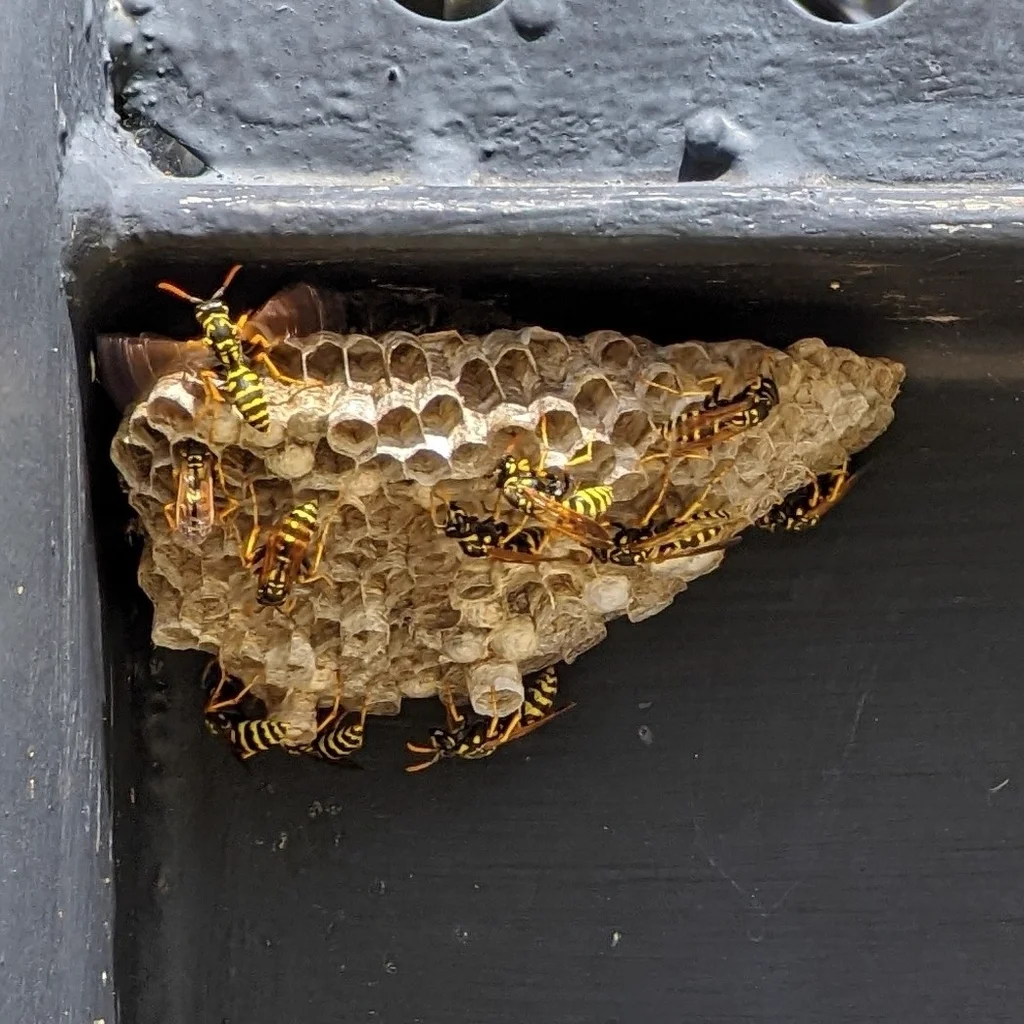
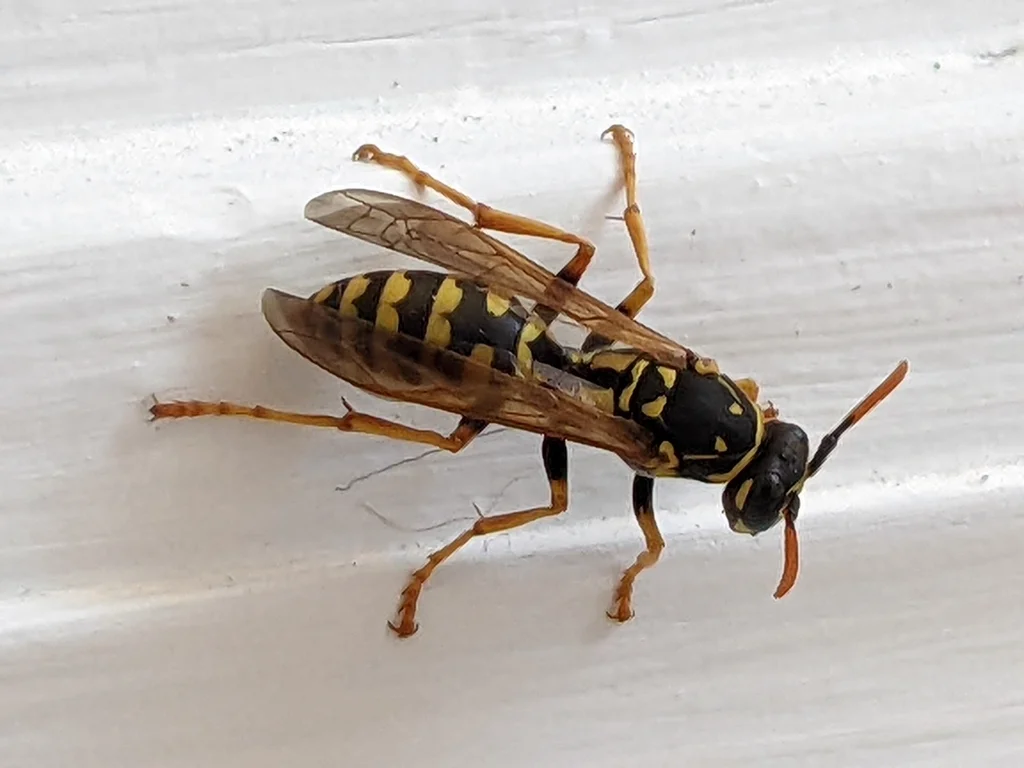
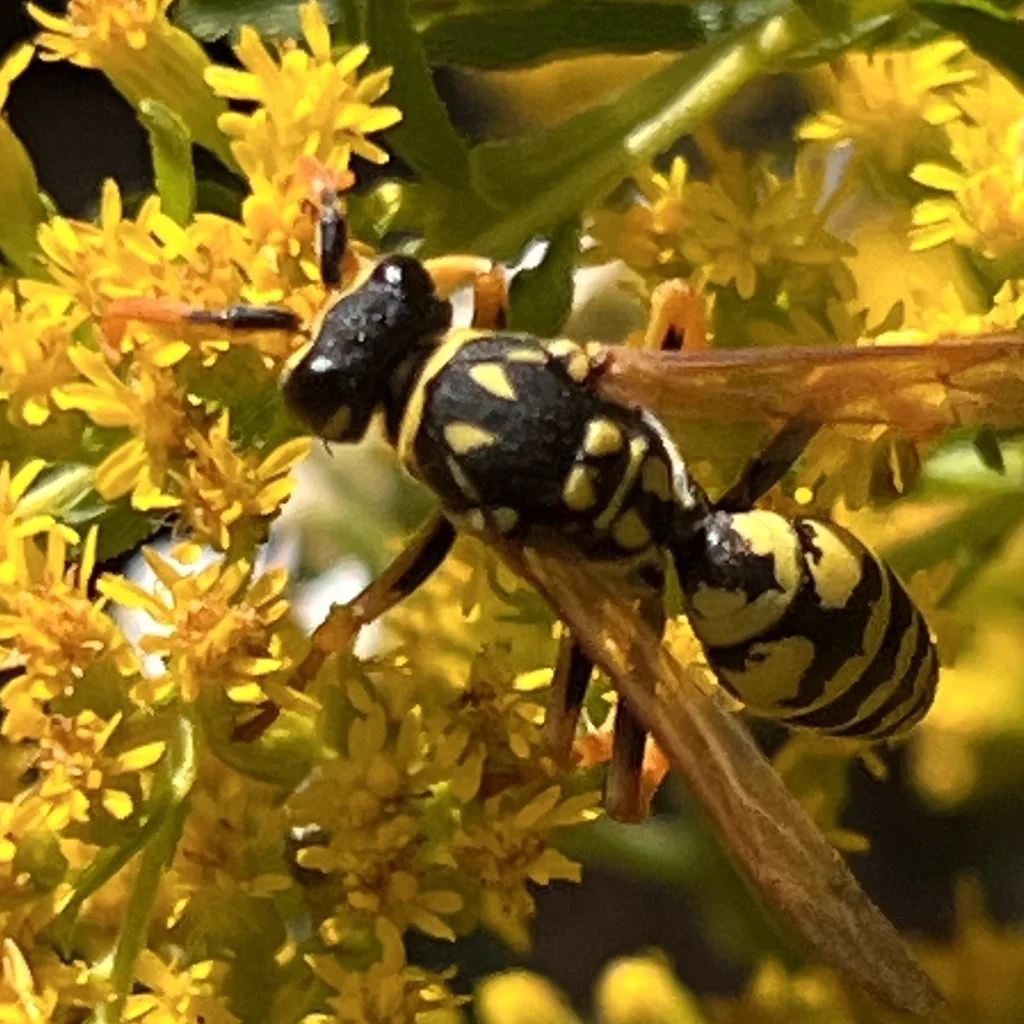

Where European Paper Wasps Are Found
Hover over states to see their names. Green regions indicate where european paper wasps have been reported.
European Paper Wasp Identification Guide
Physical Characteristics
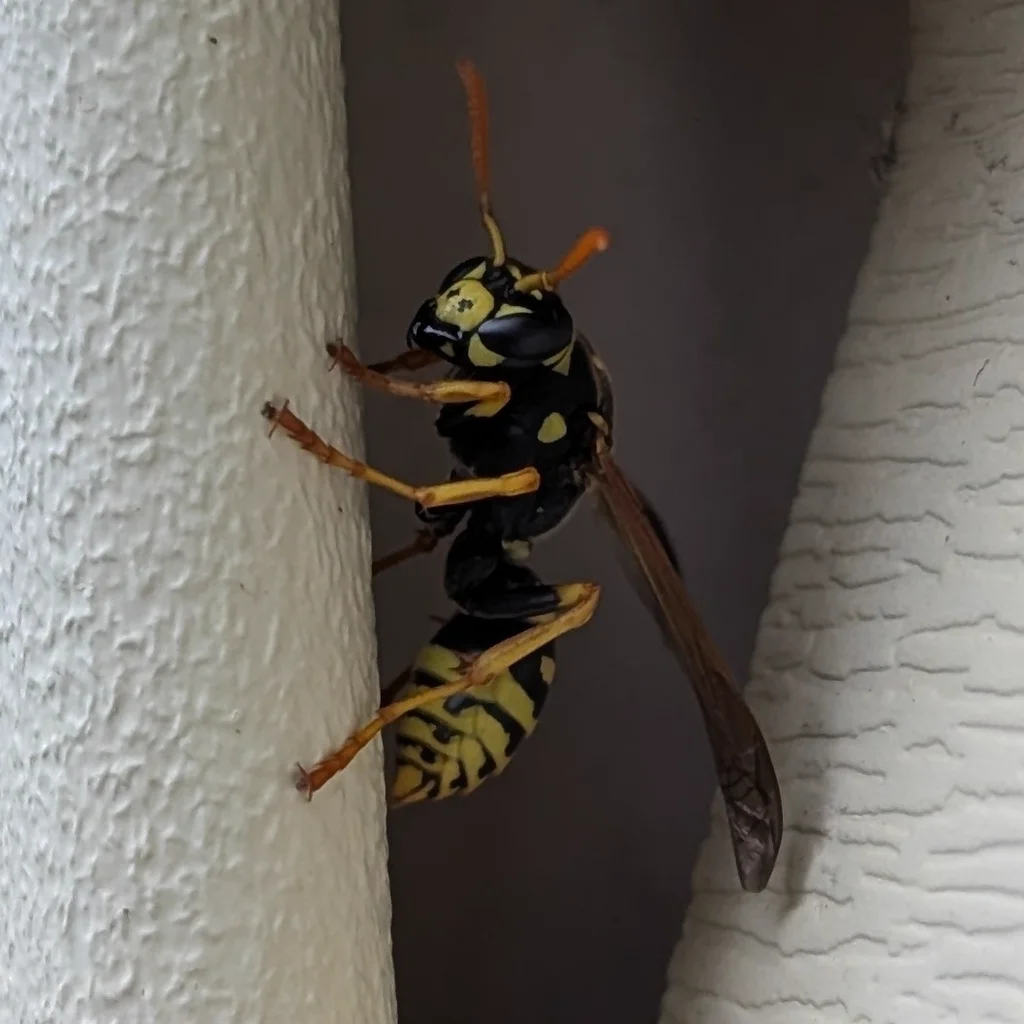
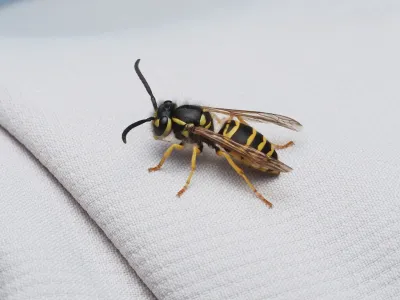
European paper wasps are about 12 to 18 millimeters long. This makes them similar in size to native paper wasps. They have slender bodies with narrow waists and long legs that dangle when they fly. Their bodies have bold yellow and black bands. This can make them easy to mistake for yellowjackets.
The best way to identify a European paper wasp is by its antennae. The antennae are bright orange. No native North American paper wasp or yellowjacket has this feature. Their legs also show orange coloring that fades to black near the body. Males are smaller than females and have curved antennae. Females have straighter antennae. Only females can sting because the stinger comes from an egg-laying organ.
Distinguishing from Similar Species
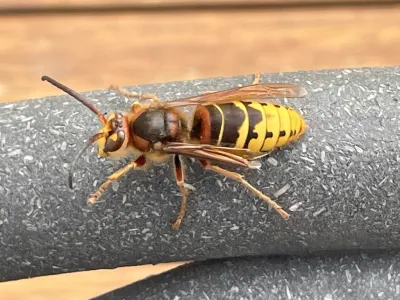
People often confuse European paper wasps with yellowjackets because both have black and yellow coloring. But several features set them apart. European paper wasps have slimmer bodies with longer legs that hang down during flight. Yellowjackets look stockier and keep their legs close to their bodies. The orange antennae are the best way to tell European paper wasps apart from other species.
Compared to native paper wasps, European paper wasps have brighter yellow markings. Native species like Polistes fuscatus have duller brown, red, and yellow tones. They also lack the bright orange antennae.
European Paper Wasp Behavior and Biology
Colony Lifecycle
European paper wasps are social insects. They start new colonies each spring. Mated queens spend the winter in protected spots like behind siding, inside wall voids, under loose bark, or in attics. They often group together during cold months. A related species, Cow Killers, shares similar characteristics.
In early spring, around April or May, queens come out and look for nesting sites. Each queen builds her nest alone at first. She makes paper by chewing wood fibers and mixing them with saliva. She lays eggs in the cells and takes care of the first larvae herself. A related species, Great Black Wasps, shares similar characteristics.
When the first worker wasps emerge in early summer, the queen focuses on laying eggs. Workers take over hunting for food, building the nest, and defending the colony. The nest grows through summer and can have over 100 cells. Colonies may raise 200 or more workers by late summer, though many die from predators. A related species, Ichneumon Wasps, shares similar characteristics.
In August and September, the colony starts making new queens and males instead of workers. These wasps mate. The newly fertilized queens find shelter for winter. The old colony dies off by late fall, and the nest is left empty.
Nesting Habits
European paper wasps build open, umbrella-shaped nests. These nests have a single layer of cells attached to a surface by a short stalk. The gray or brown papery material looks handmade.
European paper wasps prefer protected spots for their nests. They often nest under eaves, inside light fixtures, in parking meters, inside bird boxes, and in items that sit unused like grills, motorcycles, and boats. They will build on vertical surfaces if there is an overhang to block rain. Nests can reach about 10 to 12 centimeters wide.
Diet and Foraging
European paper wasps eat a wider range of foods than most native paper wasps. This is one reason they have spread so well. Native paper wasps like northern paper wasps and red paper wasps mostly eat caterpillars. European paper wasps eat many types of insects. They also feed on honeydew made by aphids.
This flexible diet helps them survive when food is scarce. European paper wasps start hunting earlier in the day than native species. They also produce workers about a week sooner in the season. This gives their colonies an advantage over native wasps.
How We Treat for European Paper Wasps
Our technicians use a tested approach to treat European paper wasp problems:
-
Finding the Nests: The technician first confirms the wasp species and finds all active nests on the property. European paper wasps often build in hidden spots like wall voids and inside unused items, so a thorough inspection is key.
-
Treating Exposed Nests: For nests under eaves or in other open areas, the technician applies insecticide directly to the nest. This kills the colony and stops wasps from coming back.
-
Treating Hidden Nests: Nests inside wall voids or cavities need insecticidal dust applied into the opening. Foam products may also be used to reach wasps inside. These nests often need more than one treatment to fully remove the colony.
-
Prevention Tips: After treatment, we help customers prevent future problems. This includes sealing cracks around the home, removing places where wasps could nest, and covering outdoor items. Checking for nests in early spring can catch colonies before they grow.
-
Follow-Up Service: If wasps return after treatment, customers with service plans can request free callbacks until the problem is solved.
References
Other Wasps
Explore other species in the wasps family
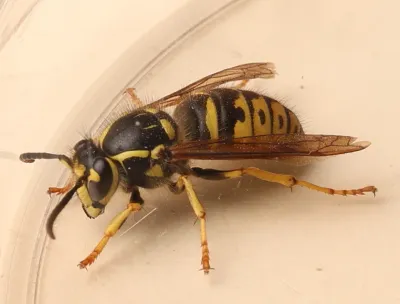
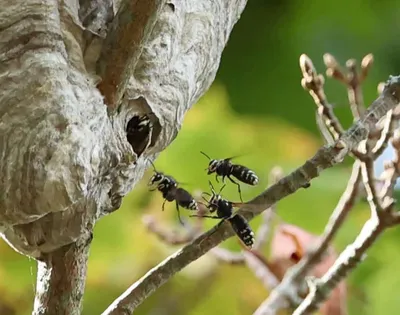
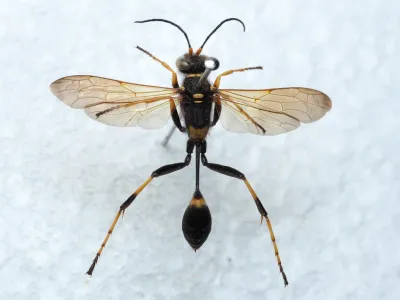
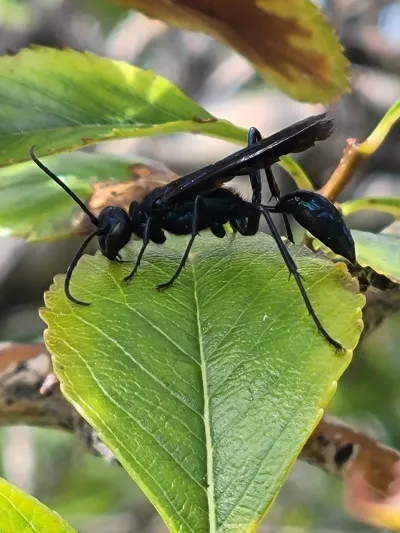
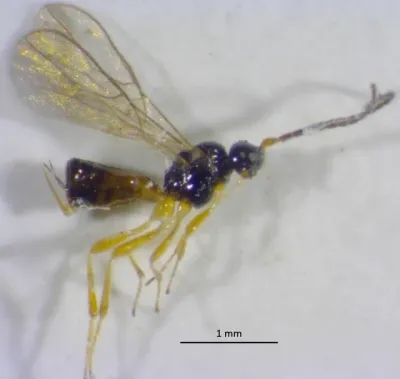
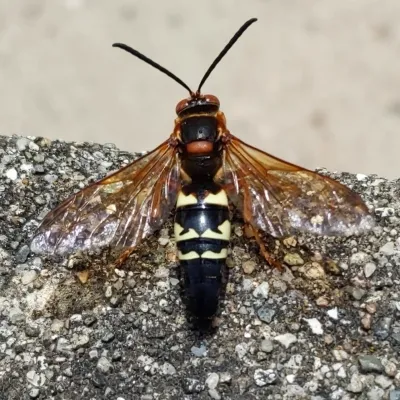
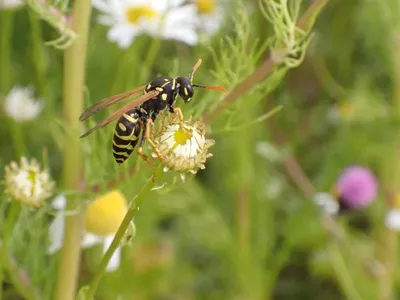
Commonly Confused With
European Paper Wasps are often mistaken for these similar pests
Where European Paper Wasps Are Found
Hover over states to see their names. Green regions indicate where european paper wasps have been reported.
Common Questions about European Paper Wasps
How can I tell a European paper wasp from a yellowjacket?
+
European paper wasps have a slender build with long dangling legs when flying, while yellowjackets are stockier and more compact. The most reliable identifier is the European paper wasp's bright orange antennae, which yellowjackets lack.
Are European paper wasps aggressive?
+
They are generally not aggressive unless their nest is disturbed. However, they will defend their nests vigorously if threatened. Stings can be painful and may cause allergic reactions in some people.
Where do European paper wasps build their nests?
+
They prefer protected locations like under eaves, inside exterior light fixtures, in attics, wall voids, or inside equipment like grills and boats. Unlike native paper wasps, they often choose cavities and vertical surfaces with overhangs.
When are European paper wasps most active?
+
Activity peaks from late spring through early fall. Queens emerge in March or April to establish nests. Colonies reach maximum size in late summer before new queens and males appear in August and September.
Why are European paper wasps considered invasive?
+
First found in the US in 1981, they have spread rapidly because they eat a wider variety of insects than native paper wasps and nest in better-protected locations. They often outcompete native Polistes species for resources. Learn more about identifying [wasps](/pests/wasps/) on your property.
Can European paper wasps sting multiple times?
+
Yes. Unlike honey bees, European paper wasps can extract their stinger and sting repeatedly. Each sting injects venom that can cause pain, swelling, and in severe cases, anaphylaxis in allergic individuals.
What should I do if I find a European paper wasp nest?
+
Do not try to remove it yourself, especially if it is active. Contact a pest control professional to handle the nest. Disturbing it can cause multiple wasps to sting in defense.

With five years of hands-on experience in the pest control industry, George Schulz is a registered technician with the Virginia Pest Management Association and a proud third-generation professional in a family business that's been protecting homes for over 57 years. He manages and trains a team of service pros while also leading internal research efforts—recently spearheading a deep-dive review of thousands of documents on pest control materials to hand-pick the most kid and pet friendly, most effective solutions tailored specifically for homes in the DC metro area.