Cow Killers Identification Guide
Dasymutilla occidentalis
Cow killers, also known as red velvet ants, are actually wingless female wasps famous for their extremely painful sting. Despite their alarming name, they pose minimal threat to humans and do not cause property damage.
Taxonomy
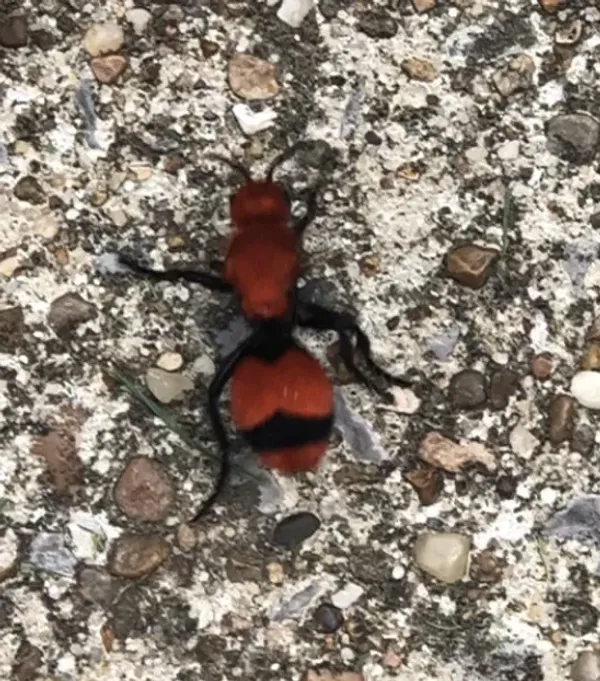
Cow Killers Coloration
Common color patterns to help identify cow killers
Cow Killers
Seasonal Activity
When cow killers are most active throughout the year

Where Cow Killers Are Found
Hover over states to see their names. Green regions indicate where cow killers have been reported.
Cow Killer Identification Guide
Physical Characteristics
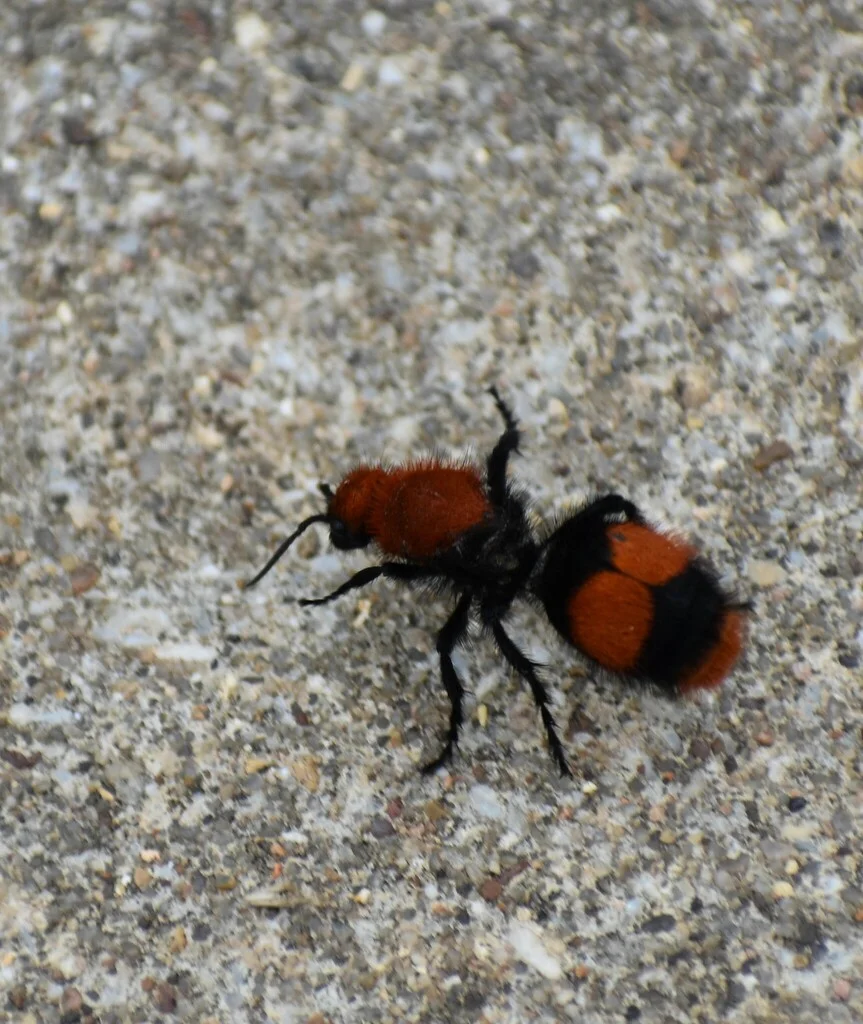
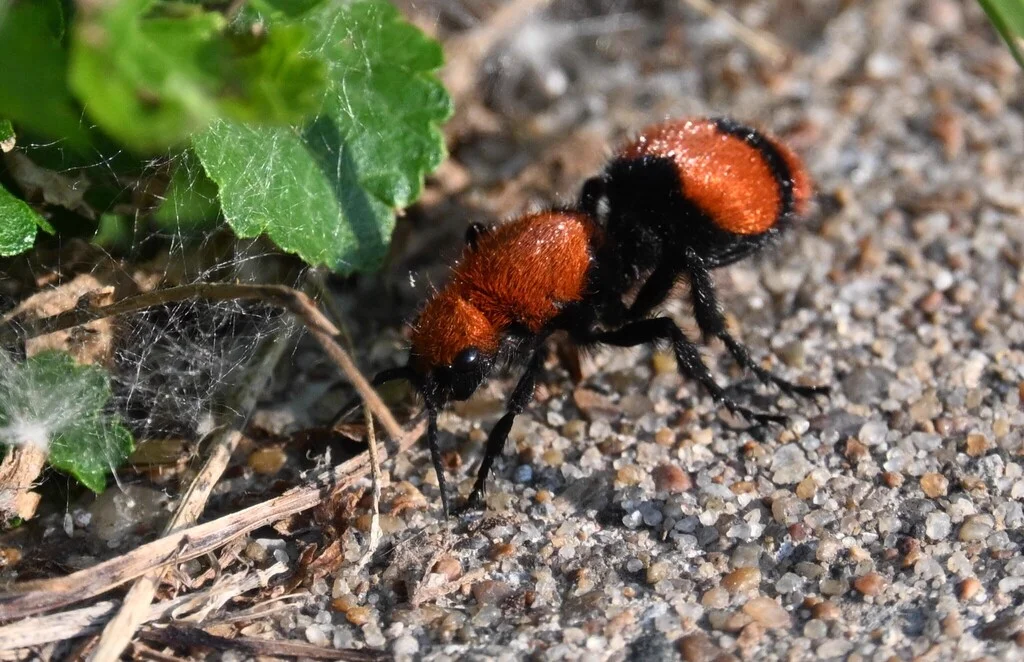
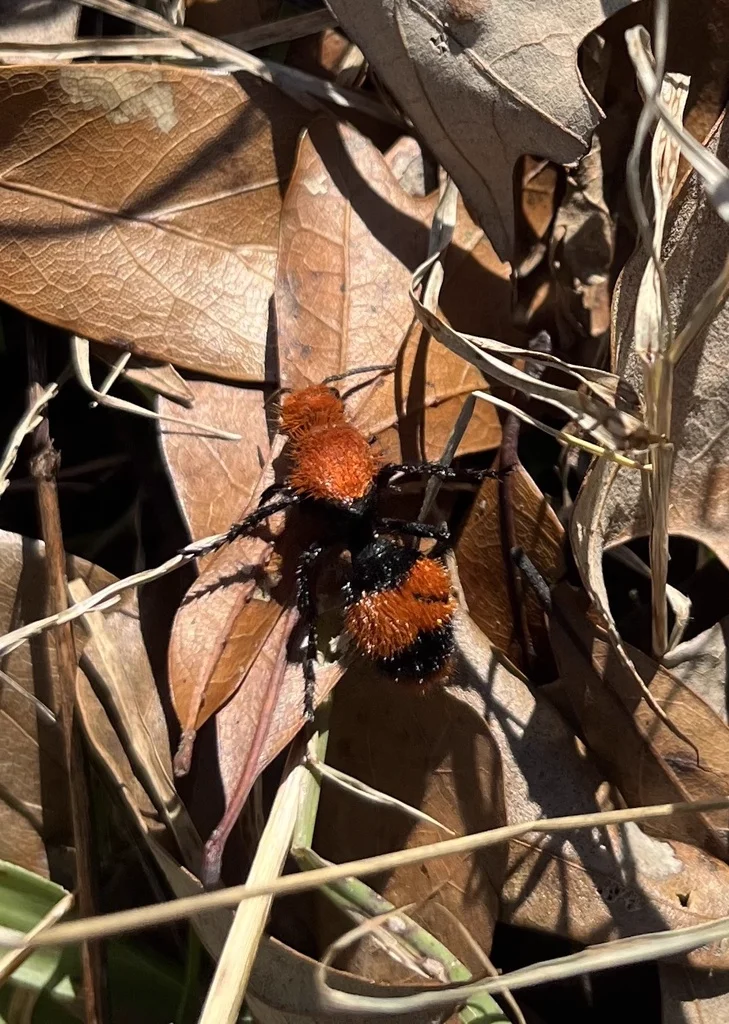
Cow killers are some of the most eye-catching insects you may find in your yard. People often call them “red velvet ants” or “cow killer ants,” but they are actually wingless female wasps. They grow to about 0.5 to 0.75 inches long. This makes them the largest velvet ant species in the eastern United States.
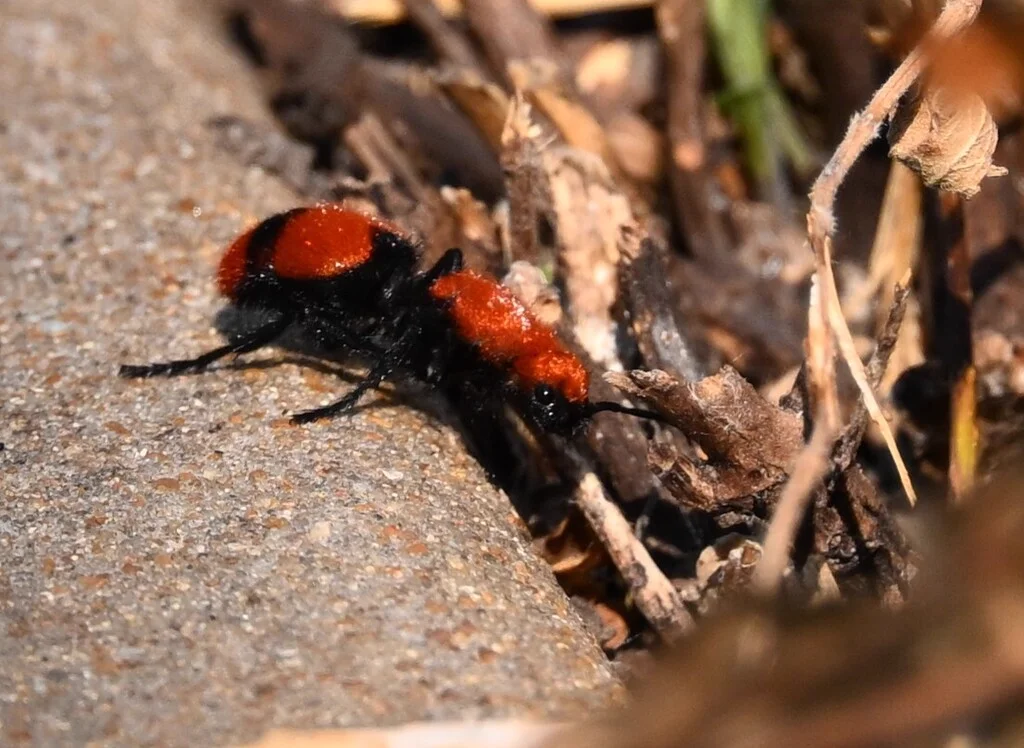
The most notable feature of cow killers is their dense, fuzzy hair covering their whole body. They show bright warning colors with a black body and vivid orange-red patches on the head, thorax, and abdomen. This bold coloring warns predators that they are dangerous.
Female cow killers are wingless and crawl along the ground. This is why people often mistake them for ants. Males look similar but have wings and can fly. Males cannot sting. Females have one of the most painful stings in the insect world.
Distinguishing Features
- Dense, fuzzy, velvety hair covering the body
- Bright orange-red and black coloration
- Wingless (females) with a robust, ant-like appearance
- Approximately 0.5-0.75 inches long
- Makes squeaking sounds (stridulation) when disturbed
- Fast-moving and evasive when threatened
Cow Killer Behavior and Biology
Cow killers are solitary wasps. They do not form colonies like social wasps or ants. Each female works alone, spending most of her time looking for hosts for her eggs.
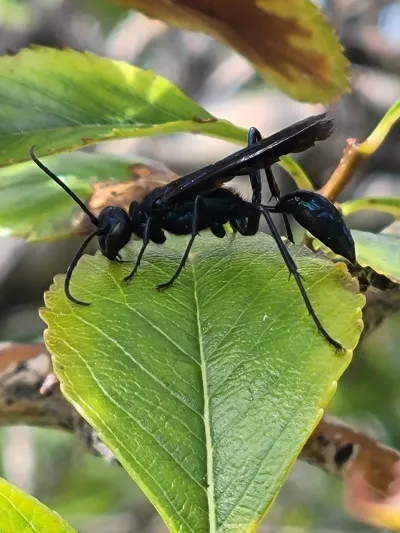
Life Cycle and Reproduction A related species, Great Black Wasps, shares similar characteristics.
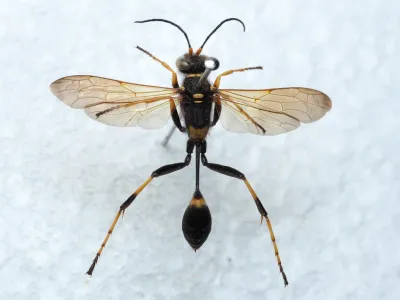
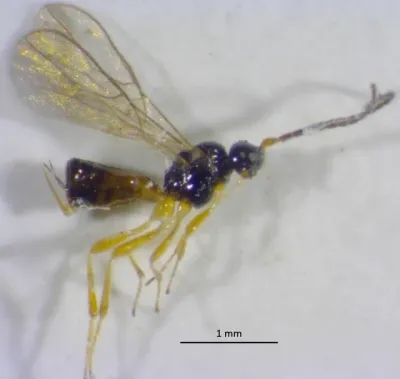
Cow killers have a parasitic life cycle. Males fly low over the ground looking for females. They find them through scent and the squeaking sounds females make. After mating, the male carries the female to a sheltered spot away from other males. A related species, Ichneumon Wasps, shares similar characteristics.
Females search for the nests of ground-nesting bees, mainly bumble bees. When she finds a nest, the female enters and lays her eggs inside. When the larvae hatch, they eat the host bee larvae. This is why cow killers are often found in areas where bumble bees and other ground-nesting wasps and bees live. A related species, Potter Wasps, shares similar characteristics.
Habitat Preferences
Cow killers prefer warm, dry, sandy environments. Common habitats include:
- Open fields and meadows
- Sandy areas and lawns
- Forest edges and clearings
- Areas with abundant ground-nesting bees
They are most commonly observed during the summer months, particularly in the warmer parts of their range from Connecticut to Florida and west to Texas and Kansas.
Defensive Strategies
Cow killers have several ways to defend themselves:
- Painful sting: Ranked 3 out of 4 on the Schmidt Sting Pain Index. The sting causes intense pain lasting about 30 minutes.
- Thick exoskeleton: Their hard outer shell makes them tough for predators to crush.
- Warning colors: Bright red-orange and black colors tell predators they are dangerous.
- Squeaking sounds: When threatened, they rub body segments together to make a warning squeak.
- Speed: They move fast and will quickly flee when disturbed.
- Chemical defense: They can release chemicals to drive off predators.
Treatment Methods for Cow Killers
Cow killers are solitary insects that do not infest homes or form colonies. However, if you see them often in busy areas of your yard, there are ways to reduce encounters.
-
Habitat changes: Reducing bare, sandy soil can make your property less attractive to cow killers and the bees they target.
-
Targeted treatment: Around pools or play areas where people go barefoot, residual insecticides applied to the ground can help reduce cow killer activity.
-
Footwear: The simplest step is to wear shoes in areas where cow killers have been seen, especially during summer.
-
Population control: Managing ground-nesting bee populations in specific areas may also reduce cow killer numbers.
If cow killers are showing up often in areas where people walk barefoot, treatment can help lower the sting risk. Contact a pest control professional to discuss targeted options for your property.
References
Other Wasps
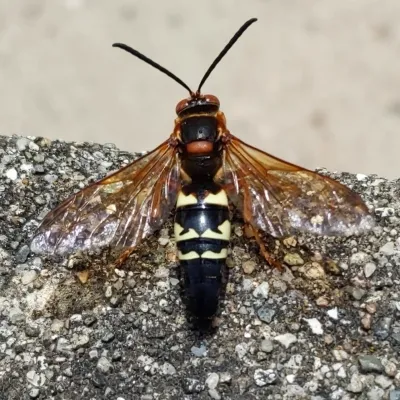
Explore other species in the wasps family
Commonly Confused With
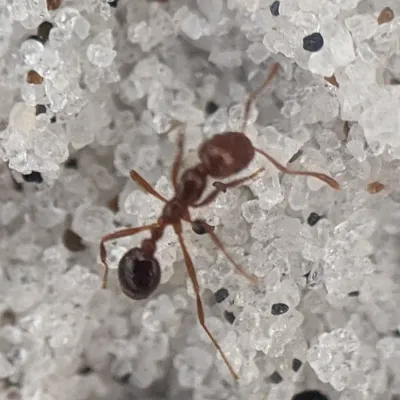
Cow Killers are often mistaken for these similar pests
Where Cow Killers Are Found
Hover over states to see their names. Green regions indicate where cow killers have been reported.
Common Questions about Cow Killers
Why are they called cow killers?
+
The name comes from the extremely painful sting, which folklore claims is painful enough to kill a cow. While this is an exaggeration, their sting ranks among the most painful of any insect, earning a 3 out of 4 on the Schmidt Pain Index.
Are cow killers actually ants?
+
Despite their common name and appearance, cow killers are not ants. They are wingless female wasps in the family Mutillidae. The males have wings but cannot sting. Females are often mistaken for large, fuzzy ants.
How dangerous is a cow killer sting?
+
While extremely painful, cow killer stings are rarely dangerous to healthy adults. The pain typically lasts about 30 minutes, with redness and swelling at the sting site. However, individuals with allergies to insect stings should seek medical attention if stung.
Where do cow killers live?
+
Cow killers are solitary wasps found in open, sandy areas including fields, meadows, lawns, and forest edges. Females are often seen crawling on the ground searching for ground-nesting bee and wasp nests to parasitize.
Do cow killers damage property?
+
No, cow killers do not cause property damage. They do not build nests in structures, tunnel into wood, or damage plants. They are solitary and only pose a risk if handled or stepped on barefoot.
When are cow killers most active?
+
Cow killers are most active during the warm summer months, typically from June through September. They are often seen during dusk or at night, though they may be active during the day as well.
Should I treat for cow killers in my yard?
+
Cow killers are solitary and do not form colonies, so they rarely require treatment. However, if you see them often in areas where people walk barefoot, targeted treatment around pools, play areas, or patios can help reduce the sting risk.
What do cow killers eat?
+
Adult cow killers drink nectar from flowers. Their larvae are parasitic and feed on the larvae of bumble bees and other ground-nesting bees and wasps.

With five years of hands-on experience in the pest control industry, George Schulz is a registered technician with the Virginia Pest Management Association and a proud third-generation professional in a family business that's been protecting homes for over 57 years. He manages and trains a team of service pros while also leading internal research efforts—recently spearheading a deep-dive review of thousands of documents on pest control materials to hand-pick the most kid and pet friendly, most effective solutions tailored specifically for homes in the DC metro area.