Braconid Wasps Identification Guide
Braconidae (Family)
Braconid wasps are small parasitic insects that target caterpillars and aphids. Learn to identify these harmless wasps and understand their behavior around your home and garden.
Taxonomy
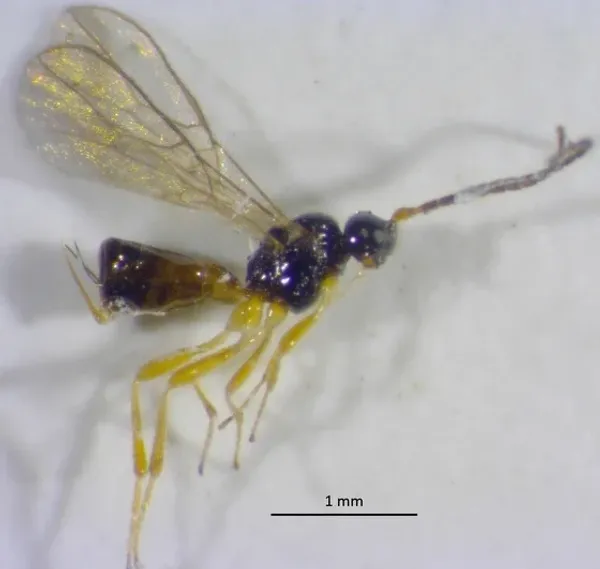
Braconid Wasps Coloration
Common color patterns to help identify braconid wasps
Braconid Wasps
Seasonal Activity
When braconid wasps are most active throughout the year

Where Braconid Wasps Are Found
Hover over states to see their names. Green regions indicate where braconid wasps have been reported.
Braconid Wasp Identification Guide
Physical Characteristics
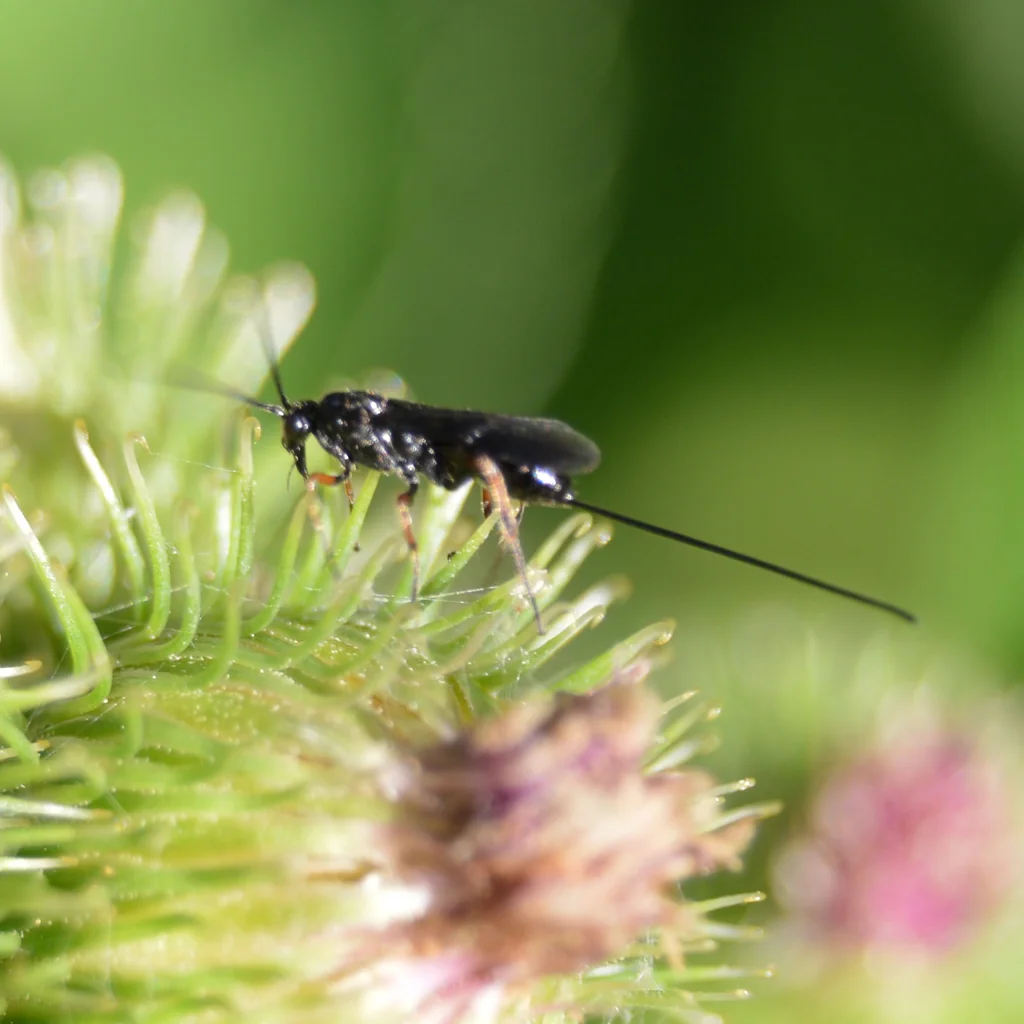
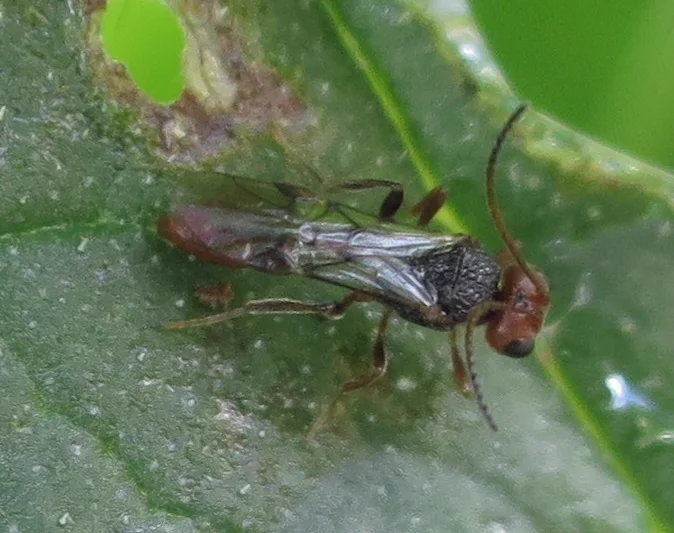
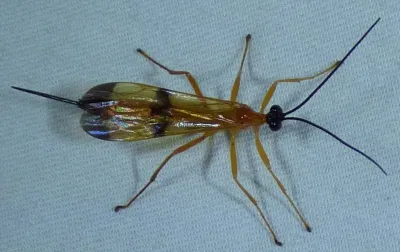
Braconid wasps are small, slender insects that most people overlook. They range from 2 to 15 millimeters in length. Most species measure less than half an inch. Their bodies are dark colored, typically black or brown. Many species have orange or reddish-brown abdomens that contrast with darker heads and thoraxes.
These wasps have narrow waists and long antennae with many segments. The antennae are often as long as or longer than the body. Their heads resemble ants, with large compound eyes on the sides. They have two pairs of clear or slightly tinted wings. Some species have banded or spotted wing patterns.
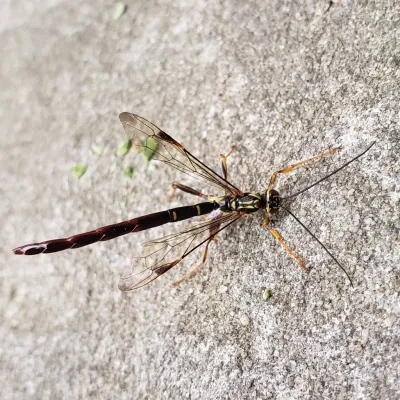
Female braconid wasps have a visible ovipositor extending from the rear of the abdomen. This egg-laying organ may be as long as the body itself in some species. It appears needle-like but is not a stinger. Males lack this structure and appear shorter overall.
Unlike stinging wasps, braconids have a calm demeanor. They move slowly and deliberately. They do not hover aggressively or defend territories. When disturbed, they simply fly away.
Common Species in North America
There are approximately 2,000 known braconid wasp species in North America. The family contains an estimated 17,000 species worldwide, with some researchers suggesting the true number may exceed 40,000. Here are some commonly encountered groups:
-
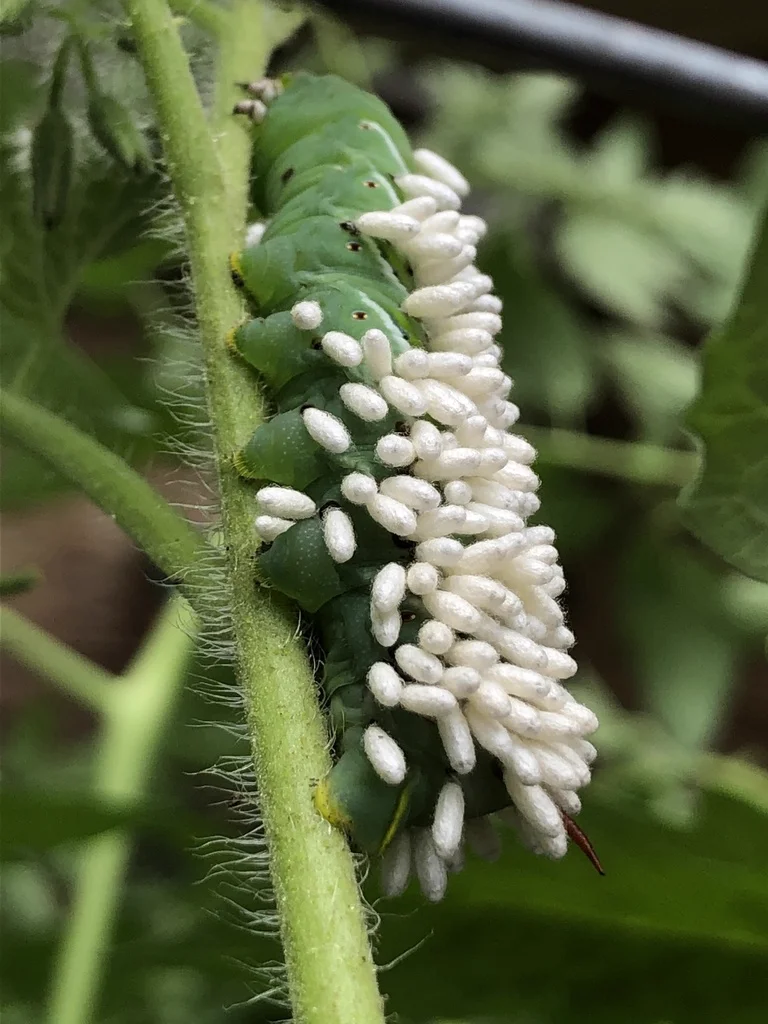
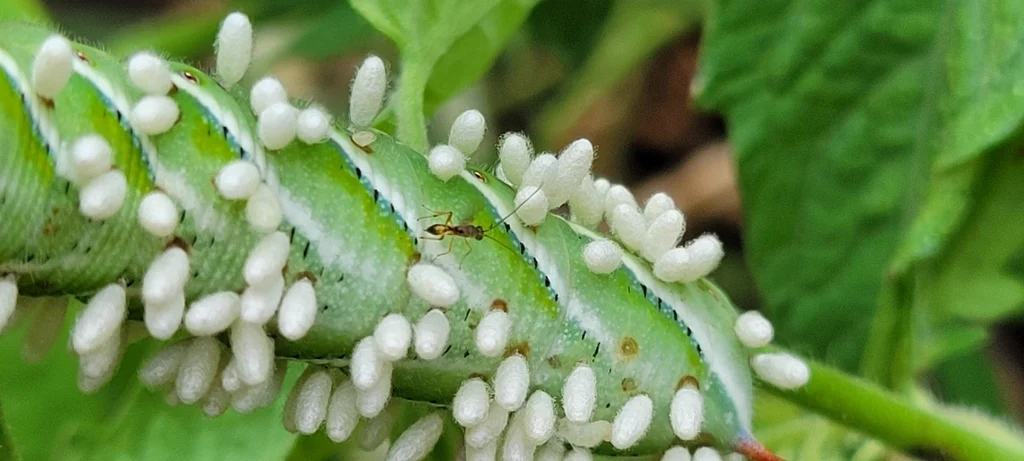
Cotesia species: These small wasps parasitize tomato hornworms, tobacco hornworms, and cabbage caterpillars. Their white cocoons are the familiar rice-like structures seen on dying caterpillars. Cotesia congregatus is especially common on hornworms.
-
Aphidius species: These tiny wasps target aphids. They lay eggs inside aphids, which become brown, puffy “mummies” as the wasp larvae develop inside. A single female can parasitize over 200 aphids.
-
Aleiodes species: Known as mummy wasps, these braconids cause their caterpillar hosts to become rigid and mummified. The wasp larva pupates inside the hardened caterpillar body.
-
Bracon species: These are larger braconids that often have yellow or orange markings. They parasitize beetle larvae, moth caterpillars, and other hosts.
Braconid Wasp Behavior and Biology
Life Cycle
Braconid wasps are parasitoids. This means their larvae develop by feeding on other insects, eventually killing the host. Unlike true parasites that keep hosts alive, parasitoids always cause host death. They belong to a large group of parasitic wasps that includes ichneumon wasps and many other families.
The cycle begins when a female braconid locates a suitable host insect. She uses her sensitive antennae to detect chemical signals and vibrations from potential hosts. Some species can sense caterpillars feeding on plants from the chemical changes in damaged leaves.
Once a host is found, the female inserts her ovipositor and lays eggs. Some species lay eggs inside the host. Others lay eggs on the outside. The number of eggs varies by species. Some lay a single egg per host. Others deposit dozens or even hundreds.
Eggs hatch within a few days. The larvae feed on the host’s body fluids and tissues. They typically avoid vital organs at first to keep the host alive longer. Feeding continues for one to several weeks depending on the species.
When ready to pupate, larvae may spin cocoons inside the host, on its surface, or nearby. The familiar white cocoons on hornworms appear when larvae chew through the caterpillar’s skin and spin their pupal cases on the outside. Adult wasps emerge about one to two weeks later.
Hunting and Host Location
Female braconid wasps have remarkable abilities to find hidden hosts. They detect chemical signals released by damaged plants when caterpillars feed. Some species can sense their hosts through several inches of plant tissue or wood.
Different braconid species specialize in different hosts. Some target only caterpillars. Others attack aphids, beetle larvae, flies, or other insects. This specialization makes them effective biological control agents. They focus their hunting on specific pest species.
Adults feed on nectar from flowers. They are especially attracted to small flowers with easily accessible nectar. Plants in the carrot family are favorites. This adult feeding provides energy for egg production and host searching.
Ecological Role
Braconid wasps play a role in controlling insect populations. They parasitize pest caterpillars, aphids, and beetle larvae. This provides a form of natural pest reduction in gardens and agricultural settings.
Some braconid species have been intentionally released as biological control agents. They have been used against emerald ash borers, tomato hornworms, and various agricultural pests. Their host specificity means they target specific pest species.
Gardens with diverse plantings support larger populations of braconid wasps. Their presence often indicates an established insect ecosystem.
Living with Braconid Wasps
Are They a Problem?
Braconid wasps pose no threat to humans. They cannot sting. They have no interest in human food or activities. They will not build nests on your home or become a nuisance. For most homeowners, braconid wasps require no management at all.
These wasps parasitize garden pests like tomato hornworms, cabbage worms, and aphids. A population of braconid wasps can reduce damage from these common garden pests.
Attracting Braconid Wasps
Gardeners who want more braconid wasps in their landscape can try these approaches:
-
Plant nectar sources: Grow herbs from the carrot family and let them flower. Dill, fennel, parsley, cilantro, and Queen Anne’s lace are good choices. Yarrow and sweet clover also attract braconids.
-
Reduce pesticide use: Broad-spectrum insecticides affect braconid wasps along with target pests. Braconid wasps are sensitive to many pesticides. If treatment is needed, use targeted products and apply them carefully.
-
Leave parasitized caterpillars: When you see a caterpillar covered in white cocoons, you can leave it alone. Those cocoons contain developing braconid wasps. Removing the caterpillar removes the wasps as well.
-
Provide habitat: Maintain diverse plantings with different flower types. Ground cover and mulch provide shelter for overwintering adults.
When Braconids Appear Indoors
Braconid wasps occasionally enter homes. They may be attracted to lights at night. They may also emerge from produce or houseplants if a parasitized caterpillar was brought inside.
Since these wasps cannot sting, there is no cause for concern. Simply open a window or door and guide them outside. They will not establish colonies indoors and their presence is always temporary.
If you frequently find small wasps indoors, check houseplants for caterpillars or aphids. The wasps may be emerging from parasitized pests on your plants.
References
Other Wasps
Explore other species in the wasps family
Commonly Confused With
Braconid Wasps are often mistaken for these similar pests
Where Braconid Wasps Are Found
Hover over states to see their names. Green regions indicate where braconid wasps have been reported.
Common Questions about Braconid Wasps
Are braconid wasps dangerous to humans?
+
No, braconid wasps are completely harmless to humans. They do not sting people. The long needle-like appendage on females is an ovipositor used for laying eggs in host insects, not a stinger. They have no interest in attacking humans and pose no threat to people or pets.
What are the white cocoons on caterpillars?
+
The white rice-shaped cocoons commonly seen on tomato hornworms and other caterpillars are braconid wasp pupae. Female braconid wasps laid eggs inside the caterpillar. The larvae fed inside the host, then emerged and spun these silk cocoons on the outside. The caterpillar will die as the adult wasps emerge.
Should I kill caterpillars with white cocoons?
+
You can leave caterpillars with white cocoons alone. The braconid wasps inside those cocoons will emerge and parasitize more pest caterpillars in your garden. The caterpillar is already dying and poses no further threat to plants.
How do I attract braconid wasps to my garden?
+
Plant flowers from the carrot family like dill, fennel, parsley, and cilantro. Let these herbs flower rather than harvesting all the leaves. Adult braconid wasps feed on nectar from small flowers. Avoid broad-spectrum pesticides when possible.
What pests do braconid wasps control?
+
Braconid wasps parasitize many common garden pests. They target tomato hornworms, cabbage worms, armyworms, tent caterpillars, aphids, and beetle larvae. Different braconid species specialize in different hosts. Their presence helps keep pest populations in check naturally.
How can I tell braconid wasps from other wasps?
+
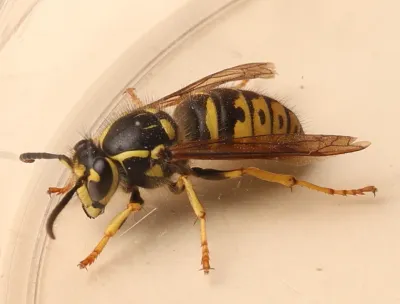
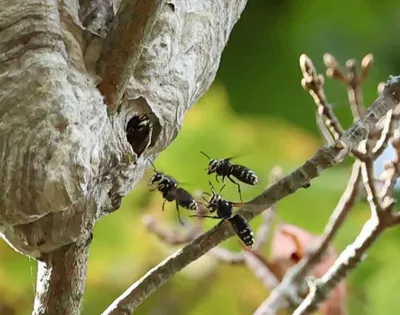
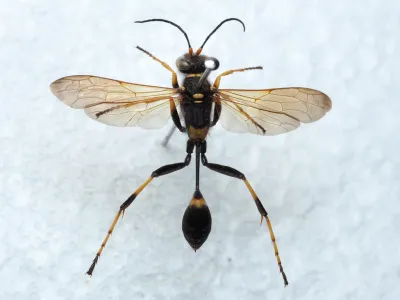
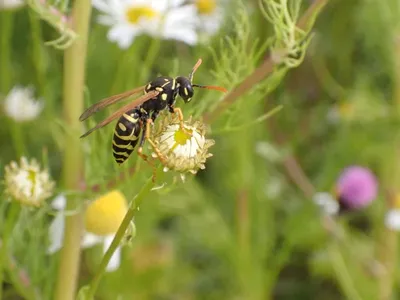
Braconid wasps are much smaller than stinging wasps like [yellowjackets](/pests/wasps/yellowjackets/) or [paper wasps](/pests/wasps/paper-wasps/). Most are under half an inch long. They have slender bodies with long antennae and often a visible ovipositor. They move slowly and deliberately rather than the quick, aggressive flight of stinging wasps. They never show defensive behavior toward humans.
Why are braconid wasps in my house?
+
Braconid wasps may enter homes by accident, often attracted to lights at night. They may also emerge indoors if you brought in produce or plants with parasitized caterpillars. Since they cannot sting, simply guide them outside or let them leave on their own. Their presence indoors is temporary.

With five years of hands-on experience in the pest control industry, George Schulz is a registered technician with the Virginia Pest Management Association and a proud third-generation professional in a family business that's been protecting homes for over 57 years. He manages and trains a team of service pros while also leading internal research efforts—recently spearheading a deep-dive review of thousands of documents on pest control materials to hand-pick the most kid and pet friendly, most effective solutions tailored specifically for homes in the DC metro area.