Western Black-legged Tick Identification Guide
Ixodes pacificus
The Western black-legged tick is the primary vector of Lyme disease on the Pacific Coast. This small, dark-colored tick feeds on a variety of hosts and poses significant health risks to humans and pets in western North America.
Taxonomy
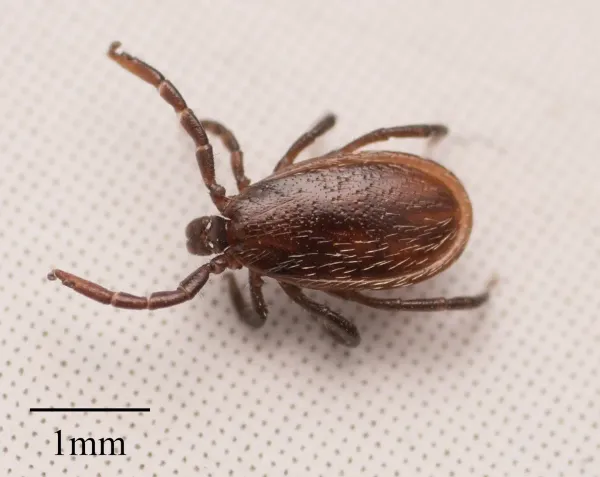
Western Black-legged Tick Coloration
Common color patterns to help identify western black-legged tick
Western Black-legged Tick
Seasonal Activity
When western black-legged tick are most active throughout the year

Where Western Black-legged Tick Are Found
Hover over states to see their names. Green regions indicate where western black-legged tick have been reported.
Western Black-legged Tick Identification Guide
Physical Characteristics
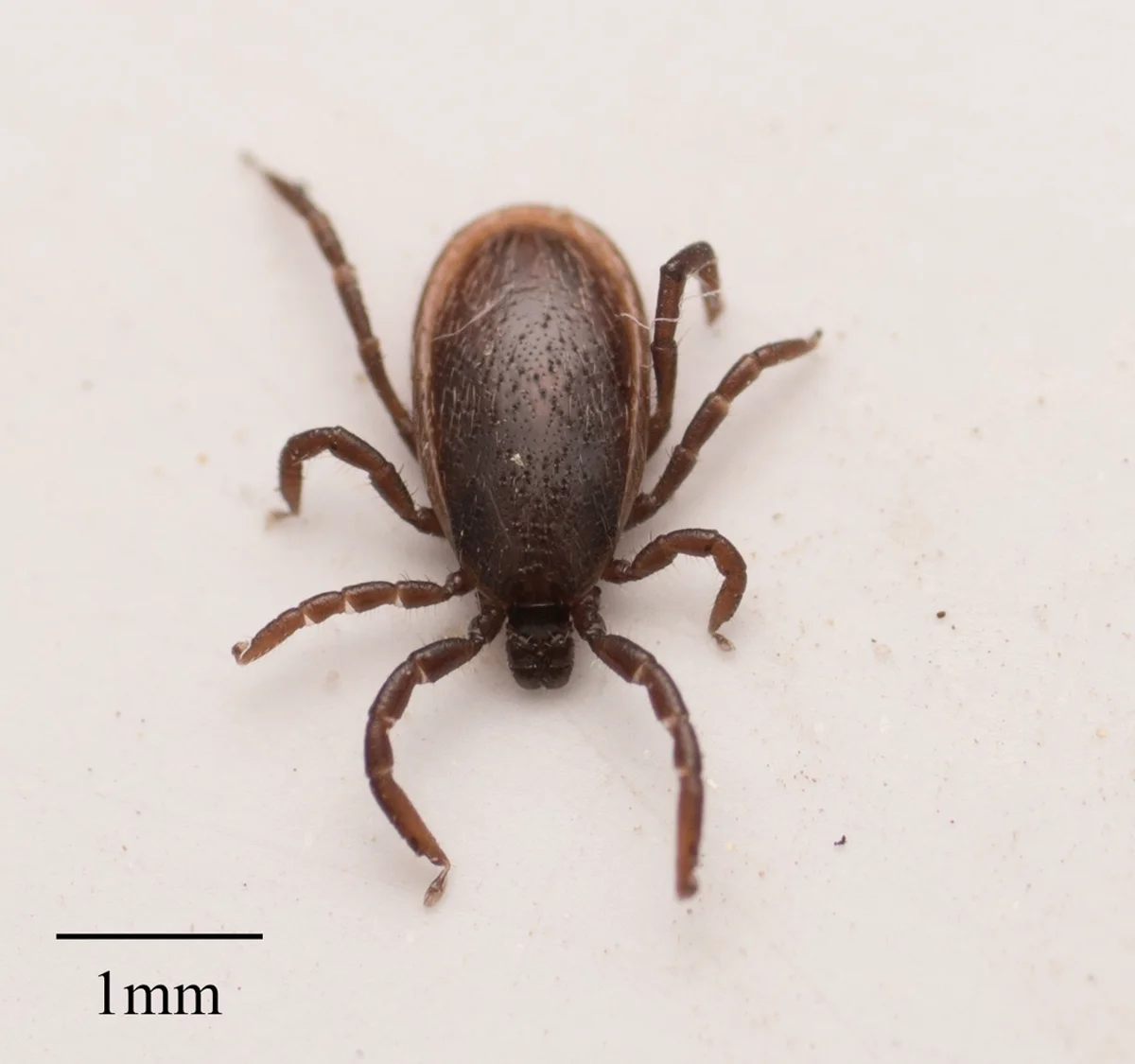
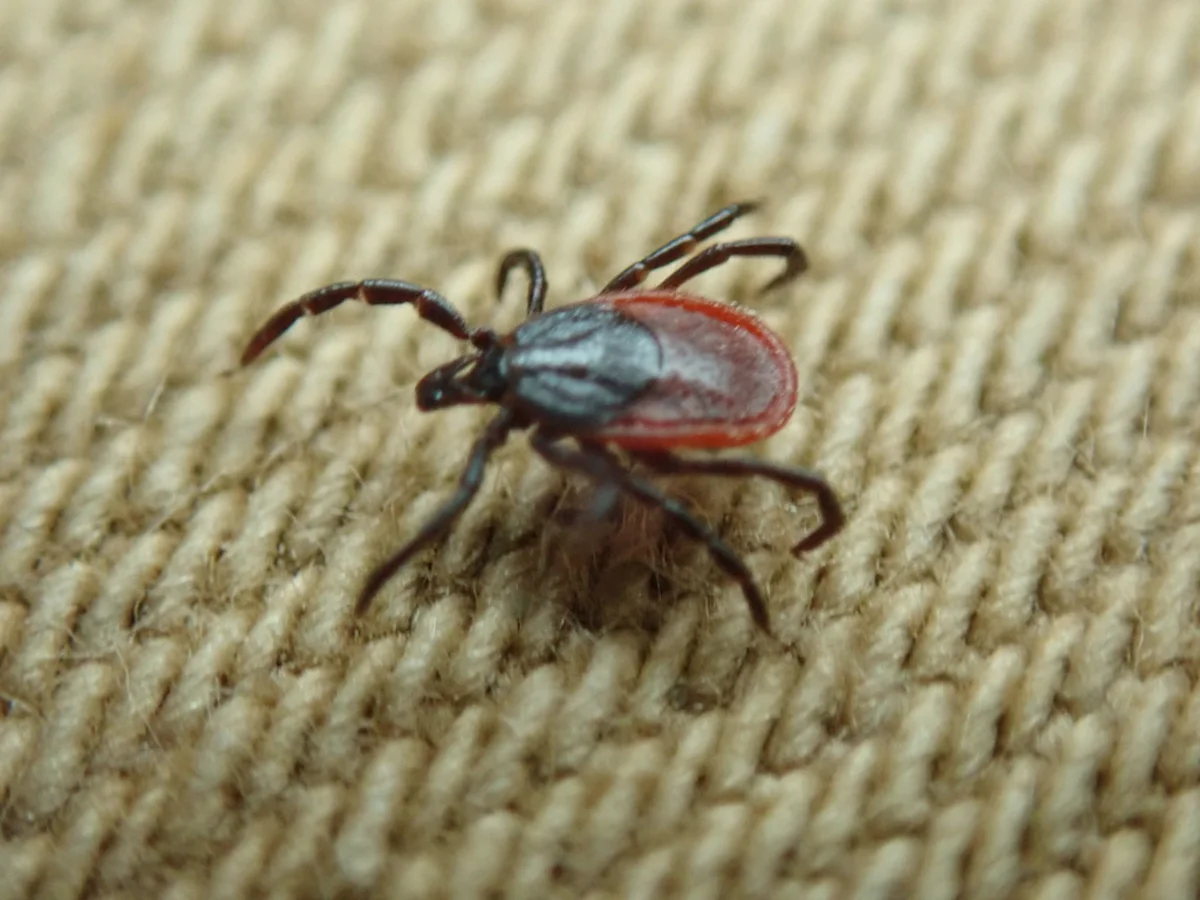
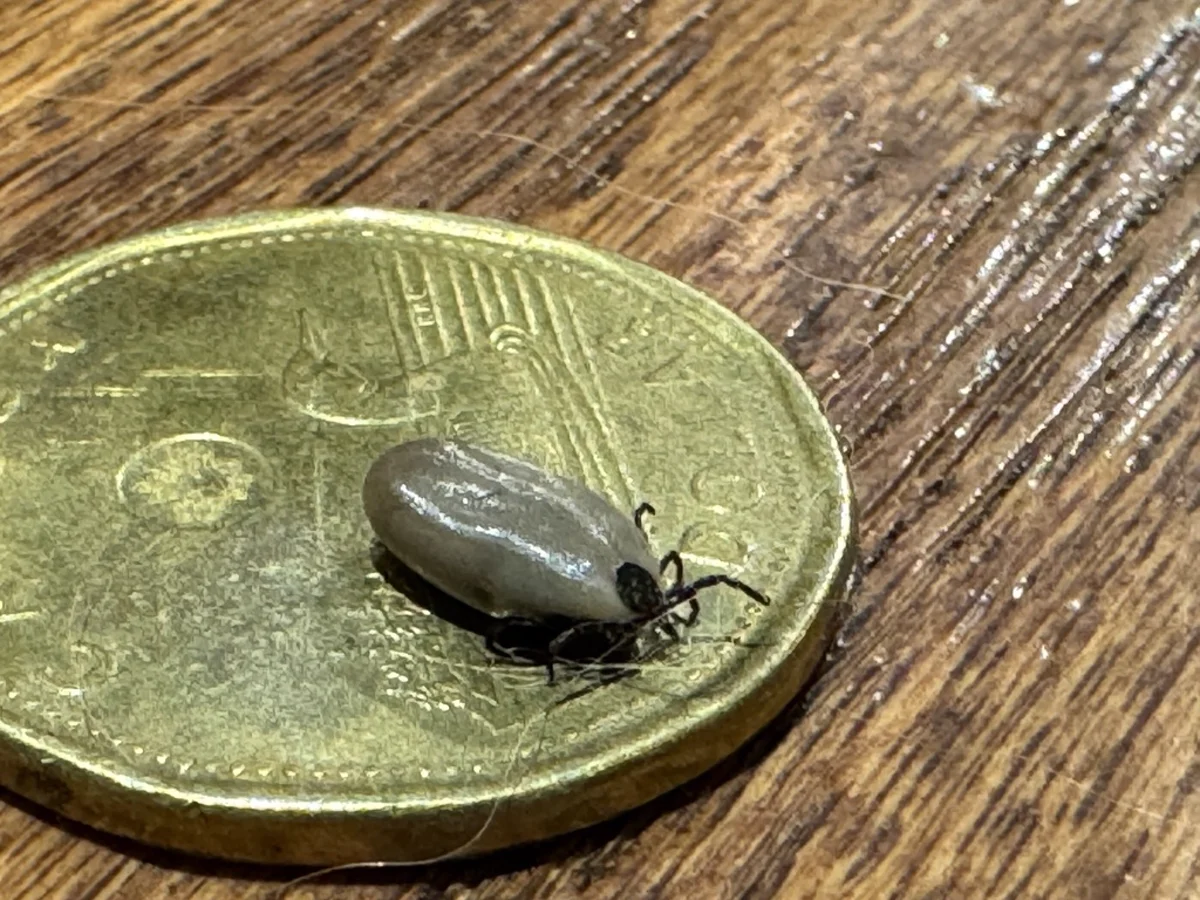
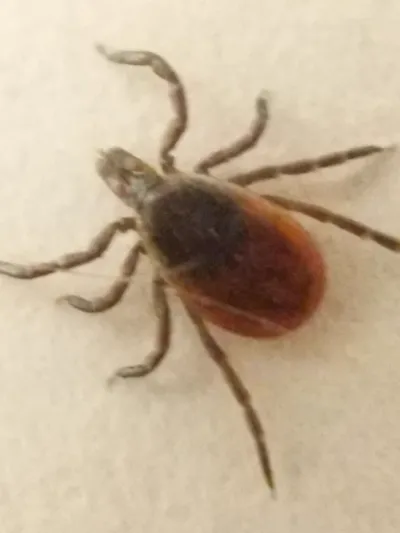
The Western black-legged tick (Ixodes pacificus) is a small tick found along the Pacific Coast of North America. Adult females measure 2.5 to 4 millimeters long before feeding. They have a dark brown to black shield with a reddish-brown body. Males are smaller at 2 to 3 millimeters. They are dark brown or black all over.
Like all ticks, adults and nymphs have eight legs. Larvae have only six legs. The mouthparts are long and thin, made for piercing skin and holding on while feeding. The body is flat and oval when unfed. After feeding, it swells up and becomes round. It can grow to three times its normal size.
Nymphs spread disease more often than adults because they are tiny. They are about the size of a poppy seed and hard to spot on skin. Their dark color helps them hide in soil and leaf litter.
Common Species in the Genus
-
Ixodes pacificus (Western black-legged tick): The main carrier of Lyme disease on the Pacific Coast. Found from British Columbia to Baja California.
-
Ixodes scapularis (Eastern black-legged tick): Also called the deer tick. The main carrier of Lyme disease in the eastern United States.
-
Ixodes spinipalpis: Found in the western U.S. Feeds mostly on rodents and rarely bites people.
Western Black-legged Tick Behavior and Biology
Western black-legged ticks live for about two years. They go through four stages: egg, larva, nymph, and adult. After hatching, each stage needs a blood meal to grow to the next stage. This tick feeds on many hosts, including lizards, rodents, deer, dogs, and humans.
Host Preferences A related species, American Dog Tick, shares similar characteristics.
Western fence lizards play a key role in tick biology on the West Coast. Larvae and nymphs often feed on these lizards. The lizard’s blood has a protein that kills the Lyme disease bacteria (Borrelia burgdorferi). This is one reason Lyme disease rates are lower on the West Coast than in the Northeast. A related species, Dog Ticks, shares similar characteristics.
Adults prefer larger animals like deer. Deer help tick populations grow but do not get Lyme disease themselves.
Seasonal Activity
Adult Western black-legged ticks are most active in cooler months from October through May. They slow down in hot, dry summer weather. Nymphs are active in spring and early summer, from March through June. Most human Lyme cases happen during this time. Nymphs are so small that people often miss them on their skin.
Habitat
Western black-legged ticks live in humid, vegetated areas such as:
- Oak woodlands and mixed hardwood forests
- Grasslands next to wooded areas
- Chaparral and coastal scrub
- Leaf litter and fallen logs
- Areas with thick underbrush
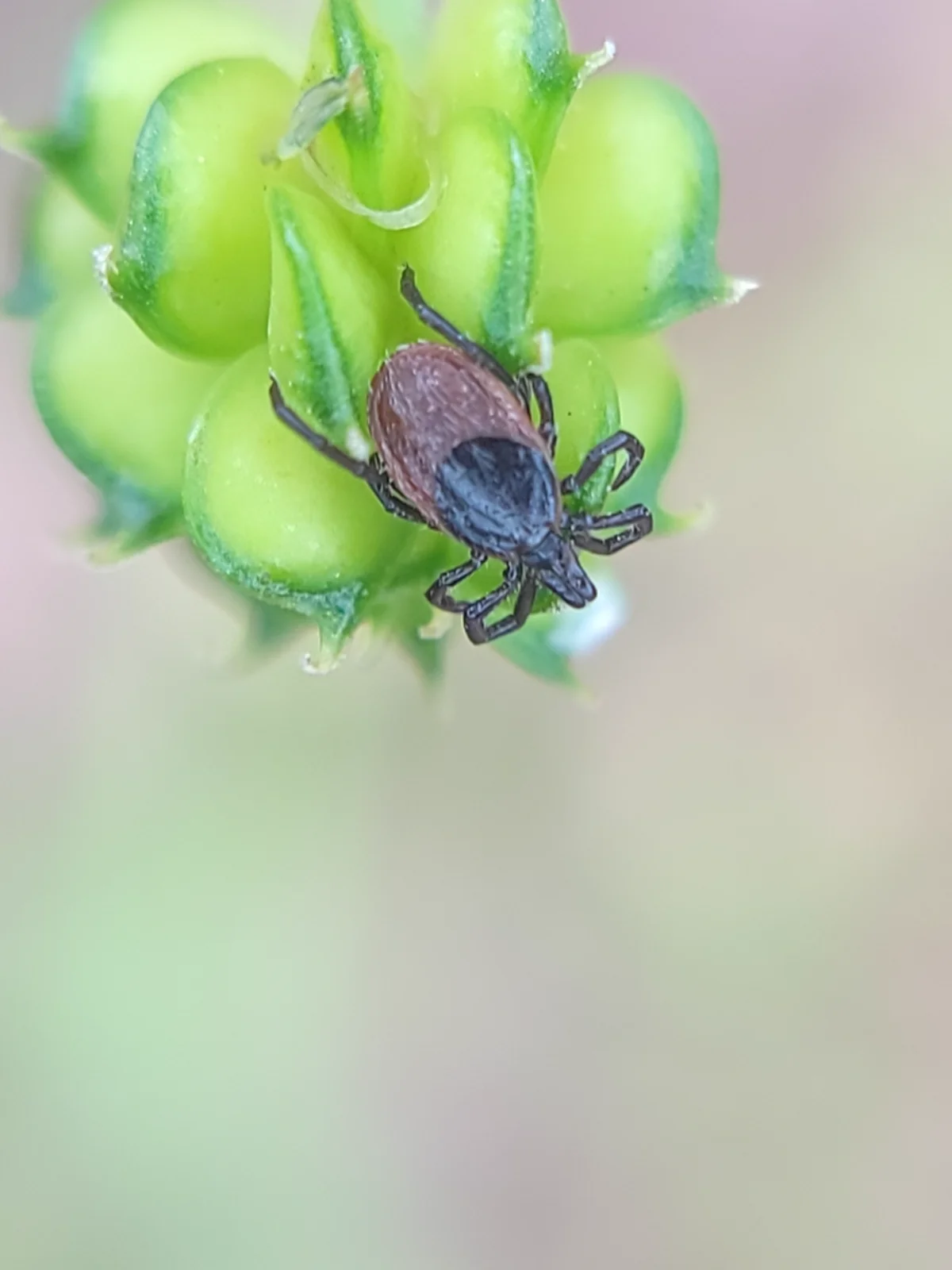
Ticks find hosts through a behavior called “questing.” They climb onto plants and stretch out their front legs. When an animal or person brushes past, the tick grabs on. Ticks cannot jump or fly.
Treatment Methods for Western Black-legged Ticks
Good tick control combines yard work with professional treatments. These methods work well against Western black-legged ticks:
-
Yard cleanup: Remove leaf litter, clear brush, and keep grass short. Put a 3-foot strip of wood chips or gravel between your lawn and wooded areas. This stops ticks from moving into your yard.
-
Animal control: Fewer deer and rodents near your home means fewer tick hosts. Deer fencing and rodent control can help.
-
Professional treatments: Pest control companies apply EPA-registered tick-killing products to yard edges and shaded, damp areas. These treatments can cut tick numbers a lot.
-
Personal protection: Use repellents with DEET or permethrin. Wear long sleeves and pants in tick areas. Check yourself for ticks after time outdoors.
-
Pet protection: Dogs can get Lyme disease and other tick illnesses. Use tick prevention products from your vet all year in areas with ticks.
Health Risks and Tick-Borne Diseases
The Western black-legged tick is the main carrier of Lyme disease on the Pacific Coast, while its eastern relative, the black-legged tick, fills that role in the eastern U.S. Other tick species in western regions include the Pacific Coast tick and Rocky Mountain wood tick. The Western black-legged tick can also spread:
-
Lyme disease: Caused by the bacteria Borrelia burgdorferi. Early signs include fever, headache, tiredness, and often a “bull’s-eye” rash. Without treatment, the infection can spread to joints, the heart, and the nervous system.
-
Anaplasmosis: Caused by bacteria called Anaplasma phagocytophilum. Signs include fever, headache, muscle pain, and chills. These usually show up one to two weeks after a tick bite.
-
Babesiosis: A rare infection caused by parasites called Babesia. It attacks red blood cells and causes flu-like symptoms. Some people have no symptoms at all. Others get very sick.
Medical Disclaimer: This page is for learning only and is not medical advice. If you think a tick bit you or you have symptoms of a tick disease, see a doctor right away.
References and Further Reading
Other Ticks
Explore other species in the ticks family
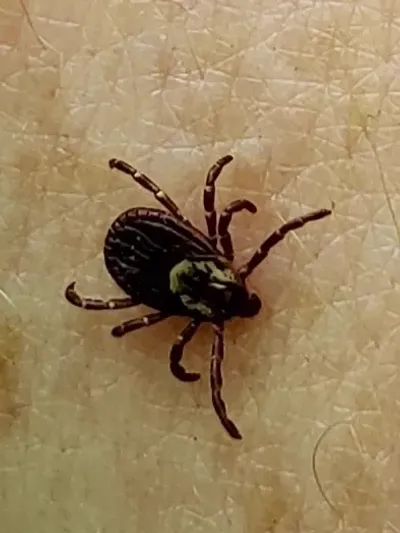
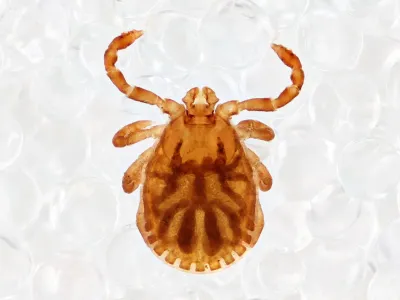
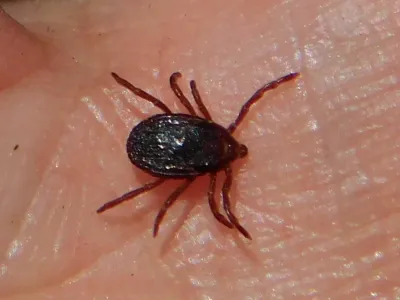
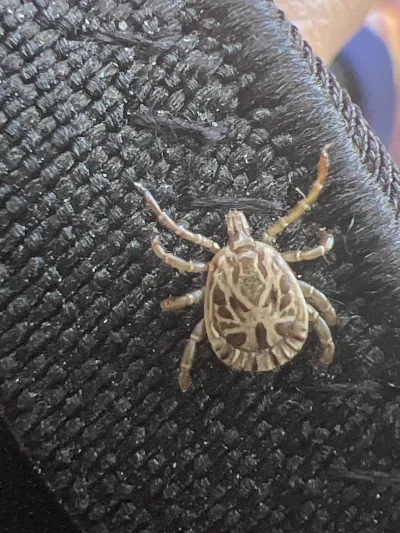
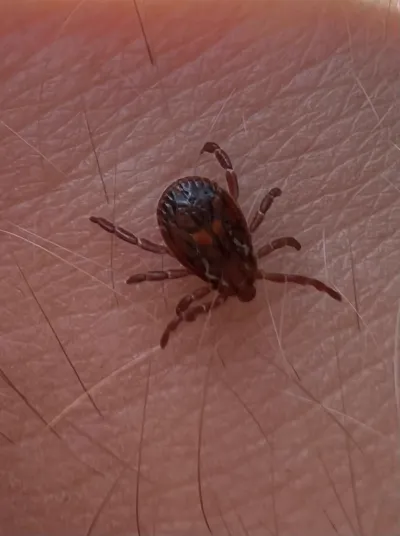
Commonly Confused With
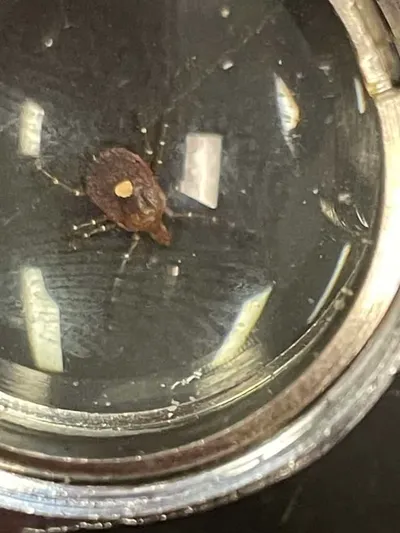
Western Black-legged Tick are often mistaken for these similar pests
Where Western Black-legged Tick Are Found
Hover over states to see their names. Green regions indicate where western black-legged tick have been reported.
Common Questions about Western Black-legged Tick
What diseases does the Western black-legged tick transmit?
+
The Western black-legged tick is the primary vector of Lyme disease on the Pacific Coast. It can also transmit anaplasmosis and, in rare cases, babesiosis. These diseases can cause serious health problems if not treated promptly.
Where are Western black-legged ticks found?
+
Western black-legged ticks live along the Pacific Coast from British Columbia to Baja California. They prefer humid, wooded areas with leaf litter, grasslands near forests, and chaparral habitats.
When are Western black-legged ticks most active?
+
Adult Western black-legged ticks are most active from late fall through early spring, unlike many other tick species. Nymphs are active in spring and early summer. Activity decreases during hot, dry summer months.
How can I identify a Western black-legged tick?
+
Adult females have a dark brown to black body with reddish-brown coloring near the mouthparts. Males are smaller and entirely dark brown or black. They are smaller than American dog ticks and have no distinctive markings like the lone star tick.
Are Western black-legged ticks the same as deer ticks?
+
Western black-legged ticks are closely related to Eastern black-legged ticks (deer ticks) but are a separate species. Both can transmit Lyme disease, but they live in different regions of North America.
What should I do if I find a Western black-legged tick on me?
+
Use fine-tipped tweezers to grasp the tick close to the skin. Pull upward with steady, even pressure. Do not twist or jerk the tick. Clean the bite area with rubbing alcohol or soap and water. Watch for symptoms of tick-borne illness.
How can I protect myself from Western black-legged ticks?
+
Wear long pants and sleeves when hiking in tick habitat. Use EPA-registered repellents containing DEET or permethrin. Stay on cleared trails and avoid brushing against vegetation. Check yourself, children, and pets for ticks after outdoor activities.

With five years of hands-on experience in the pest control industry, George Schulz is a registered technician with the Virginia Pest Management Association and a proud third-generation professional in a family business that's been protecting homes for over 57 years. He manages and trains a team of service pros while also leading internal research efforts—recently spearheading a deep-dive review of thousands of documents on pest control materials to hand-pick the most kid and pet friendly, most effective solutions tailored specifically for homes in the DC metro area.