Spinose Ear Ticks Identification Guide
Otobius megnini
Spinose ear ticks are soft-bodied parasites that infest the ear canals of livestock, pets, and occasionally humans. Unlike hard ticks, they complete their feeding stages inside the host's ears and can cause severe irritation and secondary infections.
Taxonomy
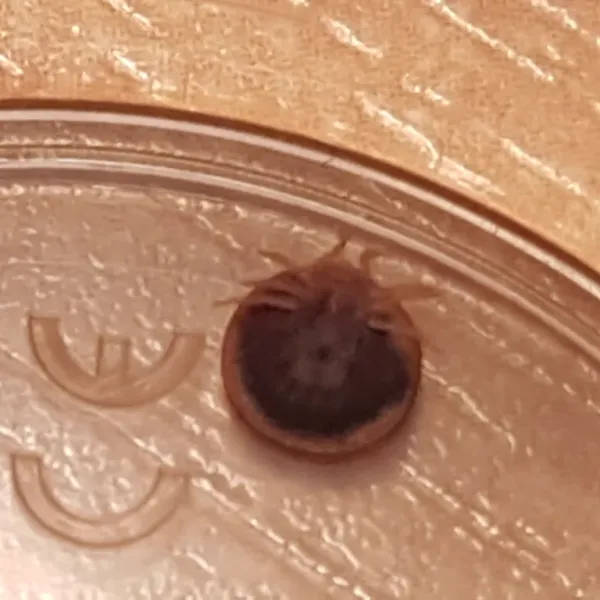
Spinose Ear Ticks Coloration
Common color patterns to help identify spinose ear ticks
Spinose Ear Ticks
Seasonal Activity
When spinose ear ticks are most active throughout the year
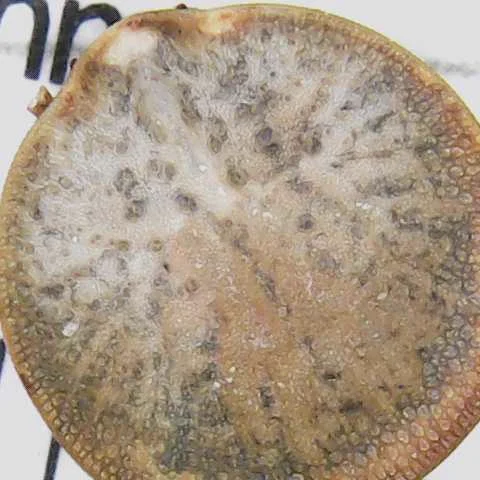

Where Spinose Ear Ticks Are Found
Hover over states to see their names. Green regions indicate where spinose ear ticks have been reported.
Spinose Ear Tick Identification Guide
Physical Characteristics
Spinose ear ticks belong to the soft tick family (Argasidae). This sets them apart from the hard ticks most people know. They do not have the hard plate (called a scutum) that covers the back of deer ticks and dog ticks. Their body feels leathery and flexible.
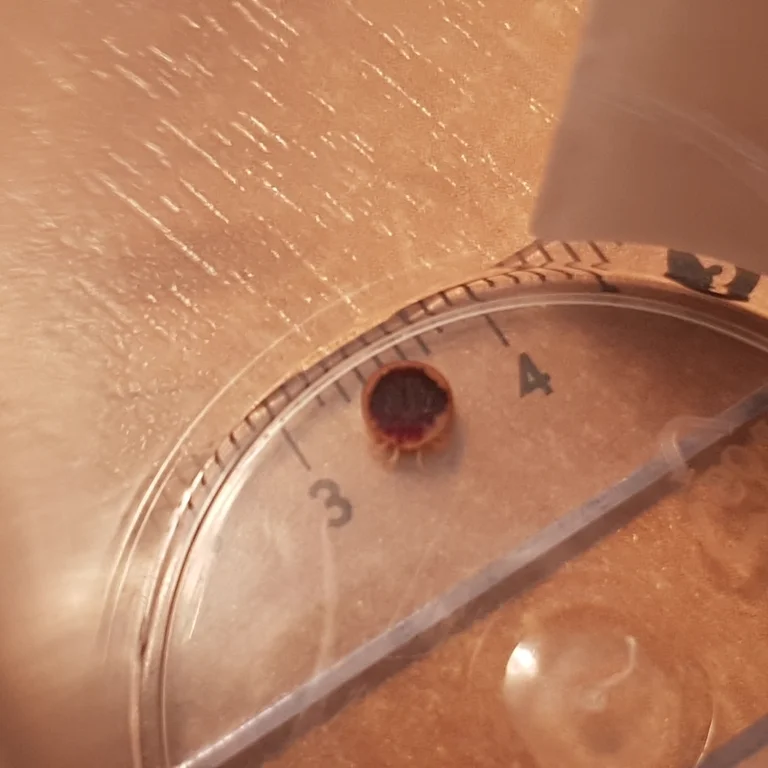
These ticks look very different at each life stage. Nymphs are the stage you will most often find on animals. When full of blood, nymphs measure 7-10 mm and have a violin-shaped body that pinches in the middle. Tiny backward-pointing spines cover their body surface. These spines give the tick its common name. Unfed nymphs look ivory to reddish-brown. After feeding, they turn grayish-blue.
Adult spinose ear ticks look different from nymphs. Adults are blue-gray with yellow legs and mouthparts. Females measure 5-8 mm long. Males are a bit smaller. Adults do not have the spiny covering that nymphs have. Their body has a bumpy texture instead.
Larvae are very small at 2-3 mm. They have six legs instead of the eight legs found on nymphs and adults. Like nymphs, larvae have the spiny body covering.
How to Tell Spinose Ear Ticks Apart from Other Ticks
Several features help you tell spinose ear ticks apart from other ticks in North America.
Soft body. Spinose ear ticks do not have the hard shield that covers the back of most ticks. When you press on them, their body feels leathery, not rigid.
Location on animal. Hard ticks attach to many parts of the body. Spinose ear ticks only target the ear canal. Finding ticks deep in an animal’s ears is a strong sign of this species.
Body shape. Fed nymphs have a violin or fiddle shape with a pinched middle. Hard ticks become more round when they feed.
Spiny surface. Tiny spines cover the nymphs. This gives them a rough, grainy look that other ticks do not have.
Spinose Ear Tick Behavior and Biology
Life Cycle
Spinose ear ticks have a single-host life cycle. This means larvae and nymphs feed on the same animal. However, they grow differently than most ticks.
Female ticks lay eggs in protected spots on the ground, in cracks, or in animal bedding. One female can produce up to 500 eggs over two to four weeks. Eggs hatch in about three weeks when conditions are right.
After hatching, larvae climb onto plants, fence posts, or barn walls. They wait for a host to pass by. Larvae can survive for two to four months without feeding. When a host brushes past, larvae grab on and move toward the ears.
Once inside the ear canal, larvae attach and start feeding. They stay in the ear for 5-10 days before they molt into nymphs. Nymphs keep feeding inside the ear canal. This stage can last from one to seven months. The long feeding time is unusual for ticks. It allows many ticks to build up inside the ear. A related species, American Dog Tick, shares similar characteristics.
When nymphs finish feeding, they drop off the animal onto the ground. Then they molt into adults. Adult spinose ear ticks do not feed at all. They get moisture from the air to survive while they mate and lay eggs. This is another unique trait of this species.
The full life cycle takes at least five months. In cooler climates, it usually spans about one year.
Feeding Behavior
Spinose ear ticks only feed inside the ear canal of their hosts. Larvae and nymphs use their mouthparts to attach to the ear lining. They feed on blood and tissue fluids. Being deep in the ear canal protects them from grooming.
The spines on the nymph’s body point backward. This helps anchor the tick in place and makes it hard to remove. As nymphs feed, they release fluids that cause swelling and waxy buildup in the ear.
Habitat Preferences
Spinose ear ticks came from the dry regions of the southwestern United States and Mexico. They do well in hot, dry climates and are suited to desert areas.
When not on a host, these ticks hide in protected spots such as:
- Barns, stables, and animal shelters
- Cracks in fencing and structures
- Animal bedding and resting areas
- Caves and rocky areas used by wild animals
These ticks have spread beyond the Southwest. They now live in states along the Pacific Coast up to British Columbia. They also occur in south-central states and several southeastern states. They have spread to Australia, Africa, Asia, Central and South America, and parts of Europe.
Health Effects of Spinose Ear Tick Infestations
Spinose ear tick infestations cause major discomfort. They can lead to serious problems in affected animals.
Direct Effects
Feeding ticks cause swelling of the ear canal. This condition is called otoacariasis. Heavy infestations lead to:
- Waxy discharge and debris buildup
- Severe irritation and pain
- Sores in the ear canal tissue
- Holes in the eardrum in bad cases
- Rare cases of meningitis from spreading infection
Affected animals show signs like head shaking, ear scratching, drooping ears, and distress. Horses may sweat, paw, and have muscle tremors. Owners sometimes mistake these signs for colic.
Secondary Problems
Tick bites can become infected with bacteria. These infections increase swelling and pain. In severe cases, maggots may infest the damaged tissue.
Disease Transmission
Spinose ear ticks do not transmit diseases like deer ticks and lone star ticks do. Other soft ticks that can affect livestock and humans include fowl ticks and relapsing fever ticks. They do not cause tick paralysis. Still, the damage from infestations is serious and needs treatment.
Medical Disclaimer: This content is for learning only. It is not medical or veterinary advice. If you think you or your animals have a tick problem, see a doctor or vet for proper care.
Treatment Methods for Spinose Ear Ticks
Treating spinose ear tick problems means dealing with ticks on the animal and in the area around them.
On-Host Treatment
A vet applies tick-killing products (acaricides) directly to the ear canal. This is the standard treatment. A vet should do this to avoid harming the ear. Treatment may need to happen more than once to kill ticks at different life stages.
Cleaning out the wax, debris, and dead ticks from the ear helps reduce irritation. Bacterial infections may need antibiotics.
Environmental Management
Spinose ear ticks spend a lot of time off the host. Treating the area is key to stopping new infestations. Helpful steps include:
- Treating animal housing with tick-killing products
- Removing and replacing dirty bedding
- Sealing cracks where ticks hide
- Keeping animal housing clean and dry
Prevention Tips
Livestock owners can lower their risk of spinose ear tick problems with these steps:
- Check animal ears often, especially in warm months
- Treat infested animals quickly to stop tick numbers from growing
- Keep animal housing clean and well-aired
- Treat new animals before adding them to the group
- Work with a vet to make a tick prevention plan
In areas where spinose ear ticks live, regular checks and treatments may be needed to control them.
References and Further Reading
- Wikipedia - Otobius megnini
- University of Saskatchewan - Western College of Veterinary Medicine - Otobius megnini
- Texas A&M TickApp - Spinose Ear Tick
- U.S. Fish & Wildlife Service - Spinose Ear Tick
- University of Minnesota - Clinical Veterinary Diagnostic Laboratory - Common Soft Ticks
- PubMed - Life cycle of Spinose ear tick
Other Ticks
Explore other species in the ticks family
Commonly Confused With
Spinose Ear Ticks are often mistaken for these similar pests
Where Spinose Ear Ticks Are Found
Hover over states to see their names. Green regions indicate where spinose ear ticks have been reported.
Common Questions about Spinose Ear Ticks
What do spinose ear ticks look like?
+
Spinose ear ticks are soft-bodied ticks without the hard shell found on common ticks. Nymphs are gray to light brown with tiny backward-pointing spines covering their bodies, giving them a granular texture. Adults are blue-gray with yellow legs and mouthparts, measuring 4-8 mm long.
Where do spinose ear ticks live?
+
Spinose ear ticks prefer dry, hot environments. They are most common in the southwestern United States and Mexico but have spread to other regions. Off-host stages live in sheltered areas like barns, stables, and animal bedding where hosts rest.
What animals do spinose ear ticks infest?
+
Spinose ear ticks primarily infest cattle, horses, sheep, goats, and other livestock. They also affect dogs, cats, and wild animals like deer and elk. Humans can occasionally become hosts, though this is less common.
How long do spinose ear ticks stay in the ear?
+
Nymphal stages can remain feeding inside the ear canal for one to seven months. This extended feeding period is much longer than most other tick species and allows significant irritation to develop.
Do spinose ear ticks transmit diseases?
+
Unlike many other tick species, spinose ear ticks are not known to transmit disease-causing pathogens. However, they can cause severe ear inflammation, secondary bacterial infections, and in serious cases, damage to the eardrum.
How can I tell if my animal has spinose ear ticks?
+
Signs include head shaking, ear scratching, drooping ears, and waxy discharge from the ear canal. Horses may show sweating, pawing, and muscle tremors that can be mistaken for colic. A veterinarian can examine the ear canal to confirm an infestation.
How are spinose ear tick infestations treated?
+
Treatment typically involves direct application of acaricides (tick-killing products) to the affected ears by a veterinarian. Removing accumulated debris and treating secondary infections may also be necessary. Environmental treatment of animal housing areas helps prevent reinfestation.

With five years of hands-on experience in the pest control industry, George Schulz is a registered technician with the Virginia Pest Management Association and a proud third-generation professional in a family business that's been protecting homes for over 57 years. He manages and trains a team of service pros while also leading internal research efforts—recently spearheading a deep-dive review of thousands of documents on pest control materials to hand-pick the most kid and pet friendly, most effective solutions tailored specifically for homes in the DC metro area.