Soft Ticks Identification Guide
Argasidae
Soft ticks are leathery-bodied parasites that differ from common hard ticks. They feed quickly at night, live in sheltered habitats like burrows and caves, and can transmit tick-borne relapsing fever to humans.
Taxonomy
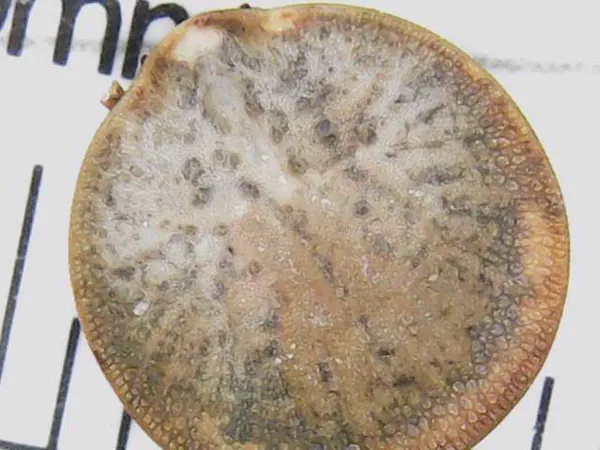
Soft Ticks Coloration
Common color patterns to help identify soft ticks
Soft Ticks
Seasonal Activity
When soft ticks are most active throughout the year
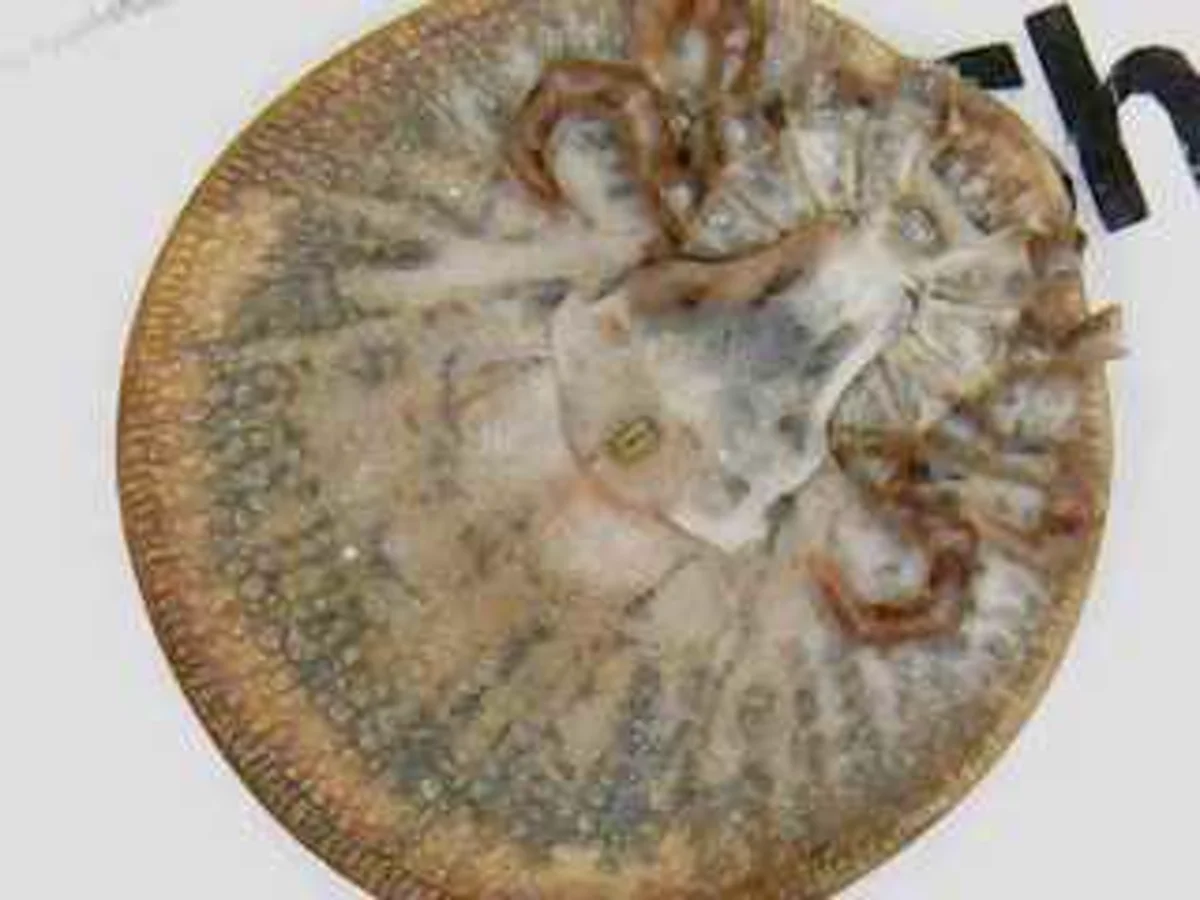

Where Soft Ticks Are Found
Hover over states to see their names. Green regions indicate where soft ticks have been reported.
Soft Tick Identification Guide
Physical Characteristics
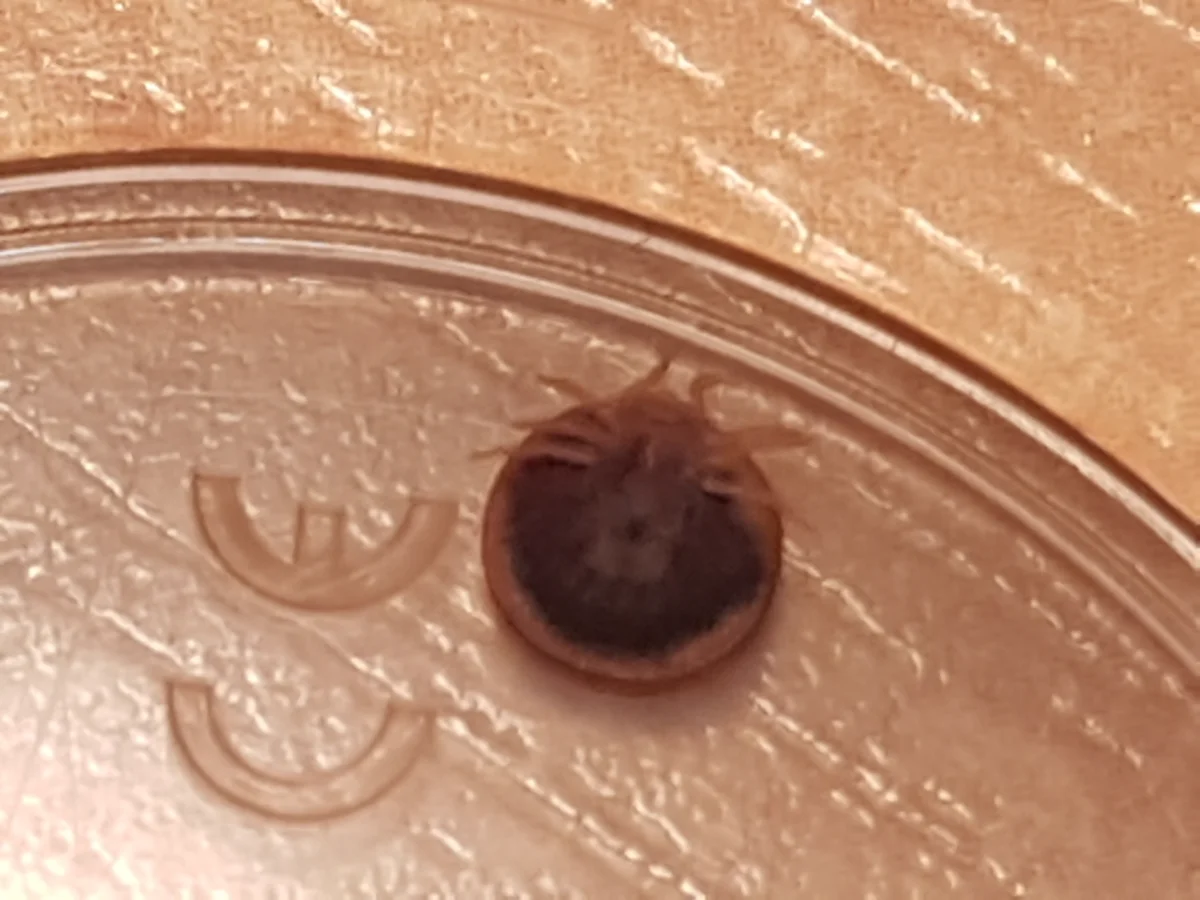
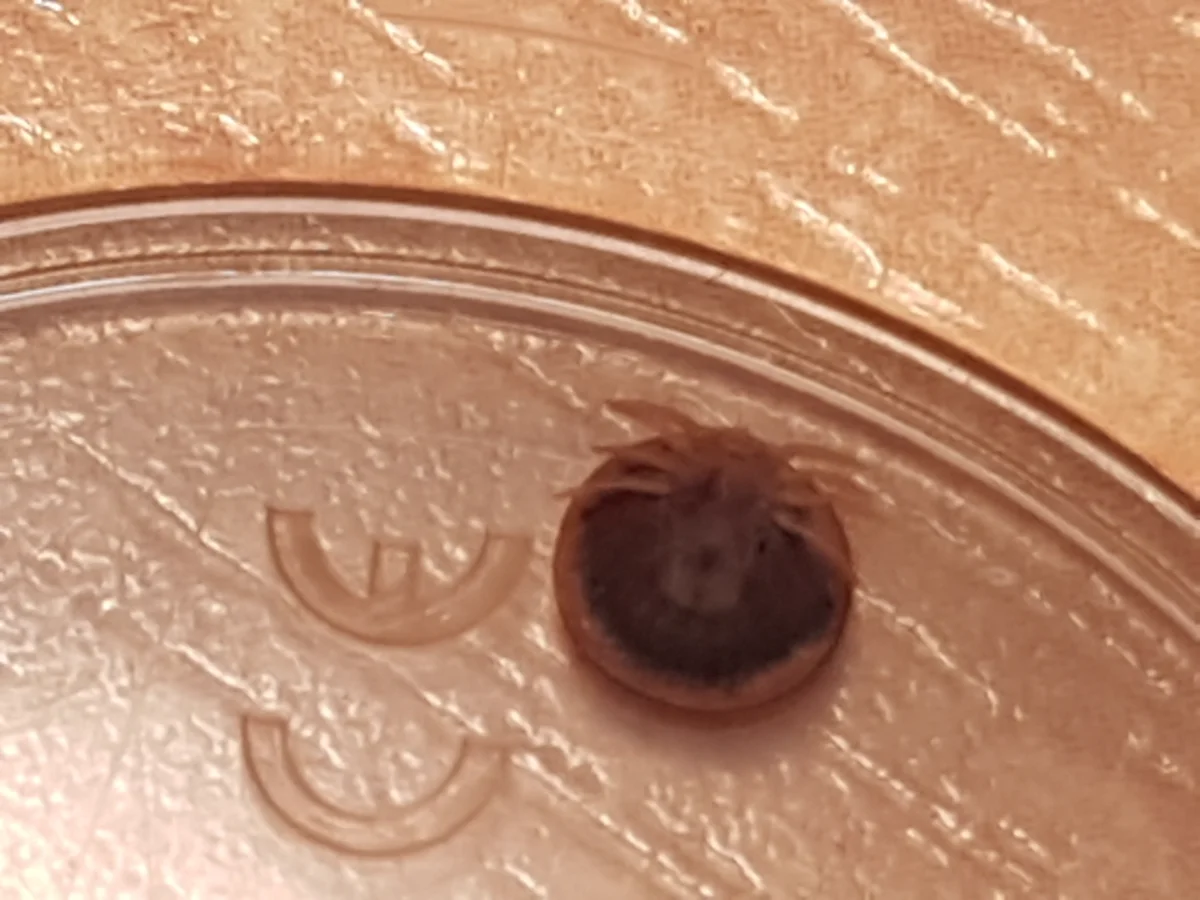
Soft ticks belong to the family Argasidae. They look quite different from the hard ticks most people know. The name “soft tick” comes from their body, which has no hard shield or plate. For a broader overview of all tick families, see our main tick guide. Instead, their outer covering is leathery and often wrinkled, giving them a texture similar to a raisin.
Adult soft ticks range from 5 to 13 millimeters long. Their body is oval and flat when unfed. After a blood meal, they swell to nearly twice their original size. The color varies from gray to tan, brown, or reddish-brown depending on the species and whether they have recently fed.
One key feature separates soft ticks from hard ticks. On soft ticks, the mouthparts sit on the underside of the body. You cannot see them when looking at the tick from above. Hard ticks have mouthparts that stick forward from the head and are easy to see from any angle.
Soft ticks have eight legs as nymphs and adults. Larvae have six legs. The body has a rounded edge without the festoons (small sections along the back edge) that many hard ticks display. Small circular pits mark the surface where muscles attach inside.
Common Soft Tick Species in North America
Several soft tick species live in North America. Each has different hosts and habitats.
Ornithodoros hermsi. This species lives in mountainous areas of western states. It transmits tick-borne relapsing fever and often lives in rodent-infested cabins at higher elevations.
Ornithodoros turicata. Found in the south-central United States, this tick lives in caves and animal burrows. It also spreads relapsing fever bacteria.
Argas persicus. Called the fowl tick or poultry tick, this species feeds on chickens and other birds. It can cause anemia in heavy infestations.
Otobius megnini. Known as the spinose ear tick, this species affects cattle, horses, and other livestock. The larvae and nymphs feed inside the ear canal of their hosts.
Soft Tick Behavior and Biology
Feeding Habits
Soft ticks feed very differently from hard ticks. While a deer tick may stay attached for several days, a soft tick finishes its meal in 15 to 60 minutes. Some complete feeding in even less time.
These ticks feed mainly at night. They emerge from their hiding spots when hosts are resting or sleeping. The tick attaches, feeds quickly, and then drops off before the host wakes. This quick, nighttime feeding means people often have no idea they were bitten.
Soft ticks take multiple blood meals throughout their lives. A single tick may feed dozens of times over many years. Each female lays small batches of 20 to 50 eggs after feeding, rather than laying one large egg mass like hard ticks do.
Life Cycle
The soft tick life cycle includes more stages than hard ticks. After hatching from eggs, soft ticks go through one larval stage and then four to seven nymphal stages before becoming adults. Each stage requires at least one blood meal to progress.
This extended development takes longer than the hard tick life cycle. Soft ticks may live for over a decade. They can survive for years between meals, waiting in their sheltered habitats until a host arrives. A related species, Dog Ticks, shares similar characteristics.
The ability to survive long periods without food helps soft ticks persist in places like caves and abandoned buildings. Even after years of disuse, these structures may still harbor living ticks ready to feed on new visitors.
Habitat Preferences
Soft ticks do not wait on plants for passing hosts like hard ticks do. Instead, they live in sheltered spots close to where hosts rest or sleep. Common habitats include:
- Rodent burrows and ground squirrel colonies
- Bird nests and chicken coops
- Caves and rock crevices
- Old cabins and outbuildings
- Cracks in floors and walls of rustic structures
- Spaces under buildings and porches
This habitat preference explains why encounters with soft ticks usually happen in specific situations. People are most likely to be bitten while sleeping in rustic cabins, exploring caves, or disturbing rodent nests during renovation work.
Soft Ticks vs. Hard Ticks
Understanding the differences between soft and hard ticks helps with identification and knowing what to expect from each type.
| Feature | Soft Ticks (Argasidae) | Hard Ticks (Ixodidae) |
|---|---|---|
| Body covering | Leathery, no hard plate | Hard shield (scutum) on back |
| Mouthparts | Hidden underneath body | Visible from above |
| Feeding time | 15-60 minutes | Several days |
| Feeding behavior | Night feeders | Day feeders |
| Habitat | Burrows, caves, nests | Vegetation, leaf litter |
| Lifespan | Up to 16+ years | 2-3 years |
| Eggs per batch | 20-50 eggs, multiple times | Thousands of eggs, once |
The hard ticks that most people encounter include deer ticks, American dog ticks, and lone star ticks. These species wait on grass and low plants for hosts to walk by. Soft ticks stay hidden and come to their hosts rather than waiting for hosts to come to them.
Geographic Distribution
United States
Soft ticks occur mainly in the western and southwestern United States. The states with the most soft tick activity include Arizona, California, Colorado, Texas, New Mexico, Nevada, Utah, Oklahoma, and Kansas.
Different species occupy different regions. The relapsing fever tick Ornithodoros hermsi lives in mountainous areas of Pacific coast states. Ornithodoros turicata ranges across the south-central states from Texas to Kansas.
A separate population of soft ticks exists in Florida, though they are not found in the states between Florida and Texas. The eastern United States, including the Mid-Atlantic region, has very few soft tick species. Residents of Virginia, Maryland, and DC rarely encounter soft ticks locally.
Mexico and Canada
Soft ticks also occur in parts of Mexico, especially in the northern and central regions. Some species range into southern Canada, particularly in British Columbia and Alberta, though they are uncommon there.
Health Risks and Diseases
Tick-Borne Relapsing Fever
The most serious disease spread by soft ticks is tick-borne relapsing fever (TBRF). This illness comes from Borrelia bacteria that live in certain Ornithodoros ticks. When an infected tick feeds, the bacteria enter the host’s bloodstream.
Symptoms usually appear within two weeks of a bite. The illness causes high fever, often between 103 and 105 degrees Fahrenheit. Other symptoms include severe headache, muscle and joint pain, nausea, and vomiting.
The “relapsing” name describes the pattern of the illness. The initial fever lasts several days, then breaks. The person feels better for a few days to two weeks. Then the fever returns. This cycle can repeat several times without treatment.
Most TBRF cases in the United States occur in people who slept in rodent-infested cabins or explored caves in the Southwest. The disease responds well to antibiotics when diagnosed and treated.
Other Health Concerns
Heavy infestations of certain soft ticks can cause anemia in livestock and poultry. The spinose ear tick causes discomfort and secondary infections in cattle and horses when larvae feed inside the ear canal.
Soft tick bites may cause local irritation and itching. Some people develop allergic reactions to tick saliva.
Medical Disclaimer: This information is for educational purposes only and is not medical advice. If you develop recurring fevers after visiting caves or rustic cabins in the Southwest, see a doctor and mention possible tick exposure.
Treatment Methods for Soft Ticks
Soft ticks live in protected habitats rather than on vegetation. This means control approaches differ from those used for hard ticks. The most effective strategies target where the ticks live and the rodents they depend on.
Rodent management. Since many soft ticks live with rodents, reducing rodent populations helps control tick numbers. Seal entry points into buildings. Remove food sources that attract rodents. Keep areas around structures clear of debris.
Habitat modification. Clear brush and woodpiles away from buildings. Seal cracks in foundations and walls. Address any gaps under porches or buildings where animals might shelter.
Crack and crevice treatments. Professional pest control may include dust applications in wall voids, under floors, and other sheltered areas where ticks hide. These products work well in the confined spaces soft ticks prefer.
Structure preparation. Before using cabins or outbuildings in areas where soft ticks live, inspect for signs of rodent activity. Check sleeping areas carefully. Rodent droppings, nesting material, or damage suggest ticks may be present.
Prevention Tips
If you plan to spend time in areas where soft ticks occur, these precautions can reduce your risk:
In rustic cabins:
- Inspect sleeping areas before settling in
- Look for signs of rodent activity like droppings or nesting material
- Sleep on elevated surfaces rather than directly on floors
- Use insect repellent containing DEET
When exploring caves:
- Wear long sleeves and pants
- Tuck pants into boots
- Apply repellent before entering
- Check for ticks after leaving
Around your property:
- Seal openings that rodents could use to enter buildings
- Store firewood and debris away from structures
- Keep vegetation trimmed near buildings
- Address any rodent problems promptly
References and Further Reading
Other Ticks
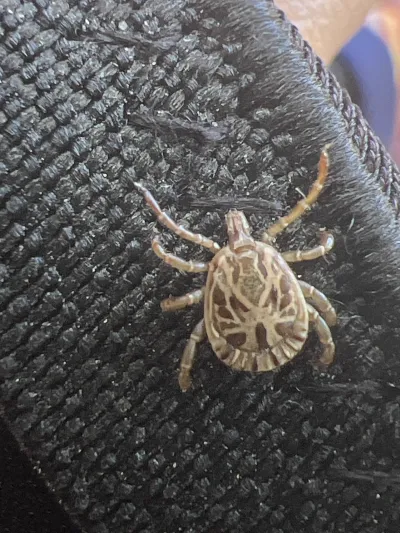
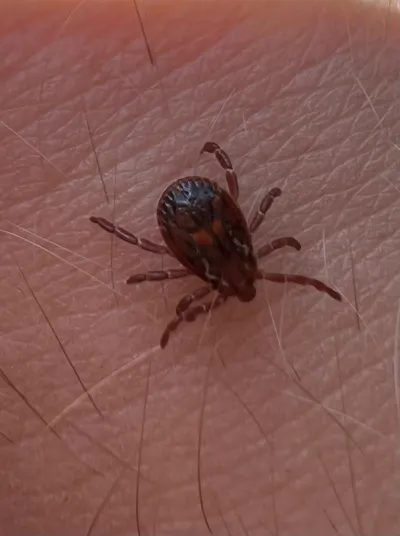
Explore other species in the ticks family
Commonly Confused With
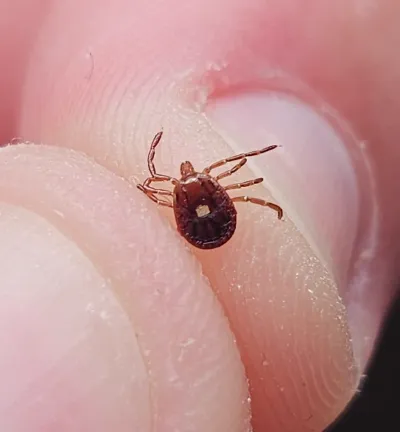
Soft Ticks are often mistaken for these similar pests
Where Soft Ticks Are Found
Hover over states to see their names. Green regions indicate where soft ticks have been reported.
Common Questions about Soft Ticks
What is a soft tick?
+
A soft tick is a member of the family Argasidae. Unlike hard ticks that have a rigid shield on their back, soft ticks have a leathery, wrinkled body with no hard plate. They feed quickly at night and live in sheltered spots like animal burrows, caves, and old buildings.
How do soft ticks differ from hard ticks?
+
Soft ticks lack the hard dorsal shield that hard ticks have. Their mouthparts are hidden underneath the body instead of sticking out in front. They feed in minutes rather than days, and they live in nests and burrows rather than waiting on plants for hosts.
Where do soft ticks live?
+
Soft ticks live in protected habitats close to their hosts. Common locations include rodent burrows, bird nests, caves, rock crevices, abandoned cabins, and spaces under buildings. They are most common in the western and southwestern United States.
Do soft ticks spread diseases?
+
Yes, certain soft ticks spread tick-borne relapsing fever caused by Borrelia bacteria. This disease causes recurring episodes of high fever, headache, and muscle pain. The ticks that spread this illness are found mainly in the Southwest.
How long do soft ticks live?
+
Soft ticks can live for many years, sometimes over a decade. They can survive for years without a blood meal, which helps them persist in caves and abandoned structures even when hosts are scarce.
How long does a soft tick feed?
+
Unlike hard ticks that feed for several days, soft ticks complete their blood meal in 15 minutes to about an hour. This quick feeding often happens at night while hosts sleep, so bites frequently go unnoticed.
Are soft ticks found in the eastern United States?
+
Soft ticks are rare in the eastern United States. Most species live in the western and southwestern states, particularly in dry regions with burrowing rodents. The common ticks in the East are hard ticks like deer ticks and dog ticks.

With five years of hands-on experience in the pest control industry, George Schulz is a registered technician with the Virginia Pest Management Association and a proud third-generation professional in a family business that's been protecting homes for over 57 years. He manages and trains a team of service pros while also leading internal research efforts—recently spearheading a deep-dive review of thousands of documents on pest control materials to hand-pick the most kid and pet friendly, most effective solutions tailored specifically for homes in the DC metro area.