Rabbit Ticks Identification Guide
Haemaphysalis leporispalustris
Rabbit ticks are small, tan to reddish-brown ticks that primarily feed on rabbits and hares. They are found throughout North America from Alaska to Argentina and rarely bite humans, though they can transmit diseases to wildlife.
Taxonomy
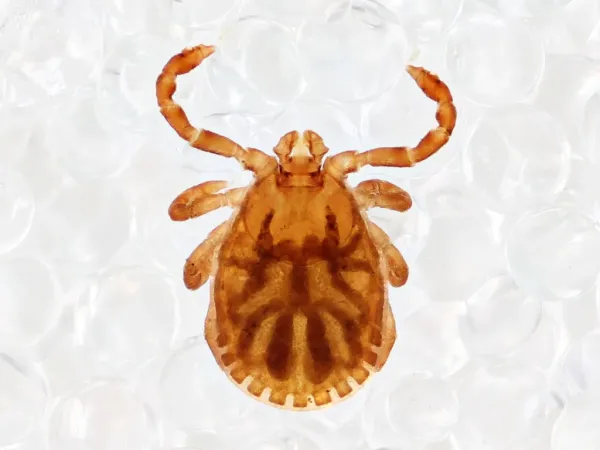
Rabbit Ticks Coloration
Common color patterns to help identify rabbit ticks
Rabbit Ticks
Seasonal Activity
When rabbit ticks are most active throughout the year
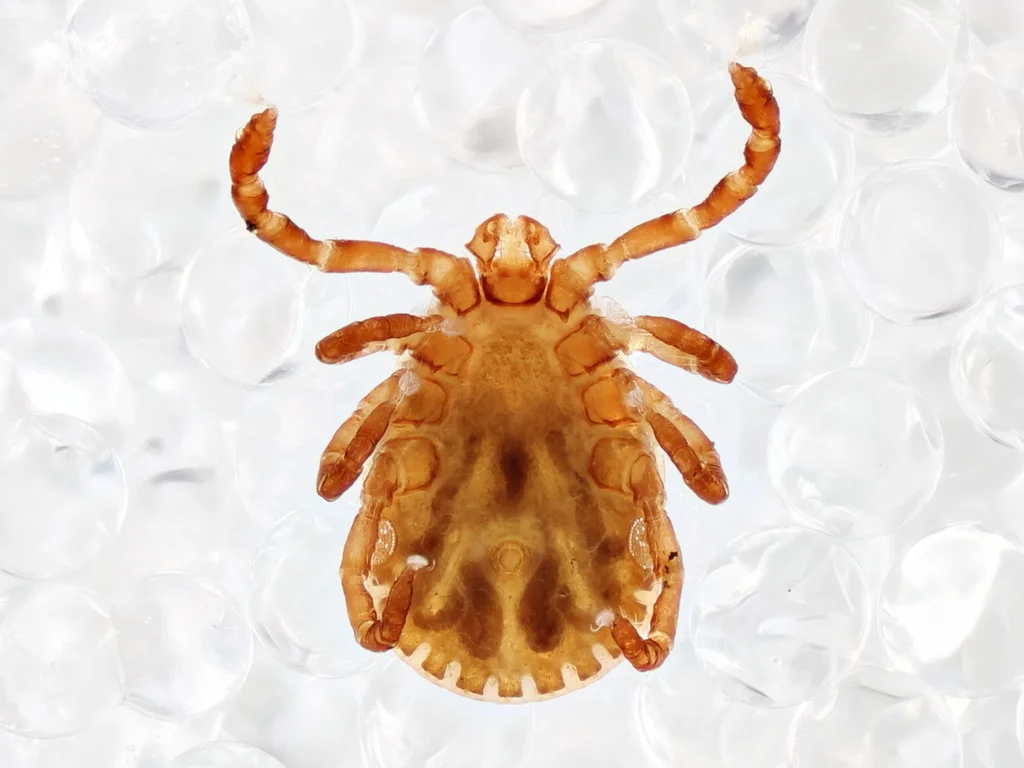
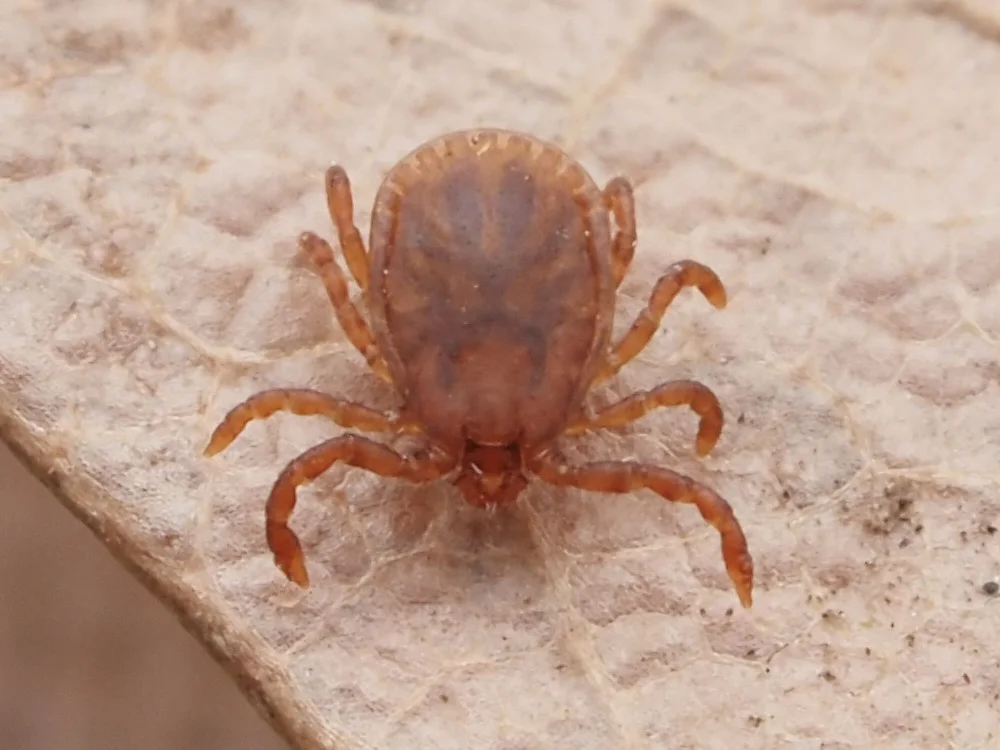
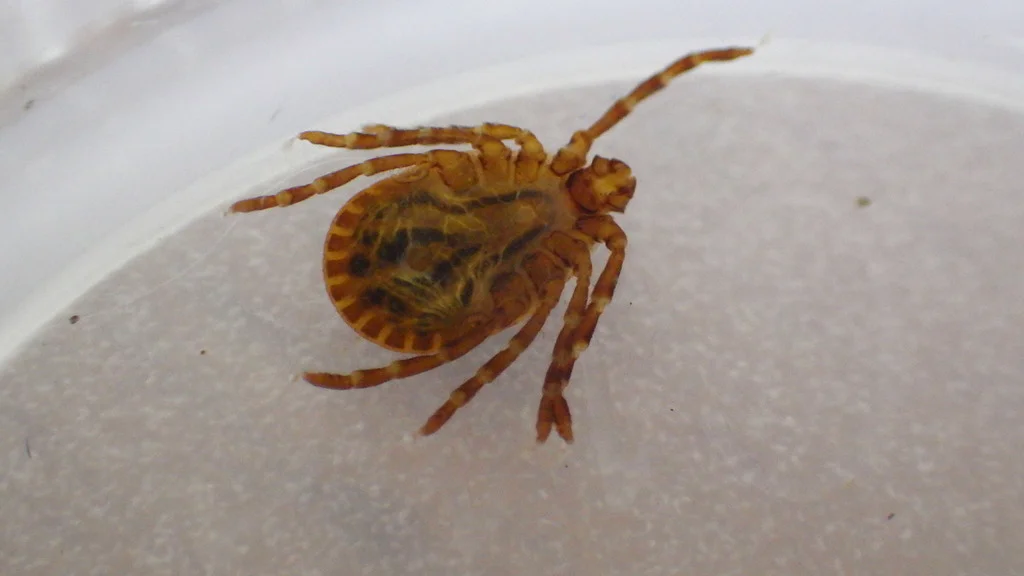

Where Rabbit Ticks Are Found
Hover over states to see their names. Green regions indicate where rabbit ticks have been reported.
Rabbit Tick Identification Guide
Physical Characteristics
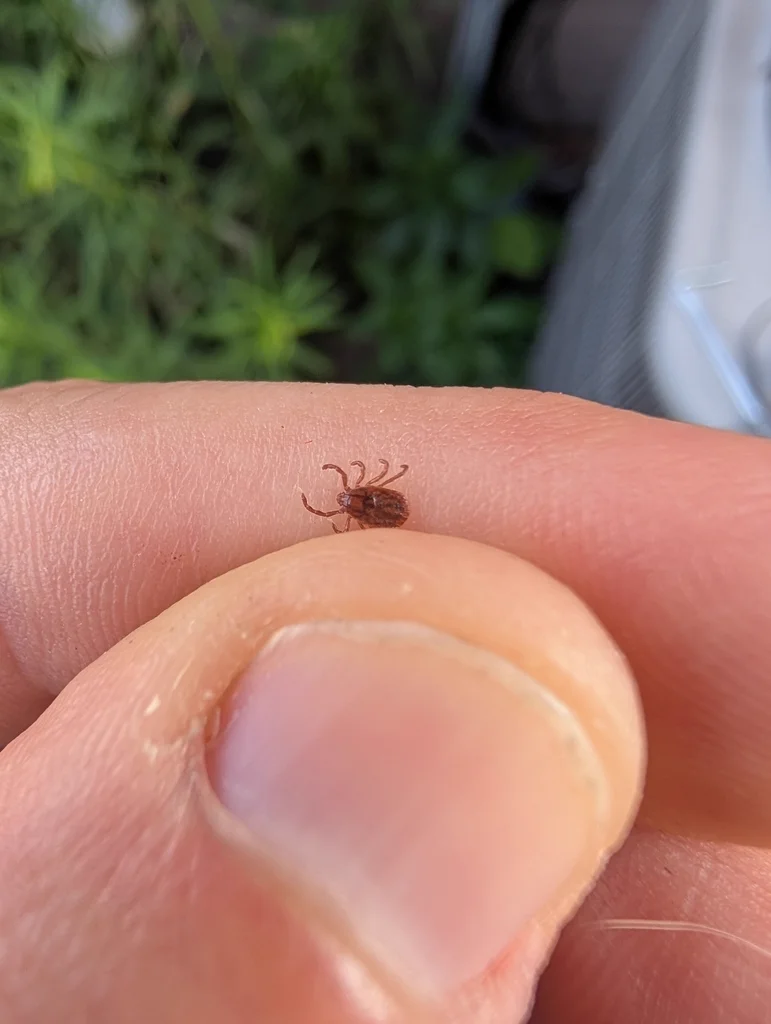
Rabbit ticks are small parasites. They are sometimes called grouse ticks because young ones sometimes feed on birds that live on the ground. Adult rabbit ticks are about 1 to 2 millimeters long, roughly the size of a pinhead. After a blood meal, they can swell to about 5 millimeters.
These ticks are tan to reddish-brown in color. Females have a slightly darker shield behind the head called a scutum. Rabbit ticks do not have eyes. This makes them easy to tell apart from deer ticks and dog ticks.
Rabbit ticks have a triangle-shaped mouthpart. The palpi, the sensory parts near the mouth, stick out beyond the base of the head. This shape is a key trait of their genus. Along the rear edge of the body, you can see festoons. These are grooves that give the tick a scalloped look.
How to Tell Rabbit Ticks Apart from Other Ticks
Several tick species in North America look similar to rabbit ticks. Here are the main differences.
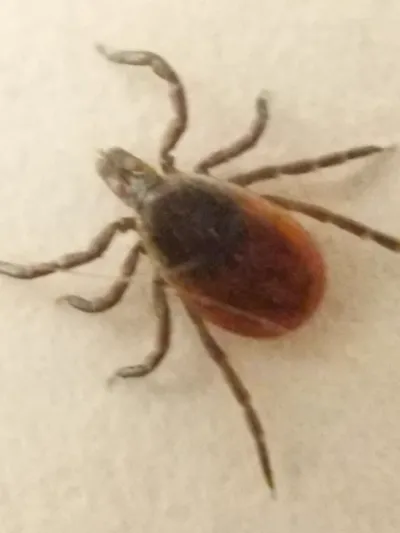
Deer tick. Deer ticks have a reddish-orange body and dark black legs. Rabbit ticks are mostly tan or brown all over.
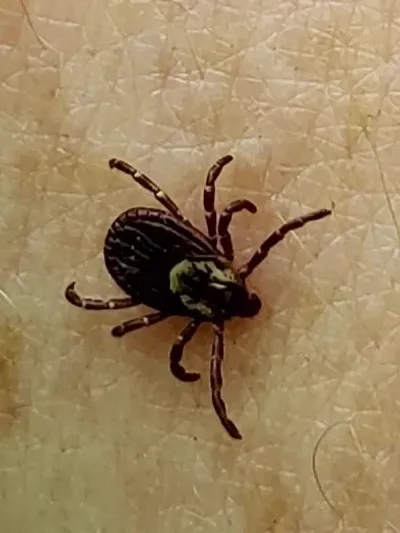
American dog tick. Dog ticks are larger and have white or silver markings on the back. Rabbit ticks do not have these markings and are much smaller.
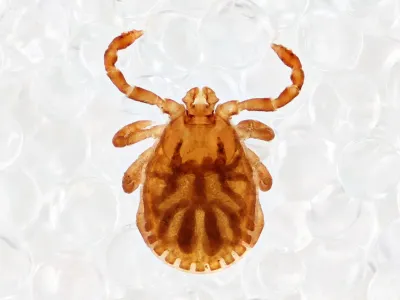
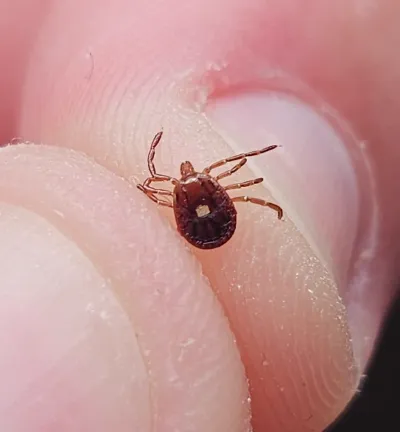
Lone star tick. Female lone star ticks have a white spot on the back. They also bite more often than rabbit ticks.
Brown dog tick. Brown dog ticks are reddish-brown and often found on dogs. Rabbit ticks prefer wild rabbits and hares.
The best way to spot a rabbit tick is by looking for its lack of eyes and the palpi that stick out sideways.
Rabbit Tick Behavior and Biology
Life Cycle
Rabbit ticks are three-host ticks. This means they feed on a different animal during each life stage. The full life cycle takes about two years in colder climates.
Adult females lay eggs in leaf litter during late spring or early summer. The eggs hatch in about 33 to 34 days. The larvae that emerge have six legs. They climb onto low plants and wait for small hosts like mice, voles, or birds.
After feeding for about 7 to 8 days, larvae fall to the ground and molt into nymphs. Nymphs have eight legs. They feed on similar hosts for about 18 to 20 days. After one more molt, they become adults. Adult rabbit ticks only feed on rabbits and hares. Their favorite hosts include snowshoe hares, cottontail rabbits, and jackrabbits.
Host-Finding Behavior
Rabbit ticks find hosts through a behavior called questing. They climb onto plants at heights that match their hosts. For rabbit ticks, this is about 4 to 6 inches off the ground. This is the same height as a rabbit moving through brush.
When an animal comes close, the tick stretches out its front legs and waits to grab on. Rabbit ticks sense carbon dioxide from breathing and body heat. Once on a host, they check if it is the right kind of animal. If the host is not a rabbit or hare, the tick drops off and tries again.
This picky behavior is why rabbit ticks rarely bite humans. They are built to look for rabbits and will turn down most other hosts.
Habitat Preferences
Rabbit ticks live in many types of forests where rabbits are found. Common places include:
- Forests with leafy or evergreen trees
- Mixed woodlands
- Forest edges and brushy clearings
- Areas with thick ground cover
- Meadows next to wooded areas
These ticks can handle many climates. This is why they live from Alaska all the way to Argentina. They survive cold winters, but they slow down a lot when it freezes.
Health Risks and Disease Transmission
Rabbit ticks can carry and spread diseases to wildlife. However, they rarely bite people, so the risk to humans is very low.
Diseases Carried by Rabbit Ticks
Tularemia. Also called rabbit fever, this bacterial illness affects rabbits and other animals. Rabbit ticks spread the bacteria Francisella tularensis that causes it.
Rocky Mountain spotted fever. Rabbit ticks can carry the bacteria Rickettsia rickettsii. However, they are not a main source of human infections.
Q fever. The bacteria Coxiella burnetii has been found in rabbit tick populations. This bacteria causes Q fever.
These diseases mostly spread among wild animals. Human infections from rabbit tick bites are very rare because these ticks prefer rabbit hosts. The tick species most likely to bite people in the eastern U.S. are the black-legged tick, lone star tick, and American dog tick.
Medical Disclaimer: This information is for learning only and is not medical advice. If you have symptoms after any tick bite, see a doctor.
Treatment Strategies for Tick Infestations
Rabbit ticks rarely need treatment because they prefer wildlife hosts. However, general tick control on your property can help reduce all tick types.
Tick control usually focuses on areas where ticks live and wait for hosts. This includes woodland edges, brushy spots, and the zone where your lawn meets natural areas. Granular products and targeted sprays can lower tick numbers in these areas.
Changing your yard also helps with tick control. Keeping grass short, clearing leaf litter, and adding barriers between wooded areas and your yard makes it less friendly to ticks.
If rabbits visit your yard often and you worry about ticks, talk to a pest control expert about your options.
Prevention Tips for Homeowners
Even though rabbit ticks rarely bite people, reducing tick habitat on your property helps lower numbers of all tick species:
- Keep lawns mowed and remove brush piles where rabbits might hide
- Add a 3-foot gravel or wood chip strip between wooded areas and your yard
- Stack firewood away from the house in a dry spot
- Cut back tall grass and plants near buildings
- Check pets for ticks after time outside, especially if rabbits are common nearby
- Wear long sleeves and pants and use EPA-approved repellents in tick-prone areas
References and Further Reading
- University of Maine Cooperative Extension - Rabbit Tick
- Animal Diversity Web - Haemaphysalis leporispalustris
- Institut national de sante publique du Quebec - Rabbit Tick
- Colorado Tick-Borne Disease Awareness Association - Rabbit Tick
- PubMed - Life cycle of Haemaphysalis leporispalustris
- Wikipedia - Haemaphysalis leporispalustris
Other Ticks
Explore other species in the ticks family
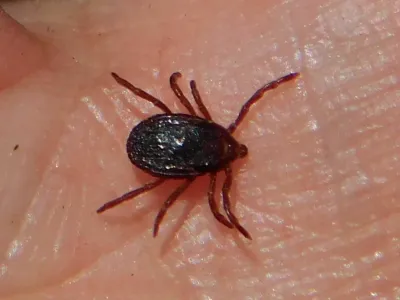
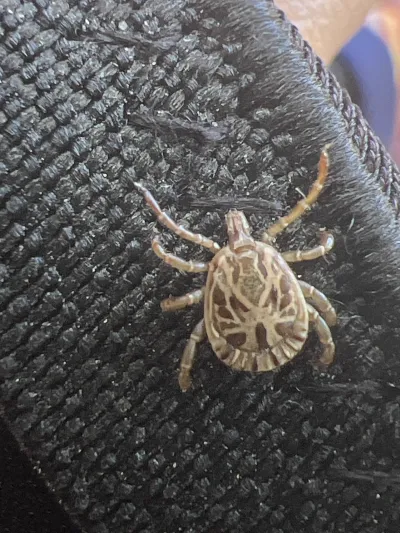
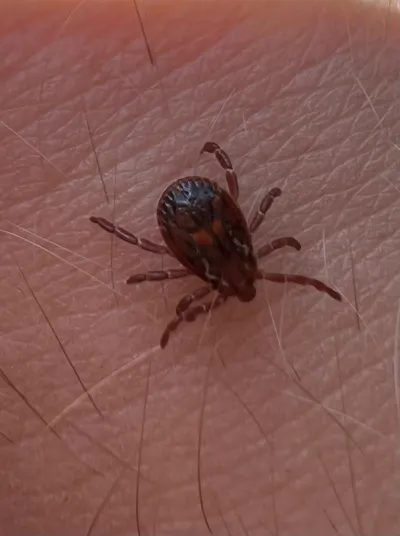
Commonly Confused With
Rabbit Ticks are often mistaken for these similar pests
Where Rabbit Ticks Are Found
Hover over states to see their names. Green regions indicate where rabbit ticks have been reported.
Common Questions about Rabbit Ticks
What do rabbit ticks look like?
+
Rabbit ticks are small, measuring 1 to 2 mm when unfed and up to 5 mm when engorged. They are tan to reddish-brown in color with a triangular mouthpart. They lack eyes and have visible festoons, which are band-like grooves along the lower edge of the body.
Do rabbit ticks bite humans?
+
Rabbit ticks rarely bite humans. They are highly host-specific and prefer to feed on rabbits and hares. While immature stages may occasionally feed on ground-dwelling birds or small mammals, they typically avoid human hosts.
Where are rabbit ticks found?
+
Rabbit ticks are found throughout the Americas, from Alaska to Argentina. They live in forested habitats including deciduous, coniferous, and mixed forests. They are most common in areas where rabbits and hares live.
When are rabbit ticks most active?
+
Rabbit ticks are most active from spring through summer. Their numbers decline in fall. Adult and nymphal stages can be found year-round in some areas, though activity peaks during warmer months.
Can rabbit ticks transmit diseases?
+
Yes, rabbit ticks can transmit diseases to wildlife, including tularemia, Rocky Mountain spotted fever, and Q fever. However, because they rarely bite humans, they do not play a major role in transmitting diseases to people.
How do I tell a rabbit tick apart from other ticks?
+
Rabbit ticks are smaller than most common ticks. They have no eyes and their palpi extend outward beyond the base of the mouthparts. They lack the ornate patterns found on American dog ticks or the white spot seen on lone star ticks.
How do rabbit ticks find hosts?
+
Rabbit ticks climb onto low vegetation, typically 4 to 6 inches off the ground, which matches the height of a rabbit. They detect potential hosts through carbon dioxide and body heat. If they land on an unsuitable host, they will drop off and try again.

With five years of hands-on experience in the pest control industry, George Schulz is a registered technician with the Virginia Pest Management Association and a proud third-generation professional in a family business that's been protecting homes for over 57 years. He manages and trains a team of service pros while also leading internal research efforts—recently spearheading a deep-dive review of thousands of documents on pest control materials to hand-pick the most kid and pet friendly, most effective solutions tailored specifically for homes in the DC metro area.