Fowl Ticks Identification Guide
Argas persicus
Fowl ticks, also called poultry ticks or blue bugs, are soft-bodied parasites that feed on chickens and other domestic birds. They hide in cracks during the day and emerge at night to feed, making them difficult to detect until infestations become severe.
Taxonomy
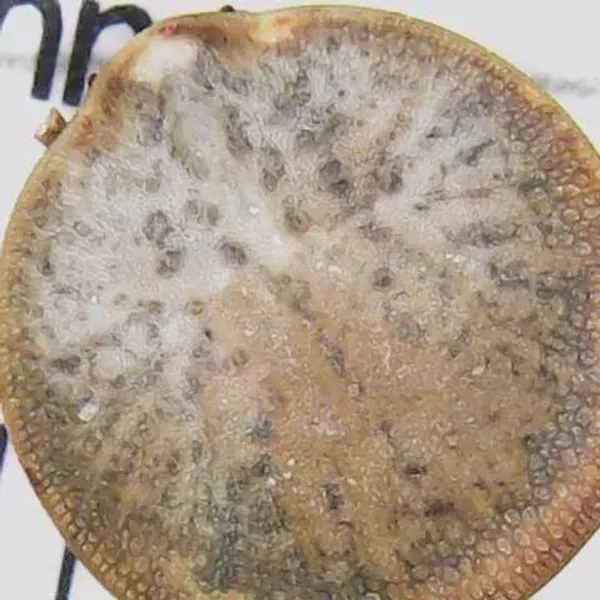
Fowl Ticks Coloration
Common color patterns to help identify fowl ticks
Fowl Ticks
Seasonal Activity
When fowl ticks are most active throughout the year
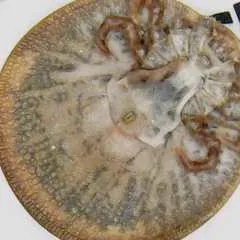
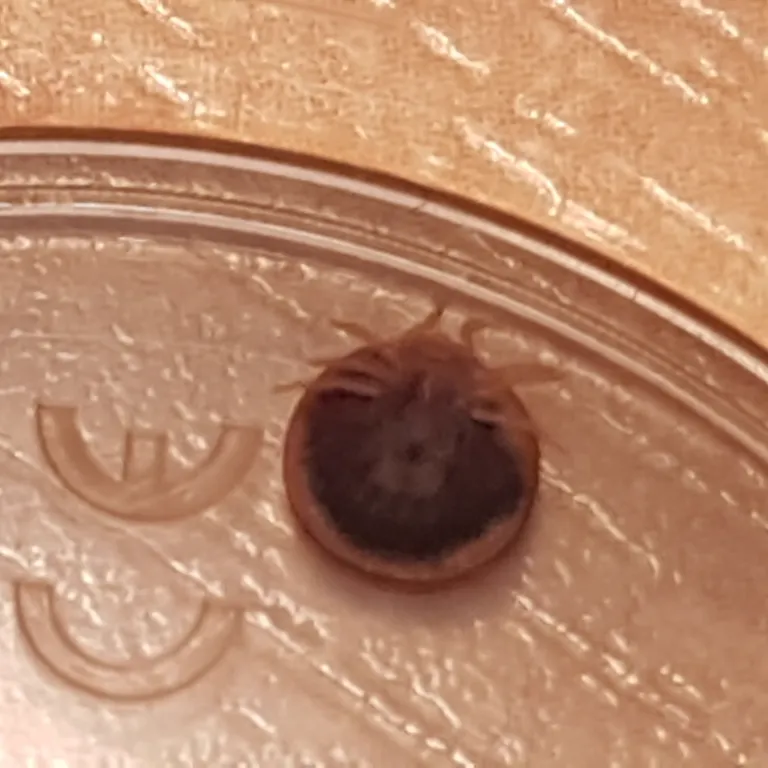
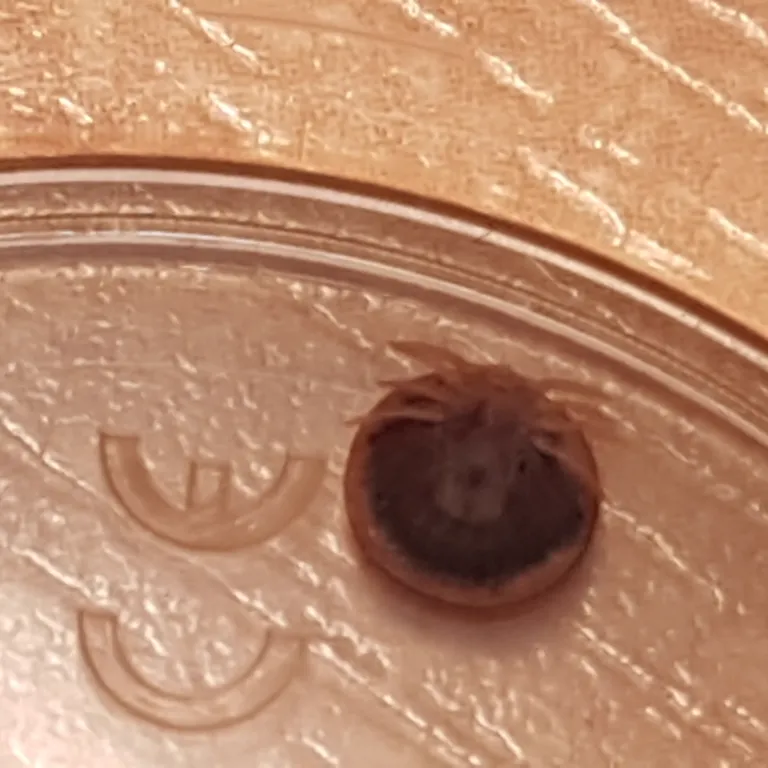

Where Fowl Ticks Are Found
Hover over states to see their names. Green regions indicate where fowl ticks have been reported.
Fowl Tick Identification Guide
Physical Characteristics
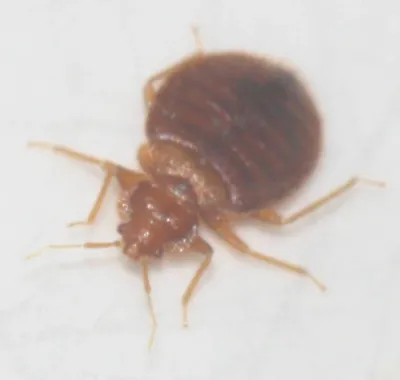
Fowl ticks are soft ticks. They differ from hard ticks because they lack the rigid plate on their backs. Instead, they have a leathery, flexible body. Their bodies are flat, oval, and have a wrinkled surface.
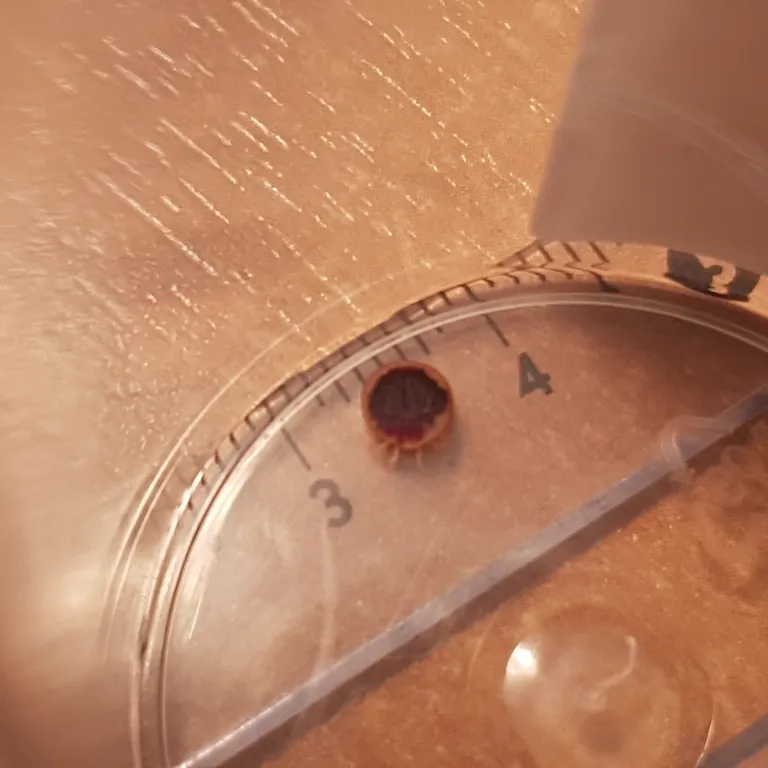
Adult fowl ticks are 6 to 10 millimeters long. Females grow larger than males. Females reach 8 to 10 millimeters while males stay around 5 millimeters. Before feeding, they look tan to reddish-brown. After a blood meal, they swell up and turn bluish-gray. This color change is why poultry farmers call them “blue bugs.”
Adults and nymphs have eight legs. Larvae have six legs. Their mouthparts sit on the underside of the body, so you cannot see them from above. The body edges are flat with a line running around the margin.
Related Species in North America
Several species in the Argas persicus group live in North America:
- Argas persicus: The main fowl tick species
- Argas miniatus: Found in tropical and subtropical areas
- Argas sanchezi: Lives in Mexico and the southern US
- Argas radiatus: Another member of this tick group
These species look alike and need a microscope to tell apart. They all behave the same way and feed on the same hosts.
Fowl Tick Behavior and Biology
Nocturnal Feeding Habits
Fowl ticks only feed at night. During the day, they stay hidden in cracks, gaps, and sheltered spots in poultry houses, tree bark, and nest boxes. At night, they come out to feed on sleeping birds.
Hard ticks like deer ticks and dog ticks attach and feed for days. Fowl ticks are different. Nymphs and adults finish eating in 15 to 30 minutes. They feed fast and then go back into hiding. This makes them hard to spot. Your birds may act sick even when you cannot find any ticks on them.
Larvae act differently. After hatching, they attach to birds and feed for 2 to 7 days before dropping off. Because they stay on birds longer, larvae are the easiest stage to find.
Life Cycle
Fowl ticks go through four life stages: egg, larva, nymph, and adult. The whole cycle can finish in 30 days if hosts are easy to find. In nature, it usually takes longer.
After mating, females lay about 500 eggs in their hiding spots. Eggs hatch in 10 to 30 days based on temperature and moisture. The larvae find a bird, feed for several days, then drop off and molt into nymphs.
Fowl ticks go through five nymph stages before becoming adults. Each stage needs a blood meal before the tick can molt to the next stage. In lab tests, the full cycle from egg to egg takes 113 to 132 days. A related species, American Dog Tick, shares similar characteristics.
Long Survival Without Food A related species, Rabbit Ticks, shares similar characteristics.
Fowl ticks can live a long time without eating. Adult females can survive more than four years without a blood meal. Larvae and nymphs can go several months without feeding. This long survival makes fowl tick problems hard to fix once they start. A related species, Lone Star Ticks, shares similar characteristics.
Where They Live
Fowl ticks like warm, dry weather. In North America, they live mainly in the southern US along the Gulf Coast and near the Mexican border. They are most active in chicken coops during warm, dry months.
Studies show that about 87% of fowl ticks hide in shelters rather than on the birds. Common hiding spots include:
- Cracks in wood
- Gaps between boards in coops
- Under tree bark near roosts
- Inside nest boxes
- Behind wall panels
Health Impacts on Poultry
Signs of Infestation
Fowl tick problems can hurt your flock’s health and egg output. Heavy infestations cause anemia from blood loss. This leads to weak, thin birds that lay fewer eggs.
Watch for these signs of fowl ticks:
- Red spots on skin, especially under the wings
- Tired, sluggish birds
- Birds eating less food
- Slow growth in young birds
- Sick birds from tick toxins
Death from fowl ticks is rare. But production losses can be serious for farms and backyard flocks alike.
Diseases They Spread
Fowl ticks carry diseases that harm poultry:
Avian spirochetosis: The bacterium Borrelia anserina causes this serious disease. Sick birds have fever, loss of appetite, diarrhea, and may die. Fowl ticks both spread and store this germ.
Aegyptianellosis: The germ Aegyptianella pullorum attacks red blood cells. It causes anemia, fever, and weakness in birds.
Fowl ticks may also carry West Nile virus and other germs. Scientists are still studying how much these affect poultry. Another soft tick that affects livestock is the spinose ear tick, while relapsing fever ticks are soft ticks that can affect humans.
Bites on Humans
Fowl ticks mainly feed on birds. But they will bite people when birds are not around. Bites cause itching and skin redness. Some people may have allergic reactions with low blood pressure and other symptoms.
Medical Disclaimer: If you have a bad reaction to any tick bite, see a doctor right away. This guide is for learning only and does not replace medical advice.
Treatment Methods for Fowl Ticks
Good fowl tick control targets both the ticks and their hiding spots. Since these pests spend most of their time off the birds, treating only the birds does not work.
Treating the Environment
The best approach focuses on finding and treating where ticks hide. Key steps include:
- Deep cleaning: Remove all trash, old bedding, and buildup from coops
- Crack and gap treatment: Spray tick-killing products into all hiding spots with a high-pressure sprayer
- Sealing gaps: Fill cracks and holes to remove hiding places
- Repeat treatments: You may need to treat more than once since ticks can survive long periods without food
Full Control Program
A complete plan combines coop treatment with other steps:
- Check coops often for signs of ticks
- Keep housing clean and in good repair
- Block wild birds from entering the coop
- Watch for warning signs like fewer eggs or weak birds
Studies show that cypermethrin products can kill about 87% of fowl ticks. Other products work less well. The right plan depends on how bad the problem is and local conditions.
Prevention Tips
Stopping fowl ticks before they start is easier than getting rid of them later. Try these steps:
- Build coops with tight-fitting boards and few gaps
- Use smooth surfaces that are easy to clean
- Do not bring in used gear from other farms that might have ticks
- Keep new birds separate before adding them to your flock
- Check structures often, especially in warm months
- Clear brush and debris from around the coop
References and Further Reading
Other Ticks
Explore other species in the ticks family
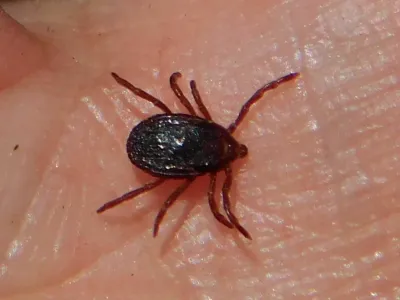
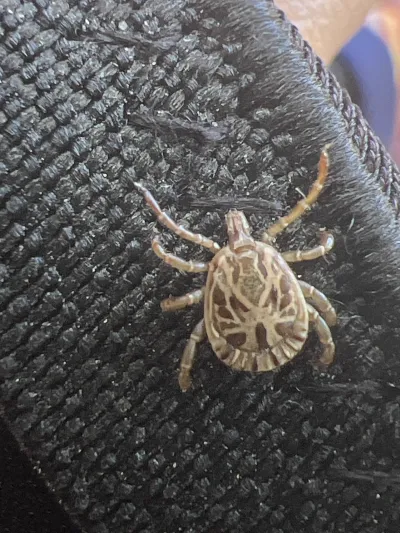
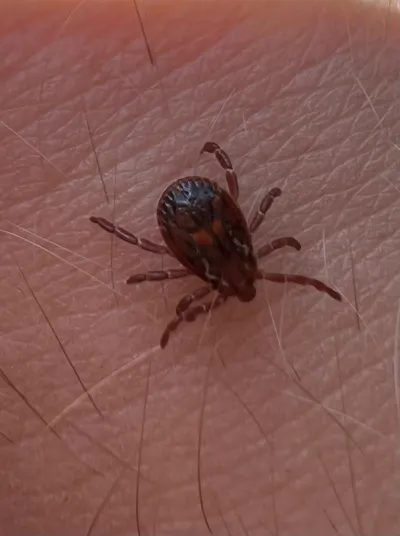
Commonly Confused With
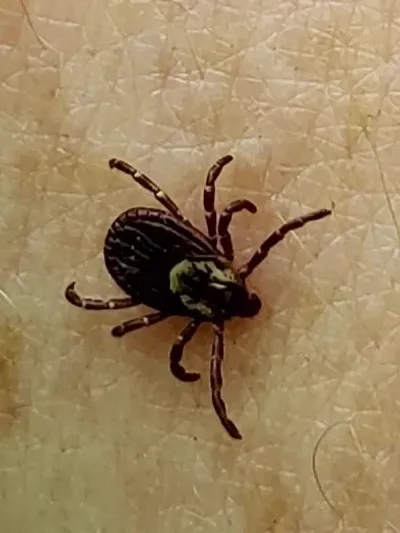
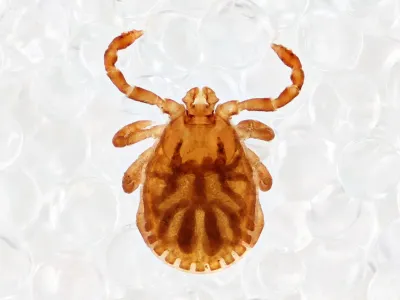
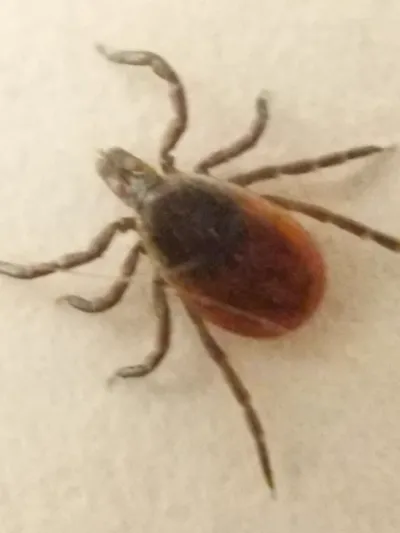
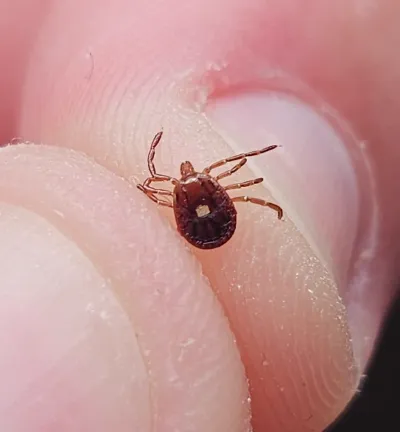
Fowl Ticks are often mistaken for these similar pests
Where Fowl Ticks Are Found
Hover over states to see their names. Green regions indicate where fowl ticks have been reported.
Common Questions about Fowl Ticks
What do fowl ticks look like?
+
Fowl ticks have flat, oval-shaped bodies with a leathery, wrinkled surface. They appear tan to reddish-brown when unfed but turn bluish-gray after feeding, which is why they are sometimes called blue bugs. Adults measure 6 to 10 millimeters long.
Where do fowl ticks hide during the day?
+
Fowl ticks hide in cracks and crevices in poultry houses, tree bark, and any sheltered areas near where birds roost. They are nocturnal feeders that only come out at night to feed on sleeping birds.
How long can fowl ticks survive without feeding?
+
Fowl ticks are remarkably resilient. Adult females can survive more than four years without a blood meal. Larvae and nymphs can survive for several months without feeding.
Do fowl ticks bite humans?
+
While fowl ticks prefer birds, they can bite humans if their preferred hosts are not available. Their bites can cause irritation, itching, and in some cases allergic reactions.
What diseases do fowl ticks transmit?
+
Fowl ticks transmit Borrelia anserina, which causes avian spirochetosis, a serious disease in poultry. They can also transmit Aegyptianella pullorum, which causes fowl disease. These diseases primarily affect birds, not humans.
How do I know if my chickens have fowl ticks?
+
Signs include red spots on the skin under the wings, decreased egg production, weight loss, anemia, and general weakness. Since the ticks feed at night and hide during the day, you may need to inspect cracks and crevices in the coop rather than the birds themselves.
Where are fowl ticks found in the United States?
+
Fowl ticks are primarily found in the southern United States, particularly along the Gulf Coast and the Mexican border region. They prefer warm, dry climates and are most common in Texas, Louisiana, Florida, and other southern states.

With five years of hands-on experience in the pest control industry, George Schulz is a registered technician with the Virginia Pest Management Association and a proud third-generation professional in a family business that's been protecting homes for over 57 years. He manages and trains a team of service pros while also leading internal research efforts—recently spearheading a deep-dive review of thousands of documents on pest control materials to hand-pick the most kid and pet friendly, most effective solutions tailored specifically for homes in the DC metro area.