Western Subterranean Termites Identification Guide
Reticulitermes hesperus
The western subterranean termite is a native wood-destroying insect found along the Pacific Coast from British Columbia to Southern California. These termites cause significant structural damage to homes and buildings in western North America.
Taxonomy
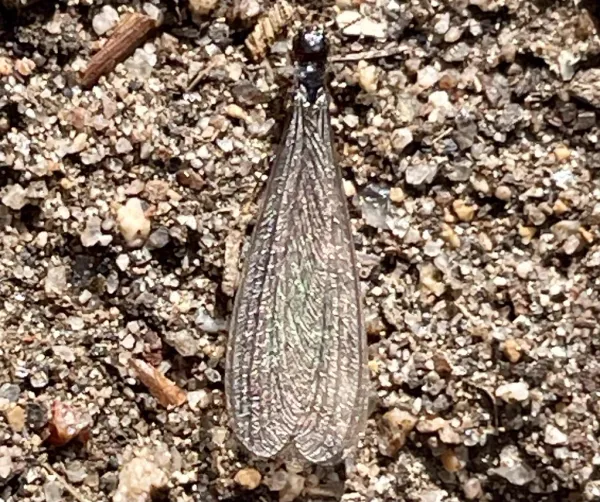
Western Subterranean Termites Coloration
Common color patterns to help identify western subterranean termites
Western Subterranean Termites
Seasonal Activity
When western subterranean termites are most active throughout the year
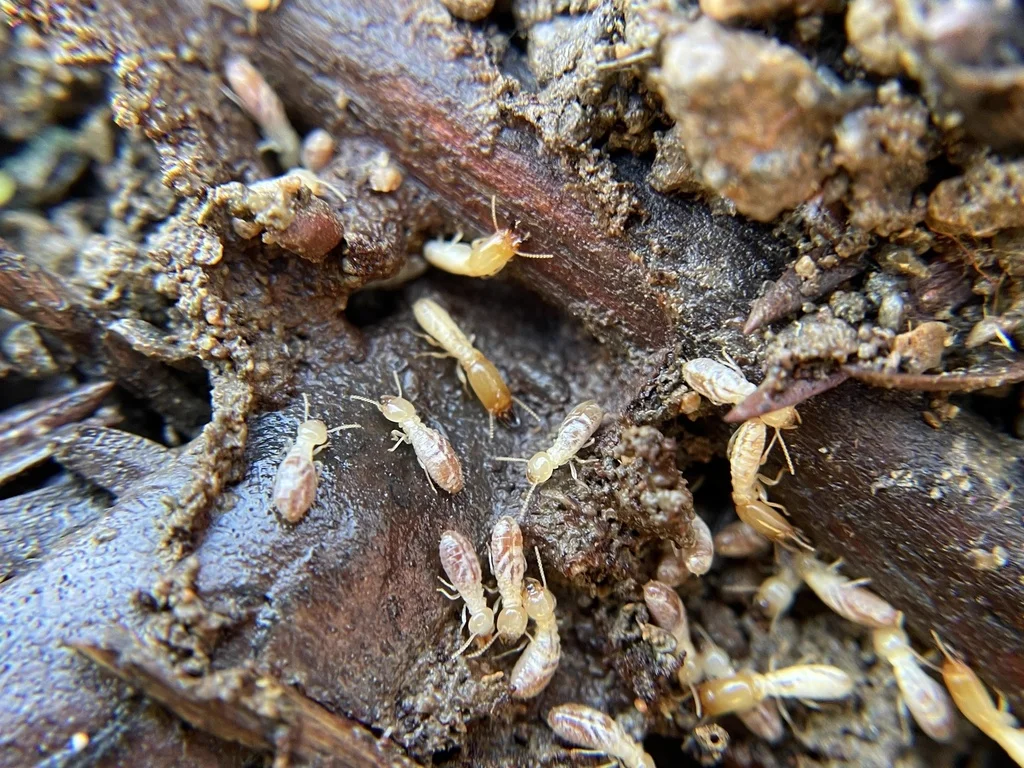
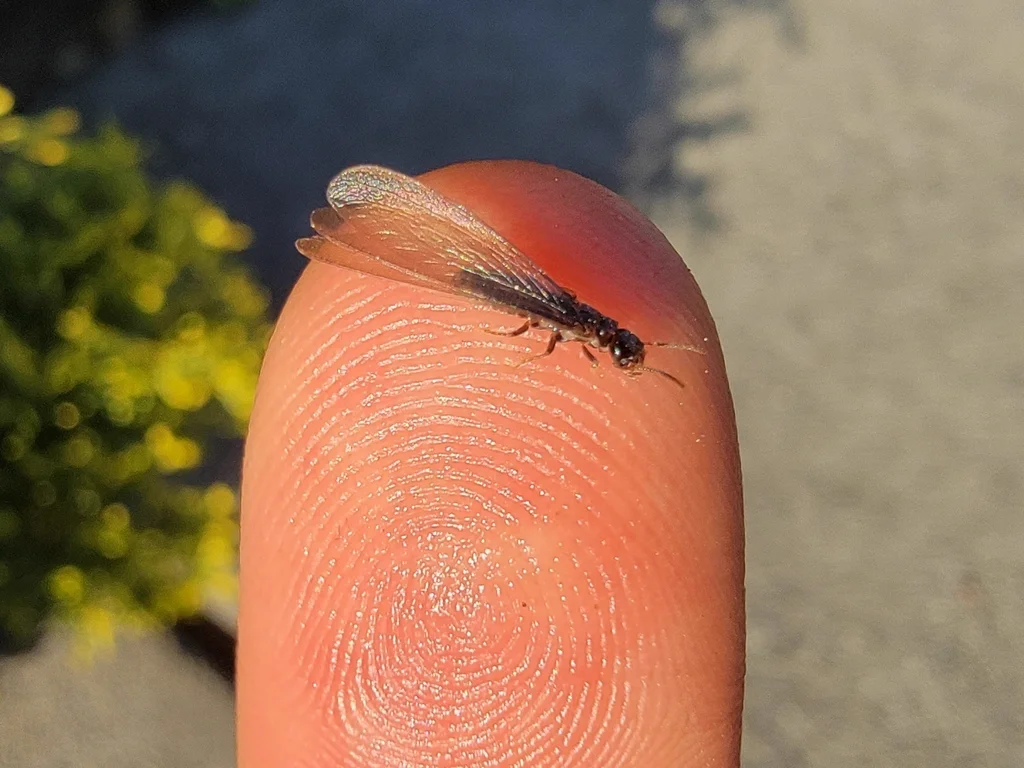
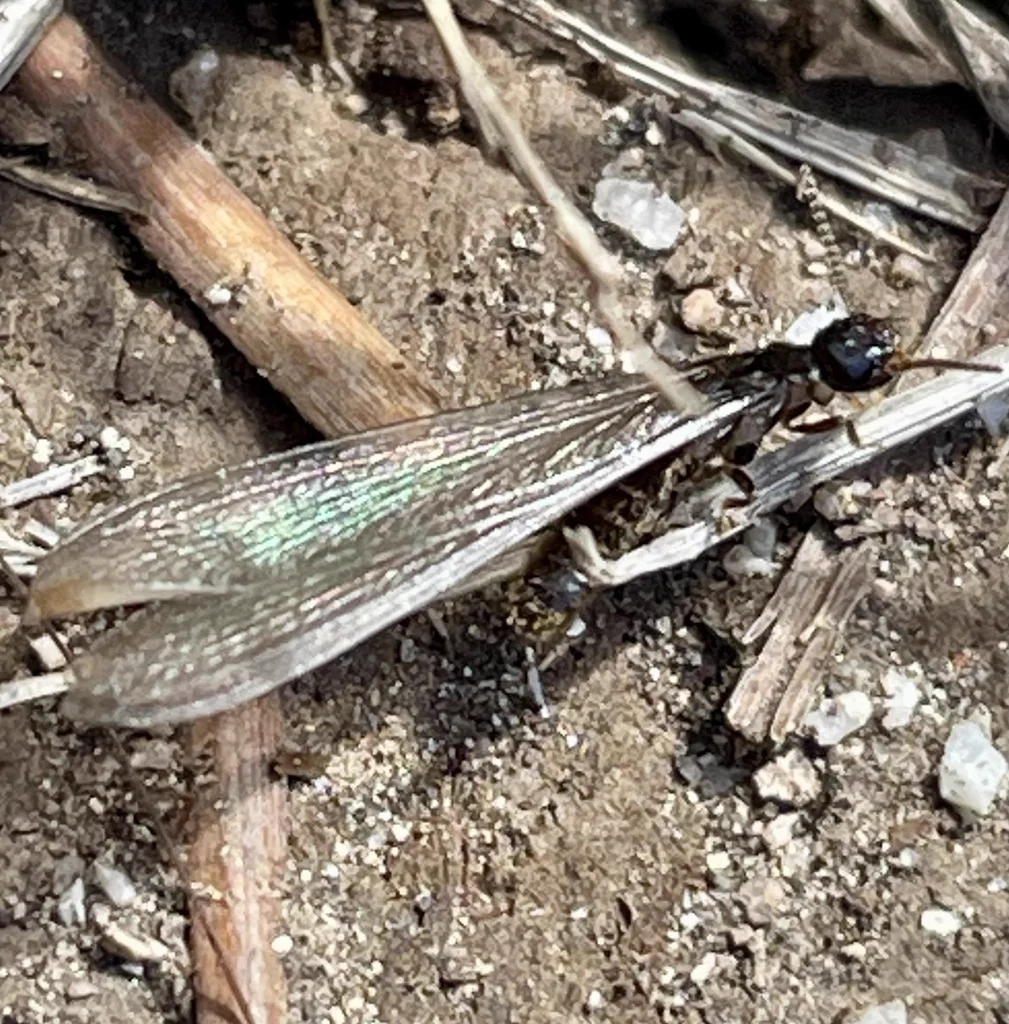

Where Western Subterranean Termites Are Found
Hover over states to see their names. Green regions indicate where western subterranean termites have been reported.
Western Subterranean Termite Identification Guide
Physical Characteristics
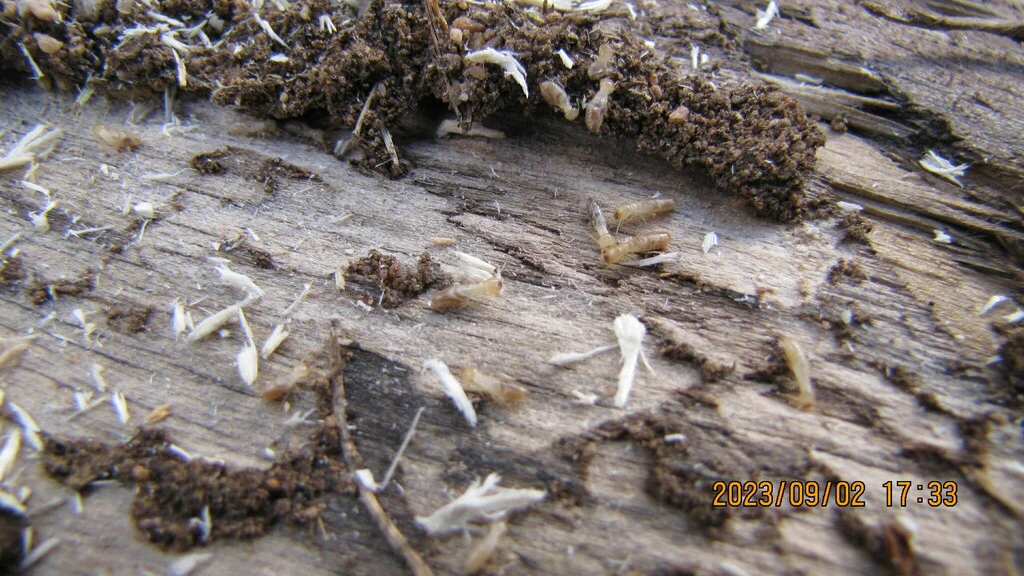
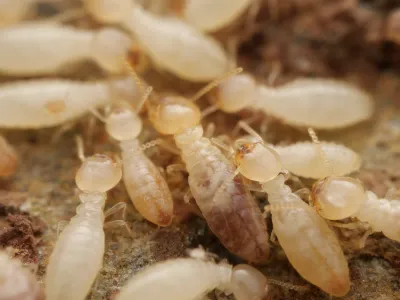
Western subterranean termites range in size from 2mm to 8mm depending on their caste. Workers are the smallest at about 3mm. They have soft, creamy white bodies and are the most numerous members of a colony. Workers gather food, care for young, and build tunnels.
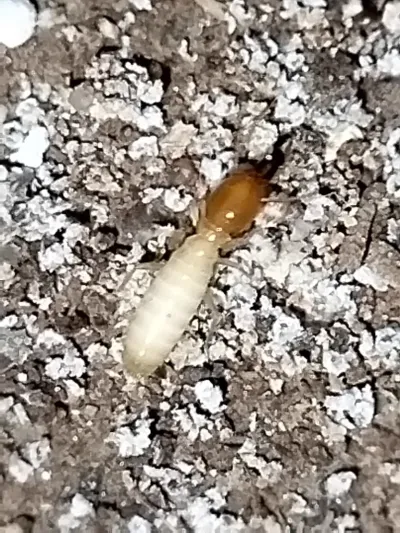
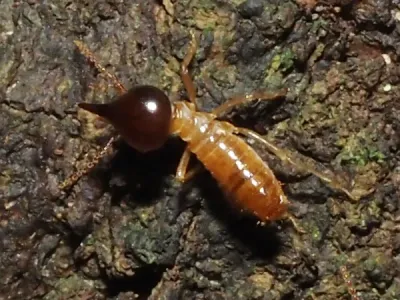
Soldiers are slightly larger with dark brown or orange-brown heads. They have strong mandibles used to defend the colony from predators like ants. Their bodies remain pale like workers. Soldiers make up a small percentage of the colony.
Swarmers, or alates, are the reproductive adults. They measure 5-8mm including wings. Their bodies are dark brown to black with well-developed compound eyes. Swarmers have two pairs of translucent wings that are equal in length. After mating, they shed their wings and become kings and queens of new colonies.
Key Identification Features
- Straight, bead-like antennae (ants have elbowed antennae)
- Broad waist connecting thorax and abdomen (ants have narrow, pinched waists)
- Workers: pale, soft bodies without eyes
- Soldiers: darker heads with large jaws
- Swarmers: dark bodies with wings roughly twice their body length
Common Species in Western North America
- Western subterranean termite (Reticulitermes hesperus) - Pacific Coast from British Columbia to Southern California
- Arid-land subterranean termite (Reticulitermes tibialis) - Interior western states
- Desert subterranean termite (Heterotermes aureus) - Southwest deserts
Recent genetic studies suggest that Reticulitermes hesperus may actually represent a complex of 3-5 species that were previously grouped together. Researchers at the University of California found that spring-swarming populations differ genetically and behaviorally from fall and winter-swarming populations.
Western Subterranean Termite Behavior and Biology
Colony Structure
Western subterranean termites live in organized colonies underground. A mature colony may contain tens of thousands to hundreds of thousands of individuals. The colony is divided into castes: workers, soldiers, and reproductives.
Workers perform most colony tasks. They forage for food, feed other castes, care for eggs and young, and build and maintain tunnels. Soldiers defend the colony but cannot feed themselves. They rely on workers to provide food. The king and queen are responsible for reproduction. The queen can live for many years and produces eggs continuously.
Foraging Behavior
These termites forage underground in random patterns, building tunnels through soil until they encounter wood or other cellulose sources. They are blind and use chemical and temperature cues to navigate. Researchers found that western subterranean termites prefer temperatures between 14-32 degrees Celsius and avoid temperatures above 40 degrees Celsius.
When workers find food, they lay chemical trails to recruit other workers to the source. They build mud tubes from soil particles and fecal material to protect themselves while traveling between soil and food sources. These tubes maintain the humid environment termites need to survive.
Feeding Preferences
Western subterranean termites prefer wood that has been softened by saprotrophic fungi. This partly decayed wood is easier to digest and provides additional nutrients. They consume the cellulose in wood, paper, cardboard, and other plant materials.
In nature, these termites serve an important role breaking down dead trees and woody debris, returning nutrients to soil. Problems arise when they target structural wood in homes and buildings. In western states, homeowners may also encounter drywood termites and dampwood termites.
Swarming and Reproduction
Mature colonies produce swarmers on warm days in spring, often after rain. Swarmers emerge from the colony and take flight to find mates. After a brief mating flight, pairs drop to the ground, shed their wings, and search for a suitable location to start a new colony.
A new king and queen dig a small chamber in soil near wood. The queen begins laying eggs within a few weeks. Colony growth is slow at first. It takes several years before a colony becomes large enough to cause noticeable damage.
Signs of Western Subterranean Termite Infestation
Detecting termites early helps limit damage. Watch for these warning signs:
- Mud tubes on foundation walls, piers, or pipes leading from soil to wood
- Swarmers or shed wings near windows, doors, or light fixtures, especially in spring
- Hollow-sounding wood when tapped with a screwdriver handle
- Damaged wood with galleries that follow the grain, often containing soil and fecal material
- Sagging floors or ceilings from weakened structural members
- Bubbling or peeling paint on wood surfaces where termites are feeding below
Mud tubes are a reliable sign of subterranean termite activity. These pencil-sized tunnels protect termites from drying out and from predators. Breaking open an active tube reveals small, pale workers inside.
Treatment Methods for Western Subterranean Termites
Subterranean termites require professional treatment because colonies are hidden underground. Several treatment approaches have proven effective against these pests.
Baiting Systems
Termite bait stations are placed in the ground around a structure. Workers discover the bait while foraging and share it with the colony. Modern baits contain insect growth regulators that prevent termites from molting properly. As workers die and are not replaced, the colony collapses over time.
Bait systems also serve as monitoring tools. Regular inspections reveal termite activity and help track treatment progress.
Liquid Soil Treatments
Liquid termiticides create a continuous barrier in soil around a foundation. Treatment involves digging a shallow trench along foundation walls and applying product to the soil. The trench is then backfilled. In areas with concrete slabs, drilling may be needed to reach soil below.
Non-repellent products work best because termites cannot detect them. Workers pass through treated soil and transfer the active ingredient to nestmates, spreading it throughout the colony.
Direct Wood Treatments
Borate products applied to wood provide long-lasting protection. Borates penetrate into wood and remain active for years. This approach works well during construction or remodeling when wood is accessible. Borates both kill termites and deter future feeding.
Integrated Approaches
Many pest control professionals combine methods for best results. A bait system may be used alongside liquid treatment, or localized wood treatments may supplement soil barriers. The specific approach depends on construction type, infestation severity, and property conditions.
Prevention Tips
These practices can reduce the risk of western subterranean termite infestation:
- Eliminate wood-to-soil contact around your foundation
- Keep mulch at least 12 inches away from foundation walls
- Ensure gutters and downspouts direct water away from the building
- Fix plumbing leaks and address drainage problems
- Remove dead trees, stumps, and wood debris from your yard
- Store firewood away from the house and off the ground
- Ventilate crawl spaces to reduce moisture buildup
- Schedule annual termite inspections with a licensed termite professional
References
- Native Subterranean Termites - University of Florida IFAS Extension
- Western Subterranean Termite - InsectIdentification.org
- Western Subterranean Termite - iNaturalist
- Western U.S. Subterranean Termite Species Complex - Entomology Today
- Temperature Preferences of Reticulitermes hesperus - ScienceDirect
- Reticulitermes hesperus - Wikipedia
Other Termites
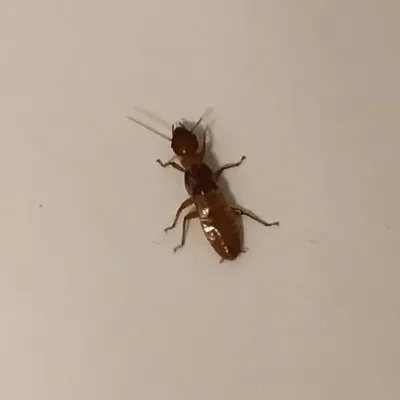
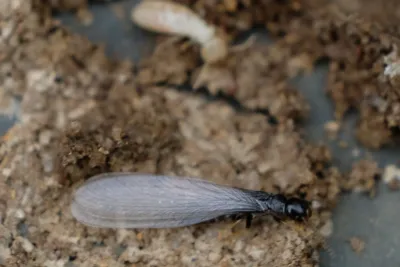
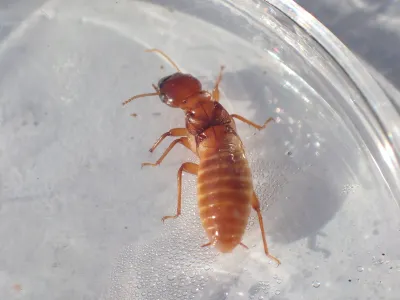
Explore other species in the termites family
Commonly Confused With
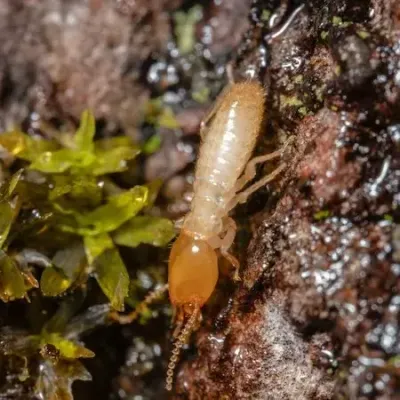
Western Subterranean Termites are often mistaken for these similar pests
Where Western Subterranean Termites Are Found
Hover over states to see their names. Green regions indicate where western subterranean termites have been reported.
Common Questions about Western Subterranean Termites
Where are western subterranean termites found?
+
Western subterranean termites are found along the entire Pacific Coast from British Columbia south to Baja California and east to the Rocky Mountains. They are most common in California, Oregon, Washington, and Nevada. They do not occur in eastern states like Virginia, Maryland, or DC.
How do I identify western subterranean termites?
+
Workers are creamy white and about 3mm long. Soldiers have darker heads with strong mandibles. Swarmers are dark brown to black with translucent wings and are 5-8mm long. They have straight antennae and a broad waist, unlike ants which have elbowed antennae and narrow waists.
When do western subterranean termites swarm?
+
Western subterranean termites typically swarm in spring, often on warm days following rain. Recent research suggests that colonies swarming in fall or winter may represent a separate undescribed species. Swarms help termites start new colonies.
What kind of damage do western subterranean termites cause?
+
Western subterranean termites consume wood from the inside out, following the grain. They prefer wood that has been softened by fungal decay. Damage includes hollowed timbers, mud tubes on foundations, and weakened structural lumber. They account for a significant portion of the $20 billion spent annually on termite control and repairs in the United States.
How can I tell the difference between western subterranean termites and dampwood termites?
+
Western subterranean termites are smaller, with workers around 3mm long. Dampwood termites are much larger, with soldiers reaching 20mm. Subterranean termites build mud tubes and require soil contact, while dampwood termites live in wet wood and do not need soil. Dampwood termites rarely infest structures.
What conditions attract western subterranean termites?
+
These termites need moisture and cellulose to survive. They are attracted to wood-to-soil contact, mulch against foundations, poor drainage, leaky pipes, and wood debris in crawl spaces. They prefer wood that has already begun to decay from fungal activity.
Can western subterranean termites survive indoors without soil contact?
+
Unlike some termite species, western subterranean termites typically need to maintain contact with soil moisture. They build mud tubes to travel from soil to food sources. However, if a reliable moisture source exists inside a structure, small colonies may survive temporarily.
Are there multiple species of western subterranean termites?
+
Recent genetic research from the University of California suggests that what was considered a single species may actually be a complex of 3-5 separate species. Spring-swarming populations appear to be true Reticulitermes hesperus, while fall and winter swarmers may represent undescribed species.

With five years of hands-on experience in the pest control industry, George Schulz is a registered technician with the Virginia Pest Management Association and a proud third-generation professional in a family business that's been protecting homes for over 57 years. He manages and trains a team of service pros while also leading internal research efforts—recently spearheading a deep-dive review of thousands of documents on pest control materials to hand-pick the most kid and pet friendly, most effective solutions tailored specifically for homes in the DC metro area.