Western Drywood Termites Identification Guide
Incisitermes minor
The western drywood termite is the most common structure-infesting drywood termite in the southwestern United States. These termites live entirely within dry wood and create colonies that can cause significant structural damage over many years.
Taxonomy
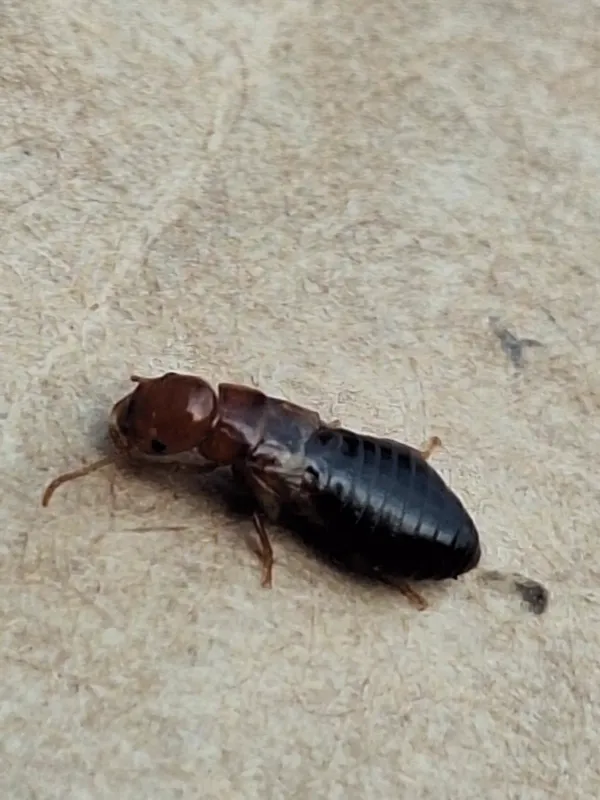
Western Drywood Termites Coloration
Common color patterns to help identify western drywood termites
Western Drywood Termites
Seasonal Activity
When western drywood termites are most active throughout the year

Where Western Drywood Termites Are Found
Hover over states to see their names. Green regions indicate where western drywood termites have been reported.
Western Drywood Termite Identification Guide
Physical Characteristics
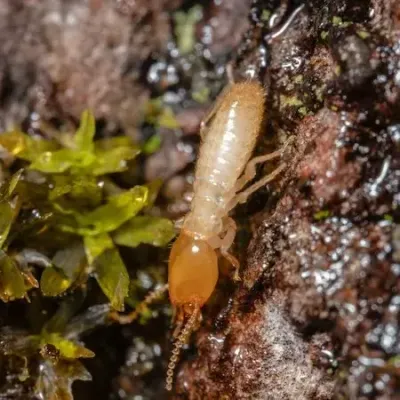
The western drywood termite (Incisitermes minor) is the most damaging drywood termite in the Southwest. These social insects live in groups with different types of members. Each type has a unique look and job in the colony.
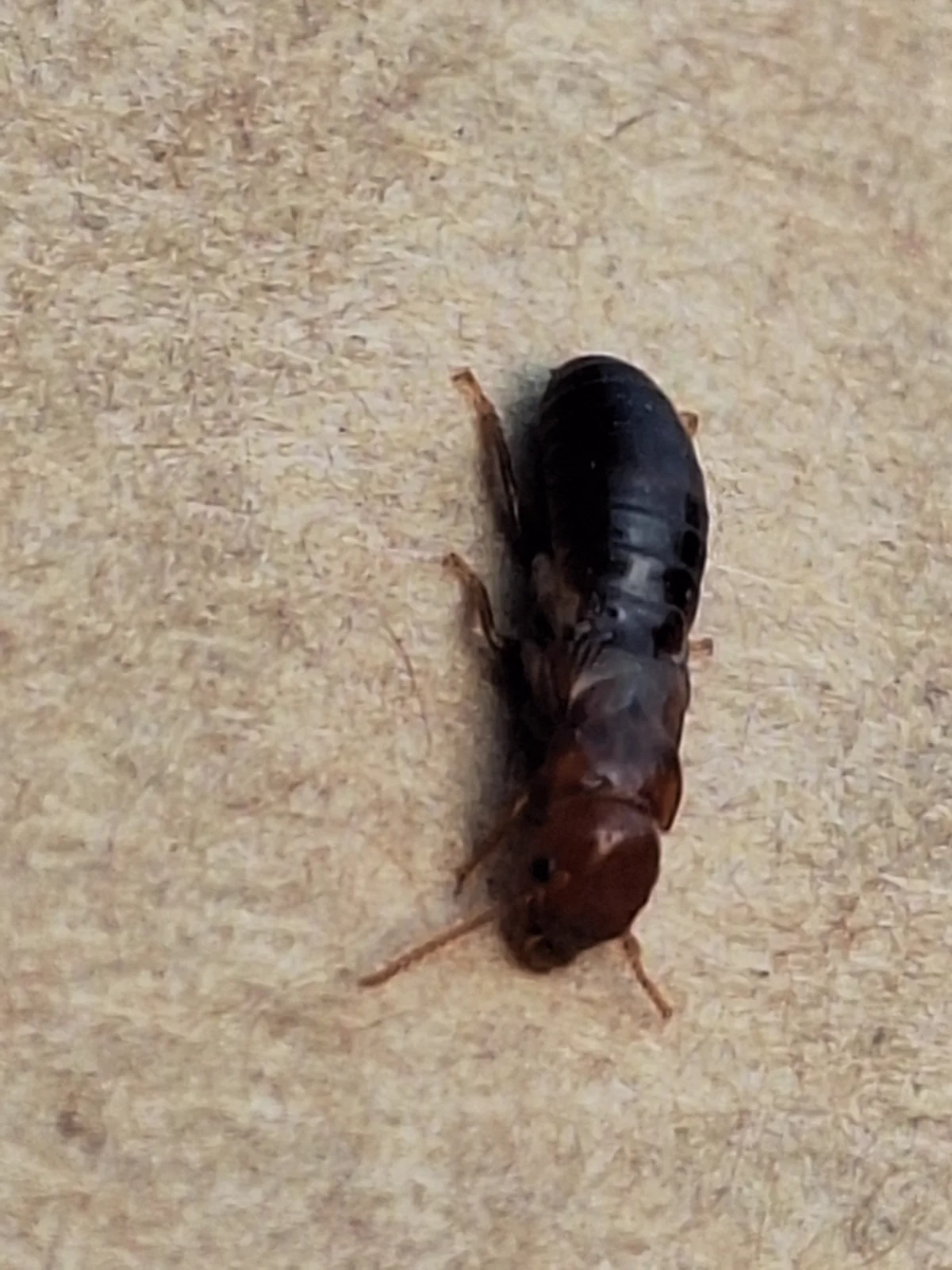
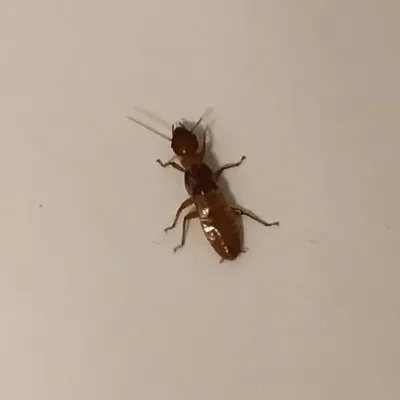
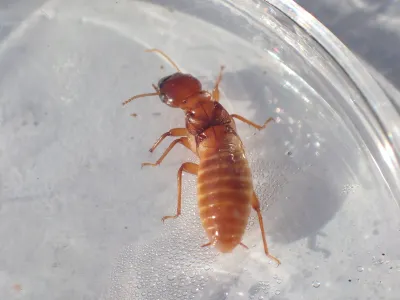
Soldiers are easy to spot. They have large, reddish-brown heads with hardened shells. Their black jaws have two visible teeth on the inner edge. The soldier’s body is pale cream or tan. This creates a clear contrast with the darker head.
Workers are creamy white to pale tan. They have soft bodies without color. Workers make up most of the colony. They gather food, build the nest, and care for other termites.
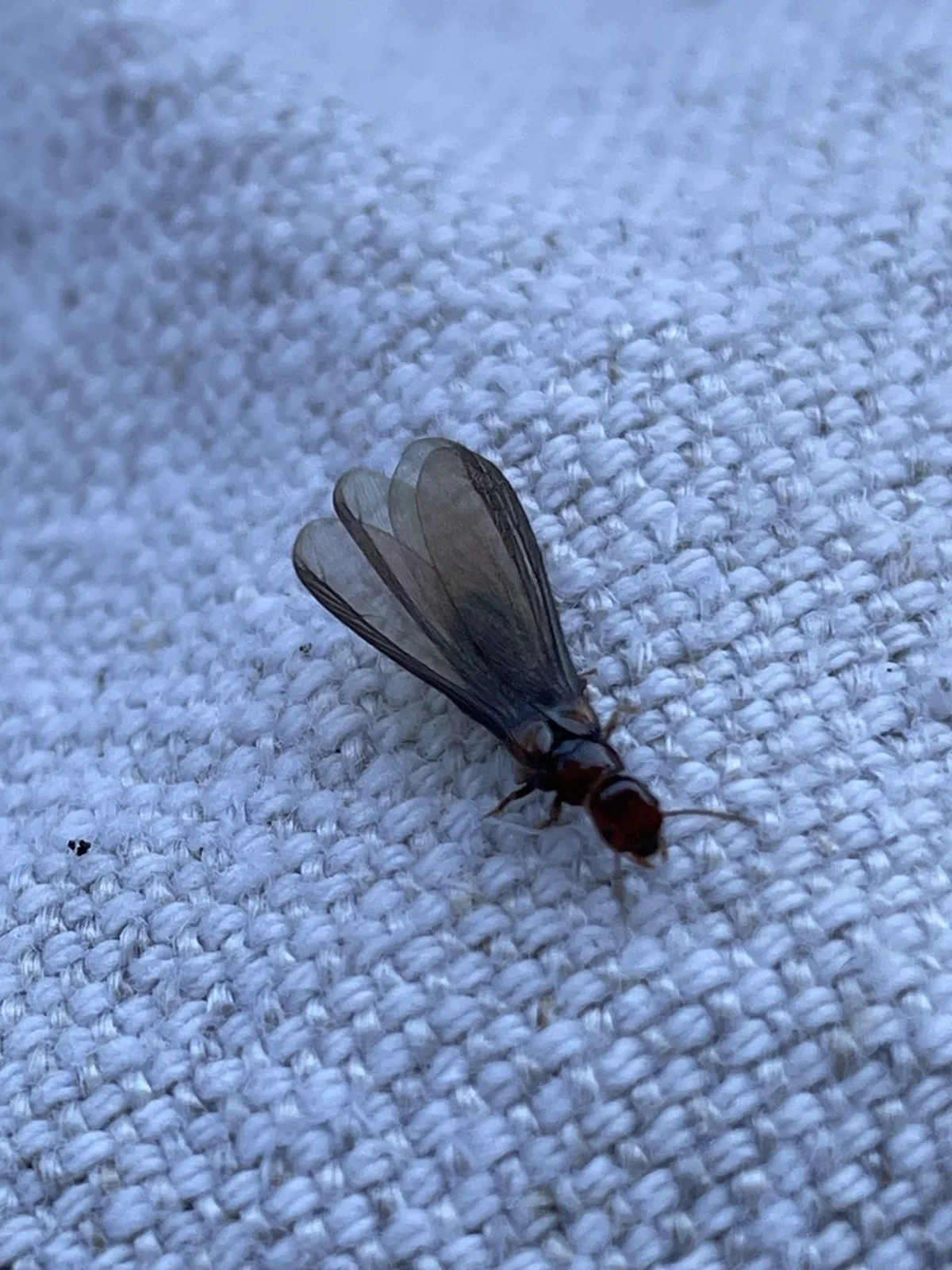
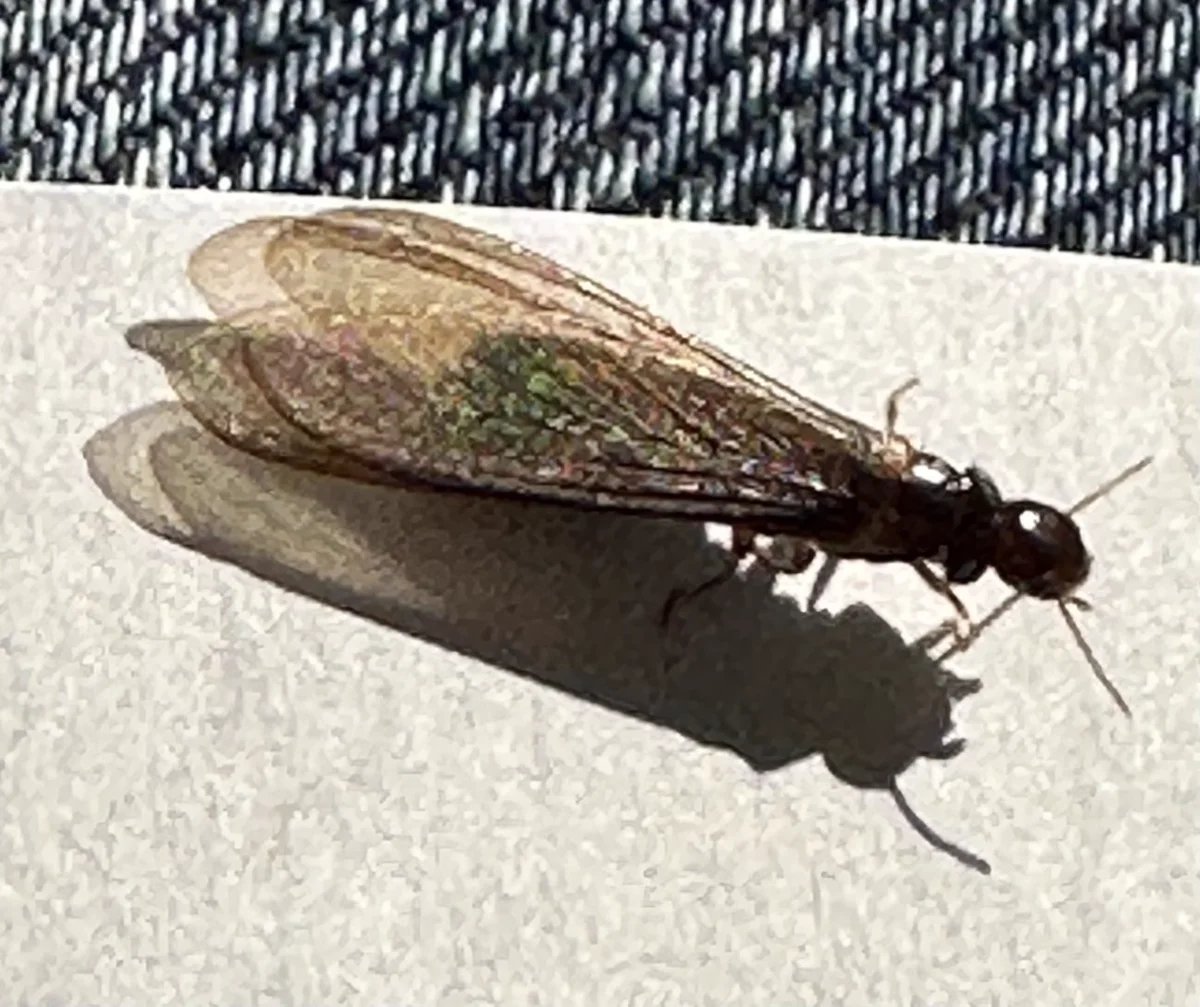
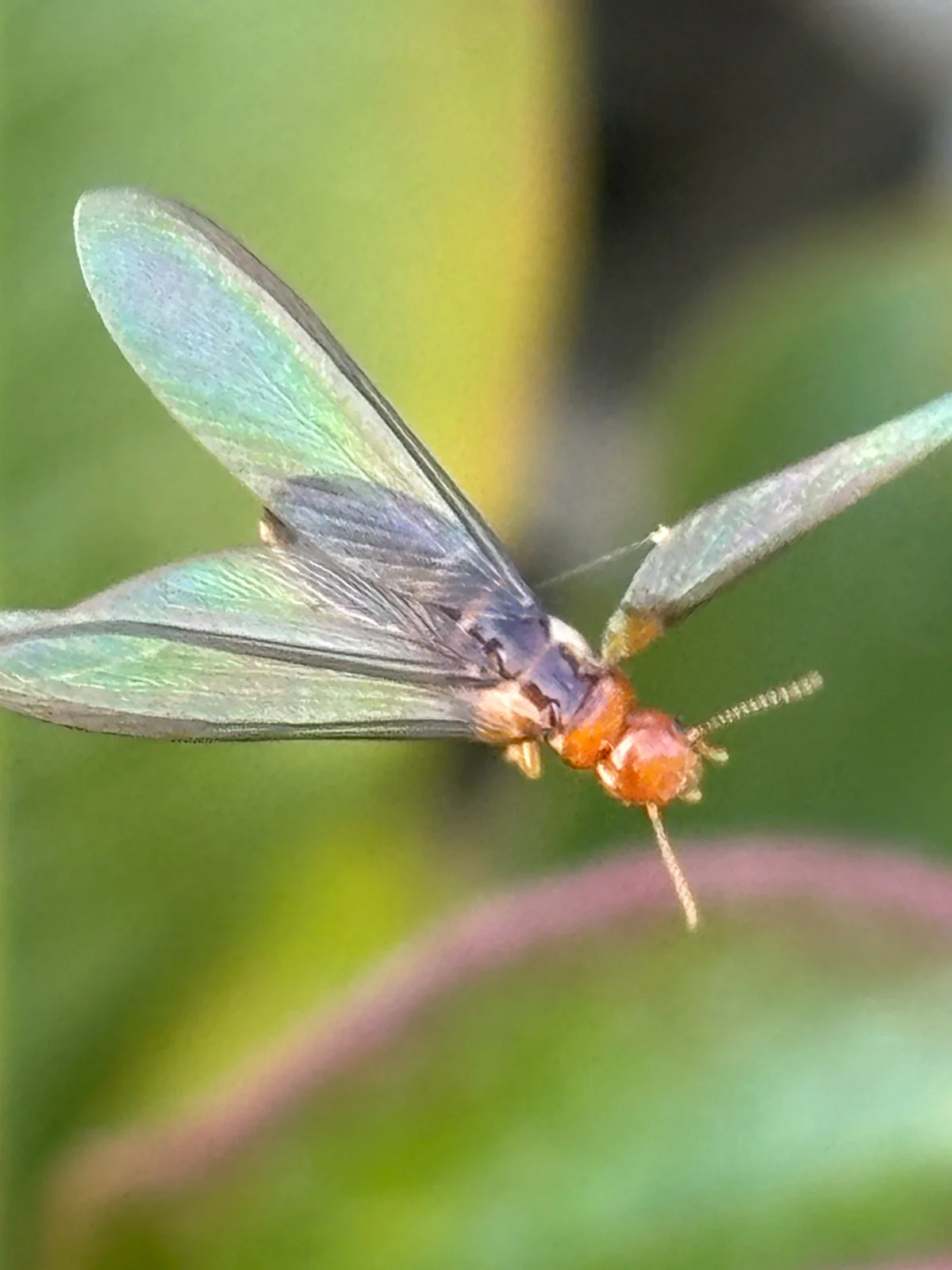
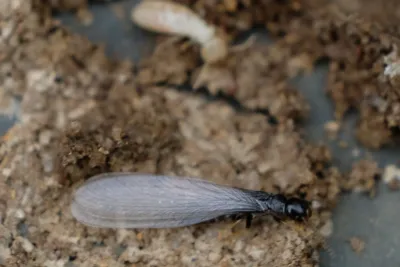
Swarmers (winged termites) measure 11 to 12.5 mm with wings. They have orange-brown heads and dark brown abdomens. Their wings look smoky and are about the same length. After mating, swarmers shed their wings and try to start new colonies.
How to Tell Them Apart
You can tell western drywood termites from other termites by these traits:
- Soldiers have plug-shaped heads they use to block tunnels
- Swarmers have smoky wings with dark veins
- Their droppings are six-sided and the same size
- They do not build mud tubes like subterranean termites
Pest control workers in California sometimes call this species “Kalos.” This comes from its old name, Kalotermes minor. Inspectors may mark infestations with a “K” on termite reports.
Western Drywood Termite Behavior and Biology
Life Cycle and Colony Growth
Western drywood termites start a colony when a male and female swarmer find wood, shed their wings, and dig a small chamber. The queen lays her first eggs. Both parents care for the young termites.
Colonies grow slowly. It takes five years or more for a colony to mature. Even full-grown colonies have fewer than 1,000 termites. This small size means damage builds up slowly. However, untreated infestations can last for decades.
The colony has soldiers for defense and workers that gather food. Some workers can change into soldiers or new queens if the colony needs them. This helps the colony adapt to changes.
Swarming Season
Swarming is how these termites spread to new places. In southern California, swarms happen during the day from late September through November. In warmer desert areas, swarming may start as early as May.
Termite activity follows patterns. They are most active in summer and during late afternoon. Warm temperatures drive their activity more than humidity.
Swarmers fly toward light. You often find them near windows, doors, and lamps. Piles of shed wings in these spots can mean a swarm happened. New colonies may be forming in nearby wood.
Where They Live
Western drywood termites come from the western United States and northern Mexico. You find them in California, Arizona, Nevada, and parts of Oregon and Washington. In the wild, they infest dead wood in trees near rivers and dry stream beds.
People have spread this species by moving infested wood and furniture. Populations now live in Florida, Georgia, Louisiana, and Hawaii. They have also reached Canada, Australia, China, Japan, and South Korea.
In California, this is the second most important termite pest after subterranean termites. In desert areas, they overlap with desert drywood termites. They are common along the Pacific coast, in the Central Valley, and in Southern California deserts.
Signs of Infestation
The best sign of an infestation is fecal pellets, also known as termite pellets. These pellets have six sides and look like coarse sand. They are about 1 mm long and tan to brown in color.
Termites push these pellets out through tiny holes called kick-out holes. The holes are less than 2 mm wide. Pellets pile up beneath these holes. To check if termites are still active, clean up the pellets. Check back in a few days. If new pellets appear, the infestation is active.
Other warning signs include:
- Wood that sounds hollow when you tap it
- Blistered or warped wood surfaces
- Shed wings near windows, doors, or lights
- Small exit holes in wood where swarmers emerged
These termites often infest the upper parts of buildings, like roof framing. A thorough inspection should cover all wood areas in the home. See termite damage pictures for examples of what to look for.
Treatment Methods for Western Drywood Termites
Treating western drywood termites requires professional help. The products and methods needed are not sold to homeowners. The best treatment depends on how big the infestation is and where it is located.
Localized Treatments
For small infestations in easy-to-reach areas, spot treatments can work:
- Spot treatment: Drilling into infested wood and injecting insecticide into the tunnels
- Heat treatment: Heating wood to over 120 degrees Fahrenheit to kill termites
- Cold treatment: Using liquid nitrogen to freeze termites in accessible spots
- Microwave treatment: Using heat energy to kill termites in targeted areas
The downside of spot treatments is that hidden colonies may be missed. This can lead to the need for more treatment later.
Whole-Structure Fumigation
When infestations are large, hard to reach, or spread throughout a building, fumigation may work best. This process is often called “tenting.” Here is how it works:
- The entire building is covered with a sealed tent
- A fumigant gas fills the space and reaches all wood
- The gas stays at high levels for a set time
- The building is aired out before people return
Fumigation is common for drywood termite treatment in California and other western states. Learn more about the differences in our guide on subterranean termites vs drywood termites.
Prevention Tips
You can help prevent western drywood termite infestations:
- Check used furniture: Look over secondhand furniture and antiques before bringing them home
- Seal cracks: Fill gaps around windows, doors, and vents with caulk
- Protect bare wood: Paint, stain, or seal exposed wood to make it less appealing
- Remove wood debris: Clear dead wood, stumps, and woodpiles away from your home
- Get regular inspections: Professional inspections can catch problems early in high-risk areas
Drywood termite infestations can go unnoticed for years. Finding them early is the best way to avoid major damage. Read our termite prevention tips for more guidance on protecting your home.
References
Other Termites
Explore other species in the termites family
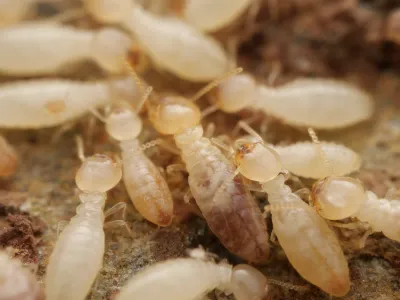
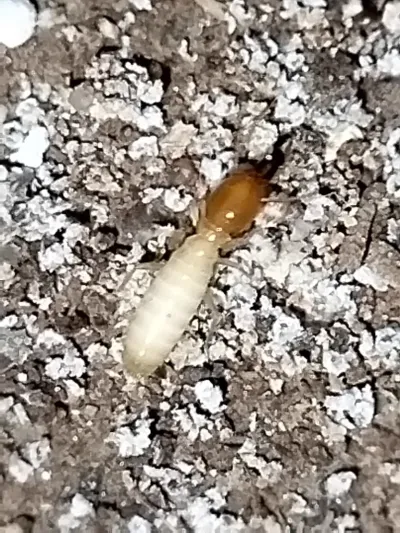
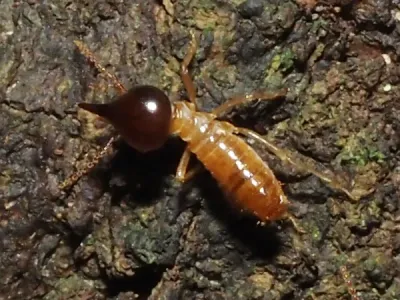
Commonly Confused With
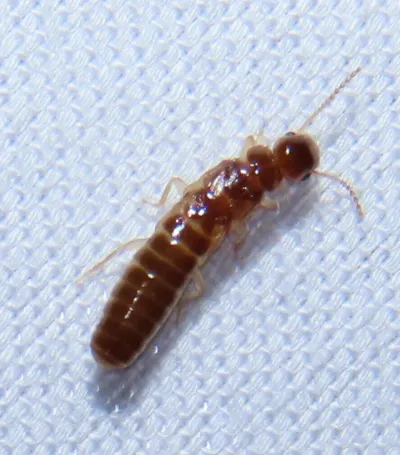
Western Drywood Termites are often mistaken for these similar pests
Where Western Drywood Termites Are Found
Hover over states to see their names. Green regions indicate where western drywood termites have been reported.
Common Questions about Western Drywood Termites
How do I identify western drywood termites?
+
Look for these features: Soldiers have large, reddish-brown heads with black jaws. Swarmers have orange-brown heads, dark brown bodies, and smoky wings. The most common sign is small, six-sided droppings near tiny holes in wood.
Where are western drywood termites found?
+
These termites are native to the western United States, mainly California and Arizona. They also live in Nevada, New Mexico, Texas, Oregon, and Washington. People have spread them to Florida, Georgia, Louisiana, Hawaii, and other countries.
When do western drywood termites swarm?
+
In southern California, swarms happen during the day from late September through November. In warmer areas like Palm Springs, swarming can start as early as May. They are most active in late afternoon when it is warm.
What is the difference between western drywood and subterranean termites?
+
Western drywood termites live inside dry wood and do not need soil contact. Subterranean termites nest in soil and build mud tubes to reach wood. Drywood colonies are small, under 1,000 termites. Subterranean colonies can have hundreds of thousands.
How much damage do western drywood termites cause?
+
These termites cost about 250 million dollars per year in the United States. Their small colonies hide inside wood. Infestations often go unnoticed for years. Over time, they damage structural wood, furniture, and fixtures.
What do western drywood termite droppings look like?
+
Their droppings are six-sided pellets about 1 mm long. They look like coarse sand and range from tan to dark brown. Termites push them out through tiny holes. You will find small piles below infested wood.
Can western drywood termites infest furniture?
+
Yes, they often infest wooden furniture, picture frames, and other wood items. Infested furniture can carry them to new places. This is how they spread to Florida and other southeastern states.
How long does it take for a colony to mature?
+
Colonies grow slowly. It takes five years or more to reach full size. Even mature colonies have fewer than 1,000 termites. This slow growth means you may not notice them for years.

With five years of hands-on experience in the pest control industry, George Schulz is a registered technician with the Virginia Pest Management Association and a proud third-generation professional in a family business that's been protecting homes for over 57 years. He manages and trains a team of service pros while also leading internal research efforts—recently spearheading a deep-dive review of thousands of documents on pest control materials to hand-pick the most kid and pet friendly, most effective solutions tailored specifically for homes in the DC metro area.