West Indian Drywood Termites Identification Guide
Cryptotermes brevis
West Indian drywood termites are among the most destructive and widespread drywood termite species in the world. They infest dry wood in structures and furniture, causing over $100 million in damage annually in the United States alone.
Taxonomy
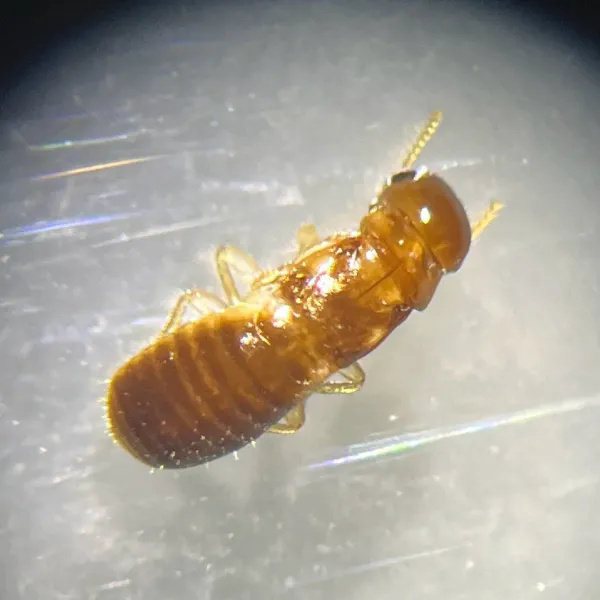
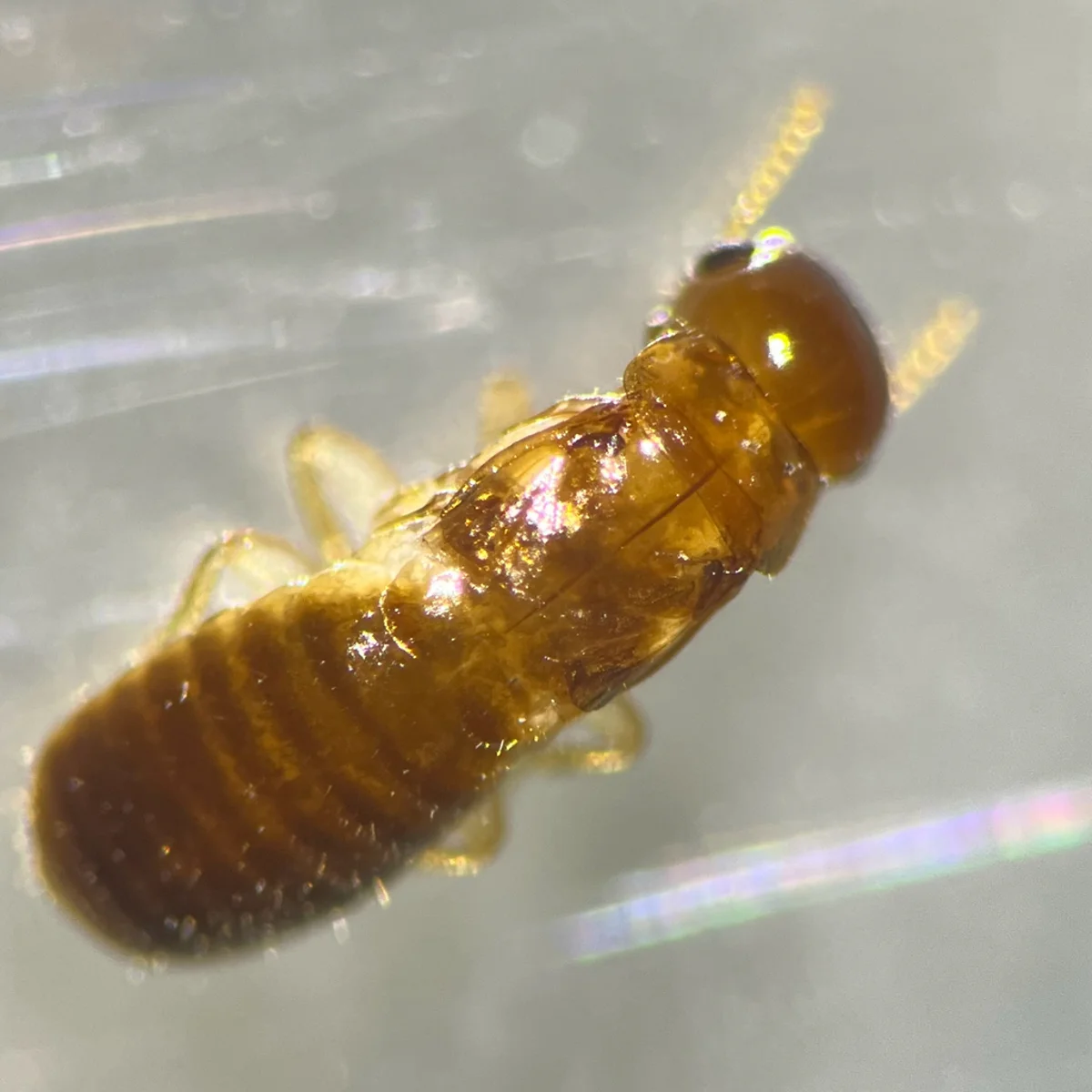
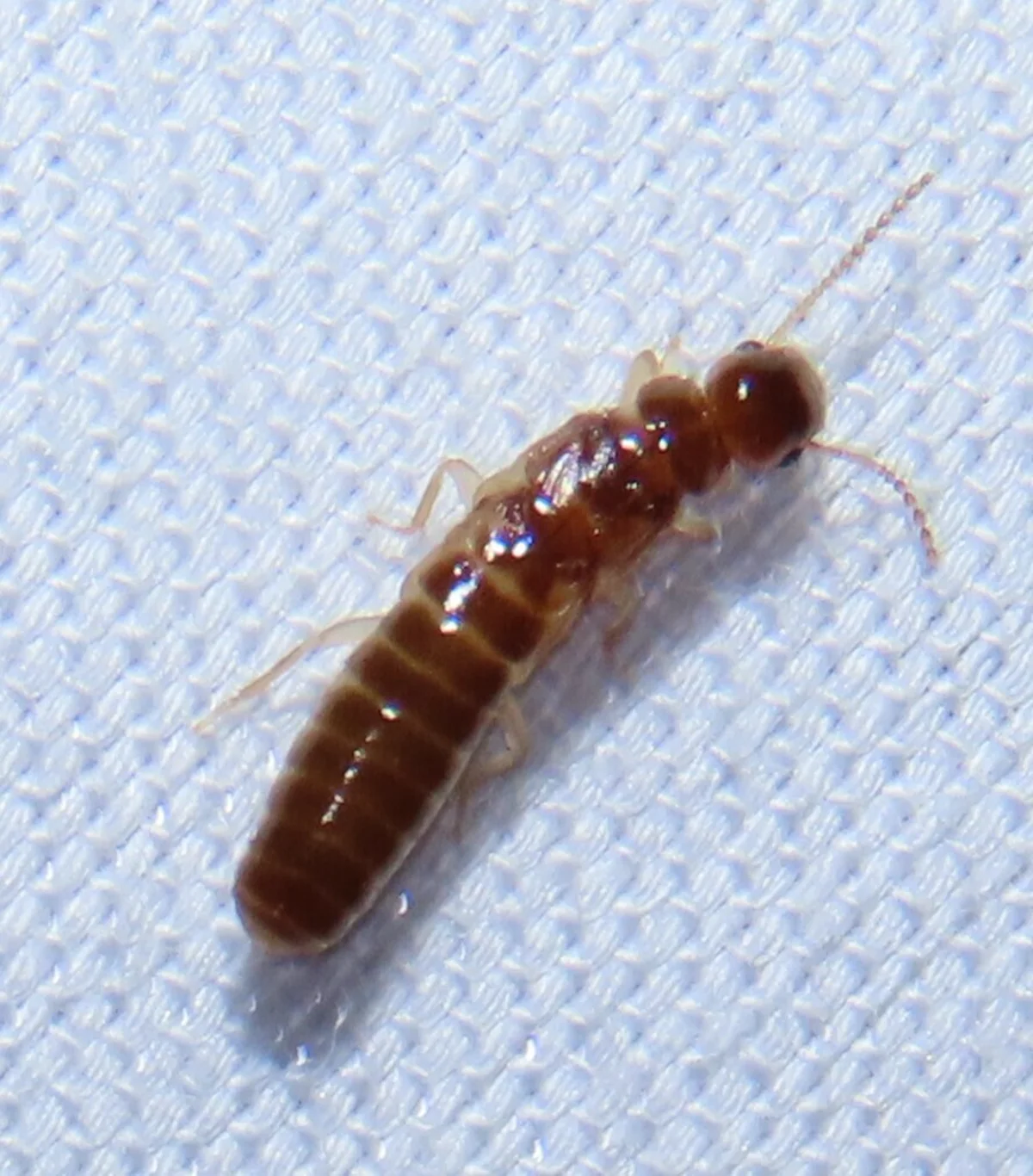
West Indian Drywood Termites Coloration
Common color patterns to help identify west indian drywood termites
West Indian Drywood Termites
Seasonal Activity
When west indian drywood termites are most active throughout the year

Where West Indian Drywood Termites Are Found
Hover over states to see their names. Green regions indicate where west indian drywood termites have been reported.
West Indian Drywood Termite Identification Guide
Physical Characteristics
West Indian drywood termites are medium-sized drywood termites that live in small colonies inside the wood they consume. Different members of the colony look quite different from each other.
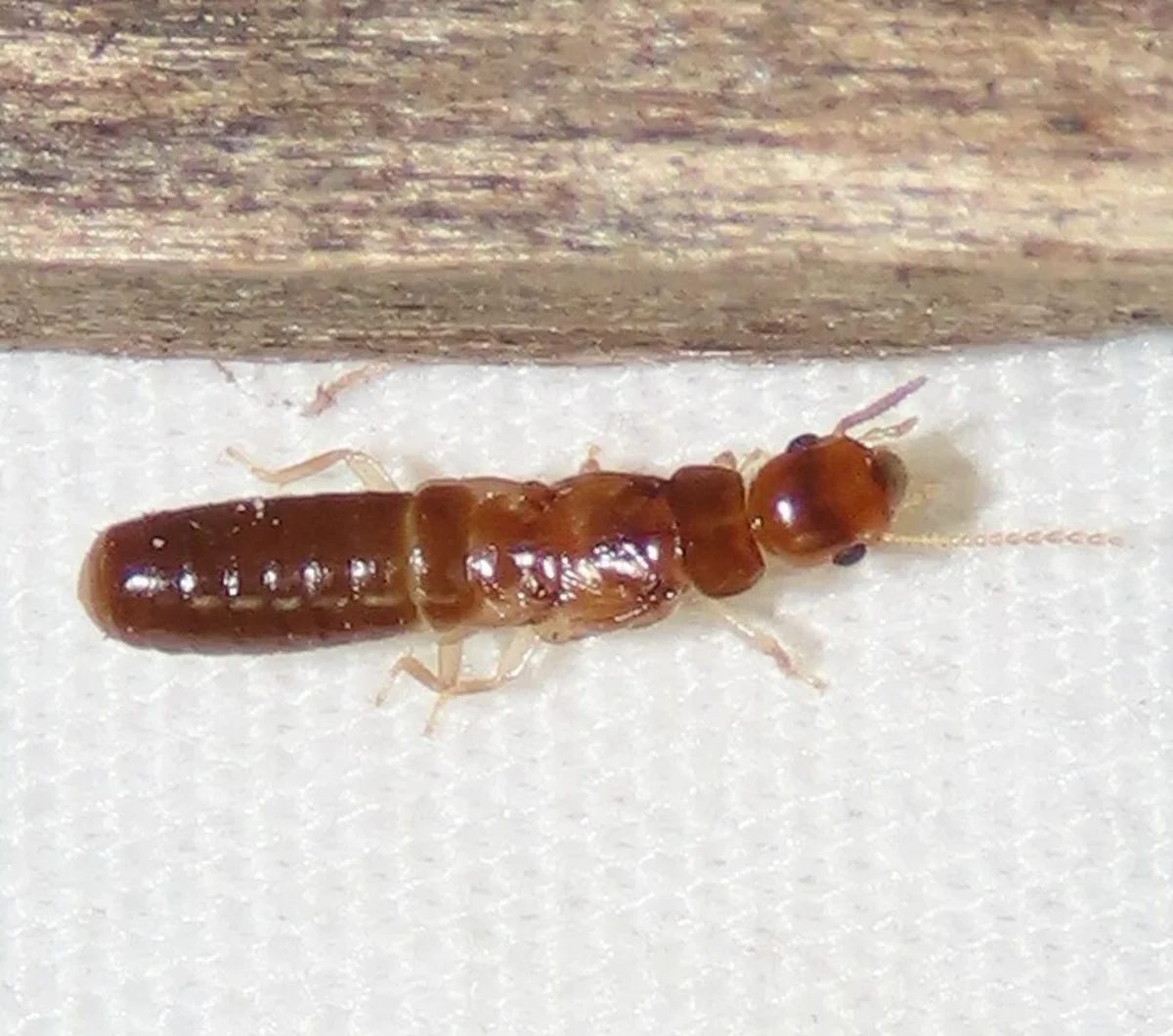
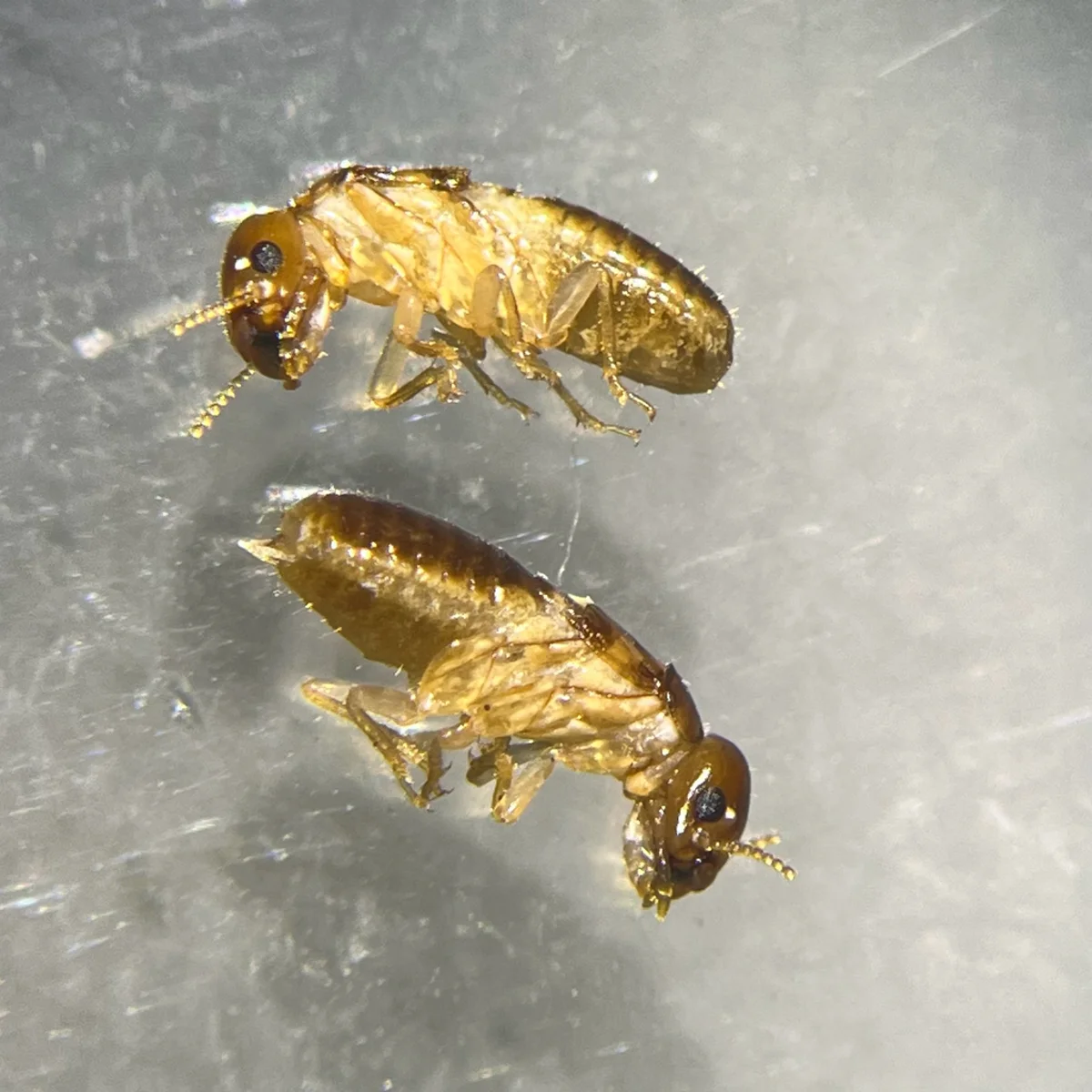
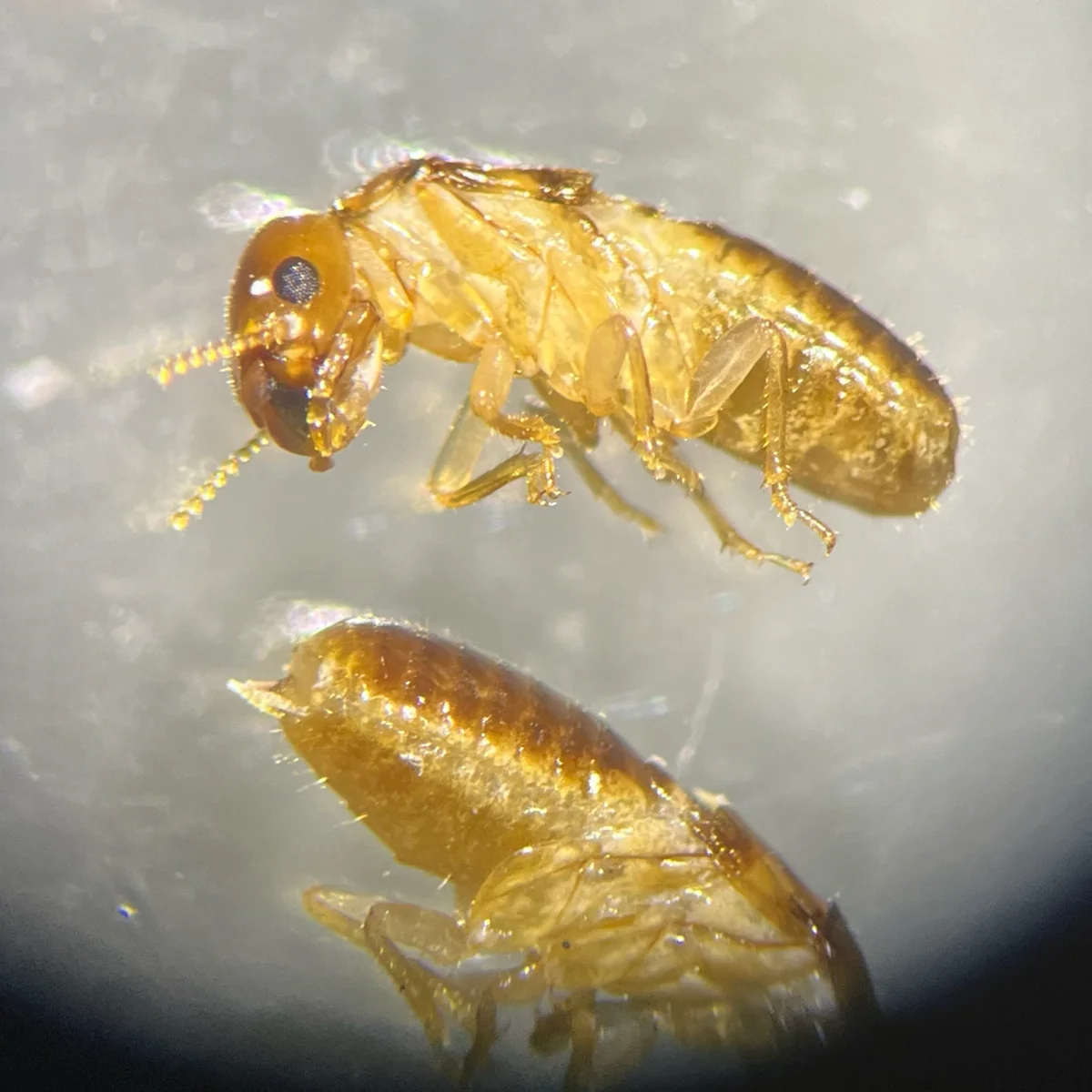
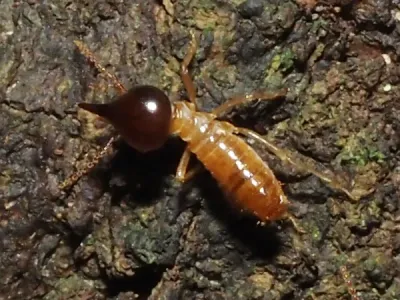
Soldiers are the easiest to identify. They are about 4 to 5 millimeters long. Their bodies are pale yellow, and their heads are dark, almost black. The head has a plug-like shape with deep wrinkles. This shape helps them block tunnel openings from ants and other threats. Their jaws are shorter than those of most other drywood termites.
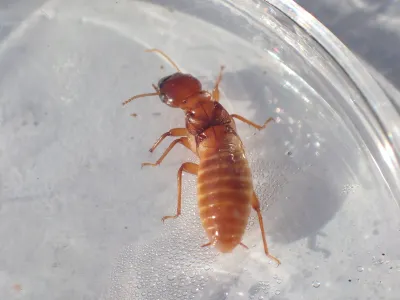
Workers, also called pseudergates, make up most of the colony. They are cream to pale tan with soft bodies. Like most termites, they are blind. They have strong jaws for chewing wood. Their antennae look like strings of tiny beads.
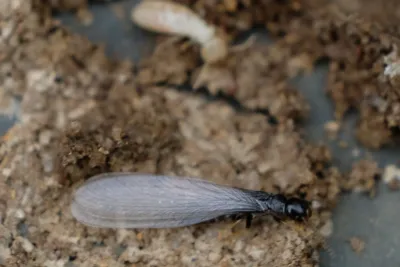
Reproductives are the largest members. They measure 9 to 11 millimeters long. Winged ones, called alates, have medium brown bodies. They are darker than other castes. They have two pairs of smooth wings with a shiny look. The wings have 3 to 4 dark veins near the front edge. After mating flights, they shed their wings.
Similar Species
West Indian drywood termites can be confused with other drywood termite species. Key features help tell them apart:
- Western Drywood Termite (Incisitermes minor): Has larger soldiers with reddish-brown heads. Heads lack the plug shape.
- Southeastern Drywood Termite (Incisitermes snyderi): Found in the same areas. Soldiers have heads shaped differently.
- Florida Drywood Termite (Cryptotermes cavifrons): Same genus. Soldiers look alike but have slightly different heads.
The soldier’s plug-shaped head with wrinkles is the best way to tell this species apart. The fecal pellets have six sides and measure about 1 millimeter. Their color varies from cream to red to black based on the wood type.
West Indian Drywood Termite Behavior and Biology
Life Cycle and Colony Development
West Indian drywood termites grow slowly. A colony starts when a male and female pair up after a mating flight. They find a crack or hole in wood and enter together. They seal the opening with a body fluid. Then they dig out a small chamber for raising young.
The queen lays kidney-shaped eggs. These hatch into larvae. Both parents care for the first batch of young for several months. Once the larvae grow into workers, the king and queen focus on making more eggs.
Colony growth is slow compared to subterranean termites:
- Years 1-2: The colony is mostly workers caring for eggs and larvae
- Years 2-3: The first soldiers appear to guard the colony
- Year 5: Mature colonies start making winged termites
- Year 10+: Large colonies may have over 1,000 members
More than one colony can live in a single building. Each colony works on its own within its section of wood.
Habitat and Nesting Behavior
Unlike subterranean termites, West Indian drywood termites live only inside wood. They never need to touch soil. They get all the water they need from the wood they eat. Special glands help them save water by pulling it back from their waste.
These termites prefer the sapwood portion of both hardwoods and softwoods. They commonly infest:
- Structural wood in buildings
- Window and door frames
- Roof framing and eaves
- Wooden furniture
- Picture frames
- Wooden boats
- Hardwood flooring
In their native areas of coastal Peru and Chile, they live in the wild. Outside those places, they are found only in buildings and structures. They have never been found living outdoors in the United States.
Feeding Habits
Workers do all the feeding for the colony. They chew through wood and make tunnels and rooms as they go. They leave a thin layer of wood on the outside. This hides the damage from view. The tunnels follow the wood grain and have smooth walls.
As they eat, termites make fecal pellets. These pellets pile up inside the tunnels. Workers push them out through small holes that are only 1 to 2 millimeters wide. Below these holes, you may find cone-shaped piles of pellets. If the hole is higher up, pellets may scatter in a circle on the floor.
Swarming Behavior
Mature colonies make winged termites once a year. Swarming happens mostly from April through June, but flights can occur any time. These termites are drawn to light and often fly in the evening.
After landing, they shed their wings. A male follows a female closely as they search for a place to start a new colony. They look for cracks, holes, or other ways into wood. Once inside, they seal the opening and start digging their first room.
Signs of Infestation
West Indian drywood termites are hard to detect because they live hidden inside wood. The main signs to watch for include:
Fecal Pellets (Frass)
This is the most reliable sign of infestation. These termite pellets have the following features:
- Hexagonal (six-sided) shape
- About 1 millimeter long
- Hard texture
- One rounded end and one tapered end
- Colors range from cream to red to black
- Uniform size and shape (unlike sawdust)
Pellets collect in piles below kick-out holes or scatter in circular patterns. Finding fresh pellets means an active infestation.
Kick-Out Holes
Small holes in wood surfaces, only 1 to 2 millimeters wide. Termites use these to push out frass. The holes are often sealed over and reopened when more pellets need to be removed.
Swarmers and Wings
Finding winged termites or piles of shed wings near windows, doors, or lights means a colony is nearby. Wings show up most often during swarming season in spring.
Wood Damage
In advanced infestations, you may notice signs similar to our termite damage pictures:
- Blistering or peeling paint on wood surfaces
- Wood that sounds hollow when tapped
- Thin wood veneers that break through easily
- Visible galleries when damaged wood is exposed
Treatment Methods for West Indian Drywood Termites
Professional pest control is needed to treat West Indian drywood termite problems. The best method depends on how bad the issue is and where the termites are located.
Detection Methods
Finding all the infested areas is key before treatment. Pros may use:
- Visual checks and probing with metal tools
- Trained termite detection dogs
- Infrared cameras to spot heat patterns
- Sound-based detection tools
- Portable X-ray machines for detailed views
Fumigation
Fumigation is the most common treatment in areas where West Indian drywood termites are widespread. Nearly all structural fumigation in Florida and Hawaii targets this species.
The process involves covering the entire structure with gas-tight tarps. A fumigant gas, usually sulfuryl fluoride, fills the structure. The gas reaches all wood and kills termites in every spot. After treatment, the structure is aired out until gas levels fall below required thresholds.
Localized Treatments
For small problems, spot treatments may work:
- Drill-and-treat: Drilling into infested wood and putting insecticide right into the tunnels
- Heat treatment: Raising wood temperature high enough to kill termites
- Borate solutions: Using borate-based products that kill termites and protect wood
- Microwave energy: Using microwave heat to kill termites in one area
Prevention
Here are ways to help prevent these termites:
- Check all used furniture and wood items before bringing them into your home
- Seal cracks around windows, doors, and pipes with caulk or fine mesh
- Paint or seal exposed wood surfaces
- Use treated or resistant wood in high-risk areas
- Get regular pro inspections if you live where this species is common. Learn about how much termite treatment costs
Post-Treatment Monitoring
After treatment, clean up all pellets and wings you can see. This gives you a starting point. New pellet piles or swarmers may mean the treatment did not get all the termites. Keep in mind that shaking or movement can knock loose old pellets from wood that was treated. So new piles do not always mean live termites are still there.
References
Other Termites
Explore other species in the termites family
Commonly Confused With
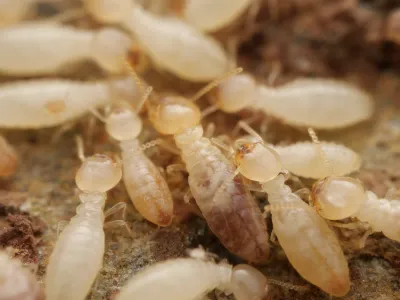
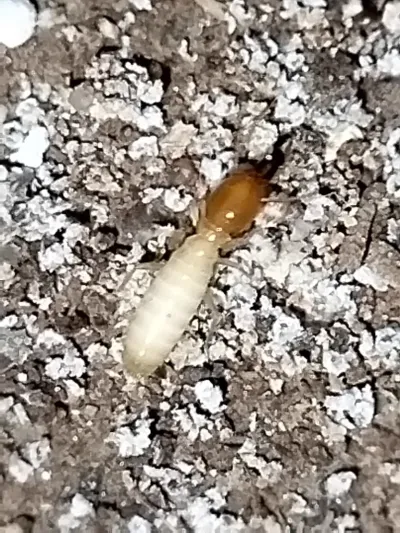
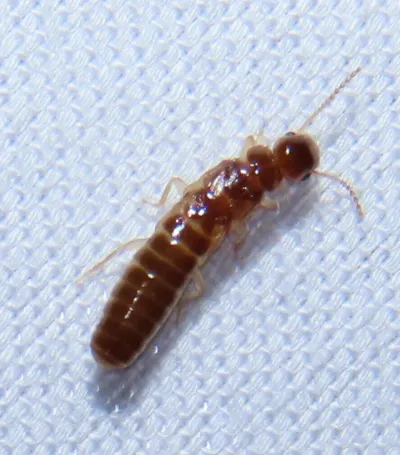
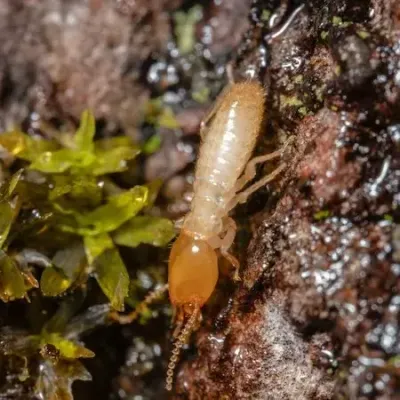
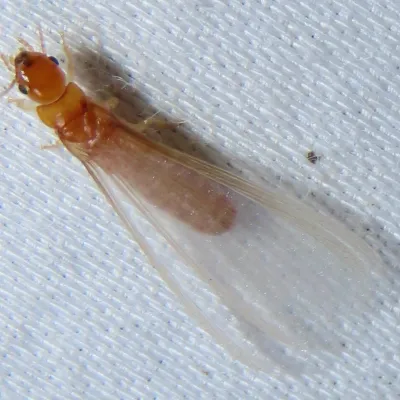
West Indian Drywood Termites are often mistaken for these similar pests
Where West Indian Drywood Termites Are Found
Hover over states to see their names. Green regions indicate where west indian drywood termites have been reported.
Common Questions about West Indian Drywood Termites
How do I know if I have West Indian drywood termites?
+
Look for small piles of fecal pellets called frass. These pellets have six sides and are about 1mm long. They come in different colors from cream to dark brown. Termites push them out of tiny kick-out holes in wood. You may also see swarmers or shed wings near windows in spring.
Where are West Indian drywood termites found in the United States?
+
They are most common in Florida and Hawaii, where they cause the most structural damage. Heavy infestations also occur in coastal areas of Louisiana, Texas, and other Gulf states. Major port cities like New Orleans and Galveston have frequent problems with this species.
How did West Indian drywood termites spread to the United States?
+
Despite their name, they actually come from coastal Peru and Chile. Spanish ships likely spread them to the Caribbean and Americas centuries ago. They reached the U.S. before 1919. Today they spread mainly through infested furniture, wood products, and cargo.
What is the difference between West Indian and other drywood termites?
+
West Indian drywood termites have soldiers with a distinct plug-shaped head that is dark and wrinkled. This head shape lets them block tunnels from invaders. They form smaller colonies than some other species but infest a wider range of wood types.
Can West Indian drywood termites infest furniture?
+
Yes. This species frequently infests wooden furniture, picture frames, and other moveable wood items. Objects as small as picture frames can be attacked. This is how they often spread to new locations, including areas where they do not normally survive outdoors.
How long does a West Indian drywood termite colony take to mature?
+
Colonies grow slowly. The first soldiers appear after 2 to 3 years. Winged termites do not develop until about 5 years. A mature colony can contain over 1,000 members and survive for more than 10 years inside the same piece of wood.
When do West Indian drywood termites swarm?
+
Swarming happens mainly from April through June, though flights can occur any time of year. Swarmers are attracted to light. After flying, males and females pair off, shed their wings, and find a crack or hole in wood to start a new colony.
How much damage do West Indian drywood termites cause?
+
In the United States, they cause an estimated 120 million dollars in damage each year. In Louisiana, they rank as the second most destructive wood pest after subterranean termites. Nearly all structural fumigation in Florida and Hawaii targets this species.

With five years of hands-on experience in the pest control industry, George Schulz is a registered technician with the Virginia Pest Management Association and a proud third-generation professional in a family business that's been protecting homes for over 57 years. He manages and trains a team of service pros while also leading internal research efforts—recently spearheading a deep-dive review of thousands of documents on pest control materials to hand-pick the most kid and pet friendly, most effective solutions tailored specifically for homes in the DC metro area.