Southeastern Drywood Termites Identification Guide
Incisitermes snyderi
Southeastern drywood termites are wood-destroying insects that live entirely within dry wood. They do not need soil contact and infest structural timbers, furniture, and hardwood throughout the southeastern United States.
Taxonomy
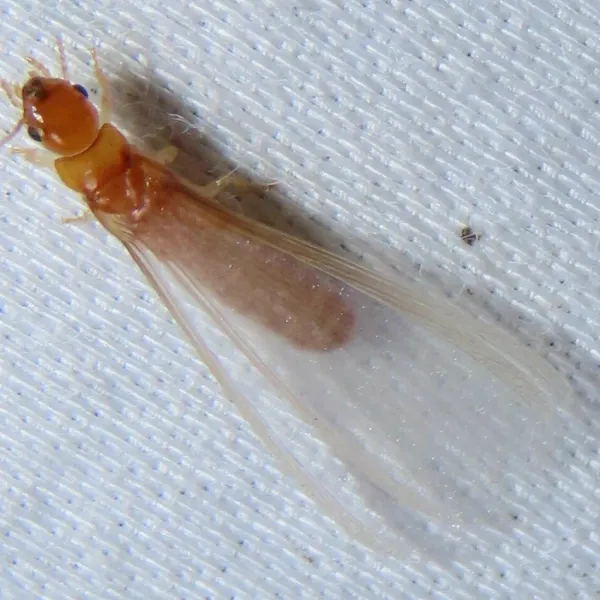
Southeastern Drywood Termites Coloration
Common color patterns to help identify southeastern drywood termites
Southeastern Drywood Termites
Seasonal Activity
When southeastern drywood termites are most active throughout the year
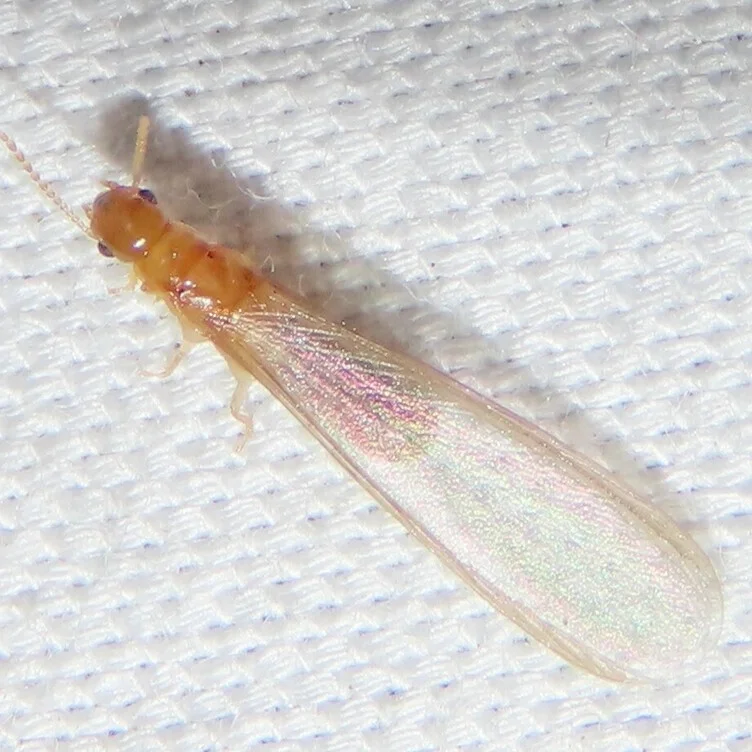
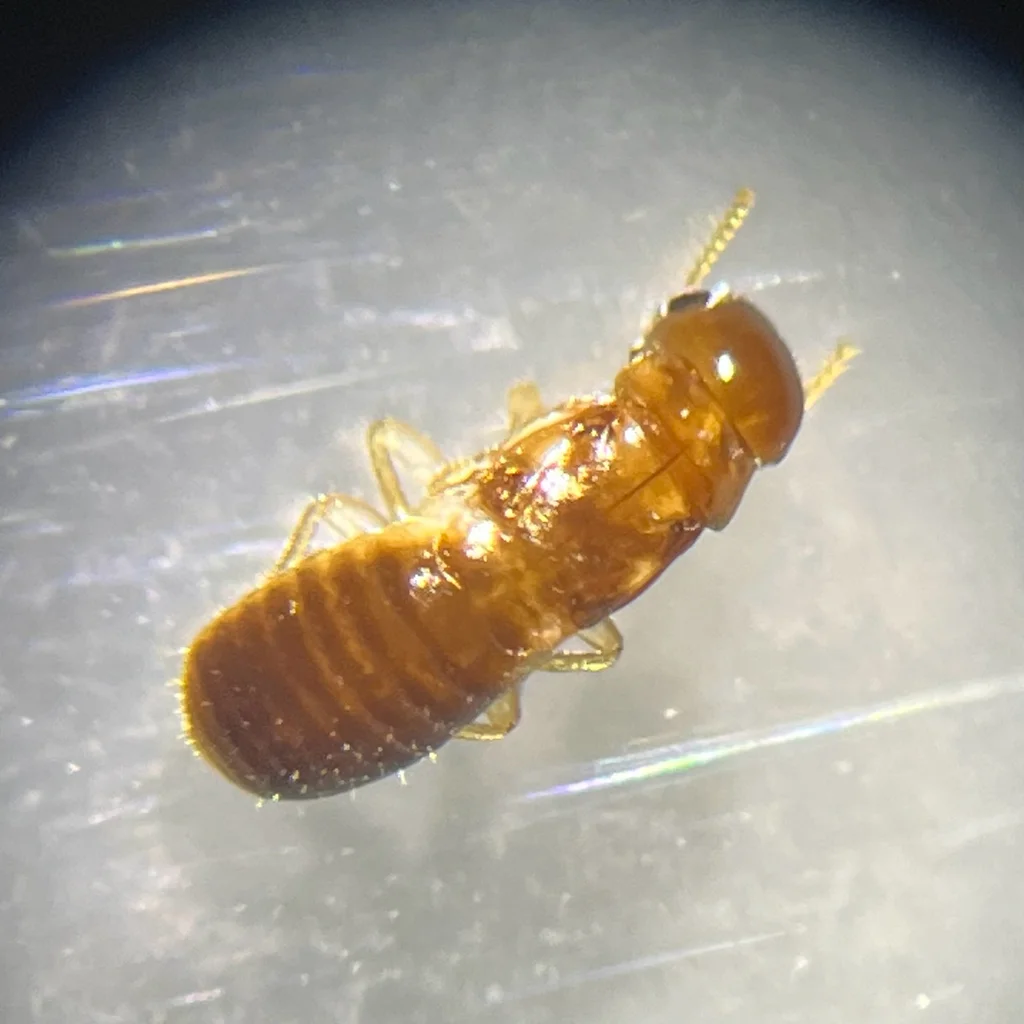
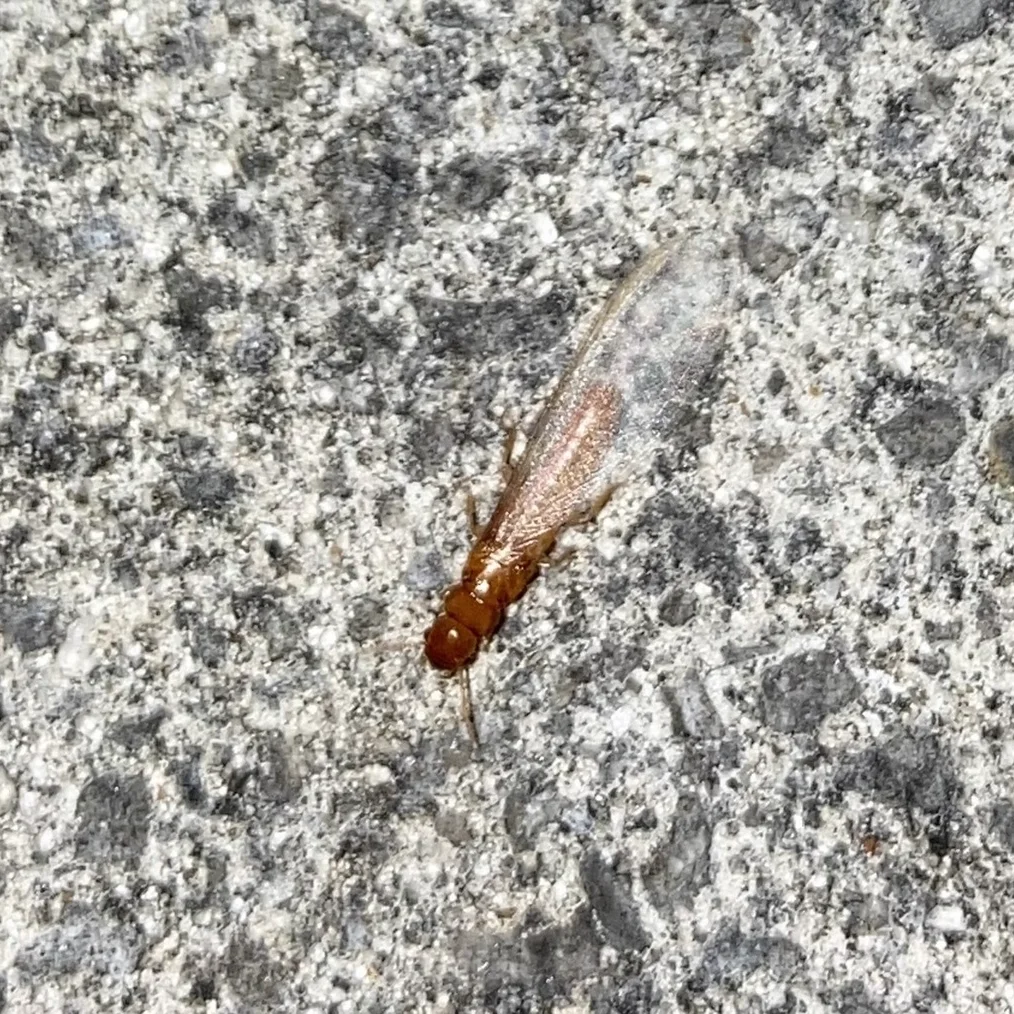

Where Southeastern Drywood Termites Are Found
Hover over states to see their names. Green regions indicate where southeastern drywood termites have been reported.
Southeastern Drywood Termite Identification Guide
Physical Characteristics
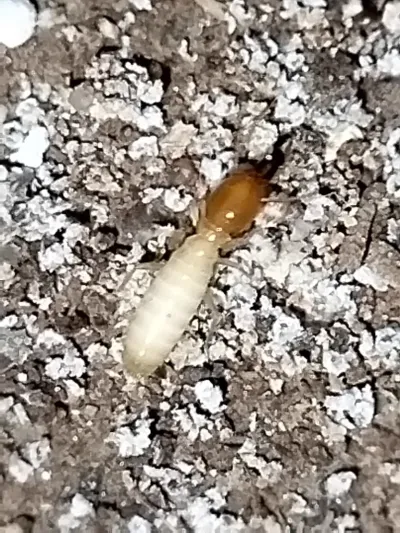
Southeastern drywood termites (Incisitermes snyderi) are medium-sized drywood termites. They measure 7 to 13 millimeters long. Some people call them the light southeastern drywood termite. Their color ranges from yellowish-brown to reddish-brown. Color differs based on their role in the colony.
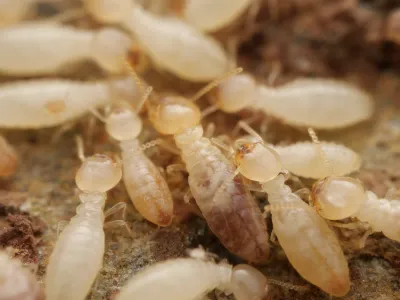
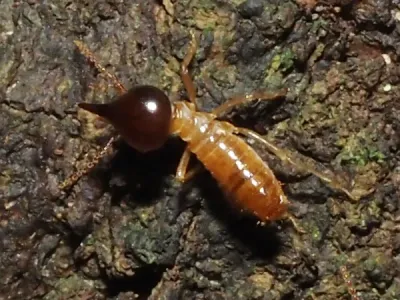
Workers and nymphs have soft, cream-colored bodies. Drywood termites do not have a true worker caste. Young nymphs do all the work instead. Soldiers have bigger, darker heads that look reddish-brown. They use their strong jaws to defend against ants and other threats.
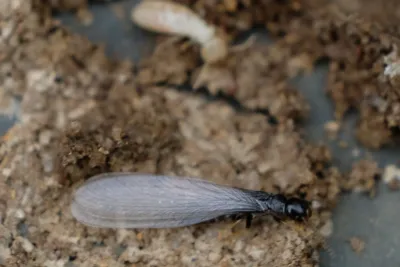
Swarmers are the largest members of the colony. They have wings and can reproduce. Swarmers measure about 11 to 13mm with wings included. Their bodies are yellowish-brown to tan. They have two pairs of wings that are the same length. The wings look see-through with visible veins. After mating flights, swarmers drop their wings.
How to Tell Them Apart from Other Termites
Southeastern drywood termites look like other drywood species. Here are some ways to tell them apart:
- Body color is lighter, more yellowish-brown, than darker drywood species
- Soldiers have rectangle-shaped heads with visible jaws
- Swarmers have smoky-gray to brown wings that reach past the body
- Droppings are small pellets with six flat sides
Finding frass pellets is the best way to spot drywood termite activity. These pellets look like coarse sand or coffee grounds. They pile up below small holes in infested wood.
Southeastern Drywood Termite Behavior and Biology
Colony Structure
Southeastern drywood termite colonies have a simple social setup. Each colony has a king and queen who make babies. Soldiers protect the colony. Nymphs do all the daily work. There is no true worker caste in this species. Nymphs dig tunnels, find food, and care for others. They later grow into soldiers or swarmers.
Colonies grow slowly. A new colony starts when two swarmers mate and find good wood. In the first few years, the colony may only have the royal pair, one soldier, and a few nymphs. Full-grown colonies rarely have more than 3,000 members.
A colony will not make winged swarmers until it is at least four years old. When they do swarm, only about a dozen may leave at once. This small number makes them hard to notice.
Habitat and Nesting
Southeastern drywood termites live entirely inside the wood they eat. They do not need soil contact like subterranean termites do. They also do not need outside water sources. The wood gives them all the moisture they need.
These termites like dry, solid wood. Common places they infest include:
- Roof framing and rafters
- Wooden window and door frames
- Eaves and overhangs
- Hardwood flooring
- Wooden furniture and cabinets
- Picture frames and wood decor
Southeastern drywood termites make smooth tunnels through the wood. These tunnels cut through both soft and hard wood layers. They dig toward the outer surface but leave a thin shell. This shell makes the wood look normal from outside.
Geographic Range
This species lives across the southeastern United States. You can find them from South Carolina through Florida and west to Texas along the Gulf Coast. They also live in the Bahamas and Caribbean islands.
Southeastern drywood termites do best in warm, humid coastal areas. They are one of two drywood termite species that cause major damage in the eastern U.S. The other is the West Indian drywood termite. In their range, they may also be found alongside eastern subterranean termites and Formosan termites.
Swarming Behavior
Swarming times differ by location. In some places, flights happen at midday in bright, sunny weather. In other areas, swarms occur in the evening. Most swarming happens from late spring to early summer when it is warm.
Swarmers do not fly well. Most only travel 6 to 10 feet from their colony. Stronger ones may fly up to 250 feet. After landing, they drop their wings and look for wood to start a new colony.
Signs of Southeastern Drywood Termite Infestation
Fecal Pellets (Frass)
The best way to spot an infestation is by finding fecal pellets, also called termite pellets. Southeastern drywood termites push their droppings out of small holes in the wood. These holes are only 1 to 2mm wide.
Frass pellets have certain features that help identify them:
- About 1mm long, the size of coarse sand grains
- Six-sided shape with dented surfaces
- Hard and gritty when you roll them between your fingers
- Colors range from light tan to nearly black
- All pellets look the same size and shape
Pellets build up in small piles below infested wood. Many homeowners think they are sawdust. But termite pellets are uniform and gritty. Carpenter ant debris has uneven wood chips and bug parts mixed in.
To check if an infestation is active, clean up the pellets you see. Check the same spot after one week. If new pellets appear, the termites are still active.
Other Warning Signs
Besides frass, look for these signs:
- Shed wings near windows, doors, or lights after swarming season
- Wood that sounds hollow when you tap it
- Paint that bubbles or warps on wood surfaces
- Tiny holes in wood, sometimes sealed with feces
- Live swarmers coming out indoors during warm months
Southeastern drywood termites eat across the wood grain, not along it. This eating pattern can weaken wood faster than other termite species. See termite damage pictures to learn what this type of destruction looks like.
Treatment Methods for Southeastern Drywood Termites
A pest control professional should handle termite problems. The right treatment depends on how bad the problem is and where the termites are located.
Localized Treatments
For small infestations in areas you can reach, spot treatments may work well:
- Direct injection: A technician drills into infested wood and puts termite-killing product right into the tunnels
- Heat treatment: Special equipment heats the wood hot enough to kill the termites
- Cold treatment: Liquid nitrogen freezes termites in hard-to-reach spots
- Microwave treatment: Targeted microwave energy heats and kills termites in one area
These methods work best when the problem is small and easy to access.
Whole-Structure Fumigation
When the problem is large, hidden, or hard to reach, fumigation may be needed. This process includes:
- Covering the whole building with a tent
- Releasing sulfuryl fluoride gas
- Letting the gas reach all wood in the building
- Airing out the building before people can go back inside
Fumigation kills all termites in the building. But it does not stop new termites from coming in later.
Prevention Strategies
You can lower your risk of southeastern drywood termite problems by:
- Checking used furniture and wood items before bringing them inside
- Sealing cracks around windows, doors, and pipes
- Painting or sealing exposed wood surfaces
- Putting fine mesh screens on vents
- Getting regular inspections if you live in a high-risk area
Catching the problem early is key. The longer termites go unnoticed, the more damage they cause. Yearly inspections by a professional can find problems before they get bad. Learn more about how to get rid of termites and how much termite treatment costs.
References
Other Termites
Explore other species in the termites family
Commonly Confused With
Southeastern Drywood Termites are often mistaken for these similar pests
Where Southeastern Drywood Termites Are Found
Hover over states to see their names. Green regions indicate where southeastern drywood termites have been reported.
Common Questions about Southeastern Drywood Termites
How can I tell if I have southeastern drywood termites?
+
Look for small piles of pellets that resemble coarse sand or coffee grounds. These six-sided droppings are pushed out of tiny kick-out holes in infested wood. You may also see swarmers or their shed wings near windows during spring and summer months.
Where are southeastern drywood termites found?
+
This species lives in southeastern coastal states from South Carolina to Florida and west to Texas. They prefer warm climates and are one of the two most widespread drywood termite species in the United States.
What is the difference between southeastern drywood termites and subterranean termites?
+
Southeastern drywood termites live entirely inside wood and never touch soil. Subterranean termites live underground and build mud tubes to reach wood. Drywood termite colonies are smaller, but they can be harder to detect since they leave no mud tubes behind.
How much damage can southeastern drywood termites cause?
+
These termites eat across the wood grain rather than along it, which can weaken structures faster. Colonies are small, usually under 3,000 members, but damage builds up over years. Detection often happens late, making repairs costly.
When do southeastern drywood termites swarm?
+
Swarming can occur during daytime or evening hours, depending on location. Peak activity happens in late spring and summer. Only a dozen or so winged termites may swarm at once, making them easy to miss.
What do southeastern drywood termite droppings look like?
+
Their droppings, called frass, are tiny pellets about 1mm long with six distinct sides. They feel gritty when rolled between your fingers. Colors range from light tan to dark brown, regardless of the wood being eaten.
Can southeastern drywood termites infest furniture?
+
Yes. These termites commonly infest wooden furniture, picture frames, and other wood items. Infested furniture brought into a home can introduce termites to new areas where they do not normally occur.
How long does it take for a southeastern drywood termite colony to mature?
+
Colonies grow slowly. Winged swarmers do not appear until a colony is at least four years old. Mature colonies typically contain fewer than 3,000 members, much smaller than subterranean termite colonies.

With five years of hands-on experience in the pest control industry, George Schulz is a registered technician with the Virginia Pest Management Association and a proud third-generation professional in a family business that's been protecting homes for over 57 years. He manages and trains a team of service pros while also leading internal research efforts—recently spearheading a deep-dive review of thousands of documents on pest control materials to hand-pick the most kid and pet friendly, most effective solutions tailored specifically for homes in the DC metro area.