Desert Drywood Termites Identification Guide
Marginitermes hubbardi
Desert drywood termites are specialized wood-eating insects native to the arid Southwest and Mexico. They live entirely within dry wood without needing soil contact, feeding primarily on dead cactus skeletons and structural wood in desert environments.
Taxonomy
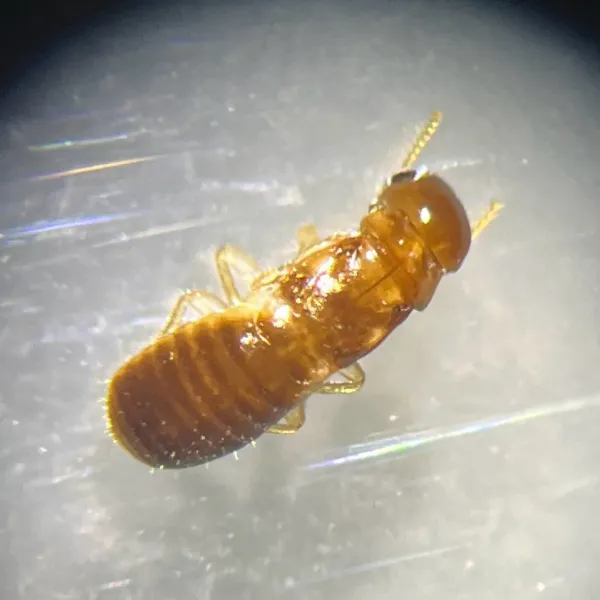
Desert Drywood Termites Coloration
Common color patterns to help identify desert drywood termites
Desert Drywood Termites
Seasonal Activity
When desert drywood termites are most active throughout the year


Where Desert Drywood Termites Are Found
Hover over states to see their names. Green regions indicate where desert drywood termites have been reported.
Desert Drywood Termite Identification Guide
Physical Characteristics
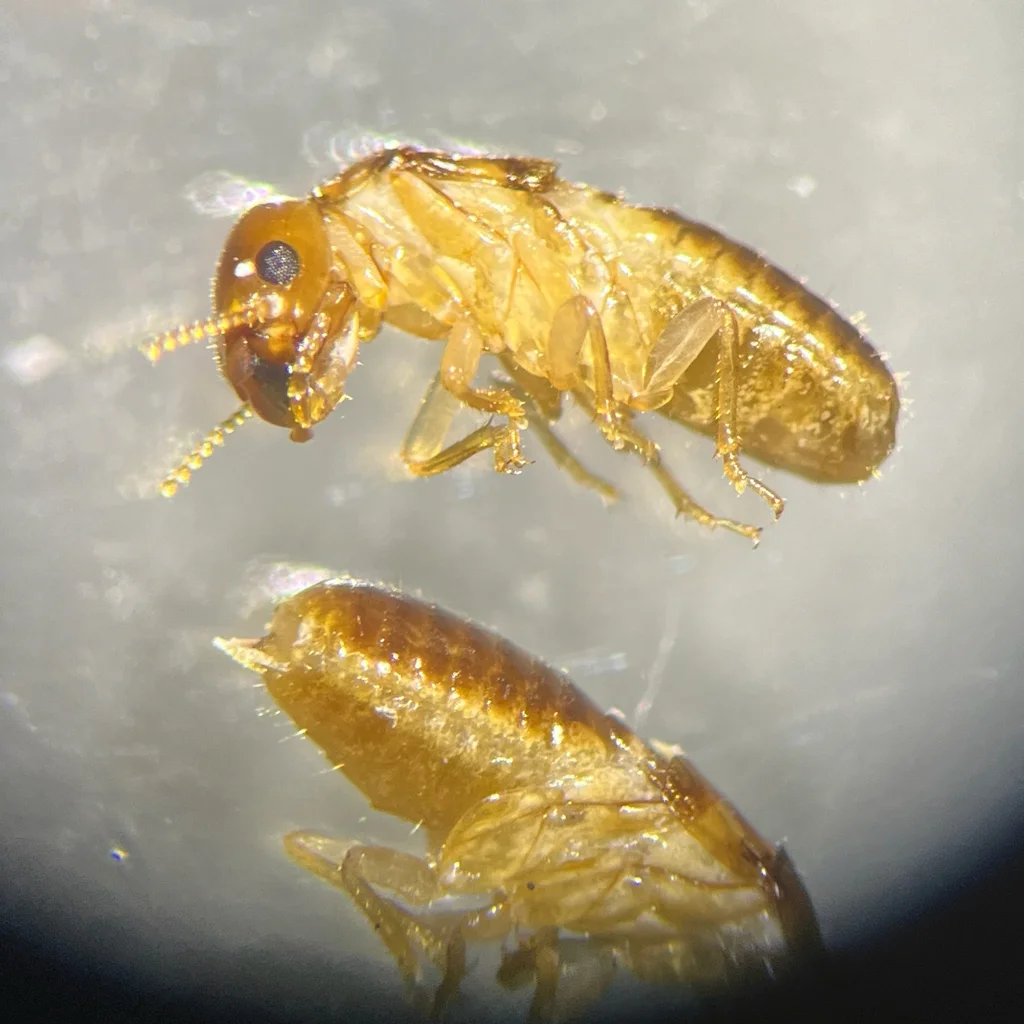
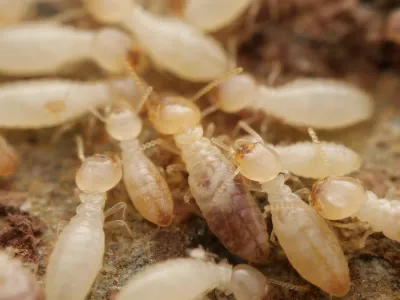
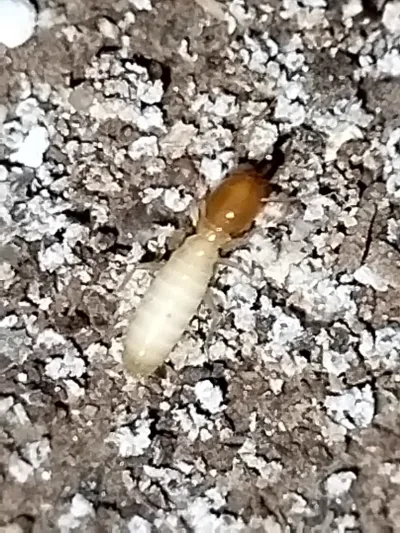
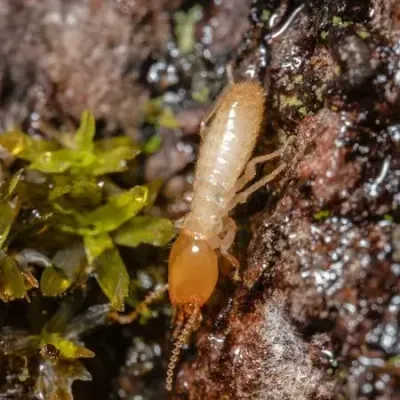
Desert drywood termites are small insects that eat wood. They are one of several drywood termite species found in the United States. They live inside the dry wood they feed on. Adults are 6 to 13 millimeters long. Their size depends on their job in the colony. Workers and young termites have soft, pale bodies. Their colors include cream, tan, and golden yellow. These light colors give them another name: the light western drywood termite.
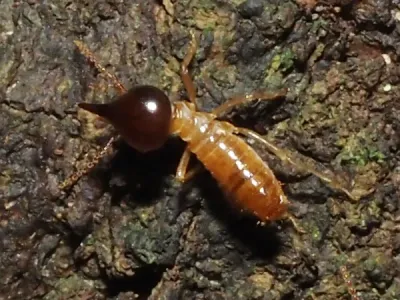
Soldiers have bigger heads with strong jaws to protect the colony. You can spot desert drywood termite soldiers by their antennae. The third segment is long and club-shaped. This feature sets them apart from other drywood termites.
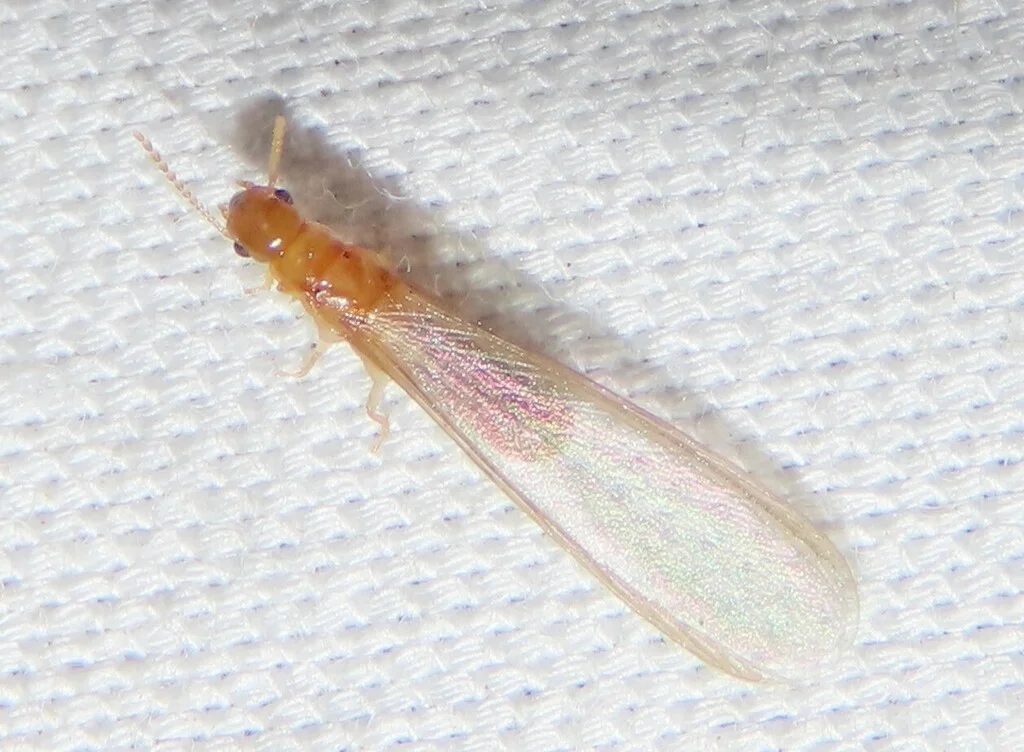
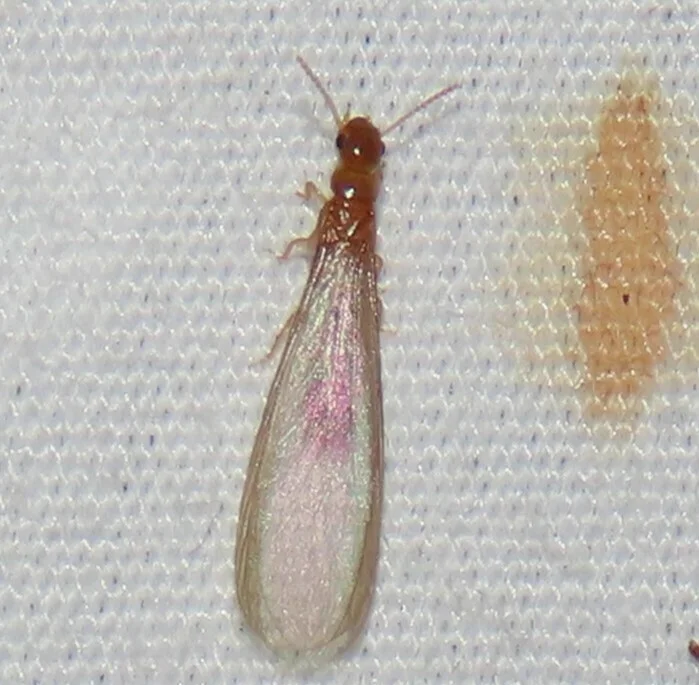
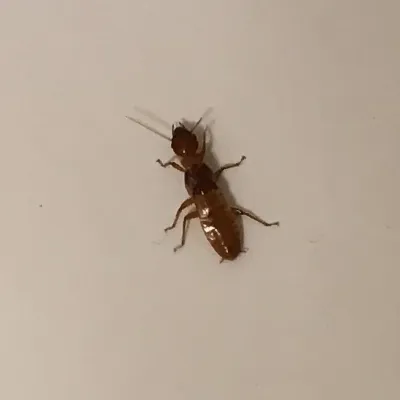
Winged termites are called swarmers. They are the largest members of the colony at about 13 millimeters long. Swarmers have yellowish bodies and pale see-through wings. The wings stick out past their body. After they mate, they drop their wings. Piles of shed wings near windows or doors mean swarmers have been there.
How to Tell Them Apart from Other Drywood Termites
People often mix up desert drywood termites with western drywood termites (Incisitermes minor). Here is how to tell them apart:
- Color: Desert drywood swarmers are pale yellow. Western drywood swarmers are darker brown to black.
- Wings: Desert drywood wings are pale and almost clear. Western drywood wings are darker.
- Where they live: Desert drywood termites like very dry, hot places. Western drywood termites live at higher elevations in milder climates.
- Elevation: Desert drywood termites stay below 4,000 feet. Western drywood termites take over in higher mountain areas of Arizona.
Desert Drywood Termite Behavior and Biology
Colony Formation and Structure
Desert drywood termites form small colonies. These colonies grow slowly over many years. New colonies start when winged termites leave their parent colony during swarms. A male and female pair up. They search for dry wood to start their new home.
The pair looks for a crack or hole in dead wood. One termite goes in first. It may give off a scent to attract a mate. Once both are inside, they seal the entrance with a plug made of droppings. This plug marks the start of a new colony.
The queen lays a small batch of eggs. These eggs become young termites called nymphs. The nymphs start eating wood and digging tunnels. As the colony grows, nymphs turn into workers, soldiers, or new breeders based on what the colony needs. A full-grown colony has fewer than 1,000 termites. This is much smaller than subterranean termite colonies.
Habitat and Food Sources
Desert drywood termites live in the hot, dry parts of the American Southwest and northern Mexico. They can survive in desert areas where most other termites cannot. You can find them from southern California through Arizona and into New Mexico and west Texas.
In the wild, these termites help break down dead plants. They mainly eat dead saguaro cactus frames and other dried woody plants. In the dry Sonoran Desert, fungi cannot rot wood because there is too little water. Termites do the job instead. They break down dead plants and put nutrients back into the soil.
Common natural food sources include:
- Dead saguaro cactus ribs
- Dried palo verde wood
- Dead mesquite trees
- Dried woody shrubs
When these termites find homes, they will eat building wood, furniture, door frames, window frames, and other dry wood.
Signs of Infestation
Finding desert drywood termites is hard because they live inside wood. The best sign is tiny fecal pellets called frass, also known as termite pellets. Termites push this waste out through small holes in the wood surface.
Frass pellets have these features:
- About 1 millimeter long
- Six sides with flat ends
- All the same shape and size
- Color matches the wood (tan to dark brown)
- Found in small piles below holes in wood
Other signs to watch for:
- Tiny holes in wood surfaces
- Piles of shed wings near windows, doors, or lights
- Wood that sounds hollow when you tap it — see termite damage pictures for visual examples
- Bubbling paint on wood surfaces
- Visible damage to wooden items
Treatment Methods for Desert Drywood Termites
Pest control experts should handle desert drywood termite problems. Like all termites, these insects live deep inside wood. Store-bought products cannot reach them. Treatment falls into two groups: spot treatments and whole-house treatments.
Spot Treatment Options
When the problem is small or easy to reach, spot treatments can work well:
- Wood injection: A pest control product goes right into the termite tunnels through small drilled holes. This gets the treatment to where termites live.
- Heat treatment: Heating the wood to at least 120 degrees Fahrenheit for 33 minutes kills termites in that area.
- Cold treatment: Liquid nitrogen freezes termites in wall spaces and small areas.
- Borate treatments: Borate products soak into raw wood several inches deep. This stops termites from eating the treated wood.
Whole-House Treatments
For big or hidden problems, fumigation may be needed:
- Tent fumigation: The whole building gets covered with a tent. Gas fills the space and reaches all the wood. This method works nearly 100 percent of the time.
- Everyone must leave the home for several days during fumigation. Pets and plants must go too. Food must be bagged or removed.
Prevention Tips
Homeowners in desert areas can help stop infestations:
- Check used furniture and wood items before bringing them inside
- Seal cracks around windows, doors, and pipes
- Paint or seal bare wood surfaces
- Use treated wood for building projects
- Get regular pest inspections if you live in a high-risk area
- Clear dead wood and cactus frames from around your home
Learn more in our guide on termite prevention tips and our comparison of subterranean termites vs drywood termites.
References
Other Termites
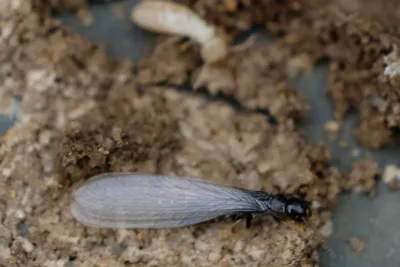
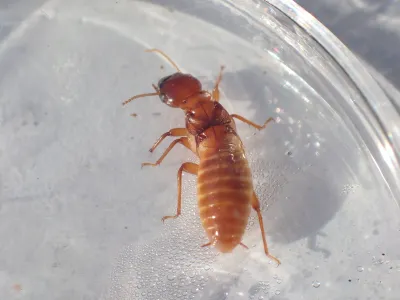
Explore other species in the termites family
Commonly Confused With
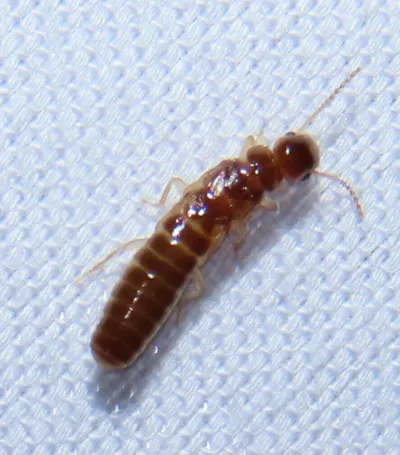
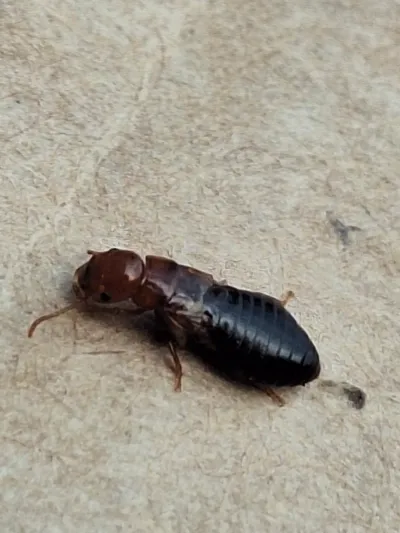
Desert Drywood Termites are often mistaken for these similar pests
Where Desert Drywood Termites Are Found
Hover over states to see their names. Green regions indicate where desert drywood termites have been reported.
Common Questions about Desert Drywood Termites
Where are desert drywood termites found?
+
Desert drywood termites live in the arid Southwest United States and Mexico. They are most common in Arizona, southern California, Nevada, New Mexico, and northern Mexico. They prefer hot, dry desert climates below 4,000 feet elevation.
What do desert drywood termites eat?
+
In their natural habitat, desert drywood termites feed mainly on dead saguaro cactus skeletons and other dried desert plants. They also infest structural wood, furniture, and other dry wood materials in buildings.
How are desert drywood termites different from other drywood termites?
+
Desert drywood termites are lighter in color than the western drywood termite. Their winged swarmers are yellowish with pale wings, while western drywood termites have darker bodies. Desert drywood termites also tolerate more extreme dry conditions.
How do desert drywood termites get water?
+
Desert drywood termites do not need a water source. They extract all the moisture they need from the wood they eat. This ability lets them survive in extremely dry desert environments where other termite species cannot live.
What are signs of desert drywood termite infestation?
+
Look for small piles of six-sided fecal pellets below tiny holes in wood. These pellets are pushed out of kick holes in the wood. You may also find shed wings near windows after swarms, or notice wood that sounds hollow when tapped.
How big are desert drywood termite colonies?
+
Desert drywood termite colonies are small compared to subterranean termites. Most colonies have fewer than 1,000 members. Colonies grow slowly and can take five years or more to fully mature.
When do desert drywood termites swarm?
+
Desert drywood termites typically swarm during the warmer months from late spring through early fall. Swarms often happen after monsoon rains in the Arizona desert. Winged termites fly out to start new colonies during these events.
Can desert drywood termites damage homes?
+
Yes, desert drywood termites can damage homes in their range. They infest wood framing, furniture, door frames, and other wooden items. Damage builds up slowly over years since colonies are small and grow gradually.

With five years of hands-on experience in the pest control industry, George Schulz is a registered technician with the Virginia Pest Management Association and a proud third-generation professional in a family business that's been protecting homes for over 57 years. He manages and trains a team of service pros while also leading internal research efforts—recently spearheading a deep-dive review of thousands of documents on pest control materials to hand-pick the most kid and pet friendly, most effective solutions tailored specifically for homes in the DC metro area.