Desert Dampwood Termites Identification Guide
Paraneotermes simplicicornis
Desert dampwood termites are unique termites found in the arid Southwest. They infest moist wood and citrus trees, and are known for their extensive tunneling behavior.
Taxonomy
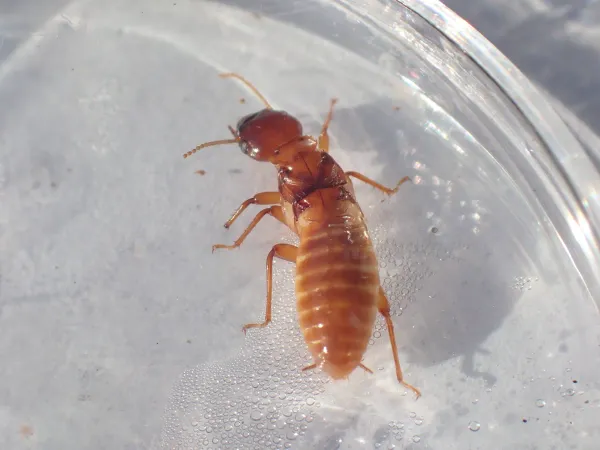
Desert Dampwood Termites Coloration
Common color patterns to help identify desert dampwood termites
Desert Dampwood Termites
Seasonal Activity
When desert dampwood termites are most active throughout the year

Where Desert Dampwood Termites Are Found
Hover over states to see their names. Green regions indicate where desert dampwood termites have been reported.
Desert Dampwood Termite Identification Guide
What Are Desert Dampwood Termites?
Desert dampwood termites (Paraneotermes simplicicornis) are a special species found only in the dry Southwest. Most dampwood termites stay inside wood. This species is different. It digs long tunnels through soil. No other member of this family does this.
These termites live in Arizona, New Mexico, Texas, and southern California. They like the hot, dry desert climate. Even so, they still need water. They find it in damp wood, tree roots, and soil near sprinklers or standing water.
Desert dampwood termites belong to the same family as drywood termites. But they need more water. Their tunneling habits also set them apart.
Physical Characteristics
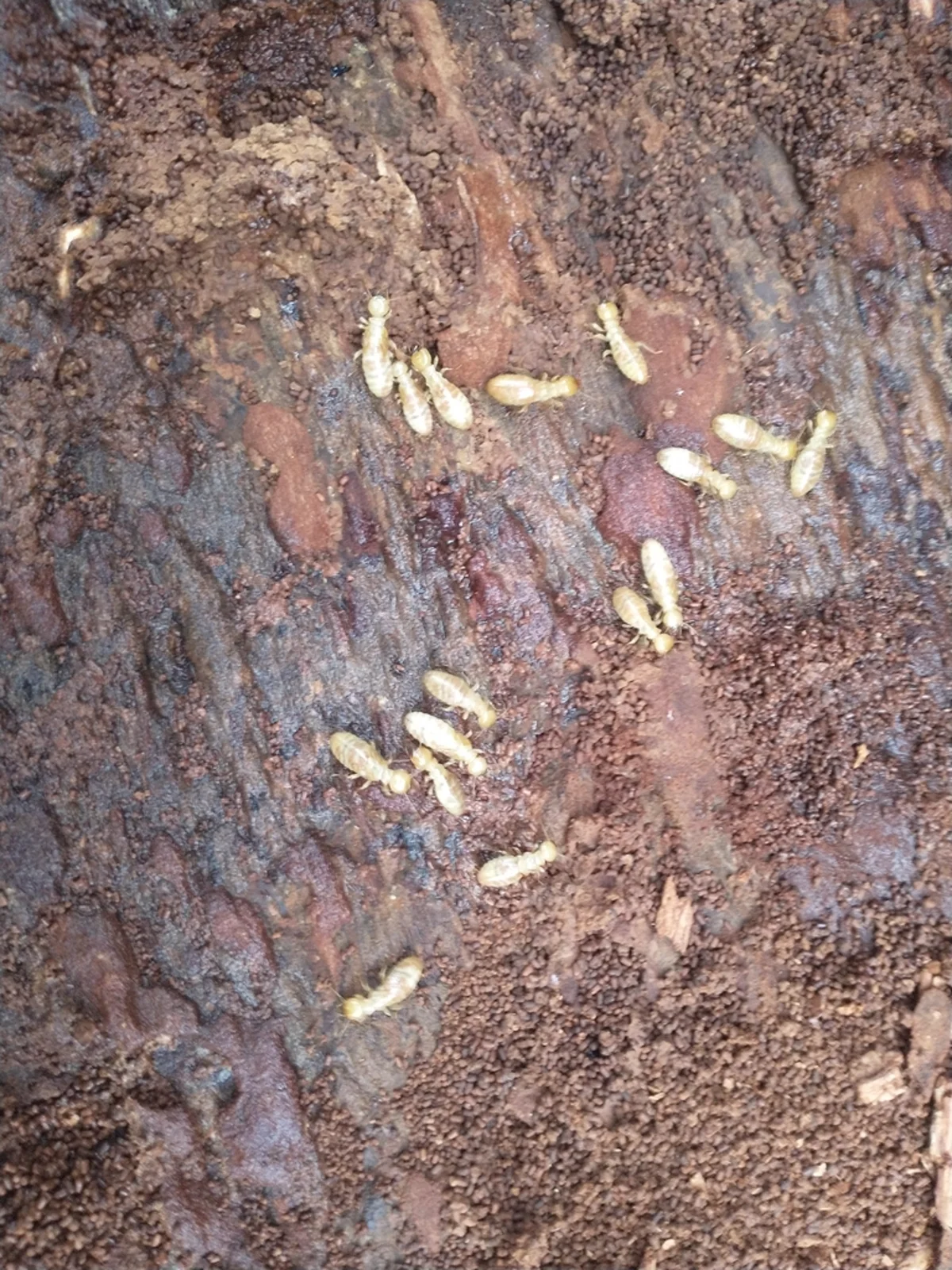
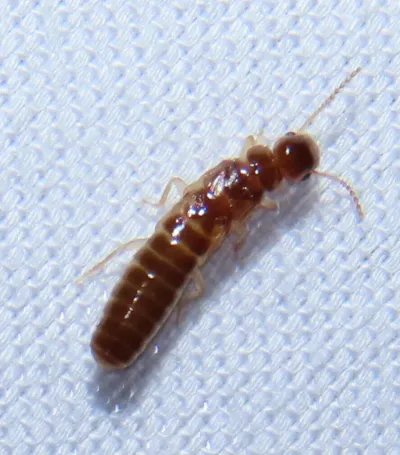
Desert dampwood termites are medium-sized compared to other dampwood species. Workers and nymphs range from 10 to 15 millimeters long. Soldiers can reach up to 20 millimeters.
Here is how to identify them:
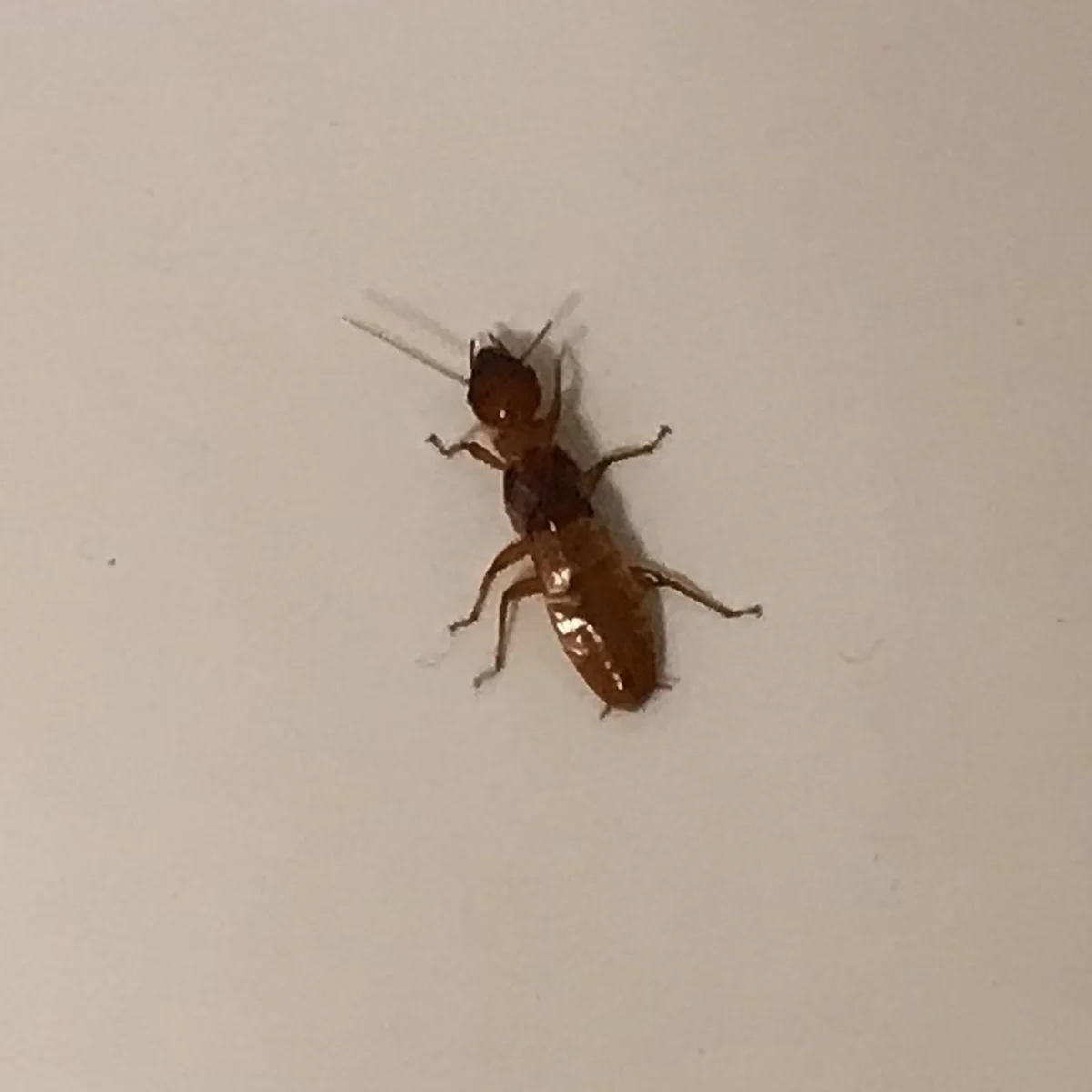
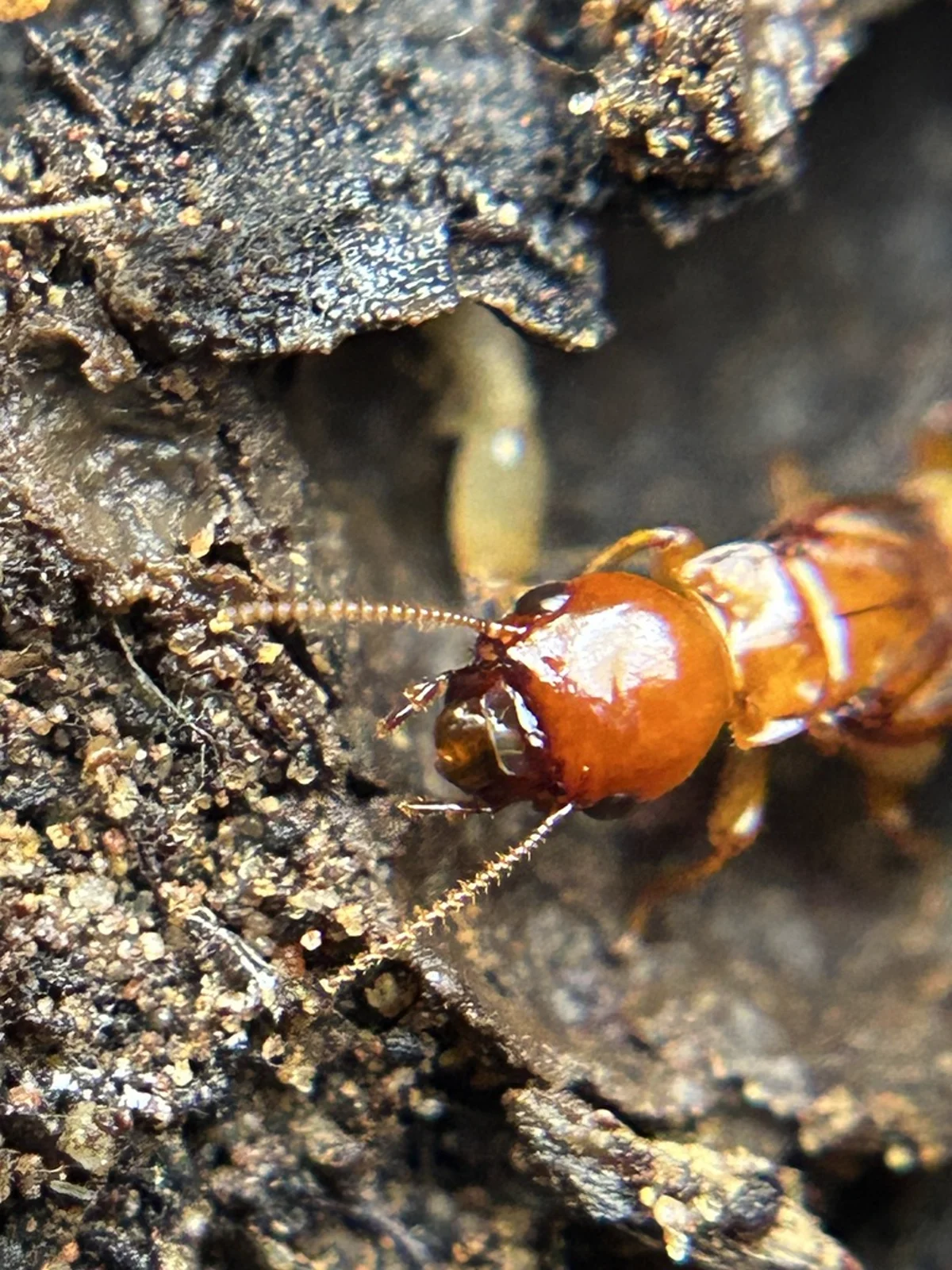
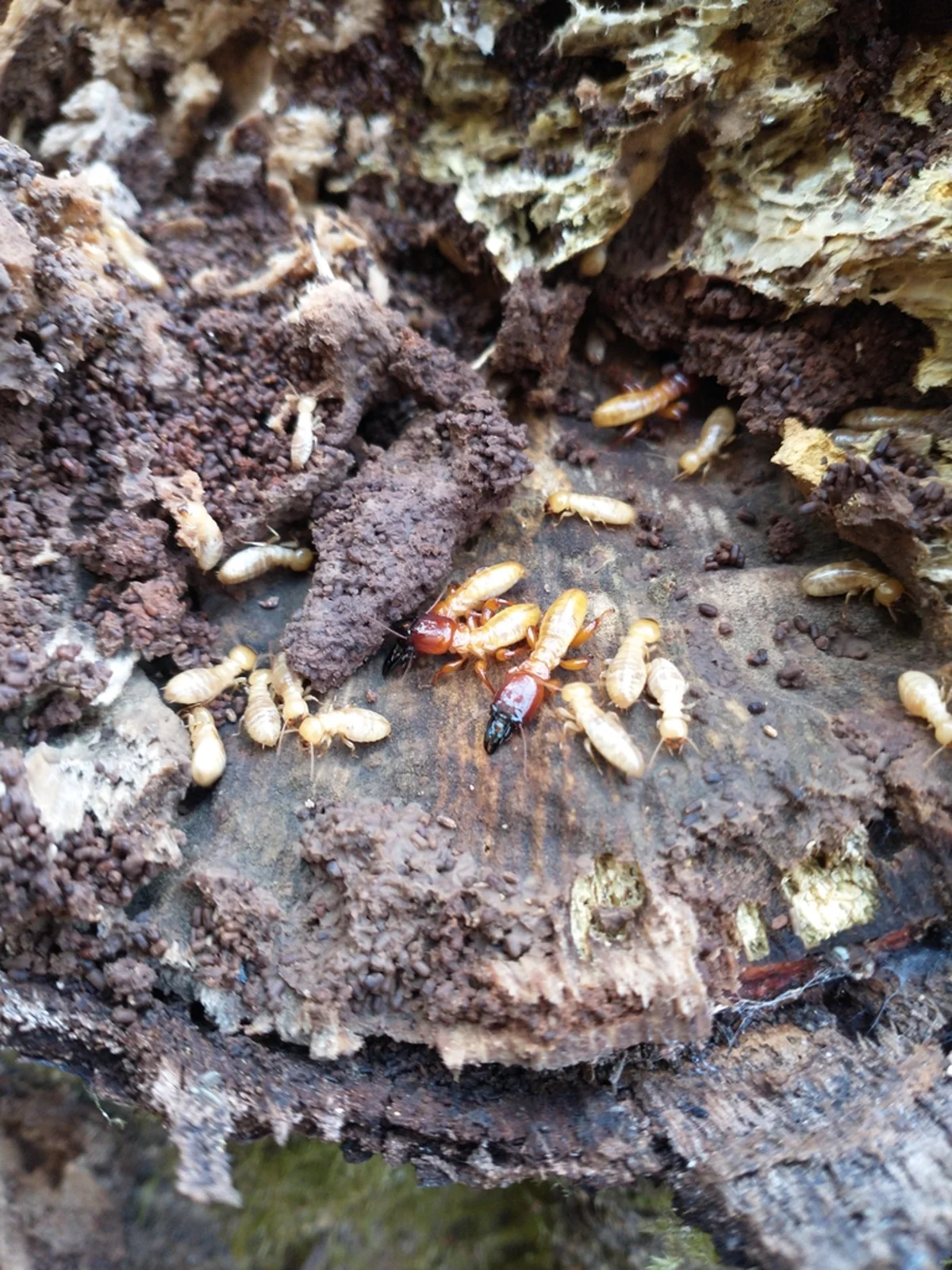
- Cream to tan body color. Soldiers have darker heads.
- Soldiers have reddish-brown heads with strong jaws.
- Six legs and straight antennae that look like beads.
- Winged swarmers are dark brown with brownish wings.
- They give off a strong smell that is easy to notice.
Soldiers have large heads that help guard the colony. Their strong jaws defend against ants and other threats. Workers and nymphs have softer, lighter-colored bodies.
Key Identifying Features
One way to spot this species is by their digging behavior. When you find them, they may be tunneling in soil instead of just living in wood. They dig with their jaws and gather soil under their bodies. Then they kick it backward to other termites who carry it away. This bucket brigade is unlike any other termite in their family.
Desert Dampwood Termite Behavior and Biology
Colony Structure
Like all termites, desert dampwood termites live in groups called colonies. Each colony has different roles:
- Workers and nymphs gather food, build tunnels, and care for eggs.
- Soldiers defend the colony from ants and other threats.
- The king and queen make babies to grow the colony.
- Swarmers fly away to start new colonies during breeding season.
Desert dampwood termite colonies stay fairly small. They cause less damage than the larger colonies of subterranean termites. But they can still cause problems when they get into homes or attack trees.
Unique Tunneling Behavior
This species stands out because of how it tunnels. Research from the Annals of the Entomological Society of America shows that desert dampwood termites are the only species in their family that digs long tunnels in soil.
Their digging process works like this:
- Termites dig with their jaws.
- They gather the dirt beneath their body.
- They form it into a loose ball.
- They kick it backward with fast leg movements.
- Other termites behind them take over and move it out. A related species, Nevada Dampwood Termites, shares similar characteristics.
This bucket brigade moves soil out of the tunnel quickly. It lets them build networks that link wood sources underground. A related species, Asian Subterranean Termites, shares similar characteristics.
Habitat and Food Sources A related species, Dampwood Termites, shares similar characteristics.
Desert dampwood termites need two things: water and wood fiber. They find both in: A related species, West Indian Drywood Termites, shares similar characteristics.
- Underground tree roots, especially citrus trees
- Fence posts and wood that goes into the soil
- Dead desert shrubs and their root systems
- Damp wood near leaks or bad drainage
- Door frames and wood near the ground A related species, Western Drywood Termites, shares similar characteristics.
They prefer to stay underground when they can. They eat wood below the soil surface. They also eat bark from the base of living trees.
Swarming and Reproduction
Swarms happen from late May through September. This is the hottest time of year in the Southwest. Winged males and females leave the colony to mate.
After the swarm, a male and female pair up. They search together for a good nesting spot. Often, they land on a tree trunk and dig into the soil next to it. This is how new colonies start near trees.
The queen lays eggs in small groups. Colonies grow slowly over many years. Even full-grown colonies are smaller than subterranean termite colonies.
Signs of Desert Dampwood Termite Damage
What to Look For
Desert dampwood termites are hard to spot because they stay underground. Watch for these warning signs:
- Soft spots in wood near the ground, mostly around wet areas
- Small droppings that are long and thin
- Dead swarmers near windows and lights in summer
- Citrus trees that get sick without clear reason
- Tunnels in soil near wood or tree roots
You will not find mud tubes like subterranean termites make. But you may find their tunnels if you dig near infested wood or trees.
Impact on Citrus Trees
Desert dampwood termites are a big threat to citrus growers in the Southwest. They have been pests of grapefruit and orange trees for decades. They attack by:
- Eating bark above and below ground level
- Eating the main root and side roots
- Cutting off water flow below the soil surface
- Killing trees quickly
If your citrus trees start wilting with no clear cause, check for termite damage at the base and roots.
Impact on Structures
In buildings, desert dampwood termites cause less damage than subterranean species. They only infest wood that stays damp. Common problem areas include:
- Wood near plumbing leaks
- Door frames at ground level
- Fence posts and deck posts
- Areas with bad drainage
- Wood touching soil
Finding these termites usually means you have a water problem. Fixing the water issue is the first step in control.
Treatment Methods for Desert Dampwood Termites
Controlling desert dampwood termites starts with removing water and protecting wood and trees.
Moisture Control
The best way to prevent problems is to manage water:
- Fix plumbing leaks right away to keep wood dry.
- Improve drainage away from foundations and wood structures.
- Keep wood from touching soil where you can.
- Adjust sprinklers so they do not wet wood or keep soil too wet.
- Replace damaged wood with new, dry lumber.
Without water, these termites cannot live in your home.
Protecting Citrus and Landscape Trees
For valuable trees, try these steps:
- Watch tree health and check roots if trees get sick.
- Do not overwater. Keep soil from staying too wet near trunks.
- Keep mulch away from the base of trees.
- Remove dead wood and stumps that draw in termites.
- Talk to a tree expert if you think roots are damaged.
Finding problems early gives trees the best chance to survive.
Professional Treatment Options
When infestations happen, pest control experts may use these methods:
- Borate wood treatments that soak into wood and prevent future attack
- Soil treatments around infested areas
- Tree injections for valuable citrus or landscape trees
- Wood replacement to remove all damaged material
The best approach depends on whether the problem is in a building, yard, or orchard.
Prevention Tips
Keep desert dampwood termites away with these steps:
- Schedule regular checks if you live in their range.
- Look at wood near the ground for signs of water or damage.
- Keep sprinklers away from wood structures.
- Store firewood at least 20 feet from buildings.
- Remove dead stumps and roots near your home.
- Make sure water drains away from foundations.
- Use treated wood for outdoor projects.
- Watch citrus trees for sudden decline.
In the desert Southwest, water control is key. By managing water around your property, you make it much less likely that these termites will move in.
References
Other Termites
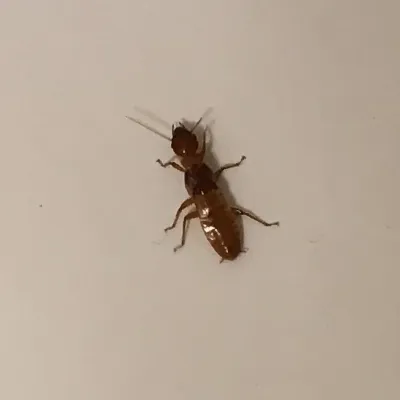
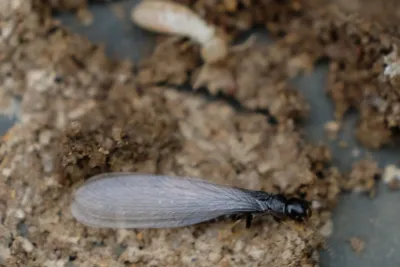
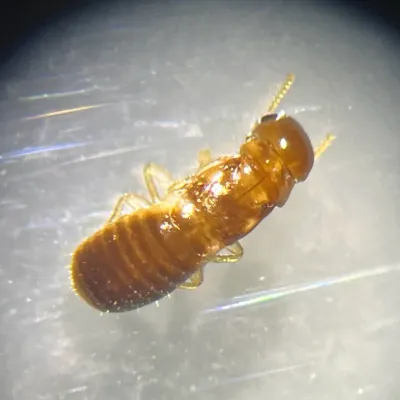
Explore other species in the termites family
Commonly Confused With
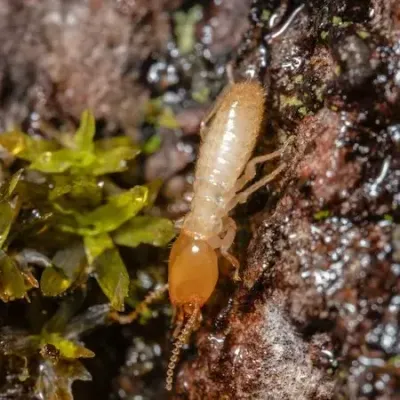
Desert Dampwood Termites are often mistaken for these similar pests
Where Desert Dampwood Termites Are Found
Hover over states to see their names. Green regions indicate where desert dampwood termites have been reported.
Common Questions about Desert Dampwood Termites
Where are desert dampwood termites found?
+
Desert dampwood termites live in the arid and semi-arid regions of the southwestern United States. They are most common in Arizona, New Mexico, Texas, and southern California. They also range into northern Mexico.
Do desert dampwood termites damage homes?
+
Desert dampwood termites cause less structural damage than subterranean termites. They mainly infest wood with moisture problems. If your home has plumbing leaks or areas where wood stays wet, they may move in. Their presence often signals moisture issues that need attention.
What do desert dampwood termites eat?
+
These termites eat moist wood. They attack underground roots of shrubs and trees, fence posts, and wood extending into the soil. They are especially known for damaging citrus trees by feeding on roots and bark below ground level.
When do desert dampwood termites swarm?
+
Swarms happen from late May through September. Winged termites leave their colony to mate and start new colonies. After mating, pairs search for suitable damp wood or burrow into soil near trees.
How can I tell if I have desert dampwood termites?
+
Look for soft spots in wood near the ground, especially around plumbing leaks or areas with standing water. You may find small fecal pellets near damaged wood. Dead swarmers near windows or lights during summer months can also indicate an infestation.
Are desert dampwood termites dangerous to citrus trees?
+
Yes. Desert dampwood termites are known for killing citrus trees quickly. They feed on the bark above and below the soil surface. They cause the most harm by attacking the taproot and lateral roots of grapefruit, orange, and other citrus trees.
How do desert dampwood termites differ from other dampwood termites?
+
Desert dampwood termites are unique because they tunnel extensively underground. Most dampwood termites stay inside wood. This species digs with its mandibles and forms bucket brigades to move soil out of tunnels. They are also the only dampwood species considered a structural pest in Arizona.
What attracts desert dampwood termites to a property?
+
Moisture is the main attraction. They seek out damp wood from irrigation systems, plumbing leaks, or poor drainage. Citrus trees and other desert plants can also draw them in. Removing excess moisture around your home helps prevent infestations.

With five years of hands-on experience in the pest control industry, George Schulz is a registered technician with the Virginia Pest Management Association and a proud third-generation professional in a family business that's been protecting homes for over 57 years. He manages and trains a team of service pros while also leading internal research efforts—recently spearheading a deep-dive review of thousands of documents on pest control materials to hand-pick the most kid and pet friendly, most effective solutions tailored specifically for homes in the DC metro area.