Dampwood Termites Identification Guide
Archotermopsidae
Dampwood termites are the largest termites in North America. They infest moist, decaying wood and do not require contact with soil, making them distinct from subterranean species.
Taxonomy
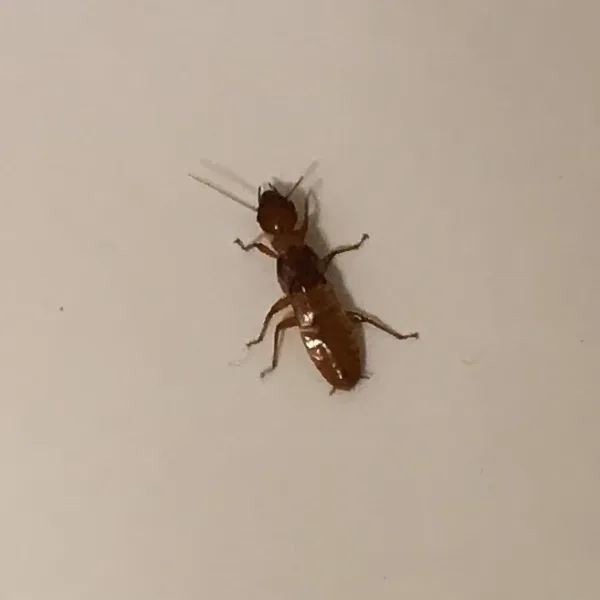
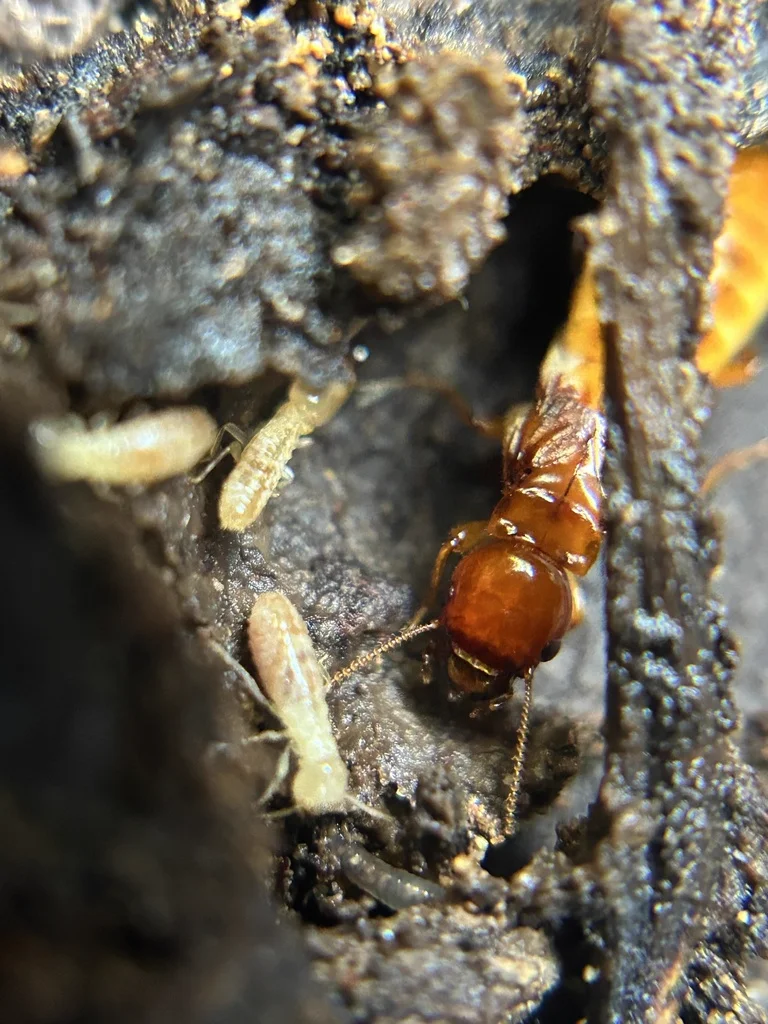
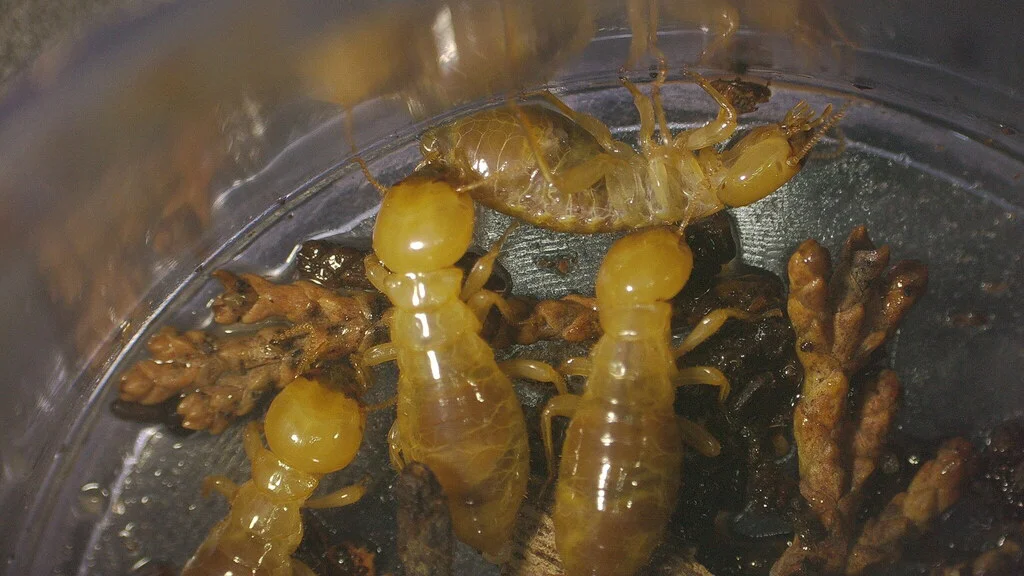
Dampwood Termites Coloration
Common color patterns to help identify dampwood termites
Dampwood Termites
Seasonal Activity
When dampwood termites are most active throughout the year

Where Dampwood Termites Are Found
Hover over states to see their names. Green regions indicate where dampwood termites have been reported.
Dampwood Termite Identification Guide
Physical Characteristics
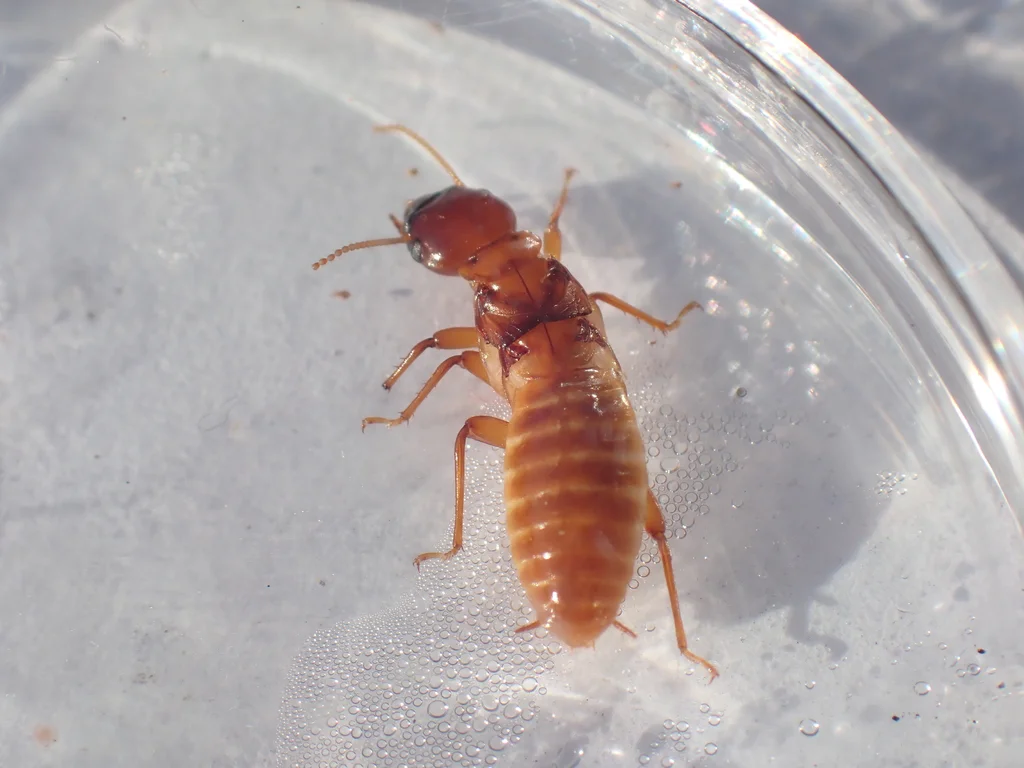
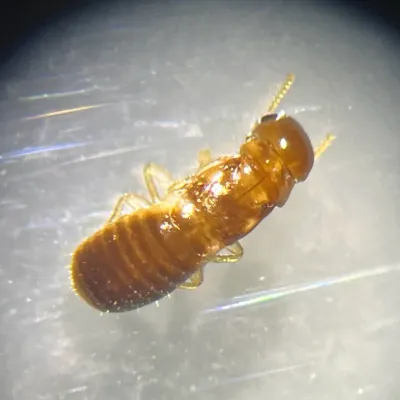
Dampwood termites are the largest termites in North America. Adults measure about half an inch to three-quarters of an inch long. Winged termites can reach up to one inch in length. Their large size makes them easier to spot than other termite types.
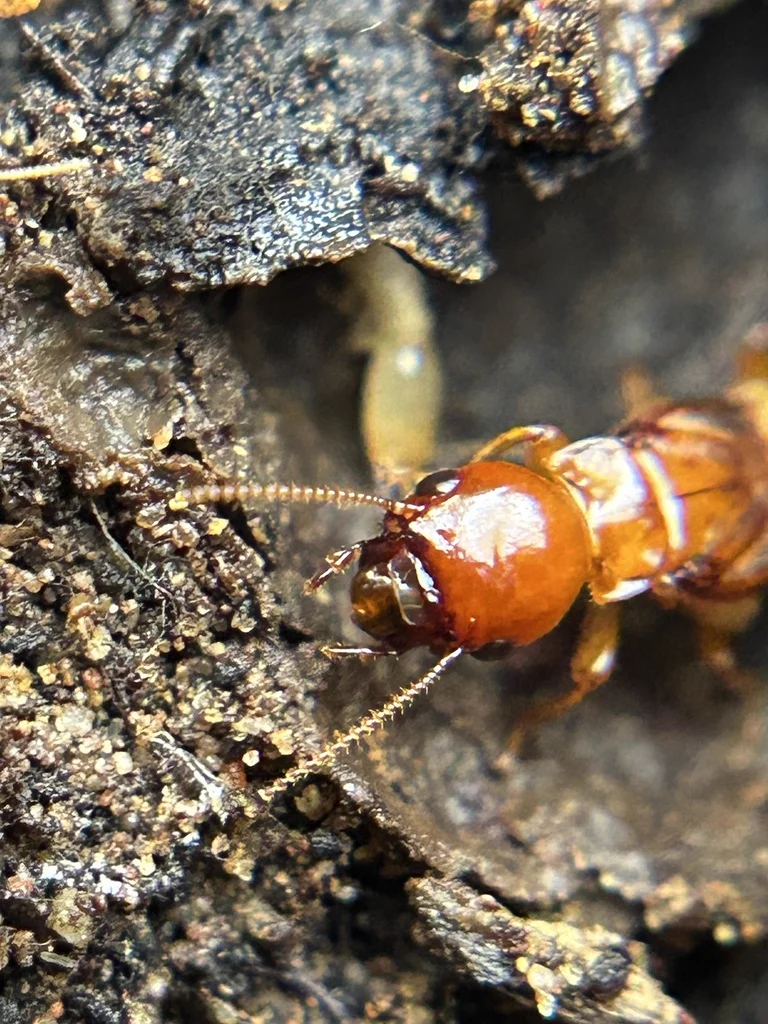
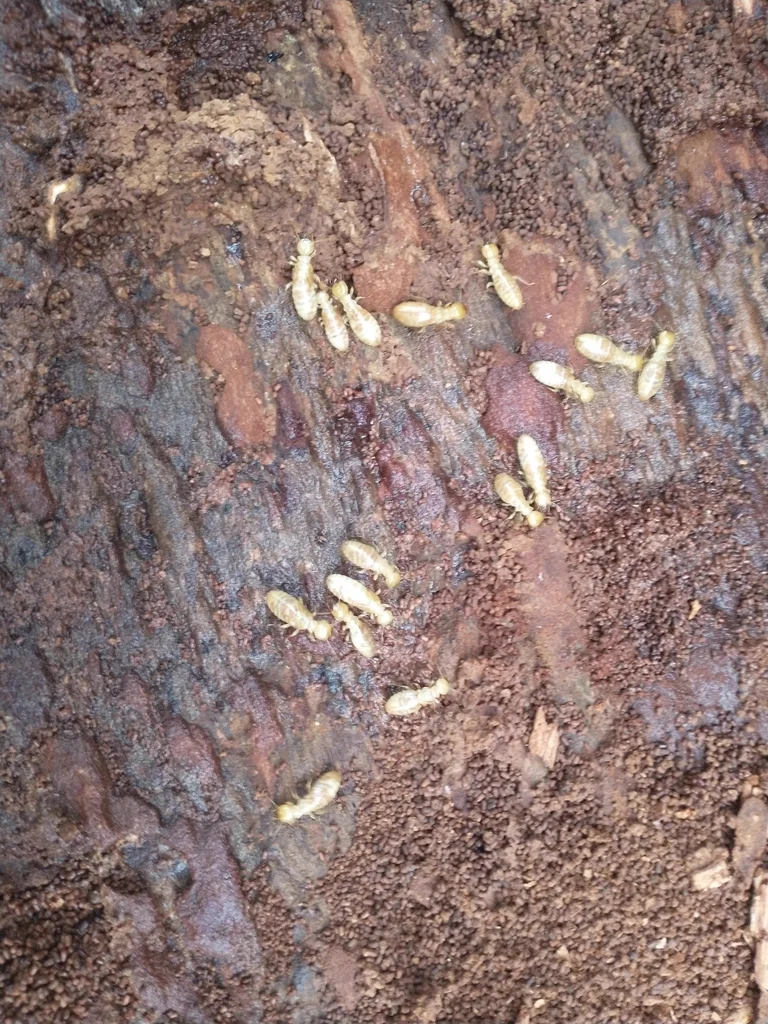
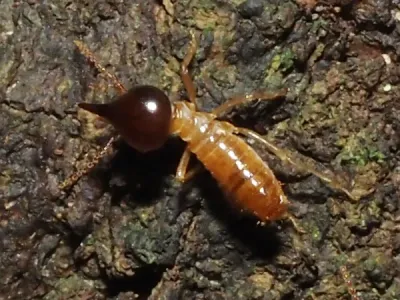
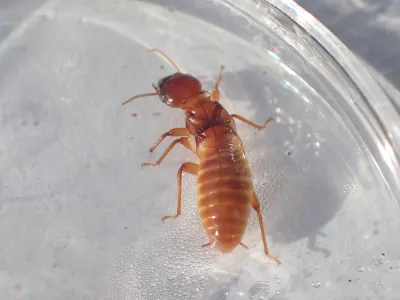
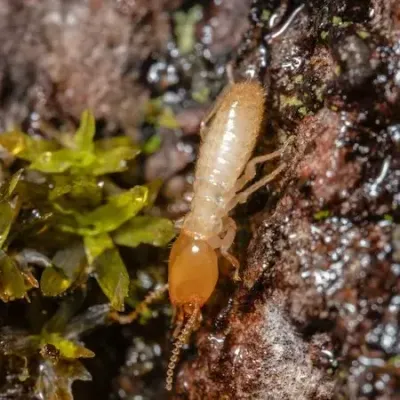
Body color changes based on role. Workers and young termites are cream to light tan with soft bodies. Soldiers have bigger, darker heads. Their heads range from yellowish-brown to reddish-brown. Soldiers also have strong jaws they use to defend the colony. The belly often shows a reddish color in older termites.
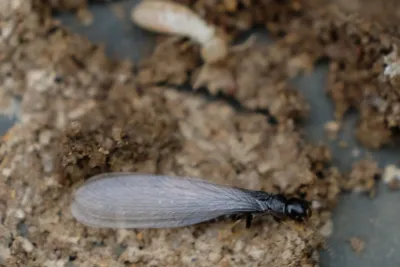
Winged dampwood termites have dark brown to reddish-brown bodies. Their four wings are equal in length. The wings reach well past the end of the body. These winged termites fly out to start new colonies during late summer and fall.
Common Species in North America
Several dampwood termite species live in North America. Each prefers different areas and climates.
-
Pacific Dampwood Termite (Zootermopsis angusticollis): The most common species on the Pacific coast. Lives from British Columbia through California. Prefers cool, humid coastal areas. Workers are about half an inch long with caramel to dark brown coloring.
-
Nevada Dampwood Termite (Zootermopsis nevadensis): Lives in the Sierra Nevada mountains and northern California coast. Often infests baseboards, door frames, and fence posts. A bit smaller than the Pacific species.
-
Florida Dampwood Termite (Neotermes castaneus): Found in southeastern Florida and the Florida Keys. Prefers solid, damp logs near the coast. Can also infest wood below ground level.
-
Desert Dampwood Termite (Paraneotermes simplicicornis): Lives in desert areas of the Southwest. Often found in dead wood of desert plants. Can infest buildings with moisture problems.
Dampwood Termite Behavior and Biology
Colony Structure and Life Cycle
Dampwood termite colonies have three main groups: breeders, soldiers, and nymphs (young termites). These termites do not have true workers. Young termites do all the work instead. Nymphs can become soldiers or breeders later based on colony needs.
Colonies start when winged termites swarm and find moist wood. A male and female pair up, dig a small chamber, seal themselves inside, and mate. The queen then starts laying eggs. She lays about 12 eggs at a time with rest periods in between. Eggs hatch after 15 to 20 days.
Colonies grow slowly. It takes several years for a colony to fully develop. Even mature colonies stay small compared to other termite types. Most dampwood termite colonies have only a few thousand members. This smaller size means they cause damage more slowly.
Habitat and Nesting Behavior
Dampwood termites live inside the wood they eat. Unlike other termites, they do not need contact with soil. They get all the moisture they need from damp or rotting wood. This lets them survive in fallen logs, tree stumps, and buildings with moisture problems.
These termites do not build mud tubes. Instead, they plug tunnel openings with their droppings, which resemble termite pellets produced by drywood species but have a different shape. This seals their tunnels and keeps humidity high. Their hidden lifestyle means infestations often go unnoticed for years.
Common places dampwood termites infest include:
- Wood in contact with soil
- Areas around plumbing leaks
- Roof damage zones
- Decaying fence posts and deck posts
- Logs and stumps near structures
- Wood damaged by fungal decay
- Poorly ventilated crawl spaces
Signs of Infestation
Finding dampwood termites takes careful inspection. They stay hidden inside wood. Look for these warning signs:
Fecal pellets: Dampwood termites make small droppings about 1 millimeter long. The pellets are oval-shaped with six sides. Color ranges from light tan to dark brown based on wood type. These termites often use droppings to plug tunnel openings.
Damaged wood: Wood with dampwood termites feels soft or spongy. Tap it and it sounds hollow. Their tunnels have smooth, clean walls. Look for wood that is moist or touching the ground.
Swarmers and wings: Winged termites inside your home mean a colony is nearby. You may find shed wings near windows, doors, or lights. Swarms happen in late summer and fall, usually at night.
Wood decay: Dampwood termites like wood that is already weak from moisture or rot. Signs of water damage often come with infestations. Check areas near plumbing, roof leaks, and poor drainage.
Treatment Methods for Dampwood Termites
Dampwood termite control starts with fixing moisture problems. Without damp wood, colonies cannot survive. Treatment works best when you fix water issues first, then apply pest control methods.
Moisture Control
The most important step is finding and fixing all sources of excess moisture:
- Repair plumbing leaks in walls, under sinks, and around water heaters
- Fix roof and siding damage that allows water into wood
- Improve drainage so water flows away from foundations
- Ventilate crawl spaces to reduce humidity under the structure
- Replace damaged wood with sound, dry lumber
- Keep wood away from soil to prevent ground moisture transfer
Professional Treatment Options
After fixing moisture issues, professionals can treat any remaining termites:
- Borate wood treatments: Applied to bare wood, these products soak in and protect against future termite damage
- Targeted injections: Pest control products injected right into infested wood tunnels
- Foam treatments: Foam products reach termites in hard-to-access spots
- Wood replacement: Removing and replacing all damaged wood
Professional help is often needed because dampwood termites nest deep inside wood. Surface sprays cannot reach them. Experts can find all problem areas and make sure the termites are gone. For a comparison of dampwood and drywood approaches, see subterranean termites vs drywood termites.
Prevention Tips
To prevent dampwood termites, control moisture around your home:
- Keep gutters clean and point downspouts away from the foundation
- Keep at least 6 inches between soil and wood siding
- Store firewood at least 20 feet from the house and off the ground
- Use treated wood for outdoor structures
- Make sure crawl spaces, attics, and basements have good airflow
- Check plumbing often for leaks
- Fix roof damage right away
- Remove dead wood, stumps, and debris near your home
Regular inspections help catch problems early. If you live where dampwood termites are common and have older wood structures, yearly inspections are a good idea. See our complete termite prevention tips for more guidance.
References
Other Termites
Explore other species in the termites family
Commonly Confused With
Dampwood Termites are often mistaken for these similar pests
Where Dampwood Termites Are Found
Hover over states to see their names. Green regions indicate where dampwood termites have been reported.
Common Questions about Dampwood Termites
How do I know if I have dampwood termites?
+
Look for fecal pellets that are about 1mm long with a hexagonal shape. Dampwood termites plug their tunnel openings with these pellets to keep moisture in. You may also notice soft or hollow-sounding wood, especially in areas with moisture problems.
What is the difference between dampwood and subterranean termites?
+
Dampwood termites are much larger and do not build mud tubes. They live entirely within moist wood and do not need soil contact. Subterranean termites are smaller, live underground, and build distinctive mud tubes to travel between soil and wood.
Where are dampwood termites found?
+
Dampwood termites live mainly along the Pacific coast from Washington to California, the desert Southwest, and southern Florida. They prefer cool, humid coastal areas or locations with naturally high wood moisture.
Do dampwood termites cause as much damage as subterranean termites?
+
No. Dampwood termite colonies are much smaller, usually containing only a few thousand members. They also only infest wood with high moisture content. However, they can still cause serious damage if left untreated over many years.
Why do I have dampwood termites in my home?
+
Dampwood termites are attracted to wood with high moisture levels. Common causes include plumbing leaks, poor drainage, roof damage, or wood in direct contact with soil. Fixing moisture problems is the first step in control.
Can I treat dampwood termites myself?
+
Small infestations may be addressed by removing damaged wood and fixing moisture sources. However, professional treatment is often needed for complete control. Experts can identify all affected areas and apply treatments that reach deep into the wood.
What do dampwood termite swarmers look like?
+
Winged dampwood termites are about one inch long with dark brown to reddish bodies. They have two pairs of equal-length wings that extend past their abdomen. Swarms typically occur in late summer or fall evenings.
How can I prevent dampwood termites?
+
Keep wood dry by fixing leaks promptly, ensuring good drainage away from your foundation, ventilating crawl spaces, and keeping firewood at least 20 feet from your home. Replace any wood that stays consistently moist.

With five years of hands-on experience in the pest control industry, George Schulz is a registered technician with the Virginia Pest Management Association and a proud third-generation professional in a family business that's been protecting homes for over 57 years. He manages and trains a team of service pros while also leading internal research efforts—recently spearheading a deep-dive review of thousands of documents on pest control materials to hand-pick the most kid and pet friendly, most effective solutions tailored specifically for homes in the DC metro area.