Asian Subterranean Termites Identification Guide
Coptotermes gestroi
The Asian subterranean termite is an invasive species that ranks among the most destructive termites worldwide. Found primarily in tropical regions, it causes severe structural damage and spreads rapidly through human activity.
Taxonomy
Asian Subterranean Termites Coloration
Common color patterns to help identify asian subterranean termites
Asian Subterranean Termites
Seasonal Activity
When asian subterranean termites are most active throughout the year

Where Asian Subterranean Termites Are Found
Hover over states to see their names. Green regions indicate where asian subterranean termites have been reported.
Asian Subterranean Termite Identification Guide
Physical Characteristics
Asian subterranean termites have three main types: workers, soldiers, and swarmers. Each type looks different and has a specific job in the colony.
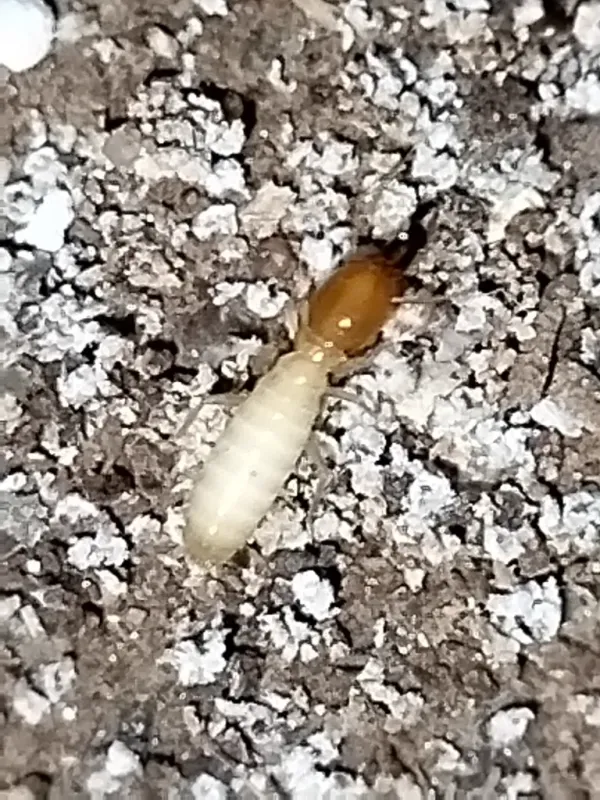
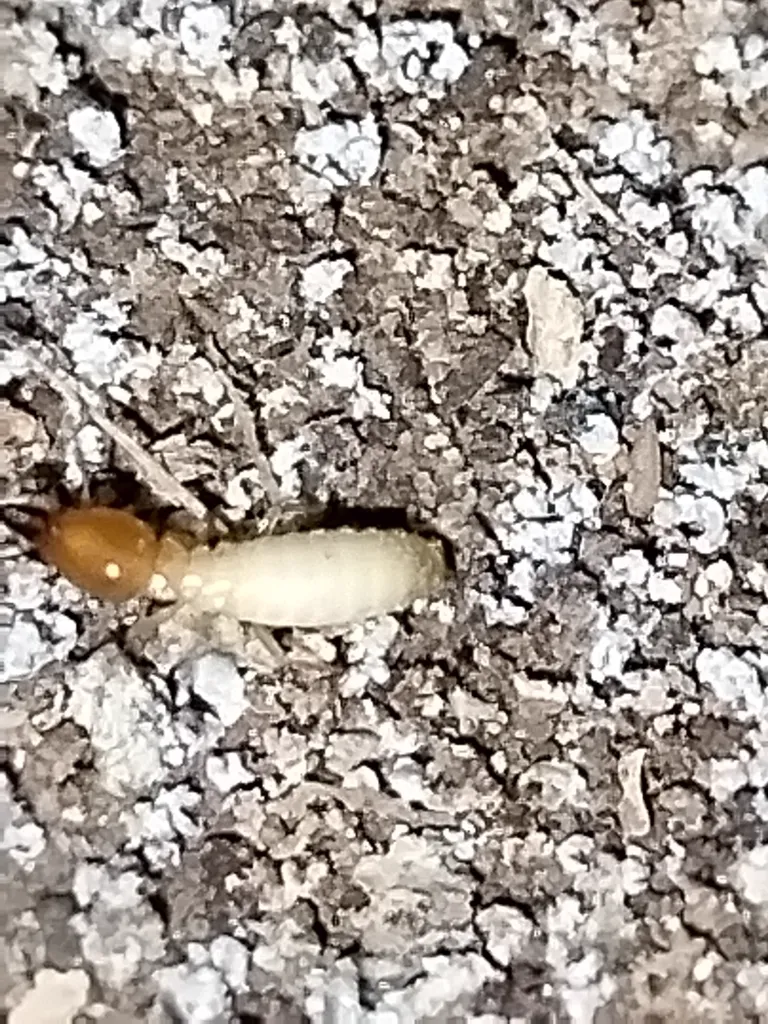
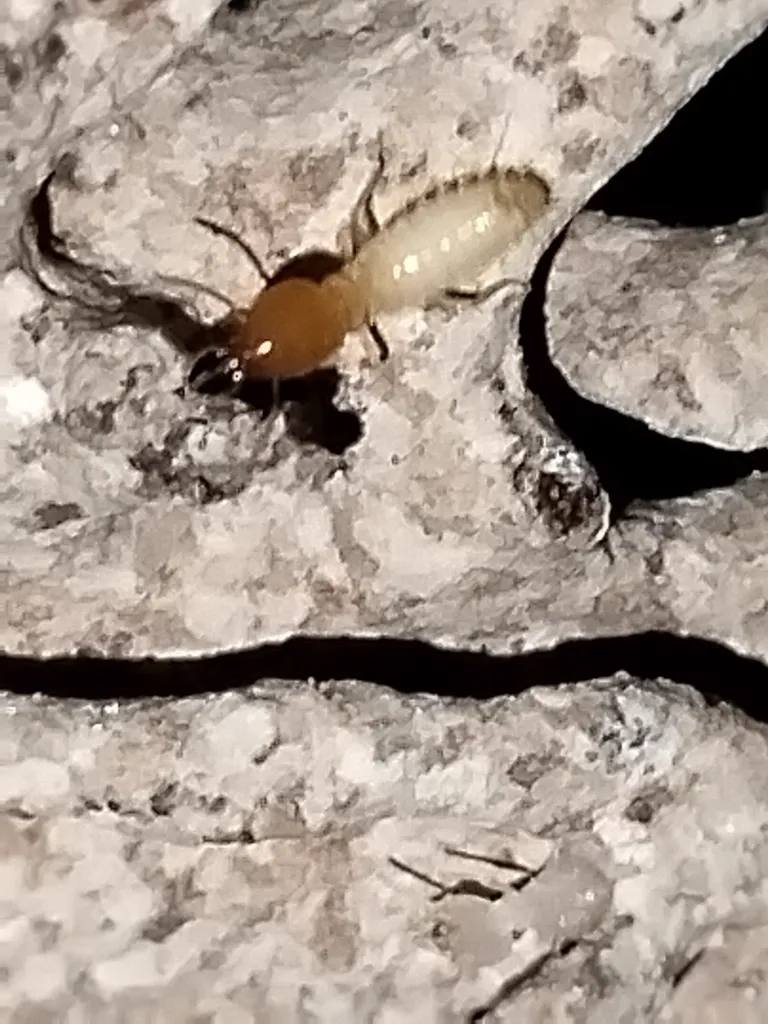
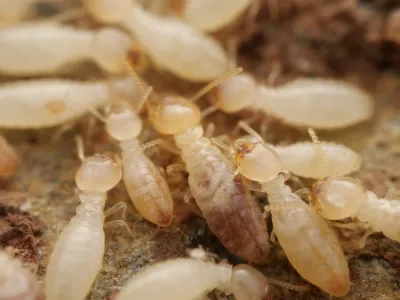
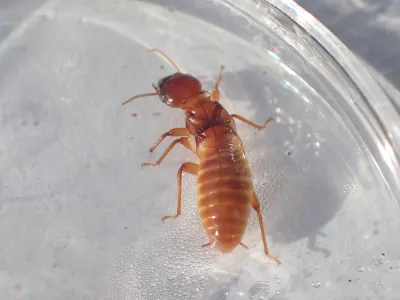
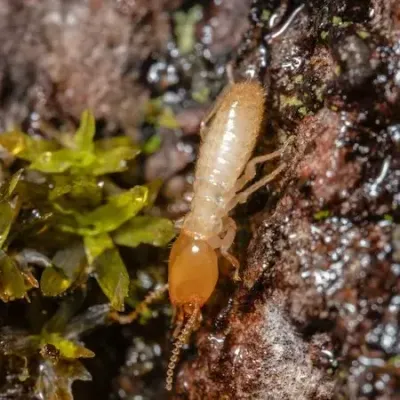
Workers are small, white, and see-through. They are about 4 to 5 mm long. Workers gather food, build tunnels, and care for the young. They have sharp jaws for chewing wood.
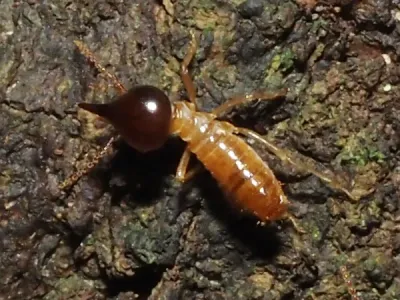
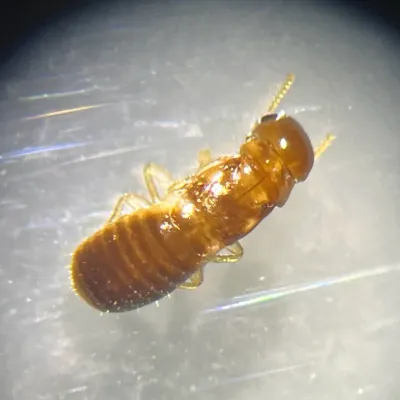
Soldiers are bigger than workers. They guard the colony from enemies. Their bodies are white with dark brown or orange-brown heads. When attacked, soldiers release a sticky white fluid from a pore on their head. About 10 to 15 percent of a foraging group are soldiers.
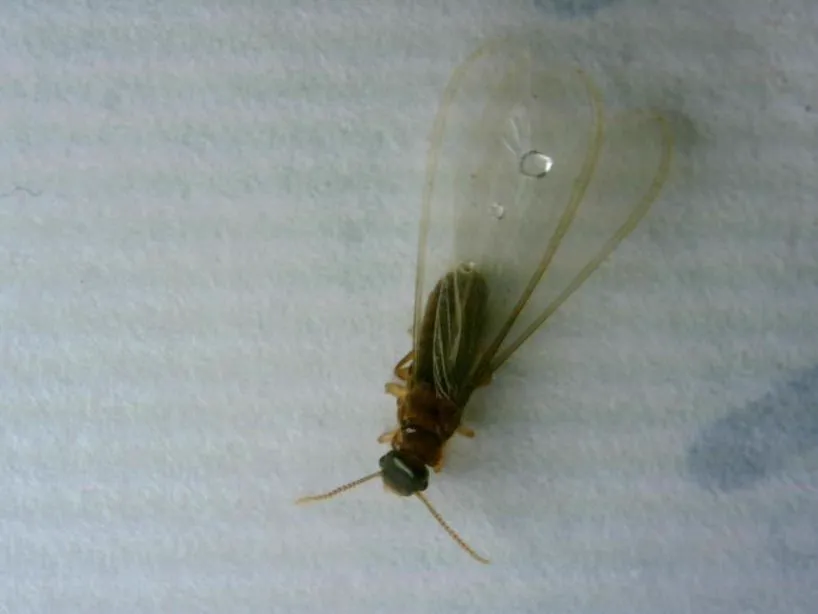
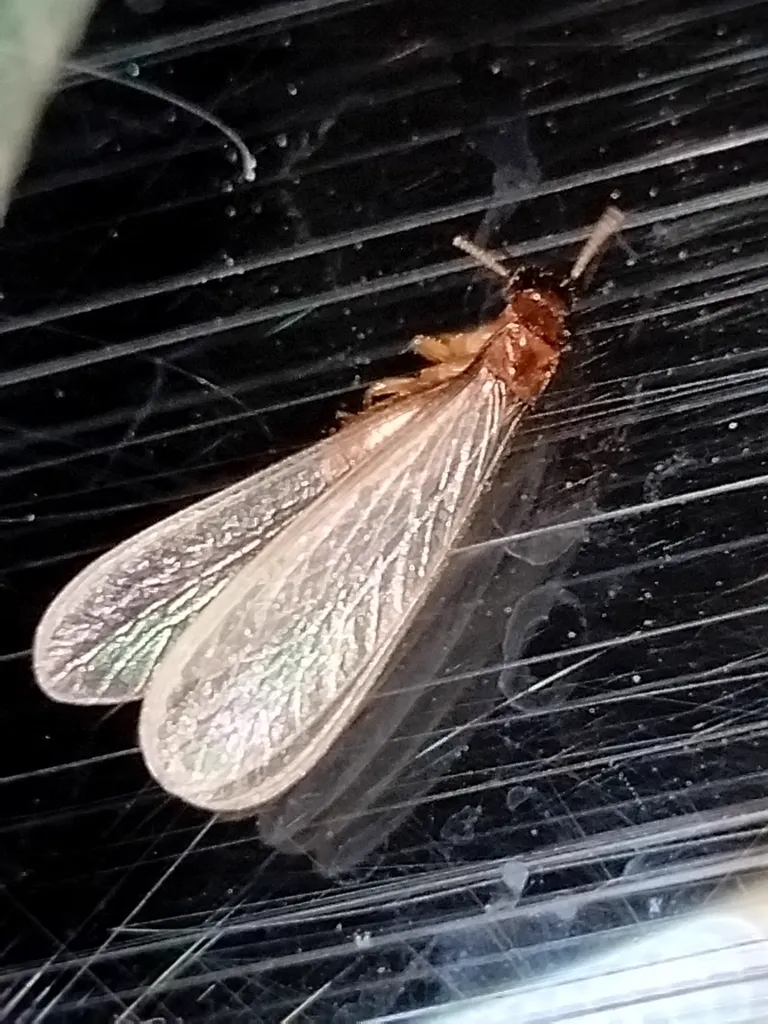
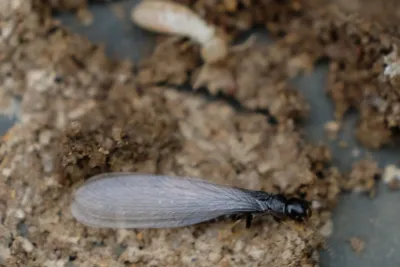
Swarmers are the winged forms that start new colonies. They are 13 to 14 mm long with wings. Their heads and bodies are dark brown. This darker color sets them apart from Formosan termite swarmers, which are lighter. Their wings have tiny hairs and visible veins.
Telling Them Apart from Formosan Termites
Asian subterranean termites look a lot like Formosan termites. To tell them apart, you need to look at the soldiers closely. Asian subterranean termite soldiers have one pair of hairs near the pore on their head. Formosan soldiers have two pairs. The head shape is also slightly different.
Southern Florida is the only place where both termite species live together. This makes correct identification key for treatment to work.
Asian Subterranean Termite Behavior and Biology
Colony Structure
Asian subterranean termite colonies have workers, soldiers, and a king and queen. Workers find food and feed everyone else. Soldiers guard the colony. The king and queen lay eggs to grow the colony.
Colonies can grow very large. When they invade a building, damage can get bad within months.
Feeding Habits
These termites eat anything with cellulose. This includes wood, cardboard, paper, and even fabric. They also attack living trees by eating the wood inside. This weakens trees and can make them fall during storms.
Asian subterranean termites eat wood from the inside out. The outside may look fine but sounds hollow when you tap it. The surface may also blister as damage gets worse.
These termites will chew through things that are not food, like rubber, plastic, and foam. Anything in their path to wood is at risk.
Movement and Nesting
These termites live underground. They get into buildings through cracks in foundations, gaps in concrete, and pipes. They build mud tubes to travel above ground while staying out of open air.
Like Formosan termites, this species can build nests inside buildings. These nests are made from chewed wood, soil, spit, and waste. A nest with a water source lets the colony live without contact to soil. This makes them very hard to get rid of.
Swarming and Reproduction
Swarmers come out in spring. They fly in large numbers at dusk or at night. In Florida and the Caribbean, they swarm from February through April. They are drawn to lights.
After swarming, males and females pair up. They drop their wings and look for a place to start a nest. They pick spots with wet wood or where wood touches soil.
Signs of Asian Subterranean Termite Infestation
Look for these warning signs:
- Mud tubes on walls, pipes, or other surfaces going from soil to wood
- Swarmers or shed wings near windows, doors, and lights (most common at night from February to April)
- Hollow-sounding wood when you tap on beams or trim — see termite damage pictures for examples
- Blistered or peeling paint on wood surfaces
- Nest material in walls or gaps, looking like a dark mix of soil and dirt
- Damage to wood that looks okay outside but is eaten away inside
Treatment Methods for Asian Subterranean Termites
These termites are hard to control. They nest both underground and inside buildings. A pest control pro should handle them. The same methods used for other subterranean termites can work.
Baiting Systems
Bait stations go around a property to watch for termites and kill colonies. Workers find the bait, eat it, and share it with the colony. The bait stops termites from growing. Over time, this kills the whole colony.
Liquid Soil Treatments
Liquid treatments make a barrier in the soil around a building. A trench is dug around the foundation and treated. Modern products do not repel termites. Instead, termites walk through the treated soil and spread the product to others.
Localized Treatments
Because these termites can nest inside buildings, direct treatment may be needed. Foam or dust can go into walls where nests are found. Finding and treating all nests is key for full control.
Wood Treatments
Borate products protect wood from termites. These treatments soak into wood and last for years. They work best during building or remodeling when wood is easy to reach.
Prevention Tips
These steps can help lower the risk of an infestation:
- Remove wood that touches soil near your foundation
- Fix drainage so water does not pool near the building
- Keep mulch at least 12 inches from foundation walls
- Store firewood away from the house and off the ground
- Fix plumbing leaks fast to cut moisture in walls
- Get regular termite inspections from a licensed pro
- Remove dead trees and stumps from your yard
For additional guidance, read our termite prevention tips and learn about how much termite treatment costs.
Geographic Distribution
Asian subterranean termites come from Southeast Asia. They are the main termite pest in countries like Singapore and Malaysia. People have spread them to tropical areas around the world. This includes Pacific islands, the Caribbean, Brazil, and Mexico.
In the United States, they are only found in southern Florida and Hawaii. They were first found in Miami in 1996. Since then, they have spread north to Fort Lauderdale and other areas. They can only live in warm, tropical climates. Cold winters kill them. In Florida, they share territory with eastern subterranean termites and several drywood termite species.
References
Other Termites
Explore other species in the termites family
Commonly Confused With
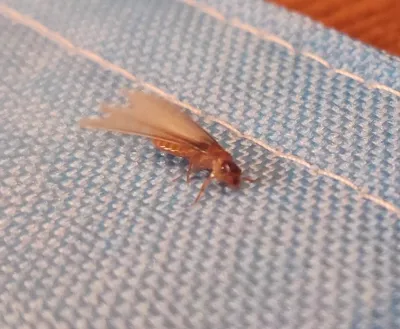
Asian Subterranean Termites are often mistaken for these similar pests
Where Asian Subterranean Termites Are Found
Hover over states to see their names. Green regions indicate where asian subterranean termites have been reported.
Common Questions about Asian Subterranean Termites
Where are Asian subterranean termites found in the United States?
+
They are found in southern Florida and Hawaii. In Florida, they were first seen in Miami in 1996. They have since spread to Fort Lauderdale and other areas. They only live in tropical climates.
How do I tell Asian subterranean termites apart from Formosan termites?
+
Look at the soldiers closely. Asian subterranean termite soldiers have one pair of hairs near the pore on their head. Formosan soldiers have two pairs. The swarmers are also slightly smaller with darker brown heads. A pest control pro can confirm what you have.
When do Asian subterranean termites swarm?
+
In Florida and the Caribbean, they swarm from February through April. They fly at dusk or at night. Large numbers are drawn to lights.
How much damage can Asian subterranean termites cause?
+
They are very destructive. Damage can get severe in a short time, especially when a big colony invades a building. In Southeast Asia, they cause 80 to 90 percent of all insect damage to buildings. They eat wood from the inside out.
Can Asian subterranean termites build nests inside structures?
+
Yes, they can build nests inside walls and other spaces in buildings. These nests are made from chewed wood, soil, spit, and waste. Nests inside buildings make them harder to control.
How did Asian subterranean termites get to the United States?
+
They are native to Southeast Asia. They spread through shipping, mainly in wooden crates and pallets. They were first found in Miami in 1996 and have spread since then.
Are Asian subterranean termites worse than native termites?
+
They are one of the most harmful invasive termite species. Their colonies grow fast. They eat wood quickly. They can nest both underground and inside buildings. This makes them more harmful than many native species.
What attracts Asian subterranean termites to homes?
+
They need moisture and wood to survive. They like wood that touches soil, poor drainage, mulch near foundations, leaking pipes, and damp wood. They dig underground and build mud tubes to reach food above the soil.

With five years of hands-on experience in the pest control industry, George Schulz is a registered technician with the Virginia Pest Management Association and a proud third-generation professional in a family business that's been protecting homes for over 57 years. He manages and trains a team of service pros while also leading internal research efforts—recently spearheading a deep-dive review of thousands of documents on pest control materials to hand-pick the most kid and pet friendly, most effective solutions tailored specifically for homes in the DC metro area.