Green Stink Bug Identification Guide
Chinavia hilaris
The green stink bug is a native North American shield-shaped insect that invades homes in fall seeking shelter and releases a foul odor when disturbed.
Taxonomy
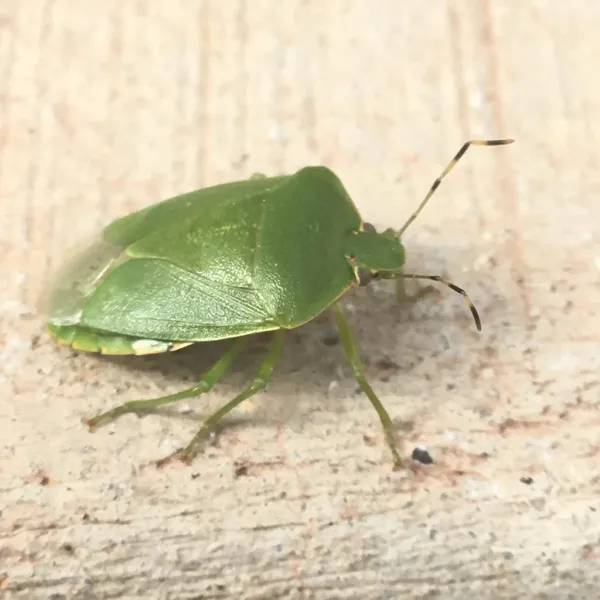
Green Stink Bug Coloration
Common color patterns to help identify green stink bug
Green Stink Bug
Seasonal Activity
When green stink bug are most active throughout the year

Where Green Stink Bug Are Found
Hover over states to see their names. Green regions indicate where green stink bug have been reported.
Green Stink Bug Identification Guide
Physical Characteristics
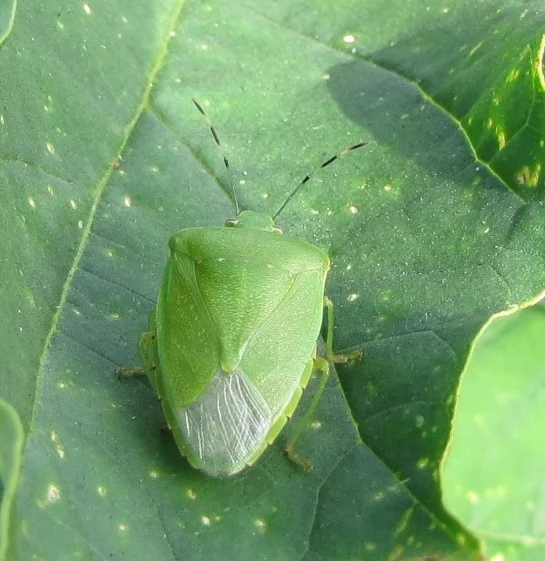
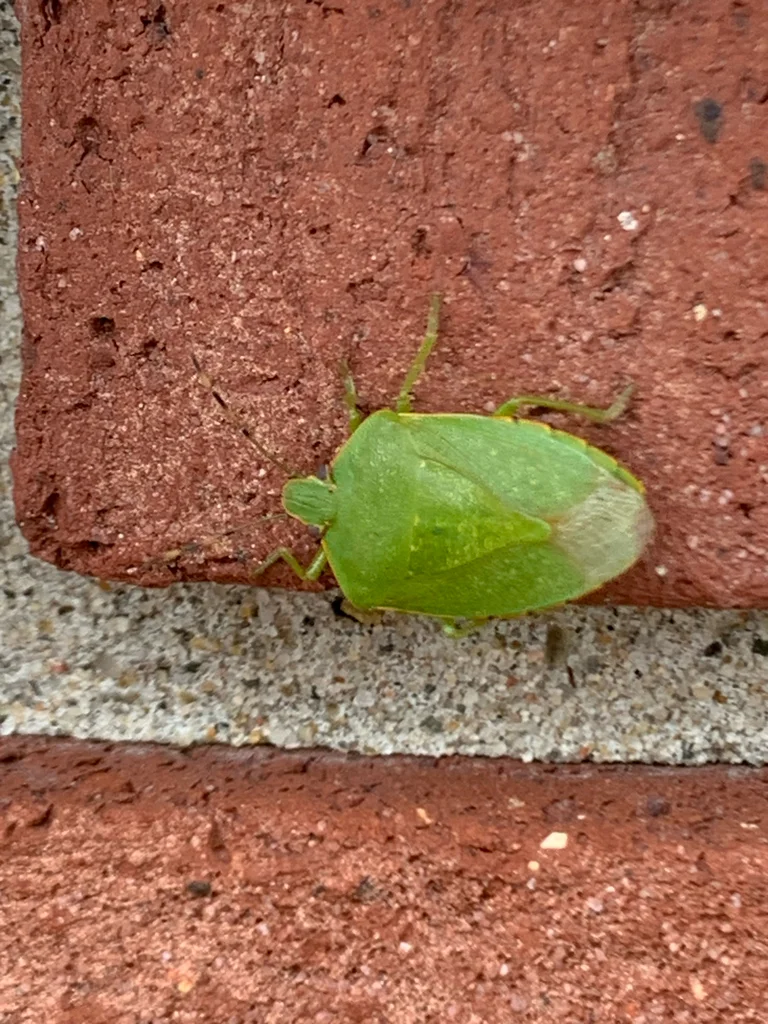
The green stink bug (Chinavia hilaris) is native to North America. You can spot it by its shield-shaped body and bright green color. Adults are 14 to 19 mm long, about the size of a dime. They have a narrow orange or yellow border along the edges of the head and body.
Like all stink bugs, they have scent glands that release a bad smell when they feel threatened or get crushed. This is why they are called “stink” bugs. They have six green legs and wings that let them fly, but they prefer to walk slowly.
Nymphs and Life Stages
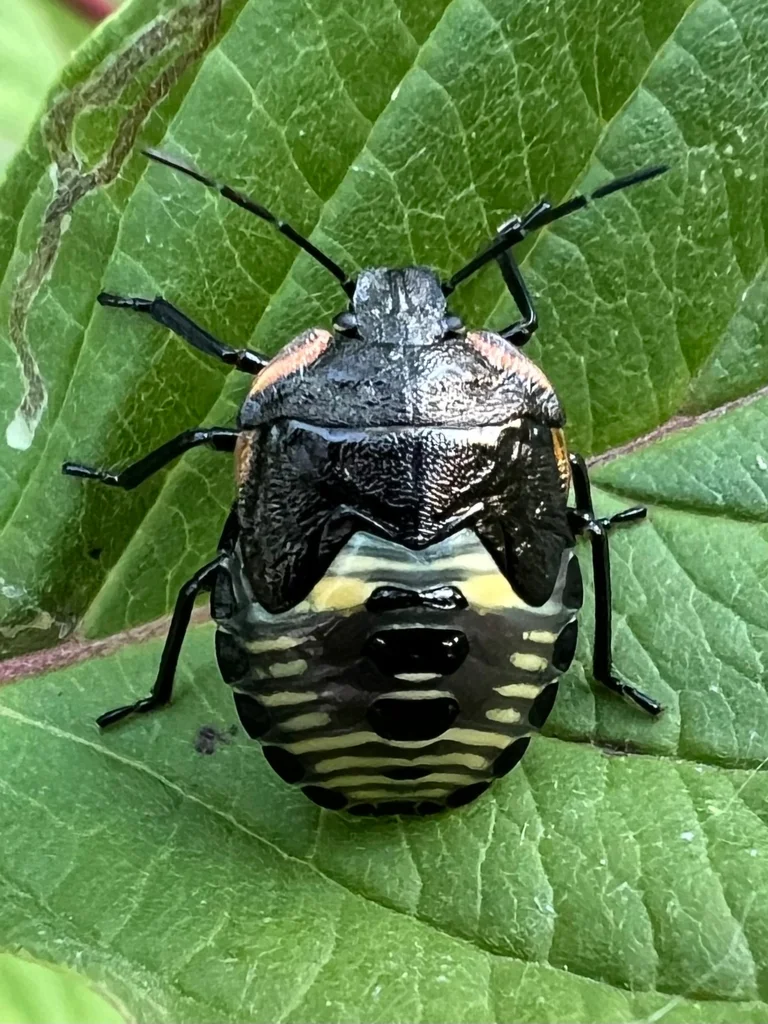
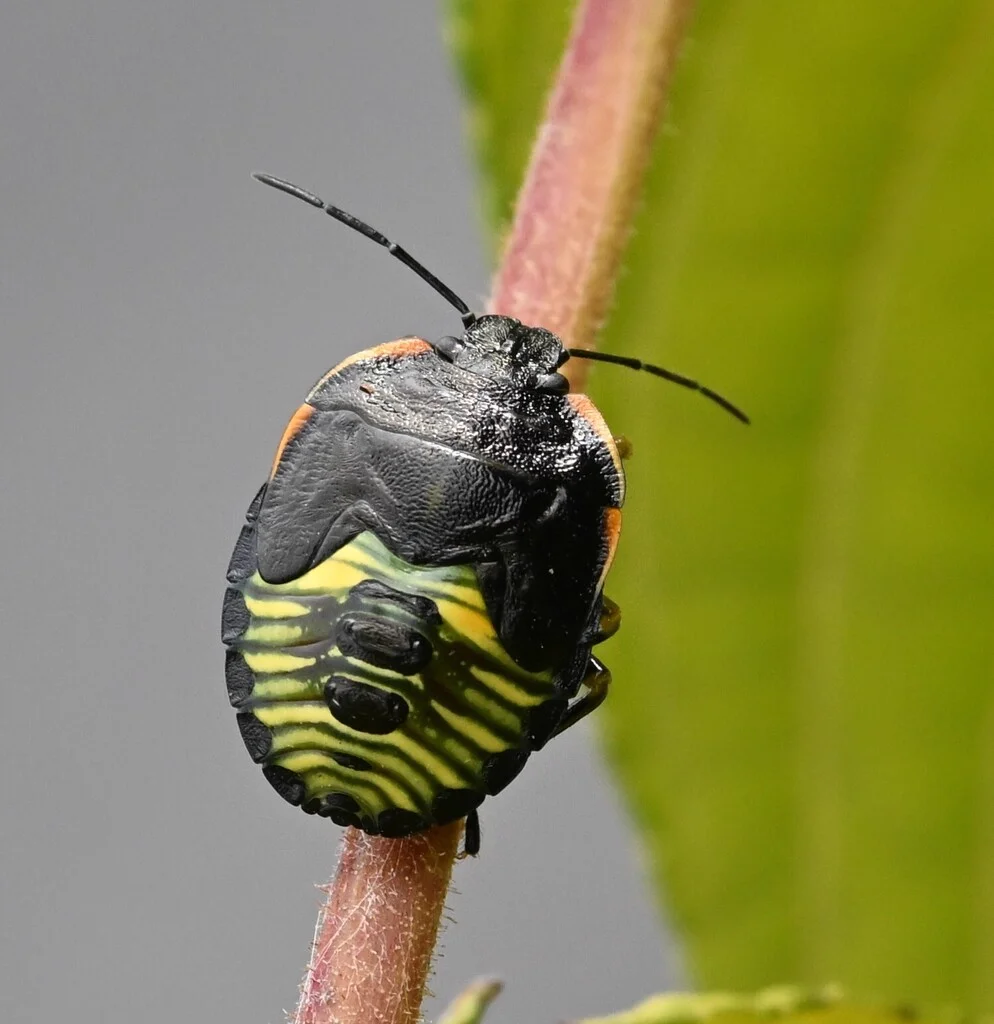
Young green stink bugs (nymphs) look very different from adults. Early nymphs have black and yellow or black and orange stripes. As they grow through five stages, they turn green and their wings start to form. This is helpful to know because the colorful young bugs may not look like they will become green adults.
Common Species
-
Green Stink Bug (Chinavia hilaris): The most common type in North America. Found across the United States and southern Canada.
-
Southern Green Stink Bug (Nezara viridula): More common in southern states. A related species, Rough Stink Bug, shares similar characteristics.
Green Stink Bug Behavior and Biology A related species, Shield Bugs, shares similar characteristics.
Green stink bugs eat many types of plants. They use their needle-like mouths to pierce plants and suck out fluids from seeds, fruits, and stems. They prefer black cherry, elderberry, dogwood, and basswood trees. They also damage crops like soybeans, tomatoes, corn, beans, and fruit trees. A related species, One-Spotted Stink Bug, shares similar characteristics.
Reproduction and Lifecycle A related species, Brown Stink Bug, shares similar characteristics.
The green stink bug goes through three main life stages: egg, nymph (five stages), and adult. Females lay barrel-shaped eggs in groups under leaves. This protects them from weather and predators. One generation takes several weeks. Multiple generations can occur during warm months. A related species, Harlequin Bug, shares similar characteristics.
Overwintering Behavior A related species, Dusky Stink Bug, shares similar characteristics.
In late summer and early fall, shorter days and cooler weather push green stink bugs to find shelter. They gather on warm, sunny walls before entering homes through small gaps and cracks. Once inside, they stay dormant all winter. They do not eat or reproduce indoors. When spring comes, they go back outside.
Aggregation Pheromones
When green stink bugs find a good shelter spot, they release special scents called pheromones. These attract more stink bugs to the same location. This is why you may find many of them clustered on walls or inside wall voids.
How We Treat for Green Stink Bugs
Green stink bugs are best stopped before they get inside. Our approach focuses on creating barriers in early fall, before these bugs start looking for shelter.
-
Fall Preventative Treatments: Before it gets cold in October, our technicians apply dust treatments in exterior gaps. This includes weep holes, behind siding, and around windows and doors. This creates a barrier that keeps them out.
-
Exterior Perimeter Treatments: We apply repellent products around the outside of your home. We focus on the sunny sides of the house where stink bugs like to gather.
-
Interior Treatments: If stink bugs have already gotten inside, we treat around window seals, door frames, and baseboards. For bad cases, we may need to dust inside wall voids.
-
Exclusion Tips: For long-term control, you need to seal entry points. We can help find and seal cracks around windows and doors, fix damaged screens, close gaps around pipes, and secure loose siding.
What You Can Do
Do not crush stink bugs inside your home. This releases their bad smell. Instead, vacuum them up and throw out the bag right away. You can also turn off outdoor lights near doors at night since stink bugs are drawn to light.
References
Other Stink Bugs
Explore other species in the stink bugs family
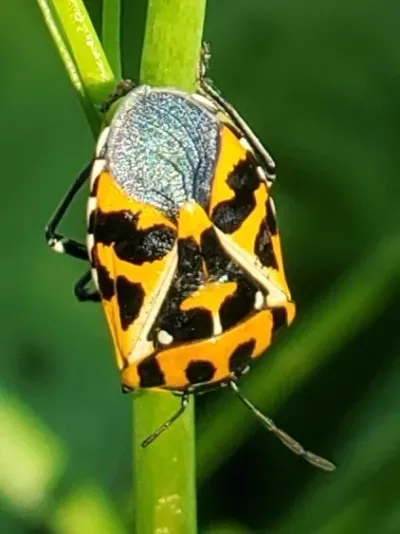
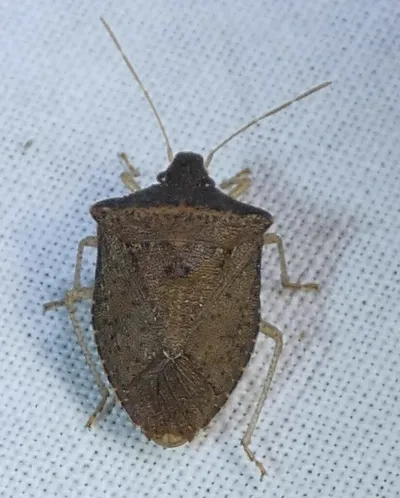
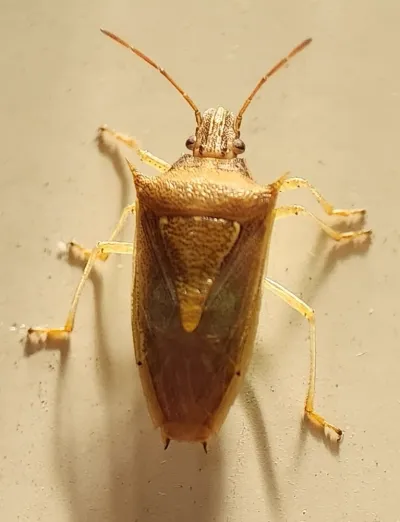
Commonly Confused With
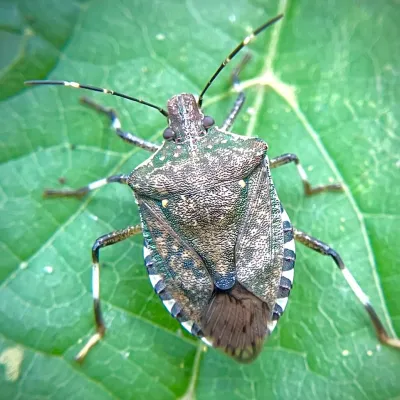
Green Stink Bug are often mistaken for these similar pests
Where Green Stink Bug Are Found
Hover over states to see their names. Green regions indicate where green stink bug have been reported.
Common Questions about Green Stink Bug
What is the difference between green stink bugs and brown marmorated stink bugs?
+
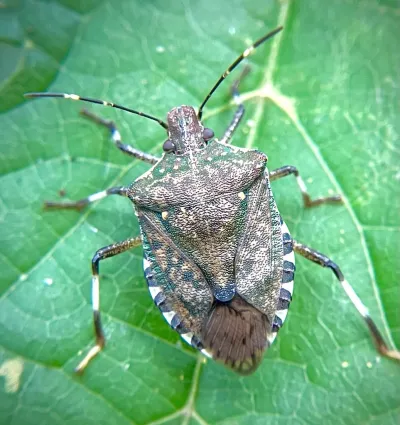
Green stink bugs (Chinavia hilaris) are native to North America and are bright green with a narrow yellow or orange border. Brown marmorated stink bugs are invasive and have mottled brown coloring with distinctive banding on the antennae. Both species exhibit similar overwintering behavior.
Do green stink bugs bite or sting?
+
No, green stink bugs do not bite or sting humans. They have piercing-sucking mouthparts designed for feeding on plant sap, not for attacking people or pets.
Why are green stink bugs in my house?
+
Green stink bugs enter homes in the fall seeking shelter for the winter. They are attracted to warm, sunny exterior surfaces and enter through cracks around windows, doors, foundations, and siding.
What should I do if I find green stink bugs inside?
+
Avoid crushing them as this releases their defensive odor. Vacuum them up instead and immediately dispose of the bag. For large numbers, professional pest control can help address the infestation.
Are green stink bugs harmful to gardens?
+
Yes, green stink bugs are agricultural pests that feed on fruits, vegetables, and ornamental plants. They can damage crops like tomatoes, beans, corn, and fruit trees by piercing the surface and extracting plant fluids.
When are green stink bugs most active?
+
Green stink bugs are most active from late spring through early fall when they feed and reproduce outdoors. In September and October, they begin seeking shelter in homes for overwintering.
How can I prevent green stink bugs from entering my home?
+
Seal cracks around windows, doors, and foundations. Repair damaged screens, close gaps around utility lines, and consider preventative pest treatments in the fall before they begin seeking shelter.

With five years of hands-on experience in the pest control industry, George Schulz is a registered technician with the Virginia Pest Management Association and a proud third-generation professional in a family business that's been protecting homes for over 57 years. He manages and trains a team of service pros while also leading internal research efforts—recently spearheading a deep-dive review of thousands of documents on pest control materials to hand-pick the most kid and pet friendly, most effective solutions tailored specifically for homes in the DC metro area.