Brown Stink Bug Identification Guide
Euschistus servus
The brown stink bug is a native North American pest that feeds on crops and occasionally enters homes in fall, releasing a foul odor when disturbed.
Taxonomy
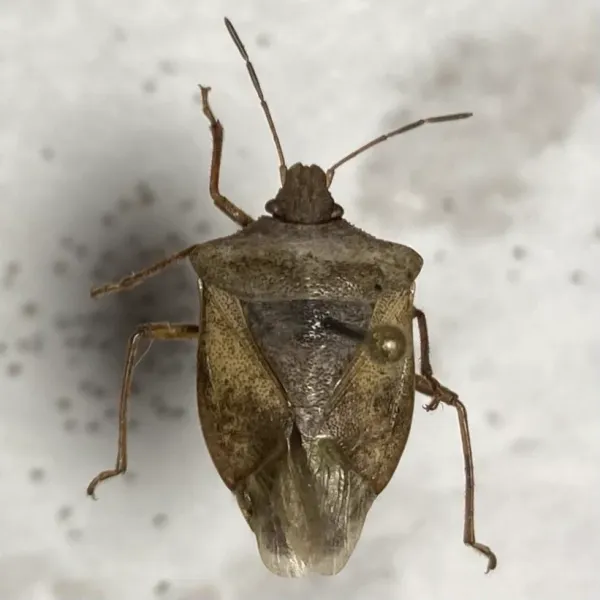
Brown Stink Bug Coloration
Common color patterns to help identify brown stink bug
Brown Stink Bug
Seasonal Activity
When brown stink bug are most active throughout the year

Where Brown Stink Bug Are Found
Hover over states to see their names. Green regions indicate where brown stink bug have been reported.
Brown Stink Bug Identification Guide
Physical Characteristics
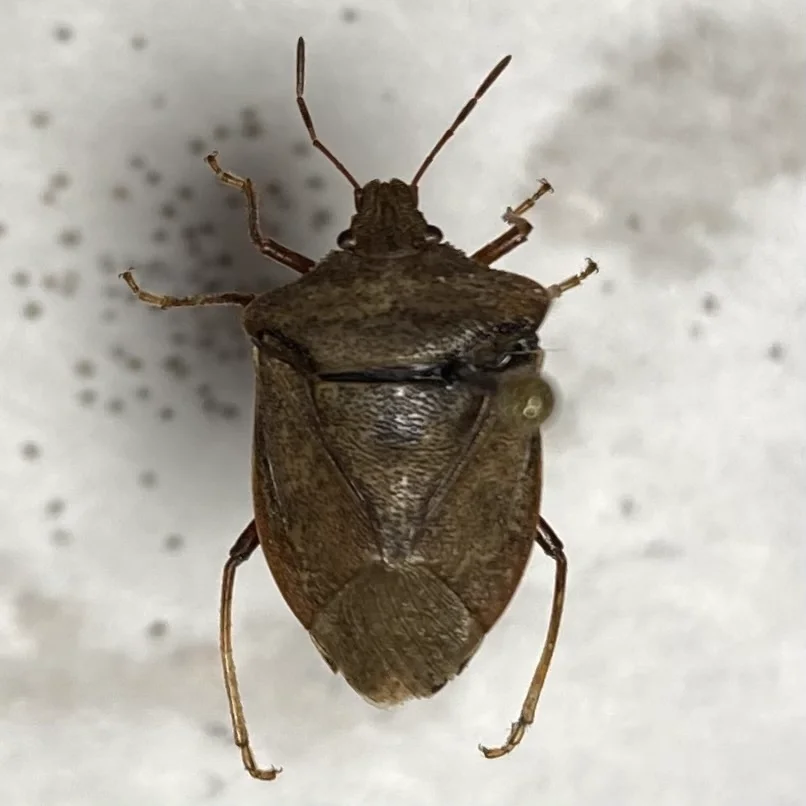
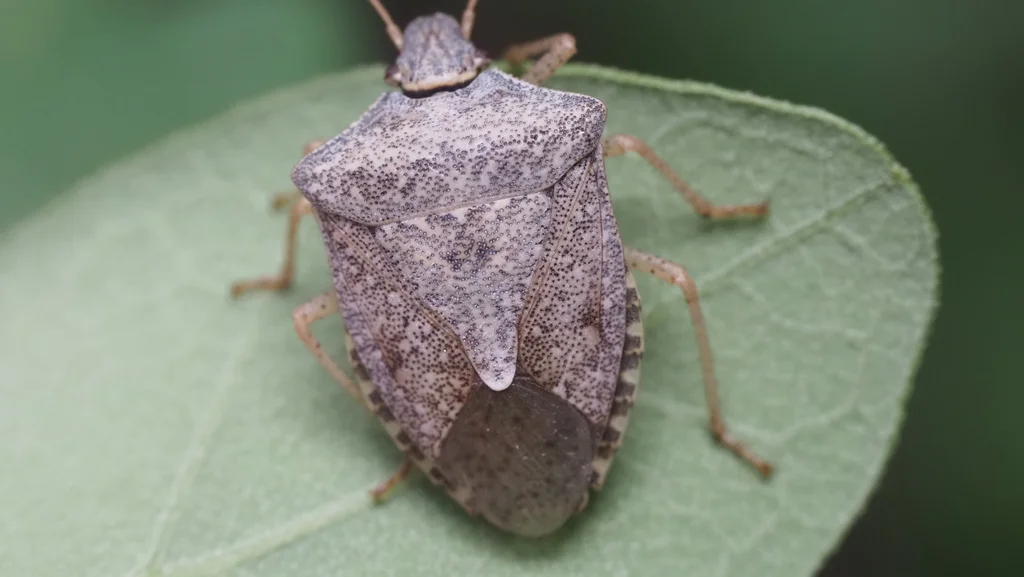
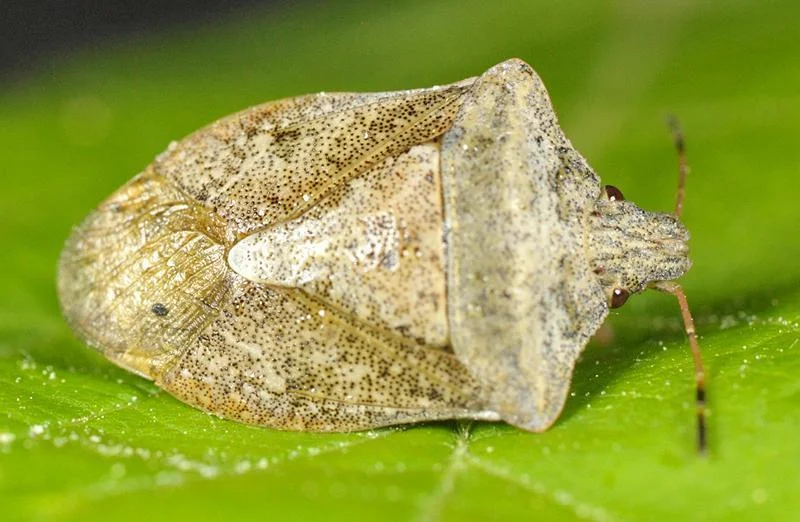
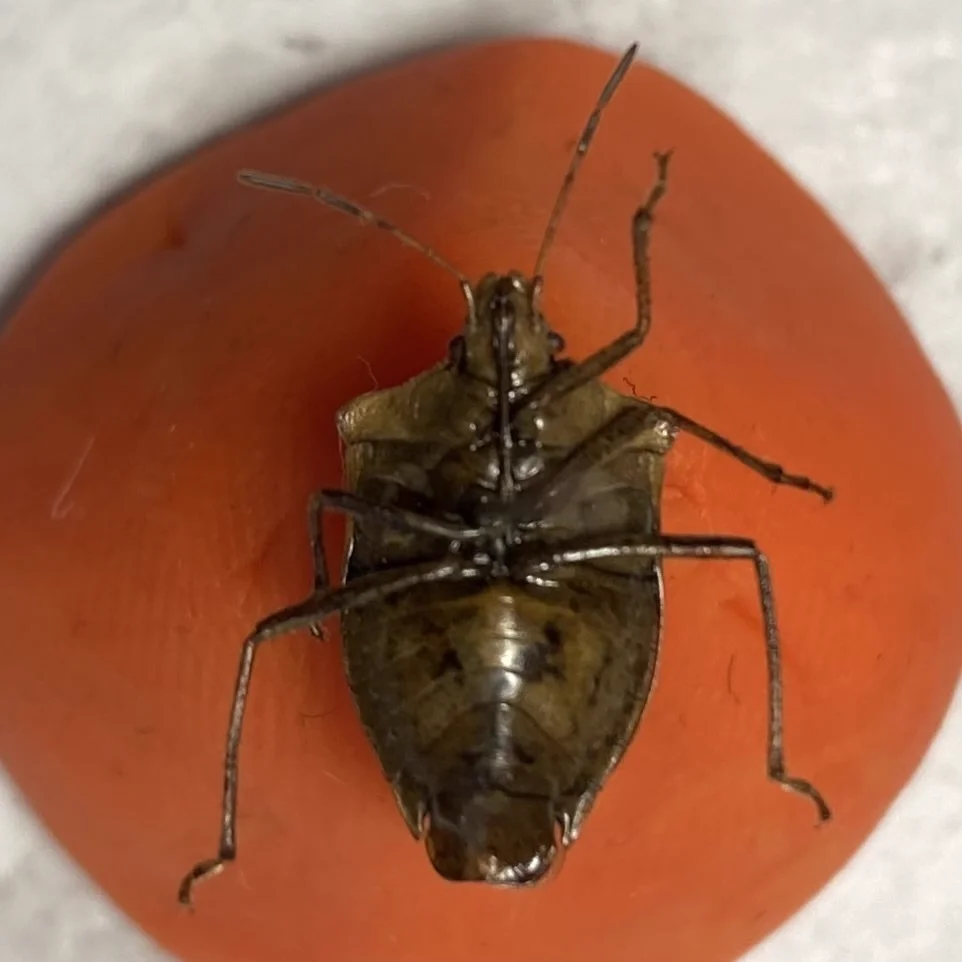
The brown stink bug (Euschistus servus) is a native North American insect measuring 11-15 mm long, about the size of a dime. Unlike the more well-known brown marmorated stink bug, this species has a plain dull brown to grayish-brown color without any marbled patterns. The body is oval and flat, with the classic shield shape common to all stink bugs.
Adults have a rough, bumpy texture on their backs. The shoulder area is slightly curved inward at the front. The legs are yellowish-brown. The antennae have five segments and lack the striped banding seen on the brown marmorated species. Look for small, sharp tooth-like points on the shoulders to help identify this bug.
Similar Species
Brown stink bugs are often confused with several related species:
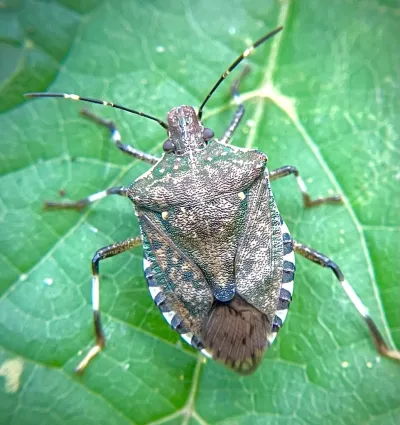
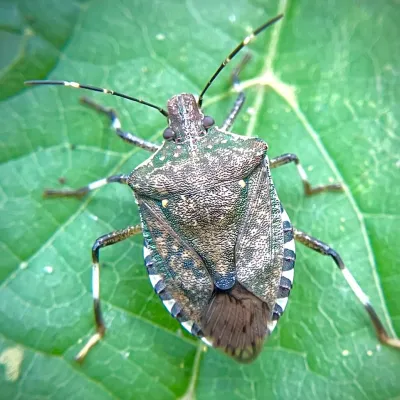
- Brown marmorated stink bug (Halyomorpha halys): Has marbled brown coloring with white bands on its antennae and body edges
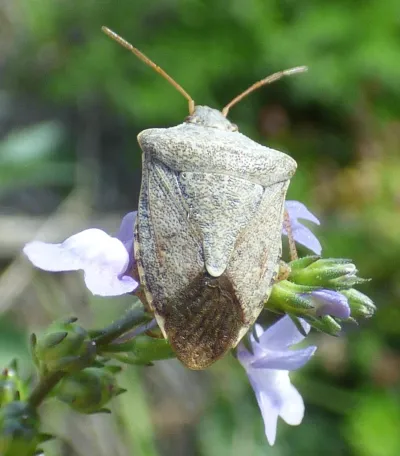
- Dusky stink bug (Euschistus tristigmus): Similar size but has more pointed shoulders
- One-spotted stink bug (Euschistus variolarius): Has a dark spot on its back
Looking at the antennae, shoulder shape, and color patterns helps tell these species apart.
Brown Stink Bug Behavior and Biology
Lifecycle and Reproduction
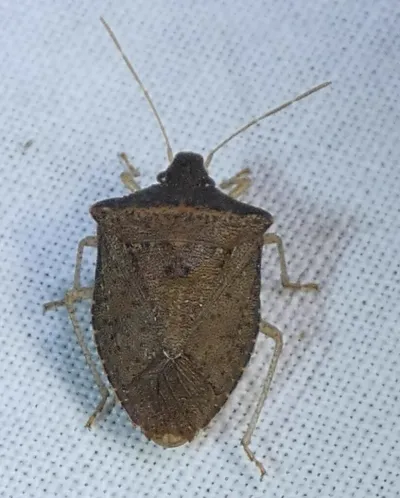
Brown stink bugs go through three life stages: egg, nymph, and adult. Females lay barrel-shaped eggs in groups of 12-28 on the undersides of leaves, stems, or seed pods. The eggs start out light green to yellow and darken as they develop. A related species, Rough Stink Bug, shares similar characteristics.
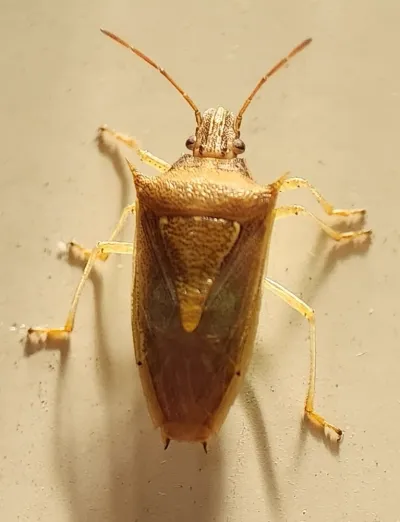
Nymphs hatch in about one week. They grow through five stages over 30-45 days before becoming adults. Young nymphs are small and round with black and green coloring. They slowly turn brown as they grow. Adults live for several months and can produce two to three generations per year in warmer areas. A related species, Shield Bugs, shares similar characteristics.
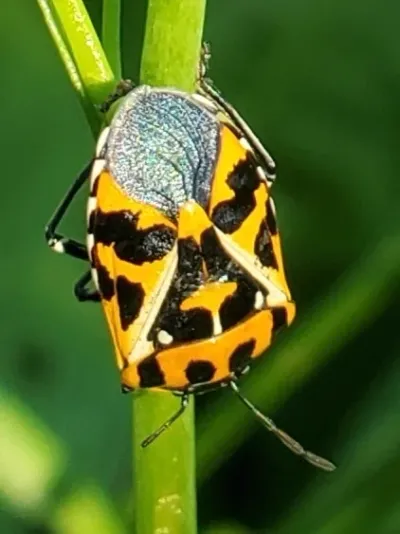
Feeding Habits A related species, Harlequin Bug, shares similar characteristics.
Brown stink bugs feed on many different plants. They use needle-like mouthparts to pierce plant tissue and suck out the juices. Common hosts include soybeans, cotton, corn, tomatoes, peaches, apples, and beans.
Their feeding causes sunken spots, dimples, or discolored areas on fruits and seeds. On cotton, feeding can cause bolls to drop and reduces fiber quality. In soybeans, they cause shriveled seeds. This damage makes brown stink bugs a major agricultural pest.
Seasonal Activity
Brown stink bugs are most active from late spring through early fall during growing season. Adults come out of winter hiding in April or May when temperatures stay above 70 degrees. Populations peak in July and August.
When temperatures drop in fall, adults look for places to spend the winter. They prefer natural shelters like leaf litter, bark gaps, and thick plants. However, they will enter homes if they can find a way in. This native species is less likely to invade homes in large numbers than the brown marmorated stink bug, but may still show up indoors during autumn.
How We Treat for Brown Stink Bugs
Brown stink bugs respond best to preventative treatments applied before they try to enter homes. Our approach combines sealing entry points with targeted treatments to keep indoor populations low.
Preventative Treatments
Before cooler weather arrives in late September through October, we apply dust treatments to exterior gaps where stink bugs commonly shelter and enter. Target areas include:
- Weep holes in brick construction
- Gaps behind siding
- Spaces around window and door frames
- Utility penetrations
These treatments create a barrier that keeps insects from settling in wall voids. Exterior perimeter treatments with repellent materials add extra protection by keeping stink bugs away from foundation walls and sunny building exteriors.
Exclusion Recommendations
Sealing entry points is key to long-term stink bug control. We recommend:
- Sealing cracks and gaps with silicone caulk
- Installing or replacing weatherstripping around doors and windows
- Making sure door sweeps are in good condition
- Covering vents, exhaust fans, and other openings with fine mesh screens
Interior Management
If brown stink bugs have already entered your home, interior treatments target common entry points like window frames, door frames, and baseboards. Vacuuming is the easiest way to remove bugs found indoors. A shop vacuum or dedicated vacuum bag helps contain their smell.
Do not crush stink bugs. This releases their bad odor and may stain surfaces. Instead, dispose of collected bugs in soapy water outside the home.
References
Other Stink Bugs
Explore other species in the stink bugs family
Commonly Confused With
Brown Stink Bug are often mistaken for these similar pests
Where Brown Stink Bug Are Found
Hover over states to see their names. Green regions indicate where brown stink bug have been reported.
Common Questions about Brown Stink Bug
What is the difference between the brown stink bug and the brown marmorated stink bug?
+
The brown stink bug is a native North American species with a plain brown or grayish-brown color. The brown marmorated stink bug is an invasive Asian species with marbled brown patterns and light and dark bands on its antennae and body edges.
Do brown stink bugs damage crops?
+
Yes, brown stink bugs feed on many crops including soybeans, cotton, corn, tomatoes, and fruits. They suck plant juices through needle-like mouthparts, causing dimples and discolored spots on produce.
Will brown stink bugs enter my home?
+
Brown stink bugs can enter homes in fall looking for winter shelter. They are less likely to invade in large numbers than the brown marmorated stink bug. They often gather on sunny walls before finding ways inside.
Do brown stink bugs bite or sting?
+
No, brown stink bugs do not bite or sting people or pets. They only feed on plants. However, they release a bad smell when handled or threatened.
Why do stink bugs smell so bad?
+
Stink bugs have scent glands in their mid-section. When scared or crushed, they release smelly chemicals to ward off predators.
How long do brown stink bugs live?
+
Adult brown stink bugs live for several months. They spend winter in hiding and can survive the cold season in sheltered spots. Their full lifespan runs about six to twelve months.
How can I prevent brown stink bugs from entering my home?
+
Seal cracks and gaps around windows, doors, and foundations. Fix or replace door sweeps and weatherstripping. Make sure window screens have no holes. Professional treatments in early fall can help keep stink bugs away.

With five years of hands-on experience in the pest control industry, George Schulz is a registered technician with the Virginia Pest Management Association and a proud third-generation professional in a family business that's been protecting homes for over 57 years. He manages and trains a team of service pros while also leading internal research efforts—recently spearheading a deep-dive review of thousands of documents on pest control materials to hand-pick the most kid and pet friendly, most effective solutions tailored specifically for homes in the DC metro area.