Wolf Spiders Identification Guide
Lycosidae
Wolf spiders are large, ground-dwelling hunting spiders found throughout North America. Unlike web-building spiders, these fast-moving predators actively chase and ambush their prey. While their size can be intimidating, wolf spiders are not aggressive toward humans.
Taxonomy
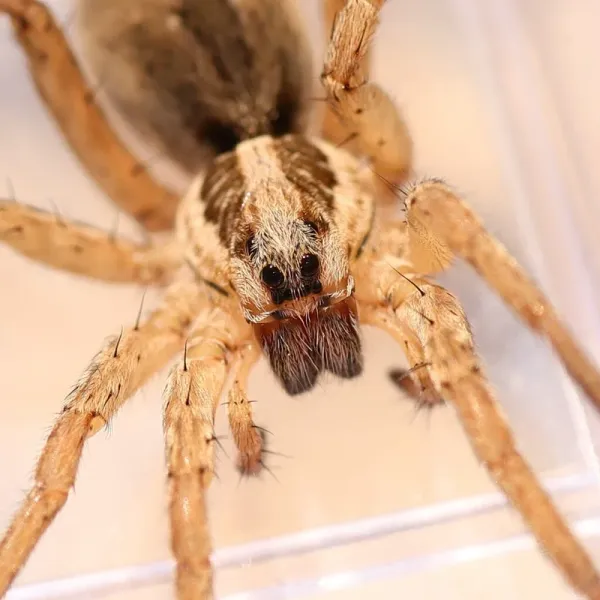
Wolf Spiders Coloration
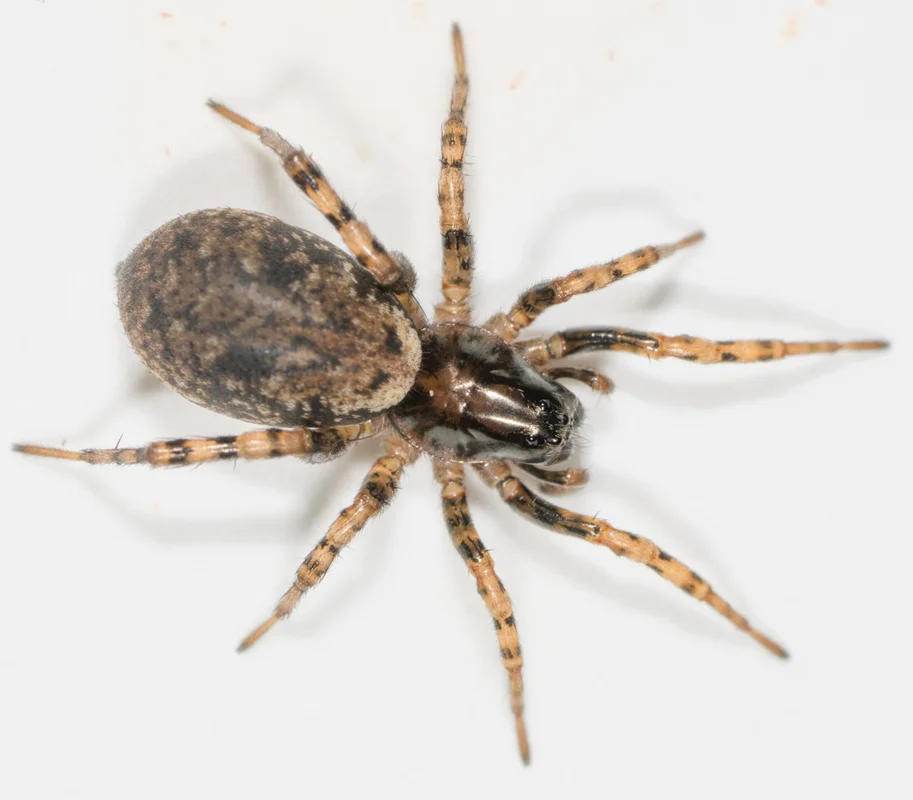
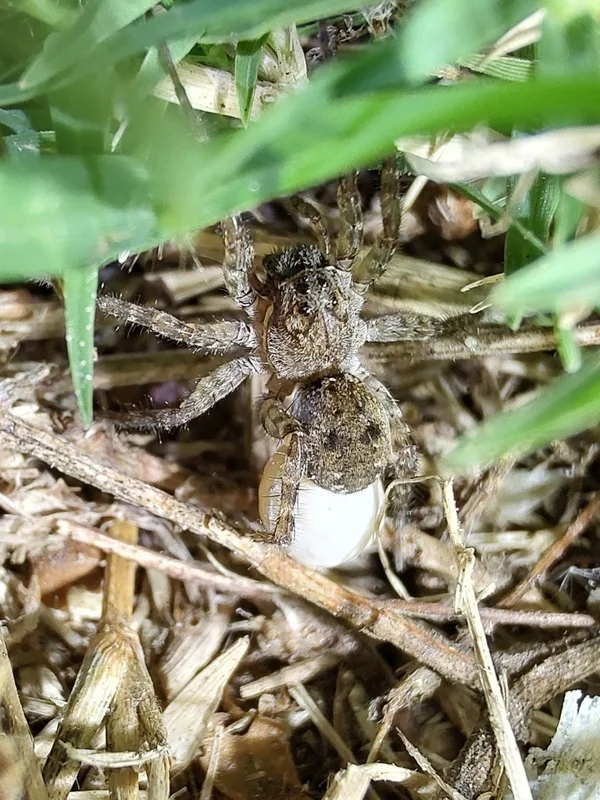
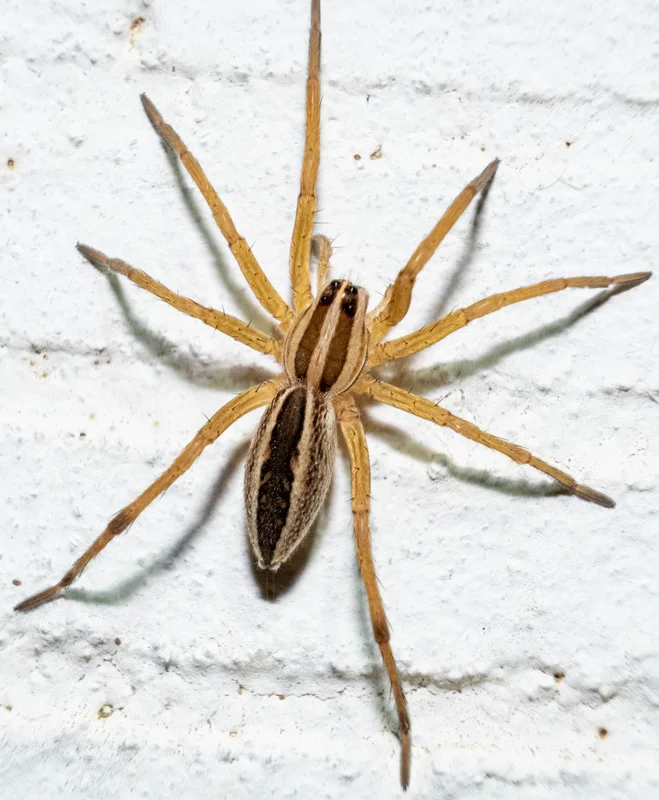
Common color patterns to help identify wolf spiders
Wolf Spiders
Seasonal Activity
When wolf spiders are most active throughout the year

Where Wolf Spiders Are Found
Hover over states to see their names. Green regions indicate where wolf spiders have been reported.
Wolf Spider Identification Guide
Physical Characteristics
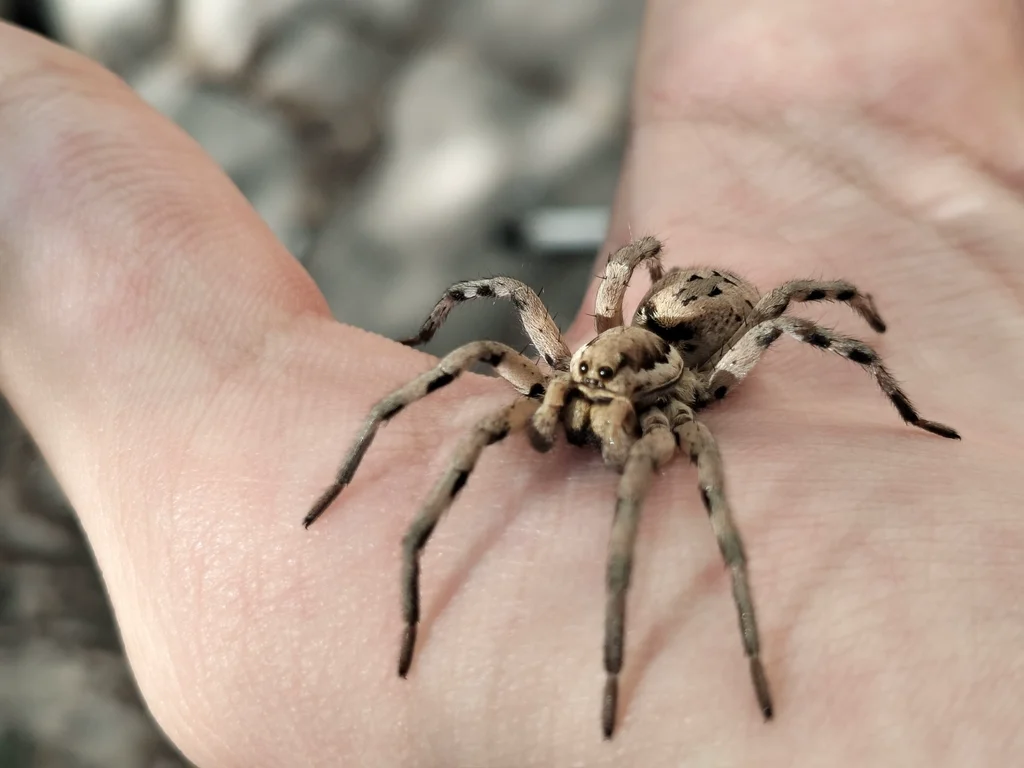
Wolf spiders (family Lycosidae) are among the largest and most recognizable spiders encountered in and around North American homes. Adult body length ranges from approximately 0.25 to 1.4 inches (6-35mm) depending on the species, with leg spans extending 1 to 4 inches in larger specimens. Females are typically larger than males.
The most distinctive identification feature is their unique eye arrangement. Wolf spiders have eight eyes arranged in three rows: four small eyes in a bottom row, two very large forward-facing eyes in the middle row, and two medium-sized eyes on the upper rear of the head. The large middle eyes give them excellent vision for hunting, and they reflect light at night, creating a noticeable eye shine when illuminated by a flashlight.
Wolf spiders have robust, somewhat flattened bodies covered in dense hair. Their coloration varies but is typically brown, gray, or black with lighter and darker patterns including stripes, chevrons, or mottling. The legs are usually banded with darker rings at the joints. Their overall appearance is stocky and powerful compared to the more delicate-looking web-building spiders.
Behavioral Identification
Unlike most household spiders, wolf spiders do not construct webs to capture prey. They are active hunters that chase down or ambush their food. This hunting behavior makes them easy to identify:
- Running behavior: Wolf spiders move quickly across surfaces rather than hanging in webs
- Ground dwelling: Most commonly found at floor level, in basements, or on the ground outside
- Egg sac carrying: Females attach their spherical egg sac to their spinnerets and carry it everywhere
- Spiderling transport: After hatching, baby spiders ride on their mother’s back for days to weeks
Common Species in North America
Over 200 species of wolf spiders occur in North America. Some of the most commonly encountered include:
- Carolina Wolf Spider (Hogna carolinensis) - One of the largest species, up to 1.4 inches body length, found throughout the eastern and southern United States
- Rabid Wolf Spider (Rabidosa rabida) - Medium-sized with distinctive striping, common from Maine to Florida and westward
- Dotted Wolf Spider (Rabidosa punctulata) - Named for the spotted pattern on its abdomen, widespread across North America
- Thin-legged Wolf Spiders (Pardosa spp.) - Smaller species often found near water and in gardens
Wolf Spider Behavior and Biology
Habitat Preferences
Wolf spiders occupy an exceptionally diverse range of habitats across North America, from coastal beaches to alpine tundra. Around homes, they are commonly found in:
Outdoor habitats:
- Leaf litter and mulch beds
- Under rocks, logs, and landscaping stones
- In tall grass and ground cover
- Around foundations and in gardens
- Near outdoor lighting where insects gather
Indoor habitats:
- Basements and crawl spaces
- Garages and sheds
- Ground-floor rooms
- Near exterior doors and windows
- Under furniture and appliances
Some wolf spider species dig burrows in soil, lining them with silk, while others are wandering hunters that shelter under debris. Their preference for ground-level habitats means they commonly enter homes through gaps at ground level, under doors, or through basement windows.
Diet and Feeding Habits
Wolf spiders are opportunistic predators that hunt a wide variety of insects and other arthropods. Using their excellent vision and speed, they stalk and chase prey or wait in ambush near their retreats. Their diet includes:
- Crickets, grasshoppers, and other orthopterans
- Beetles and their larvae
- Ants and other crawling insects
- Flies and mosquitoes
- Other spiders, including smaller wolf spiders
- Cockroaches and silverfish
Wolf spiders hunt primarily at night but may also be active during the day, especially in cooler weather. When prey is detected, they rush forward to capture and subdue it with their fangs. Their hunting behavior makes them valuable beneficial predators that help control pest populations.
Reproduction and Lifecycle
Wolf spider reproduction involves an elaborate courtship display. Males use their pedipalps (leg-like appendages near the mouth) to signal females through visual displays and vibrations. After mating, females produce a silk egg sac containing dozens to hundreds of eggs.
The maternal care exhibited by wolf spiders is remarkable among spiders:
- Egg sac carrying: Females attach the round egg sac to their spinnerets and carry it constantly, even while hunting
- Sun basking: Females may position themselves to warm the egg sac in sunlight, promoting embryo development
- Spiderling transport: When eggs hatch, the spiderlings climb onto their mother’s abdomen and ride there for one to two weeks
- Gradual dispersal: Young spiders eventually drop off and begin independent lives
Most wolf spider species complete their lifecycle in about one year, though this varies with climate and species. Juveniles may overwinter and mature the following spring, with peak adult activity occurring in late summer and fall.
Seasonal Activity Patterns
Wolf spider activity follows predictable seasonal patterns, particularly in temperate regions:
- December-February (Low): Most activity ceases outdoors; spiders overwinter as juveniles or adults in sheltered locations. Indoor sightings decrease but remain possible.
- March-April (Low to Moderate): Activity resumes as temperatures warm. Overwintered spiders emerge and resume hunting.
- May-June (Moderate to High): Increasing activity as populations grow and prey becomes abundant.
- July-October (High): Peak activity period. Males actively wander searching for mates, leading to more frequent indoor encounters. Females carry egg sacs and care for young.
- November (Declining): Activity decreases as temperatures drop. Spiders seek overwintering shelter.
Indoor sightings often spike in fall when male wolf spiders wander extensively while searching for mates, accidentally entering homes through gaps and open doors.
How We Treat for Wolf Spiders
Wolf spiders present unique control challenges because they are active hunters that do not remain in webs where pesticides can be applied. Our treatment approach focuses on exclusion, habitat modification, and targeted applications.
Our Treatment Process
Step 1: Comprehensive Inspection
We begin by identifying areas of high spider activity and the factors attracting them. For wolf spiders, key inspection points include:
- Ground-level entry points around foundations
- Gaps under doors and around windows
- Exterior lighting that attracts prey insects
- Landscape features providing harborage (mulch, debris, rock piles)
- Moisture problems attracting insects
Step 2: Exterior Barrier Treatment
We apply a non-repellent product to exterior areas where wolf spiders are active. Because wolf spiders are wandering hunters, non-repellent formulations are essential since spiders will walk through treated areas without detecting them. Focus areas include:
- Foundation perimeter
- Window and door frames at ground level
- Garage and shed entries
- Areas where webs and spiders have been observed
Step 3: Interior Spot Treatment
Interior treatment targets specific areas rather than broad surface applications. We focus on:
- Basement corners and floor-wall junctions
- Around entry points and utility penetrations
- Crawl space access points
- Garage interiors along walls
For severe infestations or specific species concerns, we may recommend preventative dusting in wall voids and other inaccessible areas.
Step 4: Exclusion Recommendations
Preventing wolf spider entry is critical for long-term control. We identify and recommend sealing:
- Gaps under exterior doors (door sweeps)
- Cracks in foundations and around windows
- Utility penetrations
- Vent screens and weep hole covers
Step 5: Ongoing Monitoring and Maintenance
Our seasonal protection plan includes tri-annual visits (three times per year) to:
- Reapply exterior barrier treatments
- Monitor spider activity levels
- Address new entry points or conducive conditions
- Control prey insect populations
Customer Guidance
For best results, we recommend these complementary measures:
- Reduce exterior lighting or use yellow “bug lights” that attract fewer insects
- Close blinds at night to prevent interior lights from drawing insects to windows
- Remove ground-level harborage such as leaf litter, wood piles, and rocks near the foundation
- Create a vegetation buffer by trimming plants and mulch back from foundation walls
- Address moisture issues that attract both spiders and their prey
- Vacuum visible spiders inside the home and dispose of the bag or contents
- Use sticky traps to monitor activity in basements and garages
Why Regular Service Matters
Wolf spider control requires ongoing attention because:
- New spiders continually move into favorable habitats from surrounding areas
- Their hunting behavior limits contact with treated surfaces compared to web-building spiders
- Prey insect populations must be controlled to reduce spider attraction
- Seasonal wandering by males brings new spiders near homes each fall
Our tri-annual service maintains the protective barrier and addresses the full range of pests that attract wolf spiders. Visit our spiders page for more species information. You can also read our blog comparisons: wolf spider vs. brown recluse, house spider vs. wolf spider, hobo spider vs. wolf spider, and fishing spider vs. wolf spider.
Effective, Tested Products
We have removed 9 of the harshest chemicals commonly used in the industry. Instead, we use reduced-risk products like Essentria, Alpine, and Borate-based solutions that effectively control spiders while considering environmental impact. These are EPA-approved products we feel comfortable using in our own homes.
References and Further Reading
- Wolf Spider - Britannica - General overview of wolf spider biology and behavior
- Spiders - UC IPM - Integrated pest management guide for spiders
- Family Lycosidae - BugGuide - Identification resources and species information for North American wolf spiders
Other Spiders
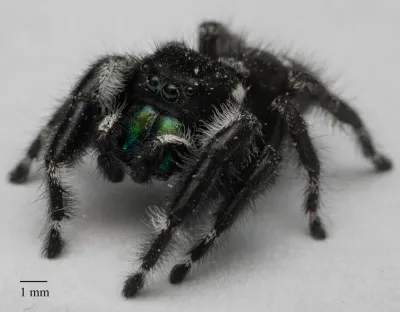
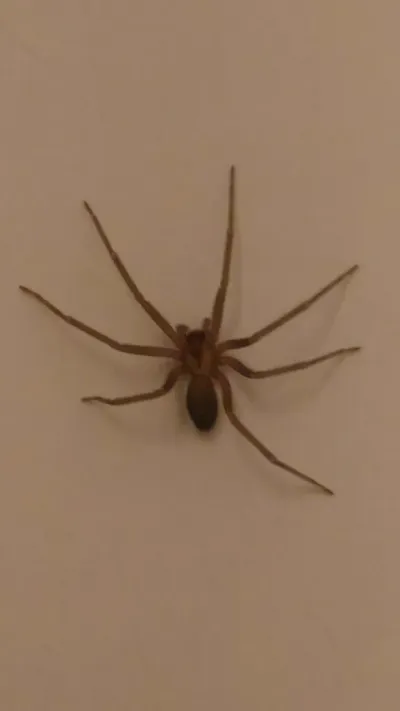
Explore other species in the spiders family

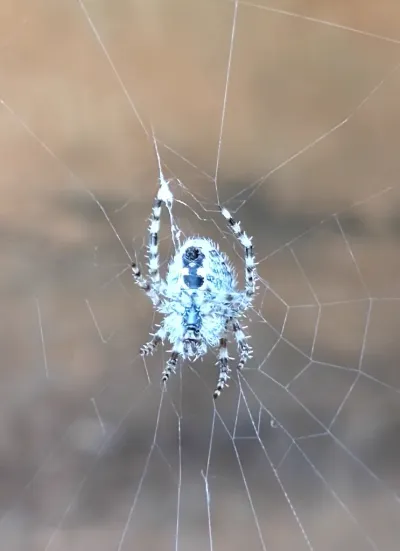
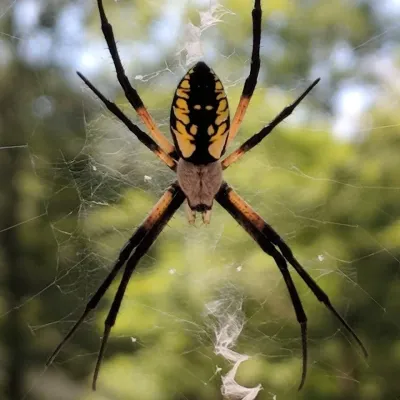
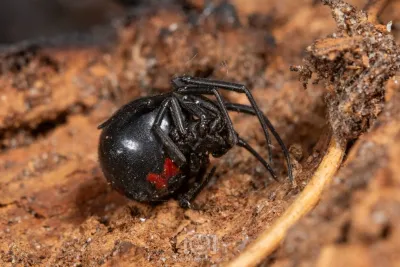
Commonly Confused With
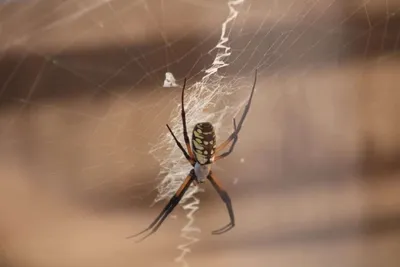
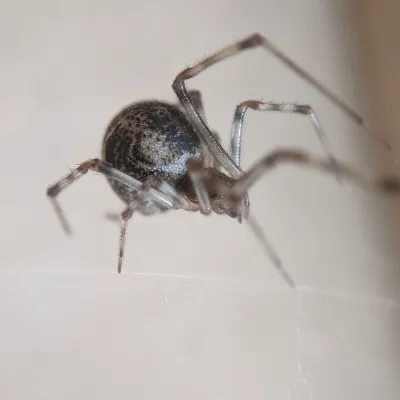
Wolf Spiders are often mistaken for these similar pests
Where Wolf Spiders Are Found
Hover over states to see their names. Green regions indicate where wolf spiders have been reported.
Common Questions about Wolf Spiders
Are wolf spiders dangerous to humans?
+
Wolf spiders are not considered dangerous. While they can bite if provoked or accidentally trapped against skin, their venom is not medically significant to humans. A bite typically causes only localized pain and swelling similar to a bee sting. Wolf spiders are not aggressive and will flee rather than attack.
Why do wolf spiders come inside my house?
+
Wolf spiders enter homes searching for prey insects, moisture, or shelter from extreme temperatures. They commonly wander indoors during fall when males are searching for mates, or during periods of drought or heavy rain. Unlike web-building spiders, they do not intentionally establish indoor territories.
Do wolf spiders live in groups?
+
No, wolf spiders are solitary hunters. Each spider maintains its own territory and hunts independently. When you see multiple wolf spiders, they are individuals that have found favorable conditions in the same area, not a colony or family group.
How can I tell if a spider is a wolf spider?
+
Wolf spiders have a distinctive eye arrangement with two very large eyes in the center front, four smaller eyes below, and two medium eyes on top. They are robust and hairy with long legs. Unlike web spiders, they run quickly on the ground and do not build capture webs. Females often carry egg sacs attached to their spinnerets.
What do wolf spiders eat?
+
Wolf spiders are generalist predators that actively hunt insects and other arthropods. Their diet includes crickets, beetles, ants, cockroaches, flies, and other spiders. They are beneficial predators that help control pest insect populations around homes and in gardens.
Do wolf spiders jump at people?
+
Wolf spiders do not jump at people. While they can move very quickly and may lunge at prey, they are not jumping spiders and do not attack humans. When encountered, wolf spiders typically freeze or flee rather than approach. Any perceived jumping is usually the spider attempting to escape.
Why do wolf spider eyes glow at night?
+
Wolf spider eyes contain a reflective layer called the tapetum lucidum, similar to the eye shine seen in cats and deer. When a flashlight beam hits their eyes at night, this layer reflects light back, creating a distinctive greenish or bluish glow. This adaptation helps them see in low-light conditions for nighttime hunting.
Can wolf spiders climb walls?
+
Wolf spiders can climb walls and other vertical surfaces, but they are primarily ground-dwelling spiders that prefer to stay at floor level. They lack the specialized foot pads that allow web-building spiders to easily climb smooth surfaces, so they are most commonly encountered on floors, in basements, or at ground level.

With five years of hands-on experience in the pest control industry, George Schulz is a registered technician with the Virginia Pest Management Association and a proud third-generation professional in a family business that's been protecting homes for over 57 years. He manages and trains a team of service pros while also leading internal research efforts—recently spearheading a deep-dive review of thousands of documents on pest control materials to hand-pick the most kid and pet friendly, most effective solutions tailored specifically for homes in the DC metro area.