Western Black Widow Identification Guide
Latrodectus hesperus
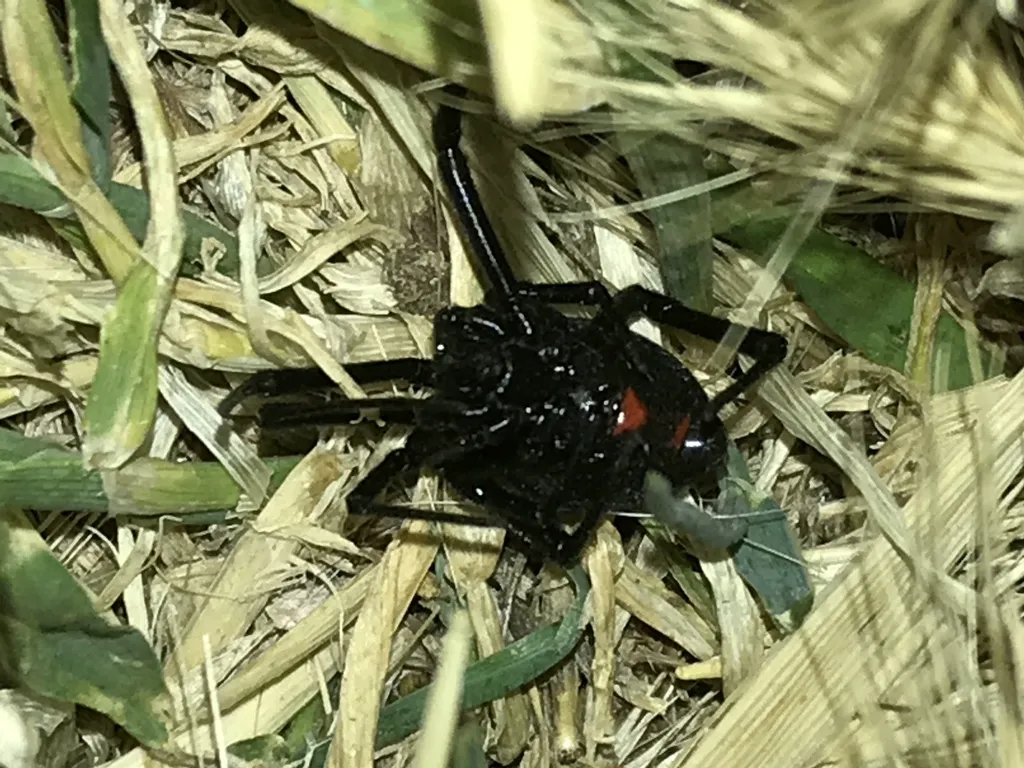
The western black widow is a venomous spider found throughout western North America. Recognized by its glossy black body and red hourglass marking, it builds irregular webs in sheltered, low-lying areas and delivers medically significant bites when disturbed.
Taxonomy
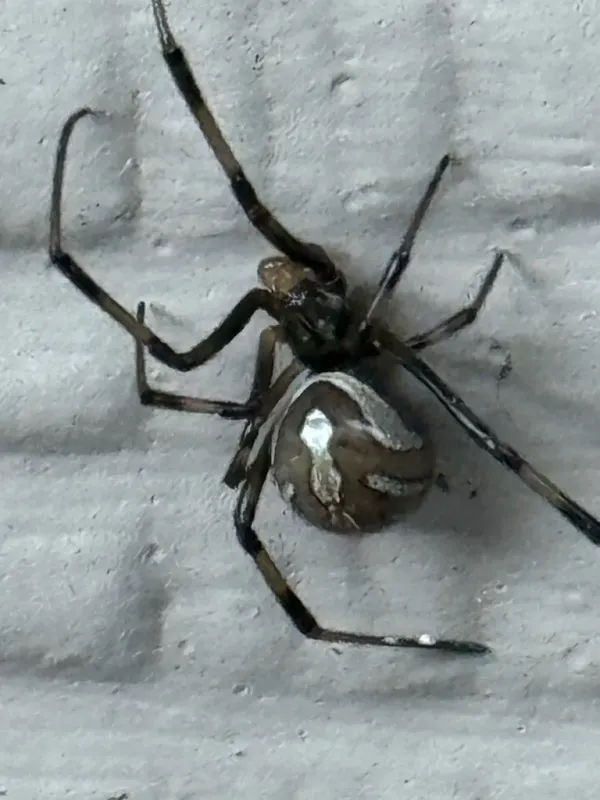
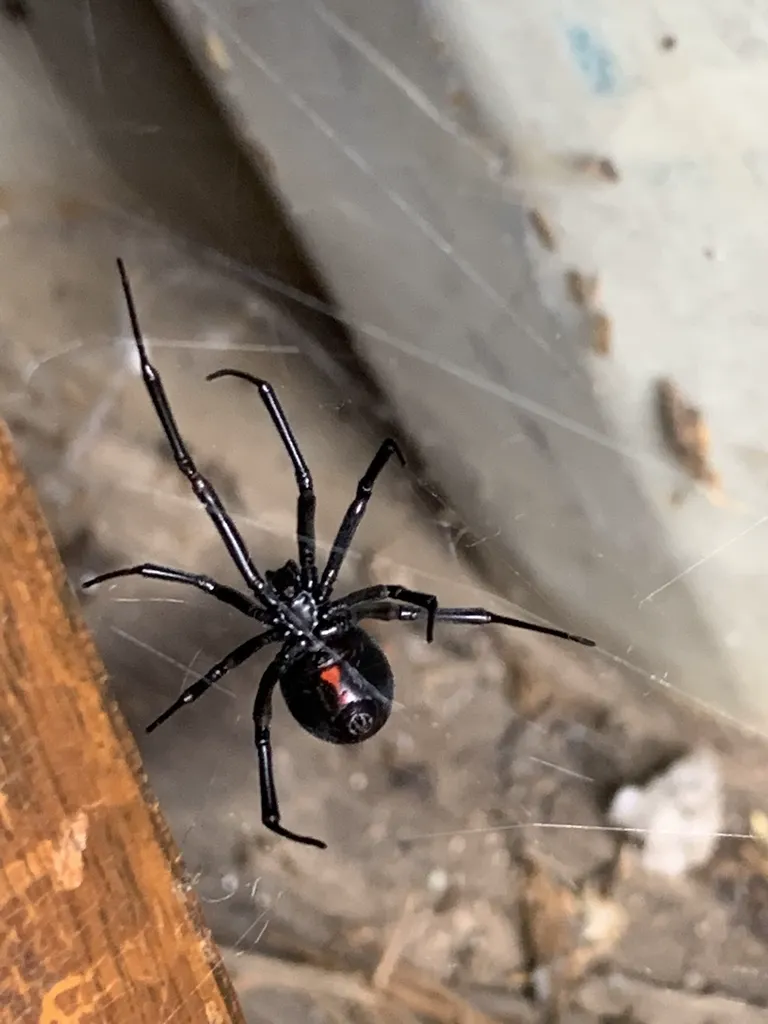
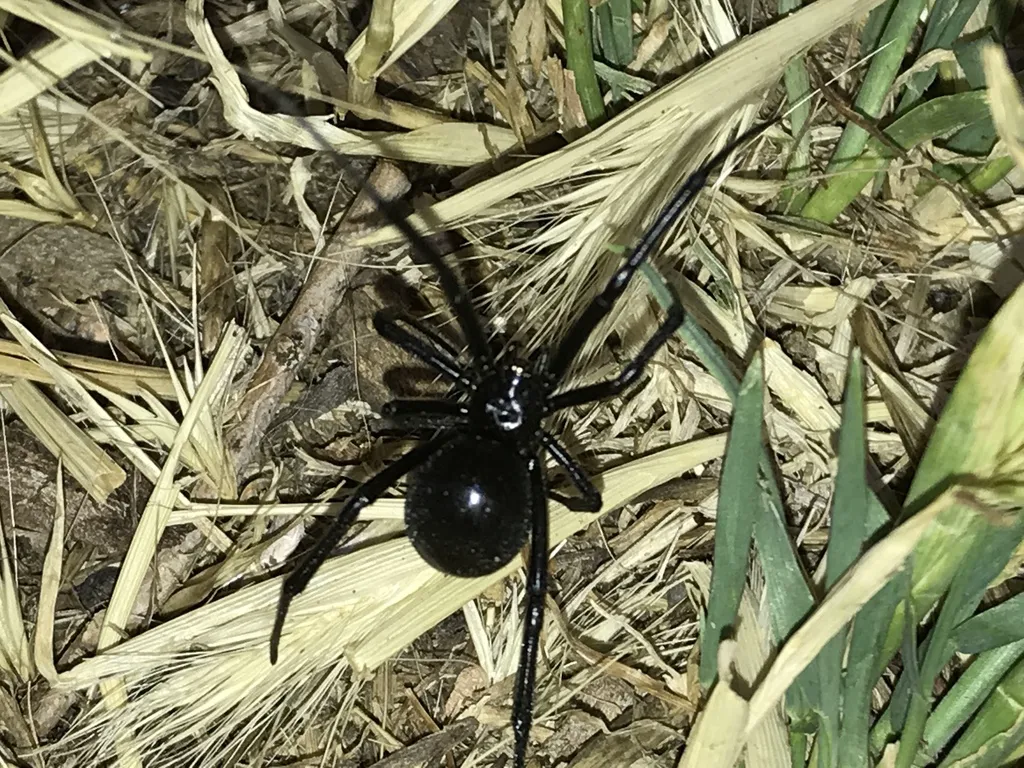
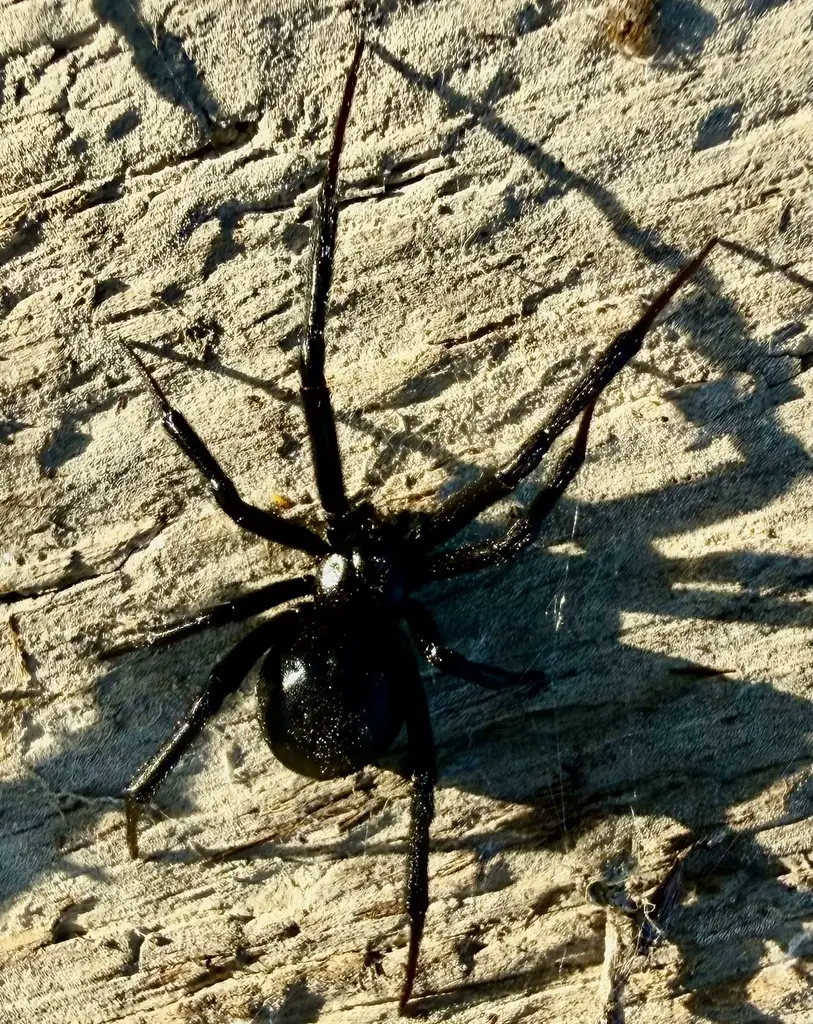
Western Black Widow Coloration
Common color patterns to help identify western black widow
Western Black Widow
Seasonal Activity
When western black widow are most active throughout the year

Where Western Black Widow Are Found
Hover over states to see their names. Green regions indicate where western black widow have been reported.
Western Black Widow Identification Guide
Physical Characteristics
The western black widow (Latrodectus hesperus) is one of the most well-known spiders in North America. It is also one of the few whose venom can cause serious symptoms in people. Adult females have a shiny, jet-black body with a round abdomen. The key feature is the red or orange hourglass shape on the underside of the abdomen. This marking can look different from spider to spider. It may appear as a full hourglass or two separate triangles. The color may be red, orange, or even yellow.
Females measure about 8 to 16 mm (0.3 to 0.6 inches) in body length. Their legs can span up to 2 inches. Males are much smaller at only 3 to 6 mm. They look very different from females, with lighter brown or gray coloring and cream or white stripes on the abdomen. Young western black widows look different too. They have cream, orange, and brown bands that darken with each molt until they turn glossy black as adults.
All western black widows have eight legs. The front pair is noticeably longer than the others. Their legs look smooth and thin compared to the round abdomen. When hanging upside down in their web (their typical resting pose), the shape is hard to miss: a shiny black spider with a bulging abdomen and long, thin legs spread outward.
Common Species in the Genus
The western black widow belongs to the genus Latrodectus. Several species in this group live across North America.
Western Black Widow (Latrodectus hesperus): The main species found west of the Great Plains. Its range runs from southern Canada through the western United States and into northern Mexico. This is the most common black widow in California, Arizona, Nevada, and the rest of the American West.
Southern Black Widow (Latrodectus mactans): Found mostly in the southeastern and eastern United States. It looks very similar, though its hourglass marking tends to be brighter and more clearly red. Their ranges overlap slightly in the central plains. Learn more on our black widow spiders page.
Northern Black Widow (Latrodectus variolus): Lives in the northeastern and midwestern United States and parts of southern Canada. It often has a broken or incomplete hourglass that looks like two separate red spots.
Western Black Widow Behavior and Biology
Western black widows are solitary spiders that are most active at night. They build tangled, messy webs often called cobwebs. Unlike the neat round webs made by garden spiders, black widow webs look messy and stretch in all directions. The silk is very strong and sticky. These webs are usually found close to the ground in dark, sheltered spots. The spider hangs upside down in the web with the red hourglass facing up as a warning to predators.
These spiders wait in their webs for prey. When a bug gets stuck in the sticky threads, the spider rushes out and wraps it in silk. Then it bites the prey. The venom breaks down the prey’s insides so the spider can feed. Common prey includes ants, beetles, grasshoppers, mosquitoes, and other small bugs. Their strong silk can even trap small lizards.
Females make several egg sacs during the warm months. Each sac is papery and off-white, holding about 100 to 400 eggs. The eggs hatch in two to four weeks. Baby spiders often spread to new areas by “ballooning.” They let out fine silk threads that catch the wind and carry them away.
Females can live one to three years in the right conditions. Males live much shorter lives, usually only a few months. The well-known habit of the female eating the male after mating does happen, but not every time. Many males mate and leave without harm.
Western black widows like sheltered spots near the ground, such as:
- Woodpiles and stacked firewood
- Rock walls, crevices, and stone landscaping
- Under outdoor furniture, decks, and porches
- Garages, sheds, and outbuildings
- Foundation edges and crawl spaces
- Electrical meter boxes and utility housings
- Rodent burrows and animal debris piles
Treatment Methods for Western Black Widows
Controlling western black widows works best when you combine several methods. These include changing the habitat, sealing entry points, removing webs, and using treatments when needed.
- Habitat Changes: Remove or move woodpiles, debris, rock piles, and stored items away from your foundation. This is the most important step for long-term control. Keep storage areas clean and organized to get rid of the dark, sheltered spaces these spiders prefer. Store firewood off the ground and away from buildings.
- Sealing Entry Points: Caulk cracks and gaps around foundations, install door sweeps, and repair torn window screens. Seal gaps around pipes and utility lines where they enter the house. Swap bright white outdoor lights for yellow “bug lights” or move light fixtures away from doors. This cuts down on the insects that draw spiders to your home.
- Web and Egg Sac Removal: Use long-handled tools or a vacuum to carefully remove webs and egg sacs. Getting rid of egg sacs is especially important because each one can hold hundreds of future spiders. Always wear gloves and be careful when working in areas where black widows might hide.
- Sticky Traps: Place sticky traps in garages, basements, and crawl spaces. These can help you spot spider activity and catch some spiders in problem areas.
- Targeted Treatments: For bigger problems, a licensed pest control professional can apply residual insecticide to perimeters, eaves, foundation cracks, and hiding spots. Non-repellent products tend to work better on spiders because spiders do not groom themselves like insects do. They need to walk through treated surfaces to pick up the product.
- Professional Help: For serious infestations or when venomous spiders are found near living spaces, contact a licensed pest control operator with experience in spider control. A professional can inspect your property, remove spiders and egg sacs, and set up preventive treatments.
Medical Considerations
Disclaimer: The information below is for educational purposes only and is not medical advice. If you are bitten by a western black widow spider or have any worrying symptoms, get medical help right away and talk to a qualified healthcare provider.
Western black widow venom contains a nerve toxin called alpha-latrotoxin. This toxin causes a reaction known as latrodectism. Symptoms usually start within 20 to 60 minutes of a bite. They may include:
- Sharp pain right at the bite site
- Muscle pain, cramps, and stiffness in the stomach, back, or chest
- Nausea, vomiting, and heavy sweating
- High blood pressure and fast heart rate
- Restlessness, anxiety, and trouble breathing in severe cases
Most bites happen by accident. A spider gets pressed against skin when someone reaches into a box, puts on shoes that sat unused, or moves firewood. Western black widows are not aggressive. They usually try to run away rather than bite.
If you are bitten, get medical help right away. Call Poison Control at 1-800-222-1222 for guidance. Deaths from black widow bites are very rare in healthy adults. But the symptoms can be painful and may need treatment. Doctors may use pain medicine, muscle relaxants, or antivenom for serious cases. Children, older adults, and people with health issues face higher risk.
References and Further Reading
- Black Widow Spider - UC Statewide Pest Management - University of California guide on black widow spider identification and management.
- Black Widow Spider Bites - MedlinePlus - Medical information on bite symptoms and treatment from the National Library of Medicine.
- Venomous Spiders at Work - CDC/NIOSH - Information on venomous spiders from the Centers for Disease Control and Prevention.
- Spider Control - National Pesticide Information Center - Oregon State University guidance on spider identification, prevention, and control.
- National Poison Control Center - Call 1-800-222-1222 for poison emergency guidance.
- Spiders of Montana - Montana State University Extension - Regional identification and management information for black widow spiders.
Other Spiders
Explore other species in the spiders family
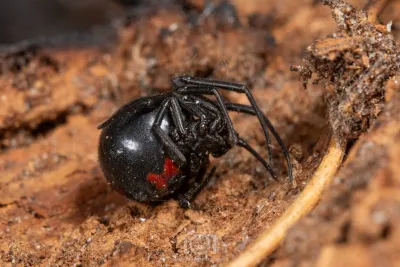
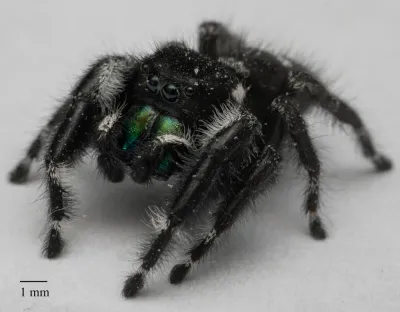
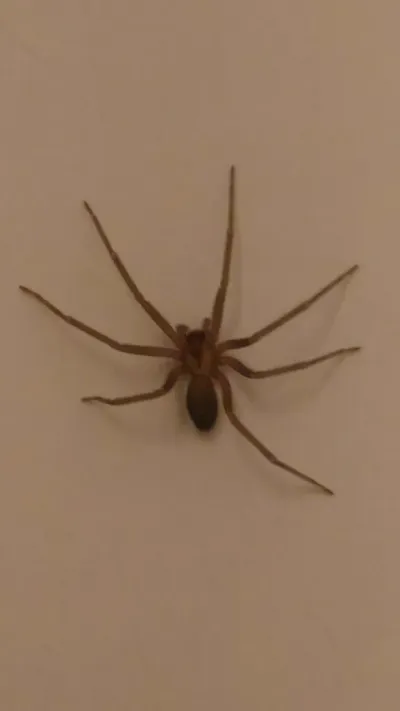
Commonly Confused With
Western Black Widow are often mistaken for these similar pests
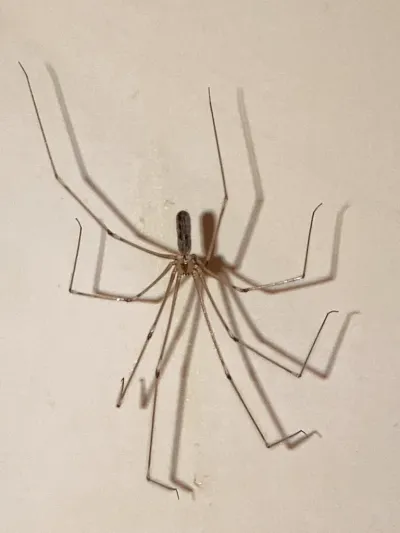
Where Western Black Widow Are Found
Hover over states to see their names. Green regions indicate where western black widow have been reported.
Common Questions about Western Black Widow
How do I identify a western black widow spider?
+
Adult female western black widows have a shiny, jet-black body with a round, globular abdomen. The key identifying feature is the red or orange hourglass-shaped marking on the underside of the abdomen. Females measure about 8-16 mm in body length, while males are much smaller (3-6 mm) and lighter in color with cream or white banding.
Where are western black widows found?
+
Western black widows are native to western North America, ranging from British Columbia and the western Canadian prairies south through the western United States into northern Mexico. They are most common in arid and semi-arid regions of the American West and Southwest.
Are western black widow bites dangerous?
+
Yes, western black widow bites are medically significant. Their venom contains latrotoxin, a neurotoxin that can cause a condition called latrodectism with symptoms including muscle pain, cramping, nausea, and elevated blood pressure. However, fatalities are rare in healthy adults. Seek medical attention promptly if bitten.
What is the difference between a western black widow and a southern black widow?
+
The western black widow (Latrodectus hesperus) and southern black widow (Latrodectus mactans) are closely related but geographically separated species. The western species is found west of the Great Plains while the southern species occurs in the eastern United States. Visually they are very similar, though the western black widow's hourglass marking may appear more orange-toned.
Where do western black widows build their webs?
+
Western black widows build irregular, tangled cobwebs in dark, sheltered locations close to the ground. Common web sites include woodpiles, rock crevices, under outdoor furniture, garages, sheds, crawl spaces, meter boxes, and foundation edges. They prefer undisturbed areas with reliable insect prey.
When are western black widows most active?
+
Western black widows are most active from May through September. They are primarily nocturnal, hiding during the day and hunting at night from their webs. Activity decreases significantly during cold months, though they may survive winter in sheltered microhabitats.
What should I do if I find a western black widow?
+
Do not attempt to handle the spider, as this increases the risk of a defensive bite. Keep children and pets away from the area. Contact a licensed pest control professional for removal and inspection, since multiple spiders may be living in the same general area if conditions are favorable.
How can I prevent western black widows around my home?
+
Remove woodpiles, debris, and clutter from around your foundation. Store firewood elevated and away from the house. Seal cracks and gaps around doors, windows, and foundations. Reduce outdoor lighting that attracts insects, which are the spider's primary food source. Wear gloves when working in garages, sheds, or crawl spaces.

With five years of hands-on experience in the pest control industry, George Schulz is a registered technician with the Virginia Pest Management Association and a proud third-generation professional in a family business that's been protecting homes for over 57 years. He manages and trains a team of service pros while also leading internal research efforts—recently spearheading a deep-dive review of thousands of documents on pest control materials to hand-pick the most kid and pet friendly, most effective solutions tailored specifically for homes in the DC metro area.