Northern Black Widow Spiders Identification Guide
Latrodectus variolus
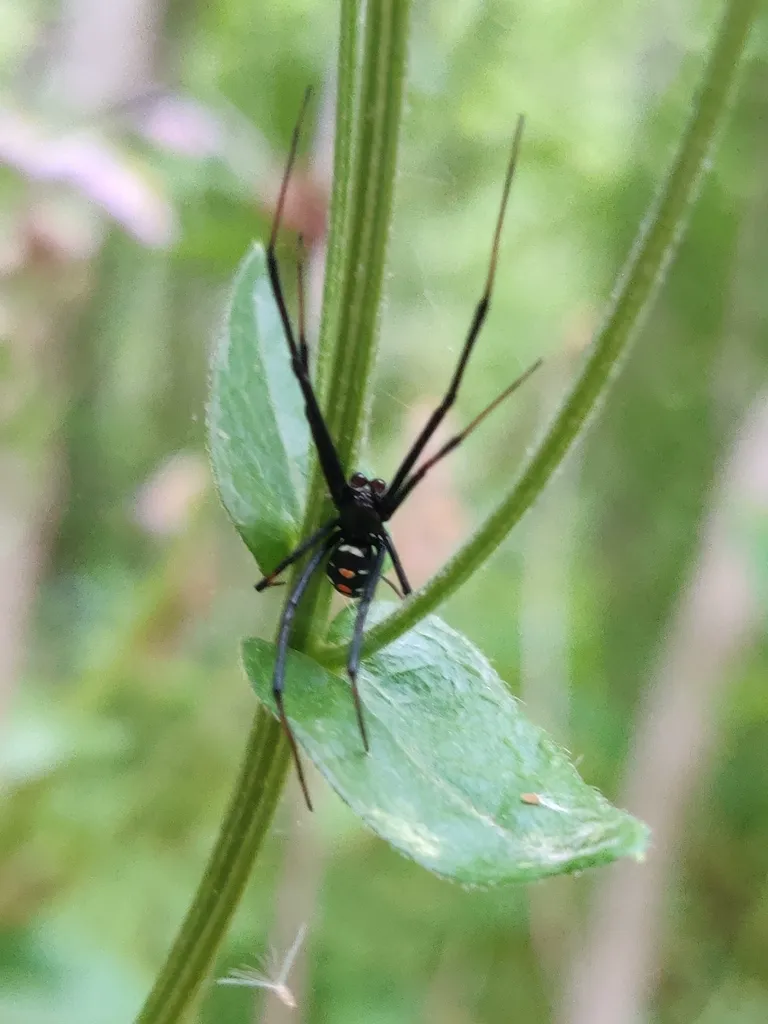
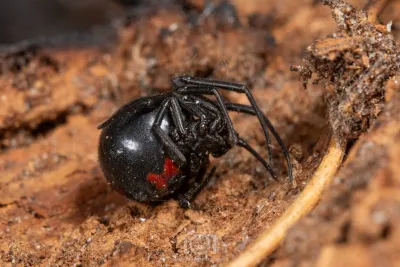
A venomous spider found throughout the eastern United States and southern Canada, distinguished from other black widows by its broken or divided red hourglass marking and dorsal red spots on the abdomen.
Taxonomy
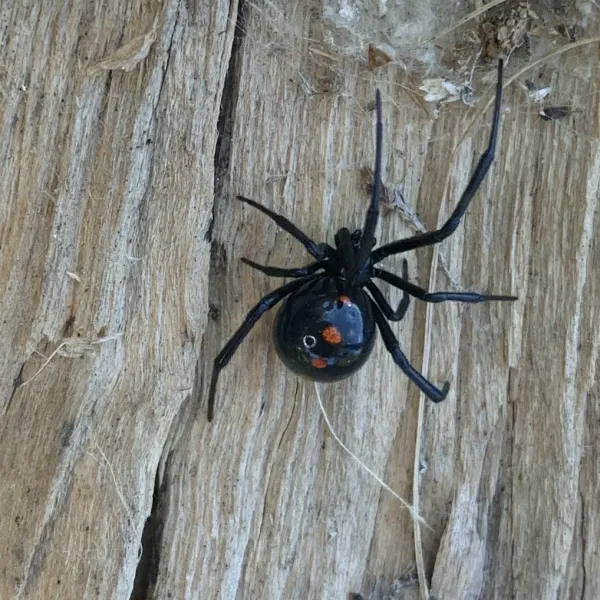
Northern Black Widow Spiders Coloration
Common color patterns to help identify northern black widow spiders
Northern Black Widow Spiders
Seasonal Activity
When northern black widow spiders are most active throughout the year
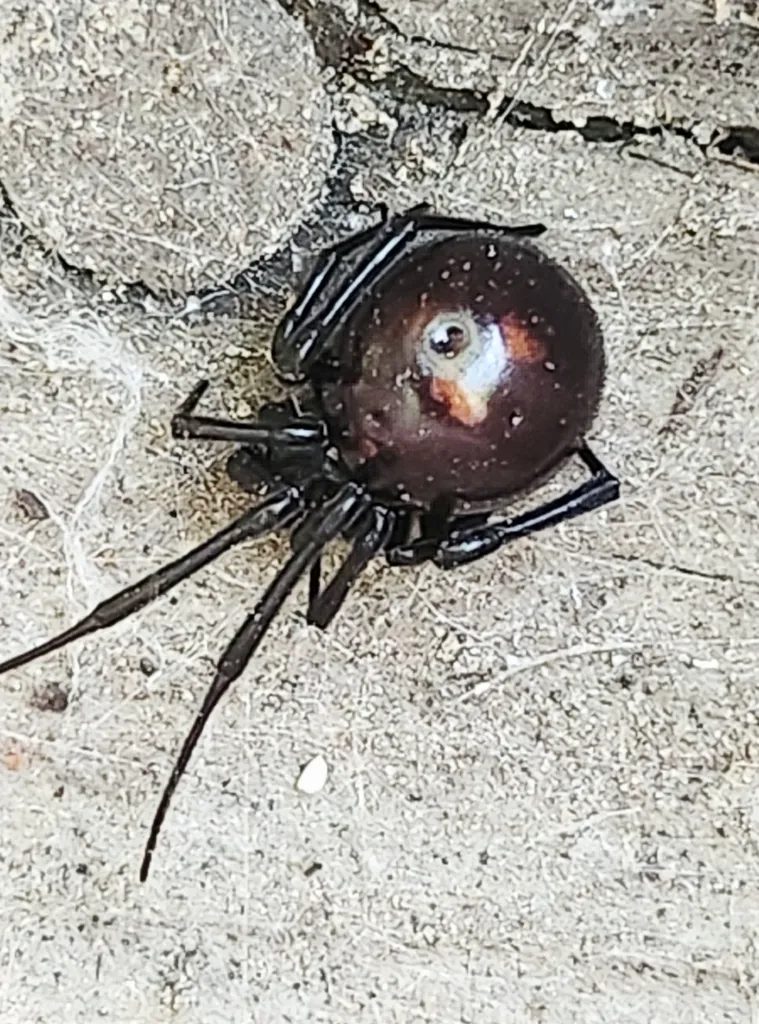
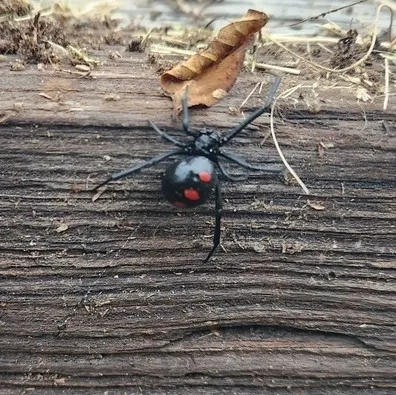
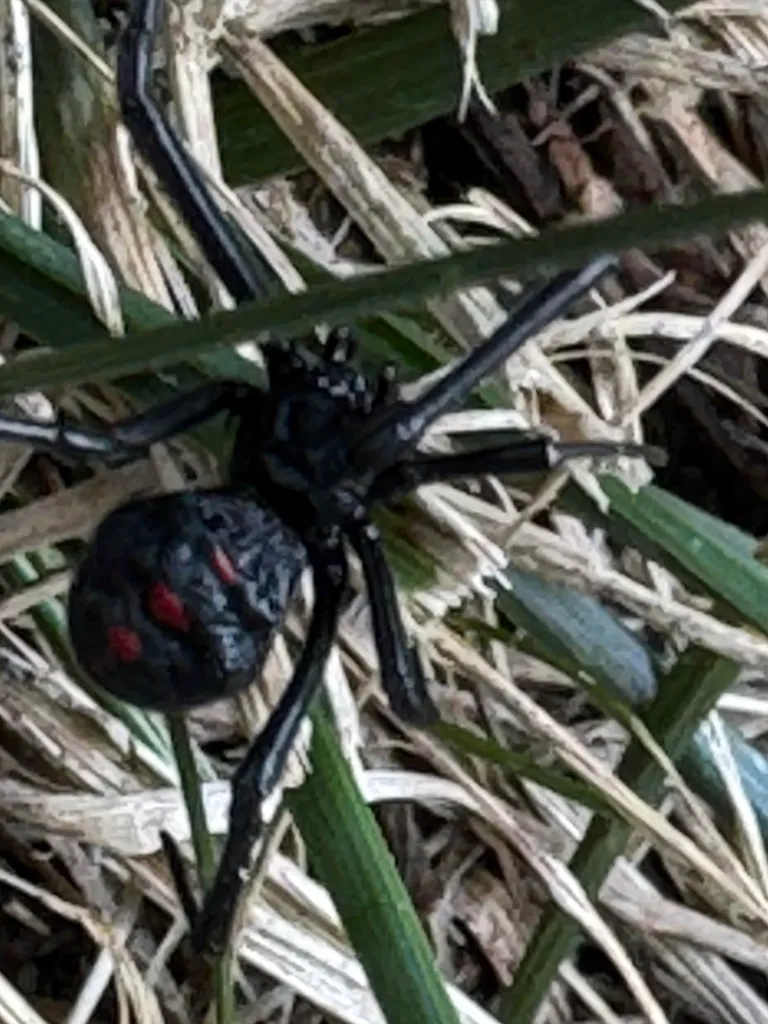

Where Northern Black Widow Spiders Are Found
Hover over states to see their names. Green regions indicate where northern black widow spiders have been reported.
Learn how northern black widows compare to other black widow species in our spider identification resources. Visit our spiders pillar page for more species found in North America.
Northern Black Widow Identification Guide
Physical Characteristics
The northern black widow (Latrodectus variolus) is a venomous spider found across the eastern half of North America. Adult females are 9-13 mm long (about 0.35-0.5 inches), with legs that span up to 1.5 inches. Males are much smaller at 4-7 mm and look quite different.
Females are glossy black with a round abdomen, much like other black widow spiders. The best way to tell this species apart is by the red hourglass marking on the belly. In northern black widows, the hourglass is usually broken or split into two separate red triangles or dots. Southern black widows have a single, connected hourglass instead. This broken pattern is the most reliable way to tell the two species apart.
Northern black widows also often have a row of red or reddish-orange spots along the top of the abdomen. These top markings are more common in this species than in other black widows in North America. They can last into adulthood. Males are smaller with lighter brown bodies and white or yellow bands on the sides of the abdomen. Young spiders have banded patterns that get darker as they grow.
Common Species
The northern black widow is one of three Latrodectus species commonly found in the United States.
Northern Black Widow (Latrodectus variolus) is found across the northeastern and midwestern United States and parts of southern Canada. It is set apart by its broken hourglass marking and red spots on the back. It prefers wooded areas and is often found in natural outdoor settings.
Southern Black Widow (Latrodectus mactans) is the most common black widow in the eastern United States. It has a complete, connected red hourglass marking. Its range overlaps with the northern black widow in parts of the Mid-Atlantic and Southeast.
Western Black Widow (Latrodectus hesperus) is found across western North America. It looks very similar to the southern black widow, though the hourglass can appear more orange than red.
Northern Black Widow Behavior and Biology
Northern black widows are active at night and live alone. They build messy, tangled cobwebs in dark, sheltered spots. Their webs use strong, sticky silk that stretches out in all directions. This makes the web very good at trapping insects. Females usually hang upside down near the middle of the web. During the day, they rest in a small retreat tucked into the web.
These spiders eat many kinds of insects and small bugs that get stuck in their webs. Common prey includes flies, beetles, mosquitoes, grasshoppers, and other spiders. When something gets trapped, the spider rushes out, wraps it in silk, and injects venom that breaks down the prey from the inside. Northern black widows wait for food to come to them and rarely chase prey beyond their web.
Females lay several egg sacs during summer. Each sac is a round, papery ball about 9-12 mm wide. One sac can hold 100 to 400 eggs. Baby spiders hatch in a few weeks. They spread to new areas by “ballooning,” which means they release silk threads that catch the wind and carry them away. Females can live for more than one year in good conditions, while males live only a few months. The common belief that females always eat males after mating is not accurate. It does happen, but it is not the rule.
Northern black widows prefer outdoor spots more than some other black widow species. Common places they nest include:
- Under loose bark, fallen logs, and hollow stumps
- Rock walls, stone foundations, and piled stones
- Dense bushes and low plants
- Woodpiles and stacked firewood
- Sheds, garages, and outbuildings
- Under outdoor furniture and decks
- Crawl spaces and basement corners
How We Treat for Northern Black Widow Spiders
Controlling northern black widows takes a focused plan that includes inspection, treatment, habitat changes, and ongoing care. These spiders are shy and build webs in hidden places, so we pay close attention to every likely hiding spot.
- Thorough Property Inspection. We start with a full inspection of your property. We check woodpiles, rock walls, foundation edges, garages, sheds, and outdoor structures for active webs, egg sacs, and conditions that draw spiders in. Knowing where and why spiders are present helps us build the right treatment plan.
- Targeted Treatment. We apply a non-repellent product to areas where spiders are active and where they are likely to hide. Non-repellent products are important for spider control. Spiders do not groom themselves like insects, so they have to walk across treated surfaces for the product to work. We focus on exterior walls, foundation cracks, window frames, doorways, and entry points.
- Web and Egg Sac Removal. During each visit, we remove webs and egg sacs that we can reach. Getting rid of egg sacs matters a lot since each one can hold hundreds of baby spiders. This hands-on removal gives quick results and works alongside the chemical treatment.
- Habitat Modification Guidance. We give you tips to make your property less appealing to black widows. This includes clearing clutter from storage areas, moving woodpiles away from the foundation, cutting back exterior lights that attract bugs, and sealing gaps around doors and windows.
- Ongoing Triannual Protection. Our pest control plans include three visits per year with exterior treatments and inspections. This keeps a protective barrier around your home. Spiders can move back in from nearby wooded or natural areas, so steady treatment is the best way to keep numbers down. If you spot black widow activity between visits, we provide free callbacks to take care of it right away.
Medical Considerations
Disclaimer: The information below is for learning purposes only. It is not medical advice. If a black widow spider bites you or you have any worrying symptoms, see a doctor right away.
Northern black widow venom has a toxin called alpha-latrotoxin. This causes a condition known as latrodectism. Symptoms usually start within 20 to 60 minutes of a bite and may include:
- Sharp pain right at the bite
- Muscle pain and cramps, often in the belly, back, or chest
- Nausea, vomiting, and heavy sweating
- High blood pressure and fast heart rate
- Restlessness and general discomfort
Most bites happen when a spider gets pressed against skin while someone is reaching into a woodpile, stored box, or cluttered area. Northern black widows are not aggressive. They would rather run away than bite. Deaths from black widow bites are very rare in healthy adults, but symptoms can be serious and should be checked by a doctor.
If bitten, wash the wound with soap and water. Apply a cold pack to bring down swelling. Then see a doctor. Call Poison Control at 1-800-222-1222 for guidance. Doctors may use pain medicine, muscle relaxants, or antivenom in severe cases.
References and Further Reading
- Latrodectus variolus — World Spider Catalog — Authoritative taxonomic reference for the northern black widow species.
- Latrodectus variolus — iNaturalist — Community-verified sighting records, range maps, and identification photos.
- Black Widow Spider Toxicity — StatPearls (NCBI) — Clinical overview of latrodectism, epidemiology, and medical treatment.
- Black Widow Spiders — LSU AgCenter — Comprehensive guide on identification, biology, and control of black widow spiders.
- Spider Prevention and Control — Oregon State SolvePest — Practical recommendations for spider exclusion and habitat modification.
- Black Widow Spider Bites — MedlinePlus — Medical information on black widow spider bite symptoms and treatment.
- National Poison Control Center — Call 1-800-222-1222 for poison emergency guidance.
Other Spiders
Explore other species in the spiders family
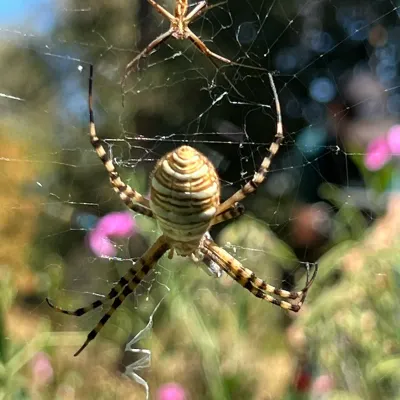
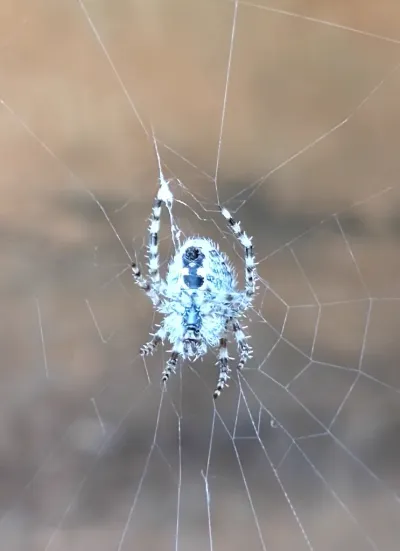
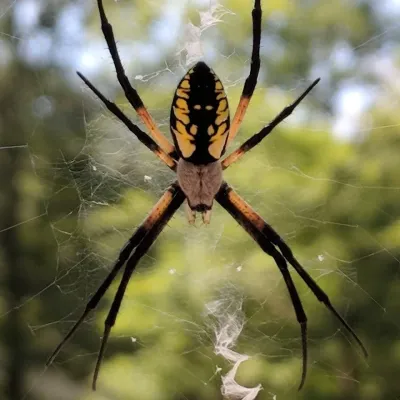
Commonly Confused With
Northern Black Widow Spiders are often mistaken for these similar pests
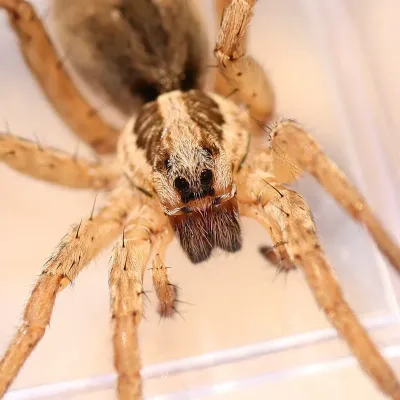
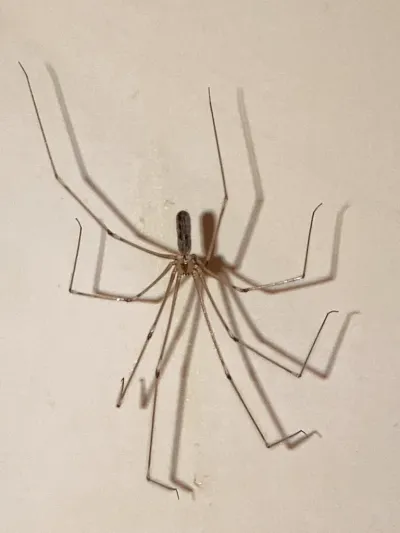
Where Northern Black Widow Spiders Are Found
Hover over states to see their names. Green regions indicate where northern black widow spiders have been reported.
Common Questions about Northern Black Widow Spiders
How can I tell a northern black widow from a southern black widow?
+
The key difference is the red hourglass marking on the underside of the abdomen. Northern black widows typically have a broken or divided hourglass that appears as two separate red triangles or spots, while southern black widows usually have a complete, connected hourglass shape. Northern black widows also frequently retain red dorsal spots along the top of their abdomen into adulthood.
Where are northern black widows found?
+
Northern black widows range from the northeastern United States south along the Atlantic coast into the Carolinas and Georgia, and west into the Midwest states like Ohio, Michigan, and Wisconsin. They are also found in southern Ontario and Quebec in Canada. Their range overlaps with southern black widows in parts of the Mid-Atlantic and Southeast.
Are northern black widows dangerous?
+
Yes, northern black widows are venomous and their bites can cause a condition called latrodectism, which includes symptoms like muscle pain, cramping, nausea, and sweating. However, bites are rarely fatal in healthy adults. Most bites happen when a spider is accidentally pressed against skin. Seek medical attention if you suspect a bite.
Where do northern black widows build their webs?
+
Northern black widows prefer dark, sheltered locations near the ground. Common web sites include woodpiles, rock walls, hollow stumps, dense shrubbery, sheds, garages, and under outdoor furniture. They build irregular, tangled cobwebs rather than organized circular webs.
What should I do if I find a northern black widow?
+
Do not try to handle the spider. Keep children and pets away from the area. Contact a pest control professional for removal and a thorough inspection, since favorable habitat conditions may support multiple spiders nearby. Wear gloves when working in areas where black widows may hide.
When are northern black widows most active?
+
Northern black widows are most active from late spring through early fall, with peak activity from July through September. They are nocturnal spiders that hide during the day and hunt at night. Winter activity is minimal, though they may survive in protected indoor spaces like garages and basements.
How can I prevent northern black widows around my home?
+
Reduce clutter in garages, sheds, and basements. Move woodpiles and debris away from your home's foundation. Seal cracks and gaps around doors, windows, and foundations. Reduce outdoor lighting that attracts insects, which are the spider's food source. Wear gloves when moving stored items or firewood.
Do northern black widows come inside homes?
+
Northern black widows occasionally enter homes, especially garages, basements, and crawl spaces. They are more commonly found outdoors in natural habitats like wooded areas and rock walls, but will move into structures that offer dark, undisturbed shelter with access to insect prey.

With five years of hands-on experience in the pest control industry, George Schulz is a registered technician with the Virginia Pest Management Association and a proud third-generation professional in a family business that's been protecting homes for over 57 years. He manages and trains a team of service pros while also leading internal research efforts—recently spearheading a deep-dive review of thousands of documents on pest control materials to hand-pick the most kid and pet friendly, most effective solutions tailored specifically for homes in the DC metro area.