Ground Spiders Identification Guide
Gnaphosidae
Ground spiders are night-hunting spiders often found at ground level in homes and gardens. Unlike web-builders, they chase prey at night and hide in silk retreats during the day.
Taxonomy
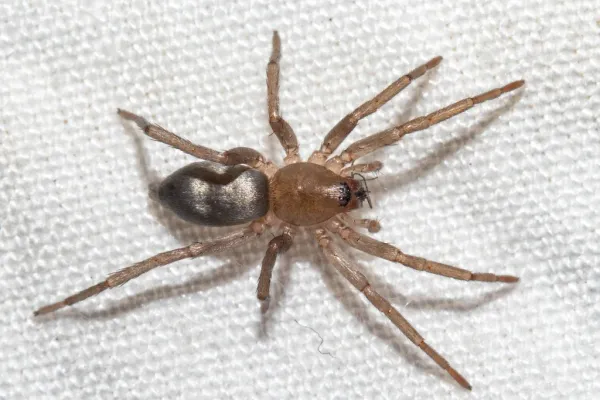
Ground Spiders Coloration
Common color patterns to help identify ground spiders
Ground Spiders
Seasonal Activity
When ground spiders are most active throughout the year
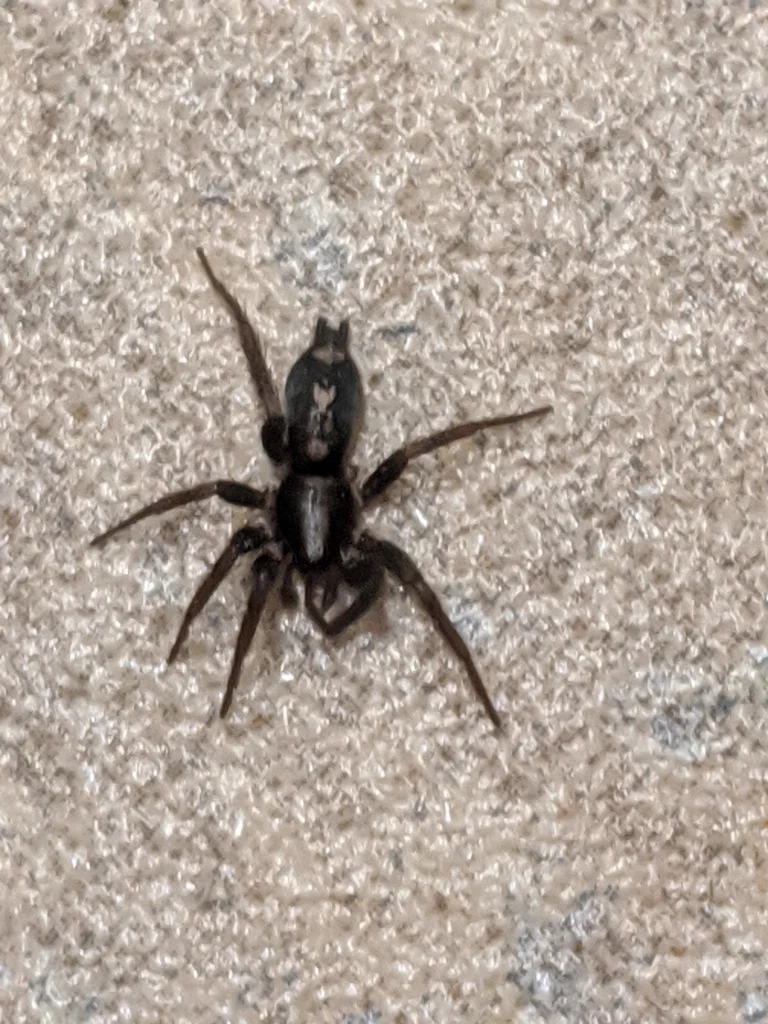
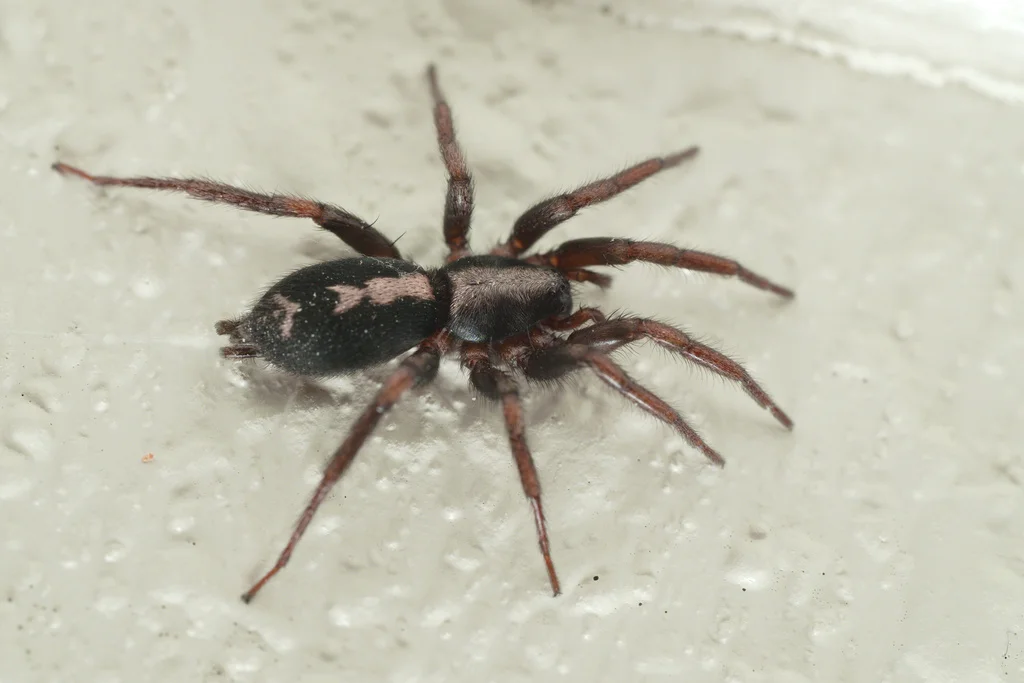
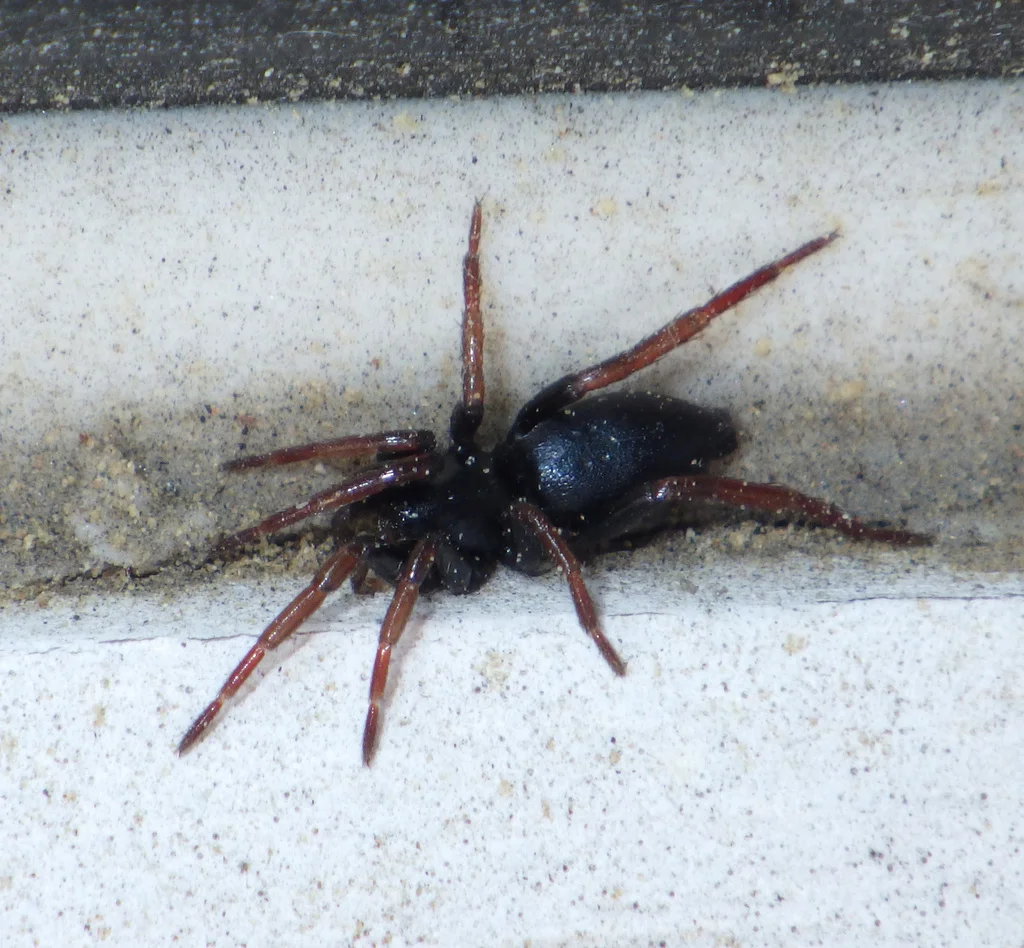

Where Ground Spiders Are Found
Hover over states to see their names. Green regions indicate where ground spiders have been reported.
Ground Spider Identification Guide
Physical Characteristics
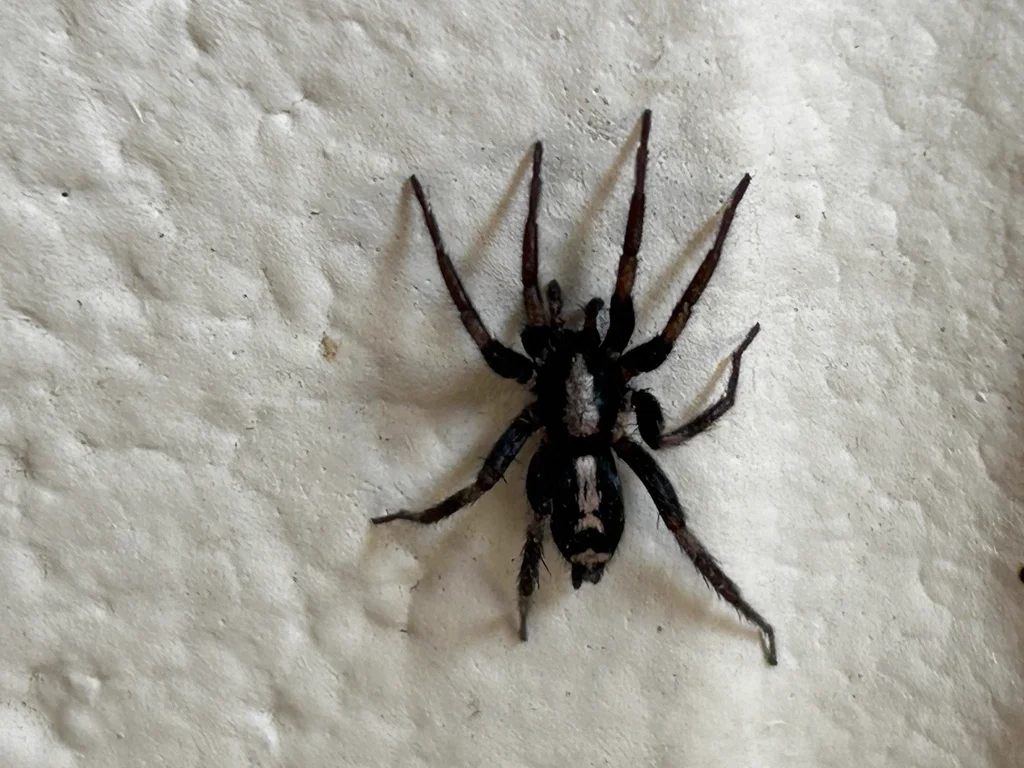
Ground spiders (family Gnaphosidae) are medium-sized spiders often found in and around North American homes. Adults measure 4 to 18mm long (about 0.15 to 0.7 inches). Most species fall in the 6-12mm range. Their leg span can reach up to 1.5 inches in larger specimens. Males are usually smaller than females but have longer legs.
The key feature for identifying ground spiders is their tube-shaped spinnerets. These stick out from the back of the body. Most spider spinnerets are hard to see. Ground spiders have long, barrel-shaped spinnerets that you can spot without magnification. This trait sets them apart from other hunting spiders.
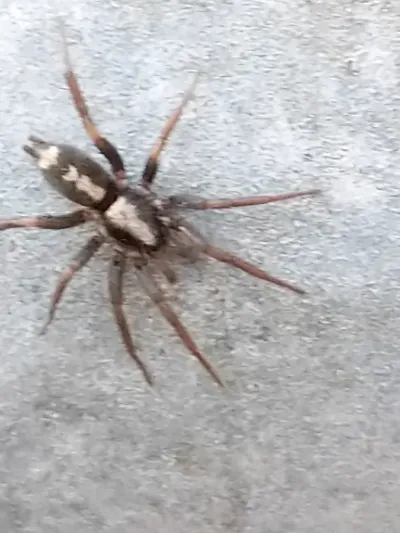
Ground spiders have a sturdy, flat body shape. This lets them squeeze into tight spaces. Their colors are usually plain, ranging from tan and brown to dark brown, gray, or black. Some species have subtle patterns or lighter marks on the abdomen. Their legs are medium length and often have darker bands at the joints.
They have eight eyes in two rows of four. The eyes are small compared to wolf spiders. Ground spiders rely more on touch and vibration than sight when hunting.
Behavioral Identification
Ground spiders are nocturnal hunters with clear behavior patterns:
- Nighttime activity: They come out only after dark to hunt. You rarely see them during the day.
- Ground-level movement: They stay close to the ground and run quickly across surfaces.
- Silk retreats: They build silk tubes to hide in during the day instead of webs.
- Forward-extending legs: They often rest with front legs held straight ahead.
- Rapid running: They move in quick bursts rather than steady walking.
Common Species in North America
The family Gnaphosidae includes over 2,000 species worldwide. About 300 species live in North America. Common types include:
- Drassodes: Medium-sized brown or gray spiders found throughout North America, often in homes
- Gnaphosa: Dark spiders common under rocks and debris
- Zelotes: Small to medium black spiders found in leaf litter and basements
- Herpyllus (Parson Spider): Has a white marking, often found indoors
- Sergiolus: Ant-mimicking ground spiders that live near ant colonies
Ground Spider Behavior and Biology
Habitat Preferences
Ground spiders live in many habitats across North America. You can find them in forests, grasslands, and cities. Around homes, they are often found in:
Outdoor habitats:
- Under rocks, logs, and landscaping stones
- In leaf litter and mulch beds
- Beneath bark on trees and stumps
- In crevices of retaining walls
- Under debris and stored materials
Indoor habitats:
- Basements and crawl spaces
- Ground-floor rooms and garages
- Behind baseboards and under furniture
- In storage boxes and cluttered areas
- Along floor-wall junctions
Ground spiders prefer dry areas with many hiding places. They often enter homes through gaps at ground level. This happens more during hot, dry weather or when they are hunting for food.
Diet and Feeding Habits
Ground spiders actively hunt many types of small creatures. They do not wait for prey or build webs. Instead, they patrol at night looking for food. Their diet includes: A related species, Crab Spiders, shares similar characteristics.
- Ants and other small crawling insects
- Beetles and beetle larvae
- Flies and other ground-dwelling insects
- Other spiders, including smaller ground spiders
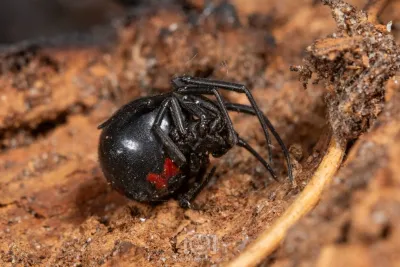
- Sowbugs, earwigs, and similar arthropods A related species, Black Widow Spiders, shares similar characteristics.
Ground spiders find prey through vibrations and touch rather than sight. When they sense food, they rush forward to grab it with their fangs. Some species hunt mainly ants and can resist ant defensive chemicals.
Reproduction and Lifecycle
Ground spider breeding follows a seasonal pattern:
- Mating: Happens mainly in spring and summer. Males search for females at night.
- Egg laying: Females make disc-shaped egg sacs with 20-100 eggs.
- Maternal care: Females guard their egg sacs in their silk retreats.
- Emergence: Baby spiders hatch and spread out after several weeks.
- Development: Young spiders molt multiple times over several months to a year.
Most ground spiders complete their life cycle in one year. Some larger species take longer. Adults can live one to two years in good conditions. Females may make several egg sacs in their lifetime.
Seasonal Activity Patterns
Ground spider activity changes with the seasons:
- December-February (Low): Activity drops. Spiders spend winter in protected spots.
- March-April (Moderate): Activity picks up as it warms. Spiders come out of winter hiding.
- May-June (High): Peak mating season. Males actively search for females.
- July-September (High): High hunting activity. Females make and guard egg sacs.
- October-November (Moderate): Activity slows. Spiders look for winter shelter.
You may see more spiders indoors in fall as they seek shelter, and in spring when activity picks up.
How We Treat for Ground Spiders
Ground spiders are hard to control because they hunt at night and hide during the day. Our treatment focuses on barrier products, changing their habitat, and sealing entry points.
Our Treatment Process
Step 1: Comprehensive Inspection
We start by finding areas with high spider activity and what attracts them. We check:
- Entry points at ground level around foundations
- Gaps under doors and around windows
- Outdoor lights that draw insects (which spiders eat)
- Landscaping that gives spiders hiding spots (rocks, mulch, debris)
- Moisture issues that attract insects
Step 2: Exterior Barrier Treatment
We apply a non-repellent product to outdoor areas where ground spiders are active. These products work well because spiders walk through them without knowing. Focus areas include:
- Foundation perimeter and weep holes
- Window and door frames at ground level
- Garage and shed entries
- Areas beneath siding and around utility penetrations
Step 3: Interior Spot Treatment
Inside the home, we treat specific areas:
- Basement corners and floor-wall junctions
- Behind baseboards in ground-floor rooms
- Around entry points and utility penetrations
- Garage interiors along walls
For homes with ongoing spider problems, we may suggest dusting inside wall voids and other hiding spots.
Step 4: Exclusion Recommendations
Keeping spiders out is key for long-term control. We find and suggest sealing:
- Gaps under exterior doors (door sweeps)
- Cracks in foundations and around windows
- Utility penetrations and pipe entries
- Weep holes with appropriate screens
Step 5: Ongoing Monitoring and Maintenance
Our seasonal protection plan includes tri-annual visits to:
- Reapply exterior barrier treatments
- Monitor spider activity levels
- Address new entry points or conducive conditions
- Control prey insect populations that attract spiders
Customer Guidance
For best results, we recommend these complementary measures:
- Reduce exterior lighting or use yellow “bug lights” that attract fewer insects
- Close blinds at night to prevent interior lights from drawing insects to windows
- Remove ground-level debris such as leaf litter, wood piles, and rocks near the foundation
- Create a vegetation buffer by trimming plants back from foundation walls
- Address moisture issues that attract both spiders and their prey
- Vacuum visible spiders and their silk retreats when found indoors
- Use sticky traps to monitor activity in basements and along walls
Why Regular Service Matters
Ground spider control needs ongoing attention because:
- New spiders keep moving in from nearby areas
- Their nighttime habits mean less contact with treated surfaces
- Controlling insects reduces what attracts spiders
- Seasonal patterns bring new spiders near homes each year
Our tri-annual service keeps the protective barrier strong and controls the pests that attract spiders.
Effective, Tested Products
We have removed 9 of the harshest chemicals often used in the industry. We use reduced-risk products like Essentria, Alpine, and Borate-based solutions. These work well on spiders while being mindful of the environment. They are EPA-approved products we feel comfortable using in our own homes.
References and Further Reading
- Gnaphosid Spider - Britannica - Overview of ground spider biology and behavior
- Ground Spider - Wikipedia - Information about the Gnaphosidae family
- Stealthy Ground Spiders - iNaturalist - Species identification and distribution data
- Spiders - UC Davis - Spider control guide from University of California
Other Spiders
Explore other species in the spiders family
Commonly Confused With
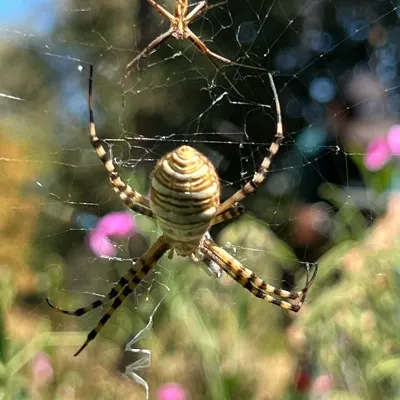
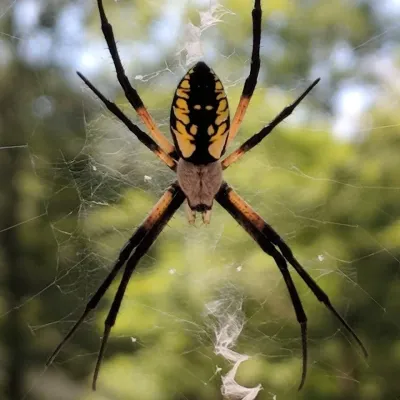
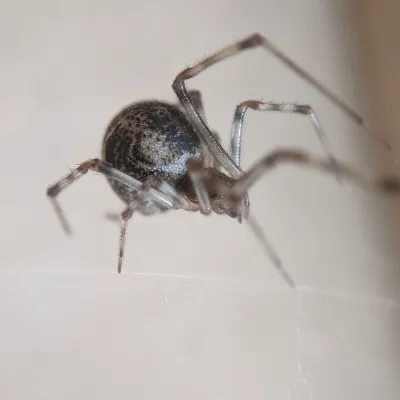
Ground Spiders are often mistaken for these similar pests
Where Ground Spiders Are Found
Hover over states to see their names. Green regions indicate where ground spiders have been reported.
Common Questions about Ground Spiders
Are ground spiders dangerous to humans?
+
Ground spiders are not considered dangerous to humans. While they possess venom to subdue their prey, their bites are rare and typically result only in minor, localized pain and redness similar to a bee sting. They are not aggressive and prefer to flee rather than bite.
Why do I see ground spiders in my house at night?
+
Ground spiders are nocturnal hunters that become active after dark when they leave their daytime retreats to search for prey. They often wander into homes through ground-level gaps while hunting insects. Indoor lighting can attract prey insects, which in turn draws ground spiders inside.
How can I tell the difference between ground spiders and wolf spiders?
+
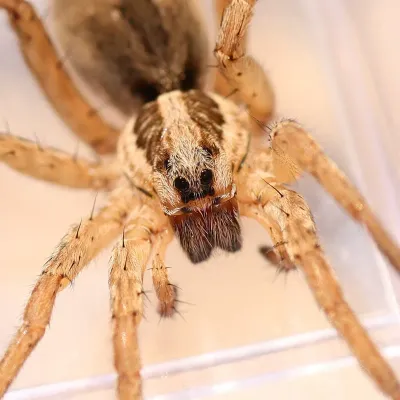
Ground spiders are generally smaller and more compact than wolf spiders. Their eyes are arranged in two rows of four, while wolf spiders have a distinctive three-row arrangement with two very large central eyes. Ground spiders also have cylindrical spinnerets that extend visibly from their abdomen, which wolf spiders lack.
Do ground spiders build webs?
+
Ground spiders do not build capture webs to catch prey. Instead, they are active hunters that chase down or ambush their food. However, they do construct silk-lined retreats under rocks, debris, or in crevices where they hide during the day and deposit their egg sacs.
What do ground spiders eat?
+
Ground spiders hunt a variety of insects and other arthropods. Their diet includes ants, beetles, flies, other spiders, and various crawling insects.
Where do ground spiders hide during the day?
+
Ground spiders spend daylight hours in silk-lined retreats they construct under rocks, logs, leaf litter, bark, or debris. Indoors, they hide in similar dark, sheltered locations such as behind baseboards, under furniture, in storage boxes, or within wall voids.
How do I get rid of ground spiders in my house?
+
Reduce ground spider populations by sealing entry points at ground level, removing outdoor debris near the foundation, reducing exterior lighting that attracts prey insects, and using sticky traps to monitor and capture wandering spiders. Professional pest control treatments can create an effective barrier around your home.
Do ground spiders lay eggs in houses?
+
Female ground spiders can deposit egg sacs indoors if they find suitable shelter. They create disc-shaped egg sacs containing dozens of eggs, which they guard until hatching. Removing hiding spots and controlling spider populations helps prevent indoor reproduction.

With five years of hands-on experience in the pest control industry, George Schulz is a registered technician with the Virginia Pest Management Association and a proud third-generation professional in a family business that's been protecting homes for over 57 years. He manages and trains a team of service pros while also leading internal research efforts—recently spearheading a deep-dive review of thousands of documents on pest control materials to hand-pick the most kid and pet friendly, most effective solutions tailored specifically for homes in the DC metro area.