Garden Spiders Identification Guide
Argiope aurantia
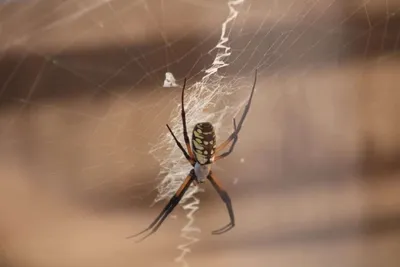
Garden spiders, also known as yellow garden spiders or writing spiders, are large orb-weaving spiders recognized by their striking black and yellow markings. These spiders build circular webs in gardens and around homes, catching flies, mosquitoes, and other pest insects.
Taxonomy
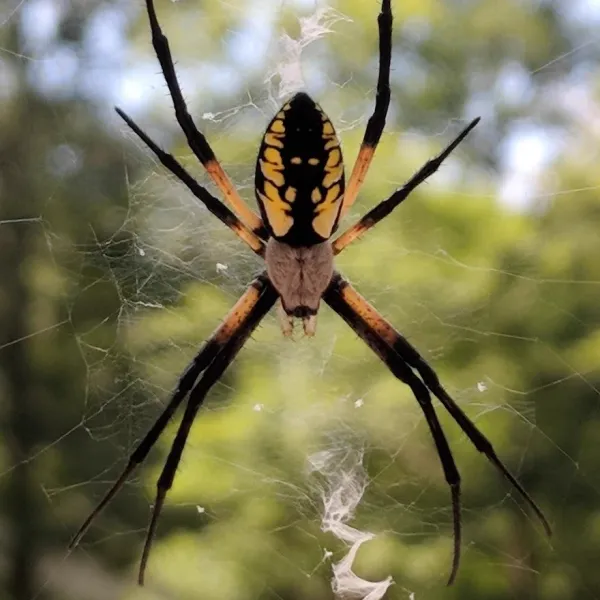
Garden Spiders Coloration
Common color patterns to help identify garden spiders
Garden Spiders
Seasonal Activity
When garden spiders are most active throughout the year

Where Garden Spiders Are Found
Hover over states to see their names. Green regions indicate where garden spiders have been reported.
Garden Spider Identification Guide
Physical Characteristics
Yellow garden spiders (Argiope aurantia) belong to the orb weaver family. Also called black and yellow garden spiders, writing spiders, or corn spiders, they are easy to spot due to their large size and bold colors. You can often identify them from several feet away.
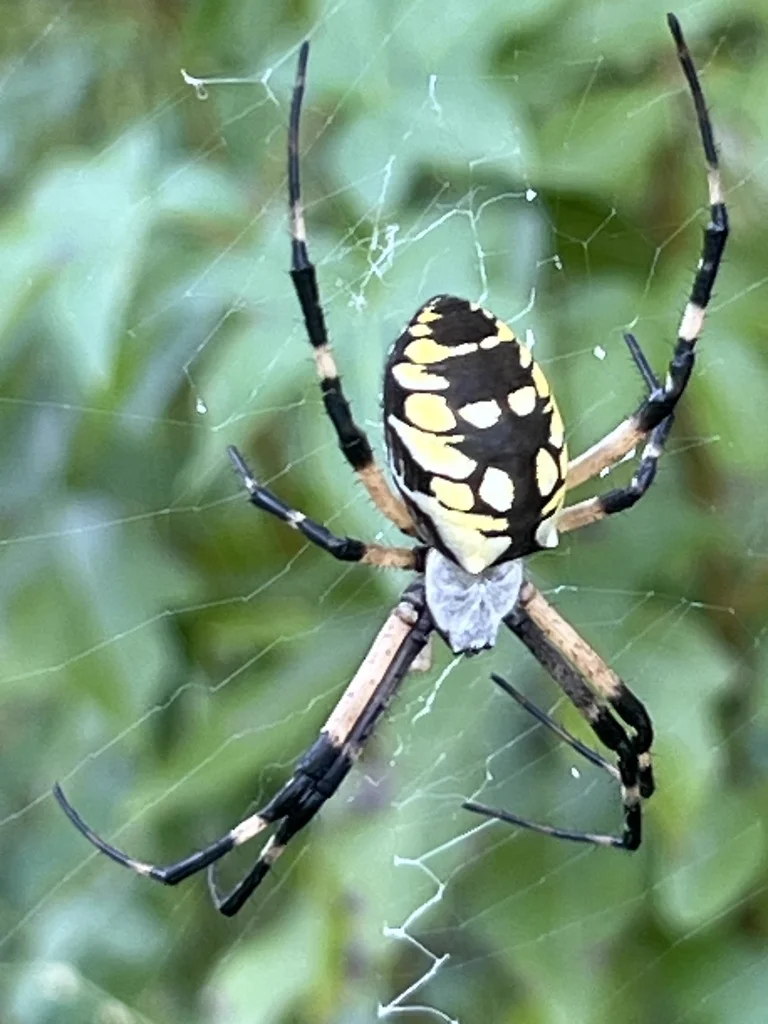
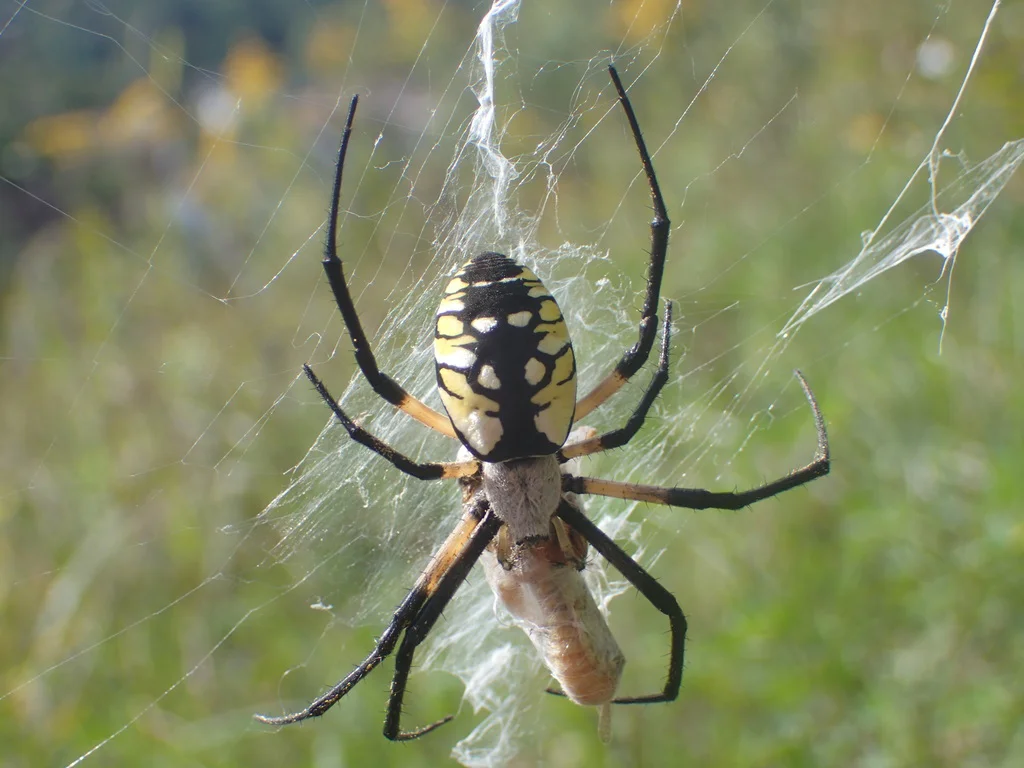
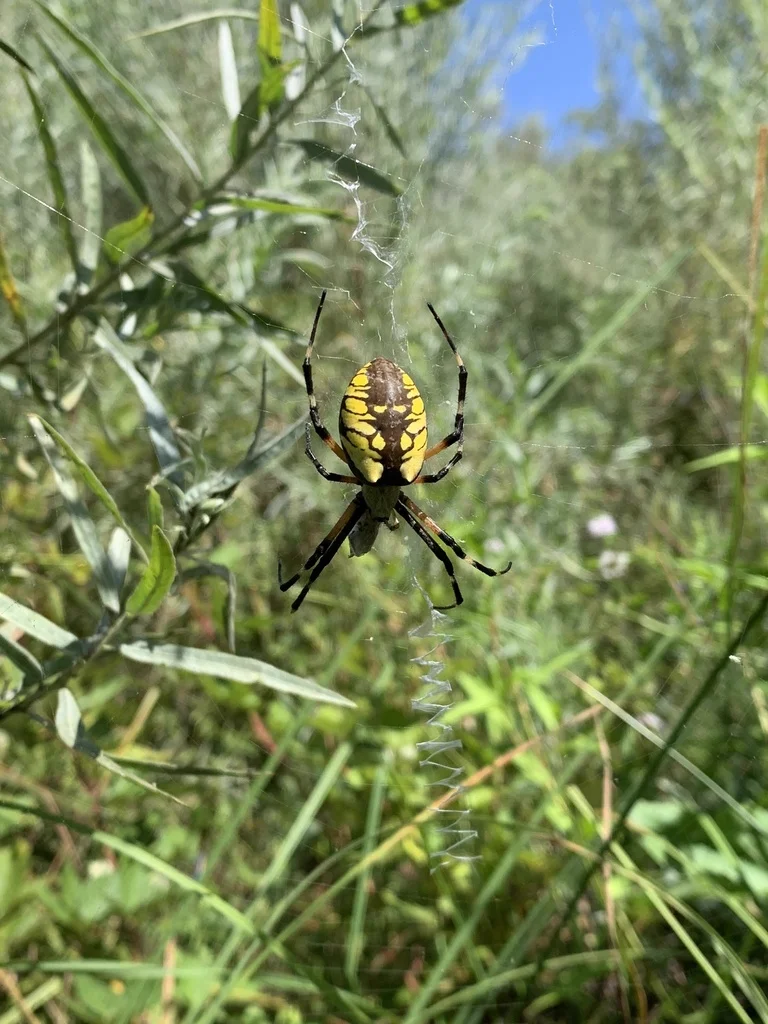
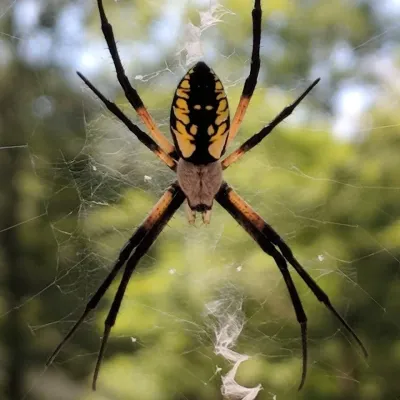
Female garden spiders are much larger than males. Their bodies measure 0.75 to 1.1 inches (19-28mm) long, and their leg spans reach 2-3 inches. The abdomen shows bold black and yellow patterns that look like bands or spots. Some spiders have orange instead of yellow. The front body section is covered in short, silvery hairs. Their eight legs are mostly black with reddish or orange bands near the body.
Males are much smaller. They measure only 0.2 to 0.35 inches (5-9mm) long. Their colors are not as bright. During mating season, males often stay at the edges of the female’s web.
Web Characteristics
The web is often the first sign of a garden spider nearby. These orb webs are impressive structures:
- Size: Webs can span 2 feet or more in diameter
- Shape: Classic circular spiral pattern with radiating spokes
- Stabilimentum: A zigzag pattern of thick silk running up and down through the center of the web
- Location: Built in open areas between plants, shrubs, or structures at heights of 2-8 feet
The spider usually rests head-down in the center of the web. It often holds its legs in pairs to form an X shape. This pose, along with the zigzag pattern, makes the web look like it has an “X” in it.
Common Species in North America
Several Argiope species occur across North America:
- Yellow Garden Spider (Argiope aurantia): The most common species. Found throughout the continental United States and southern Canada.
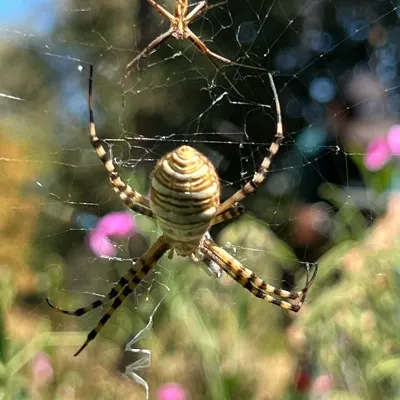
- Banded Garden Spider (Argiope trifasciata): Similar in size with silver, yellow, and black banding. Found across North America.
- Silver Garden Spider (Argiope argentata): A southwestern species with more silver coloring.
Garden Spider Behavior and Biology
Habitat Preferences
Garden spiders do well in sunny, open areas where flying insects are common. Around homes, they often build webs in:
Outdoor locations:
- Vegetable gardens and flower beds
- Between shrubs and ornamental plants
- Eaves, porches, and deck railings
- Near exterior lighting that attracts insects
- Tall grass and meadow edges
- Along fence lines and property borders
These spiders need space to build their large webs. They prefer spots that are sheltered from strong winds. They are not indoor pests and rarely enter homes. Interior spaces do not give them enough room to build webs.
Diet and Feeding Habits
Garden spiders catch many types of flying insects:
- Flies and mosquitoes
- Moths and butterflies
- Beetles and June bugs
- Grasshoppers and crickets
- Wasps and bees
- Dragonflies and damselflies
When an insect gets caught in the web, the spider rushes over and wraps it in silk. This holds the prey still before the spider bites it. Garden spiders often eat their prey right away. Sometimes they save wrapped insects for later.
A single garden spider can capture dozens of insects weekly. Studies indicate these spiders catch a wide range of flying insects including many pest species.
Reproduction and Lifecycle
The garden spider lifecycle follows an annual pattern tied to seasonal conditions:
Spring emergence: Baby spiders that hatched the previous fall leave their egg sacs. Hundreds of tiny spiders spread out. They float on silk threads carried by the wind. This is called “ballooning.”
Summer development: Young spiders build larger webs as they grow. They shed their skin several times. By mid-summer, females are close to adult size.
Late summer mating: Males leave their small webs to find females. They approach slowly, tapping on silk threads to announce themselves. After mating, males usually die within a few days.
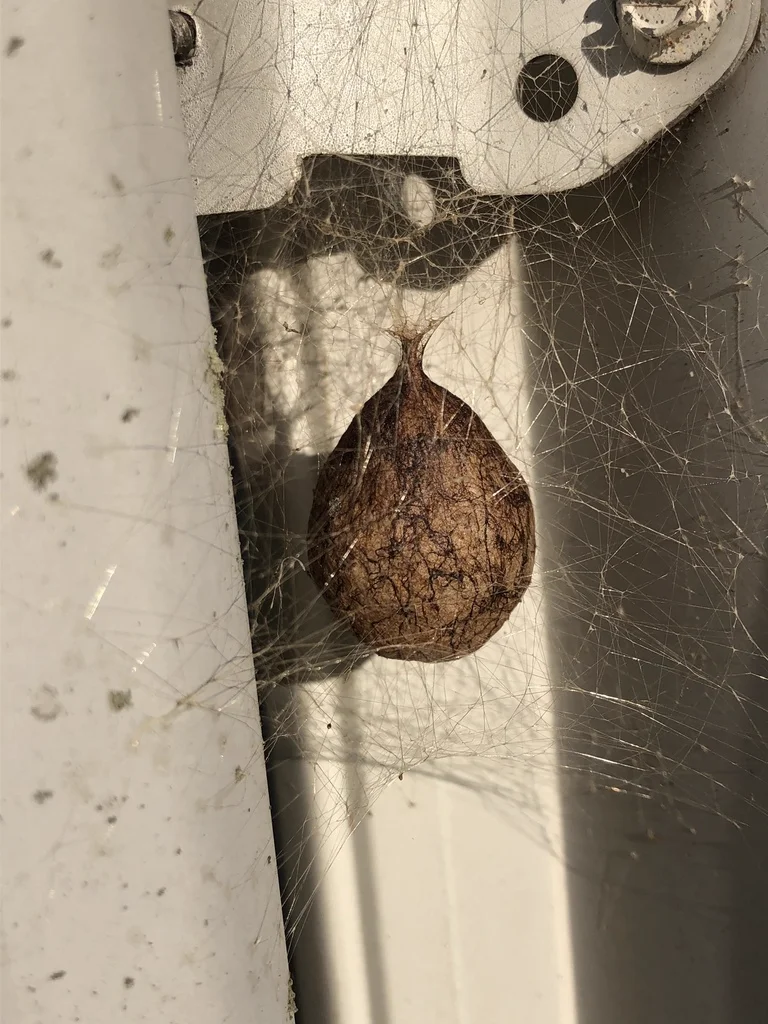
Fall egg laying: Females make one to three egg sacs. Each sac holds 400-1,400 eggs. The brown, papery sacs are round and about 1 inch wide. They attach to plants or structures near the web.
Winter dormancy: Adult females die after the first hard frost. Eggs stay protected inside the sac through winter. Spiderlings hatch in fall but stay dormant until spring.
Seasonal Activity Patterns
Garden spider visibility follows predictable seasonal patterns:
- December-February (None): Adults have died. Eggs overwinter in protected sacs.
- March-April (Low): Spiderlings emerge and spread out. Webs are tiny and hard to see.
- May-June (Moderate): Young spiders grow and build larger webs.
- July-October (High): Peak season. Full-sized adults build large webs. Homeowners notice them most during this time.
- November (Low): Activity drops fast. Females finish laying eggs before frost.
How Pest Control Professionals Treat for Garden Spiders
When garden spiders build webs in high-traffic areas or around entryways, professional treatment can help manage the problem. Here is how pest control companies typically handle garden spider issues.
Assessment and Inspection
Treatment starts with a full inspection of the property. Technicians find where spiders are building webs. They also look for things that attract spiders. Common problem areas include:
- Eaves, porches, and deck railings
- Near exterior lights that draw insects at night
- Between shrubs and landscaping plants
- Around windows and door frames
Web Removal
The first step is to remove existing webs. Technicians use web dusters or brushes to knock down webs. This makes spiders move to new spots. It also helps stop them from rebuilding in the same place.
Residual Treatments
For long-term control, technicians apply products to areas where spiders build webs. These treatments work by:
- Creating a barrier on surfaces where webs attach
- Reducing spider populations through direct contact
- Providing lasting protection for several weeks
Focus areas for treatment include:
- Eave lines and soffit areas
- Window frames and door casings
- Porch ceilings and overhangs
- Exterior light fixtures
Habitat Modification Tips
Technicians often recommend changes that reduce spider activity:
- Switch to yellow “bug lights” that attract fewer insects
- Trim shrubs and plants away from the home’s exterior
- Remove debris piles that provide shelter
- Seal gaps around windows and doors
When Treatment Makes Sense
Professional treatment is a good option when:
- Multiple webs block frequently used walkways
- Webs appear on children’s play equipment
- Spider populations seem unusually high
- You prefer not to handle web removal yourself
Regular exterior treatments as part of a general pest control program can help keep spider populations in check around your home. See also our tips on how to get rid of spiders.
References
For more information about garden spiders, see these resources:
- Yellow Garden Spider (Argiope aurantia) - BugGuide species page with photos and identification details
- Orb-Weaver Spiders - Britannica overview of orb-weaving spider biology
- Common Spiders of North America - Comprehensive field guide by Richard Bradley
- Spider Identification and Management - Penn State Extension guide to spider identification
Other Spiders
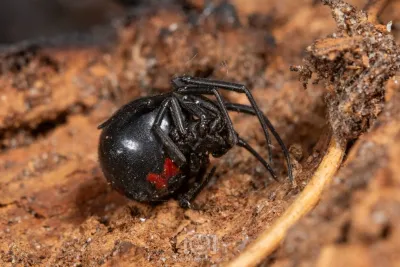
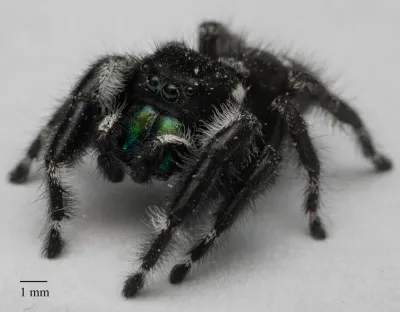
Explore other species in the spiders family
Commonly Confused With
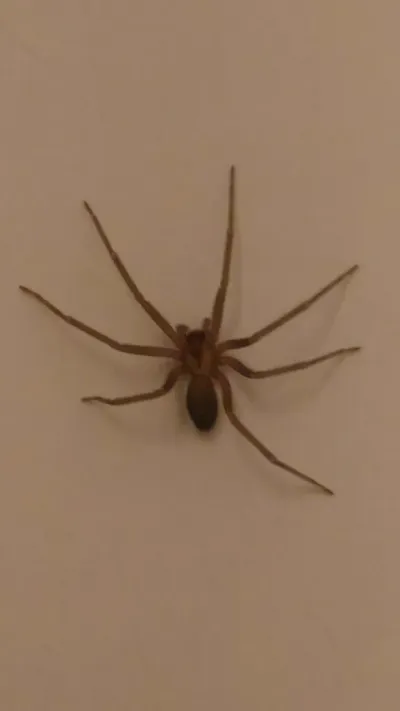
Garden Spiders are often mistaken for these similar pests
Where Garden Spiders Are Found
Hover over states to see their names. Green regions indicate where garden spiders have been reported.
Common Questions about Garden Spiders
Are garden spiders dangerous to humans?
+
Garden spiders are not dangerous to humans. They can bite if handled roughly, but they are not aggressive. Their venom is not harmful. A bite may cause mild pain and swelling, like a bee sting. These spiders prefer to stay on their webs. They will drop to the ground or hide rather than bite.
Why do garden spiders make a zigzag pattern in their webs?
+
The zigzag pattern is called the stabilimentum. It may serve several purposes. It might make the web visible to birds so they do not fly through it. It may attract prey by reflecting UV light. It could also help hide the spider or make the web stronger. Young spiders often make more detailed patterns than adults.
Do garden spiders come inside houses?
+
Garden spiders rarely enter homes. They are outdoor spiders that need large open spaces for their webs. Their webs can span 2 feet or more. They prefer gardens, shrubs, and areas with lots of flying insects. If you see a large black and yellow spider indoors, it likely got in by accident. It will not survive long inside.
What do garden spiders eat?
+
Garden spiders eat many types of flying insects. Their diet includes flies, mosquitoes, moths, beetles, wasps, bees, and grasshoppers. A single garden spider can catch dozens of insects each week.
How long do garden spiders live?
+
Garden spiders live for about one year. Females grow to full size by late summer. They mate and make egg sacs with 400 to 1,400 eggs. They die after the first hard frost. Baby spiders hatch in fall but stay in the egg sac through winter. They come out the next spring.
Should I remove garden spider webs from my yard?
+
You can remove garden spider webs if they are in your way. Webs in walkways or near doors are common targets for removal. If the web is out of the way, you may choose to leave it alone. A pest control company can help if you have many webs around your home.
How big can garden spiders get?
+
Female garden spiders have bodies 0.75 to 1.1 inches long. Their leg spans reach 2 to 3 inches. Males are much smaller, only 0.2 to 0.35 inches long. This size difference between males and females is common in orb-weaving spiders.
What time of year are garden spiders most active?
+
Garden spiders are most active from July through October. This is when females reach full size and build their largest webs. Activity drops after the first frost. Adult spiders die, and eggs stay dormant until spring.

With five years of hands-on experience in the pest control industry, George Schulz is a registered technician with the Virginia Pest Management Association and a proud third-generation professional in a family business that's been protecting homes for over 57 years. He manages and trains a team of service pros while also leading internal research efforts—recently spearheading a deep-dive review of thousands of documents on pest control materials to hand-pick the most kid and pet friendly, most effective solutions tailored specifically for homes in the DC metro area.