False Black Widows Identification Guide
Steatoda grossa
False black widows are dark, bulbous-bodied spiders often mistaken for true black widows. They build messy cobwebs in quiet indoor spaces and are one of the most common house spiders across North America.
Taxonomy
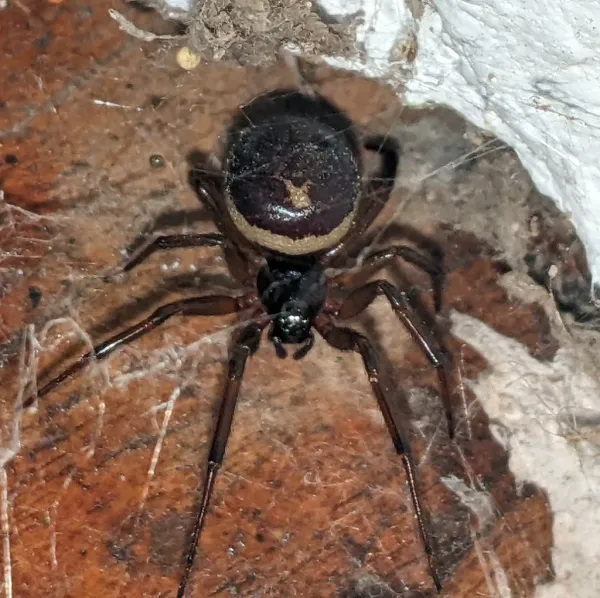
False Black Widows Coloration
Common color patterns to help identify false black widows
False Black Widows
Seasonal Activity
When false black widows are most active throughout the year

Where False Black Widows Are Found
Hover over states to see their names. Green regions indicate where false black widows have been reported.
False Black Widow Identification Guide
Physical Characteristics
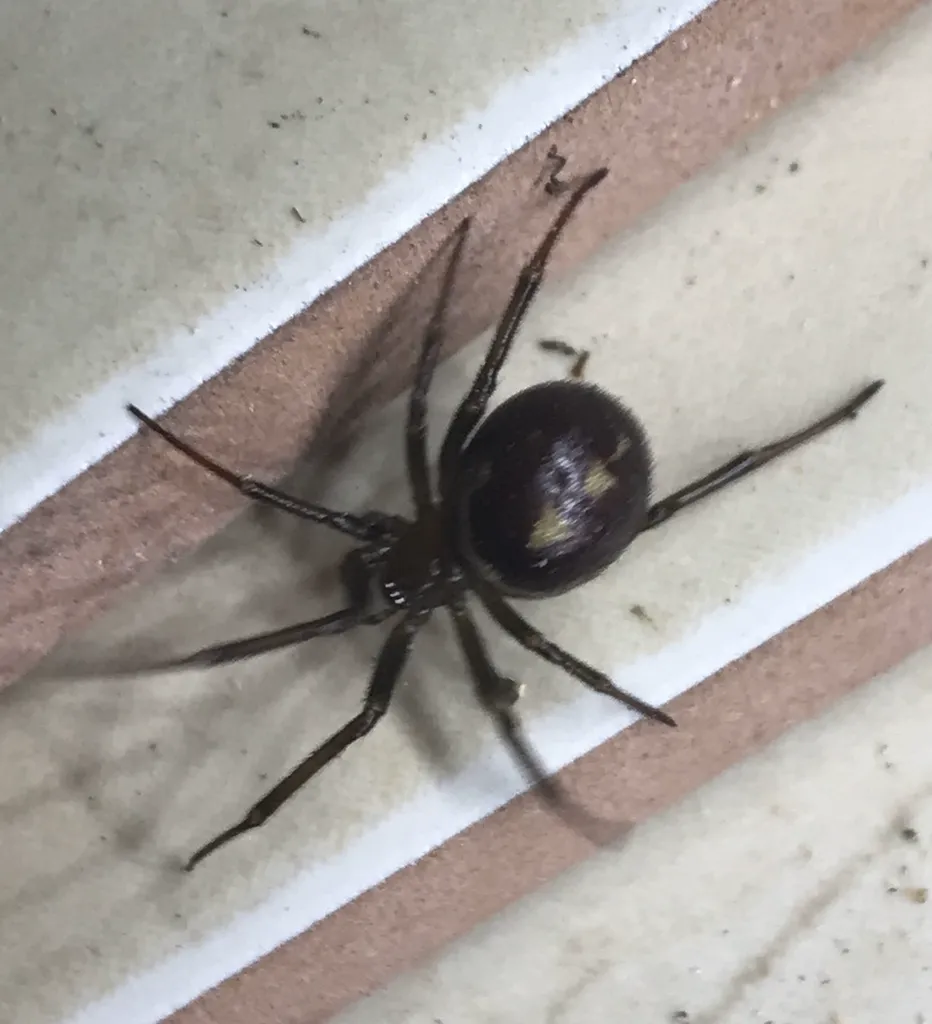
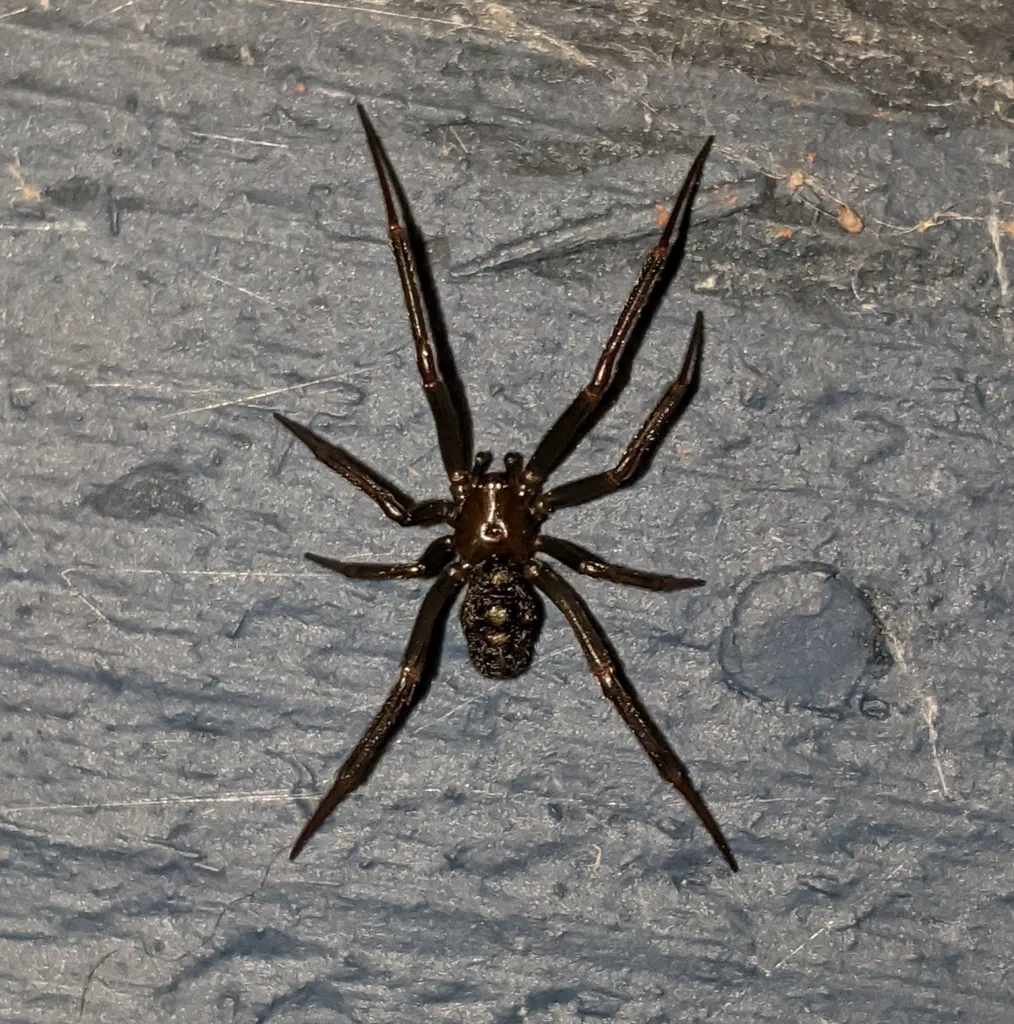
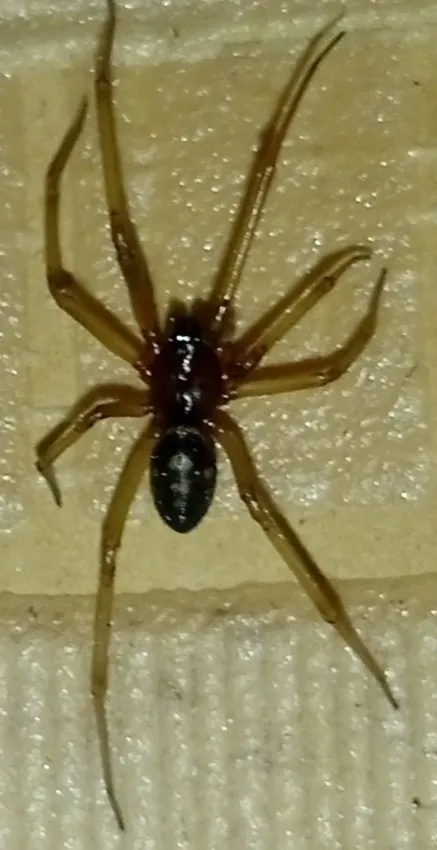
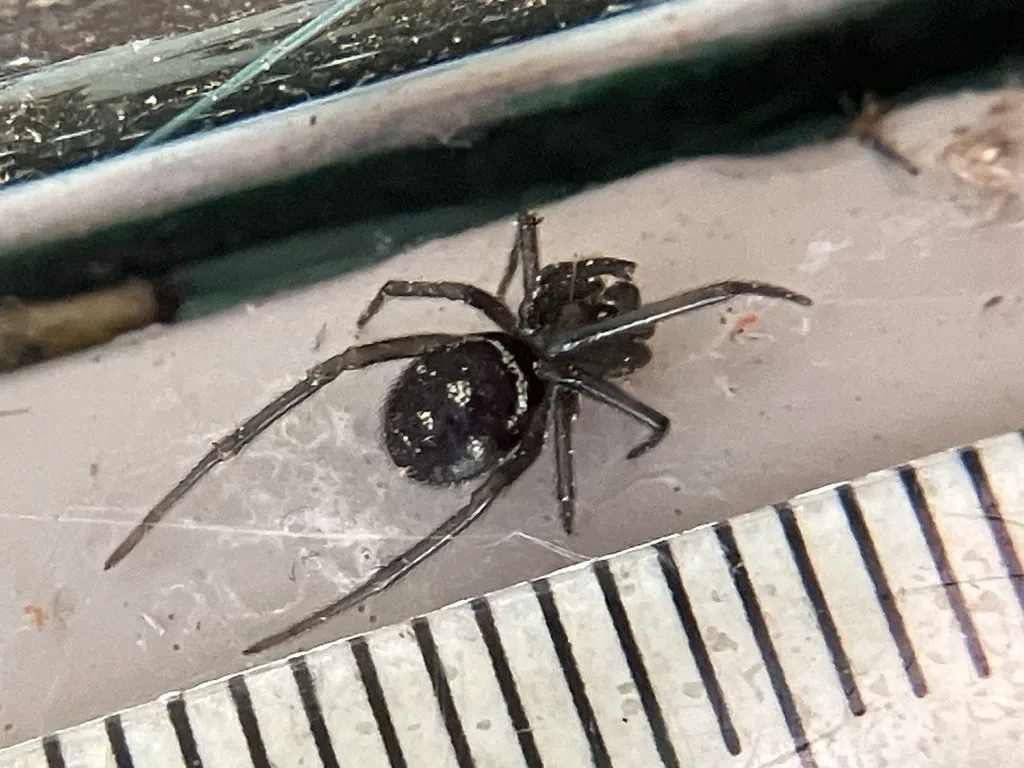
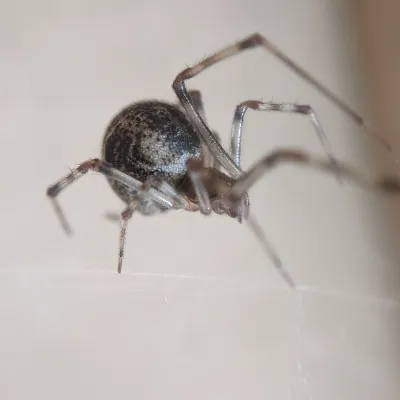
False black widows (Steatoda grossa) belong to the cobweb spider family Theridiidae. Females are about 6 to 11 mm long, or about half an inch. Males are smaller at 3 to 6 mm. Their big, round abdomen makes them look a lot like a true black widow.
They range in color from dark brown to purplish-brown or nearly black. Young spiders often show pale cream arrow-shaped markings or a light band near the front of the abdomen. These markings fade with age. Adults may look solid dark. Unlike true black widows, false black widows do not have a red or orange hourglass on the belly. This is the easiest way to tell them apart.
Their legs are fairly long for their body size and match the same dark brown color. Overall, they look like compact, glossy, dark spiders with a very round rear end.
Web Characteristics
False black widows build messy, tangled webs made of sticky silk. These are often called cobwebs and look jumbled compared to the neat circular webs of orb weavers. The spider usually hangs upside-down near the center or hides in a sheltered corner of the web.
Common web locations include:
- Dark corners of basements and crawl spaces
- Inside cupboards and closets
- Behind furniture and appliances
- Garages and storage sheds
- Under eaves and window frames
- Greenhouses and outbuildings
Commonly Confused Species
False black widows are frequently mistaken for several other spiders:
- Black widows: True widows are glossy jet-black with a red hourglass on the belly. False black widows do not have this marking. They are usually brown or purplish instead.
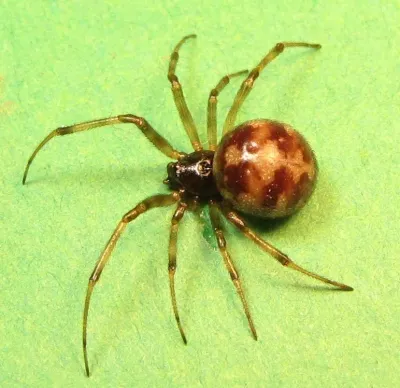
- Triangulate cobweb spiders: These relatives have pale triangle-shaped markings on the abdomen. They are lighter in color overall.
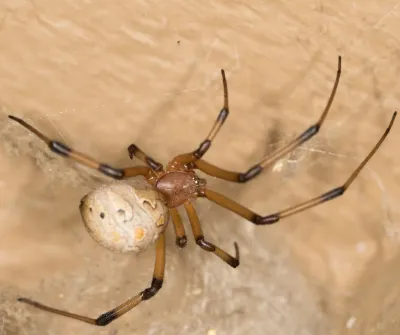
- Brown widow spiders: Brown widows have an orange hourglass marking instead of red. They also show geometric patterns on the abdomen.
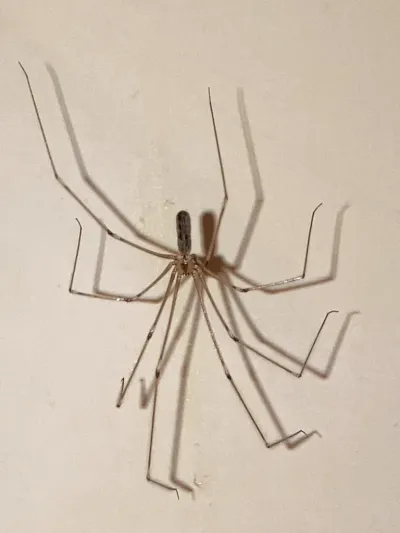
- Common house spiders: These spiders (Parasteatoda tepidariorum) build similar cobwebs but have more spotted coloring and a different body shape.
False Black Widow Behavior and Biology
Habitat Preferences
False black widows originally came from Europe and were brought to North America over time. They are now well established in homes and buildings across much of the continent. These spiders prefer living near people in buildings that offer steady warmth and a reliable food supply.
Preferred indoor locations:
- Basements and crawl spaces
- Garages, sheds, and barns
- Closets and cupboards (hence the common name “cupboard spider”)
- Behind and under furniture
- Storage areas with little foot traffic
Outdoor habitats:
- Under rocks and logs near structures
- Foundation gaps and cracks
- Eaves and overhangs
- Woodpiles and debris close to buildings
Diet and Feeding Habits
False black widows wait in their webs for prey to wander into the sticky strands. When something gets caught, the spider rushes out to wrap it in silk. Their diet includes:
- Flies and small flying insects
- Ants and beetles
- Mosquitoes and gnats
- Other spiders, including occasionally true black widows
- Pill bugs and other small arthropods
These spiders will also eat other spiders. Where false black widows are common, they can help reduce the numbers of other web-building species nearby.
Reproduction and Lifecycle
Females produce egg sacs with roughly 40 to 100 eggs each. A well-fed female may make several egg sacs per year. The eggs hatch in about a month at normal indoor temperatures. The young spiders go through several molts before reaching adulthood.
Mating season: Males are most active from late summer through early fall, roughly August to October. They leave their webs to search for females. This wandering is why homeowners see them most often at that time of year.
Lifespan: Females can live several years in good conditions. Some have been known to survive up to six years. Males usually live one to one and a half years and often die soon after mating.
Bite and Venom Information
False black widows can bite if they get trapped against skin, such as inside clothing or bedding. Bites are not common because these spiders are shy and not aggressive. The medical term for symptoms from a Steatoda bite is “steatodism”.
Most bites cause only mild symptoms near the bite itself. You may feel a brief sharp pain along with some redness and minor swelling. These usually go away on their own. In rare cases, some people have reported nausea or muscle soreness. These reactions are much milder than a true black widow bite.
If bitten, clean the area with soap and water and apply a cold pack. See a doctor if pain spreads, if you get muscle cramps, or if any other worrying symptoms come up.
This information is for general reference only and is not medical advice. Always consult a healthcare provider for guidance on spider bites or any health concern.
How We Treat for False Black Widows
Controlling false black widows works best when you combine sealing them out, removing what draws them in, and professional treatments.
Exclusion and Prevention
Keeping spiders from entering the home is a key first step:
- Seal cracks and gaps in foundations, around windows, and where pipes and wires enter the building
- Install or repair door sweeps on exterior doors, especially those leading to basements and garages
- Screen foundation vents with fine mesh to block entry
- Caulk around utility penetrations where spiders can squeeze through
Habitat Modification
Making your home less appealing to false black widows reduces their numbers over time:
Exterior:
- Remove woodpiles, debris, and stored materials from near foundations
- Reduce exterior lighting that attracts prey insects, or switch to yellow “bug light” bulbs
- Clear dense vegetation and ground cover away from building walls
- Address moisture problems around foundations and crawl spaces
Interior:
- Reduce clutter in basements, garages, and closets where spiders build webs
- Store items in sealed plastic containers rather than cardboard boxes
- Vacuum regularly in corners, along baseboards, and behind furniture
- Remove webs promptly when you find them to discourage rebuilding
- Close blinds at night to prevent interior lights from drawing insects to windows
Professional Treatment
Our spider control program includes:
- Exterior barrier treatments with products applied around the foundation, windows, doors, and eaves where spiders are active
- Targeted spot treatments in corners, cracks, and other areas where spiders hide
- Dust applications in wall voids and other hard-to-reach hiding spots
- Web removal around the eaves of your home and front porch during each service visit
Spider control works differently than it does for most crawling insects. Spiders do not groom themselves like ants or roaches. They have to walk through treated areas for products to work. That is why sealing entry points and removing clutter matter just as much as the treatment itself.
What to Expect
Spider populations do not go away overnight. New spiders may wander in from outside, and egg sacs already in the home can hatch weeks after treatment. During the late summer mating season, wandering males will show up no matter what. Regular service visits (three times per year) keep the protective barrier in place and hold populations down. Vacuuming webs and spiders between visits also helps.
References and Further Reading
- UC Pest Management - Widow Spiders and Their Relatives - Identification and management guide from the University of California
- Penn State Extension - False Black Widow Spider - Overview of Steatoda species identification and biology
- Montana State University Extension - Cobweb Weavers Fact Sheet - Detailed identification and control information
- Maryland Biodiversity Project - Steatoda grossa - Regional occurrence data and life history notes
- World Spider Catalog - Steatoda grossa - Taxonomic authority and global distribution
- PubMed - Steatodism Clinical Review - Peer-reviewed clinical literature on Steatoda envenomation
Other Spiders
Explore other species in the spiders family
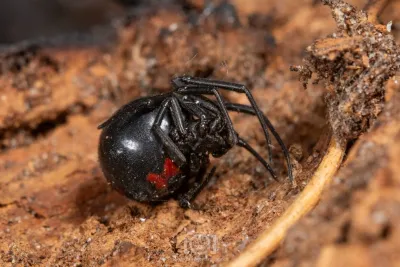
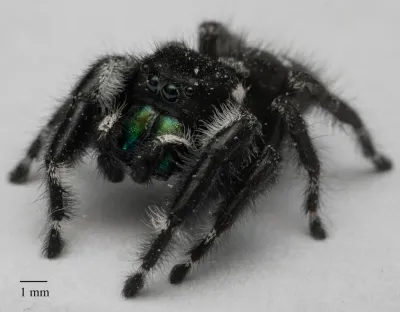
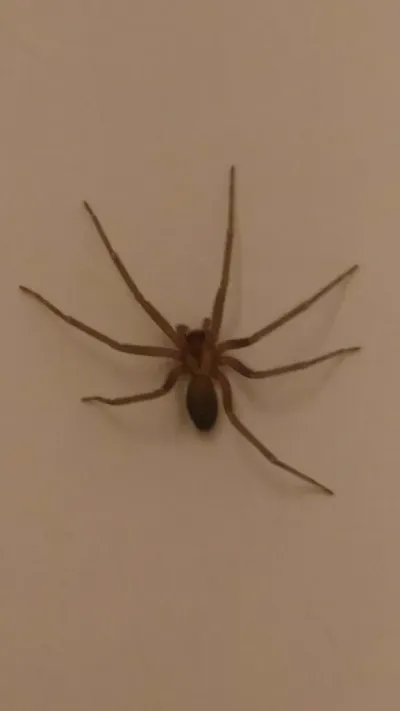
Commonly Confused With
False Black Widows are often mistaken for these similar pests
Where False Black Widows Are Found
Hover over states to see their names. Green regions indicate where false black widows have been reported.
Common Questions about False Black Widows
Are false black widows dangerous?
+
False black widows can bite, but their venom is much less potent than a true black widow's. Most bites cause mild, localized pain and redness similar to a bee sting. Serious reactions are rare. Clean the bite area with soap and water and seek medical attention if symptoms worsen.
How do I tell a false black widow from a real black widow?
+
The easiest way is to check the underside of the abdomen. True black widows have a distinctive red or orange hourglass marking. False black widows lack this hourglass entirely. False black widows also tend to be dark brown or purplish-brown rather than the shiny jet-black of a true widow.
Why do I keep finding false black widows in my house?
+
False black widows are synanthropic, meaning they thrive in human structures. They seek out dark, quiet, undisturbed spaces like garages, basements, closets, and behind furniture. Homes with abundant insect prey and plenty of clutter provide ideal conditions for them.
Can false black widows infest a home?
+
While they do not form colonies like ants, multiple false black widows can establish themselves in the same building if conditions are favorable. Each spider builds its own web in a separate corner or crevice. Regular cleaning and web removal discourages buildup.
What do false black widow webs look like?
+
Their webs are messy, irregular tangles of sticky silk rather than the organized circular webs of orb weavers. You will usually find them stretched across corners, behind boxes, under furniture, and in other dark sheltered spots.
Do false black widows eat other spiders?
+
Yes. False black widows are known to prey on other spiders, including occasionally true black widows. They capture prey in their sticky tangle webs and are opportunistic feeders that will eat a variety of small insects and arthropods.
How long do false black widows live?
+
Females can live several years under favorable indoor conditions, with some reports of individuals surviving up to six years. Males typically live one to one and a half years and often die shortly after mating.
When are false black widows most active?
+
They are most visible from August through October when males leave their webs to search for mates. Indoors, they remain active year-round in heated buildings, though they are primarily nocturnal and stay hidden during the day.

With five years of hands-on experience in the pest control industry, George Schulz is a registered technician with the Virginia Pest Management Association and a proud third-generation professional in a family business that's been protecting homes for over 57 years. He manages and trains a team of service pros while also leading internal research efforts—recently spearheading a deep-dive review of thousands of documents on pest control materials to hand-pick the most kid and pet friendly, most effective solutions tailored specifically for homes in the DC metro area.