Crab Spiders Identification Guide
Thomisidae
Crab spiders are ambush predators found throughout North America that get their name from their crab-like appearance and sideways movement. These colorful spiders wait on flowers and foliage to capture pollinating insects without building webs.
Taxonomy
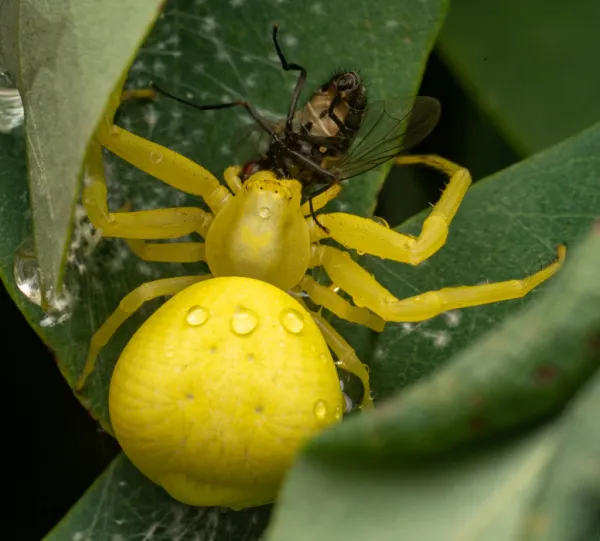
Crab Spiders Coloration
Common color patterns to help identify crab spiders
Crab Spiders
Seasonal Activity
When crab spiders are most active throughout the year
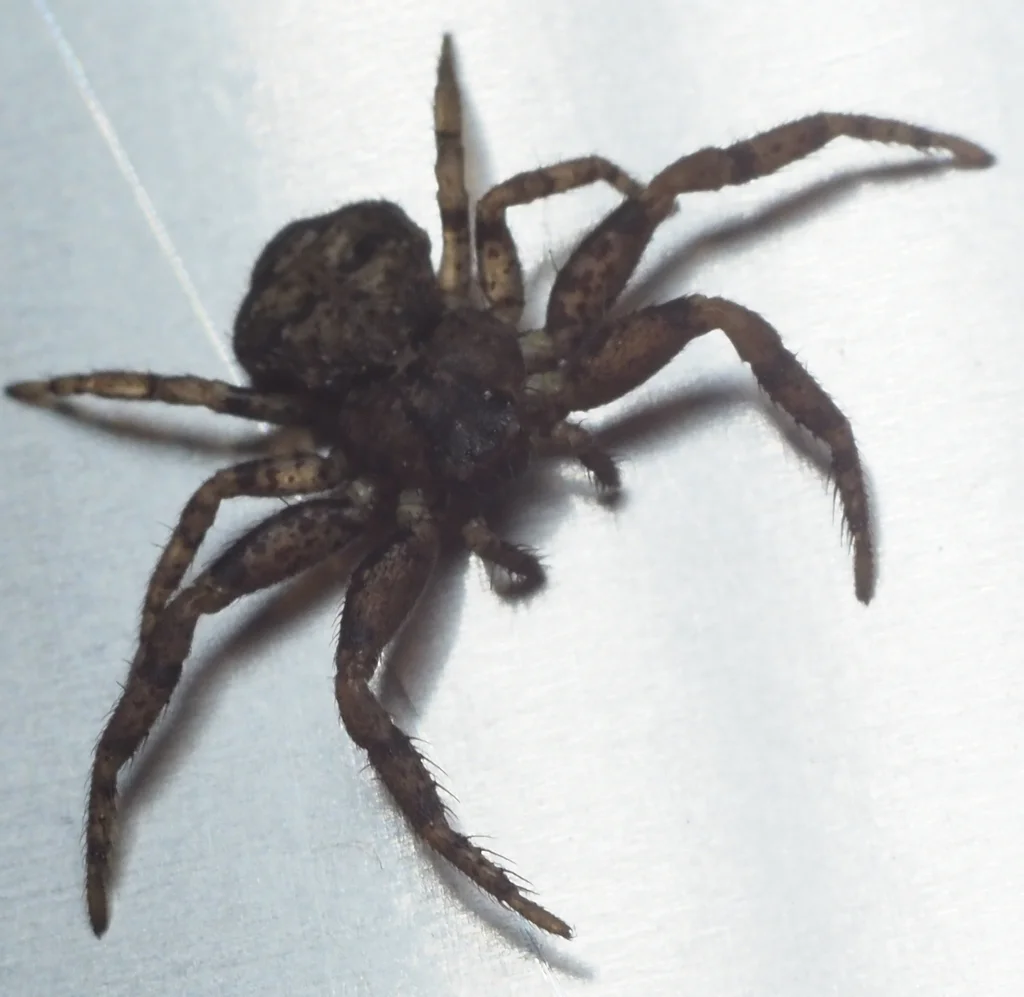
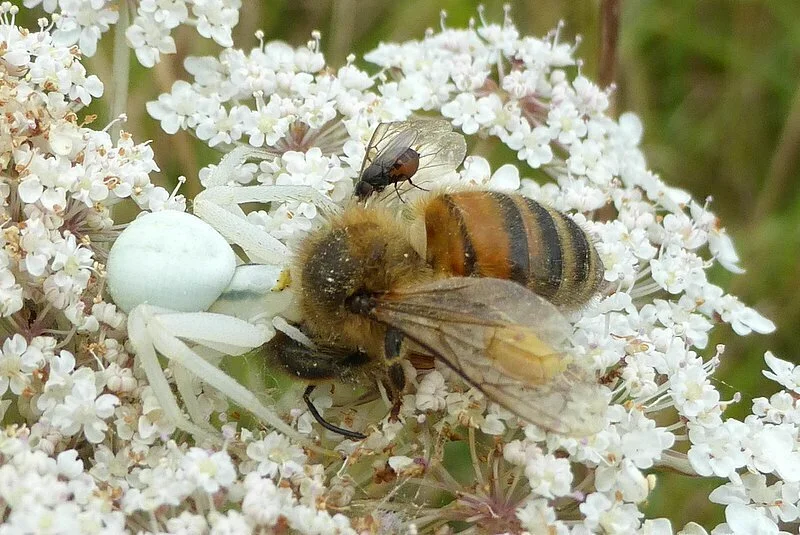
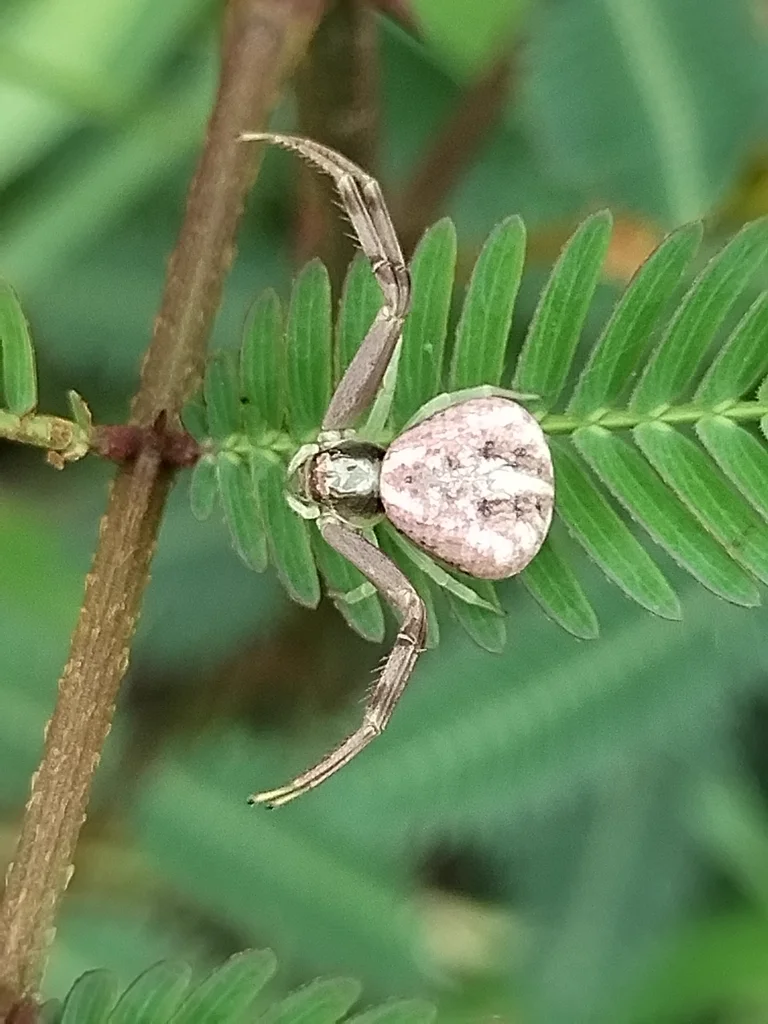

Where Crab Spiders Are Found
Hover over states to see their names. Green regions indicate where crab spiders have been reported.
Crab Spider Identification Guide
Physical Characteristics
Crab spiders (family Thomisidae) get their name from their crab-like body shape and ability to walk sideways. Adults range from about 3 to 12mm in body length. Females are usually larger than males. Over 2,100 species exist worldwide, with more than 140 species found in the United States and Canada.
The easiest way to spot a crab spider is by its body shape. Unlike most spiders with long bodies, crab spiders have flat, oval bodies that are wider than they are tall. This flat shape helps them hide on flower petals and leaves.
Their legs are also easy to recognize. The first two pairs of legs are much longer and stronger than the back two pairs. They hold these front legs out to the sides like crab claws. These strong front legs grab and hold prey. The back legs are smaller and covered with tiny spines for gripping surfaces.
Crab spider colors vary a lot between species. Flower crab spiders can be bright white, yellow, pink, or green to blend in with flowers. Ground spiders tend to be brown, gray, or mottled to hide among bark and leaves. Some species can even change color over several days to match their surroundings.
Common Species in North America
Several genera of crab spiders are commonly encountered in North America:
- Goldenrod Crab Spider (Misumena vatia): The largest and best-known flower spider in North America, ranging from 6-9mm for females. Found on flowers across the continent. They can change between white and yellow colors.
- Ground Crab Spiders (Xysticus spp.): Over 67 species in the US. Generally larger than flower spiders with dull brown, gray, or reddish colors. Found in leaf litter, under bark, and on low plants.
- Northern Crab Spiders (Mecaphesa spp.): Small flower-dwelling species with tiny hairs covering their bodies. Common on flowers and leaves across North America.
- Bark Crab Spiders (Bassaniana spp.): Camouflage-colored species that hunt on tree bark and woody plants.
Distinguishing Crab Spiders from Similar Species
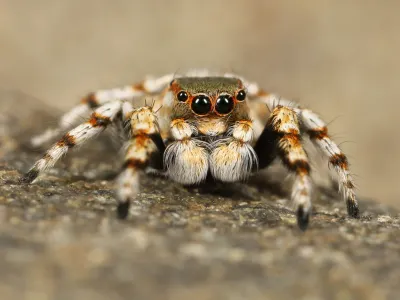
Crab spiders are sometimes confused with jumping spiders because both have compact bodies. Here are the key differences:
- Leg position: Crab spiders hold front legs out to the sides. Jumping spiders hold legs closer to the body.
- Movement: Crab spiders move slowly and can walk sideways. Jumping spiders move in quick hops.
- Eyes: Crab spiders have smaller eyes. Jumping spiders have large, forward-facing eyes.
- Habitat: Crab spiders usually sit still on flowers or leaves. Jumping spiders actively move around hunting.
Also see our page on running crab spiders, which look similar but actively chase prey instead of ambushing.
Crab Spider Behavior and Biology
Habitat Preferences
Crab spiders live in many habitats across North America. They are mainly outdoor spiders and rarely show up inside homes. Where they live depends on how they hunt:
Flower crab spiders (Misumena, Mecaphesa):
- White, yellow, or pink flowers where they wait for prey
- Goldenrod, milkweed, daisies, and other flowers with wide petals
- Gardens, meadows, and flowering shrubs
- Most active during peak flowering season
Ground crab spiders (Xysticus, Coriarachne):
- Leaf litter on forest floors
- Under bark, rocks, and fallen logs
- Low plants and weeds
- Fence posts and outbuildings
When crab spiders are found indoors, it is usually by accident. They may wander inside on cut flowers or houseplants. They can also enter through open windows and doors while hunting. Unlike web-building spiders, they do not set up home indoors.
Diet and Feeding Habits
Crab spiders are ambush predators that use stealth and camouflage instead of webs. They sit still for long periods with front legs extended, ready to grab any prey that comes close.
What they eat:
- Bees, wasps, and similar insects
- Butterflies and moths
- Flies and hoverflies
- Beetles and other insects that visit flowers
- Mosquitoes and gnats
Even though they are small, crab spiders can catch prey much larger than themselves. Their venom works fast to stop prey from moving. Their strong front legs hold insects in place. Flower crab spiders sit in the center of flowers or hide under petals, then strike when insects land.
Ground crab spiders hunt in a different way. They patrol leaf litter and plants to ambush crawling insects. They help control farm pests like the tarnished plant bug, which damages strawberries and other crops.
Reproduction and Lifecycle
Crab spider reproduction follows a pattern common to many spider species.
Mating behavior:
- Males are much smaller than females, often half their size or less
- Males find females using scent and sight
- Males must approach carefully because females may attack them
- More males die during mating season due to female attacks
Egg production and maternal care:
- Females make a silk egg sac with dozens to hundreds of eggs
- Many species guard their egg sacs by standing on or near the nest
- Guarding protects the eggs from wasps and flies that prey on spider eggs
- Mothers often stay with eggs until babies emerge, usually about three weeks
- Many female crab spiders die within days of their young hatching
Development:
- Baby spiders spread out after leaving the egg sac
- Young spiders molt several times before reaching adult size
- Most species live one to two years
- They may spend winter as juveniles or adults depending on the species and climate
Seasonal Activity Patterns
Crab spider activity depends on flowers and warm weather:
- December through February (None): In most of North America, crab spiders rest through winter in sheltered spots.
- March and April (Low to Moderate): Activity picks up as temperatures warm and early flowers bloom. Spiders that survived winter come out to hunt.
- May and June (High): Peak activity as more flowers bloom. Mating begins for many species.
- July and August (High): Highest activity. Lots of flowers support large spider numbers. Females make egg sacs.
- September and October (Low to Moderate): Activity drops as flowers fade and temperatures cool. Late-season egg sacs appear.
- November (None): Spiders find shelter for winter as temperatures drop.
How We Treat for Crab Spiders
Crab spiders rarely become a problem that needs treatment. They do not build webs indoors, do not bite humans, and help control pest insects. However, if spider activity around your property is concerning, we can help reduce their numbers.
Our Assessment and Approach
Step 1: Inspection
When customers report spider concerns, we inspect to identify species and activity levels. For crab spiders, we check:
- Flowering plants near entry points
- Garden areas and landscaping
- Entry points where spiders might wander inside
- Conditions that attract prey insects
Step 2: Conducive Condition Assessment
Crab spiders near homes often mean there are plenty of insects around. We look at:
- Outdoor lighting that attracts insects near doors and windows
- Flowering plants close to the house
- Dense plants touching exterior walls
- Open windows and doors without screens
Step 3: Habitat Modification Recommendations
For crab spiders, we usually start with these steps:
- Installing or repairing window and door screens
- Moving potted flowering plants away from entry points
- Trimming plants to create a gap around the foundation
- Reducing outdoor lighting or using yellow “bug lights” that attract fewer insects
- Closing blinds at night to stop interior lights from drawing insects to windows
When Treatment Is Needed
If spider activity is a real problem, our exterior barrier treatments will reduce spider populations as part of our pest management approach. Treatment includes:
- Non-repellent products applied around the exterior
- Focus on ground level where most spider activity occurs
- Treatment of window and door frames
- Interior spot treatments in specific problem areas
Customer Guidance
For crab spiders, keep in mind:
- They help control pest insects in gardens
- They pose no threat to humans and do not live indoors
- Spiders found inside can be captured and released outside
- Their presence shows there are lots of insects around
Our tri-annual pest control service (three times per year) addresses household pests. This also helps manage spider numbers by reducing the insects they eat.
References and Further Reading
- Thomisidae (Wikipedia): Overview of crab spider biology and taxonomy
- Family Thomisidae (BugGuide): Identification resources for North American crab spiders
- Crab Spider (Britannica): General information on crab spider traits and behavior
- Goldenrod Crab Spider (Animal Diversity Web): Detailed account for the most common flower crab spider
- Crab Spiders (NC State Extension): Information on crab spider behavior and ecology
Other Spiders
Explore other species in the spiders family
Commonly Confused With
Crab Spiders are often mistaken for these similar pests
Where Crab Spiders Are Found
Hover over states to see their names. Green regions indicate where crab spiders have been reported.
Common Questions about Crab Spiders
Are crab spiders dangerous to humans?
+
No, crab spiders are not dangerous to humans. While they do possess venom to subdue their insect prey, their fangs are typically too small to penetrate human skin. Even if a bite were to occur, their venom is not medically significant. Crab spiders are non-aggressive and will flee rather than bite when encountered.
Why is it called a crab spider?
+
Crab spiders get their name from their distinctive crab-like appearance and behavior. Their bodies are flattened and wider than they are long, similar to a crab's shape. Their two front pairs of legs are much longer and stronger than the back pairs, held open to the sides like crab pincers. They can also walk sideways and backward, just like true crabs.
Can crab spiders change color?
+
Yes, some species of crab spiders, particularly the goldenrod crab spider (Misumena vatia), can change their body color between white and yellow to match the flowers they are hunting on. This color change takes several days to complete and helps them catch insects more easily.
Do crab spiders build webs?
+
No, crab spiders do not build webs to catch prey. They are ambush predators that wait motionless on flowers, leaves, or other surfaces until prey comes within reach. They do produce silk for draglines and egg sacs, but they rely entirely on stealth and camouflage rather than webs for hunting.
What do crab spiders eat?
+
Crab spiders feed on insects that visit flowers, including bees, butterflies, flies, and wasps. Despite their small size, they can capture prey much larger than themselves. They eat many pest insects in gardens and farm settings.
Where do crab spiders live?
+
Crab spiders are most commonly found outdoors on flowers, foliage, tree bark, and in leaf litter. Flower crab spiders (like Misumena vatia) prefer flowering plants where they wait for insects. Ground crab spiders (Xysticus species) live in leaf litter, under bark, and on low vegetation. They rarely enter homes on purpose.
How long do crab spiders live?
+
Most crab spiders live for about one to two years. Males typically have shorter lifespans than females and often die shortly after mating. Females live longer to produce and guard their egg sacs. In temperate climates, they may overwinter as juveniles and mature the following spring.
Do crab spiders help control pests?
+
Yes, crab spiders eat many types of insects including pest species. In farm settings, they prey on crop pests like the tarnished plant bug. They play a role in keeping insect numbers down naturally.

With five years of hands-on experience in the pest control industry, George Schulz is a registered technician with the Virginia Pest Management Association and a proud third-generation professional in a family business that's been protecting homes for over 57 years. He manages and trains a team of service pros while also leading internal research efforts—recently spearheading a deep-dive review of thousands of documents on pest control materials to hand-pick the most kid and pet friendly, most effective solutions tailored specifically for homes in the DC metro area.