Cellar Spiders Identification Guide
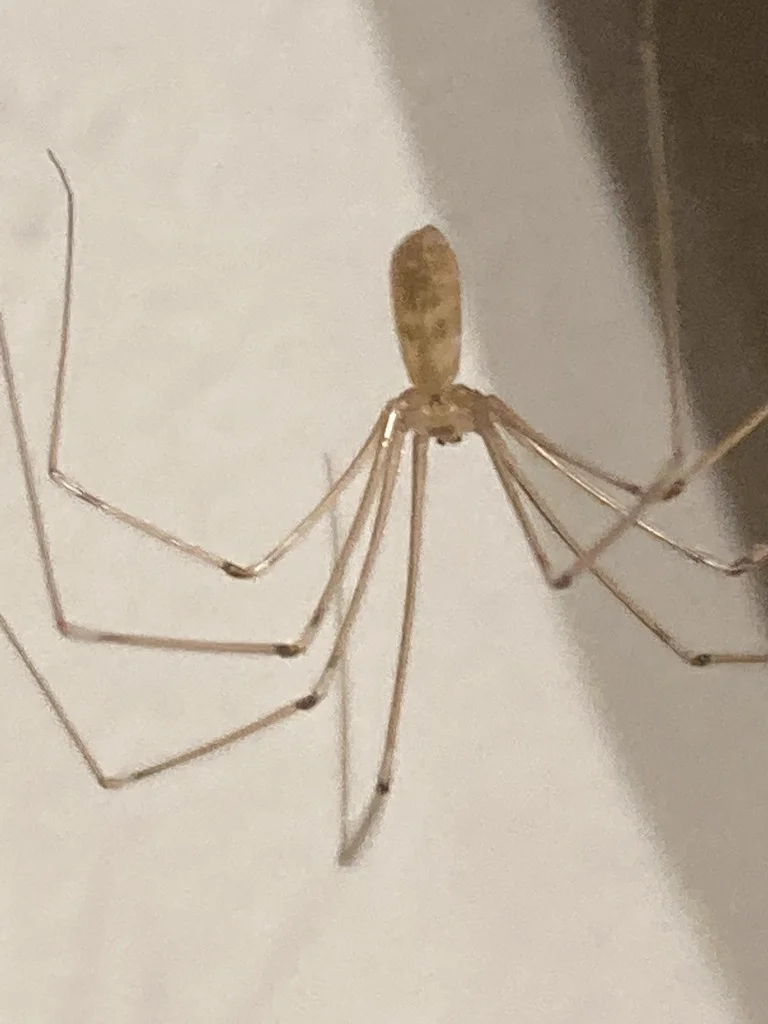
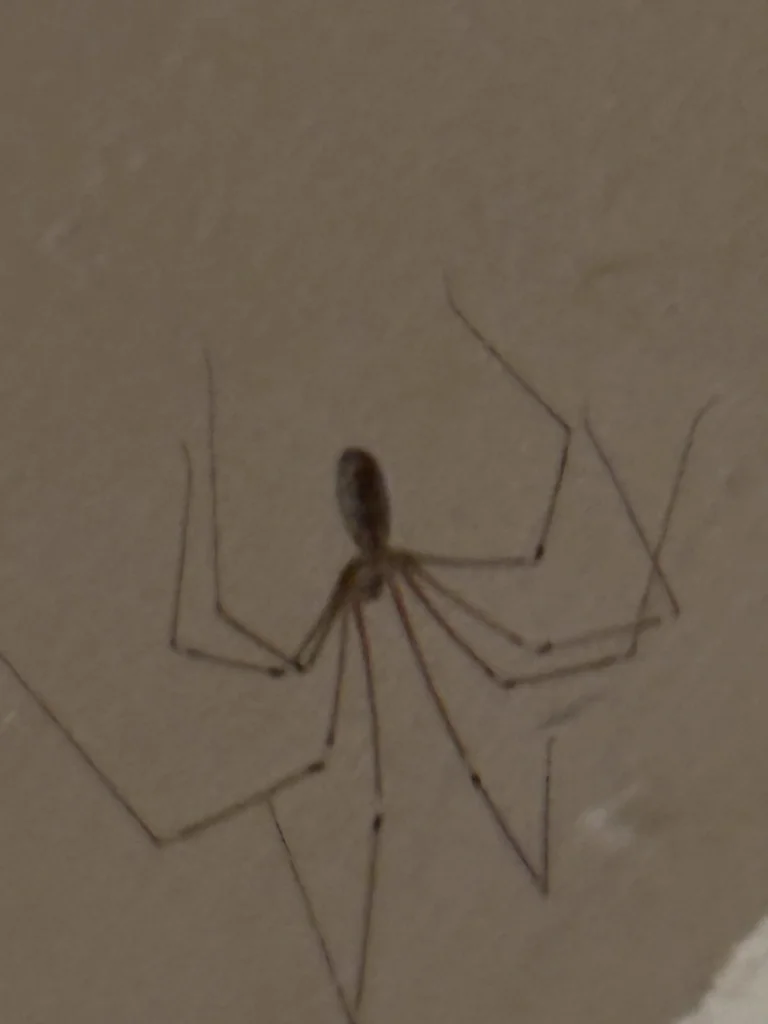
Pholcus phalangioides
Cellar spiders, often called daddy longlegs spiders, are harmless arachnids commonly found in dark, quiet areas of homes. With their extremely long, thin legs and small bodies, they are frequently mistaken for harvestmen but are true web-building spiders.
Taxonomy
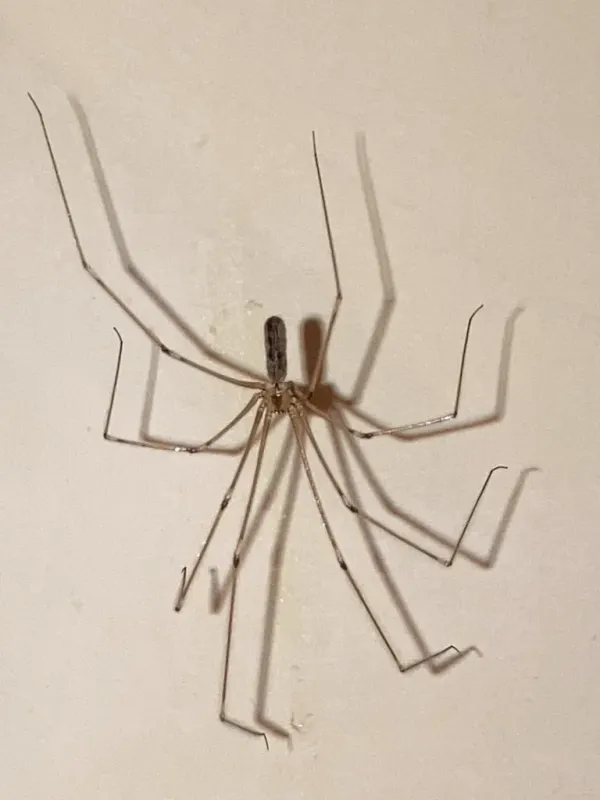
Cellar Spiders Coloration
Common color patterns to help identify cellar spiders
Cellar Spiders
Seasonal Activity
When cellar spiders are most active throughout the year
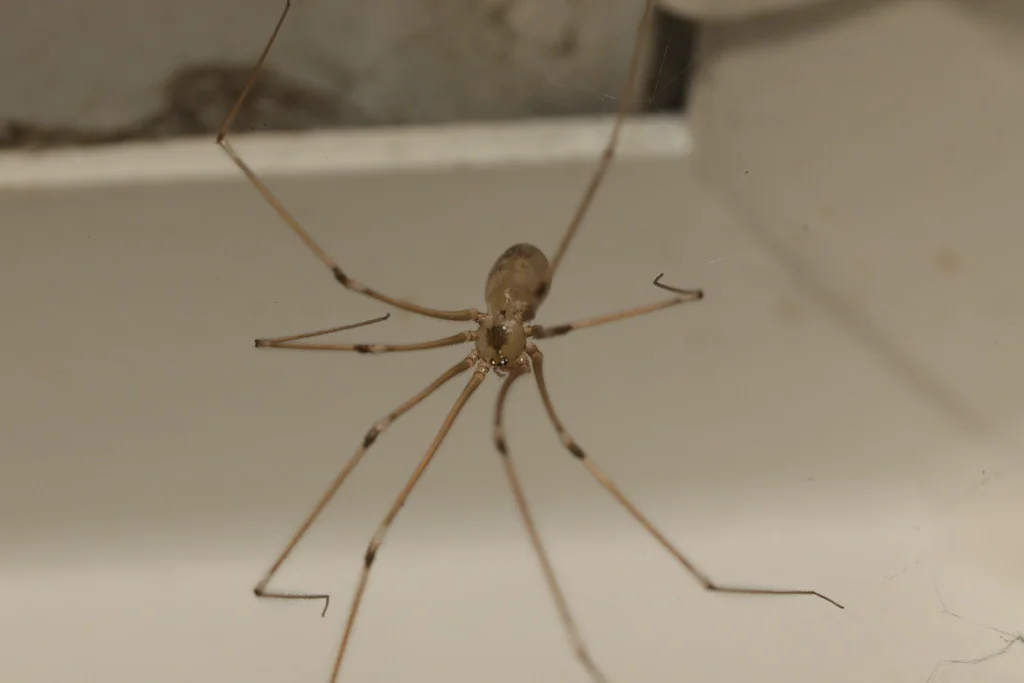
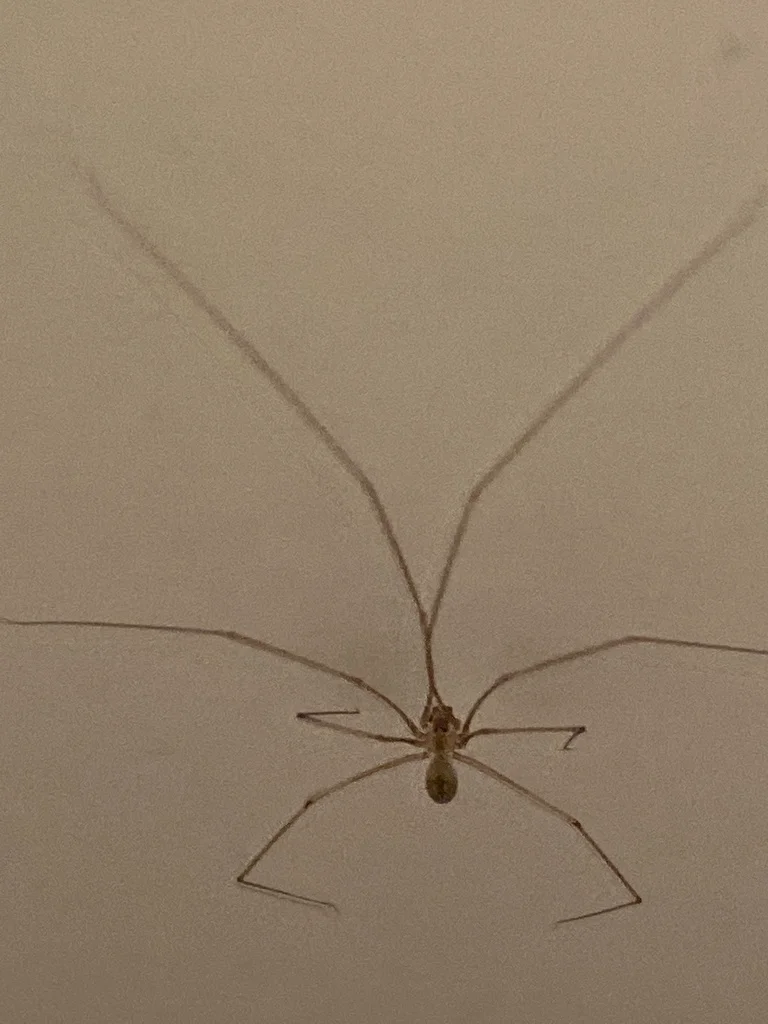
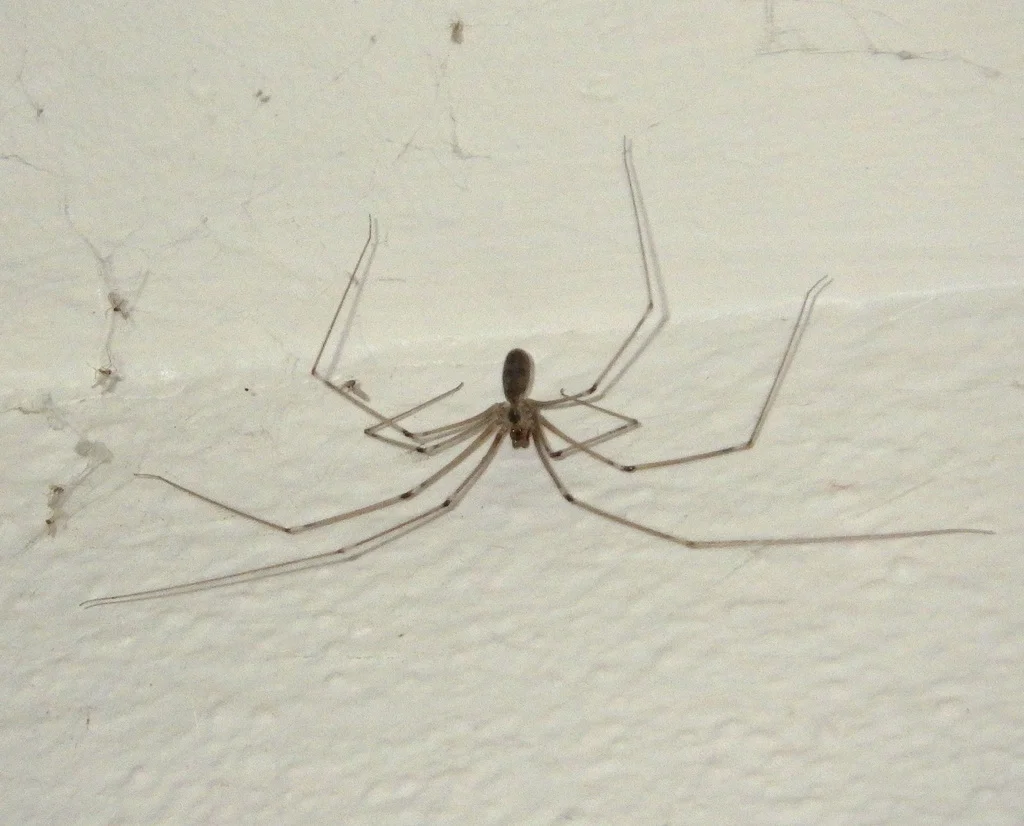

Where Cellar Spiders Are Found
Hover over states to see their names. Green regions indicate where cellar spiders have been reported.
Cellar Spider Identification Guide
Physical Characteristics
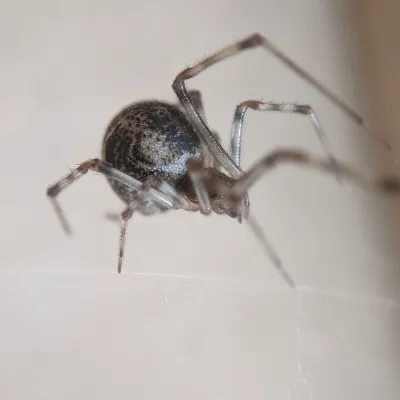
The long-bodied cellar spider (Pholcus phalangioides) is easy to spot because of its very long, thin legs and small body. Adults measure 6-10mm in body length, which is about 0.25 to 0.4 inches. Their legspan can reach 30-70mm or 1.2 to 2.8 inches. This makes them look much larger than they really are.
Their color is pale, typically gray, cream, tan, or light brown. Young spiders often appear see-through. The body has a small head region and a long, tube-shaped abdomen. Some have faint darker markings on their backs.
Key identification features include:
- Very long, thin legs that are 5-6 times the body length
- Small, tube-shaped body that is not rounded like house spiders
- Pale color in gray, cream, or tan, often somewhat see-through
- Eight eyes in a grouped pattern
- Hangs upside down in their messy, tangled webs
Web Characteristics
Cellar spiders build loose, messy, tangled webs often called cobwebs. Unlike garden spiders, they do not make neat circular webs. You can usually find their webs in:
- Upper corners of rooms, especially ceilings
- Basement ceilings and floor joists
- Crawl spaces and cellars
- Garage corners and eaves
- Behind water heaters and in utility areas
- Window corners and door frames
These webs often look messy and collect dust over time. Female cellar spiders carry their egg sacs in their mouths rather than attaching them to the web. This behavior is unusual among spiders.
Common Species in North America
The family Pholcidae includes several species commonly found in homes:
- Long-bodied Cellar Spider (Pholcus phalangioides) is the most common species. It is found in buildings across North America.
- Short-bodied Cellar Spider (Spermophora senoculata) is smaller with a more rounded body.
- Marbled Cellar Spider (Holocnemus pluchei) is found mainly in western states.
Cellar Spider Behavior and Biology
Habitat Preferences
Cellar spiders have adapted to live close to humans. The long-bodied cellar spider (Pholcus phalangioides) came from warm regions. It has spread worldwide and now thrives in the stable conditions found in buildings.
They prefer dark, quiet, sheltered spots with some humidity:
- Basements and cellars, which is how they got their name
- Crawl spaces
- Garages and sheds
- Warehouses and storage buildings
- Bathrooms and laundry areas
- Underneath furniture
Unlike many spiders that enter homes only at certain times of year, cellar spiders often live their entire lives indoors. They can maintain stable populations year-round in heated buildings.
Diet and Feeding Habits
Cellar spiders eat whatever gets caught in their webs:
- Mosquitoes, moths, flies, and gnats
- Other spiders, which they actively hunt
- Small bugs of any kind that get trapped
- Other cellar spiders when food is scarce A related species, Crab Spiders, shares similar characteristics.
Cellar spiders will also invade the webs of other spiders to prey on them. This spider-eating behavior can reduce populations of other spiders in your home. Learn more in our cellar spider vs. daddy long legs guide.
Reproduction and Lifecycle
Female cellar spiders show interesting mothering behavior:
- Females produce egg sacs with 13-60 eggs each
- The mother carries the egg sac in her mouth until the eggs hatch
- Females can produce up to 3 egg sacs in their lifetime
- Baby spiders often stay near the mother for a short time after hatching
Young spiders go through several molts before becoming adults, which takes about one year. Adult cellar spiders can live up to 2 years indoors, longer than most household spiders.
Defensive Behavior
When disturbed, cellar spiders shake rapidly in their webs. This defense behavior:
- Makes the spider look like a blur, confusing predators
- Helps the spider tell if something in the web is food or a threat
- Can make the spider seem to disappear through motion blur
This shaking, along with their delicate look, often startles homeowners. However, it is completely harmless.
Seasonal Activity
Because cellar spiders live mainly indoors, their activity is different from outdoor spiders:
- In heated buildings, they have medium to high activity all year
- In unheated buildings or outdoors, they are most active May through September and less active in winter
- Reproduction happens year-round indoors when conditions are right
In the Mid-Atlantic region and similar climates, indoor populations stay active through winter in basements and heated areas.
How We Treat for Cellar Spiders
Cellar spiders need a targeted approach that addresses both the spiders and the conditions that attract them. Their webs can become unsightly, and populations can grow large when conditions are right.
Our Treatment Process
Step 1: Comprehensive Inspection
We begin by identifying areas of high cellar spider activity and the factors attracting them:
- Checking where webs are found, such as corners, ceilings, and basements
- Checking moisture levels and sources of humidity
- Finding what insects are present that spiders eat
- Finding entry points and hiding spots
- Looking at exterior lighting that attracts insects
Step 2: Exterior Barrier Treatment
We apply a non-repellent spray to exterior areas where spiders may enter or build webs:
- Window frames and doorways
- Foundation perimeter
- Eaves and soffits
- Utility penetrations
- Areas where webs are commonly found
Non-repellent products work best because spiders walk through treated areas without detecting them. This leads to better contact and control.
Step 3: Interior Treatment
For cellar spiders, interior treatment focuses on:
- Spot treatments in high-activity corners and web locations
- Dusting in hidden void areas, which works very well for cellar spiders
- Treatment around entry points and utility penetrations
- Basements, crawl spaces, and other preferred habitats
Step 4: Web and Egg Sac Removal
We remove spider webs around eaves and exterior areas up to about 6-8 feet high. Regular web removal:
- Directly eliminates spiders and egg sacs
- Discourages rebuilding in the same locations
- Reduces visual nuisance of accumulated webbing
Step 5: Ongoing Maintenance
Our tri-annual service plan, which is three times per year, provides continued protection:
- Reapplication of exterior barrier treatments
- De-webbing as needed
- Monitoring of spider activity levels
- Addressing new concerns as they arise
Customer Guidance
For best results, we recommend these complementary measures:
- Reduce humidity by using dehumidifiers in basements and crawl spaces. Fix leaks promptly.
- Vacuum webs regularly to directly remove spiders and egg sacs. Dispose of vacuum contents outside.
- Reduce exterior lighting or use yellow “bug lights” that attract fewer insects.
- Close blinds at night to prevent interior lights from attracting insects to windows.
- Seal entry points by caulking gaps around windows, doors, and pipes.
- Reduce clutter to eliminate undisturbed corners where webs build up.
Why Regular Service Matters
Without regular treatment:
- Populations can grow quickly when conditions are good
- Dusty, built-up webs become unsightly
- Prey insect populations that attract spiders are not controlled
- Egg sacs may hatch weeks after initial treatment
Our tri-annual service maintains the protective barrier and controls prey insects that attract spiders. It also includes regular de-webbing to keep your home spider-free.
Tested Treatment Strategies
We use EPA-approved products that effectively control spiders. These are products we feel comfortable using in our own homes. We focus on targeted applications instead of broad surface spraying, which does not work well for spider control.
References
- Penn State Extension. Longbodied Cellar Spider. https://extension.psu.edu/longbodied-cellar-spider
- National Pest Management Association. Long-bodied Cellar Spiders. https://www.pestworld.org/pest-guide/spiders/long-bodied-cellar-spiders/
- UC Agriculture and Natural Resources. Spider Management Guidelines. https://ucanr.edu/pest-notes/spiders
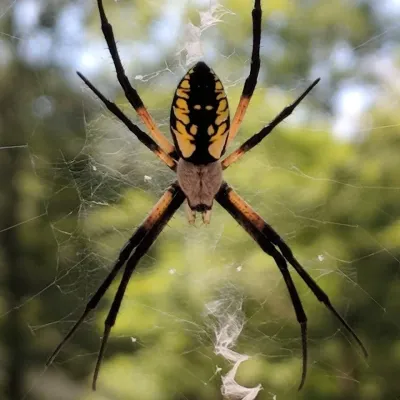
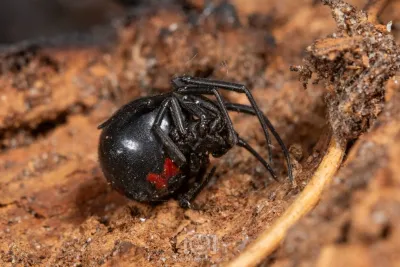
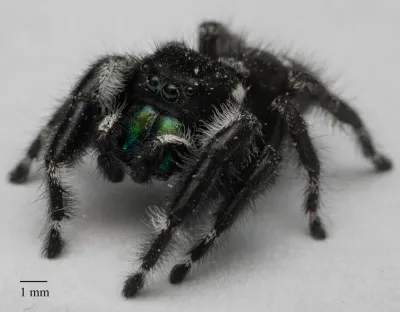
Other Spiders
Explore other species in the spiders family
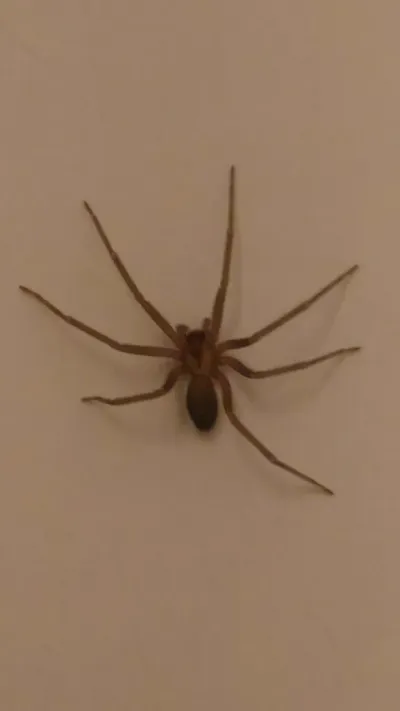
Commonly Confused With
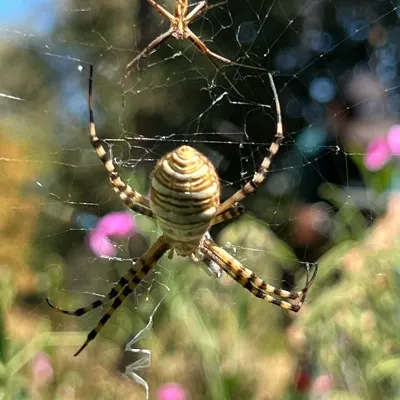
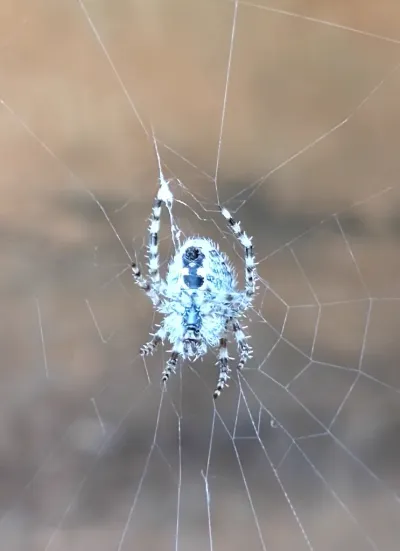
Cellar Spiders are often mistaken for these similar pests
Where Cellar Spiders Are Found
Hover over states to see their names. Green regions indicate where cellar spiders have been reported.
Common Questions about Cellar Spiders
Are cellar spiders the most venomous spider?
+
No, this is a myth. Cellar spiders do have venom to catch their prey, but it is not harmful to humans. The story that they are super venomous but cannot bite is false. Their fangs can pierce skin, but bites almost never happen. If they do, the effects are very minor.
Are cellar spiders and daddy longlegs the same thing?
+
The term daddy longlegs can mean three different things: cellar spiders, harvestmen (which are not true spiders), and crane flies (flying insects). Cellar spiders are true spiders that build webs. Harvestmen have one body part and do not make silk.
Why do cellar spiders vibrate in their webs?
+
When scared, cellar spiders shake fast in their webs. This makes them look blurry and harder for predators to catch. It may also help them figure out if something in the web is food or danger.
Do cellar spiders eat other spiders?
+
Yes, cellar spiders hunt other spiders, including some dangerous ones. They will go into other spiders' webs to catch and eat them. However, their webs can still be a problem, and many homeowners want professional treatment to control them.
How do I get rid of cellar spiders?
+
The best approach uses several methods together. Vacuum webs often, lower humidity, reduce insects they eat, seal entry points, and get professional perimeter treatments. Vacuuming removes spiders and egg sacs directly. Pro treatments focus on exterior barriers and dusting in hidden areas.
Why are there so many cellar spiders in my basement?
+
Cellar spiders like dark, damp, quiet areas with lots of insects to eat. Basements are perfect because they have steady moisture, protected corners for webs, and many bugs drawn to the dampness. Lowering humidity and removing insects will help reduce spider numbers.
Do cellar spiders bite?
+
Cellar spider bites are very rare. These spiders are not aggressive. They will run away or shake in their web when bothered instead of biting. If a bite does happen, it causes only minor, brief irritation like a mosquito bite.
How long do cellar spiders live?
+
Cellar spiders can live up to 2 years indoors. Females may make several egg sacs in their lifetime, each with 13 to 60 eggs. The baby spiders take about one year to become adults, going through several molts along the way.

With five years of hands-on experience in the pest control industry, George Schulz is a registered technician with the Virginia Pest Management Association and a proud third-generation professional in a family business that's been protecting homes for over 57 years. He manages and trains a team of service pros while also leading internal research efforts—recently spearheading a deep-dive review of thousands of documents on pest control materials to hand-pick the most kid and pet friendly, most effective solutions tailored specifically for homes in the DC metro area.