Brown Widow Spiders Identification Guide
Latrodectus geometricus
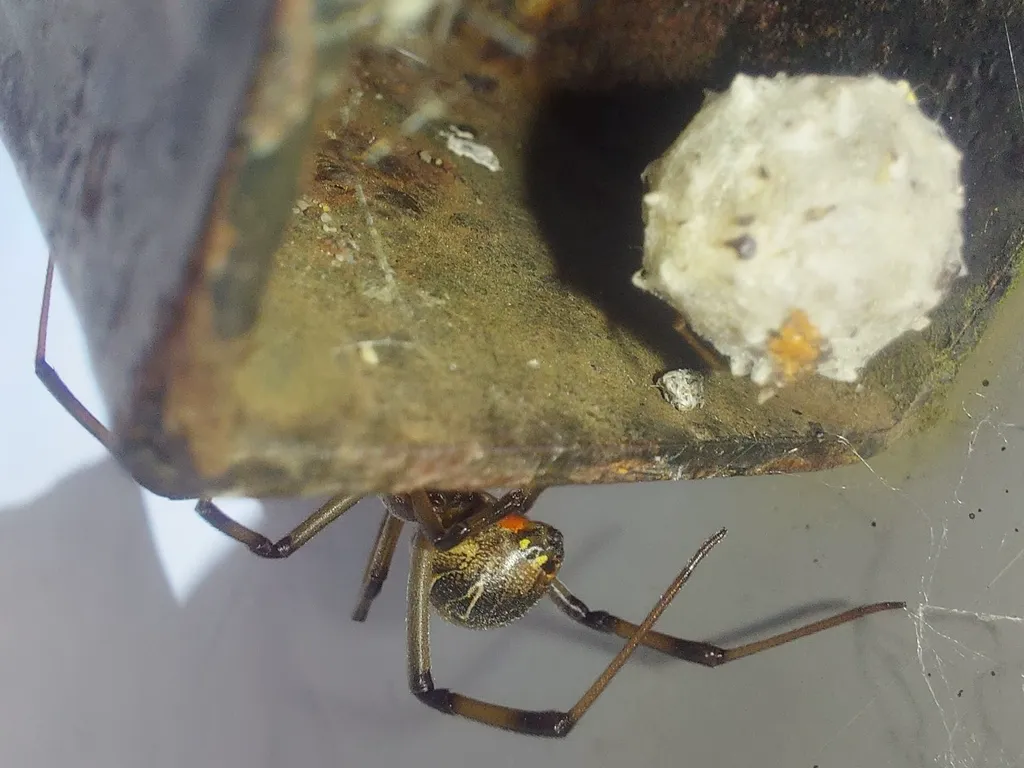
An invasive relative of the black widow, the brown widow spider is recognizable by its tan-to-brown coloring, orange hourglass marking, and distinctive spiky egg sacs. While venomous, brown widows are generally considered less dangerous than black widows and are increasingly common around homes in the southern United States.
Taxonomy
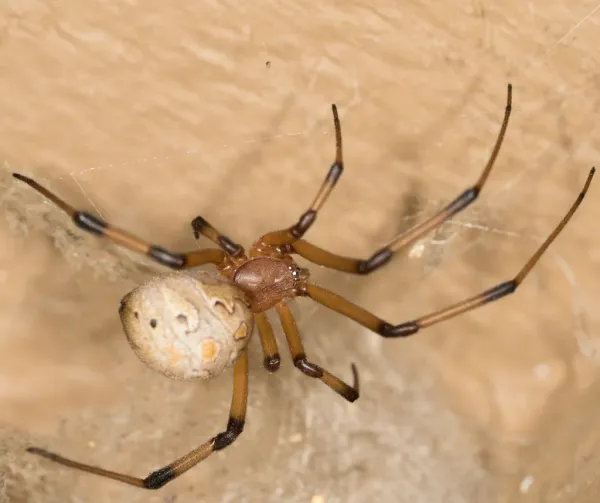
Brown Widow Spiders Coloration
Common color patterns to help identify brown widow spiders
Brown Widow Spiders
Seasonal Activity
When brown widow spiders are most active throughout the year
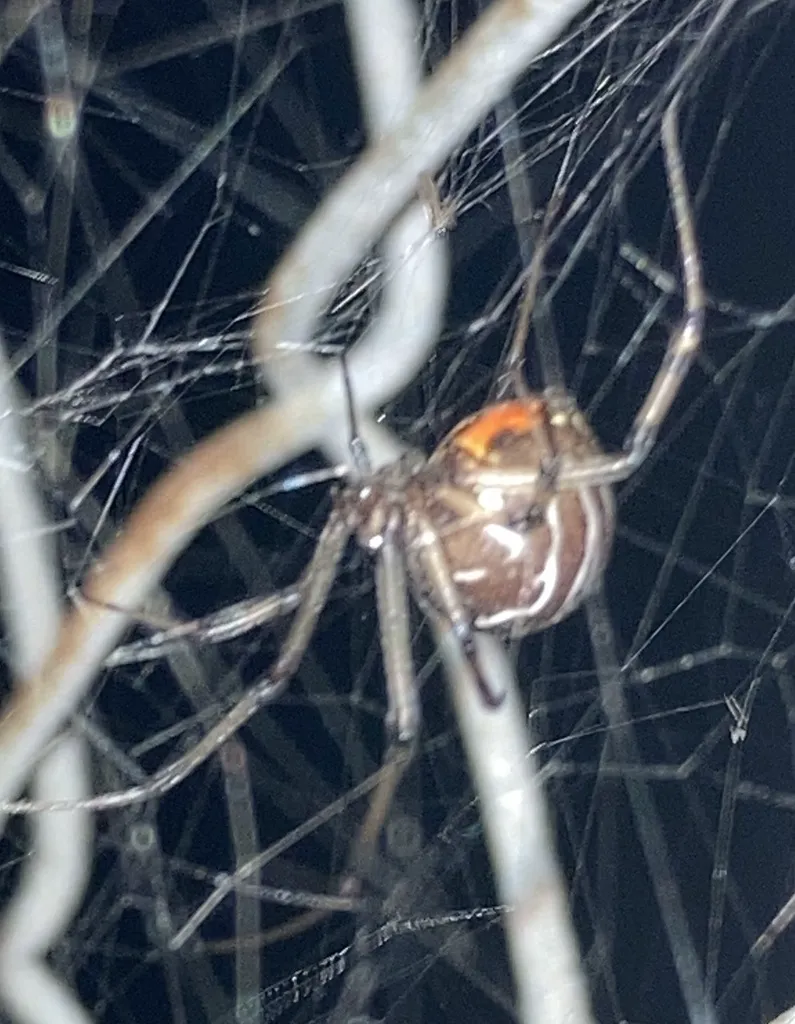
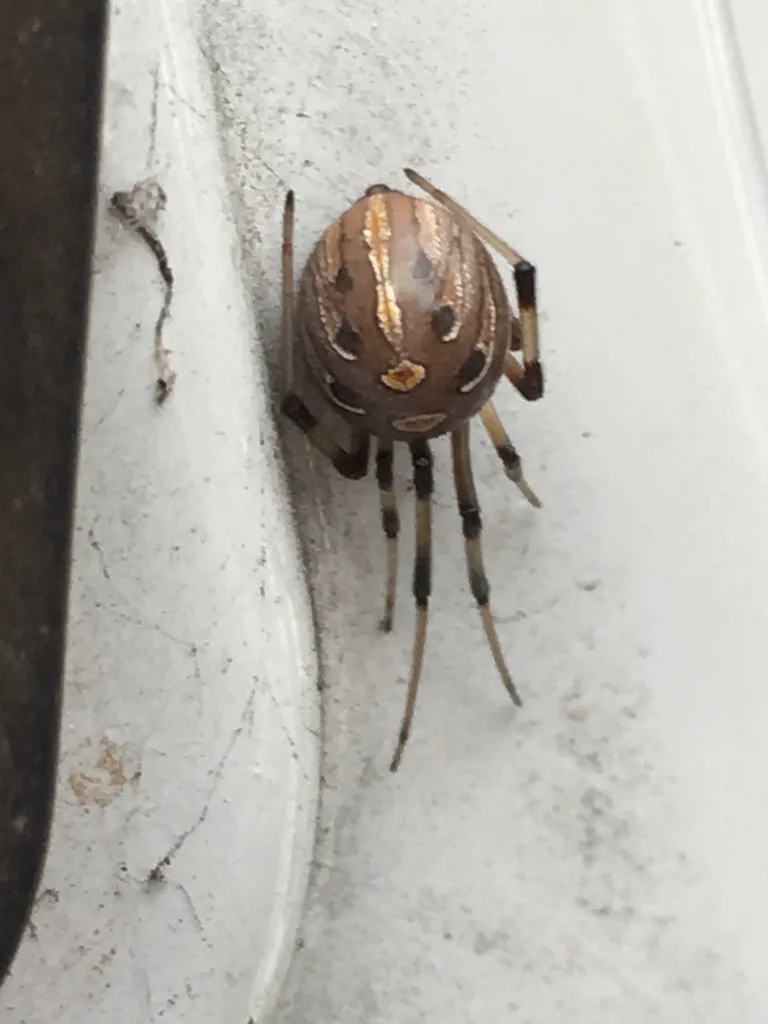
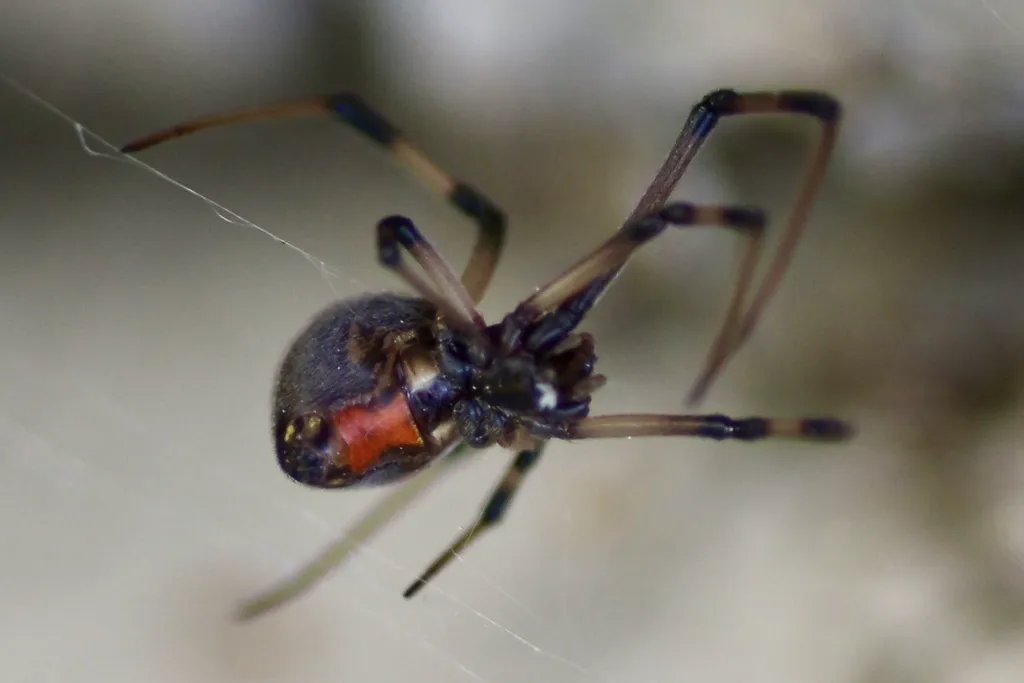

Where Brown Widow Spiders Are Found
Hover over states to see their names. Green regions indicate where brown widow spiders have been reported.
Brown Widow Spider Identification Guide
Physical Characteristics
Brown widow spiders (Latrodectus geometricus) are close relatives of the black widow. They look quite different, though. Adult females are about 12 to 16 mm long, or roughly half an inch. Males are much smaller at 6 to 8 mm. A female’s legspan can reach 2 to 2.7 inches.
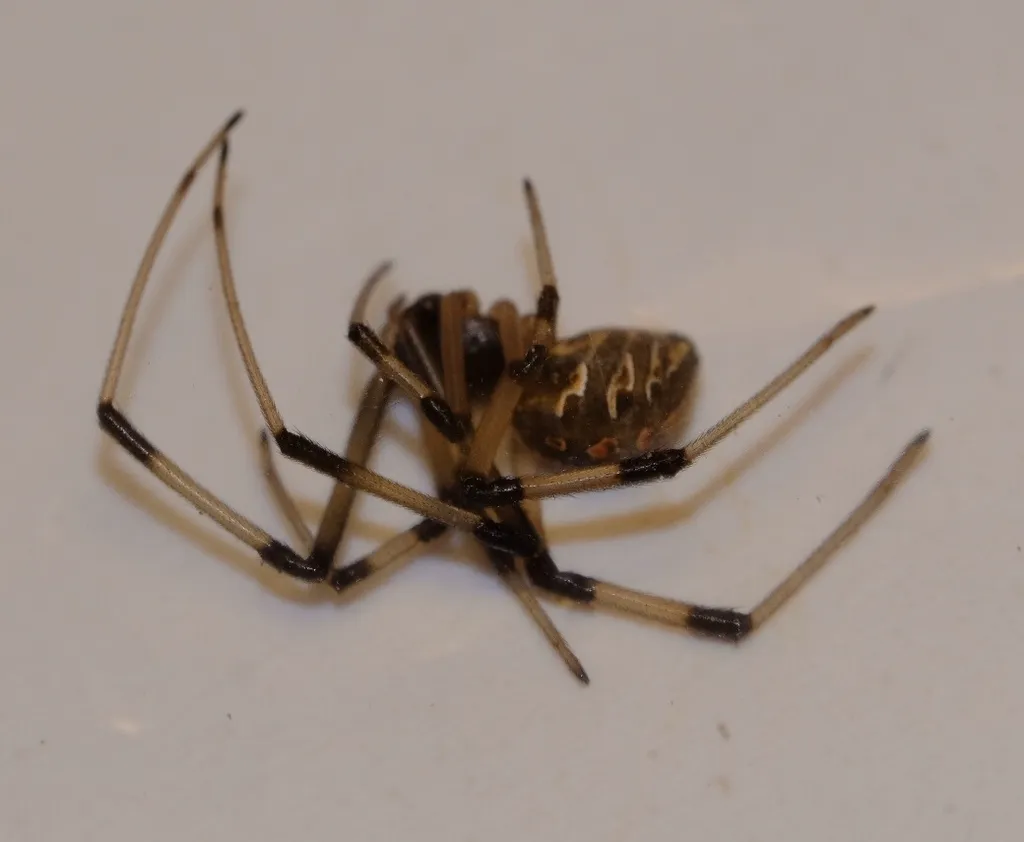
The biggest difference from black widows is color. Black widows are shiny jet-black. Brown widows range from light tan to medium brown or even dark brown. Their abdomen shows white or cream markings along the sides and back. The legs have clear banding where light and dark segments take turns.
On the belly, you will find an hourglass-shaped marking. A black widow’s hourglass is bright red. A brown widow’s hourglass is orange to yellow-orange. The edges tend to be rougher and less crisp. The lower half is usually bigger than the top.
The best way to confirm a brown widow is by its egg sac. Black widow egg sacs are smooth, white, and pear-shaped. Brown widow egg sacs are totally different. They are tan or cream-colored balls covered in pointed silk spikes. These spikes make the egg sac look like a sandbur or pollen grain. No other common spider in North America makes egg sacs like this.
Common Species
Brown Widow (Latrodectus geometricus) is the only species commonly called the brown widow. It likely originated in Africa or South America, though its exact origin is debated. It has spread to warm regions worldwide. In North America, brown widows are most common in Florida, southern California, Texas, Louisiana, and along the Gulf Coast. Their range is slowly expanding northward.
Brown Widow Spider Behavior and Biology
Brown widows live closely with people. They build messy, tangled cobwebs in sheltered spots around homes. Common web spots include:
- Under patio furniture
- Inside mailboxes
- Around window frames and beneath eaves
- Inside plant pots and storage boxes
- Around grills and garden tools
They nest closer to where people spend time than black widows do. Black widows usually pick more hidden spots like woodpiles and crawl spaces.
Brown widows are sit-and-wait hunters. They hang upside down in their webs and wait for bugs to get stuck. They eat mostly small flying and crawling insects. When startled, they often drop from the web and curl their legs to “play dead.” They will bite if pressed against skin, though.
Females lay a lot of eggs. Each spiky egg sac holds about 120 to 150 eggs. A single female can make several sacs at the same time. Eggs hatch in about 14 to 21 days. Baby spiders travel by “ballooning.” They release silk threads that catch the wind and carry them to new spots. Brown widows also spread when people move things like shipping boxes, outdoor furniture, and potted plants.
In warm places like Florida and southern California, brown widows stay active all year. In areas with colder winters, they are most active from May through September. During cooler months, they may shelter in garages, sheds, and storage areas.
Studies from the University of California, Riverside show that brown widows may be pushing out black widows in some cities. This is especially true in southern California. Brown widows breed faster and can live in a wider range of spots around buildings.
How We Treat for Brown Widow Spiders
Brown widow control uses the same proven approach we take with all spider species. We combine targeted treatment, habitat changes, and regular monitoring to keep populations low.
-
Thorough Inspection: We start with a close look at your property. We check under outdoor furniture, in storage areas, around window frames, in garages, and along the eaves and foundation. We look for active webs, egg sacs, and anything that may be drawing spiders in.
-
Targeted Exterior Treatment: We spray a non-repellent product on the outside of your home where spiders are most active. This covers areas around windows, doorways, corners, and other hiding spots. We use non-repellent products because spiders do not clean themselves like insects do. They have to walk across the treated area for it to work.
-
Web and Egg Sac Removal: At each visit, we knock down webs and remove egg sacs we can reach from the eaves, front porch, and other areas. Each brown widow egg sac can hold over 100 eggs, so removing them is one of the fastest ways to cut the population.
-
Habitat Changes: We share tips to make your home less appealing to brown widows. Clear clutter in garages and storage areas. Move stored items away from the foundation. Point exterior lights away from walls to reduce the bugs that attract spiders. Seal gaps around doors and windows.
-
Ongoing Triannual Protection: Our plans include three service visits per year. We maintain the exterior barrier and keep up with de-webbing and inspections. Brown widows can come back from nearby areas, so regular service is the key to long-term results. If you spot spiders between visits, we provide free callbacks.
Medical Considerations
Disclaimer: The information below is for educational purposes only and is not medical advice. If you are bitten by a brown widow spider or notice any worrying symptoms, see a doctor right away.
Brown widow venom has toxins like those found in black widows. However, brown widow bites tend to be less severe. Their venom glands are smaller, so they inject less venom per bite. Most bites cause pain, redness, and swelling. These symptoms usually fade within a few days.
In some cases, stronger reactions can happen:
- Pain that spreads from the bite area
- Muscle cramps near the bite
- Nausea and discomfort
- Sweating around the bite
Most bites happen when the spider gets pressed against the skin by accident. This often happens when you reach into a storage area, put on shoes or gloves left sitting out, or move outdoor furniture. Brown widows are not aggressive. They would rather run or play dead than bite.
If your symptoms go beyond mild redness and swelling, see a doctor. You can also call Poison Control (1-800-222-1222) for help with any spider bite.
References and Further Reading
- Widow Spiders and Their Relatives, University of California. Identification guide covering brown widows, with detailed egg sac comparisons and control tips.
- How to Identify Brown Widow Spiders, UCR Center for Invasive Species Research. Photo guide showing the spiky egg sac and key visual differences from black widows.
- Brown, Necaise & Goddard (2008), Journal of Medical Entomology. Research documenting the range expansion of brown widows across the southeastern United States.
- Brown Widow Envenomation Case Report, PubMed Central. Clinical case study of a brown widow bite and its treatment.
- Latrodectus geometricus, BugGuide. Photos, range maps, and observation data from entomologists.
- National Poison Control Center. Call 1-800-222-1222 for poison emergency guidance.
Other Spiders
Explore other species in the spiders family
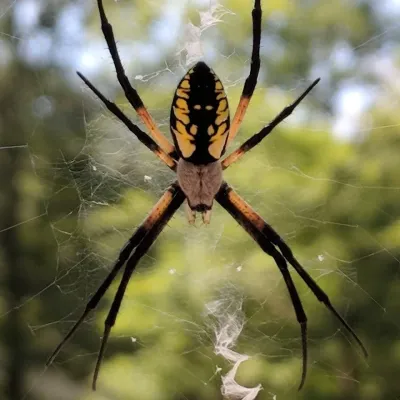
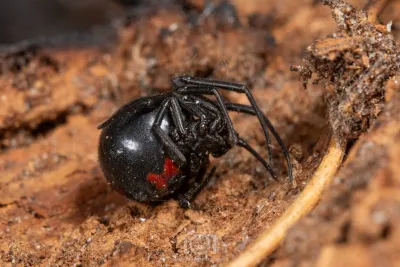
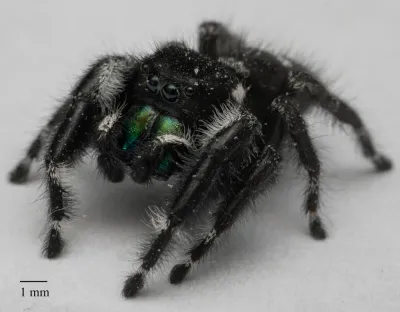
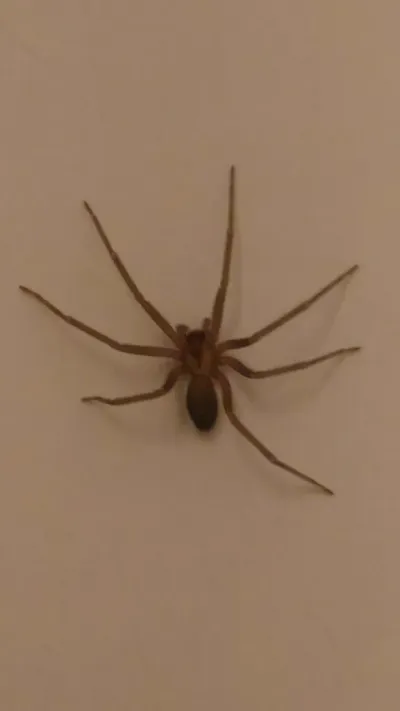
Commonly Confused With
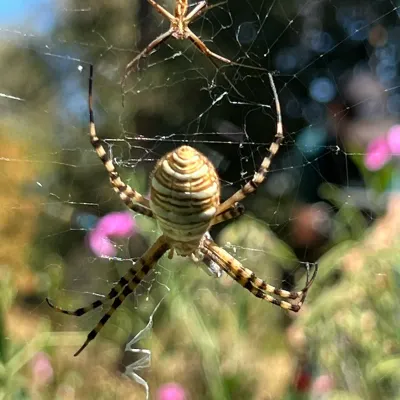
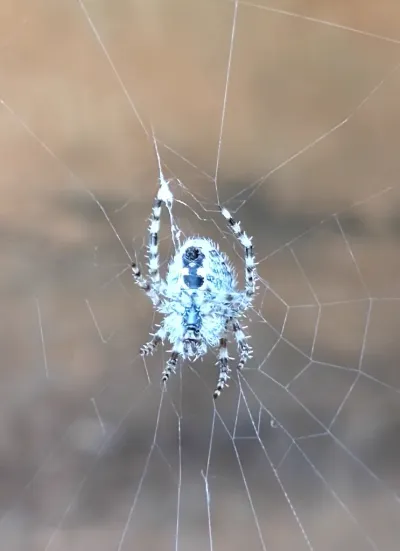
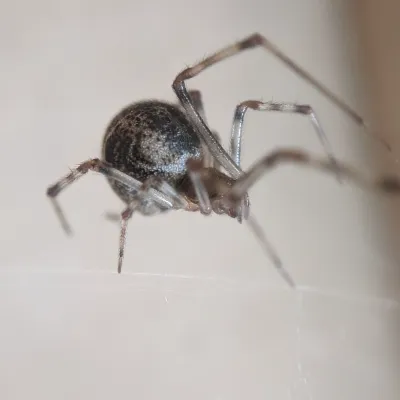
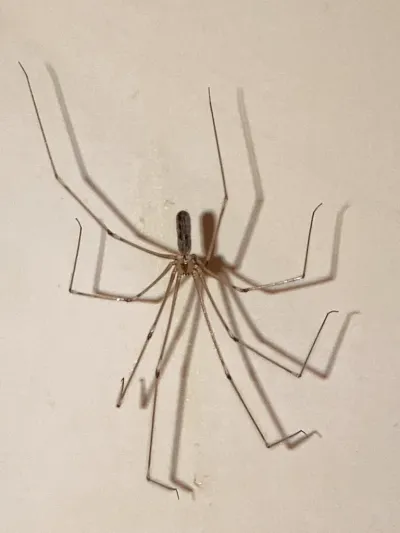
Brown Widow Spiders are often mistaken for these similar pests
Where Brown Widow Spiders Are Found
Hover over states to see their names. Green regions indicate where brown widow spiders have been reported.
Common Questions about Brown Widow Spiders
How do I identify a brown widow spider?
+
Brown widows are tan to dark brown with an orange or yellowish hourglass marking on the underside of their abdomen. Their legs have distinct dark banding, and their abdomen often shows geometric white or cream-colored markings. The most reliable identifier is their egg sac, which is tan and covered with pointed, spiky protuberances that resemble a sandbur or medieval mace.
Are brown widow spiders dangerous?
+
Brown widows are venomous, but their bites are generally considered less medically significant than those of black widows. Most bites cause localized pain, redness, and swelling that resolves within a few days. However, more severe reactions including muscle pain and nausea can occur. If you experience symptoms beyond mild local irritation after a spider bite, seek medical attention.
Where do brown widows build their webs?
+
Brown widows prefer sheltered, undisturbed areas around human structures. Common locations include under patio furniture, inside mailboxes, in garage corners, around window frames, beneath eaves, inside plant pots, in storage boxes, and around outdoor equipment. They tend to build their irregular cobwebs closer to human activity areas compared to black widows.
What is the difference between a brown widow and a black widow?
+
Brown widows are lighter in color (tan to brown versus glossy black), have an orange or yellow hourglass instead of a bright red one, and display banded legs and geometric dorsal markings. The most reliable difference is the egg sac: brown widows produce spiky, tufted egg sacs while black widows produce smooth, white to cream-colored egg sacs.
Are brown widows displacing black widows?
+
Research from the University of California, Riverside suggests that brown widows may be displacing black widows in some urban areas of southern California and other regions. Brown widows tend to be more prolific breeders, tolerate a wider range of habitats, and outcompete black widows in human-made structures. However, black widows remain well established in many natural and semi-natural habitats.
How can I prevent brown widows around my home?
+
Reduce clutter around the exterior of your home, especially in garages, sheds, and storage areas. Regularly check and clean under outdoor furniture, plant pots, and equipment. Seal cracks and gaps around doors, windows, and foundations. Direct exterior lighting away from the home to reduce the insects that attract spiders. Wear gloves when reaching into storage areas, mailboxes, or other dark spaces.
What should I do if I find brown widow egg sacs?
+
Brown widow egg sacs are easily identified by their spiky appearance. Removing egg sacs is one of the most effective ways to control populations. Wear gloves and use a tool to carefully remove and dispose of the sacs in a sealed container. Each sac can contain around 130 eggs, so removing them before they hatch significantly reduces spider numbers.
Where are brown widows found in the United States?
+
Brown widows are well established in the southern United States, particularly in Florida, southern California, Texas, Louisiana, Mississippi, Georgia, Alabama, and South Carolina. Their range has been expanding northward, with increasing reports in states like North Carolina, Tennessee, and Virginia. They thrive in warm, urban environments and are commonly found around buildings.

With five years of hands-on experience in the pest control industry, George Schulz is a registered technician with the Virginia Pest Management Association and a proud third-generation professional in a family business that's been protecting homes for over 57 years. He manages and trains a team of service pros while also leading internal research efforts—recently spearheading a deep-dive review of thousands of documents on pest control materials to hand-pick the most kid and pet friendly, most effective solutions tailored specifically for homes in the DC metro area.