Bristletails Identification Guide
Archaeognatha
Bristletails are wingless insects with long bodies, three tail threads, and a humpbacked shape. These outdoor insects sometimes wander indoors but do not harm homes or people.
Taxonomy
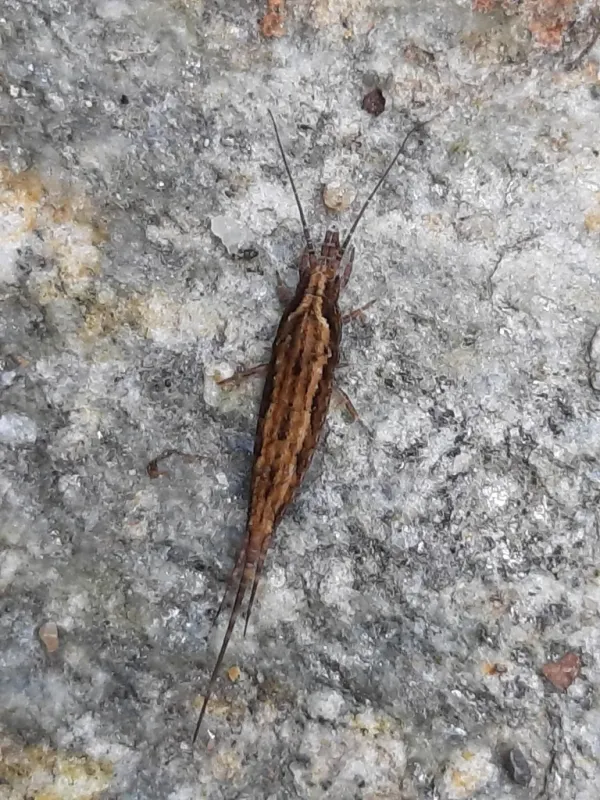
Bristletails Coloration
Common color patterns to help identify bristletails
Bristletails
Seasonal Activity
When bristletails are most active throughout the year
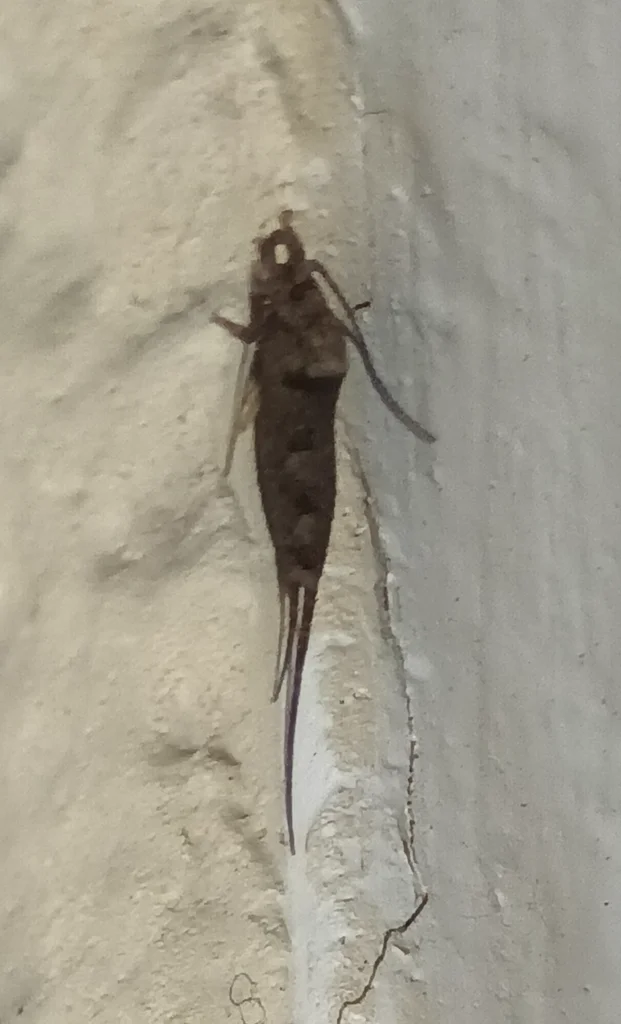
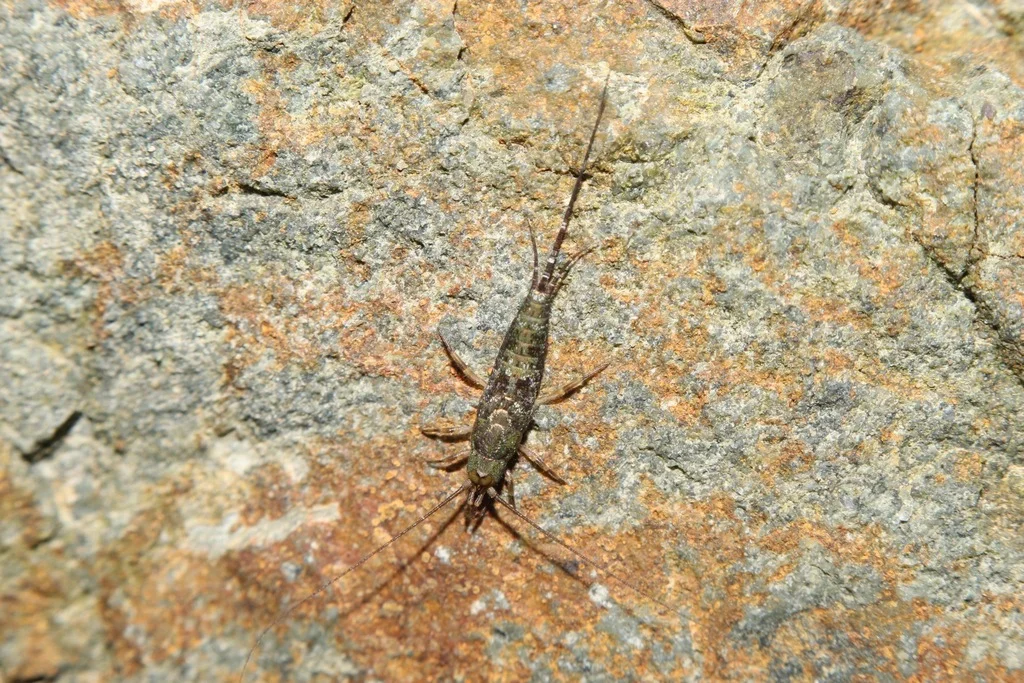
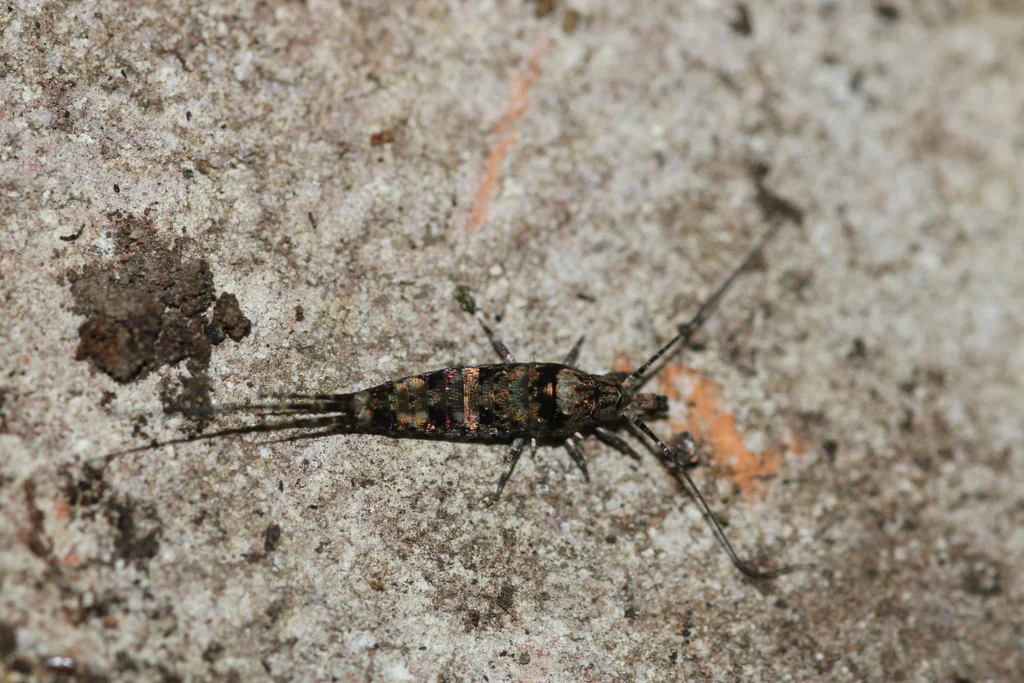

Where Bristletails Are Found
Hover over states to see their names. Green regions indicate where bristletails have been reported.
Bristletail Identification Guide
Physical Characteristics
Bristletails are wingless insects that grow from 5 to 20 mm (about 0.2 to 0.8 inches) long. You can spot them by their arched, humpbacked body shape. This sets them apart from silverfish, which have flatter bodies.
These insects have long, tube-shaped bodies covered in tiny scales. Their color ranges from brown to tan to gray. Some have a golden or bronze tint. Like silverfish, bristletails have three tail-like threads at their rear end. They also have long antennae on their heads.
Bristletail eyes are large and meet at the top of the head. Silverfish eyes are smaller and sit apart. When startled, bristletails can jump by flexing their abdomen. This is why people call them “jumping bristletails.”
Common Species
Several bristletail species live throughout North America:
- Machilis variabilis: Common in rocky areas across the eastern United States
- Petrobius maritimus: The maritime bristletail, found along coastal areas
- Trigoniophthalmus alternatus: The cave bristletail, found in sheltered rocky spots
- Petridiobius arcticus: Found in northern regions and higher elevations
Bristletail Behavior and Biology
Bristletails are outdoor insects that do well in rocky, damp places. You can find them under bark, stones, leaf litter, and in rock cracks where moisture is higher. Unlike silverfish, which live indoors, bristletails prefer to stay outside. They only wander into homes once in a while.
Diet and Feeding Habits
Bristletails feed on algae, lichens, mosses, fungal spores, and decaying plant material. Their diet consists entirely of organic matter found outdoors. This is why they do not damage paper, books, fabrics, or stored foods like their silverfish relatives. Learn more about the silverfish diet to understand what those pests feed on.
Reproduction and Lifecycle
Bristletails have a unique way of reproducing. Males leave sperm packets that females pick up. Females then lay eggs in small batches in hidden cracks. Like silverfish, bristletails keep molting their whole lives. They can live two to three years.
Their growth depends on temperature. They are more active during warmer months. In cooler areas, bristletails go dormant in winter and become active again in spring.
Nocturnal Behavior
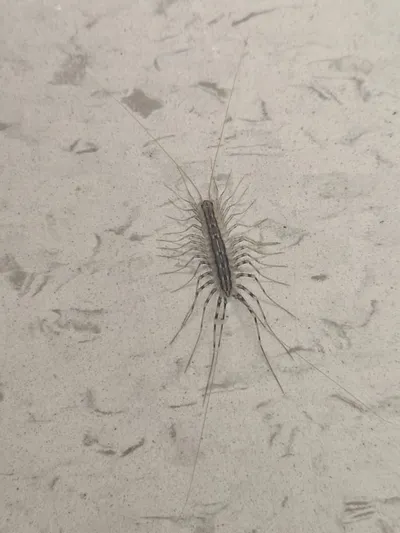
Bristletails are active at night and hide in dark, damp spots during the day. After dark, they come out to eat algae and lichens on rocks and tree bark. Their jumping skill helps them escape predators like spiders and centipedes. If you are trying to tell these insects apart from centipedes, our guide on silverfish vs. centipedes can help.
Treatment Methods for Bristletails
Bristletails are outdoor insects that rarely set up populations inside homes. When they appear indoors, they are usually accidental invaders. Since they do not cause property damage or pose health risks, treatment is often not needed.
If bristletails keep entering your home, here are some ways to stop them:
-
Exclusion: Seal gaps around doors, windows, and foundation cracks. Weather stripping and door sweeps work well.
-
Habitat Changes: Cut down on moisture and debris near your foundation. Move mulch, leaf litter, and firewood away from your home. Make sure water drains away from the foundation.
-
Perimeter Treatment: A barrier treatment around the outside foundation can keep bristletails and other pests out. This works best during summer when they are most active.
-
Indoor Treatment: If you find bristletails inside, treating entry points and baseboards can help. But fixing outdoor conditions matters more for lasting results.
Bristletails vs. Silverfish: Key Differences
Bristletails and silverfish look alike because both have three tail threads. But you can tell them apart by these key traits:
| Feature | Bristletails | Silverfish |
|---|---|---|
| Body Shape | Humpbacked, arched | Flat, tapered |
| Movement | Can jump | Runs quickly, cannot jump |
| Color | Brown, tan, golden | Silvery-gray, metallic |
| Eyes | Large, touching | Small, separated |
| Habitat | Outdoors (rocks, bark) | Indoors (humid areas) |
| Diet | Algae, lichens, moss | Paper, starches, glue |
| Property Damage | None | Can damage books, fabrics |
Knowing these differences helps you figure out if you have a bristletail visitor or a silverfish problem that may need treatment. For more information on dealing with silverfish, see our silverfish control guide.
References
- Encyclopedia Britannica. “Bristletail (Archaeognatha).” britannica.com
- U.S. Fish & Wildlife Service. “Jumping Bristletails (Archaeognatha).” fws.gov
- Royal Entomological Society. “Zygentoma Overview.” royensoc.co.uk
- University of California Agriculture and Natural Resources. “Silverfish and Firebrats.” ipm.ucanr.edu
Other Silverfish
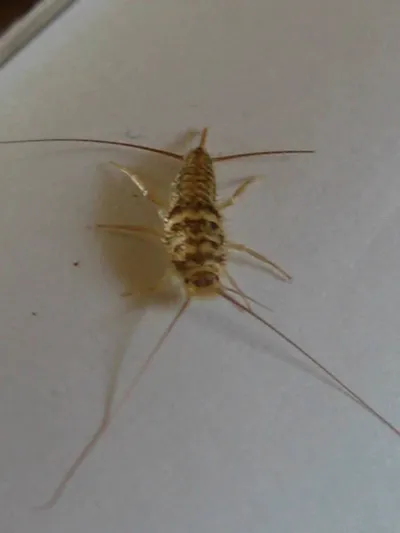
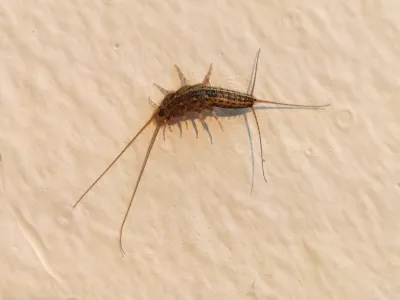
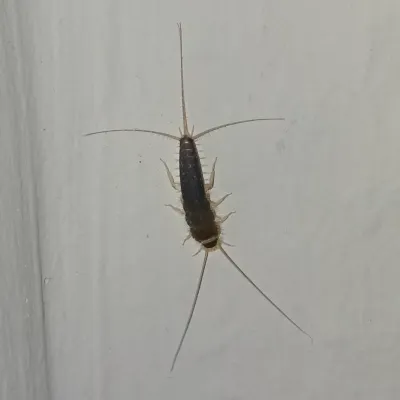
Explore other species in the silverfish family
Commonly Confused With
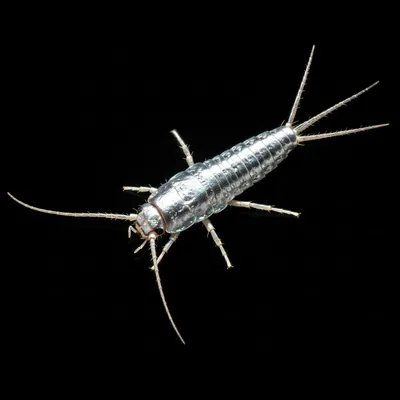
Bristletails are often mistaken for these similar pests
Where Bristletails Are Found
Hover over states to see their names. Green regions indicate where bristletails have been reported.
Common Questions about Bristletails
What are bristletails?
+
Bristletails are primitive wingless insects belonging to the order Archaeognatha. They have elongated bodies, three tail-like appendages at their rear, and a distinctive humpbacked appearance. Unlike their relatives the silverfish, bristletails can jump when disturbed.
Are bristletails harmful?
+
No, bristletails are completely harmless to humans and property. They do not bite, sting, or carry diseases. They also do not damage books, paper, or fabrics like silverfish do. They primarily feed on algae, lichens, and organic debris outdoors.
Why are bristletails in my house?
+
Bristletails are outdoor insects that may wander indoors accidentally, especially during warm months. They often enter through gaps around doors and windows while searching for food or shelter. Their presence is usually temporary and does not indicate an infestation.
How do I tell bristletails apart from silverfish?
+
Bristletails have a humpbacked, arched body shape and can jump when startled. Silverfish have a flatter, more tapered body and run quickly but cannot jump. Bristletails are typically brown or tan, while silverfish are silvery-gray with a metallic sheen.
Do bristletails cause damage to homes?
+
No, bristletails do not damage homes or belongings. Unlike silverfish that feed on starches in paper and fabrics, bristletails eat algae, lichens, mosses, and decaying plant matter found outdoors. They pose no threat to your property.
How do I get rid of bristletails?
+
Bristletails rarely require treatment since they do not infest homes or cause damage. Reducing moisture around your foundation, sealing entry points, and removing leaf litter and debris near your home can discourage them from entering. If you see them frequently indoors, a general perimeter treatment can help.

With five years of hands-on experience in the pest control industry, George Schulz is a registered technician with the Virginia Pest Management Association and a proud third-generation professional in a family business that's been protecting homes for over 57 years. He manages and trains a team of service pros while also leading internal research efforts—recently spearheading a deep-dive review of thousands of documents on pest control materials to hand-pick the most kid and pet friendly, most effective solutions tailored specifically for homes in the DC metro area.