Wood Rats Identification Guide
Neotoma spp.
Wood rats, also known as pack rats or trade rats, are native North American rodents known for building large stick nests and hoarding objects. They differ from common rats by their furry tails, large ears, and gentler temperament.
Taxonomy

Wood Rats Coloration
Common color patterns to help identify wood rats
Wood Rats
Seasonal Activity
When wood rats are most active throughout the year

Where Wood Rats Are Found
Hover over states to see their names. Green regions indicate where wood rats have been reported.
Wood Rat Identification Guide
Physical Characteristics
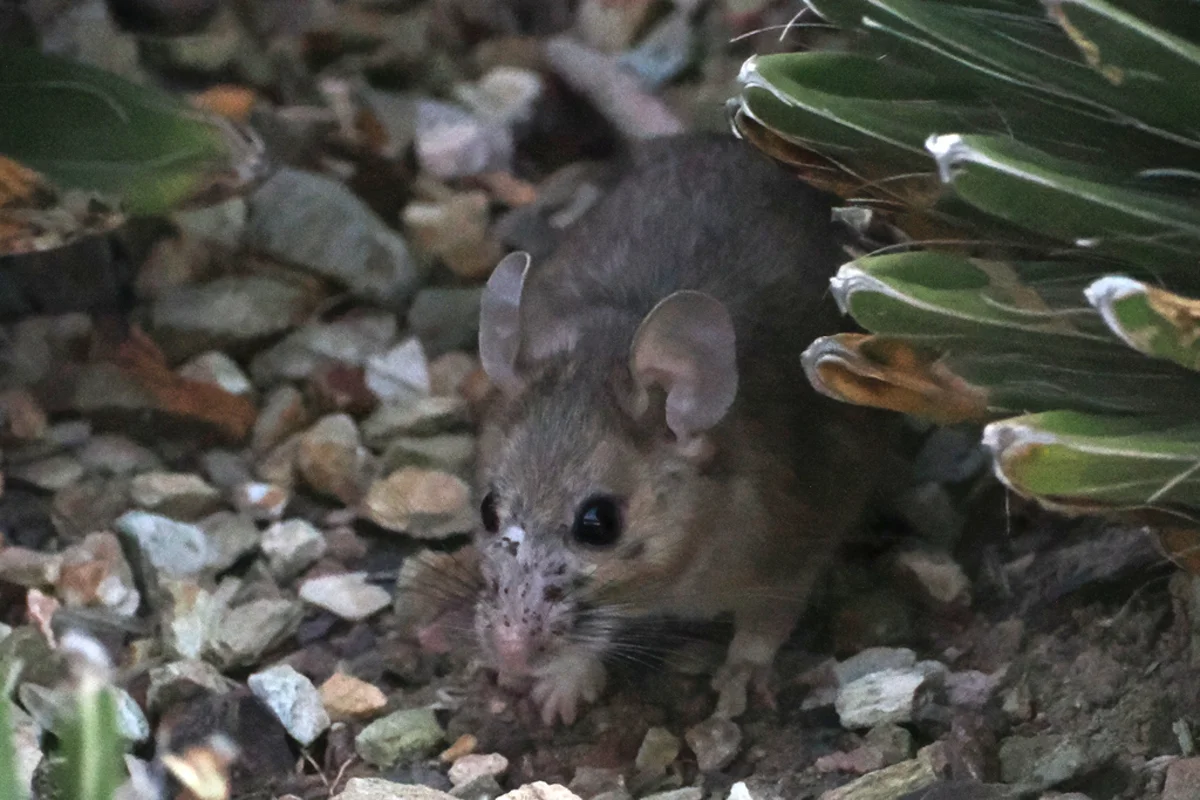
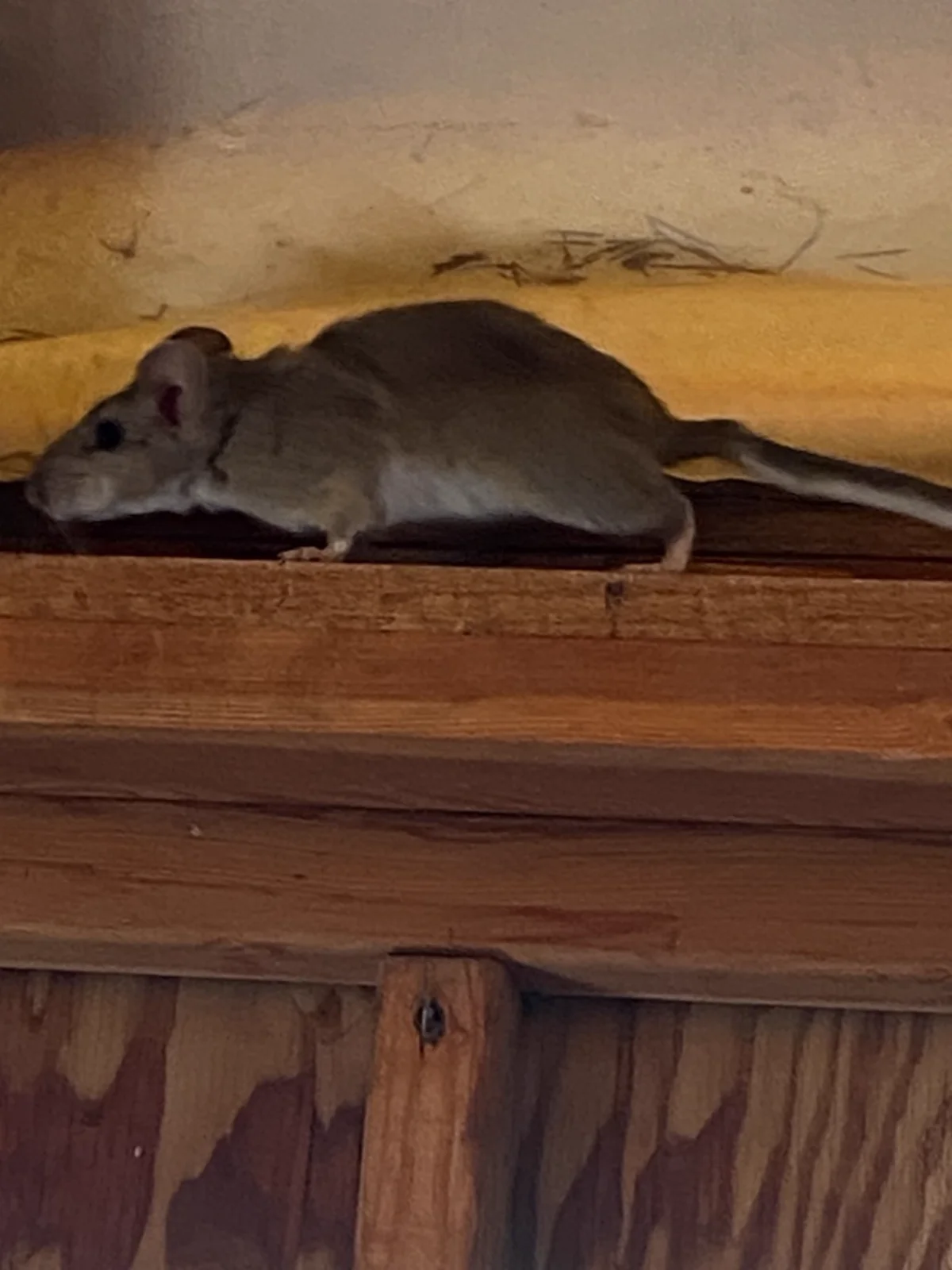
Wood rats belong to the genus Neotoma. They are medium-sized rodents that measure 6 to 8 inches in body length. Their tails are nearly as long as their bodies. The easiest way to tell them apart from Norway rats and roof rats is their tail. Wood rats have furry tails while common rats have scaly tails.
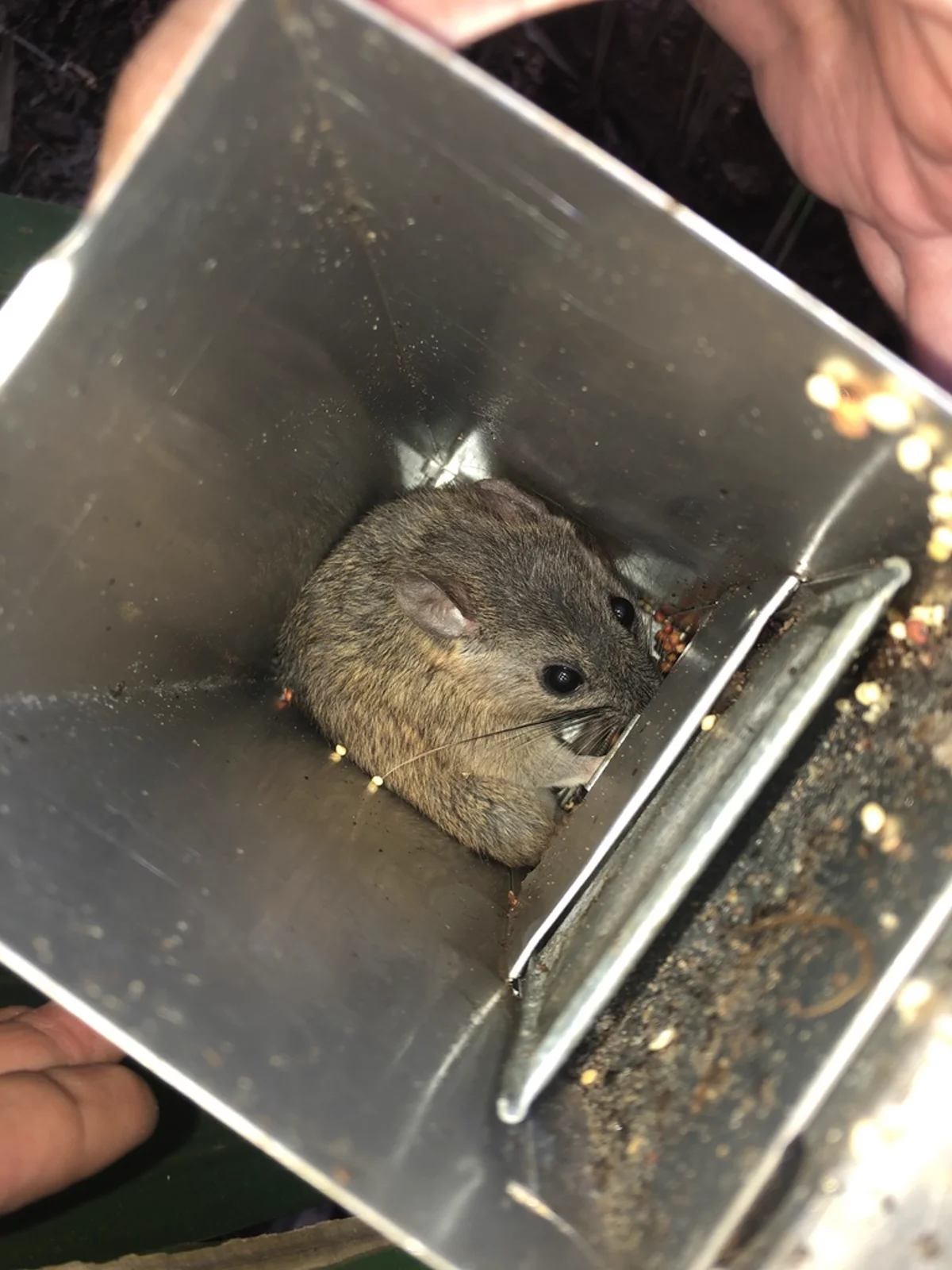
Their fur is soft and fine. The top of their body is grayish-brown while the underside is white or cream-colored. They have large ears and big, dark eyes. These features help them see at night since they are active after dark.
Adult wood rats can weigh up to 21 ounces. This makes them about the same size as Norway rats. Their feet are usually light-colored. Even though they are large, they look more like mice than rats. Their droppings look like those of other rodents but are a bit larger than mouse droppings.
Common Species in North America
-
Eastern Woodrat (Neotoma floridana): Found in the eastern United States. Reaches 14 to 17 inches in total length. Grayish-brown on top with a white or gray belly. Lives in rocky areas and wooded habitats.
-
Bushy-tailed Woodrat (Neotoma cinerea): Has a bushy tail that looks like a squirrel’s. Lives in western mountains. Color ranges from pale gray to nearly black.
-
Dusky-footed Woodrat (Neotoma fuscipes): Native to Pacific coast states. Builds large stick houses. Has dark-colored hairs on its hind feet.
-
Desert Woodrat (Neotoma lepida): Lives in dry areas of the Southwest U.S. and Mexico. Often builds nests in cacti.
-
White-throated Woodrat (Neotoma albigula): Common in the Southwest. Easy to spot by its white throat patch.
Wood Rat Behavior and Biology
Wood rats are active at night and prefer to live alone. Unlike Norway rats and roof rats that live in groups, each wood rat keeps its own territory and nest. A mother may share her home with her young. Wood rats are great climbers. They can move easily through rocky areas, trees, and buildings.
Nest Building
Wood rats are known for building large nests called “middens.” They use sticks, twigs, leaves, and almost anything they can carry. These nests can grow to several feet wide and tall. New rats often add to old nests, so middens can last for many years. In dry climates, some nests have lasted for thousands of years.
Hoarding Behavior
Wood rats love to collect and store objects. They are drawn to shiny items, odd textures, and anything they can carry. This leads to a funny habit. They often drop one item to pick up something more interesting. This is why people call them “trade rats.” Homeowners often find piles of stolen items in wood rat nests. These can include coins, jewelry, bottle caps, and small tools.
Reproduction
Wood rats mostly breed in spring and summer. In warmer areas, they may breed all year. Females usually have 2 to 3 litters per year. Each litter has 2 to 4 babies. The young stop nursing at about 4 weeks old. They can have their own babies at 2 to 3 months old. Wood rats live about 2 to 3 years in the wild.
Signs of Wood Rat Activity
Here are the common signs of a wood rat problem:
- Stick nests: Large piles of sticks and debris. Often found in outbuildings, rock piles, or under porches.
- Collected objects: Piles of random items like bones, seeds, shiny objects, and small household items.
- Droppings: Dark, pellet-shaped droppings. They look like mouse droppings but are a bit larger.
- Gnaw marks: Signs of chewing on wood, wires, and insulation.
- Urine stains: Dried urine spots that may have a strong odor.
- Nighttime noises: Scratching, running, and gnawing sounds, especially in walls.
Property Damage Concerns
Wood rats are less aggressive than Norway or roof rats. But they can still cause a lot of damage to your property:
- Electrical damage: They chew on wires, which can start fires.
- Vehicle damage: Wood rats often nest in car engine areas. They chew on wiring and hoses.
- Insulation damage: They tear up insulation to use for their nests.
- Structural damage: Large nests can harm siding, roofing, and foundations.
- Stored item damage: They chew through boxes, fabrics, and stored goods.
Treatment Methods for Wood Rats
Wood rat control usually involves several methods used together:
- Inspection: Finding nests, entry points, and areas where wood rats are active.
- Trapping: Snap traps and live traps placed near nests and travel paths work well.
- Bait stations: Tamper-proof bait stations placed around the property.
- Exclusion: Sealing entry points to keep wood rats out. This should be done after the population is reduced. Otherwise, you may trap rodents inside.
- Habitat changes: Removing brush piles, wood stacks, and debris that wood rats use for nesting.
- Nest removal: Carefully removing old nests after making sure they are no longer in use.
To prevent wood rats, make your home less appealing to them. Remove food sources and seal any gaps in your home’s exterior. Keep a clean area around your building to reduce hiding spots. For more prevention strategies, read our ultimate guide to mice and rat prevention.
References
- Internet Center for Wildlife Damage Management - Woodrats - Helpful resource on woodrat identification, biology, and control
- Animal Diversity Web - Eastern Woodrat - Scientific information on eastern woodrat biology and behavior
- University of California Pest Notes - Woodrats - Guidelines for woodrat control and prevention
- Montana Fish, Wildlife & Parks - Living With Woodrats - Tips for managing woodrat encounters
Other Rodents
Explore other species in the rodents family





Commonly Confused With
Wood Rats are often mistaken for these similar pests


Where Wood Rats Are Found
Hover over states to see their names. Green regions indicate where wood rats have been reported.
Common Questions about Wood Rats
What is the difference between a wood rat and a regular rat?
+
Wood rats have furry tails (not scaly like Norway or roof rats), larger ears, softer fur, and typically lighter-colored feet and bellies. They are also native to North America, while Norway and roof rats were introduced from Europe and Asia.
Why are wood rats called pack rats?
+
Wood rats are called pack rats because they collect and hoard various objects to build their nests. They have a unique behavior of dropping one item to pick up another, which led to the nickname 'trade rats.'
Are wood rats dangerous?
+
Wood rats can carry diseases and parasites, though they pose less direct risk than Norway rats. Their main concern is property damage from nest-building and their attraction to chewing on wires and insulation.
Where do wood rats build their nests?
+
Wood rats build large stick houses called middens on the ground, in trees, rock crevices, or inside structures like attics, sheds, and vehicle engine compartments. These nests can be several feet in diameter.
How do I know if I have wood rats?
+
Signs include large stick nests, accumulated debris and collected objects, droppings (similar to but slightly larger than mouse droppings), gnaw marks, and scratching sounds at night.
What do wood rats eat?
+
Wood rats are primarily herbivores, feeding on seeds, nuts, berries, fruits, leaves, and fungi. They also cache food in their nests for later consumption.

With five years of hands-on experience in the pest control industry, George Schulz is a registered technician with the Virginia Pest Management Association and a proud third-generation professional in a family business that's been protecting homes for over 57 years. He manages and trains a team of service pros while also leading internal research efforts—recently spearheading a deep-dive review of thousands of documents on pest control materials to hand-pick the most kid and pet friendly, most effective solutions tailored specifically for homes in the DC metro area.