Pocket Gophers Identification Guide
Geomyidae
Pocket gophers are burrowing rodents known for their extensive underground tunnel systems and distinctive fur-lined cheek pouches. These solitary mammals can cause significant damage to lawns, gardens, and agricultural land through their digging activities.
Taxonomy
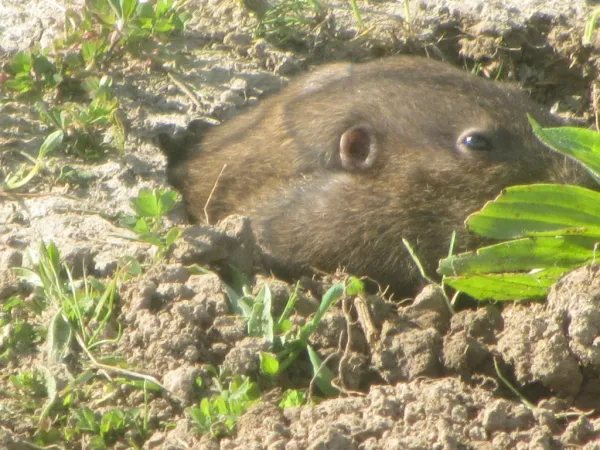
Pocket Gophers Coloration
Common color patterns to help identify pocket gophers
Pocket Gophers
Seasonal Activity
When pocket gophers are most active throughout the year

Where Pocket Gophers Are Found
Hover over states to see their names. Green regions indicate where pocket gophers have been reported.
Pocket Gopher Identification Guide
Physical Characteristics
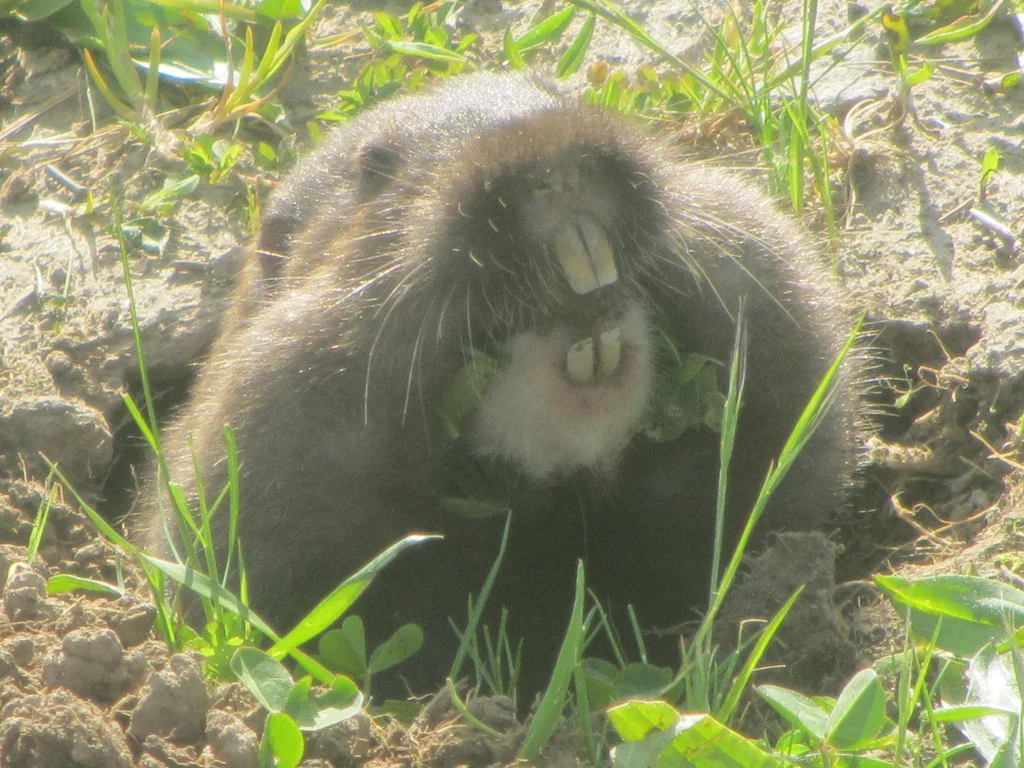
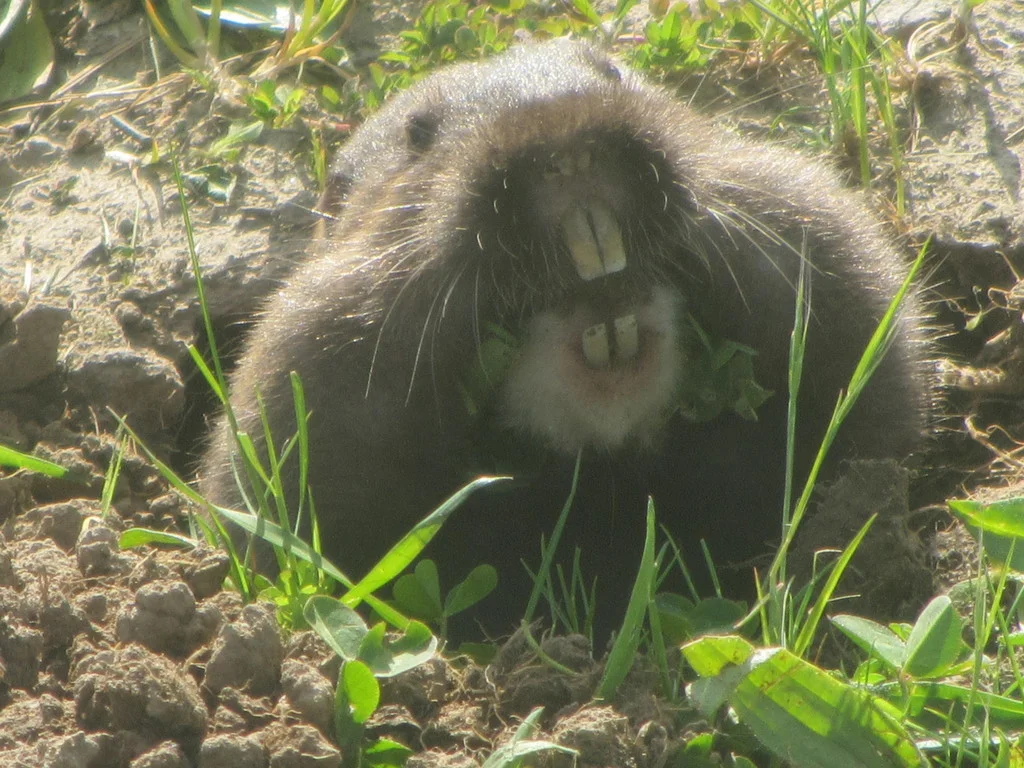
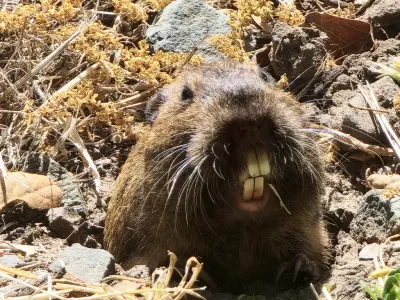
Pocket gophers are medium-sized burrowing rodents ranging from 6 to 14 inches in length, including their short, sparsely-haired tail. They have stocky bodies with powerful forequarters and large, curved front claws designed for digging. Their most distinctive feature is their fur-lined external cheek pouches that extend from the sides of their mouth to their shoulders.
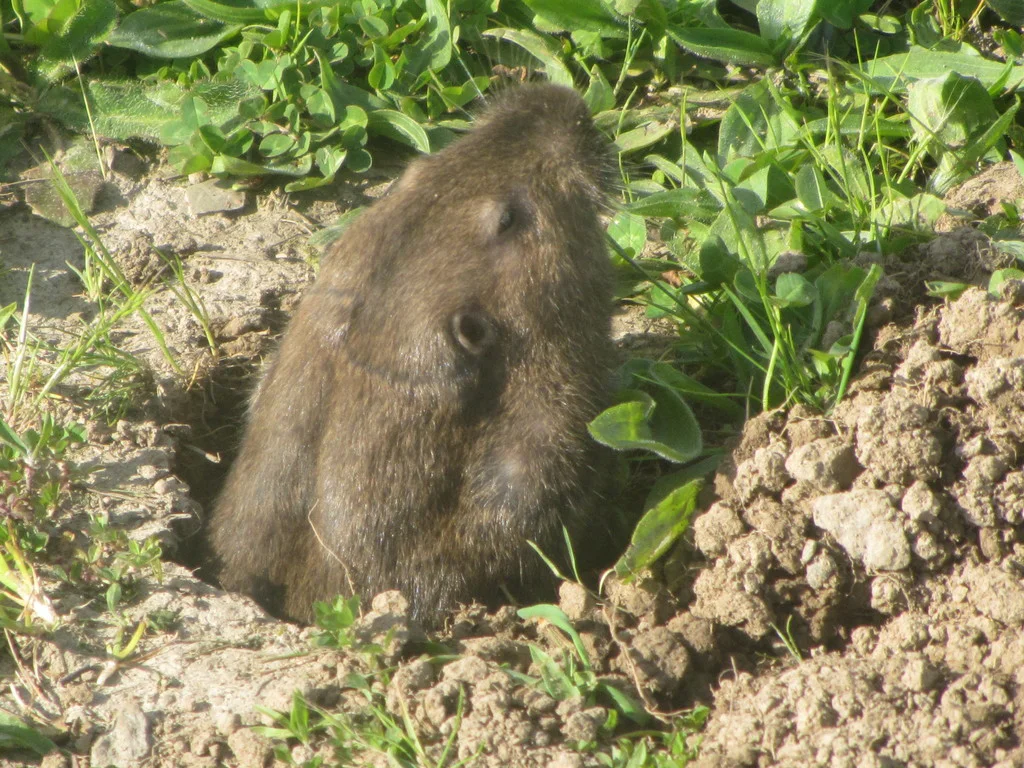
These rodents have small eyes and ears, which is an adaptation to their underground lifestyle. Their lips close behind their prominent, yellowish-orange front teeth, allowing them to dig without getting dirt in their mouths. Fur color varies by species and habitat, ranging from nearly black to pale brown, often matching the soil color in their range.
Common Species in North America
-
Botta’s Pocket Gopher (Thomomys bottae) - Found throughout the western United States and into Mexico, this is the most widespread species with over 180 recognized subspecies.
-
Plains Pocket Gopher (Geomys bursarius) - Common in the Great Plains from Canada to Texas, recognizable by its larger size and two grooves on its upper incisors.
-
Northern Pocket Gopher (Thomomys talpoides) - Inhabits mountain meadows and prairies from British Columbia to New Mexico.
-
Southeastern Pocket Gopher (Geomys pinetis) - Found in sandy soils of Alabama, Georgia, and Florida.
-
Yellow-faced Pocket Gopher (Cratogeomys castanops) - Native to the southwestern United States and Mexico, identifiable by its yellowish face markings.
Pocket Gopher Behavior and Biology
Pocket gophers are solitary, highly territorial animals that spend nearly their entire lives underground. A single gopher may maintain a tunnel system covering 200 to 2,000 square feet, with tunnels typically 6 to 12 inches below the surface for feeding and deeper tunnels (up to 6 feet) for nesting and food storage.
Feeding Habits
These rodents are herbivores that feed primarily on roots, tubers, bulbs, and other underground plant parts. They pull entire plants down into their tunnels from below, which explains why vegetation suddenly disappears without visible above-ground damage. Pocket gophers also emerge briefly to gather surface vegetation near their tunnel openings, cutting plants and dragging them underground.
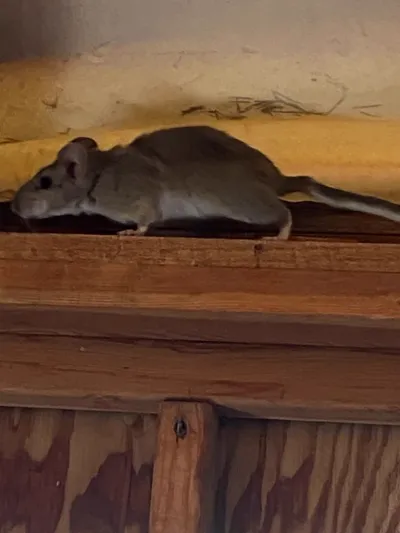
A single pocket gopher can consume approximately 60% of its body weight in vegetation daily. They store excess food in underground chambers, with some larders containing several pounds of roots and tubers. A related species, Pack Rats, shares similar characteristics.
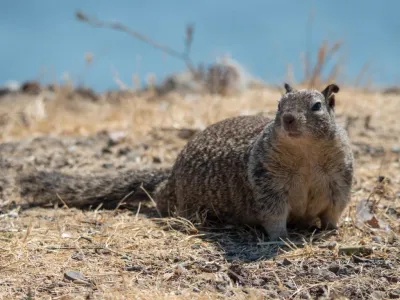
Reproduction and Lifecycle A related species, Thirteen-Lined Ground Squirrel, shares similar characteristics.
Pocket gophers typically breed once per year in northern regions and up to three times per year in southern areas with mild climates. After a gestation period of about 18 to 19 days, females give birth to litters averaging 3 to 4 young, though litters can range from 1 to 10.
Young gophers remain with their mother for several weeks before dispersing to establish their own territories. They reach sexual maturity at about one year of age. In the wild, pocket gophers typically live 1 to 3 years, though some may survive up to 5 years.
Tunnel Construction
Pocket gophers are exceptional diggers, capable of moving 100 to 300 dirt mounds per year and displacing over one ton of soil annually. Their tunnel systems include:
- Main runways - The primary travel routes connecting various parts of the system
- Feeding tunnels - Shallow tunnels where gophers forage for roots
- Nesting chambers - Deeper chambers lined with dried vegetation
- Food storage areas - Underground pantries for cached food
- Waste chambers - Separate areas used as latrines
Signs of Pocket Gopher Activity
Identifying pocket gopher presence early can help minimize property damage. Look for these telltale signs:
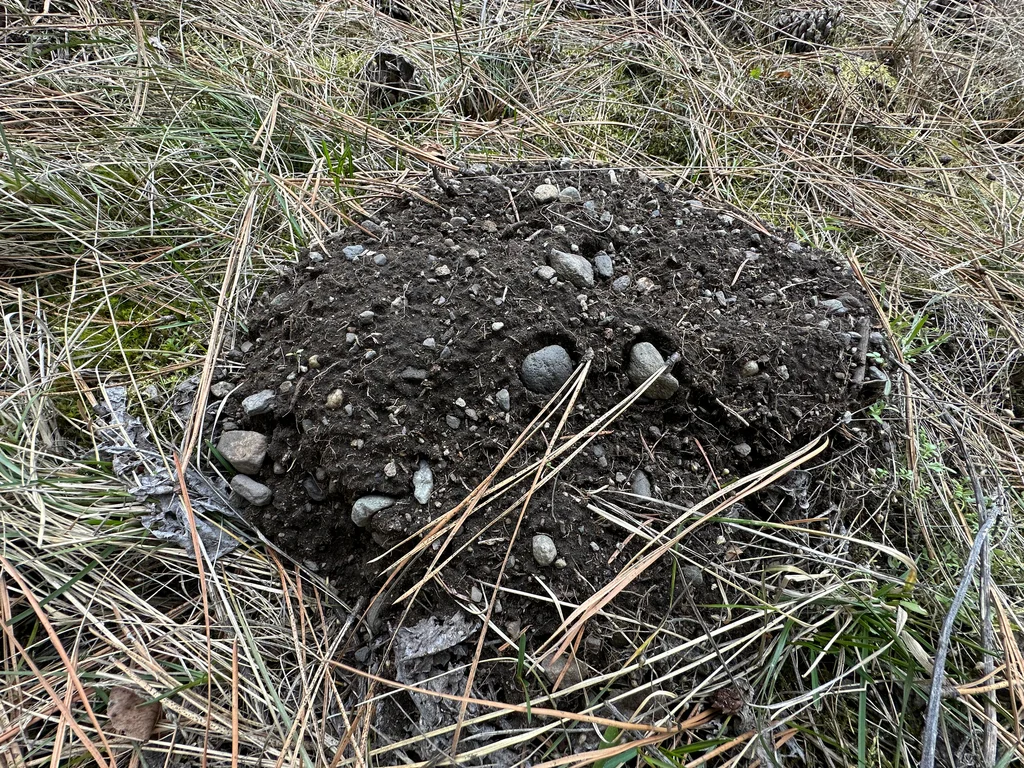
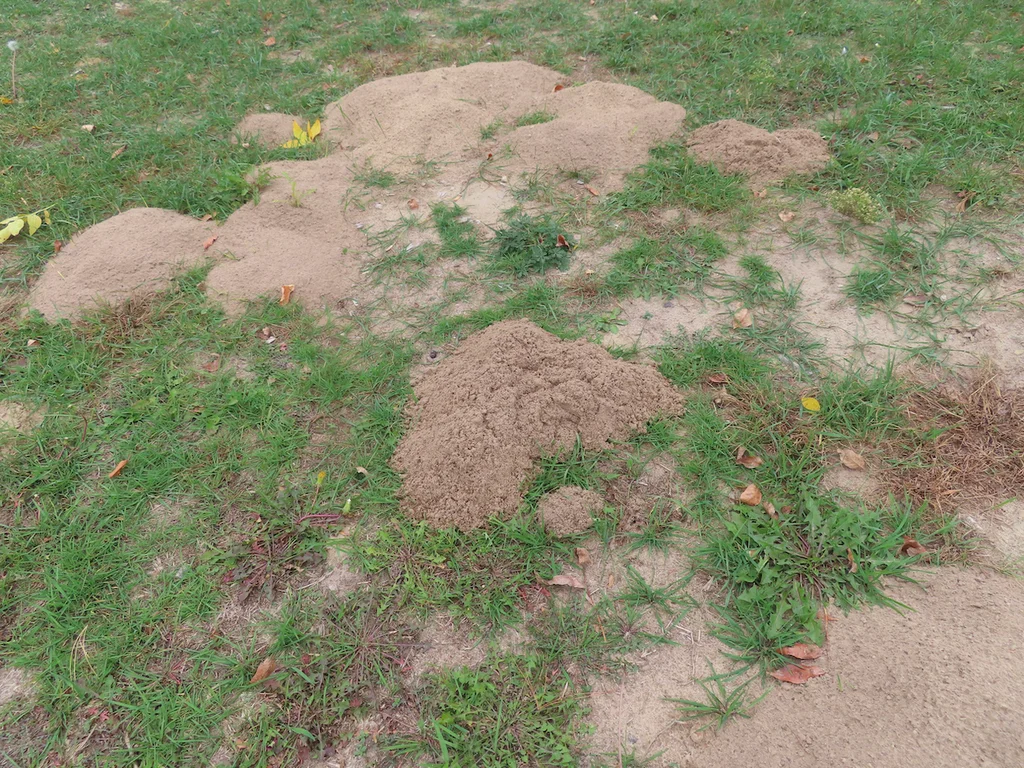
- Fan-shaped soil mounds - Fresh mounds are dark and moist; older mounds are lighter and dried. The distinctive crescent or horseshoe shape distinguishes them from mole mounds.
- Plugged tunnel entrances - Gophers seal their tunnel openings with soil plugs, visible as a circular depression on one side of the mound.
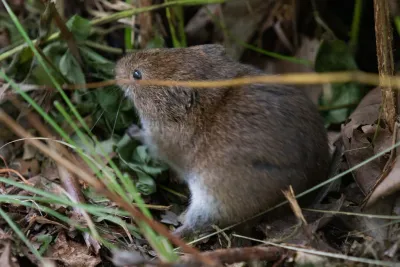
- Dead or dying vegetation - Plants may suddenly wilt or disappear as gophers consume roots from below. Note that meadow voles can cause similar damage to plant roots, though their surface runways make them easier to distinguish from gophers.
- Soft, sinking areas - Walking across your lawn may reveal spongy spots where tunnels have collapsed.
- Damaged irrigation lines - Gophers frequently gnaw through plastic irrigation tubing and underground cables.
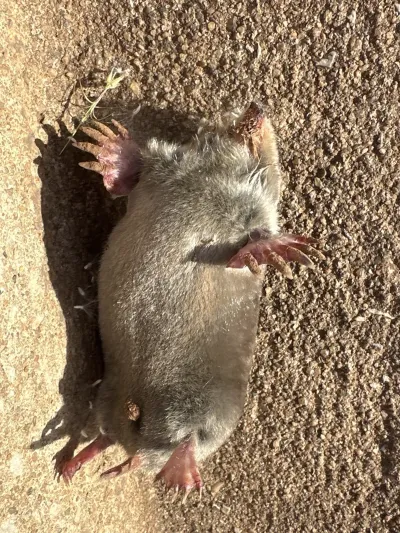
Pocket Gopher vs. Mole: Key Differences
| Feature | Pocket Gopher | Mole |
|---|---|---|
| Classification | Rodent | Insectivore |
| Teeth | Large, visible yellow-orange incisors | Small, not visible |
| Mound shape | Fan or crescent-shaped | Conical, volcano-shaped |
| Diet | Plant roots and vegetation | Insects, grubs, earthworms |
| Front feet | Clawed for digging | Paddle-shaped, facing outward |
| Surface runways | None | Raised ridges visible |
Treatment Methods for Pocket Gophers
Managing pocket gopher populations requires a strategic approach, as these persistent rodents can quickly recolonize treated areas. Effective control typically involves multiple methods used in combination.
Trapping
Trapping remains one of the most effective and environmentally responsible methods for pocket gopher control. Common trap types include:
- Box traps - Placed directly in main tunnels, these capture gophers alive or kill them instantly
- Cinch traps - Spring-loaded devices that trigger when gophers push against them
- Black hole traps - Designed to be placed in lateral tunnels leading to mounds
Successful trapping requires locating the main tunnel (usually 6-12 inches from a fresh mound) and placing traps in both directions. Checking traps daily improves success rates.
Exclusion Methods
For protecting specific areas, physical barriers can be effective:
- Underground wire mesh - Galvanized hardware cloth (1/2-inch mesh) buried around garden beds or trees
- Gopher baskets - Wire mesh containers for protecting individual plants during planting
- Raised beds - Elevated planting areas with wire mesh bottoms
Habitat Modification
Reducing food sources and preferred habitat conditions can discourage gopher activity:
- Remove dense vegetation that provides cover near tunnel entrances
- Maintain firm, well-compacted soil where possible
- Flood irrigation may temporarily drive gophers from an area
Professional Wildlife Control
For severe infestations or large properties, professional wildlife control services may employ specialized techniques including fumigation and advanced trapping programs. Licensed operators have access to methods and products not available to homeowners. For general pest control pricing information, see our guide on how much pest control costs.
Preventing Pocket Gopher Damage
While complete prevention is difficult, several strategies can reduce the likelihood of pocket gopher problems:
- Regular monitoring - Check your property weekly for fresh mounds, especially in spring when activity increases
- Quick response - Address new activity immediately before tunnel systems become established
- Protect vulnerable plants - Use gopher baskets when planting trees, shrubs, and perennials
- Maintain barriers - Inspect and repair any protective wire mesh annually
References
Other Rodents
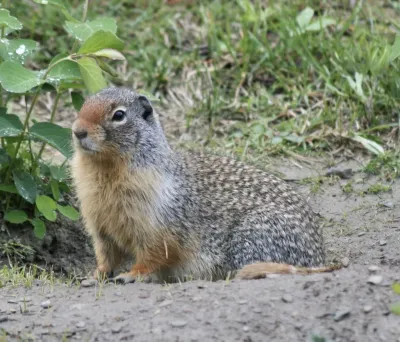
Explore other species in the rodents family

Commonly Confused With
Pocket Gophers are often mistaken for these similar pests
Where Pocket Gophers Are Found
Hover over states to see their names. Green regions indicate where pocket gophers have been reported.
Common Questions about Pocket Gophers
How can I tell if I have pocket gophers in my yard?
+
Look for fan-shaped or crescent-shaped mounds of fresh soil, typically 12-18 inches in diameter. Unlike mole mounds which are conical, gopher mounds are flat with a visible plug on one side where the tunnel was sealed.
What is the difference between pocket gophers and moles?
+
Pocket gophers are rodents with visible front teeth and create fan-shaped mounds, while moles are insectivores with no visible teeth and create conical, volcano-shaped mounds. Gophers eat plant roots; moles eat insects and grubs.
Do pocket gophers hibernate?
+
No, pocket gophers remain active year-round. They live entirely underground and do not hibernate, though their activity may slow during extremely cold weather.
How much damage can pocket gophers cause?
+
A single pocket gopher can create 200-300 mounds per year and move over one ton of soil. They damage plant roots, irrigation systems, underground cables, and can undermine foundations and walkways.
Are pocket gophers dangerous to humans or pets?
+
Pocket gophers rarely bite humans as they avoid contact. However, their tunnel systems can create tripping hazards, and they may carry fleas and other parasites.
Why are they called pocket gophers?
+
They have fur-lined external cheek pouches, or pockets, that extend from the sides of their mouth to their shoulders. These pouches are used to carry food back to underground storage chambers.
How many pocket gophers live together?
+
Pocket gophers are solitary and territorial. Except during breeding season, each gopher maintains its own tunnel system and will aggressively defend it from other gophers.

With five years of hands-on experience in the pest control industry, George Schulz is a registered technician with the Virginia Pest Management Association and a proud third-generation professional in a family business that's been protecting homes for over 57 years. He manages and trains a team of service pros while also leading internal research efforts—recently spearheading a deep-dive review of thousands of documents on pest control materials to hand-pick the most kid and pet friendly, most effective solutions tailored specifically for homes in the DC metro area.