Norway Rat Identification Guide
Rattus norvegicus
The Norway rat is the most common rat species in North America. Also called brown rats or sewer rats, they are excellent swimmers that prefer to burrow near foundations, in basements, and along waterways.
Taxonomy
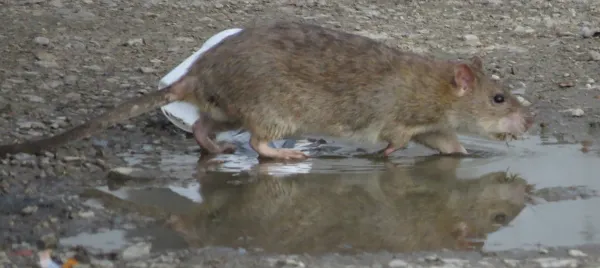
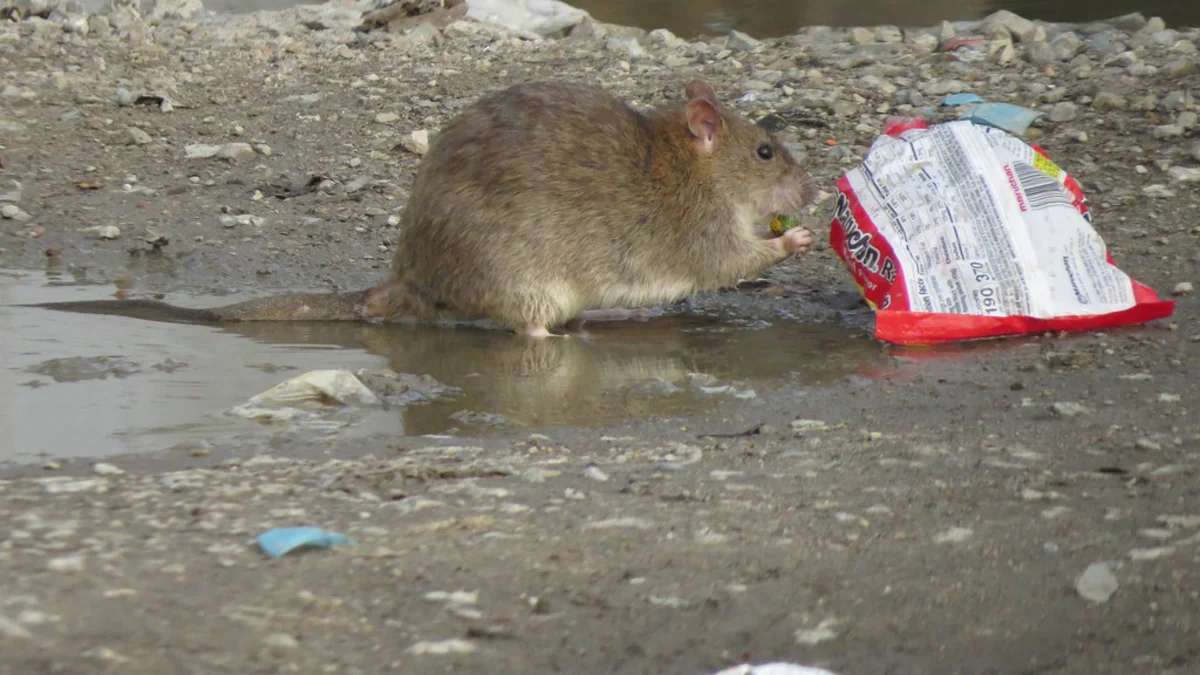
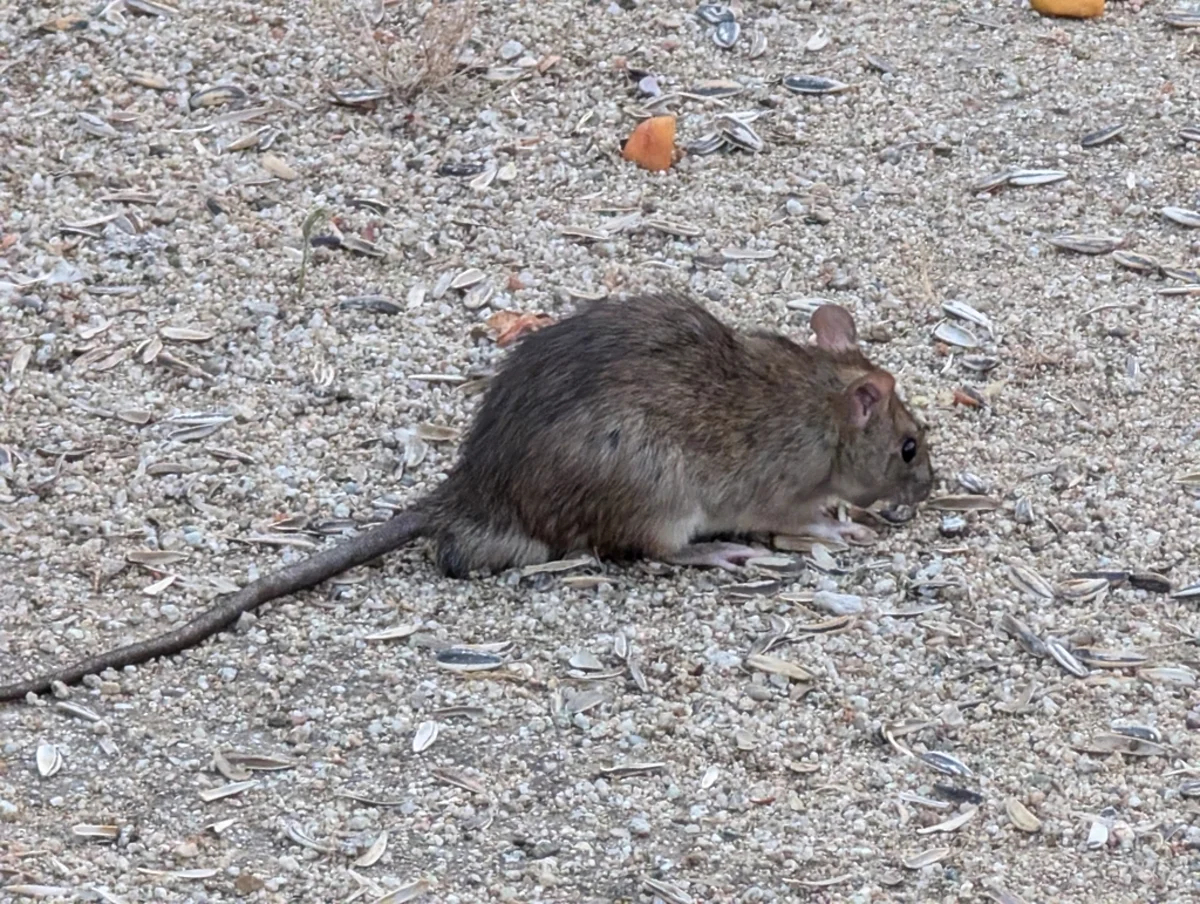
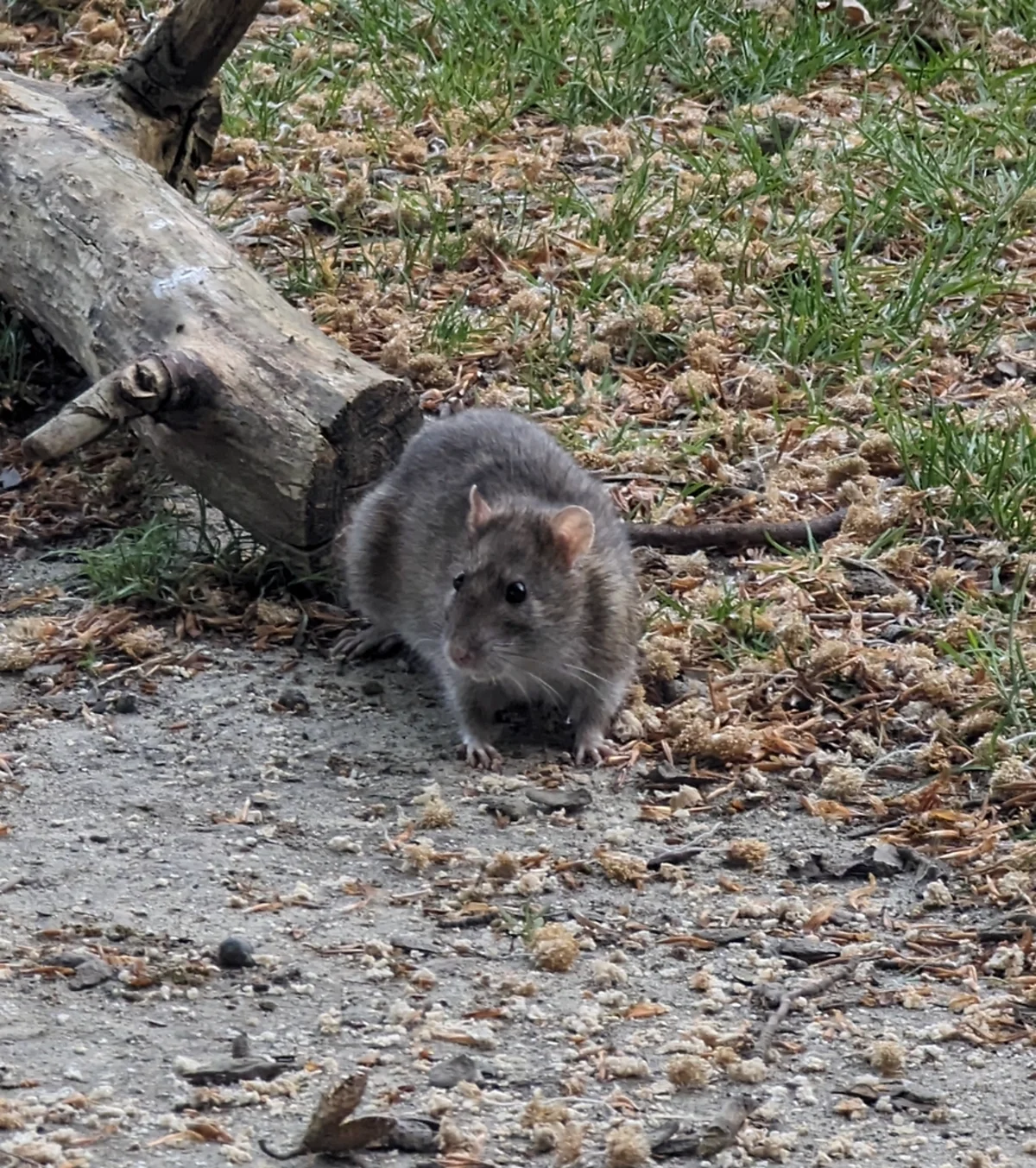
Norway Rat Coloration
Common color patterns to help identify norway rat
Norway Rat
Seasonal Activity
When norway rat are most active throughout the year

Where Norway Rat Are Found
Hover over states to see their names. Green regions indicate where norway rat have been reported.
Norway Rat Identification Guide
Physical Characteristics
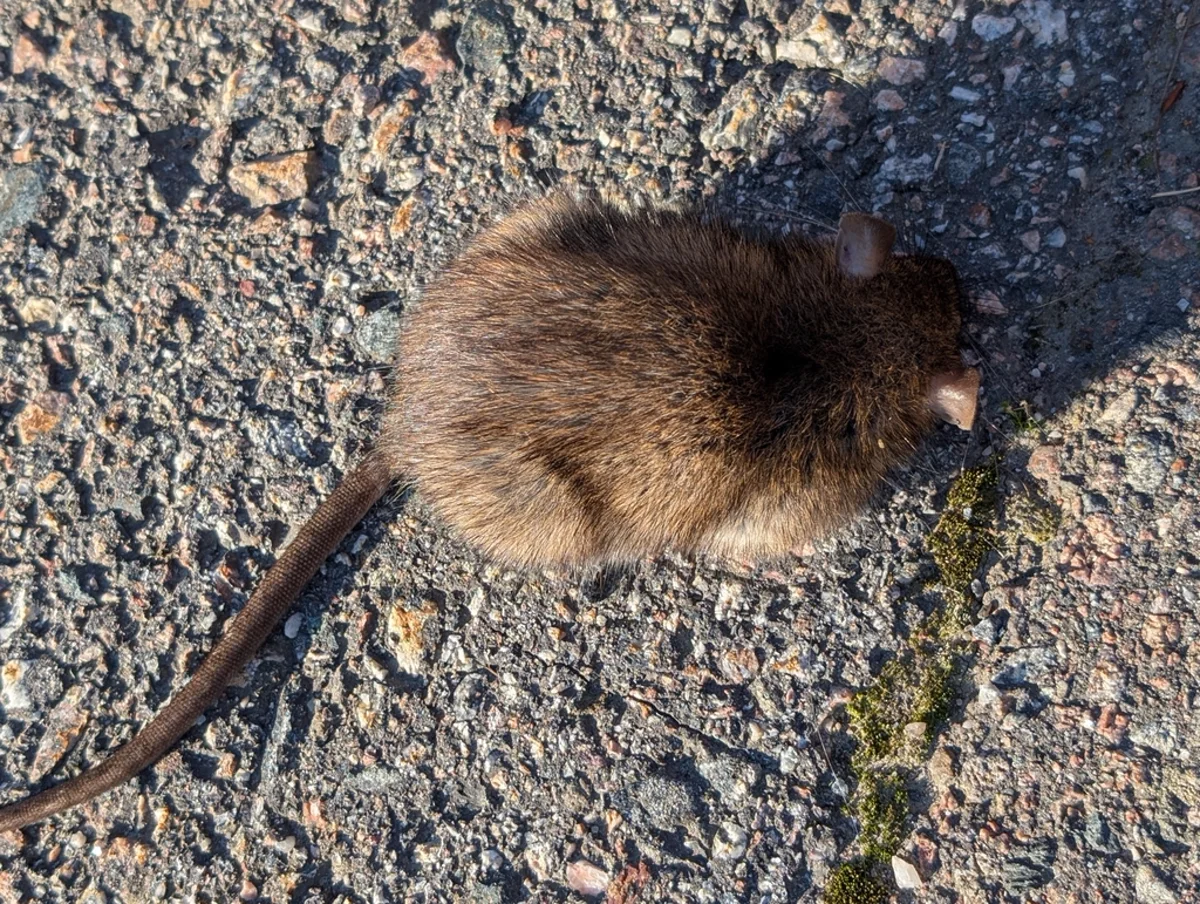
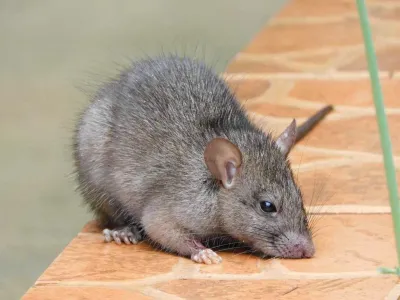
The Norway rat (Rattus norvegicus) is the largest rat species found in homes across North America. Adults measure 7 to 10 inches in body length. Their tails add another 6 to 8 inches. The tail is shorter than the body, which helps tell them apart from roof rats.
Norway rats have these key features:
- Body: Heavy build, weighing 10 to 17 ounces
- Fur: Coarse brown or grayish-brown fur on top with a lighter underside
- Snout: Blunt and rounded (roof rats have pointed snouts)
- Ears: Small and covered with fine hair; they do not reach the eyes when folded forward
- Eyes: Small compared to head size
- Tail: Scaly with two colors, darker on top
- Droppings: Pill-shaped with blunt ends, about 3/4 inch long
Common Names
Norway rats have many nicknames:
- Brown Rat: Based on their color
- Sewer Rat: They often live in sewer systems
- Street Rat: Common in cities
- Wharf Rat: Found near ports and waterways
- Common Rat: The most widespread rat in the world
Despite the name, Norway rats did not come from Norway. They are native to northern China. They spread around the world on ships starting in the 1700s.
Norway Rat Behavior and Biology
Habitat Preferences
Norway rats are ground dwellers. They prefer low areas and do not climb like roof rats. Instead, they dig burrow systems in the ground. For a detailed comparison of these two species, read our guide on Norway rat vs roof rat. You will find them in places like:
- Foundations and basements
- Under concrete slabs and sidewalks
- Along riverbanks and streams
- In sewer systems and storm drains
- Under woodpiles and debris
- Crawl spaces and ground-level wall voids
- Barns and grain storage buildings
Their burrows can go 18 inches deep and stretch several feet long. Each burrow has multiple exits and rooms for nesting and storing food.
Diet and Feeding Habits
Norway rats eat almost anything. They need about 1 ounce of food and 1/2 to 1 ounce of water each day. Their diet includes:
- Grains, cereals, and seeds
- Meat and fish
- Garbage and food scraps
- Pet food and bird seed
- Fruits and vegetables
- Insects and small animals
- Eggs
They usually stay within 100 to 150 feet of their nest when looking for food. Norway rats are wary of new things in their space. This makes trapping harder because they may avoid new traps at first.
Social Structure and Activity
Norway rats are active at night and live in groups. A typical colony has:
- One dominant male that guards the area
- Several breeding females
- Younger males and juveniles
- Anywhere from 15 to over 200 rats
They are most active right after sunset and before dawn. During the day, they hide in their burrows. Rats use the same paths over and over. This leaves greasy marks on walls and floors that help you spot them.
Reproduction and Lifecycle
Norway rats breed fast and can have babies all year long:
- Ready to breed: 2 to 3 months old
- Pregnancy: 21 to 23 days
- Babies per litter: 7 to 8 on average, up to 12
- Litters per year: 6 to 8 per female
- Weaning: 3 to 4 weeks
- Lifespan: About 1 year in the wild
To learn more about what this rapid breeding cycle means for control, see our article on how long rats live. Baby rats are born blind and hairless. They depend on their mother for everything. They open their eyes after two weeks. By one month old, they start finding their own food.
How We Treat for Norway Rats
We use a proven 4-step rodent protocol to control Norway rats:
Step 1: Full Inspection
Every treatment starts with a complete inspection of your property. We look for:
- Hot spots: Areas with droppings, gnaw marks, or burrow holes
- Travel routes: Greasy rub marks along walls
- Food sources: Open garbage, pet food, or bird feeders
- Entry points: Gaps around foundations, pipes, and vents
- Hiding spots: Dense plants and debris piles
Step 2: Bait Stations
We set up tamper-proof bait stations in key spots:
- Around the outside of your home near burrow activity
- Along the paths rats travel
- Near food sources
Inside the home, we use snap traps instead of bait. This keeps rats from dying in walls where they could cause bad smells.
Step 3: Follow-Up Visits
We come back at 1 and 3 weeks to:
- Check bait use and trap results
- See how much the rat numbers have dropped
- Move stations if needed
- Look for new entry points
Step 4: Long-Term Prevention
Keeping rats away takes ongoing work:
- Tri-annual service (three times per year) for most homes
- More frequent visits for busy areas like Old Town Alexandria and Washington DC
- Sealing entry points once the rat numbers are under control
- Tips to reduce attractants around your property
For practical advice on removal, read our guide on how to get rid of rats in your house. If rats are getting into your upper floors, they may be roof rats instead. You can also learn about all rodent species we treat.
Other Methods We Use
We may also use:
- Snap traps to quickly reduce indoor rat numbers
- Different baits like peanut butter or dried meat if rats avoid regular bait
- Exclusion work to seal gaps and holes after control is achieved
Health and Property Risks
Disease Risks
Norway rats can make people sick in several ways:
- Contact with their urine, droppings, or saliva
- Bites and scratches
- Touching dirty food or surfaces
- Fleas, mites, and ticks they carry
Diseases linked to Norway rats include:
- Leptospirosis: A bacterial infection that harms the kidneys and liver
- Salmonellosis: Food poisoning from dirty surfaces
- Rat-bite fever: Spread through bites or dirty food
- Seoul virus: A type of hantavirus that Norway rats carry
- Plague: Rare today, but once spread by rat fleas
Note: This is for learning purposes only. If you think you have been exposed to a rat-borne illness, see a doctor right away.
Property Damage
Norway rats chew constantly and can destroy many things in your home:
- Electrical wires: This creates fire hazards
- Pipes: This leads to leaks and water damage
- Wood framing: This weakens your home’s structure
- Insulation: This hurts energy savings and creates messes
- Stored food: This makes your food unsafe to eat
References
- Animal Diversity Web - Rattus norvegicus - Detailed species information and biology
- CDC - Controlling Wild Rodent Infestations - Health information and disease prevention
- Smithsonian National Zoo - Norway Rat - Species overview and behavior
- University of California - Rats - Rat control guidelines and biology
- EPA - Rodent Control - Prevention and control information
Other Rodents
Explore other species in the rodents family



Commonly Confused With
Norway Rat are often mistaken for these similar pests
Where Norway Rat Are Found
Hover over states to see their names. Green regions indicate where norway rat have been reported.
Common Questions about Norway Rat
How do I know if I have Norway rats?
+
Look for large droppings about 3/4 inch long with blunt ends. Check for gnaw marks on wood and food packages. You may see greasy marks on walls or hear scratching at night. Burrow holes near the foundation are another sign.
What is the difference between Norway rats and roof rats?
+
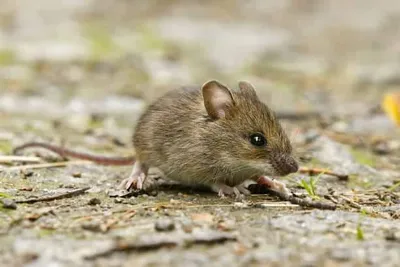
Norway rats are bigger with blunt noses, small ears, and shorter tails. They stay on the ground in basements and burrows. Roof rats are smaller with pointed noses, big ears, and longer tails. They climb and live in high places like attics.
Are Norway rats dangerous?
+
Yes. They spread diseases like leptospirosis, salmonellosis, and rat-bite fever. They carry fleas and mites too. When they chew on wires, they can start fires.
Why are Norway rats near my house?
+
They come looking for food like garbage, pet food, bird seed, and compost. They also need water. Homes with gaps in the foundation or easy access to food are at higher risk.
How fast do Norway rats multiply?
+
One female can have 6 to 8 litters per year with 7 to 8 babies each. Young rats can breed at just 3 months old. A small problem can grow fast if not treated.
Can Norway rats swim?
+
Yes. They are great swimmers and often live in sewers or near water. They can swim up through toilet pipes and stay afloat for up to 3 days. This is why people call them sewer rats.
How do Norway rats get into my house?
+
They squeeze through gaps in foundations, holes around pipes, and damaged vents. They can fit through holes the size of a quarter. They also chew through wood, plastic, and even soft metals.

With five years of hands-on experience in the pest control industry, George Schulz is a registered technician with the Virginia Pest Management Association and a proud third-generation professional in a family business that's been protecting homes for over 57 years. He manages and trains a team of service pros while also leading internal research efforts—recently spearheading a deep-dive review of thousands of documents on pest control materials to hand-pick the most kid and pet friendly, most effective solutions tailored specifically for homes in the DC metro area.