Mice Identification Guide
Mus musculus
House mice are small rodents that commonly invade homes seeking food, water, and shelter. Known for their rapid reproduction and ability to squeeze through tiny gaps, mice can quickly become a serious infestation.
Taxonomy

Mice Coloration
Common color patterns to help identify mice
Mice
Seasonal Activity
When mice are most active throughout the year





Where Mice Are Found
Hover over states to see their names. Green regions indicate where mice have been reported.
Mice Identification Guide
Physical Characteristics
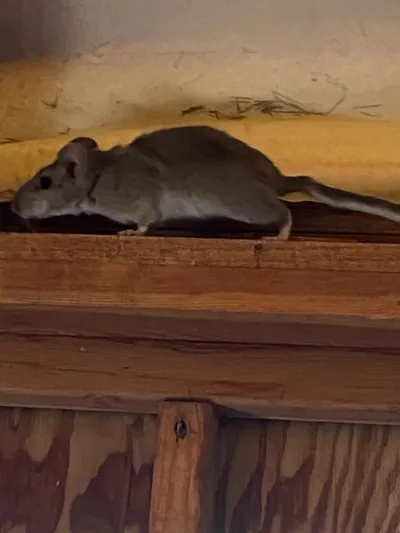
Mice are small rodents, typically ranging from 2-4 inches in body length, with a tail often as long as their body. They have pointed snouts, large ears, and small black eyes. Their fur can vary in color but is usually brown or gray. One of the most telltale signs of mice activity is their droppings, which are about 1/4 inch long, dark, and pointed at both ends. Not sure if you have mice or rats? Our guide on mice vs rats covers the key differences.
Common Species
-
House Mouse (Mus musculus)
-
Deer Mouse (Peromyscus maniculatus)
-
White-Footed Mouse (Peromyscus leucopus)
-
Harvest Mouse (Reithrodontomys spp.)
-
Field Mouse (Peromyscus maniculatus) - another common name for deer mice
Mice Behavior and Biology
Mice reproduce rapidly, with a single female capable of producing up to 10 litters per year, each containing 5-10 pups. They reach sexual maturity in as little as 6 weeks, meaning infestations can escalate quickly. Mice are primarily nocturnal and excellent climbers, often nesting in wall voids, crawl spaces, and storage areas. They can squeeze through gaps as small as a dime.
How We Treat for Mice
Our approach follows a 4-step rodent protocol:
-
Inspection: Every job starts with a full inspection to locate “hot spot” areas, including signs of activity (droppings, gnaw marks, nests) and potential food sources.
-
Rodent Bait Stations: We place tamper-proof bait stations with rodenticide near high-activity areas.
-
Follow-Ups: We conduct follow-ups early in the process, often at 1 and 3 weeks, to assess treatment effectiveness.
-
Long-Term Maintenance: We recommend tri-annual service (three times per year) to ensure rodents don’t return. Adjustments to frequency may be made based on location and severity.
Additional control methods include:
-
Snap traps for quick knockdown, especially indoors.
-
Exclusion (sealing entry points) when necessary, but only after the primary infestation is controlled.
-
Alternative baits like peanut butter, candy, or meat to adapt to feeding preferences. Learn which attractants work best in our best mouse bait guide.
For tips on keeping mice out of your home, see our guide on effective prevention strategies. If you are hearing noises overhead, our post on mice in attic solutions can help. You can also learn about all rodent species we treat.
References
Other Rodents
Explore other species in the rodents family






Where Mice Are Found
Hover over states to see their names. Green regions indicate where mice have been reported.
Common Questions about Mice
How do I know if I have mice?
+
Common signs include droppings, gnaw marks, scratching noises at night, and food packaging that appears tampered with.
Do you recommend sealing entry points right away?
+
No. We typically do not seal entry points initially because trapping mice inside can create odor issues. Exclusion is considered after we've brought the population under control.
Are bait stations safe for my household?
+
We use tamper-proof bait stations, designed to prevent accidental access by children or pets.
How often should I get rodent treatments?
+
Most homes benefit from tri-annual service (three times per year), but in high-activity areas like Old Town Alexandria and DC, more frequent visits may be recommended initially.
What's the average cost for mouse control?
+
A one-time service typically costs between $250 and $400. Recurring plans start around $39/month, with an initial setup fee.
Will I be locked into a contract?
+
No, we don't use binding contracts. You can cancel anytime with 30 days' notice.
What happens if the problem isn't resolved?
+
If you have an active plan with us, you get free unlimited callbacks until the problem is under control.
More Resources About Mice
Explore our guides and articles for more information about mice.
- ›The Ultimate Guide to Rodent Control
- ›Mouse vs Vole: Key Differences Every Homeowner Should Know
- ›Best Mouse Bait Guide: Top Rodent Trap Options Compared
- ›Mice vs Rats: Identifying and Treating These Common Pests
- ›Does Baking Soda Kill Rats? The Science Explained
- ›Roof Rat vs Norway Rat: Identify Which Invaded Your Home
- ›Best Rat Repellent Methods: Natural & Commercial Options
- ›Male vs Female Rats: Key Differences You Need to Know
- ›Different Types of Rats: How to Identify Rat Species at Home
- ›Rat Lifespan: How Long They Live & Why It Matters
- ›What Are The Differences Between Rats And Mice
- ›Effective Tips to Keep Mice Outside Your Home
- ›Norway Rat vs Roof Rat: Compare Size, Color, and Habitat
- ›Rats in Attic: Signs, Removal & Prevention Methods

With five years of hands-on experience in the pest control industry, George Schulz is a registered technician with the Virginia Pest Management Association and a proud third-generation professional in a family business that's been protecting homes for over 57 years. He manages and trains a team of service pros while also leading internal research efforts—recently spearheading a deep-dive review of thousands of documents on pest control materials to hand-pick the most kid and pet friendly, most effective solutions tailored specifically for homes in the DC metro area.