Least Chipmunk Identification Guide
Neotamias minimus
The least chipmunk is the smallest and most widespread chipmunk species in North America. These agile rodents are recognized by their distinctive striped pattern and are commonly found in western states and Canada.
Taxonomy
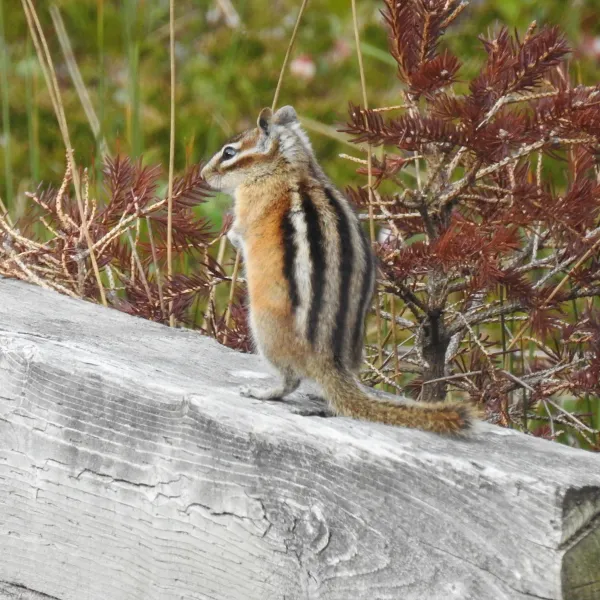
Least Chipmunk Coloration
Common color patterns to help identify least chipmunk
Least Chipmunk
Seasonal Activity
When least chipmunk are most active throughout the year

Where Least Chipmunk Are Found
Hover over states to see their names. Green regions indicate where least chipmunk have been reported.
Least Chipmunk Identification Guide
Physical Characteristics
The least chipmunk (Neotamias minimus) is the smallest chipmunk species in North America and belongs to the squirrel family of rodents. Adults are 6 to 10 inches long from nose to tail tip. They weigh between 25 and 66 grams. The name “minimus” is Latin for “smallest.”
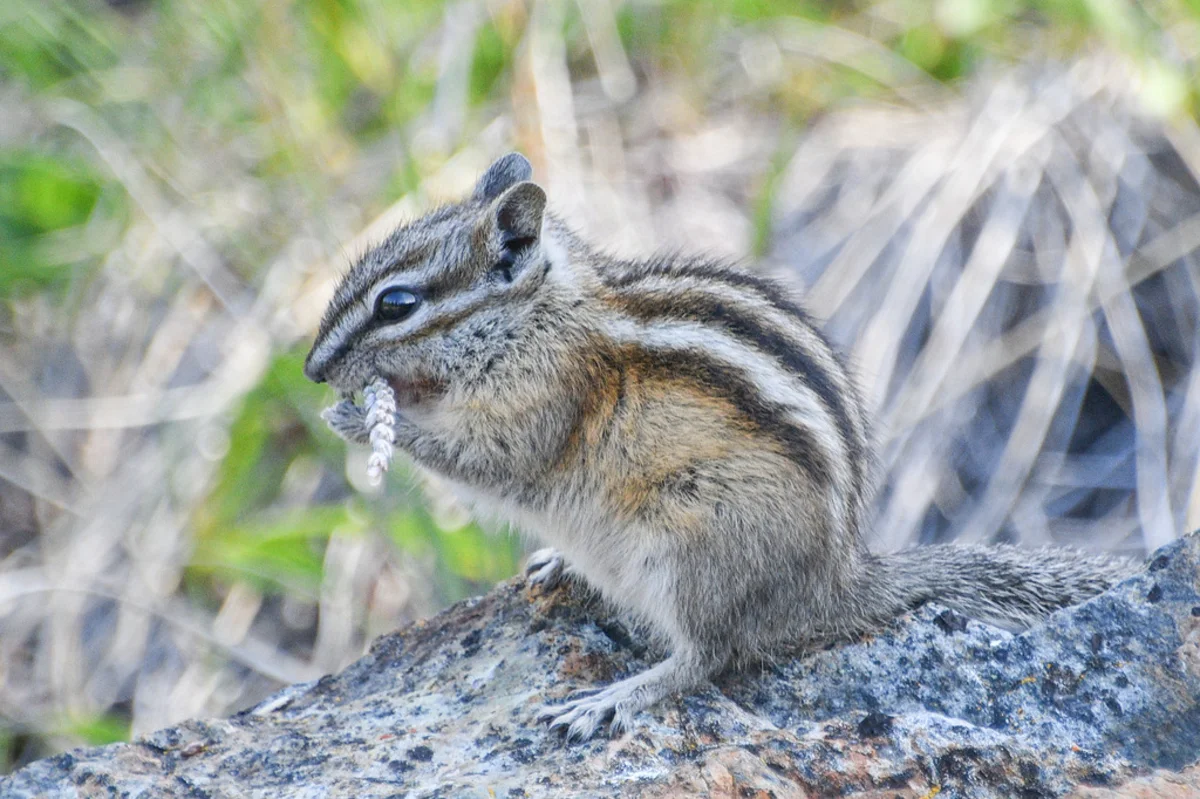
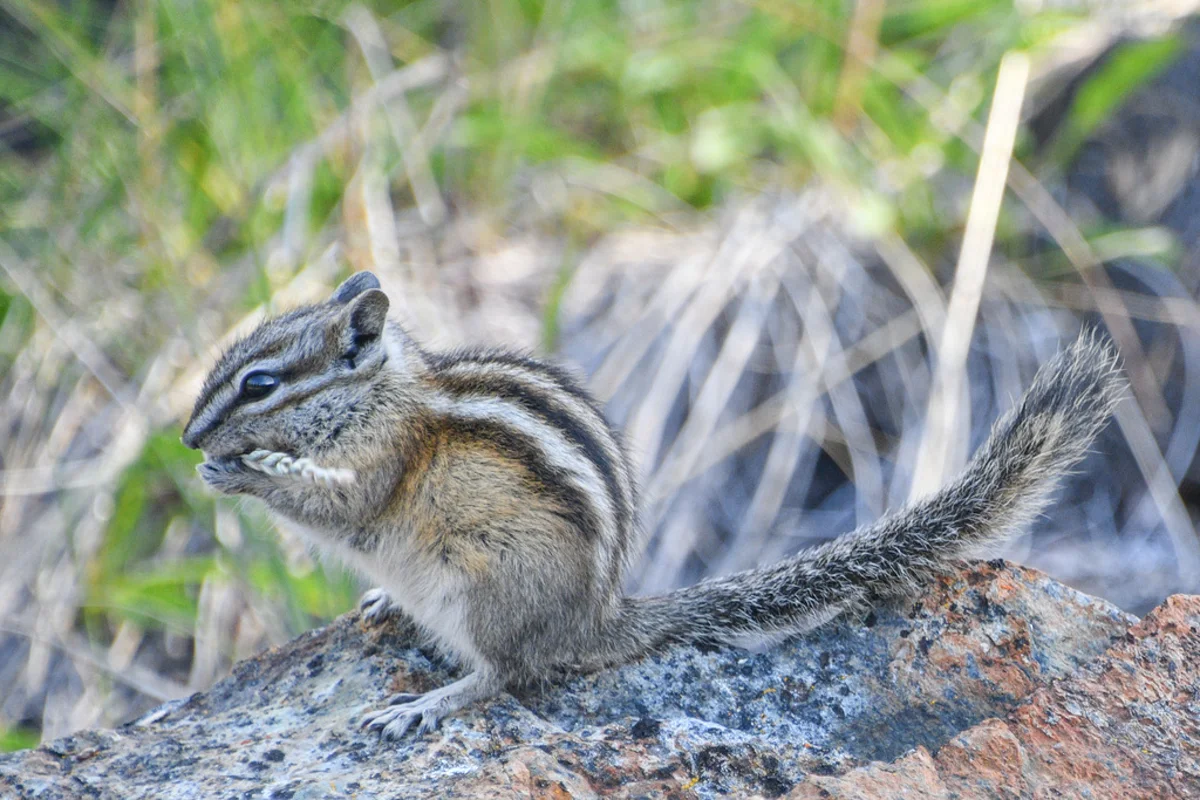
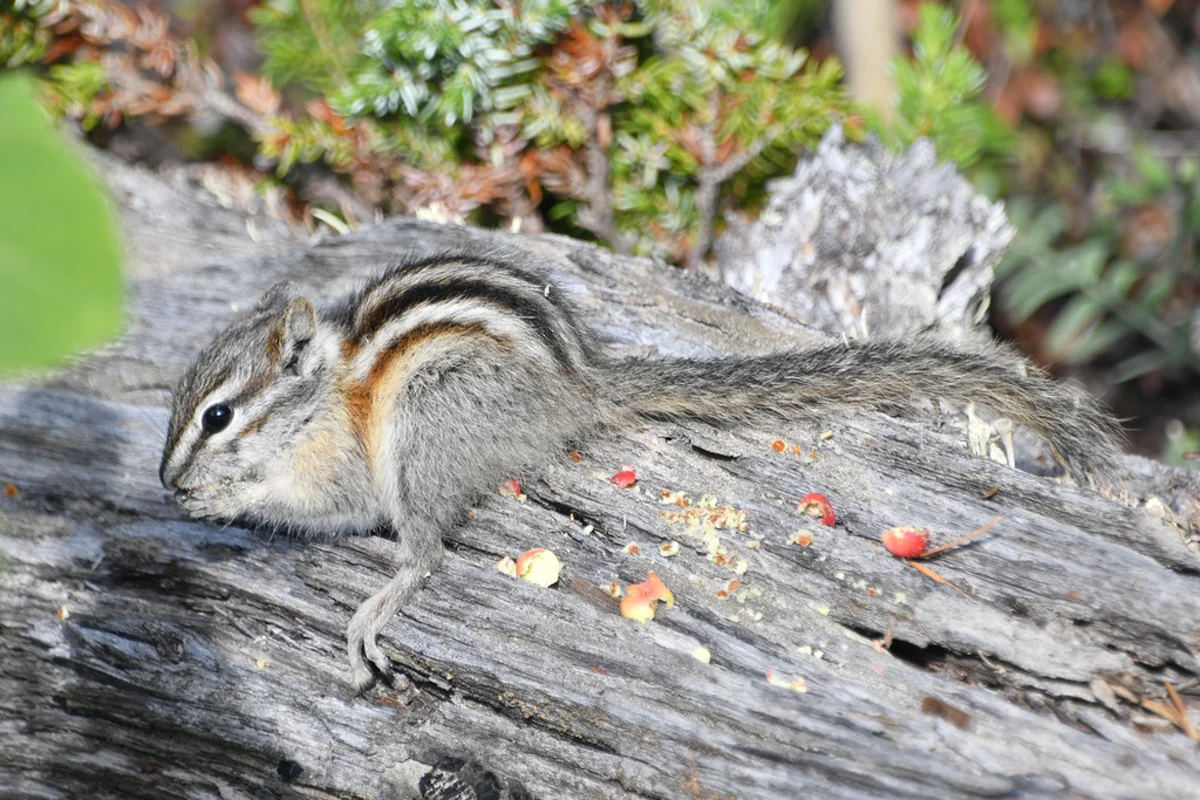
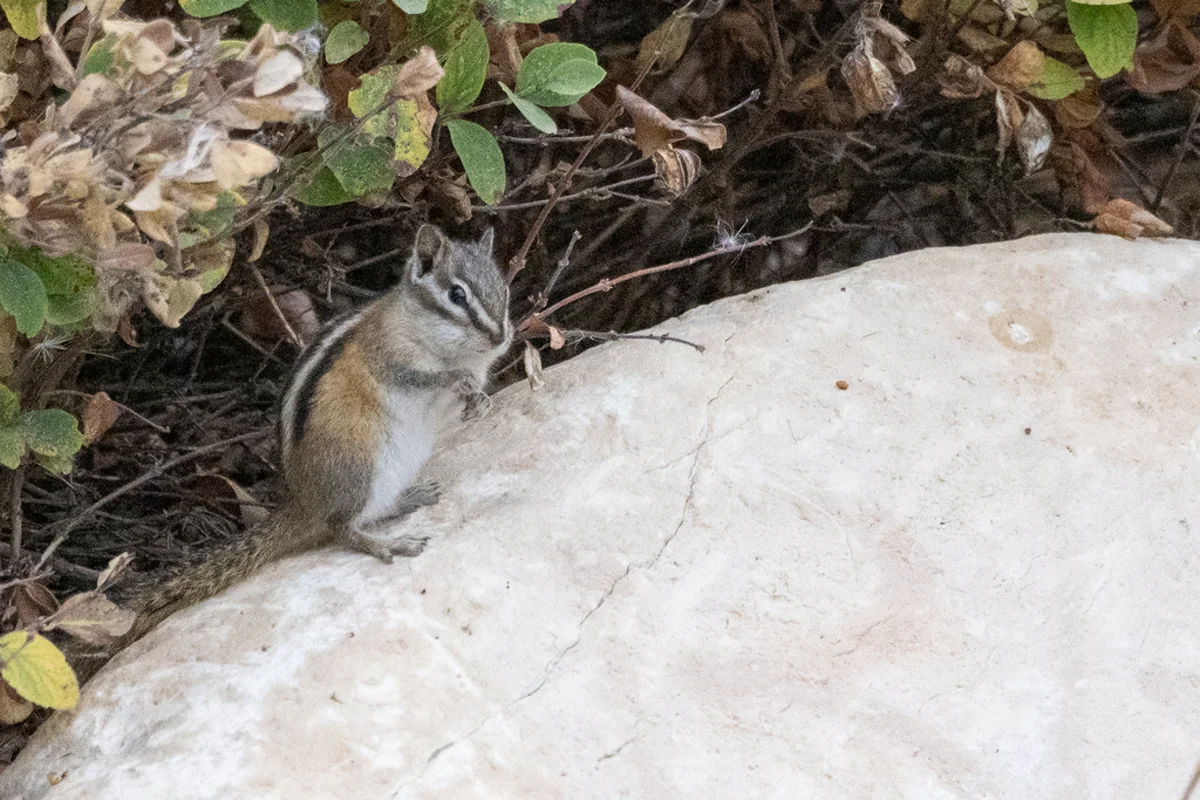
Their most notable feature is the stripe pattern on their back. Five dark stripes (brown to black) alternate with four light stripes (cream or white). These stripes run from the neck to the base of the tail. Two more stripes mark each side of the face, going from the nose to the ears.
Body color ranges from grayish to reddish-brown on the sides. The belly is grayish-white. The bushy tail is 3 to 4 inches long and orange-brown. Their fur color changes with the seasons. It looks brighter in summer and grayer in winter.
One behavior helps you spot least chipmunks in the wild. When they run, they hold their tail straight up. Other chipmunks hold their tails out behind them.
Similar Species
Least chipmunks look similar to other chipmunk species where their ranges overlap. The yellow-pine chipmunk (Neotamias amoenus) is very similar. In some areas, telling them apart in the wild can be hard.
Least chipmunks are much smaller than eastern chipmunks (Tamias striatus). Eastern chipmunks are larger and more reddish in color. The small size and stripe pattern of least chipmunks help tell them apart from most other species.
Least Chipmunk Behavior and Biology
Habitat Preferences
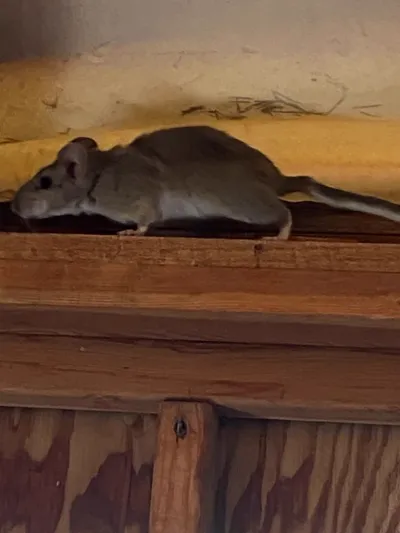
Least chipmunks have the largest range of any North American chipmunk. They live throughout much of the western United States. Their range spans from northern New Mexico and the Dakotas to eastern California, Oregon, and Washington. They also live across southern and western Canada from Yukon to central Ontario. Some populations reach into the Upper Peninsula of Michigan and nearby parts of Wisconsin and Minnesota. A related species, Pack Rats, shares similar characteristics.
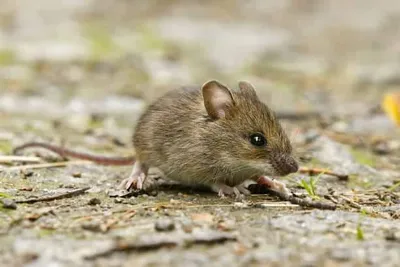
Unlike many chipmunks, least chipmunks spend less time in trees. They prefer open areas like sagebrush flats, forest edges, alpine meadows, and the margins of pine forests. You can often find them near rock cliffs, river bluffs, and open pine stands. They adapt well to many habitats, from pine forests to the edges of northern tundra. A related species, Mice, shares similar characteristics.
Burrowing Behavior
Least chipmunks dig burrows for shelter and food storage. A typical burrow has one chamber about 6 inches across. Tunnels are about 3 inches wide and average 5 to 6 feet long. Each burrow has two to four entrances. These openings are often hidden under rocks or plants. Burrows sit about 7 inches below the surface.
In summer, least chipmunks may also build nests in trees using leaves and grass. They sometimes move into old woodpecker holes too.
Diet and Food Storage
Least chipmunks are active during the day. They are most active in April and October. They eat mostly seeds, berries, nuts, and fruits. They also eat insects and other small creatures.
These chipmunks have cheek pouches to carry food back to their burrows. They hide food in many small pits under logs and brush around their territory. This is called scatter-hoarding. They mark spots where they have used up the food with urine and avoid going back to those areas.
Winter Survival
Least chipmunks do not truly hibernate. They also do not gain extra fat in fall like true hibernators do. Instead, they enter a sleep-like state called torpor for long periods. During torpor, their body functions slow way down. They wake up now and then to eat food stored in their burrows. How long they stay dormant depends on where they live. In Michigan, they may be underground from late November to mid-March. In northern Manitoba, they may stay dormant from mid-October to late April.
Reproduction
Least chipmunks can breed at about 10 months old. Mating happens in April when females first come out of winter dormancy. Pregnancy lasts about 30 days. Females give birth to 2 to 6 young at a time. Most females have only one litter per year. They may have a second litter if the first one is lost.
These chipmunks are loners. They only spend time with other chipmunks during mating or when raising young. They guard their territory and will chase away intruders from their nesting sites.
Management Strategies for Chipmunks
Chipmunk control falls under wildlife management rather than standard pest control. If chipmunks are causing problems on your property, several approaches can help reduce their numbers.
Habitat Changes: Removing things that attract chipmunks works best for long-term control. Keep bird feeders up high and clean up fallen seeds often. Move wood piles, rock piles, and brush away from your home’s foundation. These spots give chipmunks cover and places to nest.
Keeping Them Out: Use hardware cloth or wire mesh to protect garden beds, flower bulbs, and plants near your foundation. Seal gaps around your foundation to stop chipmunks from digging burrows too close to your home.
Repellents: Some store-bought repellents may keep chipmunks away for a while. Results vary. Natural options like predator urine or pepper-based products are sometimes used around gardens.
Live Trapping: When chipmunks cause major damage, live trapping and moving them may be an option. But rules about trapping and moving wildlife differ by state and town. Always check local laws before you try any trapping.
Since chipmunks are wildlife and not structural pests, wildlife control experts are the best help for ongoing chipmunk problems. For general pest control pricing, see our guide on how much pest control costs. They can look at your situation and suggest humane options that follow local rules.
About Least Chipmunks in the Wild
Least chipmunks spread seeds throughout their habitat by caching food they sometimes fail to retrieve. They also serve as food for hawks, owls, weasels, foxes, and snakes.
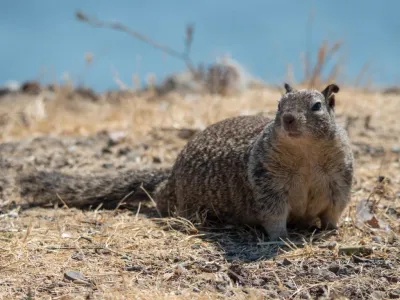
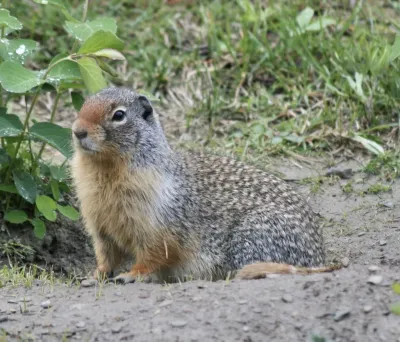
Their burrowing activity aerates soil and mixes organic matter. This can sometimes conflict with human landscaping when burrows appear near foundations or gardens. Other ground-dwelling rodents that share similar habitats include thirteen-lined ground squirrels and Richardson’s ground squirrels.
References
Other Rodents
Explore other species in the rodents family
Where Least Chipmunk Are Found
Hover over states to see their names. Green regions indicate where least chipmunk have been reported.
Common Questions about Least Chipmunk
How can I tell if I have least chipmunks on my property?
+
Look for small, striped rodents with distinctive facial markings near wooded areas, rock piles, or log piles. You may notice small burrow entrances about 2 inches in diameter, often hidden near rocks or vegetation. Chipmunks are diurnal, so you will see them during daylight hours, especially in early morning and late afternoon.
Are least chipmunks dangerous?
+
Least chipmunks are generally not dangerous to humans. They are shy and will typically flee when approached. However, like all wild rodents, they can carry diseases and parasites including fleas and ticks. They should not be handled or fed by hand.
Do least chipmunks hibernate?
+
Least chipmunks do not truly hibernate. Instead, they enter a state called torpor during winter months. They wake periodically to eat food they have cached in their burrows. The length of their dormant period varies by location, ranging from late November to mid-March in southern areas to mid-October to late April in northern regions.
What do least chipmunks eat?
+
Least chipmunks are omnivores that primarily eat seeds, berries, nuts, and fruits. They also consume insects and other small invertebrates. They are known for storing food in their cheek pouches and caching it in their burrows for winter consumption.
Will least chipmunks damage my garden or property?
+
Least chipmunks can dig burrows near foundations or in gardens, which may cause minor damage. They may also eat seeds, bulbs, and fruits from gardens. However, they generally cause less damage than larger rodents like [gray squirrels](/pests/rodents/eastern-gray-squirrels/) or groundhogs.
How do I humanely discourage chipmunks from my property?
+
Remove attractants like bird feeders or fallen seeds, keep wood piles and rock piles away from your home's foundation, and use hardware cloth to protect garden beds and bulbs. Sealing gaps around your foundation can prevent them from burrowing too close to your home.

With five years of hands-on experience in the pest control industry, George Schulz is a registered technician with the Virginia Pest Management Association and a proud third-generation professional in a family business that's been protecting homes for over 57 years. He manages and trains a team of service pros while also leading internal research efforts—recently spearheading a deep-dive review of thousands of documents on pest control materials to hand-pick the most kid and pet friendly, most effective solutions tailored specifically for homes in the DC metro area.