House Mouse Identification Guide
Mus musculus
The house mouse is the most common rodent pest in North America, thriving in close association with humans. These small, adaptable mice can squeeze through gaps as small as a dime and reproduce rapidly, making early detection and professional control essential.
Taxonomy

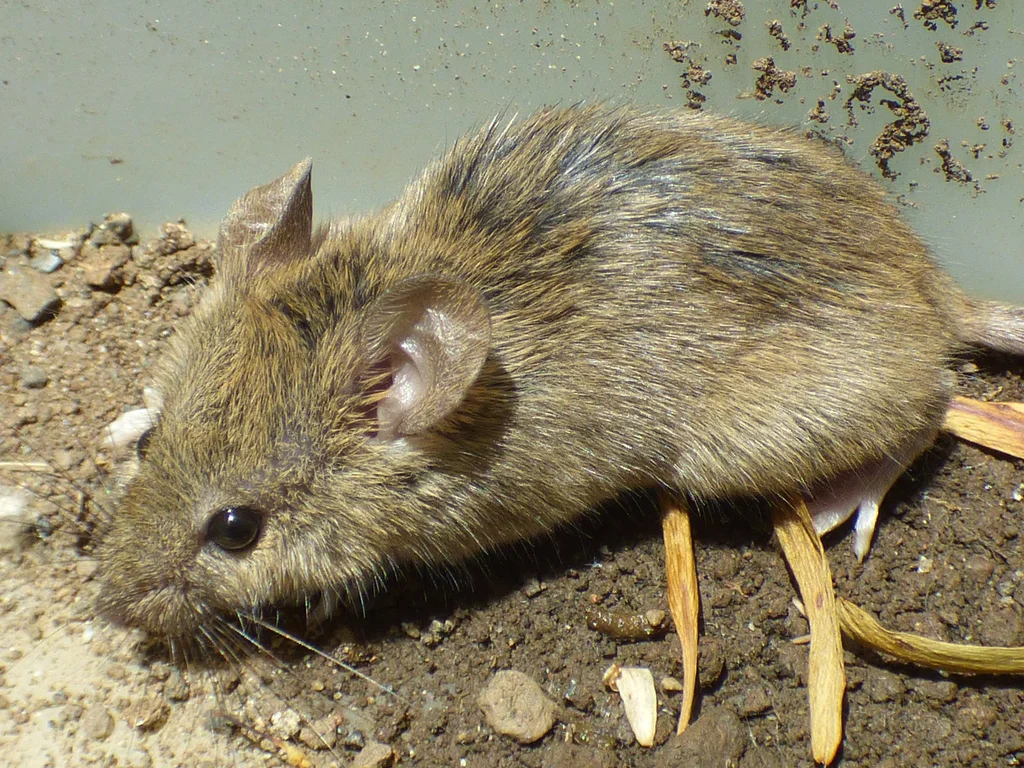
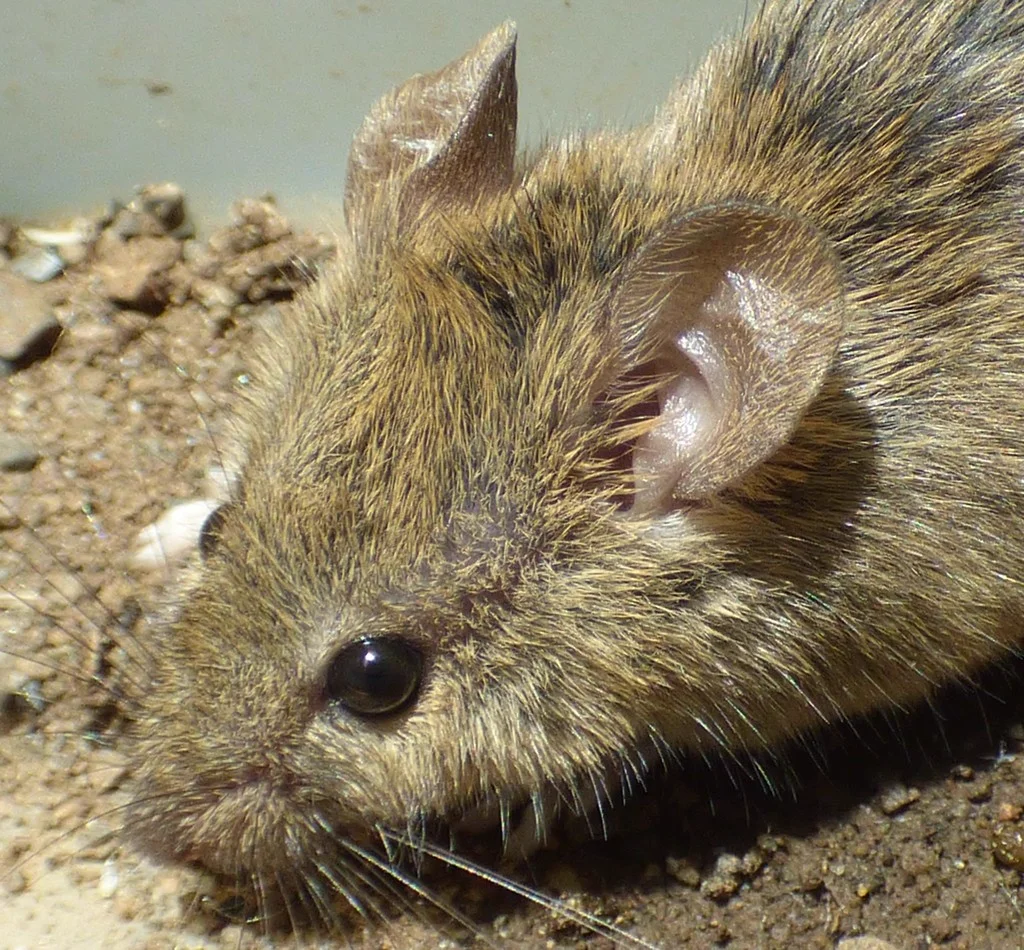
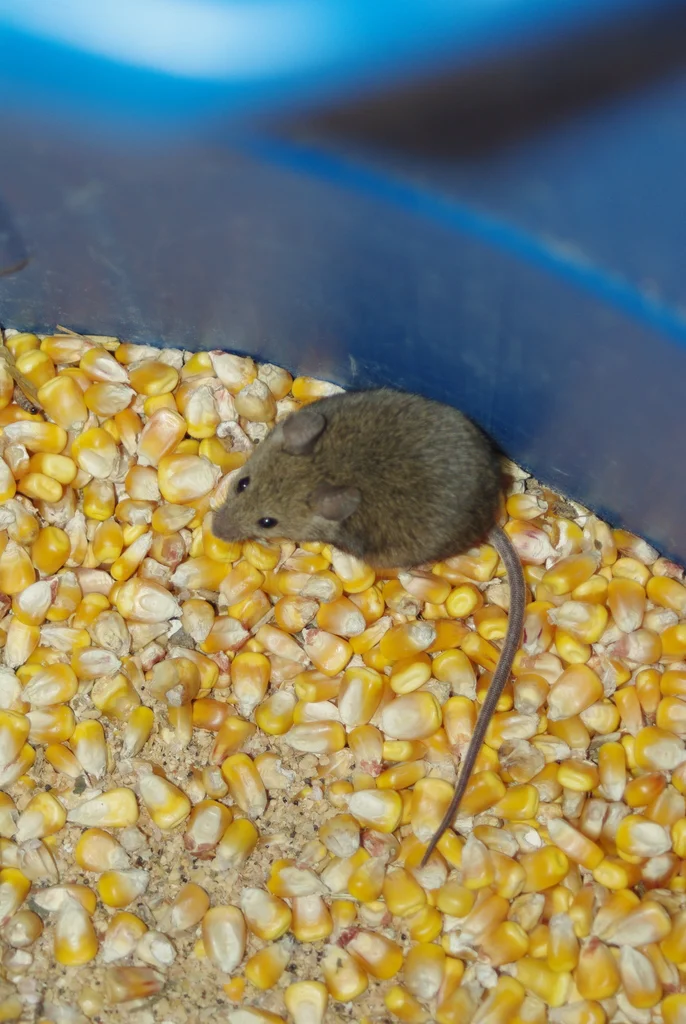
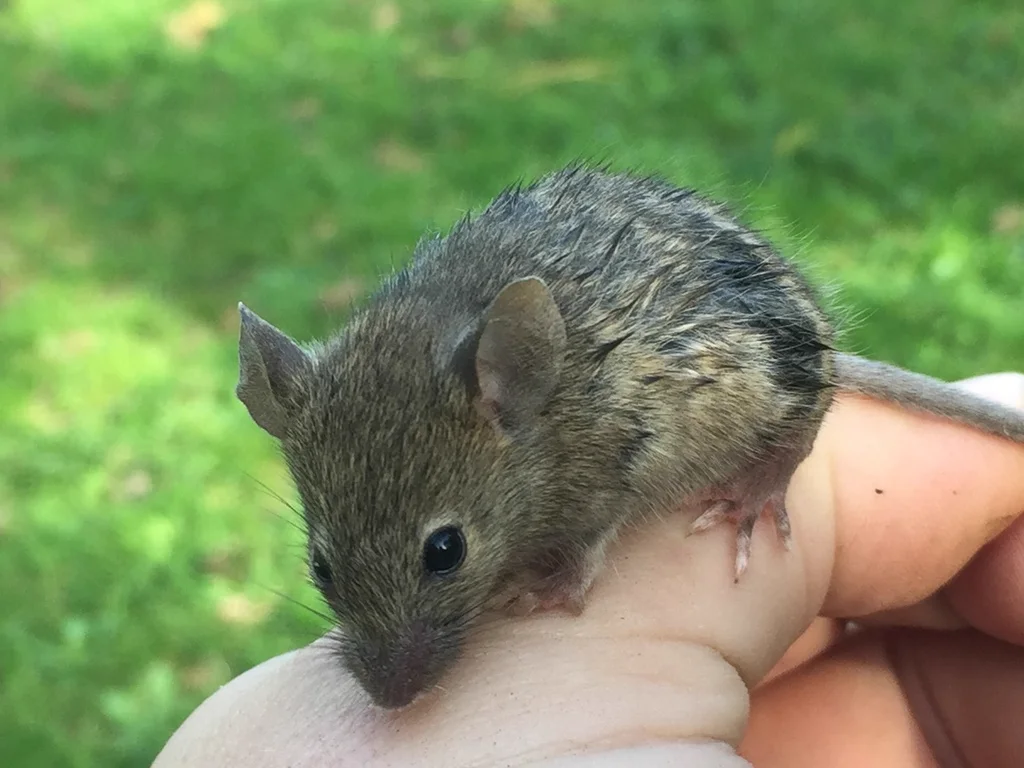
House Mouse Coloration
Common color patterns to help identify house mouse
House Mouse
Seasonal Activity
When house mouse are most active throughout the year

Where House Mouse Are Found
Hover over states to see their names. Green regions indicate where house mouse have been reported.
House Mouse Identification Guide
Physical Characteristics
The house mouse (Mus musculus) is a small rodent. Adults measure 2.5 to 3.75 inches in body length. Their tail is about the same length as their body. They weigh between 12 to 30 grams, which is about half an ounce to one ounce. You can spot them by these features:
- Pointed snout with thin whiskers
- Large, rounded ears that appear naked but have fine hair
- Small, dark eyes adapted for low-light conditions
- Long, scaly tail that is nearly hairless
- Short, soft fur ranging from light brown to dark grayish-brown
- Lighter underside with fur in cream, buff, or white tones
House mice produce a distinctive musky odor that becomes more noticeable as populations grow. This smell comes from their urine and is used for communication and territory marking.
Distinguishing House Mice from Other Rodents
House mice are often confused with other small rodents. Key differences include:
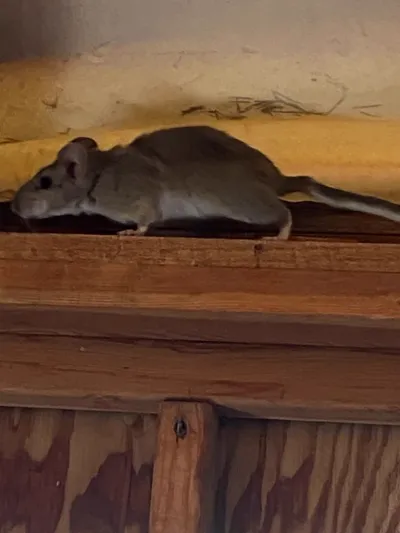
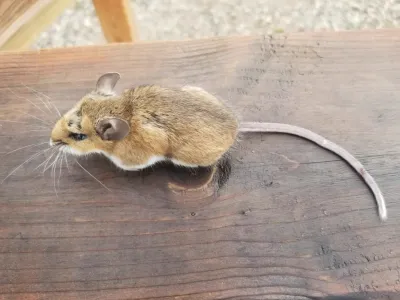
House Mouse vs. Deer Mouse: Deer mice have two-toned fur with a bright white underside. They have larger eyes and two-toned tails. House mice have more uniform coloring. Deer mice also carry hantavirus, which house mice do not. For a full comparison, see our guide on deer mice vs house mice.
House Mouse vs. Norway Rat: Norway rats are much larger at 6 to 10 inches in body length. They have blunt snouts and smaller ears for their size. Rat droppings are also larger at 1/2 inch compared to 1/4 inch for mice.
House Mouse vs. White-footed Mouse: White-footed mice are similar in size to deer mice. They have bright white feet and live mostly in wooded areas. House mice prefer to live near human homes and buildings. You might also see field mice, another name for deer mice, especially if your property borders wooded areas. For more on this comparison, see our house mouse vs field mouse guide.
House Mouse Behavior and Biology
Habitat and Nesting
House mice are highly adaptable. They thrive wherever humans live. They first came from Central Asia and spread across the world by living near people. They are called “commensal” rodents because they share the table with humans.
In the wild, house mice dig burrows with tunnel systems that have rooms for nesting, food storage, and several exits. When living in homes, they nest in:
- Wall voids and insulation
- Behind appliances and cabinets
- In storage boxes and cluttered areas
- Within furniture and upholstered items
- Inside crawl spaces and basements
Nests are constructed from shredded paper, fabric, insulation, and other soft materials. House mice typically stay within 10 to 30 feet of their nest when foraging.
Activity Patterns
House mice are mostly active at night. They may come out during the day in quiet areas. They are good climbers and jumpers. They can jump up to 12 inches high and run up to 8 miles per hour. They can also swim but tend to avoid water.
Mice use their whiskers to feel their way around. They travel along walls and edges. They leave grease marks along paths they use often. These marks come from the oils in their fur.
Diet and Feeding Habits
House mice eat almost anything. They prefer seeds and grains but will consume many other foods including:
- Cereal products and stored grains
- Fruits, vegetables, and nuts
- Insects and other small invertebrates
- Pet food and birdseed
- Soap, glue, and other household materials
Unlike rats, house mice are curious and bold. They nibble small amounts from many sources instead of eating a lot from one spot. This makes them quicker to try bait. For tips on choosing the right attractant, see our best mouse bait guide.
Reproduction and Lifespan
House mice breed very fast. Under good conditions:
- Breeding occurs year-round indoors
- Females produce 5 to 10 litters per year
- Each litter contains 5 to 6 pups on average (range of 3 to 12)
- Gestation lasts 19 to 21 days
- Pups are born naked and blind
- Eyes open at 14 days
- Weaning occurs at 3 weeks
- Sexual maturity is reached at 5 to 7 weeks
In the wild, house mice typically live 12 to 18 months. Predators and weather often shorten their lives. Pet mice or those in protected areas can live up to 2 to 3 years.
Signs of a House Mouse Infestation
Finding a mouse problem early makes control easier. Look for these common signs:
Droppings
Fresh droppings are dark, soft, and moist. Older droppings become dry, hard, and gray. A single mouse leaves 50 to 75 droppings per day. You will find them along travel paths, near food, and close to nests.
Gnaw Marks
Mice chew on food packaging, wood, plastic, and even wires. Fresh gnaw marks are light colored. Older marks darken over time. Chewed wires create fire hazards.
Rub Marks
Greasy smears along baseboards and walls show paths mice use often. These marks build up from body oils and dirt in their fur.
Sounds
Scratching, scurrying, and squeaking sounds in walls, ceilings, or under floors, especially at night.
Nests
Shredded paper, fabric, insulation, or other fibrous materials gathered into loose balls in hidden locations.
Tracks and Runways
Dusty areas may show footprints and tail drag marks. Outside, you may see worn paths through grass or plants.
Odor
A musky smell that gets stronger as the population grows. This odor comes from mouse urine used to mark territory.
Health Risks Associated with House Mice
House mice pose real health risks to people. They can spread more than 20 different diseases through various ways. If you think you have been exposed to illness from rodents, please talk to a doctor for medical advice.
Disease Transmission
Direct contact: Touching mice or their urine, droppings, or saliva can spread diseases such as:
- Salmonellosis: Causes diarrhea, fever, and stomach cramps
- Leptospirosis: Spread through urine. Causes fever, chills, and vomiting
- Lymphocytic choriomeningitis (LCMV): A virus that causes flu-like symptoms or in rare cases, serious brain swelling
Contamination: Mice spread germs on surfaces and food as they move around and eat.
Allergens: Mouse urine, droppings, and skin flakes trigger allergies and asthma in some people. Studies show that mouse allergens are present in most American homes.
Structural Damage
House mice also cause property damage by:
- Gnawing through electrical wiring (fire hazard)
- Damaging insulation
- Contaminating stored food
- Destroying documents and stored items
- Chewing through packaging
How We Treat for House Mice
Our approach to house mouse control follows a proven 4-step rodent protocol:
Step 1: Comprehensive Inspection
Before any treatment, our licensed technicians do a full inspection to:
- Identify hot spot areas with active mouse activity
- Locate droppings, gnaw marks, rub marks, and nesting sites
- Find potential food sources (pet food, birdseed, pantry items)
- Assess harborage areas like clutter and storage
- Document entry points and conditions conducive to infestation
Step 2: Strategic Bait Station Placement
We place tamper-proof rodent bait stations near areas with the most activity. These stations are built to:
- Prevent access by children and pets
- Protect bait from weather and contamination
- Allow easy monitoring of consumption
For indoor treatments, we mostly use snap traps instead of bait. This prevents mice from dying in walls or other hard-to-reach spots, which can cause bad smells.
Step 3: Follow-Up Visits
We return for follow-up visits, usually at 1 and 3 weeks after the first treatment, to:
- Assess bait consumption and trap catches
- Determine if the treatment is working
- Make adjustments to station placement or bait types
- Evaluate overall activity levels
Some mice respond better to certain baits. Our technicians may try different attractants like peanut butter, candy, or meat-based baits to get better results.
Step 4: Long-Term Maintenance
The most common reason rodent control fails is lack of ongoing care. We recommend tri-annual service (three times per year) to:
- Re-bait and inspect stations
- Monitor for new activity
- Address any new entry points
- Maintain protection year-round
In high-activity areas like Old Town Alexandria and Washington DC, we may recommend more frequent visits at the start until the population is under control.
Exclusion Services
Sealing entry points is part of long-term rodent proofing. However, we typically do not seal openings right away. This is a common mistake homeowners make. If we seal entry points before getting rid of the mice inside, they may get trapped in walls. This causes bad odors. Exclusion work is most effective after the population is under control.
Prevention Tips for Homeowners
While professional treatment is the most effective solution, these steps can help reduce attractants:
- Store food in airtight glass or metal containers
- Clean up spills and crumbs promptly
- Remove pet food dishes overnight
- Store birdseed in sealed containers; consider relocating feeders away from the house
- Reduce clutter in storage areas, garages, and basements
- Keep grass trimmed and remove debris near the foundation
- Seal obvious gaps around pipes and utility lines with steel wool or hardware cloth
- Install door sweeps on exterior doors
For more prevention strategies, read our guide on effective tips to keep mice out. You can also learn more about all rodent species we treat.
References
Other Rodents
Explore other species in the rodents family





Commonly Confused With
House Mouse are often mistaken for these similar pests


Where House Mouse Are Found
Hover over states to see their names. Green regions indicate where house mouse have been reported.
Common Questions about House Mouse
How do I identify a house mouse?
+
House mice have pointed snouts, large rounded ears, small black eyes, and long nearly hairless tails. Adults measure 2.5 to 3.75 inches in body length with tails of similar length. Their fur is typically grayish-brown on top with lighter undersides. They also produce a distinctive musky odor.
How did house mice get their name?
+
House mice are called 'commensal' rodents, meaning they share the table with humans. They originated in Central Asia and spread worldwide by living in close association with human settlements, traveling on ships, wagons, and other transportation as people colonized new areas.
How fast do house mice reproduce?
+
House mice reproduce extremely rapidly. A single female can have 5 to 10 litters per year, with each litter containing 5 to 6 pups. Young mice reach sexual maturity at just 5 to 7 weeks old, meaning a small problem can become a major infestation within months.
What diseases do house mice carry?
+
House mice can transmit over 20 diseases to humans including salmonellosis, leptospirosis, and lymphocytic choriomeningitis (LCMV). They also trigger asthma and allergies through their droppings, urine, and dander. Their contamination of food and surfaces poses ongoing health risks.
What do house mouse droppings look like?
+
House mouse droppings are small, about 1/4 inch long (the size of a grain of rice), dark colored, and pointed at both ends. Fresh droppings are soft and dark; older droppings become hard and gray. A single mouse produces 50 to 75 droppings per day.
What do house mice eat?
+
House mice are omnivores that eat almost anything available. They prefer seeds and grains but will consume insects, human food, pet food, soap, glue, and other household materials. They nibble small amounts from multiple sources rather than feeding heavily in one spot.
How small a gap can a house mouse fit through?
+
House mice can squeeze through openings as small as 1/4 inch, roughly the diameter of a pencil or dime. Their skulls are the limiting factor since they cannot compress bone. This ability allows them to enter buildings through tiny gaps around pipes, vents, and utility lines.
Why do I hear scratching sounds at night?
+
House mice are primarily nocturnal, meaning they are most active during the night. The scratching, scurrying, and gnawing sounds you hear in walls or ceilings typically occur between dusk and dawn when mice are foraging for food and exploring their territory.

With five years of hands-on experience in the pest control industry, George Schulz is a registered technician with the Virginia Pest Management Association and a proud third-generation professional in a family business that's been protecting homes for over 57 years. He manages and trains a team of service pros while also leading internal research efforts—recently spearheading a deep-dive review of thousands of documents on pest control materials to hand-pick the most kid and pet friendly, most effective solutions tailored specifically for homes in the DC metro area.