Hispid Cotton Rat Identification Guide
Sigmodon hispidus
The hispid cotton rat is the most widespread cotton rat species in North America. Known for its coarse, bristly fur, it inhabits grassy fields and agricultural areas from the southeastern United States through Mexico and Central America.
Taxonomy
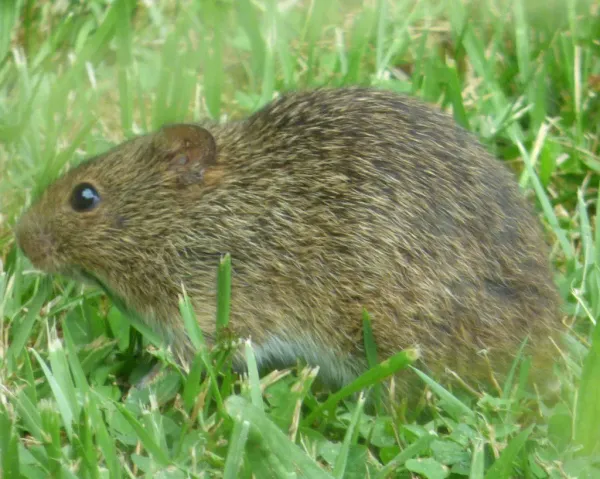
Hispid Cotton Rat Coloration
Common color patterns to help identify hispid cotton rat
Hispid Cotton Rat
Seasonal Activity
When hispid cotton rat are most active throughout the year
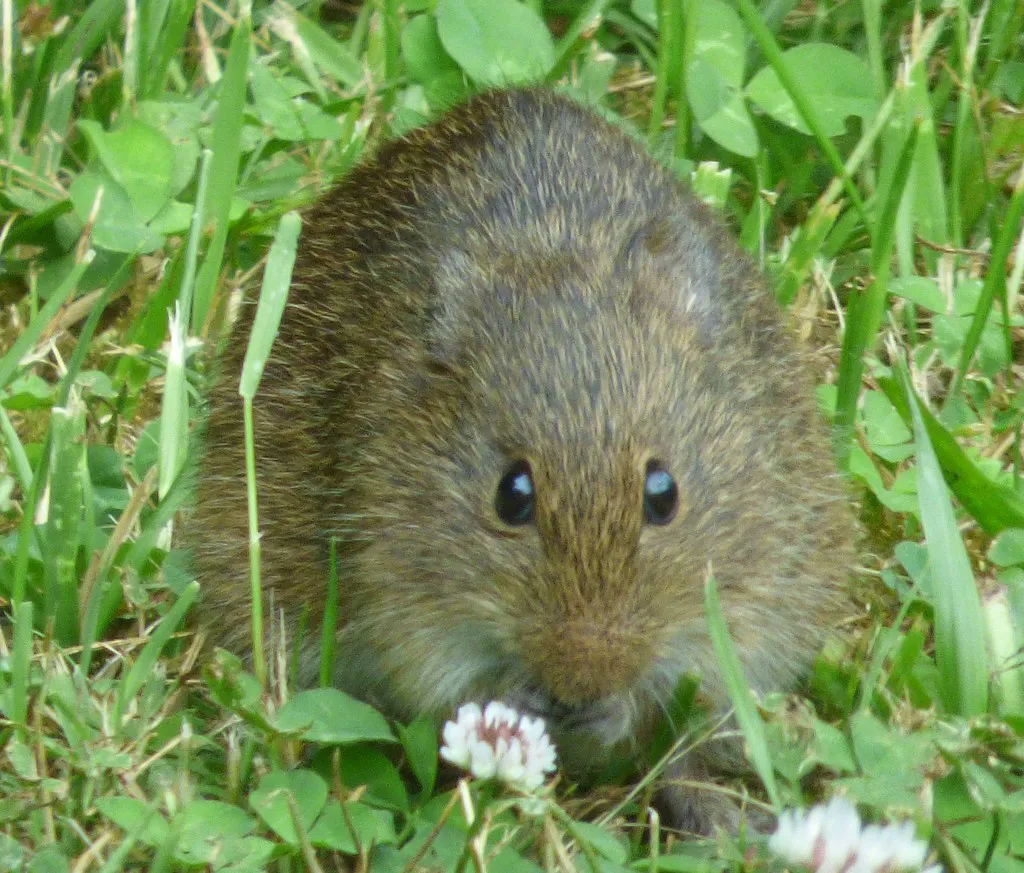
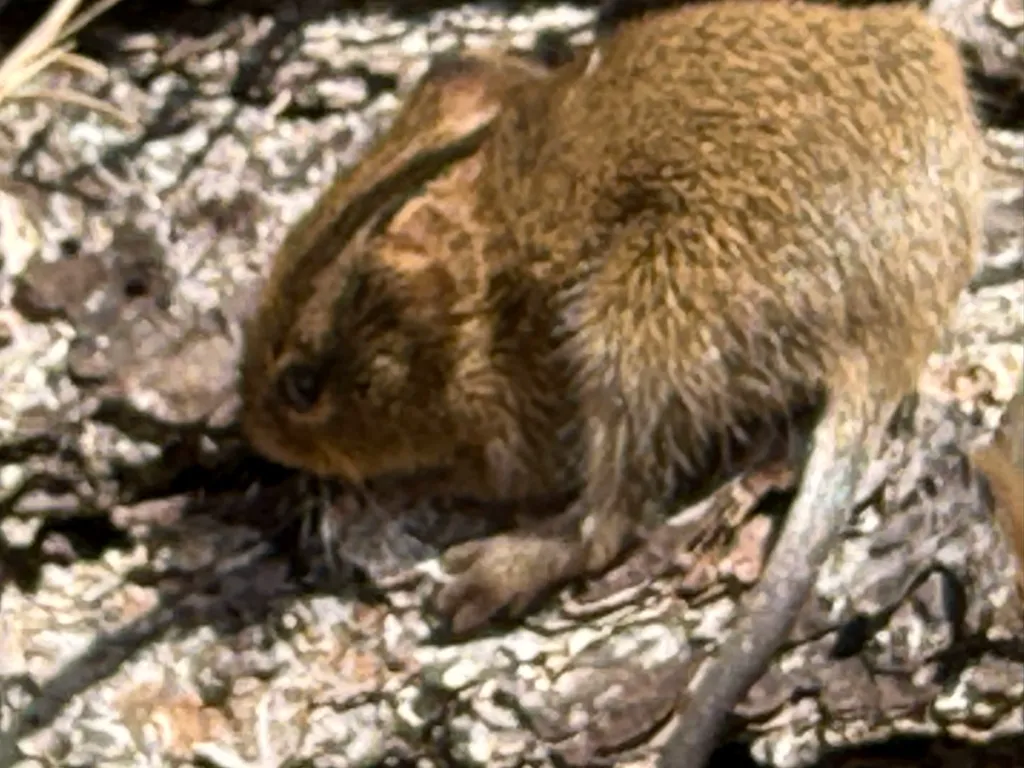
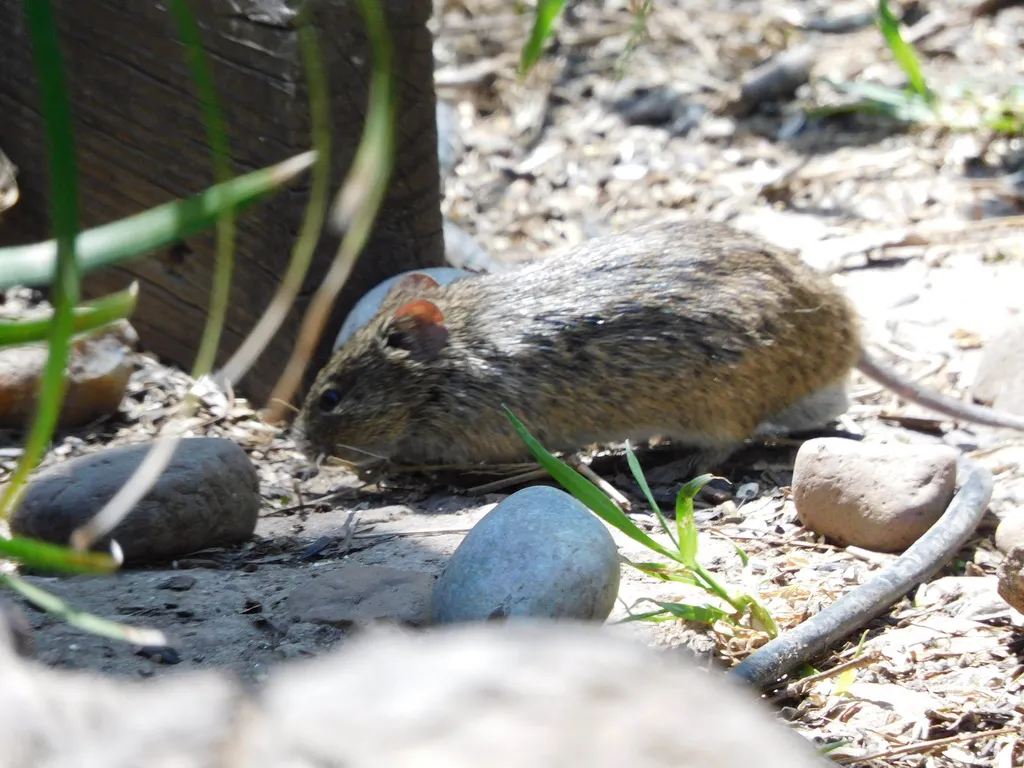

Where Hispid Cotton Rat Are Found
Hover over states to see their names. Green regions indicate where hispid cotton rat have been reported.
Hispid Cotton Rat Identification Guide
Physical Characteristics
The hispid cotton rat (Sigmodon hispidus) is a medium-sized rodent found across the southern United States, Mexico, and Central America. The word “hispid” comes from Latin and means rough or bristly. This fits the rat well because its coarse, stiff fur is its most notable feature.
Adults are 5 to 8 inches long (body only). Their thin, scaly tail adds another 3 to 6 inches. The tail is always shorter than the body. This is one way to tell them apart from roof rats and Norway rats. Adults weigh about 3.5 to 8 ounces.
Look for these features to spot a hispid cotton rat:
- Fur that is coarse and grizzled, brown-gray on top with lighter undersides
- A high-arched or “Roman” nose, which is a key trait of this species
- Small ears that are partly hidden by the fur around them
- Dark, fairly large eyes
- A scaly tail with little hair that is shorter than the body
- Dark feet with five toes on each back foot
Common Species in the Sigmodon Genus
The hispid cotton rat is the most common cotton rat species. A few relatives live in similar areas across North America:
- Arizona Cotton Rat (Sigmodon arizonae) lives in the desert Southwest and northern Mexico. It prefers dry grasslands and scrub.
- Yellow-nosed Cotton Rat (Sigmodon ochrognathus) is a smaller species found in the mountains of Arizona, New Mexico, and Mexico.
- Tawny-bellied Cotton Rat (Sigmodon fulviventer) lives in parts of the Southwest and has tan-colored underparts.
Hispid Cotton Rat Behavior and Biology
Habitat Preferences
Hispid cotton rats need thick ground cover to survive. You can find them in:
- Tall grass fields and meadows
- Overgrown roadsides and ditches
- Farm fields, especially sugarcane and cotton
- Marsh edges and wetlands
- Brush piles and weedy spots near buildings
They wear clear runways through grass and plants. These paths are 2 to 3 inches wide and connect their nests to feeding spots. Nests are round, about 5 inches across, and made from shredded grass. They build nests in burrows or hide them in thick brush above ground.
Unlike house mice or Norway rats, hispid cotton rats rarely come inside homes. They may move into barns, sheds, and garages when the weather turns harsh.
Diet and Feeding Habits
Hispid cotton rats eat mostly plants. Their diet includes:
- Grasses, stems, roots, and leaves
- Seeds and grains
- Fruits and berries
- Insects, bird eggs, and small bugs (now and then)
- Crops like sugarcane, cotton, melons, and vegetables
They are active both day and night but move around most at dawn and dusk. Each adult holds its own territory and fights off other cotton rats. Their home range is usually less than half an acre.
Reproduction and Lifecycle
Hispid cotton rats breed fast. In warm areas, they can have babies all year long. Breeding slows down in winter in the northern parts of their range.
- Pregnancy lasts about 27 days
- Litters have 2 to 15 pups, with 5 to 7 being normal
- Babies are weaned in 10 to 15 days
- Females can breed at just 30 days old
- Males can breed at about 60 days old
- Most live less than 1 year in the wild
Because they breed so fast, their numbers can spike and crash from one season to the next. Warm, wet years with plenty of plant growth lead to population booms. Other rodents that share grassy habitats include rice rats and meadow voles.
Health Risks
Hispid cotton rats carry several diseases that can spread to people:
- Hantavirus is the biggest concern. The CDC lists hispid cotton rats as carriers of certain strains. The virus spreads through contact with droppings, urine, or saliva. It can also become airborne when you disturb dirty areas.
- Leptospirosis is a bacterial illness spread through dirty water or soil.
- Salmonella can spread when food touches surfaces with rodent droppings.
Hispid cotton rats also play a role in medical research. Scientists use them to study human breathing viruses like RSV.
This is not medical advice. If you think you have been exposed to a rodent-borne illness, see a doctor right away.
Treatment Methods for Hispid Cotton Rats
Good cotton rat control combines changing the habitat with reducing the population.
Habitat Changes
Hispid cotton rats depend on thick ground cover. Removing that cover is one of the best long-term control methods:
- Mow tall grass and weedy spots near buildings on a regular basis
- Clear brush piles, trash, and thick ground cover within 50 feet of structures
- Trim plants along fence lines, ditches, and building edges
- Remove food sources like fallen fruit, spilled birdseed, and open pet food
Population Control
When you need to lower the number of cotton rats, these methods can work well:
- Locked bait stations placed along runways and near burrow openings give steady control while keeping other animals out.
- Snap traps in rat size work well when set along active runways. Peanut butter, oatmeal, or seeds are good baits. See our guide on the best mouse bait for more tips.
- Sealing entry points on sheds, barns, and outbuildings stops cotton rats from nesting inside. Block holes larger than 1/2 inch with hardware cloth or steel wool.
Cleanup Precautions
Because of hantavirus risk, follow these steps when cleaning areas with cotton rat activity:
- Wear rubber gloves and a fitted N95 mask
- Soak dirty areas with a bleach mix (1 part bleach to 10 parts water) before you clean
- Do not sweep or vacuum dry droppings. This can send virus particles into the air.
- Double-bag all dirty materials before throwing them away
- Wash your hands well after cleanup
The CDC provides detailed cleanup guidelines for dealing with rodent waste.
References
- Animal Diversity Web - Hispid Cotton Rat - Detailed species account covering biology, ecology, and behavior.
- U.S. Fish & Wildlife Service - Hispid Cotton Rat - Species overview and conservation status.
- CDC - Hantavirus - Disease transmission, prevention, and cleanup guidelines.
- National Pest Management Association - Rodents - Educational resources on rodent identification and control.
- Texas Tech University - Mammals of Texas: Sigmodon hispidus - Range maps and species account.
Other Rodents
Explore other species in the rodents family



Commonly Confused With
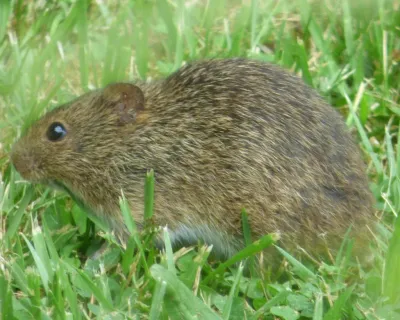
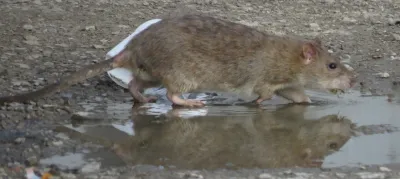
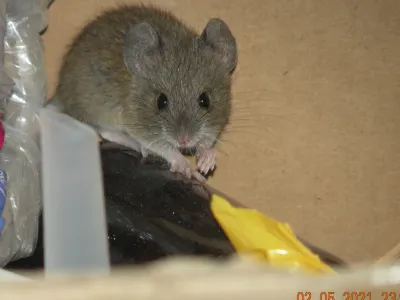
Hispid Cotton Rat are often mistaken for these similar pests

Where Hispid Cotton Rat Are Found
Hover over states to see their names. Green regions indicate where hispid cotton rat have been reported.
Common Questions about Hispid Cotton Rat
What does a hispid cotton rat look like?
+
Hispid cotton rats have coarse, bristly fur that looks grizzled brown or grayish-brown on top with lighter gray or white undersides. They are 5 to 8 inches long with a tail shorter than their body. Their nose has a distinctive high arch, and their ears are small and partly hidden by fur.
Where do hispid cotton rats live?
+
These rats prefer thick, grassy areas like overgrown fields, roadsides, meadows, marshes, and agricultural land. They build nests underground or in dense vegetation above ground. They rarely enter homes but may move into sheds, barns, and garages.
Are hispid cotton rats dangerous to humans?
+
Hispid cotton rats can carry diseases including hantavirus, which spreads through contact with their droppings, urine, or saliva. They are also known carriers of leptospirosis and salmonella. Avoid direct contact and take precautions when cleaning areas with rodent droppings.
What do hispid cotton rats eat?
+
They are primarily herbivores that eat grasses, seeds, roots, stems, and fruits. They also eat insects, bird eggs, and small invertebrates when available. In agricultural areas, they can damage crops like sugarcane, cotton, melons, and vegetable gardens.
How fast do hispid cotton rats reproduce?
+
Hispid cotton rats breed year-round in warm climates. Females can have litters of 2 to 15 pups, with 5 to 7 being typical. Gestation lasts about 27 days, and females can breed again almost immediately after giving birth. Young females reach sexual maturity at just 30 days old.
How can I tell a hispid cotton rat from a regular house rat?
+
Hispid cotton rats have rougher, more bristly fur than Norway rats or roof rats. Their tails are shorter relative to their body, and they have a distinctive high-arched Roman nose. They also prefer grassy outdoor habitats rather than buildings and sewers.
Do hispid cotton rats cause property damage?
+
They can damage lawns by creating runways and burrows through grass. They also harm gardens, crops, and stored feed. While they rarely enter homes, they may nest in outbuildings, sheds, and barns where they can gnaw on stored materials.

With five years of hands-on experience in the pest control industry, George Schulz is a registered technician with the Virginia Pest Management Association and a proud third-generation professional in a family business that's been protecting homes for over 57 years. He manages and trains a team of service pros while also leading internal research efforts—recently spearheading a deep-dive review of thousands of documents on pest control materials to hand-pick the most kid and pet friendly, most effective solutions tailored specifically for homes in the DC metro area.