Harvest Mouse Identification Guide
Reithrodontomys spp.
Harvest mice are small, native North American rodents found in grasslands, prairies, and fields across the continent. While rarely home invaders, these tiny mice occasionally enter buildings seeking food or shelter during harsh weather.
Taxonomy
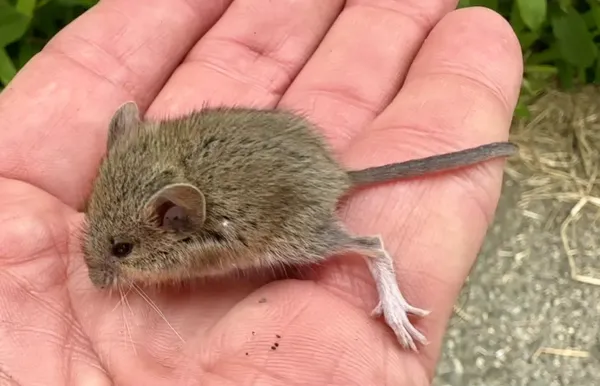
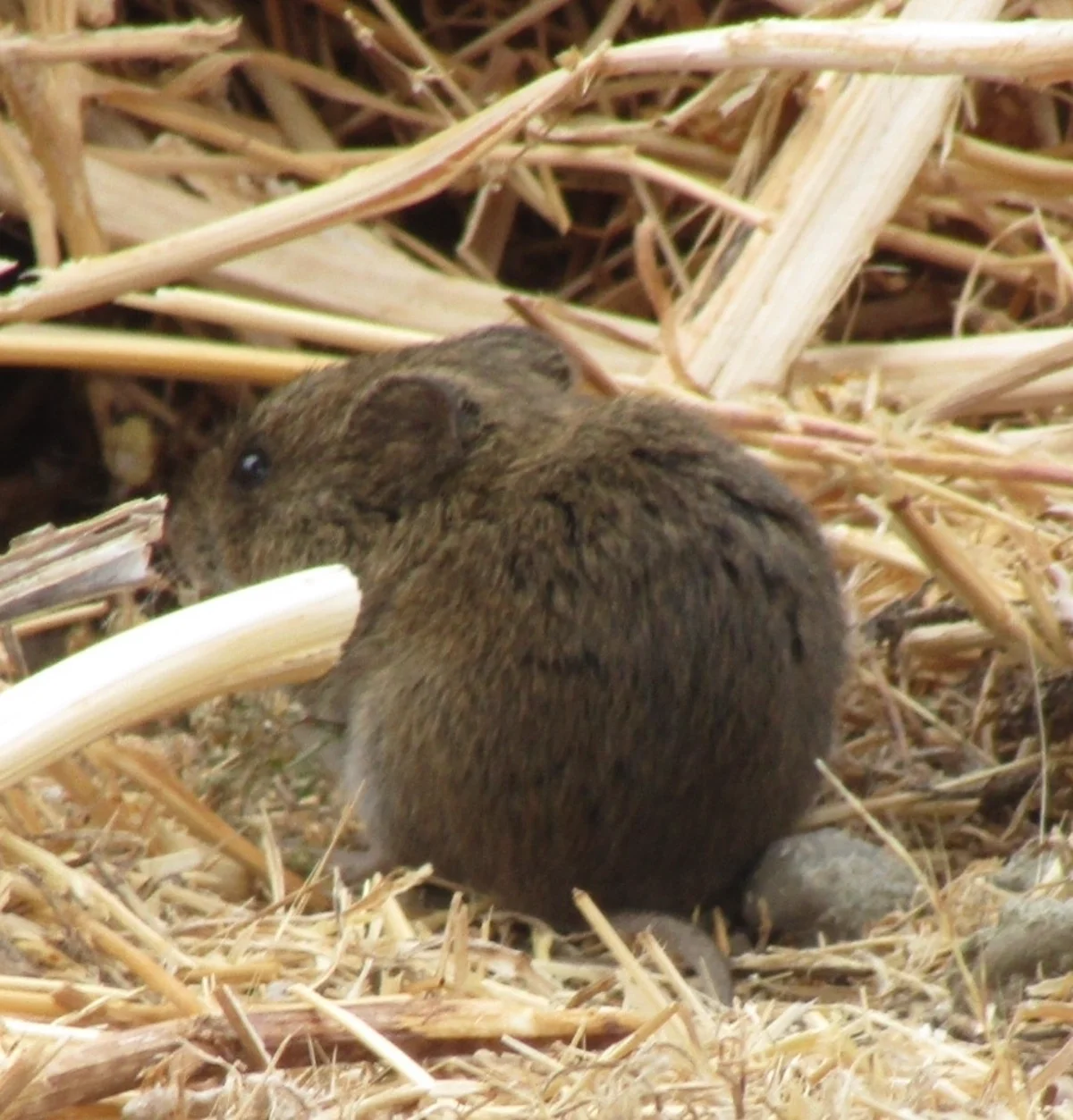
Harvest Mouse Coloration
Common color patterns to help identify harvest mouse
Harvest Mouse
Seasonal Activity
When harvest mouse are most active throughout the year

Where Harvest Mouse Are Found
Hover over states to see their names. Green regions indicate where harvest mouse have been reported.
Harvest Mouse Identification Guide
Physical Characteristics
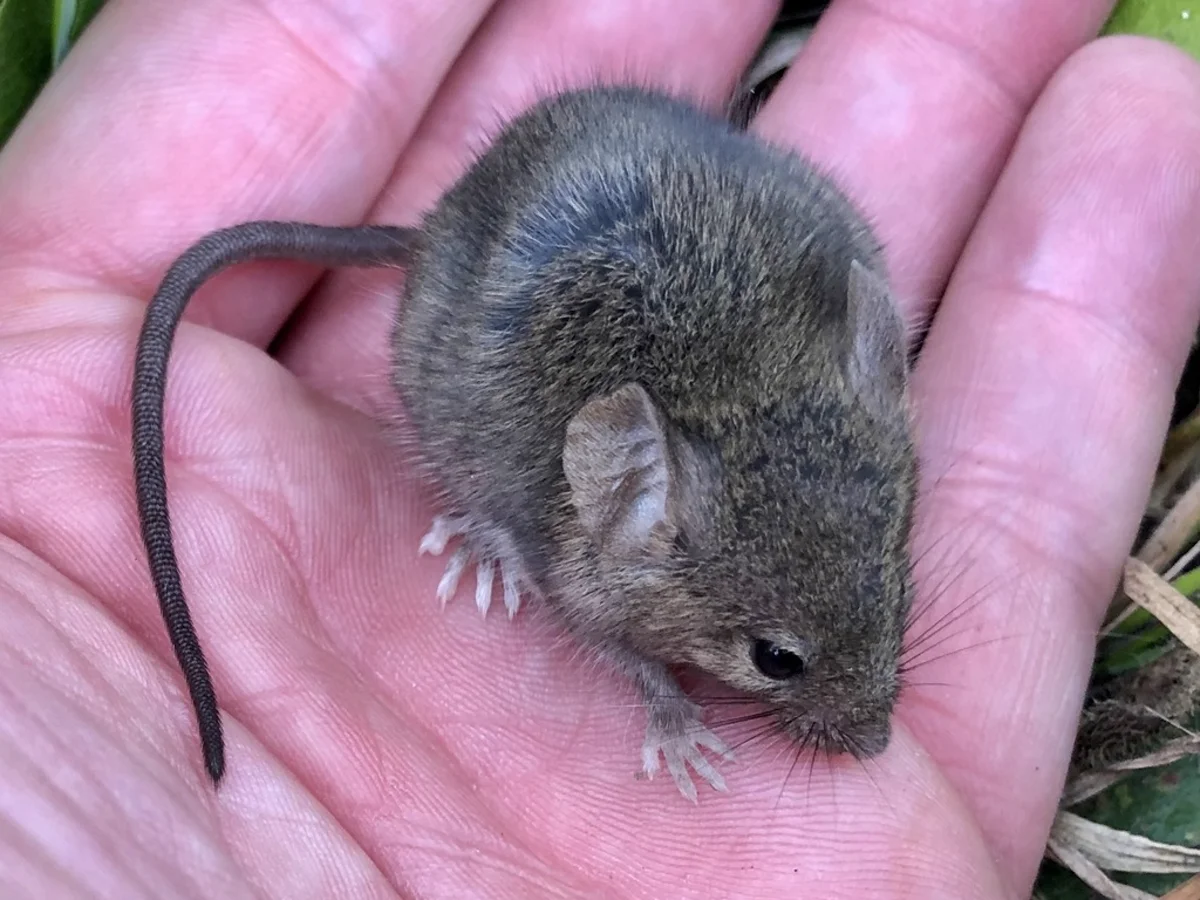
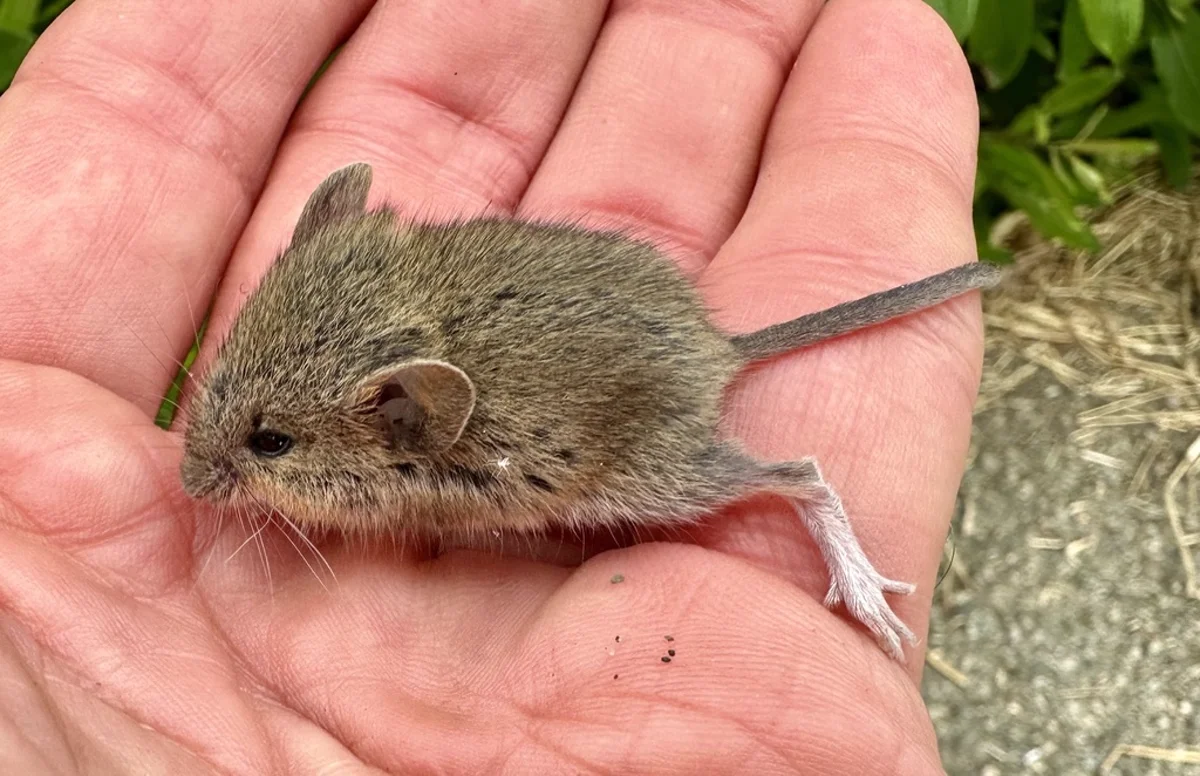
Harvest mice (Reithrodontomys species) are among the smallest rodents in North America. Adults measure 2 to 3 inches in body length. Their tails are about the same length as their bodies. They weigh between 9 to 22 grams, which is less than an ounce. Key features include:
- Small, compact body with a rounded shape
- Large, rounded ears for their size
- Long, thin tail that is darker on top and lighter below
- Grooved upper front teeth, the key feature that sets them apart from house mice
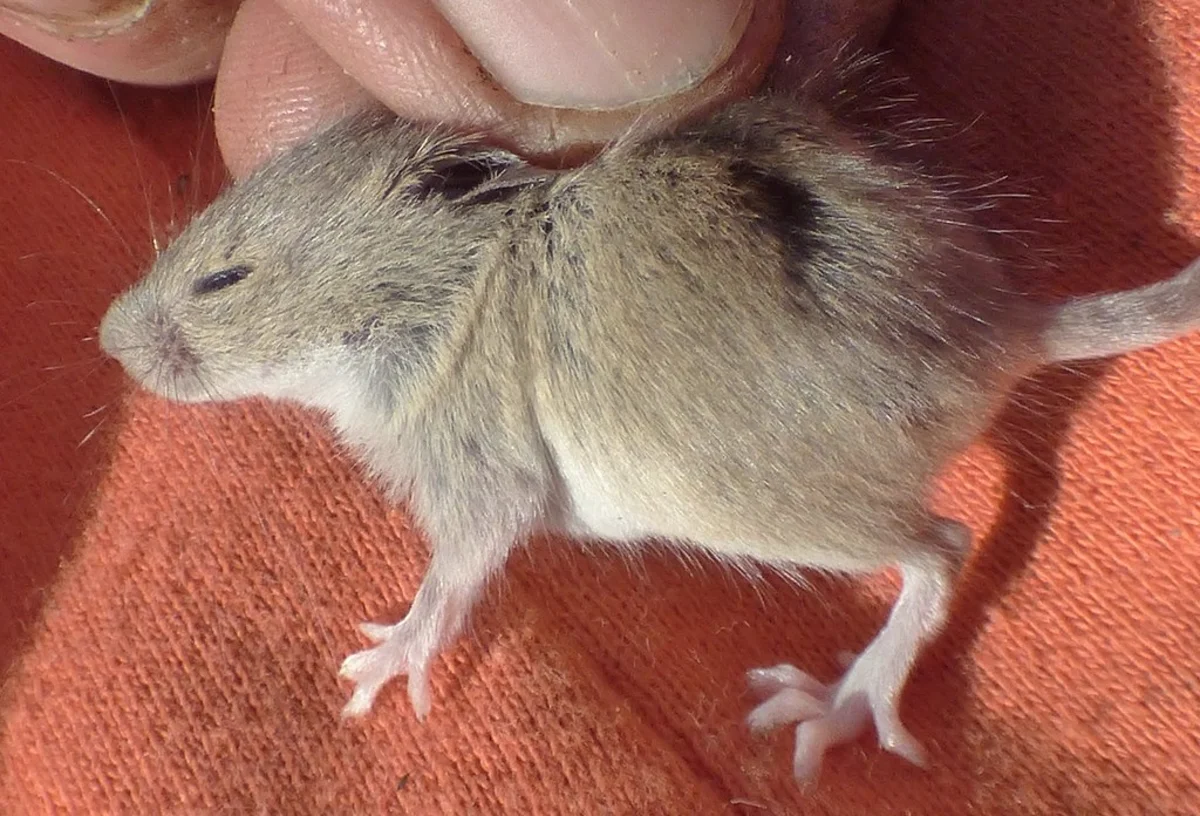
- Brownish to grayish-brown fur on the back with lighter undersides
- White or cream-colored belly fur
- Large, dark eyes built for seeing at night
The best way to identify a harvest mouse is by looking at the front teeth. Harvest mice have a clear groove running down the front of each upper incisor. House mice and deer mice do not have this groove.
Common Species in North America
Several harvest mouse species live across North America. Each is adapted to its own region and habitat.
Western Harvest Mouse (Reithrodontomys megalotis): This is the most common species. It lives from southern Canada to Mexico in grasslands, prairies, meadows, and desert edges. Adults reach 4.3 to 6.7 inches total length including tail.
Eastern Harvest Mouse (Reithrodontomys humulis): This species lives in the southeastern United States from Maryland to Florida and west to Texas. It prefers dense plants in old fields, wet meadows, and briar patches. It has darker, deep brown fur.
Plains Harvest Mouse (Reithrodontomys montanus): This mouse lives in the dry uplands of the Great Plains from Montana to Texas. It prefers short-grass prairies and is the smallest North American harvest mouse at 3.5 to 5.5 inches total length.
Fulvous Harvest Mouse (Reithrodontomys fulvescens): This species is found from the southern United States through Mexico. It has rich, tawny-brown fur and prefers brushy areas with scattered shrubs.
Salt-Marsh Harvest Mouse (Reithrodontomys raviventris): This rare species lives only in the salt marshes around San Francisco Bay in California. It is federally listed as endangered due to habitat loss.
Harvest Mouse Behavior and Biology
Habitat Preferences
Harvest mice live in open areas. Unlike house mice that live near people, harvest mice prefer wild places such as:
- Grasslands and prairies with thick ground cover
- Meadows and old fields with tall grasses
- Marshes and wetland edges with sedges and rushes
- Field edges near crops
- Desert scrublands with scattered plants
- Roadsides and ditches with weedy growth
These mice need thick plant cover for hiding and nesting. Studies show they prefer areas with more than 80% ground cover. They often use the runways and tunnels made by other small animals like meadow voles and cotton rats. Homeowners dealing with Harvest Mouse may also encounter Rodent, which can appear in similar environments.
Nesting Behavior
Harvest mice build ball-shaped nests from woven plant materials. These nests are about 5 inches across and have:
- Outer layer of coarse grasses and plant stems
- Inner lining of finer, softer plant fibers
- One or more entrance holes at the base
- Location on the ground under plants or raised up in shrubs
Ground nests are hidden beneath logs, thick grass, or leaf litter. Raised nests may be built in shrubs, tall grass stems, or low tree branches. Unlike many rodents, harvest mice rarely dig burrows.
Activity Patterns and Movement
Harvest mice are mainly active at night. They are most active on dark, moonless nights and during rainy weather when they feel safer from predators.
Key behaviors include:
- Stay close to home, rarely going far from their nest
- Good climbers that easily climb grass stems and shrubs
- Territorial, especially western harvest mice
- Slow down in cold weather but do not truly hibernate
- Store food by keeping seeds in their nests for later
Harvest mice keep a small home range of less than an acre. They move through the same paths in the plants.
Diet and Feeding Habits
True to their name, harvest mice mainly eat seeds. Their diet includes:
- Grass seeds from wild and farmed grasses
- Wildflower seeds from many different plants
- Crop seeds like wheat, oats, and other grains
- Insects especially during breeding season
- Green plant parts in smaller amounts
Harvest mice climb grass stems to reach seeds at the top. They use their long tails for balance. They help spread plant seeds around their habitat as they move and eat.
Reproduction and Lifespan
Harvest mice breed from early spring through late fall. They stop breeding only during the coldest winter months. Key facts about reproduction:
- Pregnancy lasts 23 to 25 days
- Litter size averages 4 pups, but can range from 2 to 9
- Multiple litters per year
- Young are born hairless and blind
- Reach adult breeding age at about 1 month old
- Full adult size at 4 to 5 months
In the wild, harvest mice usually live less than one year. Many are eaten by predators like owls, hawks, snakes, weasels, and foxes.
Harvest Mouse vs. House Mouse
Sometimes homeowners wonder if a small mouse they see is a harvest mouse or the more common house mouse. Here are the main differences:
| Feature | Harvest Mouse | House Mouse |
|---|---|---|
| Front teeth | Grooved | Smooth |
| Size | 2-3 inch body | 2.5-3.75 inch body |
| Ears | Larger for their size | Medium-sized |
| Habitat | Grasslands, fields | Near buildings |
| Indoor presence | Rarely enters homes | Common home invader |
| Tail | Two-toned color | One solid color |
| Odor | Little to none | Strong musky smell |
The easiest way to tell them apart is to look at the front teeth. The groove on harvest mouse teeth is visible without a magnifying glass.
Role in the Ecosystem
Harvest mice play helpful roles in nature:
- Spread seeds as they move and eat, helping plants grow in new places
- Turn over soil and leaf litter as they search for food
- Feed predators like owls, hawks, and snakes
- Show habitat health, since they only live in healthy grasslands
Protecting grassland habitats helps keep harvest mouse numbers stable. This is especially important for the endangered salt-marsh harvest mouse in California.
Management Considerations
Harvest mice rarely need control since they seldom enter buildings or cause damage. When they do show up indoors, it is usually because of:
- Bad weather that drives them to find shelter
- Habitat damage from building or mowing
- Accidental entry through open doors or gaps
For the rare times when harvest mice enter buildings, gentle methods work well:
- Live traps can catch them for release outdoors
- Sealing gaps around foundations stops them from getting in
- Mowing tall grass near buildings reduces nearby populations
Unlike house mice, harvest mice do not breed indoors. A single mouse found inside is usually an accident, not a sign of an infestation. See our guide on the differences between field mice and house mice for help identifying what rodent you may have found. You can also learn about related species like meadow jumping mice and woodland jumping mice, which share similar grassland habitats.
When to Contact a Professional
Harvest mice rarely cause problems, but you should call a pest control professional if you:
- Cannot tell if the mouse is a harvest mouse or house mouse
- Find several mice or signs of ongoing activity indoors
- Find nesting materials or droppings inside your home
- Hear scratching sounds in walls or ceilings at night
A professional can identify the rodent type and suggest the right steps. House mice need stronger control methods than the occasional harvest mouse visitor.
References
Other Rodents
Explore other species in the rodents family



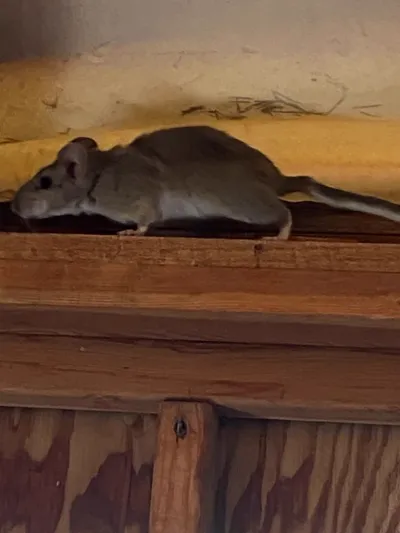


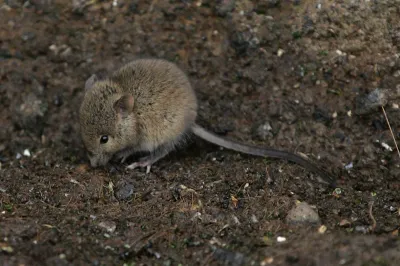
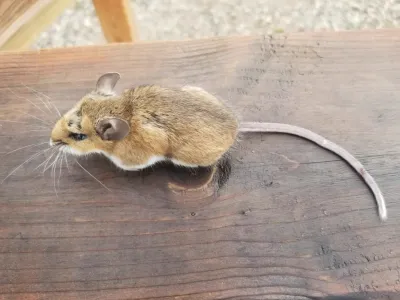
Commonly Confused With
Harvest Mouse are often mistaken for these similar pests


Where Harvest Mouse Are Found
Hover over states to see their names. Green regions indicate where harvest mouse have been reported.
Common Questions about Harvest Mouse
How do I identify a harvest mouse?
+
Harvest mice are very small, measuring 2 to 3 inches in body length with tails of similar length. They have brownish fur with lighter undersides, large ears, and a distinctive feature: grooved upper incisors. This groove on the front teeth distinguishes them from house mice, which have smooth incisors.
Are harvest mice dangerous to humans?
+
Harvest mice pose minimal health risks compared to house mice or rats. They rarely enter homes and are not considered significant disease carriers. However, like all wild rodents, they can potentially harbor parasites such as fleas and ticks, so direct handling should be avoided.
Do harvest mice infest homes?
+
Harvest mice rarely infest homes. They prefer living outdoors in grasslands, meadows, and fields. Occasional individuals may enter buildings during severe weather or when their natural habitat is disturbed, but they do not establish indoor populations the way house mice do.
What do harvest mice eat?
+
Harvest mice primarily eat seeds and grains, which is how they got their name. They forage in agricultural fields and grasslands, eating seeds from grasses, wildflowers, and crops. They also consume insects, especially during breeding season when they need extra protein.
Where do harvest mice build their nests?
+
Harvest mice are skilled nest builders. They construct spherical nests about 5 inches in diameter from woven grasses and plant fibers. Nests are built on the ground hidden beneath vegetation, or elevated in shrubs, tall grass, or low branches. The nests have one or more entrance holes.
How can I tell a harvest mouse from a house mouse?
+
Look at the front teeth. Harvest mice have a distinctive groove running down their upper incisors, while house mice have smooth incisors. Harvest mice are also generally smaller, have proportionally larger ears, and tend to be more brownish-tan rather than the grayish-brown of house mice.
Are harvest mice nocturnal?
+
Yes, harvest mice are primarily nocturnal, meaning they are most active at night. Activity peaks on dark, moonless nights or during rainy weather when they feel more protected from predators. During the day, they rest in their nests.
What should I do if I find a harvest mouse in my home?
+
If you find a harvest mouse indoors, it likely entered accidentally. These mice typically do not establish indoor colonies. Humane live traps can be used to capture and release them outdoors. Sealing entry points around your foundation and ensuring door sweeps are intact can prevent future entries.

With five years of hands-on experience in the pest control industry, George Schulz is a registered technician with the Virginia Pest Management Association and a proud third-generation professional in a family business that's been protecting homes for over 57 years. He manages and trains a team of service pros while also leading internal research efforts—recently spearheading a deep-dive review of thousands of documents on pest control materials to hand-pick the most kid and pet friendly, most effective solutions tailored specifically for homes in the DC metro area.